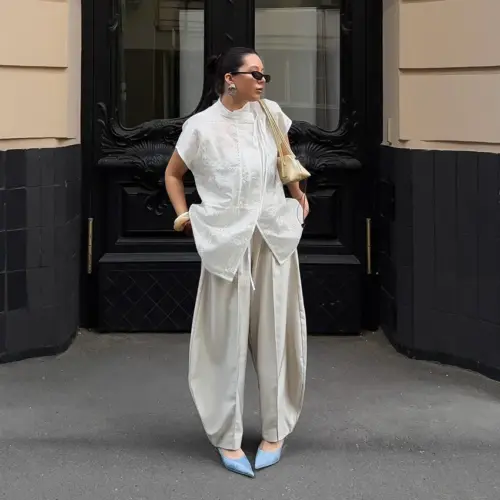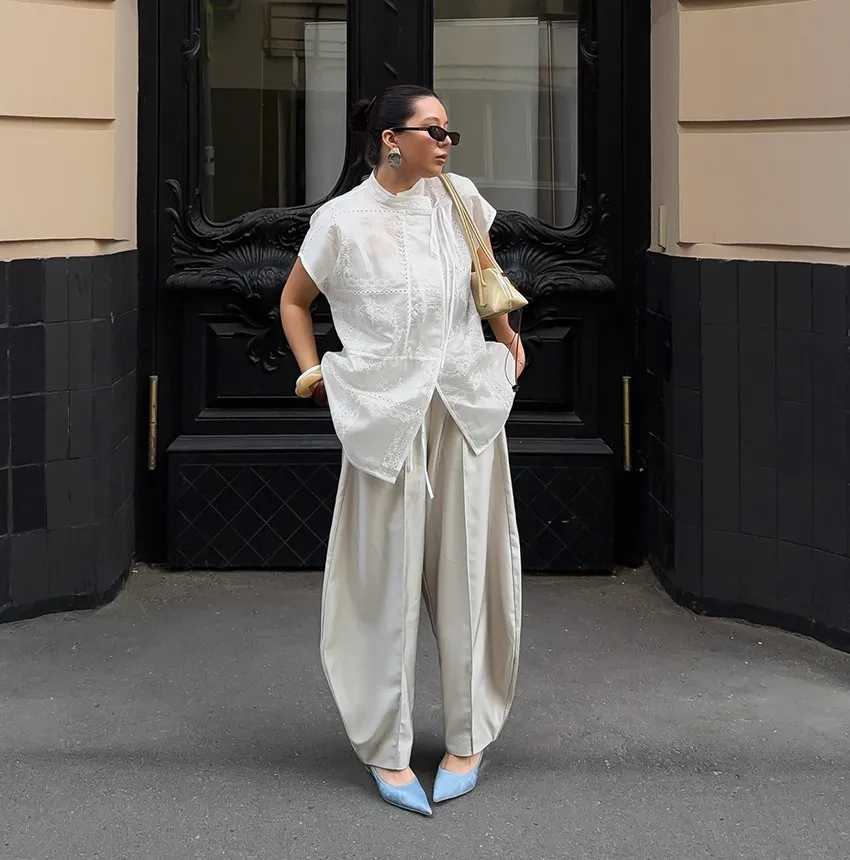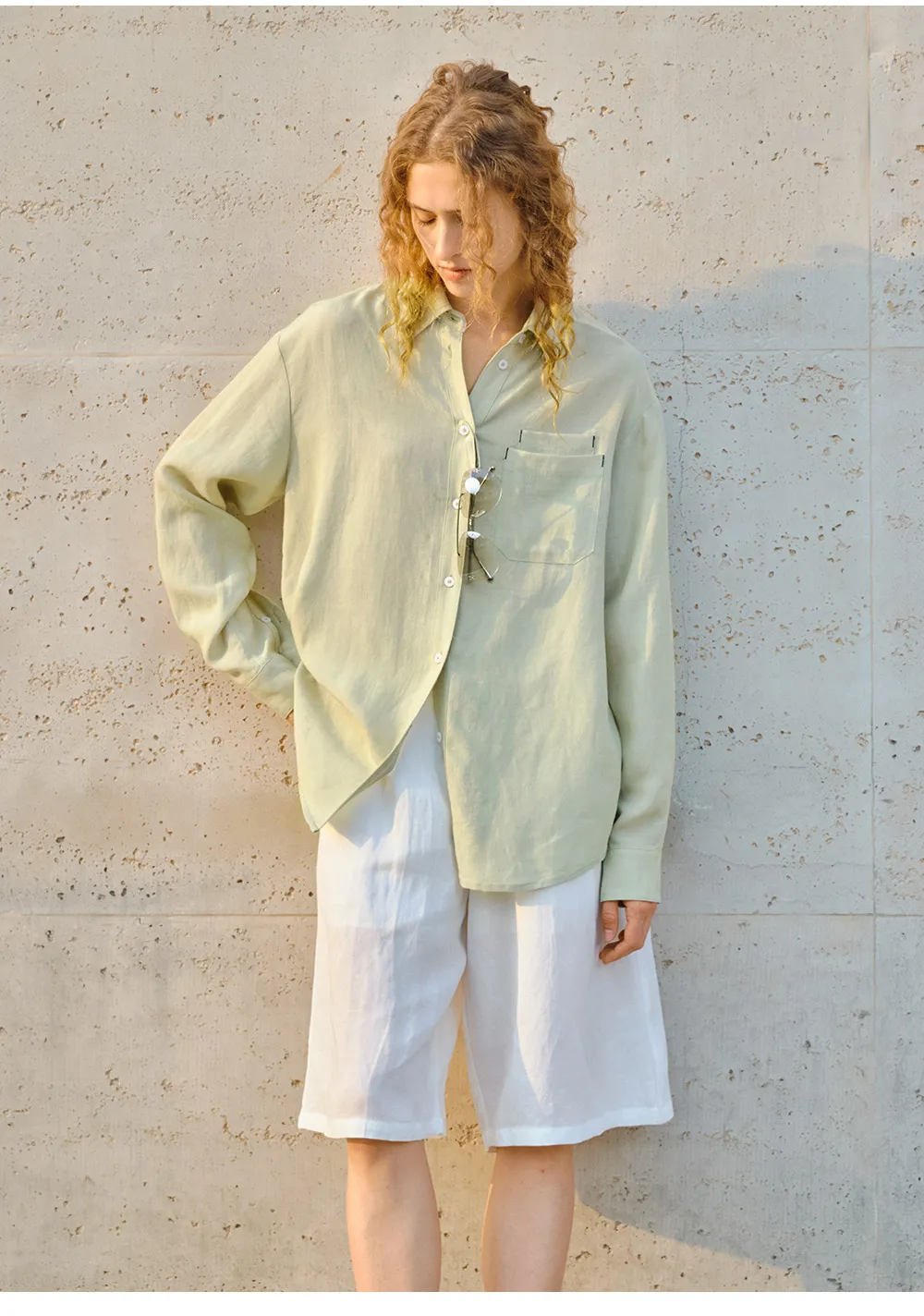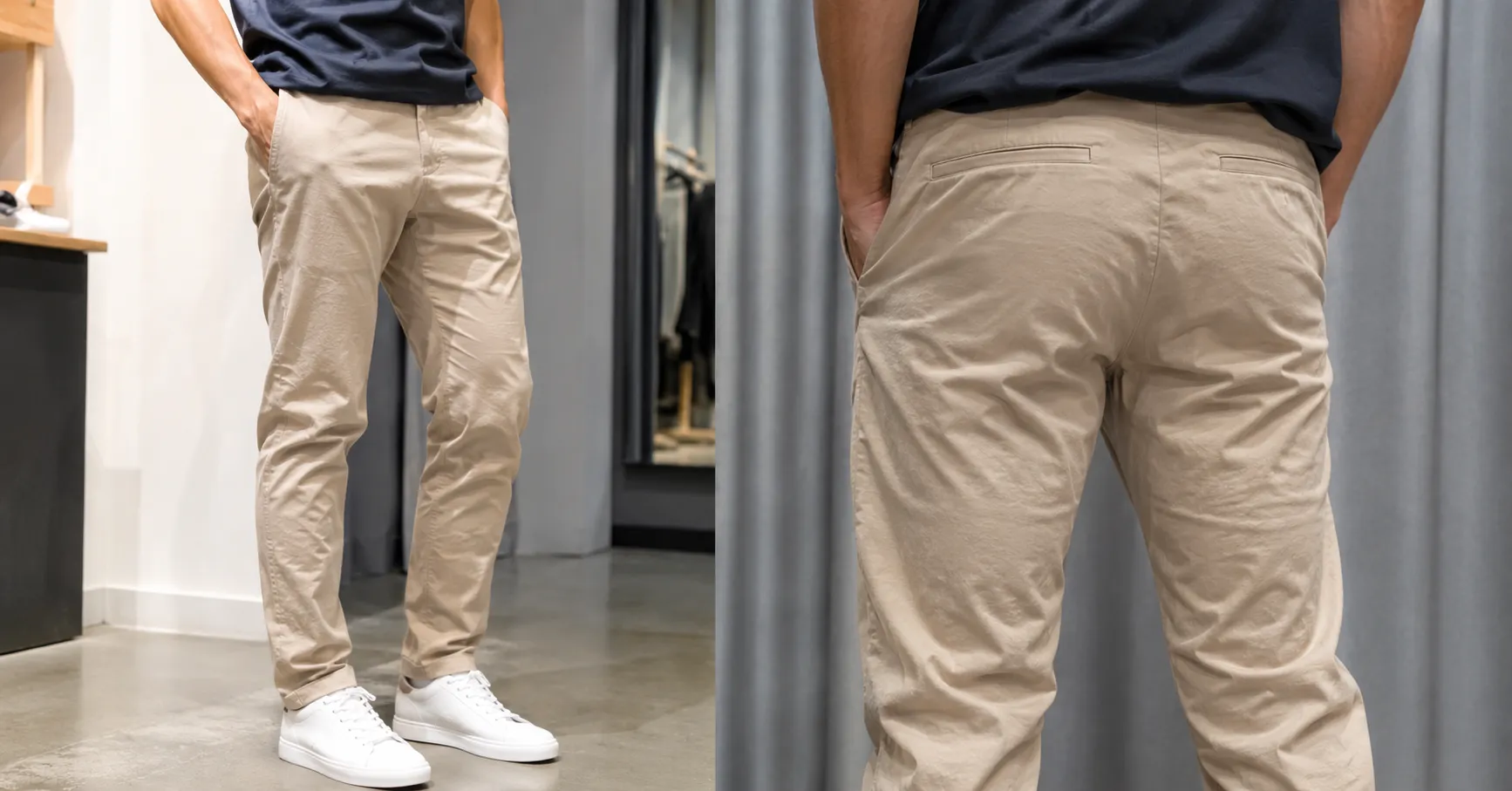

A customer complained on my platform that a pair of pants bought in our store “bagged out” at the seat and crotch area. They assumed our quality was poor. That kind of review can spread fast, and it can hurt trust even when the product is fine.
Seat bagging on 100% cotton pants is usually not a sewing defect. It is a normal fabric behavior caused by low elastic recovery. You can reduce it by choosing the right fiber blend, structure, fit, and care routine.
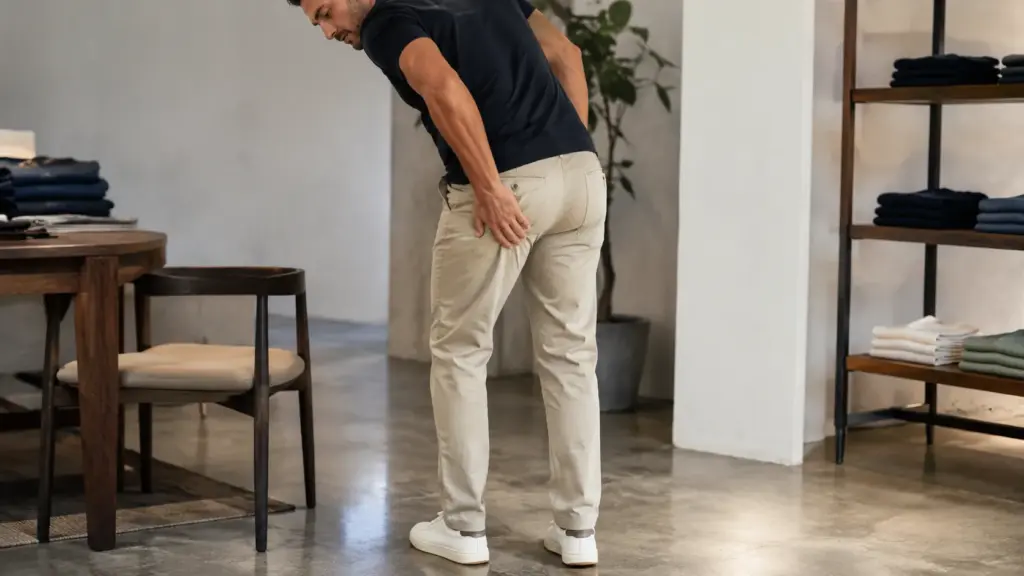
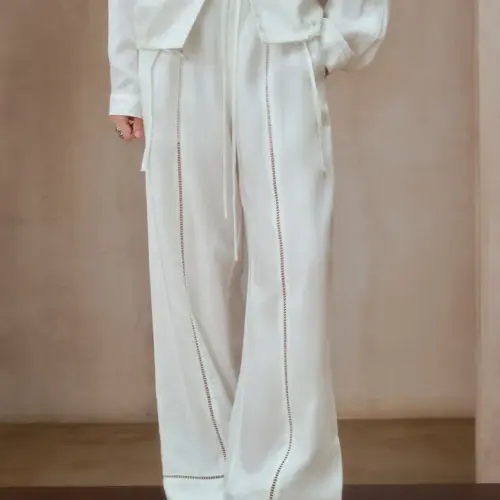
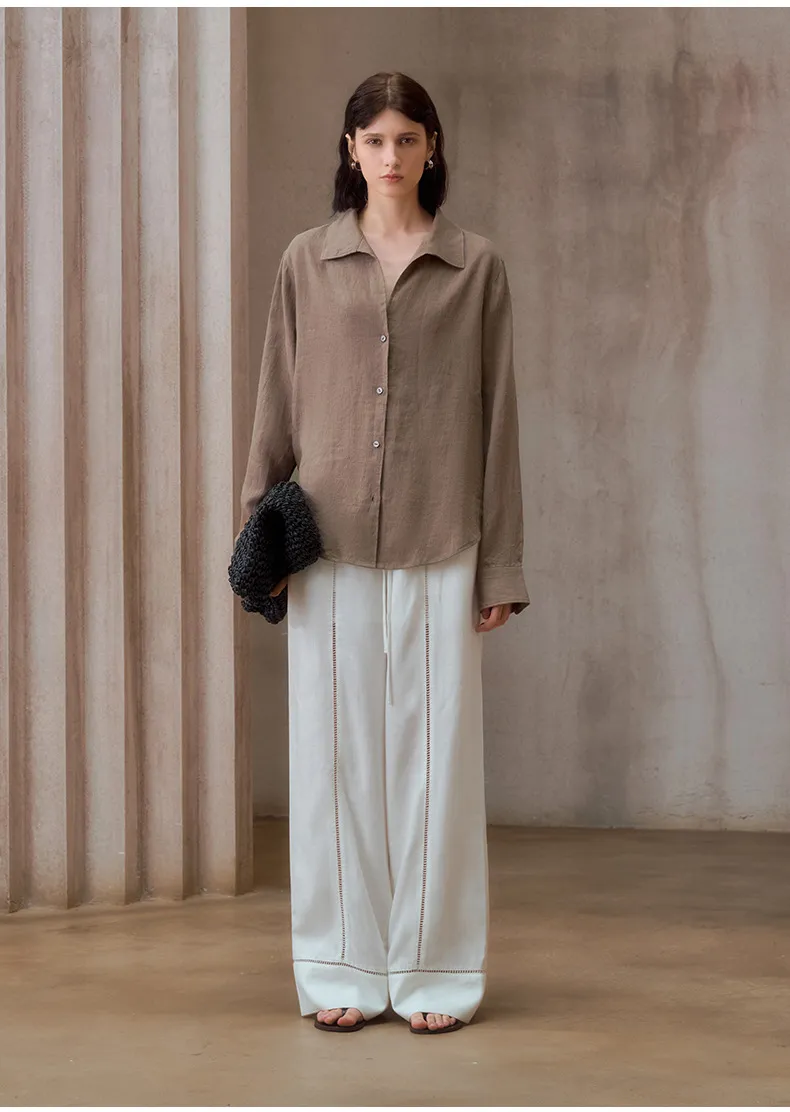
So I asked my team to bring the exact pants from stock so I could inspect them myself. I checked the hangtag first. The composition was clearly marked as 100% cotton. That matters because it tells me the fabric has no stretch yarn like spandex. Then I checked the style. It was a relaxed fit, which means more fabric volume and more folds during movement. After that, I looked at stitching, seams, and overall workmanship. Everything looked clean and stable. In short, I did not see a quality failure. I saw a common misunderstanding about cotton. If you sell, source, or wear cotton pants, this topic decides whether you get repeat buyers or refund requests. Let me break down what I learned from this case.
Why do 100% cotton pants “bag out” at the seat, crotch, and knees?
When customers say “bagging,” they usually mean the pants look loose and pushed out in key areas. It feels embarrassing for them, and I understand that. Still, the reason is often simple and predictable.
100% cotton has weak bounce-back because it lacks elastic fibers. After repeated sitting, squatting, or lifting the knees, cotton stays stretched longer, so the seat, crotch, and knees can look baggy.
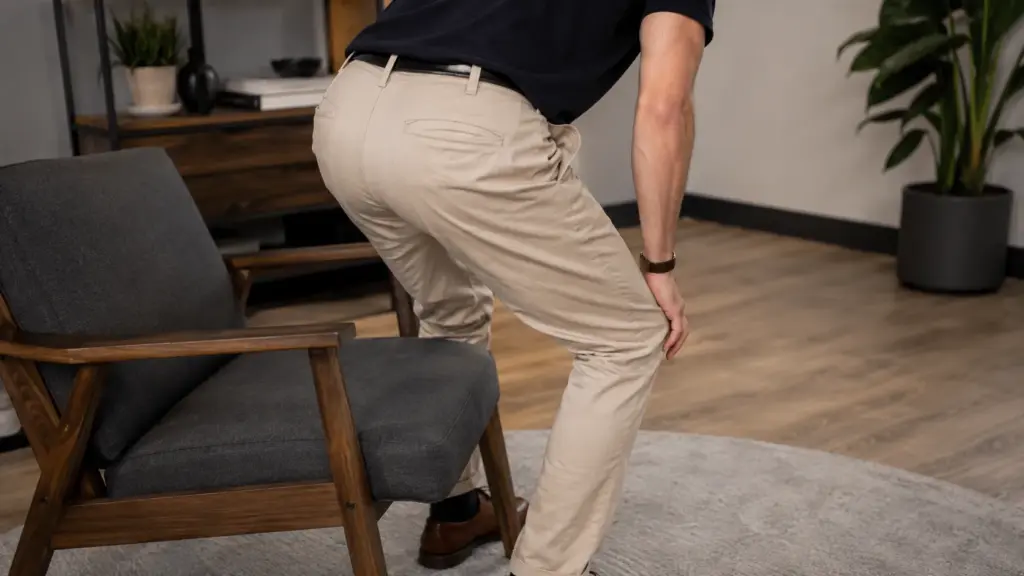
What triggered the complaint in my real case
I replayed the customer’s daily actions in my mind. The seat and knees are not random problem zones. They are high-stress zones. Every time you sit down, the fabric stretches over the hips and thighs. Every time you stand up, the fabric needs to recover. A stretch fabric snaps back because elastic yarn acts like a spring. Pure cotton does not have that spring. I often explain it like a cotton ball. If you pull it into a shape, it tends to stay in that shape. It may relax slowly, but it rarely returns sharply to the original form.
The relaxed fit also matters. Relaxed patterns carry extra fabric. Extra fabric creates more folds and shear during movement. That increases the chance that the fabric “memorizes” a stressed shape. Many consumers do not know this. They see the shape change and conclude “bad quality.” For brands and wholesalers, this turns into a negative review and sometimes returns, even if the product meets standards.
A practical table: fabric property vs. customer experience
| High-traffic keyword | What customers notice | Common location | Root cause | Common wrong assumption |
|---|---|---|---|---|
| 100% cotton pants bagging | loose bulge, “baggy seat” | seat, crotch, knees | low elastic recovery | poor workmanship |
| cotton fabric deformation | wrinkles and shape change | thighs, knees | fiber holds stress shape | cheap fabric |
| 100% cotton not structured | looks less crisp | leg, crotch | no elastic support | bad pattern |
| cotton shrinkage after wash | shorter, tighter | length, waist | cotton absorbs water and contracts | wrong size label |
How I explain it in a store without sounding defensive
I tell the customer the truth in plain words. Cotton feels great because it is breathable and skin-friendly. The trade-off is that it wrinkles more and recovers less. I also tell them that the hangtag is not decoration. It is the “behavior label” for the garment. If you buy 100% cotton, you are choosing comfort and airflow, but you must accept lower recovery.
When is cotton deformation a normal property, and when is it a real quality issue?
From my experience, the word “deformation” hides two concerns. First, the pants do not look good. Second, the customer feels cheated. If I do not separate “fabric behavior” from “production defect,” we end up arguing instead of solving.
Cotton bagging is usually a normal fabric property. It becomes a quality issue when there is abnormal stretching, severe distortion after one wash, seam pulling, or uncontrolled size change beyond tolerance.
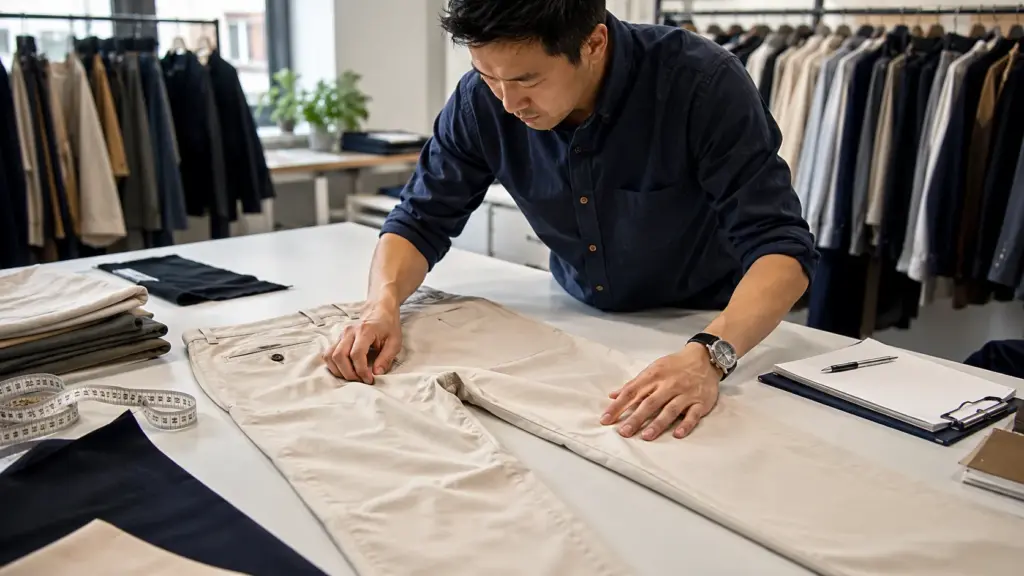
My three-step inspection method for stores and after-sales
When I have the actual product in my hands, I do three checks. First, I check fiber content and care label. If it is 100% cotton, weak recovery is expected. Second, I inspect key seams: crotch seam, side seams, knee area, and stress points. I look for skipped stitches, seam slippage, and thread breakage. If seams are stable, the structure is not failing. Third, I look at the fabric surface. If it is only bagging and folds, not yarn breakage or holes, then it is not a defect. It is stress memory.
This method helps me give an answer that is fair to both sides. I can say, “I see the change you feel. But I do not see a manufacturing fault. This is how pure cotton behaves under repeated stress.”
When I would treat it as a quality problem
| Symptom | Could be a quality issue? | What I would check first |
|---|---|---|
| normal seat/knee bagging | usually no | fiber content and usage pattern |
| severe deformation after one wash | yes | pre-shrinking, finishing, fabric weight |
| wavy distortion in panels | yes | grain direction, skew, cutting stability |
| seam area puckering or pulling | yes | stitch tension, seam allowance, needle choice |
| waist grows a lot with wear | yes | waistband structure, fusing, elastic material |
Why this matters for brands and wholesalers
Customers do not hate honest limitations. They hate surprises. If you clearly communicate “100% cotton may bag with long sitting” before purchase, you reduce complaints. You also turn honesty into brand trust. For wholesalers, this reduces platform disputes and helps your buyers sell with confidence.
How do I reduce cotton bagging through composition and fit selection?
In sourcing, I try to avoid “hope-based decisions.” If you want stable shape, you must start with material choice. If you want pure cotton, you must choose the right structure and weight.
To reduce deformation, choose cotton with a small spandex percentage (micro-stretch) or a higher-weight cotton structure. If you must use 100% cotton, focus on fabric weight, weave, and a fit that distributes stress.
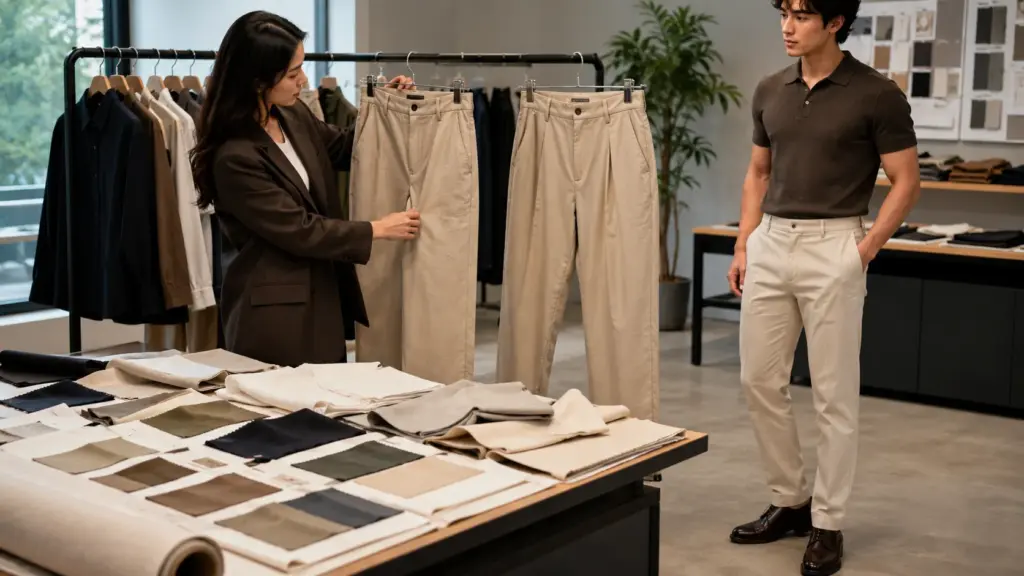
My quick decision framework for buying and product planning
I ask three questions every time. Where will the customer wear it? Will they sit for long hours, drive often, or squat frequently? Do they want a crisp silhouette or a soft casual look? If the customer is a commuter who sits all day, I usually recommend cotton with 1%–3% spandex. That tiny amount can change recovery a lot. If the customer strongly wants 100% cotton, I move to fabric engineering: higher GSM, tighter construction, and more stable weave like twill.
Fit also matters. A very relaxed crotch and seat can look good on a hanger, but it can also create extra folds and stress lines during wear. I prefer a balanced pattern that is comfortable but not oversized in stress zones. I also look at the crotch curve, thigh ease, and whether the pattern uses structure elements that support shape.
What to choose: a clear comparison table
| Option | Bagging risk | Best for | What to watch |
|---|---|---|---|
| 100% cotton, low-weight plain weave | high | hot weather comfort | wrinkles and bagging more likely |
| 100% cotton, higher-weight twill | medium | more structured cotton look | less airflow but more stability |
| cotton + spandex (micro-stretch) | low | office wear, long sitting | better recovery and shape |
| cotton + polyester/nylon blend | low to medium | durability, anti-wrinkle | feel and breathability trade-off |
| relaxed fit with low structure | medium to high | casual loose style | more folds, more stress memory |
| shaped pattern with structure | lower | stable silhouette | higher cost but better value |
In my business, we sometimes add a special tag for fabrics or pants that use specific processes. I do not want vague claims. If a finishing process truly improves stability, I prefer to say exactly what it helps with, like “more stable after wash” or “reduced knee bagging.” Clear claims help brands, wholesalers, and end users trust the product.
How should I wear, wash, and store 100% cotton pants to prevent deformation?
I have seen the same pants perform very differently depending on care. Cotton becomes softer and more vulnerable when wet, so handling after washing matters a lot.
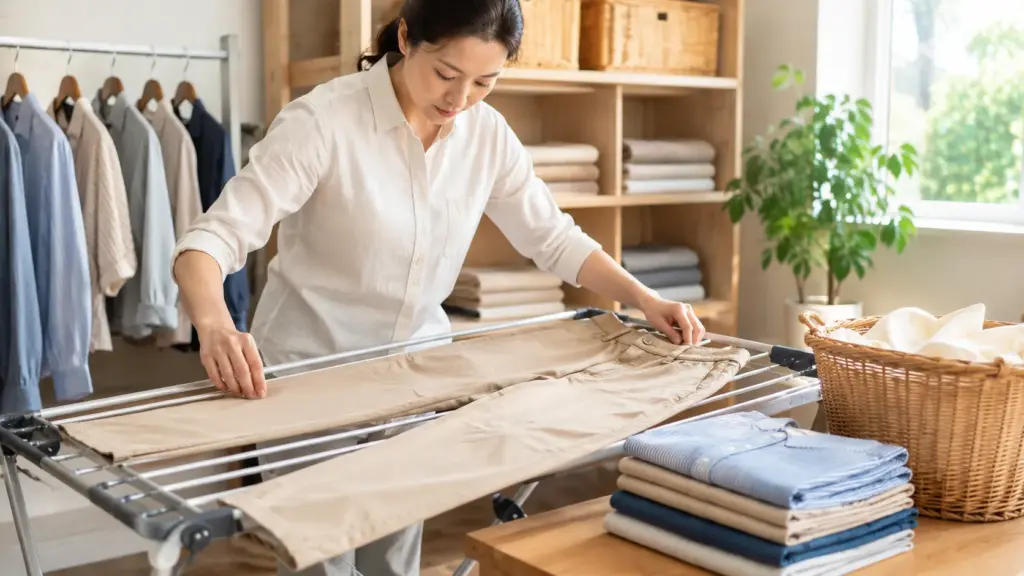
To reduce cotton deformation, reduce repeated stretching and avoid pulling the garment when wet. Use gentle washing, low spin, no twisting, support the garment during drying, and rotate wear between pants.
The simple “store script” I give to customers
I keep it practical. I tell them not to wear the same 100% cotton pants every single day if they care about shape. Rotation helps the fibers relax. I also tell them not to sit with knees lifted for long periods, because knees are a top bagging zone. For washing, I recommend gentle cycles, lower spin, and no hard twisting. Wet cotton stretches easily, so twisting and hanging by a single point can pull the waist and seat out of shape. For drying, I suggest flat drying or multi-point support. If they want a crisp look, light ironing is not “extra work.” It is normal maintenance for cotton.
A clear checklist for daily use
| Situation | What often goes wrong | What works better | Why it helps |
|---|---|---|---|
| long sitting | knees lifted for hours | change leg position sometimes | less repeated stress on knees |
| daily outfits | wear one pair nonstop | rotate 2–3 pairs | fibers get time to recover |
| washing | harsh cycle and high heat | gentle wash, cool/warm water | less fiber damage and stress |
| spinning | long high-speed spin | short low-speed spin | less wet-state pulling |
| drying | hang by waistband only | flat or multi-point support | stops gravity stretching |
| storage | crumple in a ball | fold neatly or hang properly | reduces permanent creases |
What this means for the end user
If you love cotton, you probably love its comfort, breathability, and natural feel. Cotton is honest. It does not pretend to be a spring. Once you know that, you can choose the right fabric for your lifestyle, or care for pure cotton in a way that keeps it looking good longer. That is how you avoid feeling disappointed, and it is how brands avoid losing trust.
Conclusion
100% cotton can bag out because it has low recovery, not because it is fake. Choose the right blend or structure, and use better wear and wash habits to reduce deformation.
Why I Write This
I am Lancy Chia from Truekung in China. We focus on B2B wholesale clothing and OEM/ODM services with a 200+ worker factory and 20 years of export experience. If you are a brand or wholesaler and want stable fabric options and clear QC standards, contact me at [email protected] or visit https://truekung.com.
Views: 129