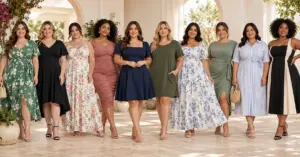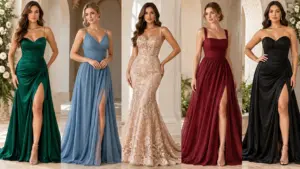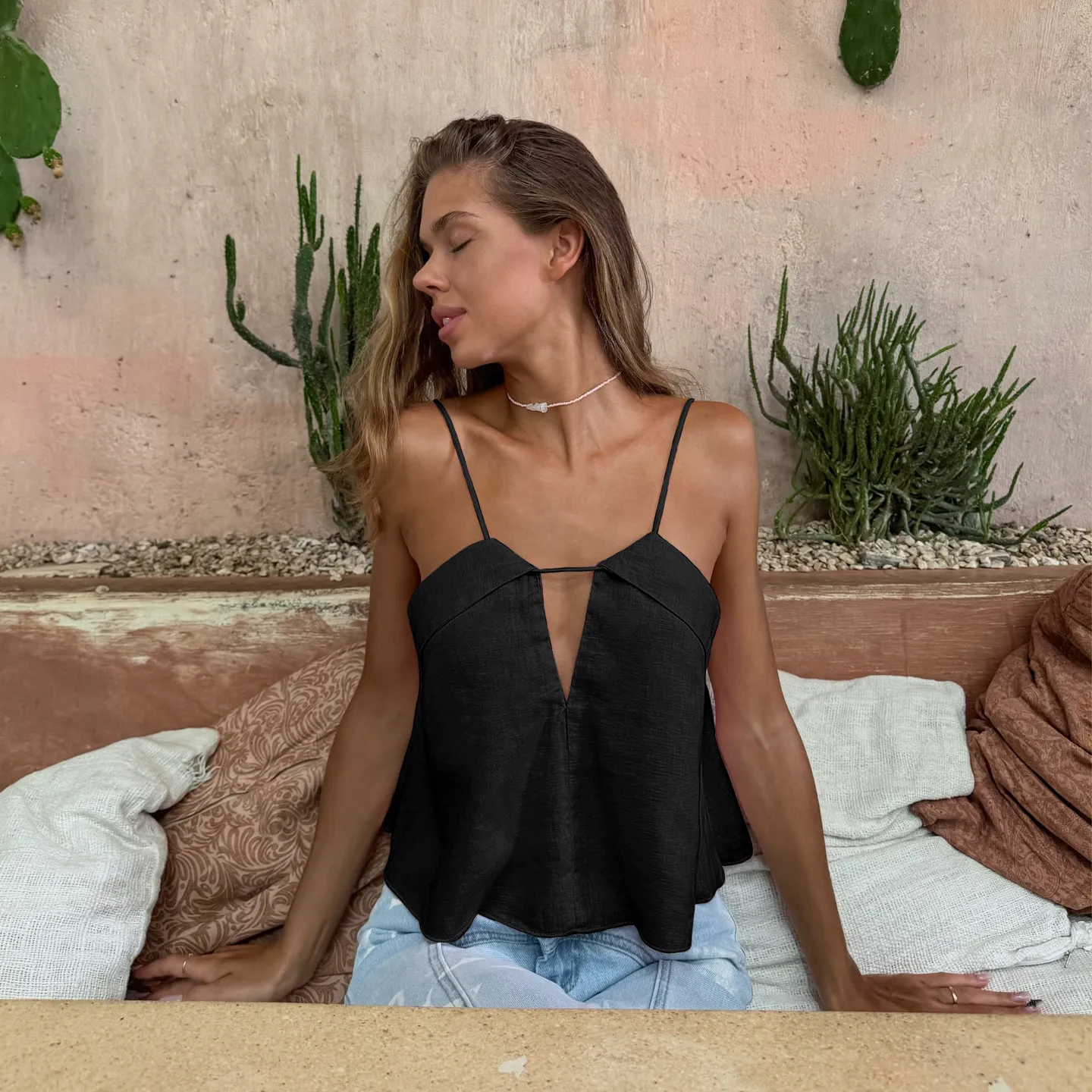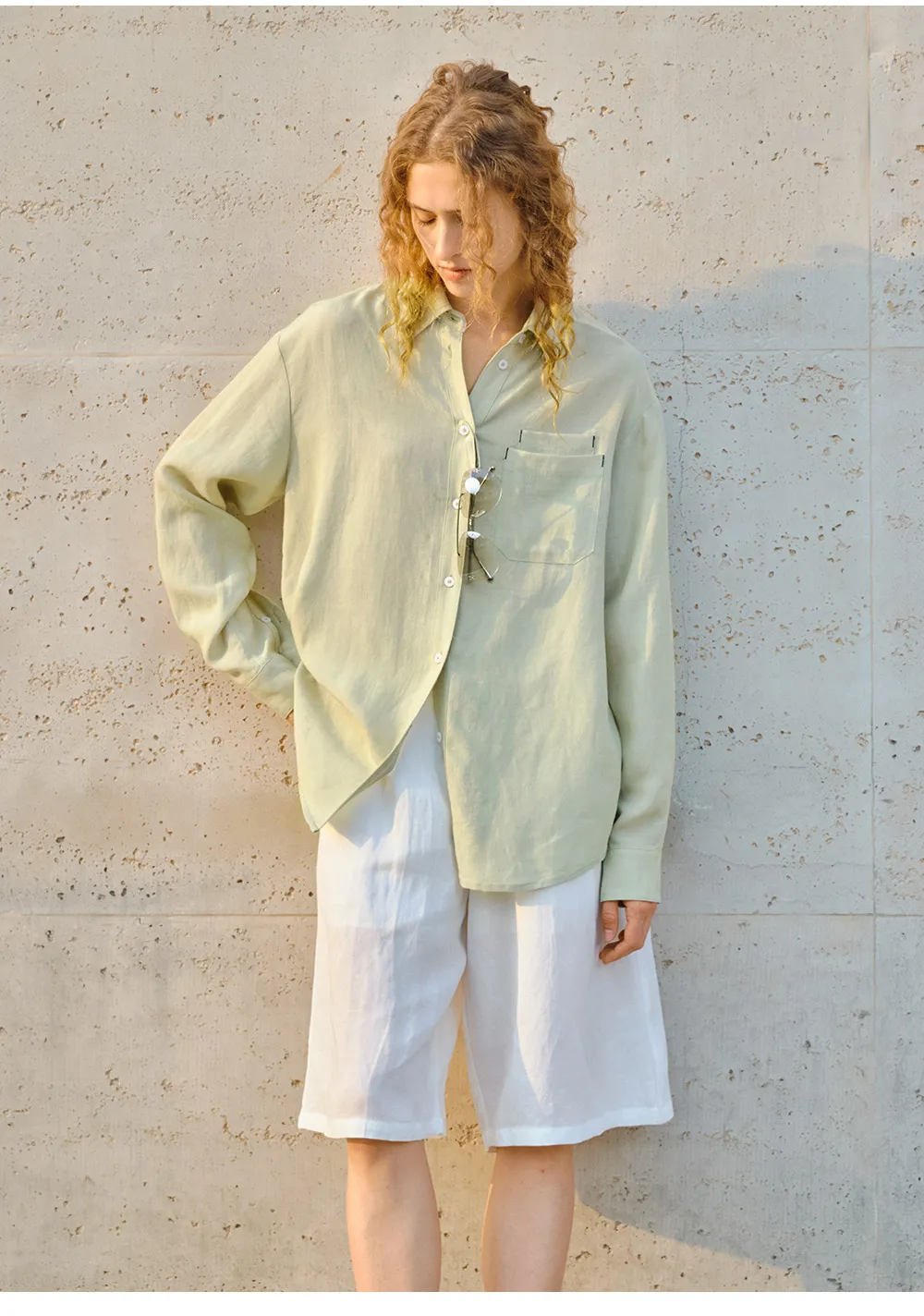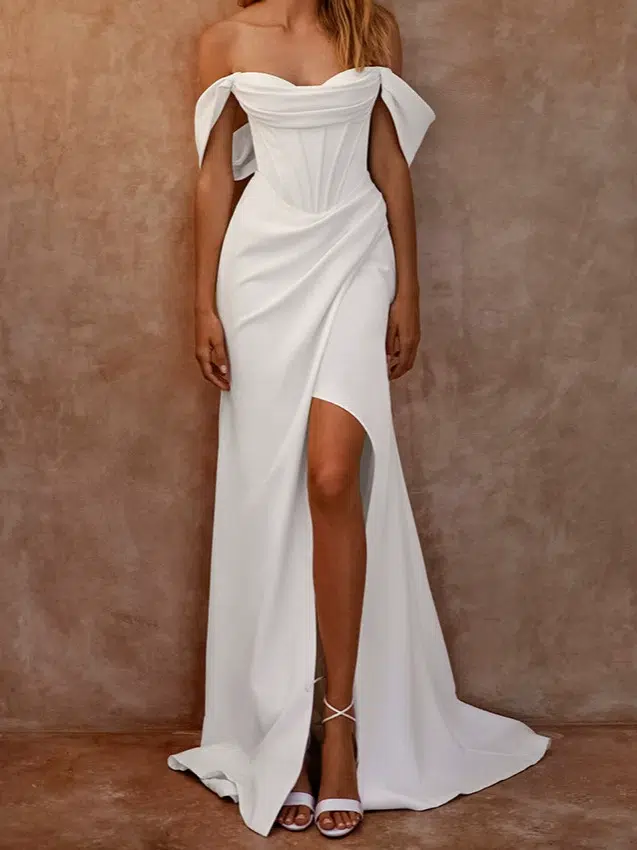

Cider looks cute and cheap, so it feels safe to buy. But cheap fashion often hides worker risks, waste, and weak checks that buyers never see.
Yes, Cider is widely seen as fast fashion because it drops many new styles at low prices and runs on fast trend cycles. If you care about ethics and sustainability, you should treat Cider as “high risk” unless it shows clear proof on wages, audits, and materials.
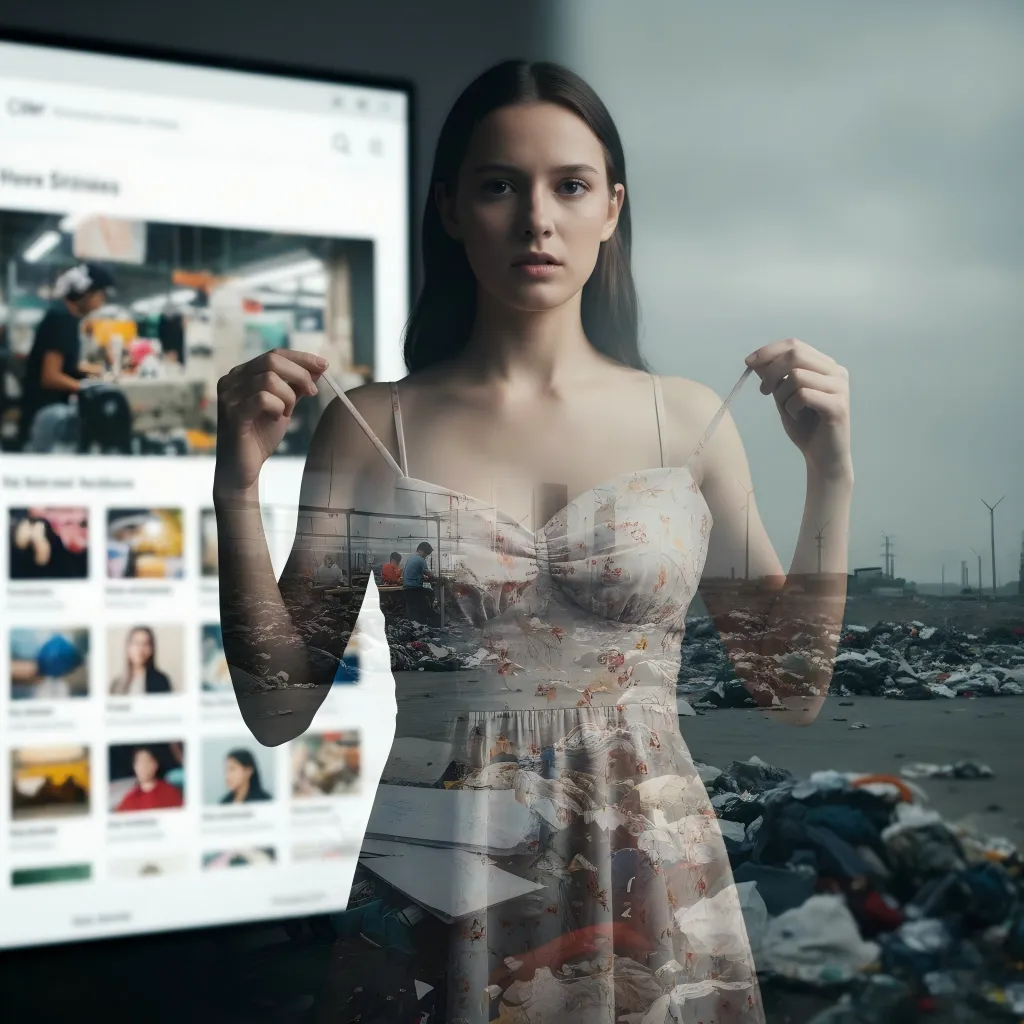
I work with clothing buyers all the time, and I see the same moment again and again: a hot product goes viral, and a buyer wants it yesterday. Cider lives inside that moment. If you keep reading, I will show you how I judge brands like Cider, even when I do not like what I find, because the details decide everything.
What is Cider clothing, and where is Cider based?
Cider feels like a fun app brand, so people assume it is “just a store.” But where it is based and how it ships tells you how the machine really works.
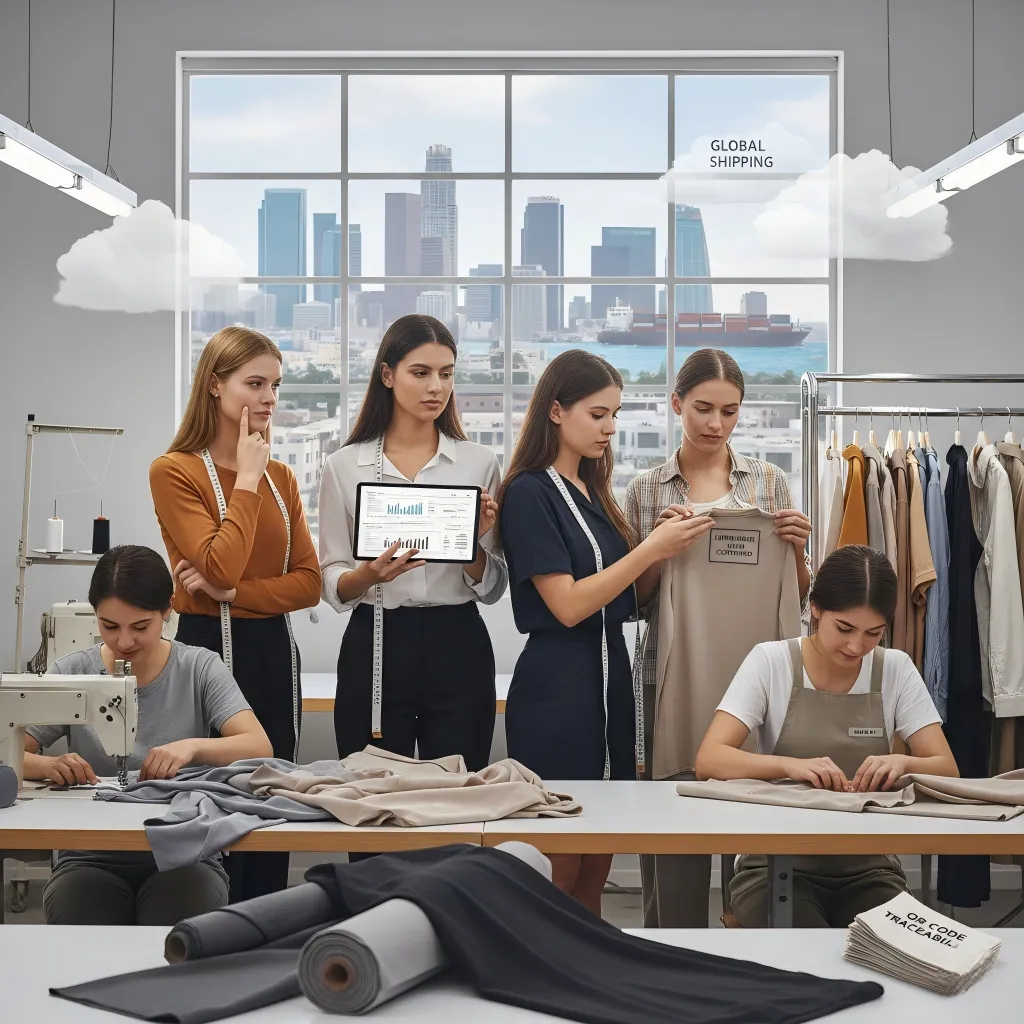
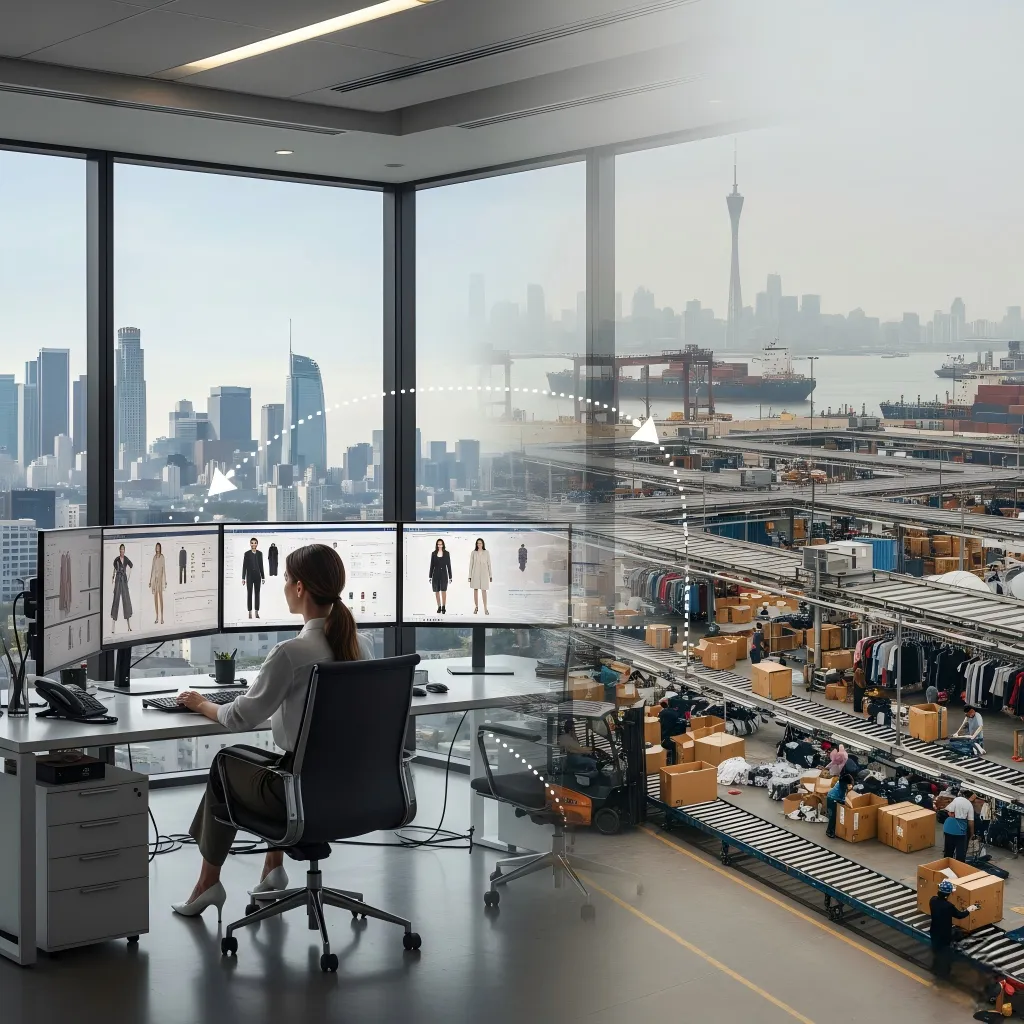
Cider sells trend-driven women’s clothing mainly online, and many reports describe corporate offices in Los Angeles with major operations and warehousing tied to Guangzhou, China. That mix often signals a fast supply chain with global shipping, fast testing, and fast product turnover.
What I look for first: the “business shape”
When I check “what is Cider clothing” or “what is Cider clothes,” I do not start with style. I start with structure. I ask: where does it design, where does it source, where does it pack, and where does it ship. Many fast fashion brands keep marketing in a U.S. city, then keep production and warehousing close to large garment hubs. Guangzhou is one of the biggest hubs in China, so I am not shocked when people search “where does Cider clothing come from” or “where is Cider clothing from.” The question matters because it connects to labor standards, shipping time, and return friction. I have seen buyers miss a whole sales season because a brand’s “fast” promise was not real.
A quick map for common buyer questions
| Question buyers type | What it often means in real life | Why it matters to me |
|---|---|---|
| where is cider clothing based | office location vs. operations | controls, contracts, accountability |
| where does cider clothing come from | manufacturing region | wage risk, subcontracting risk |
| where are cider clothes made | factory network | audit scope, consistency, defects |
| cider brand is from which country | brand identity vs. supply chain | legal entity, enforcement options |
| cider com / shopcider dresses | buying channel | return rules, customer support |
The keyword mess is a signal, too
I also notice how people search: “c i d e r,” “cidee,” “ciddr,” “cieder,” “ciderf,” “cider com clothes,” “www.cider clothing,” even “coder clothes.” That noise tells me two things. First, the brand is algorithm-driven, not store-driven. Second, buyers often arrive through social media, not through slow research. That is not a moral issue by itself, but it matches the fast fashion pattern.
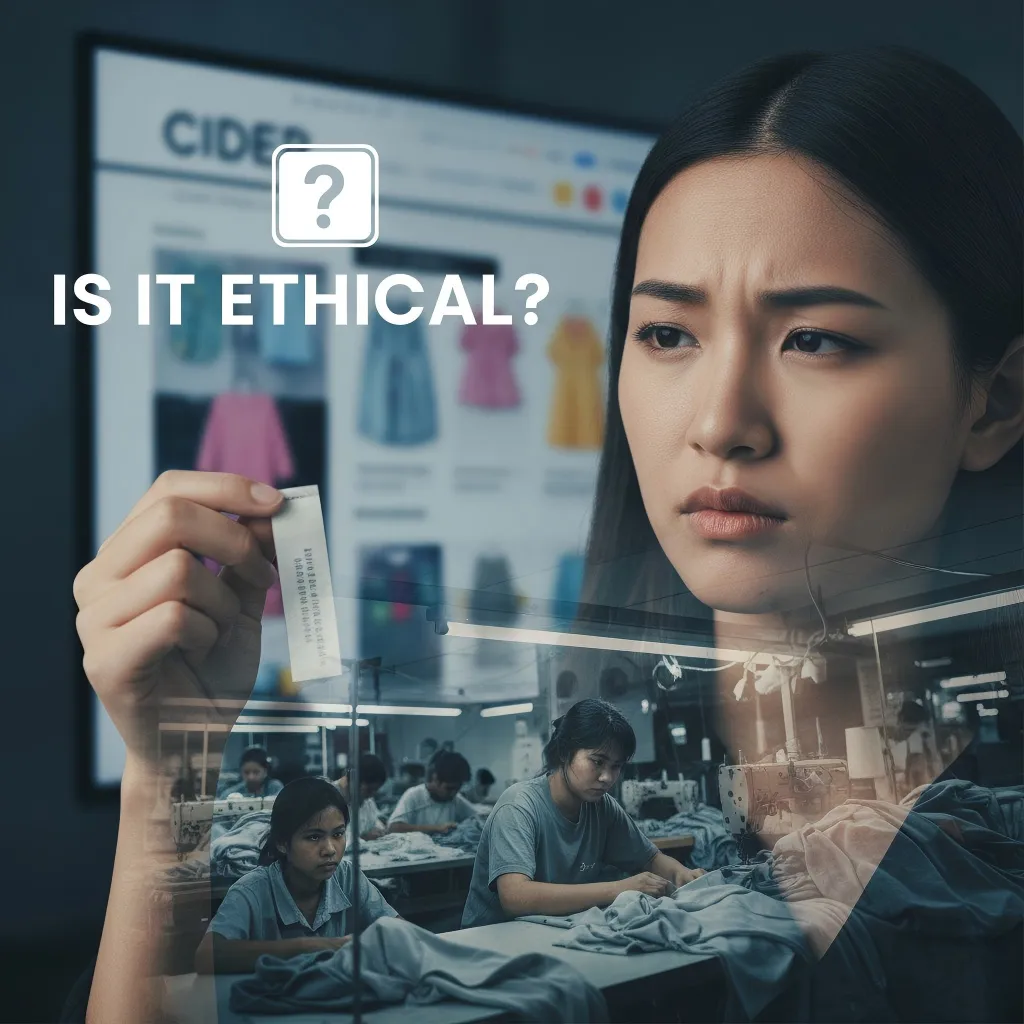
Is Cider ethical, and does Cider use child labor?
People want a simple yes or no. But ethics is not a label. Ethics is proof, and proof lives in wages, audits, and how a brand fixes problems.
Cider has faced criticism from watchdogs for weak public proof on living wages and supply-chain depth, which makes “is Cider ethical” hard to answer with confidence. I have not seen verified public evidence that Cider uses child labor, but limited transparency means shoppers also cannot fully rule it out from the outside.
My “ethical” test is boring on purpose
When Maria (a buyer like the one I often work with) asks me “is Cider an ethical brand,” I slow the talk down. I ask for documents that do not depend on vibes. I want to see:
- a supplier list that is not just a sample
- audit types, audit dates, and what failed
- wage approach, and if it is living wage or only legal minimum wage
- grievance channels for workers
- how the brand pays suppliers, and if the brand forces last-minute price cuts
If a brand only shows a small slice, it can still be better than nothing, but it can also be “cherry picking.” That is why some people ask “ethic cider” or “cider ethical” like it is a product feature. Ethics is not a feature. Ethics is a system.
How I compare Cider with Shein without playing favorites
A lot of people type “is Cider like Shein” or “is Cider more ethical than Shein.” I do not treat that as a beauty contest. I treat it as a risk comparison.
| Topic | What fast-fashion brands often do | What I want to see | What shoppers usually see instead |
|---|---|---|---|
| Wages | meet minimum wage only | living wage plan + proof | vague statements, no numbers |
| Audits | audit tier-1 only | tier-1 to tier-3 roadmap | “we care” pages |
| Subcontracting | outsource to meet speed | disclosed controls | silence |
| Fixing issues | stop orders quietly | corrective action + follow-up | no public closure |
About “does Cider use child labor?”
This is sensitive, and I treat it carefully. I do not accuse without strong proof. I also do not “guarantee” safety when proof is missing. Child labor risk is higher in supply chains that move fast, chase low costs, and use layered subcontracting. So I judge the controls, not just the country name. China is not a shortcut answer. Bangladesh is not a shortcut answer. Controls are the answer.
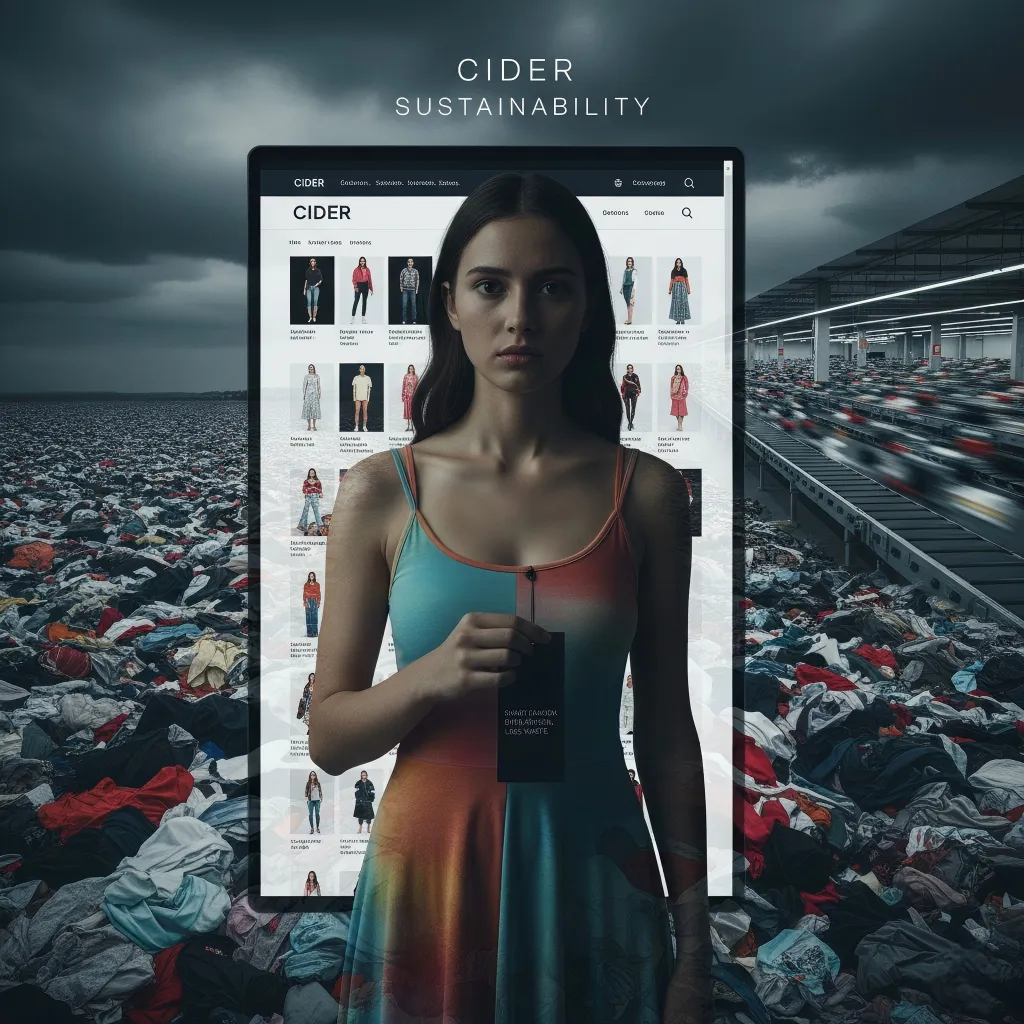
How sustainable is Cider, and what does Cider sustainability really mean?
Sustainability marketing is easy. Sustainability practice is hard. Fast fashion makes it harder because it pushes volume, speed, and short wear time.
Cider sustainability claims often focus on being “data-driven” and reducing waste, but independent reviewers still rate its environmental impact poorly, mainly due to fast-fashion volume and heavy use of synthetic fabrics. If you want to shop smarter, the safest move is still to buy less and buy longer-lasting pieces.
I start with materials, because materials do not lie
When a shopper types “cider colour” or “cider shorts” or “cinder dresses” or “cider tights,” they are thinking about looks. I think about fiber content first. Many low-priced trend items lean on polyester blends, spandex blends, and other fossil-based synthetics. These fabrics can shed microfibers in washing, and they often have a harder end-of-life story. That does not mean every synthetic is evil. It means the brand needs a plan. A real plan has targets, timelines, and numbers.
The fast-fashion model fights sustainability
I have worked in production for years. When a brand drops new items weekly, it creates pressure up and down the chain. It pushes quick sampling, then quick bulk, then quick shipping. That cycle often increases:
- sample waste
- overproduction risk
- air shipping risk
- returns and reverse logistics waste
Here is how I explain it to buyers who ask “is shop Cider fast fashion” or “cider fast fashion”:
| Sustainability area | What “good” looks like | What fast fashion often looks like | What I do as a factory partner |
|---|---|---|---|
| Design | fewer styles, longer life | many styles, short life | push classic blocks, better QC |
| Materials | recycled, certified, traceable | mixed synthetics, weak tracing | propose certified options and tests |
| Production | stable orders | rush orders | lock timelines, reduce rework |
| Shipping | sea when possible | air when late | plan earlier, build buffer |
The part nobody likes: greenwashing checks
Some brands talk about “smart fashion,” “made-to-demand,” or “we produce what customers want.” I like the idea, but I still ask for proof. Data-driven production can reduce waste in some cases. It can also be a story that hides the same volume problem. So I look for disclosures like total production volume, unsold handling, and return rates. Most brands do not share these. That is why watchdog ratings often stay harsh.
What I would do if I had to buy from Cider anyway
I do not tell people what to do with their money. I do share my own rule set:
- I buy only pieces with clear fabric content and clear care instructions.
- I avoid “one-wear” looks and thin knits.
- I pick items that can survive at least 30 wears.
- I treat a “cheap” dress as expensive if it fails in 3 washes.
This is also where “yohers clothing reviews” style searches show up. People are hunting for trust signals because the brand story is not enough.
Conclusion
Cider fits the fast fashion pattern, and its ethics and sustainability are hard to prove from the outside. I treat it as high risk and I buy less, slower, and longer.
Why I Write This
I am Lancy Chia from Truekung in China. I run a wholesale clothing business that supports B2B buyers and brand owners. My factory has more than 200 workers, and I have 20 years of foreign trade production and export experience. I focus on fashion women’s clothing, jackets, skirts, dresses, jeans, T-shirts, sweatshirts, down jackets, windbreakers, coats, fashion bags, sportswear, children’s clothing, and underwear.
When a buyer like Maria talks to me, she wants two things at the same time. She wants stable quality, and she wants a price that still lets her win in her market. I respect that. I also know her pain points: slow replies, late delivery that misses the season, and fake certificates. So I work in a simple way. I confirm specs in writing. I share production timelines with buffer time. I support third-party inspection. I send real certificates that match real batches. I also talk about the hard parts early, like fabric shrinkage, color fastness, and size tolerance.
If you are building a brand and you want OEM/ODM support, you can contact me:
- Name: Lancy Chia
- Brand: Truekung
- Website: https://truekung.com
- Email: [email protected]
Views: 741