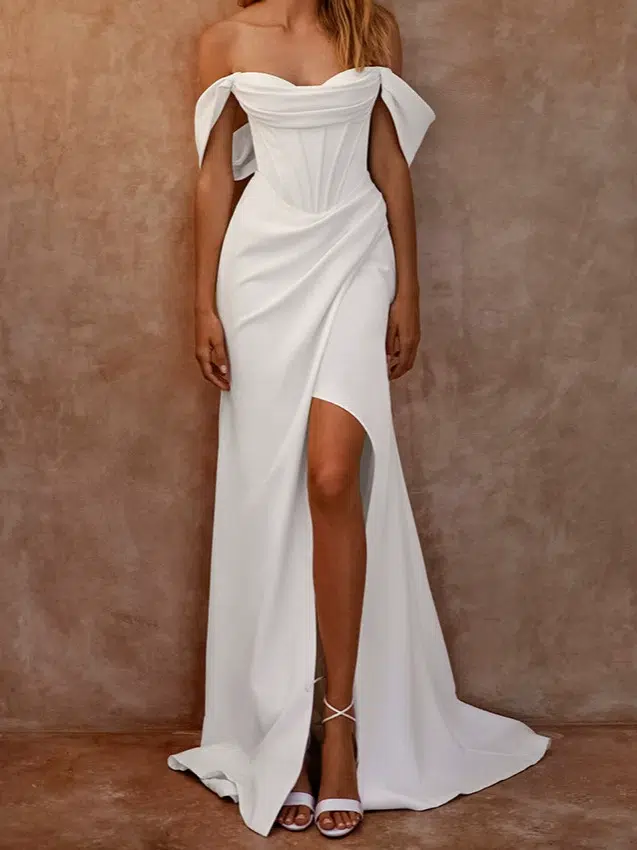
Many buyers worry polyamide feels stuffy or causes sweating. Let’s make things clear—polyamide isn’t always hot or uncomfortable. The key lies in the design and use.
Polyamide fabric can be breathable if it’s blended properly, knitted or woven in an open structure, and used without heavy coatings.
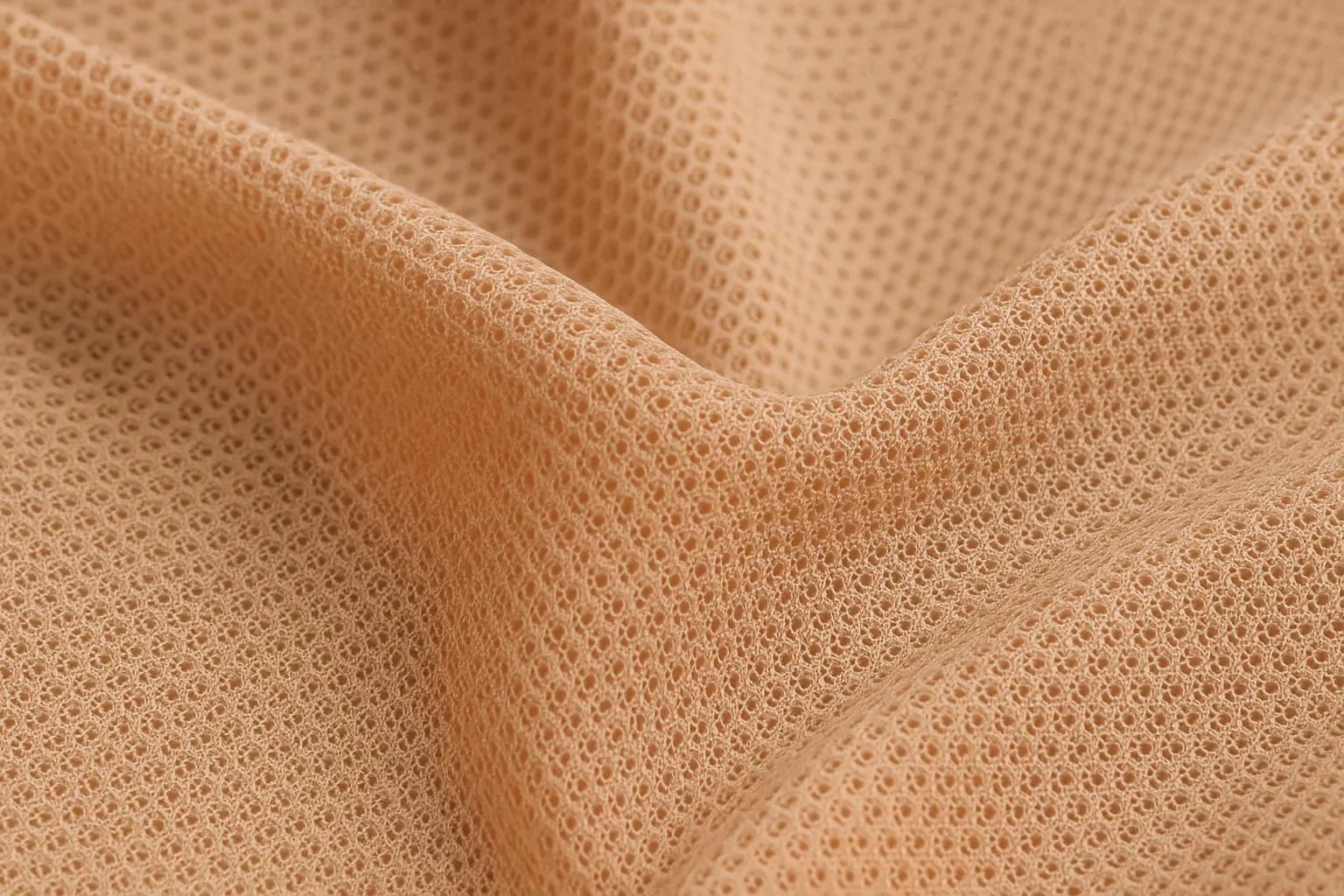
Choosing the right polyamide fabric matters. If you want breathable, stretchable, and comfortable garments for your brand, I can help you customize the right solution.
What is polyamide fabric, exactly?
Polyamide is often misunderstood. People hear “synthetic” and assume it’s plastic-like and suffocating.
Polyamide is a synthetic fiber known for strength, softness, and flexibility. In fashion, it’s commonly used in women’s clothing, sportswear, and lingerie.
Dive deeper: What makes up polyamide?
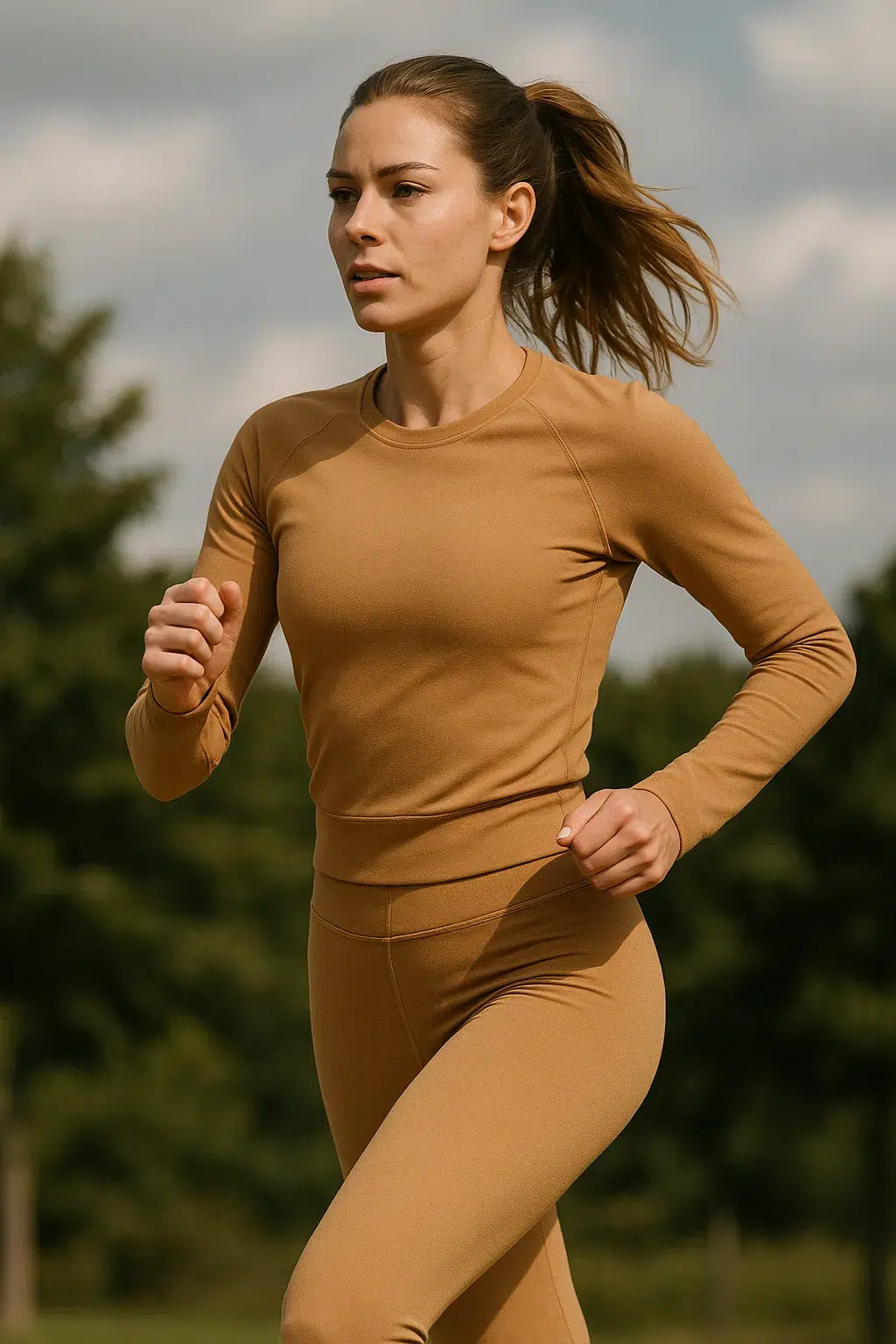
Polyamide is made by linking chemical monomers with amide bonds. The most common example is nylon. Polyamide fabric can be engineered with various properties: soft hand feel, good stretch, and strength. In my factory, we use polyamide for high-end leggings, fitted dresses, and performance tops because it molds to the body and moves well.
| Feature | Polyamide Benefit |
|---|---|
| Strength | Long-lasting, durable |
| Softness | Feels smooth against skin |
| Stretch | Supports body-hugging fits |
| Lightweight | Easy to wear all day |
Breathability in polyamide comes from how it’s knitted or blended—not just the material itself.
Is polyamide more breathable than polyester?
Many clients ask me this during sample development.
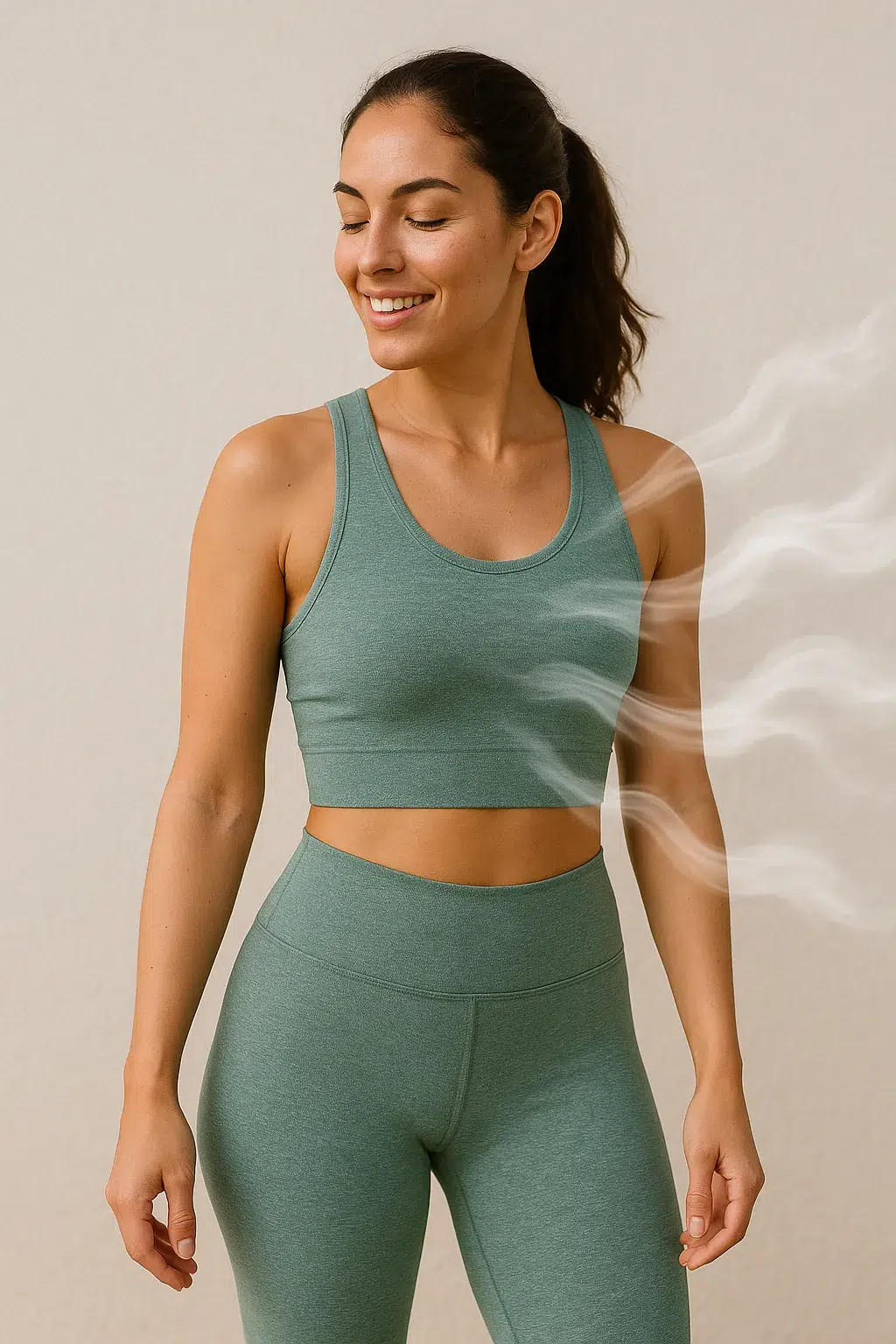
Polyamide absorbs a bit more moisture than polyester and often feels more breathable, but it depends on the fabric weight and structure.
Dive deeper: How does it compare?
Let’s break it down side by side:
| Property | Polyamide | Polyester |
|---|---|---|
| Feel | Softer, silkier | Slightly stiffer |
| Moisture Wicking | Moderate | Good |
| Airflow | Depends on knit/weave | Similar |
| Stretch | More elastic | Less unless blended |
| Cost | Slightly higher | Lower |
When I create custom designs for clients who want breathable fabrics, I often suggest polyamide blends with mesh panels or looser knits. For fitted sportswear or everyday basics, polyamide is a better option than polyester if softness and comfort matter.
What makes polyamide breathable or not?
This is the real secret. Not all polyamide feels the same.
Breathability depends on fiber thickness, knitting technique, blend, and any finishing treatments.
Dive deeper: Breathability factors
When you want breathable custom garments, here’s what matters:
- Fiber thickness: Micro polyamide fibers allow more airflow.
- Knit vs. weave: Knitted fabrics stretch more and breathe better than tightly woven ones.
- Blends: Polyamide mixed with cotton or elastane improves both breathability and fit.
- Finishings: Waterproof coatings reduce airflow. Stay away if you want breathability.
In my production line, we test swatches for airflow and moisture-wicking. You can request breathable options when placing an OEM/ODM order. I’ll guide you through sample fabrics that match your market’s climate and preferences.
Is polyamide stretchy, warm, or uncomfortable?
Some people still worry it may trap heat or feel plastic-like.
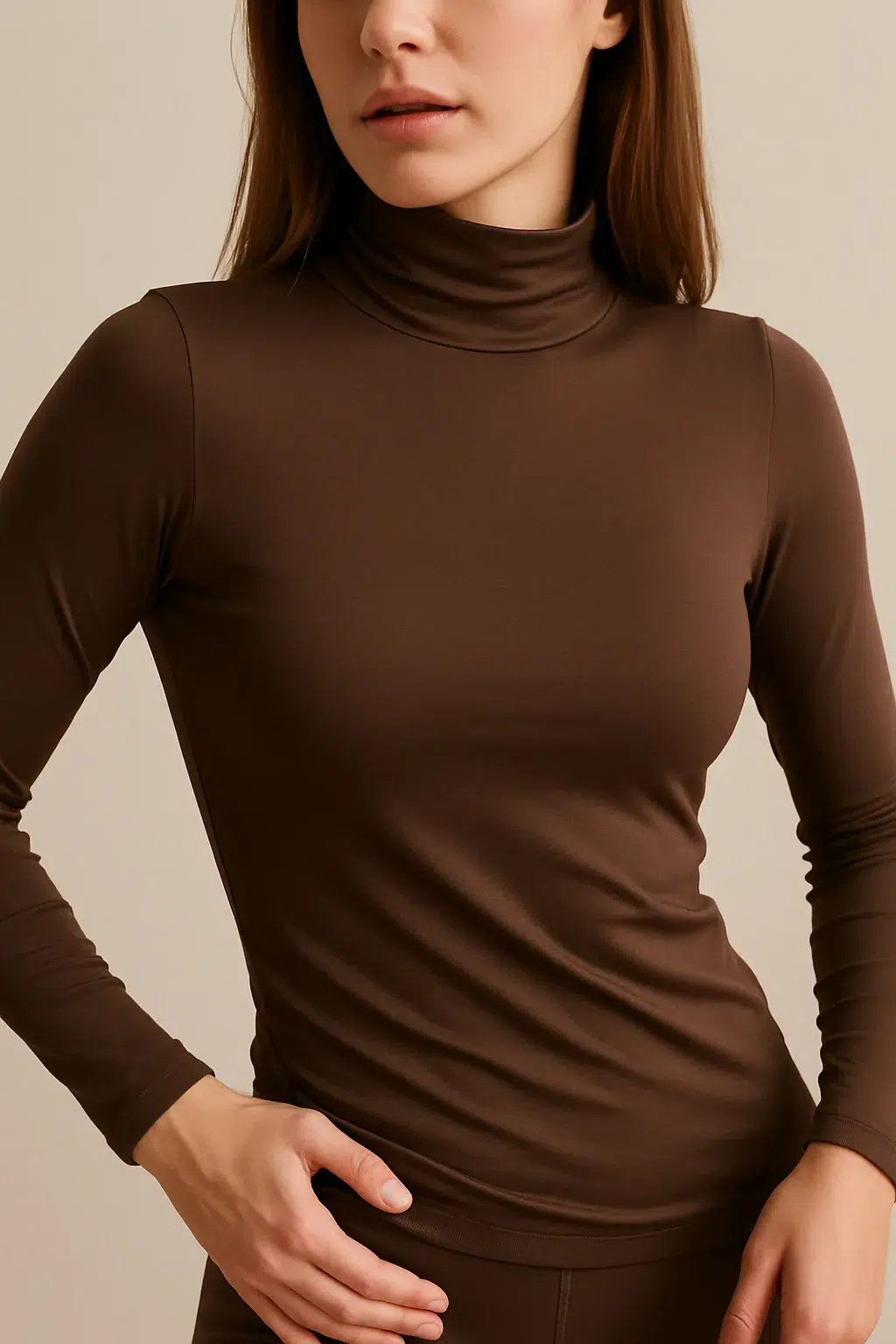
Polyamide is naturally stretchy and smooth. It holds warmth like most synthetics, but doesn’t feel stuffy when designed right.
Dive deeper: Wear comfort and safety
I use polyamide especially for:
- Yoga pants and leggings (with elastane)
- Sports bras
- Dresses that need drape + stretch
- Seamless underwear
Polyamide keeps its shape and dries fast. When paired with proper ventilation zones, it doesn’t trap sweat. Our fabric meets global safety standards (like OEKO-TEX), so it’s safe even for direct skin contact.
If you’re planning to create a private label for fitness or fashionwear, breathable polyamide is a smart choice. I can recommend the best blends based on your market.
Conclusion
Polyamide can be breathable if it’s made the right way. Want help sourcing the right version for your custom clothing line? I’m here to help.
Views: 1367