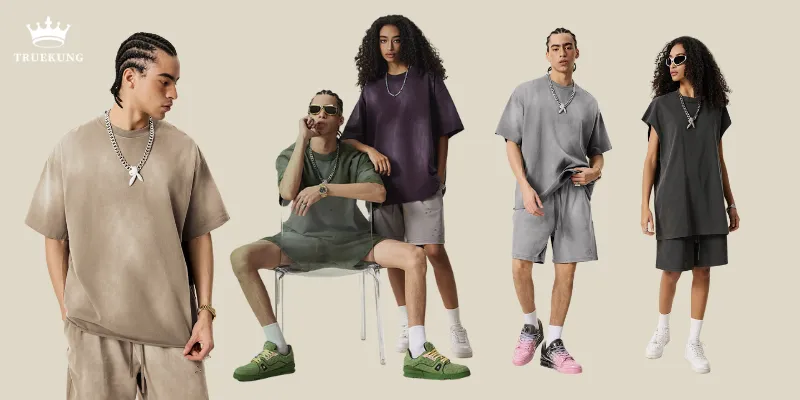

Streetwear has grown from a subculture trend into a global fashion force. For wholesale buyers, brand owners, and retailers, it offers high demand, year-round sales, and strong profit potential.
Streetwear wholesale combines casual comfort with bold, versatile designs, making it one of the most profitable apparel categories for B2B buyers in 2025.
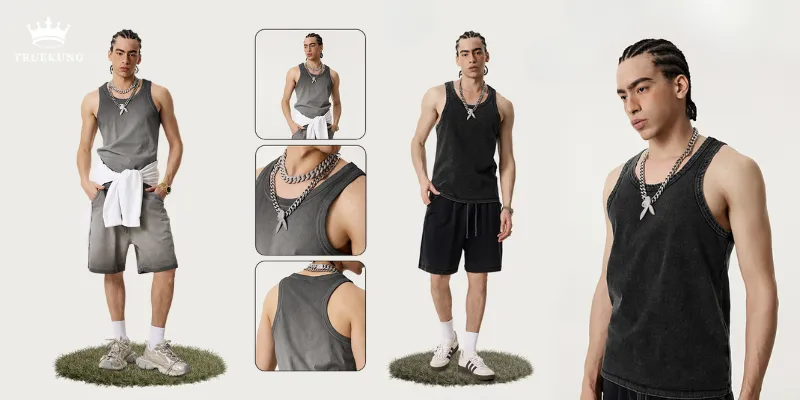
The streetwear market’s strength lies in its adaptability. It appeals to multiple age groups, can be worn across seasons, and transitions easily between casual and premium segments. For suppliers, OEM/ODM manufacturers, and private label brands, it is a chance to build collections with global reach.
Why is streetwear a smart investment for 2025?
Industry reports project that the global streetwear market will surpass $230 billion by 2030, growing at a CAGR of 5–7% from 2025. This growth is driven by social media influence, celebrity endorsements, and the demand for comfortable yet stylish apparel.
Streetwear offers a stable revenue stream because core items like hoodies, sweatshirts, and oversized tees stay in style year after year.
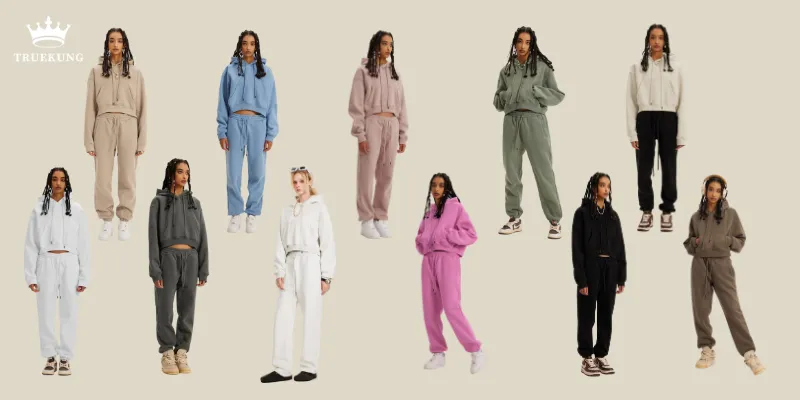
From Tokyo to London, streetwear’s reach is no longer limited to youth subcultures. Supermarkets, department stores, and online marketplaces now stock streetwear alongside mainstream fashion. For wholesalers, this means steady orders for everyday essentials plus opportunities for seasonal drops and collaborations that drive urgency and higher margins.
Who is buying streetwear in bulk?
B2B buyers should understand that streetwear’s core audience has expanded. It now includes:
| Demographic | Age Range | Buying Habits | Product Focus |
|---|---|---|---|
| Youth & Students | 16–24 | Frequent trend changes, limited budgets | Graphic tees, hoodies, sneakers |
| Young Professionals | 25–35 | Seeks quality and brand identity | Premium hoodies, street jackets |
| Lifestyle Shoppers | 35+ | Comfort-focused, subtle streetwear elements | Minimalist sweatshirts, coats |
This broad appeal means wholesalers can target multiple retail segments with a single product range.
The shift towards comfort-first fashion after 2020 has made oversized fits, soft fabrics, and unisex styles more popular. Private label streetwear suppliers can adapt designs for specific markets—lighter fabrics for tropical climates, heavier knits for colder regions.
What matters most when producing streetwear for wholesale?
Streetwear production is about more than following trends. Buyers expect comfort, durability, and consistent quality across batches.
Critical factors include fabric weight, shrinkage control, print and embroidery durability, and precise sizing standards.
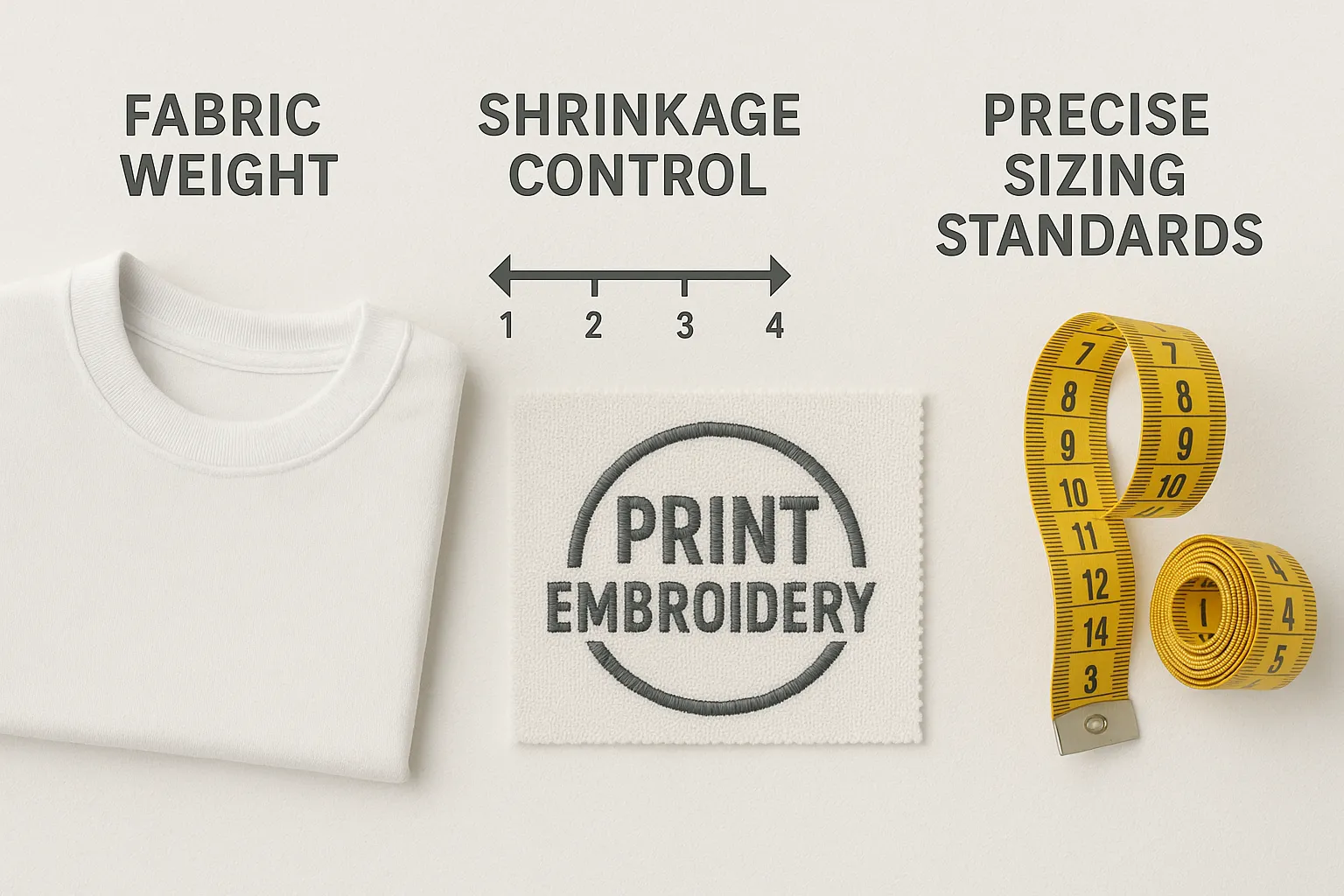
Key production considerations for wholesale streetwear orders:
- Fabric Selection: 280–350gsm cotton blends for hoodies; 180–220gsm cotton for T-shirts.
- Colorfastness: Ensure dyes meet international washing standards.
- Printing Methods: Screen printing for bulk orders, DTG for small runs, heat transfer for special effects.
- Quality Control: Inspect fabric rolls before cutting, and conduct final garment checks before packing.
Factories offering in-house printing and embroidery lines can save time and reduce outsourcing costs, making them valuable partners for OEM/ODM streetwear manufacturing.
How to control costs without losing quality?
Streetwear is competitive, but cost control should never sacrifice brand reputation.
The best approach is to optimize materials, simplify designs strategically, and partner with a manufacturer who offers scalable production and fair minimum order quantities (MOQ).
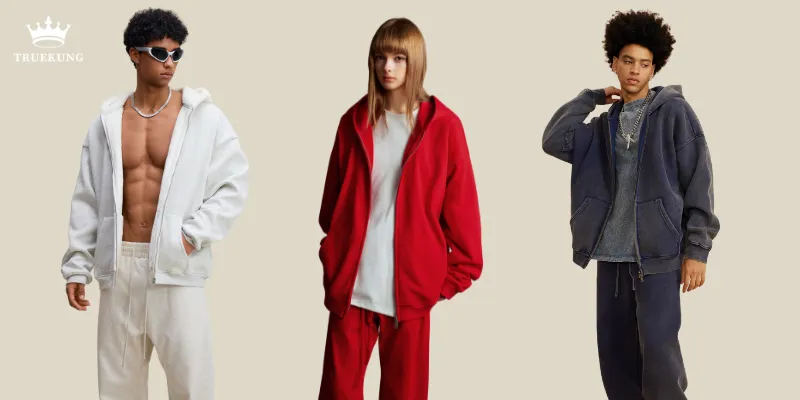
Practical strategies for B2B buyers:
- Standardize Base Styles: Use one hoodie pattern in multiple colors/prints to reduce development costs.
- Bulk Fabric Purchasing: Order fabrics in advance to secure lower prices and faster production.
- In-House Finishing: Choose suppliers with embroidery and printing capabilities under one roof.
- Long-Term Partnerships: Negotiate better pricing and payment terms with consistent orders.
For seasonal streetwear collections, speed is critical. A delayed drop can mean missing the cultural moment, so working with a manufacturer known for on-time delivery is essential.
How to choose the right streetwear supplier?
Finding the right streetwear supplier is the foundation of a successful wholesale business.
A reliable streetwear manufacturer should have proven export experience, real certifications, and strong communication skills.
When evaluating suppliers:
- Check Capacity: At least 200 workers for large bulk orders.
- Verify Certifications: OEKO-TEX, GOTS, or other textile standards.
- Review Past Work: Request samples from previous clients.
- Assess Communication: Bilingual teams help avoid misunderstandings.
- Understand Lead Times: Confirm production timelines for both bulk and urgent orders.
For OEM/ODM streetwear, choose a partner with a capable design team who can turn your brand vision into a production-ready garment without losing the original concept.
Regional Adaptations for Global Streetwear Markets
Streetwear wholesale buyers targeting multiple countries must adapt products to local climate, culture, and pricing expectations.
| Market | Climate Focus | Popular Styles | Price Sensitivity |
|---|---|---|---|
| Northern Europe | Cold, long winters | Heavy hoodies, puffer jackets | Medium-High |
| Middle East | Hot climate | Lightweight T-shirts, modest fits | Medium |
| North America | Seasonal extremes | Layered streetwear, versatile coats | High flexibility |
| Asia-Pacific | Mixed climates, fashion-driven | Oversized tees, statement prints | Medium-High |
By adjusting fabrics, colors, and fits for each region, suppliers can maximize sell-through rates and minimize unsold stock.
Conclusion
Streetwear in 2025 is more than a fashion trend—it is a long-term growth category with global reach. For B2B buyers, working with a skilled streetwear OEM/ODM manufacturer means consistent quality, on-time delivery, and products that connect with a broad customer base.
Views: 350