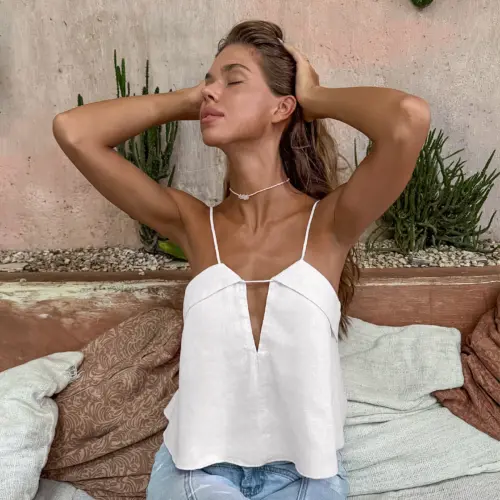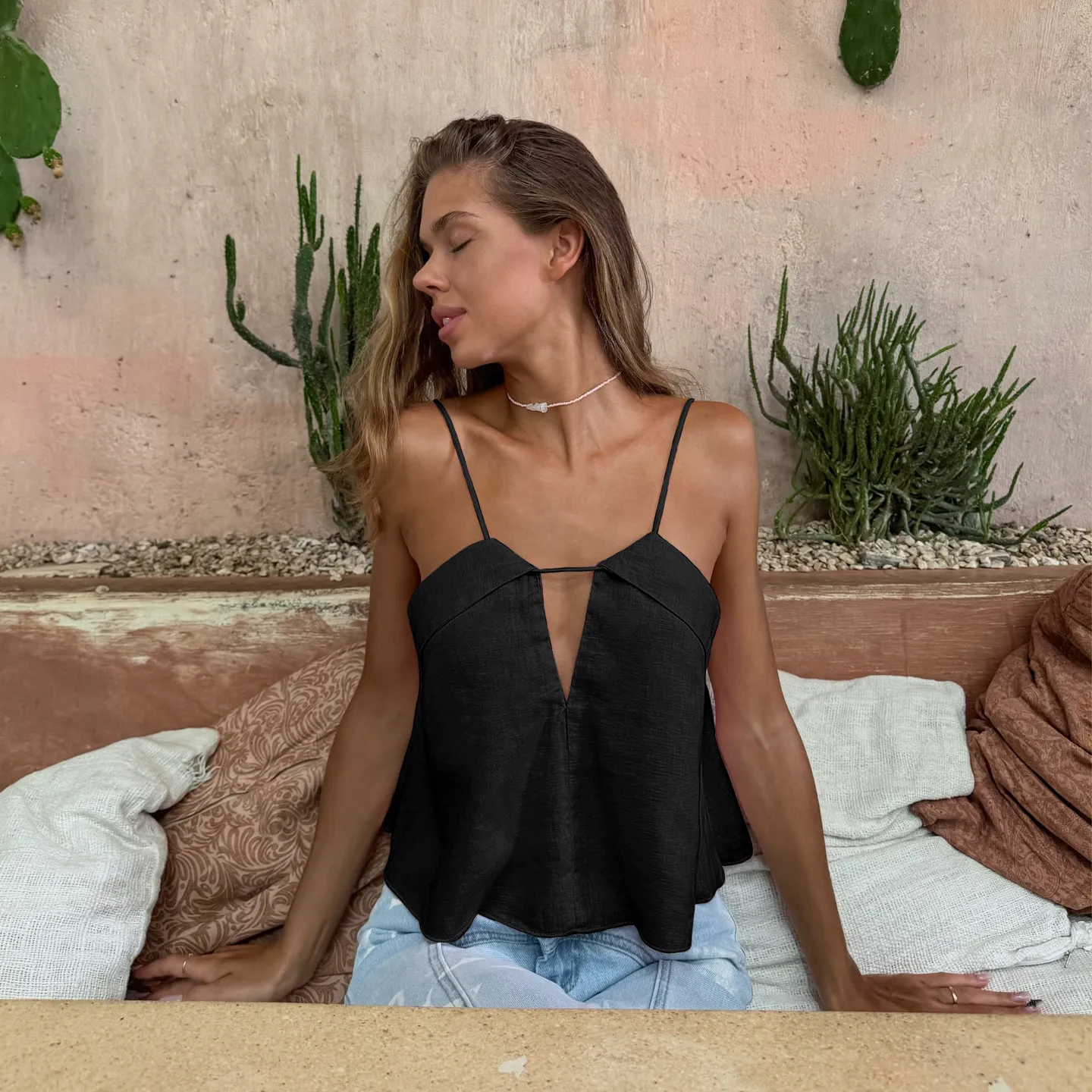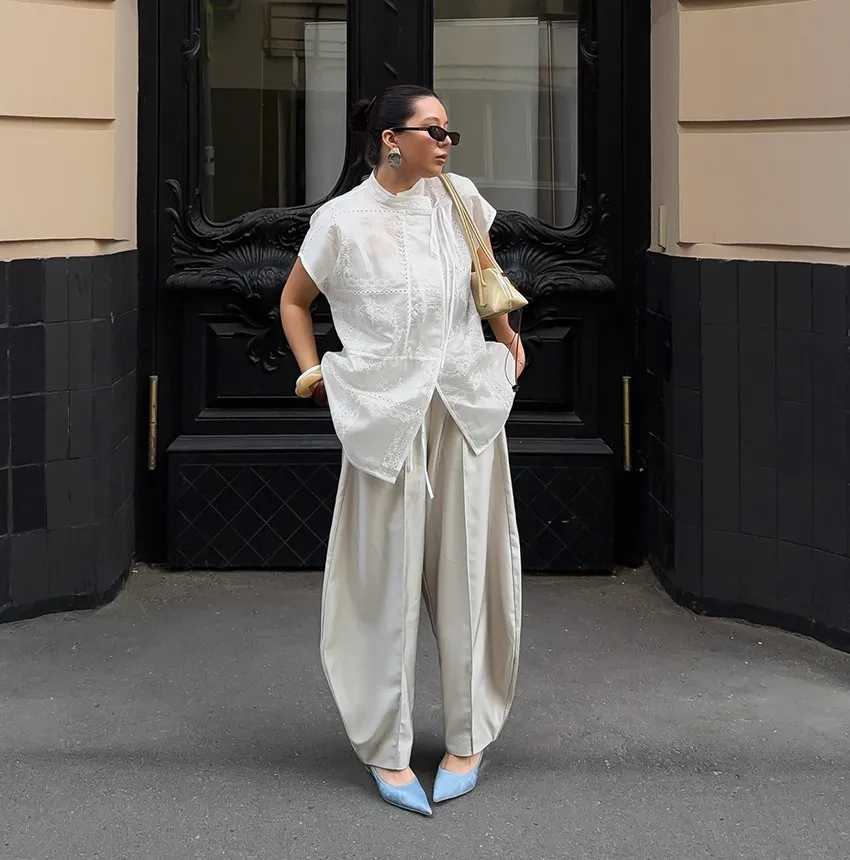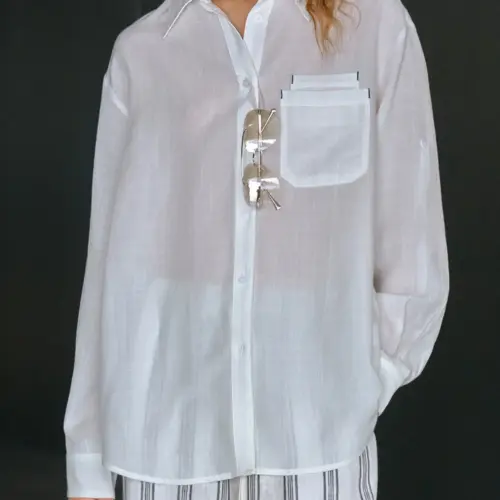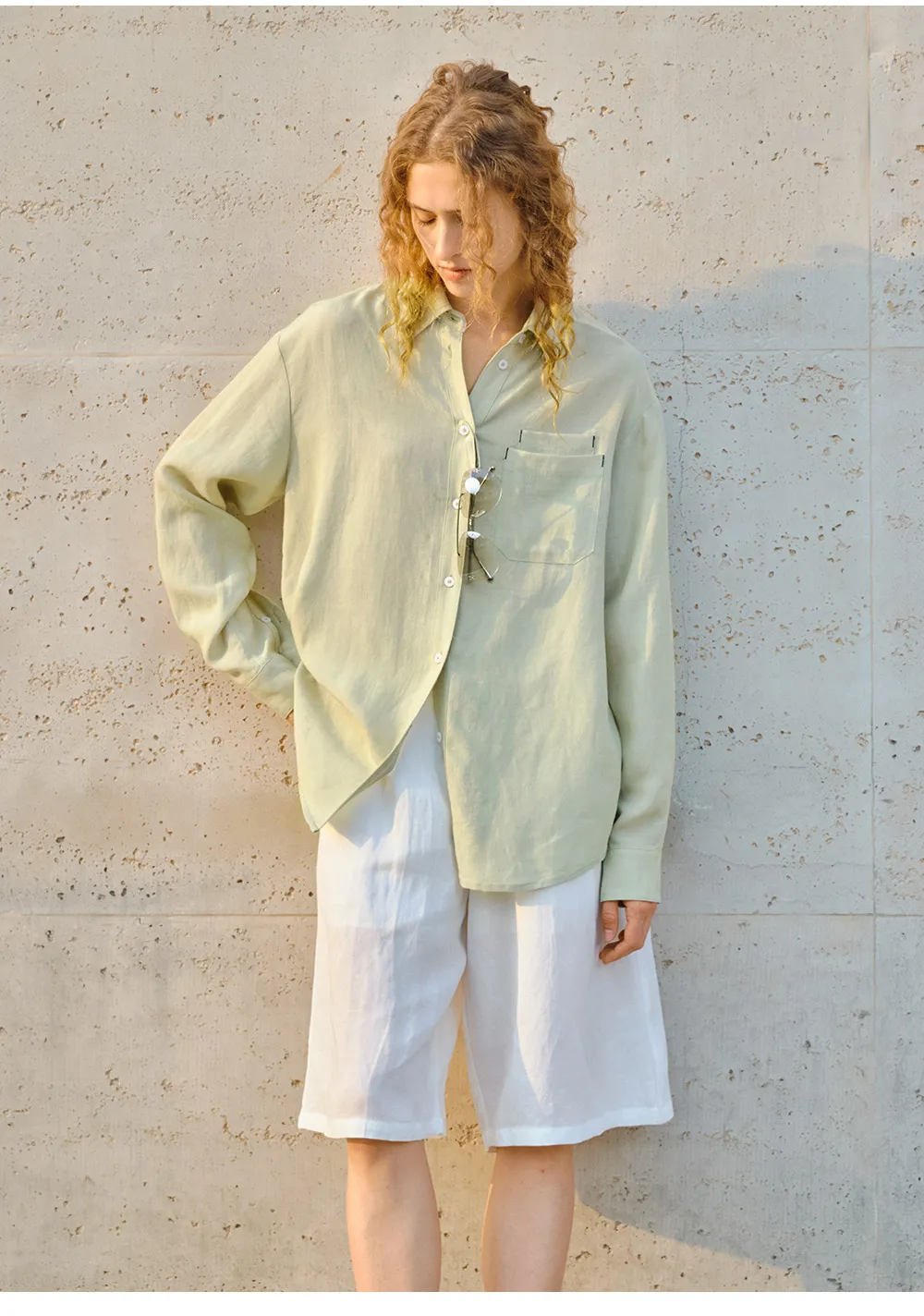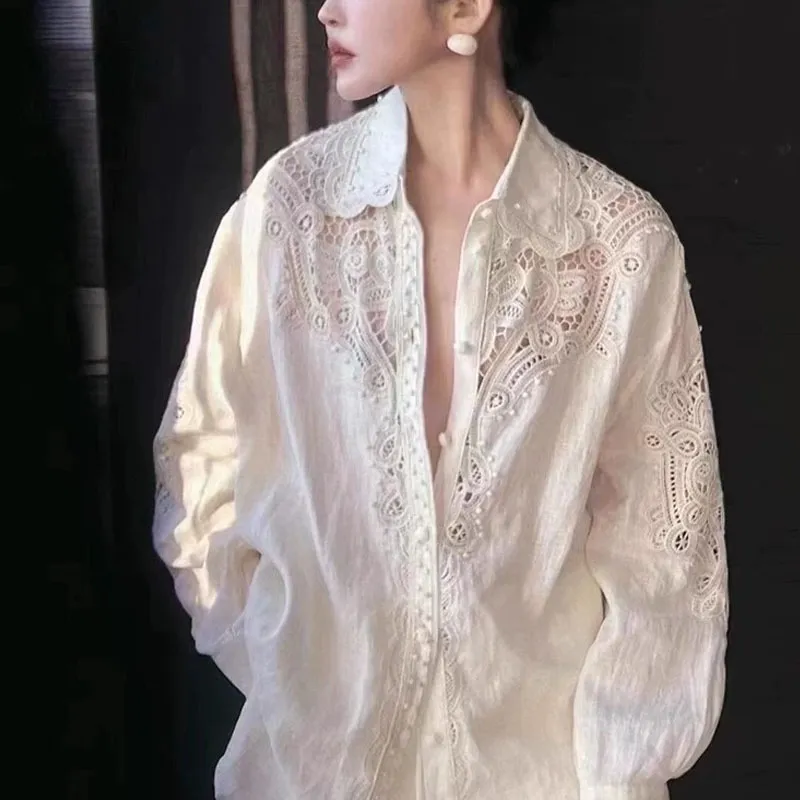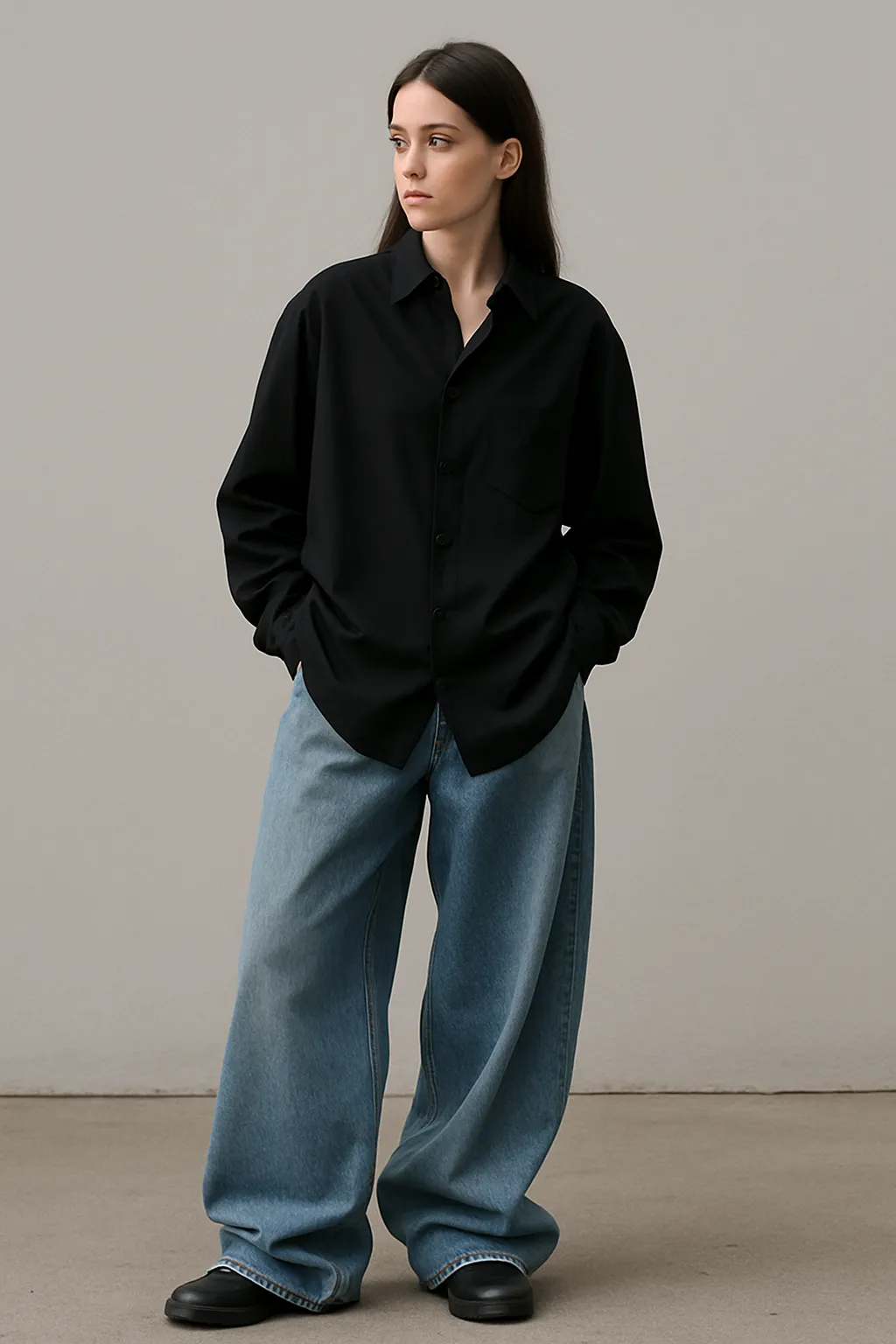

You open your wardrobe and see everything looks tight — what if you try something really loose, bold, and free? Baggy style might be the answer.
The baggy style is often called oversized fashion, and in subcultures it’s also known as streetwear, hip‑hop style, skater aesthetic, or “loose fit / baggy fit” fashion.
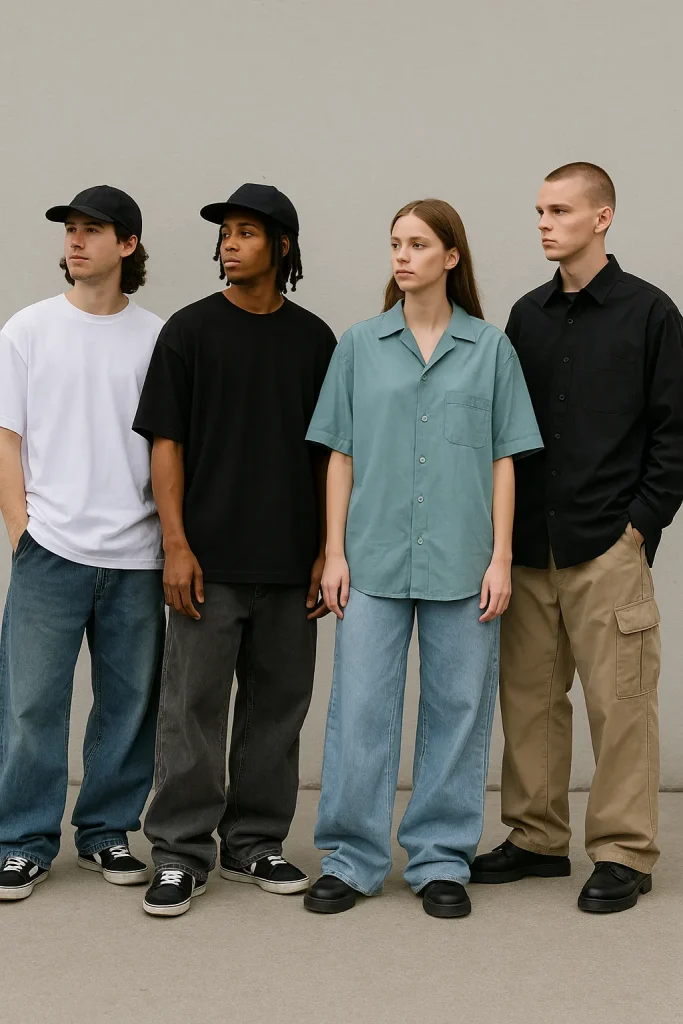
Before you scroll past, know this: baggy style isn’t just “big clothes.” It carries culture, meaning, and a design logic. Let me guide you through why it’s called what it is—and how each label gives it a different flavor.
What’s the difference between “baggy” and “oversized”?
Ever wondered why both “baggy” and “oversized” get used—are they the same or subtly different?
Oversized usually means a deliberately larger silhouette with proportion in mind, while baggy leans into exaggerated looseness, often for streetwear or casual aesthetics.
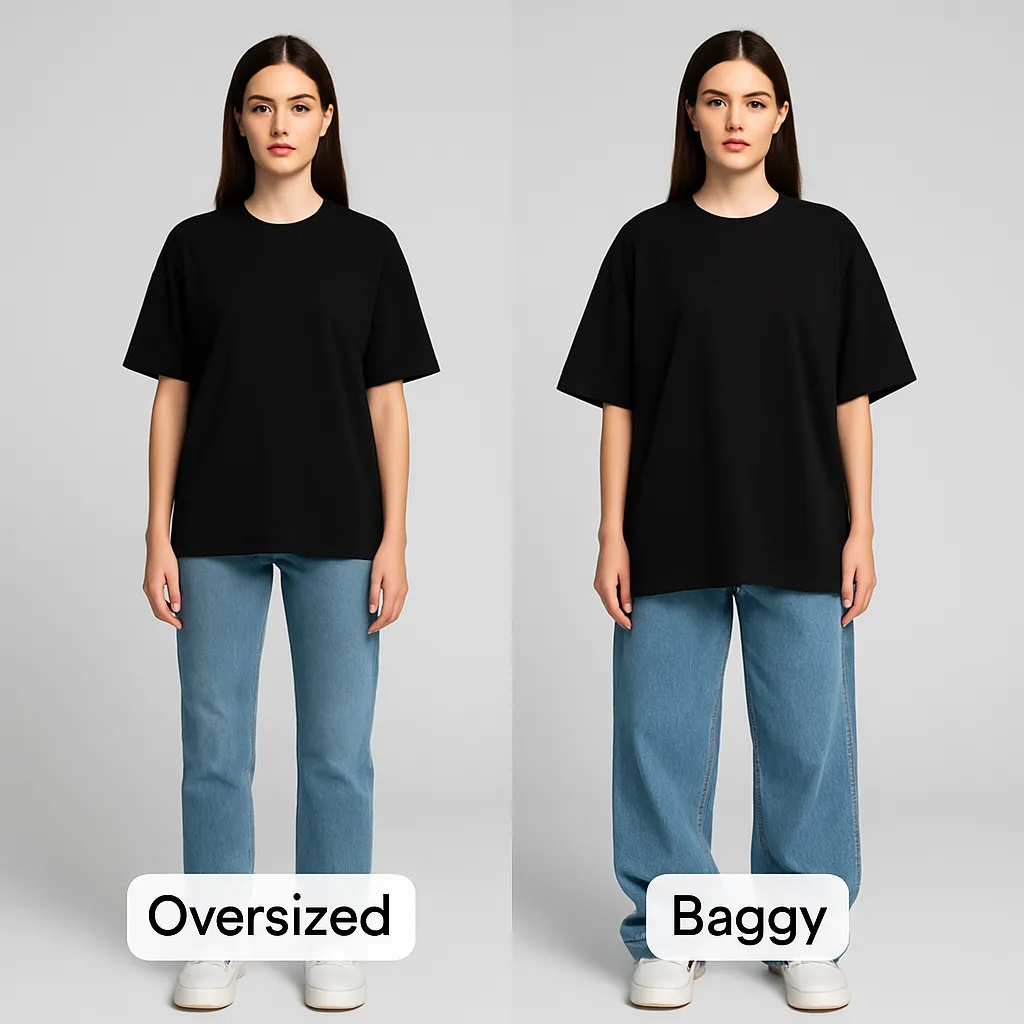
I’ve noticed in fashion writing and among stylists that “oversized” tends to be a more curated term. You might see an oversized blazer: it’s larger than your usual size, but still structured. “Baggy,” however, implies more freedom — looser cuts, extra room, and sometimes even sagging.
In streetwear, baggy jeans, loose cargo pants, and extra‑long tees dominate. The style often rejects tailored constraints.
Here’s a comparison:
| Term | Fit intention | Common in … |
|---|---|---|
| Oversized | Bigger proportions, still balanced | High fashion, minimal street |
| Baggy | Exaggerated looseness, relaxed drape | Streetwear, skate, hip‑hop |
You’ll find that baggy clothing often pairs with low riders, drop crotch designs, and relaxed fabrics. Oversized might aim for minimalism with clean lines, whereas baggy leans into volume and freedom.
Which subculture names carry the “baggy” style?
Labels matter—“streetwear” isn’t just a marketing word. It shapes how baggy is understood.
Depending on the context, baggy style is called streetwear, hip‑hop, skater, or even grunge, each highlighting a different attitude and community.
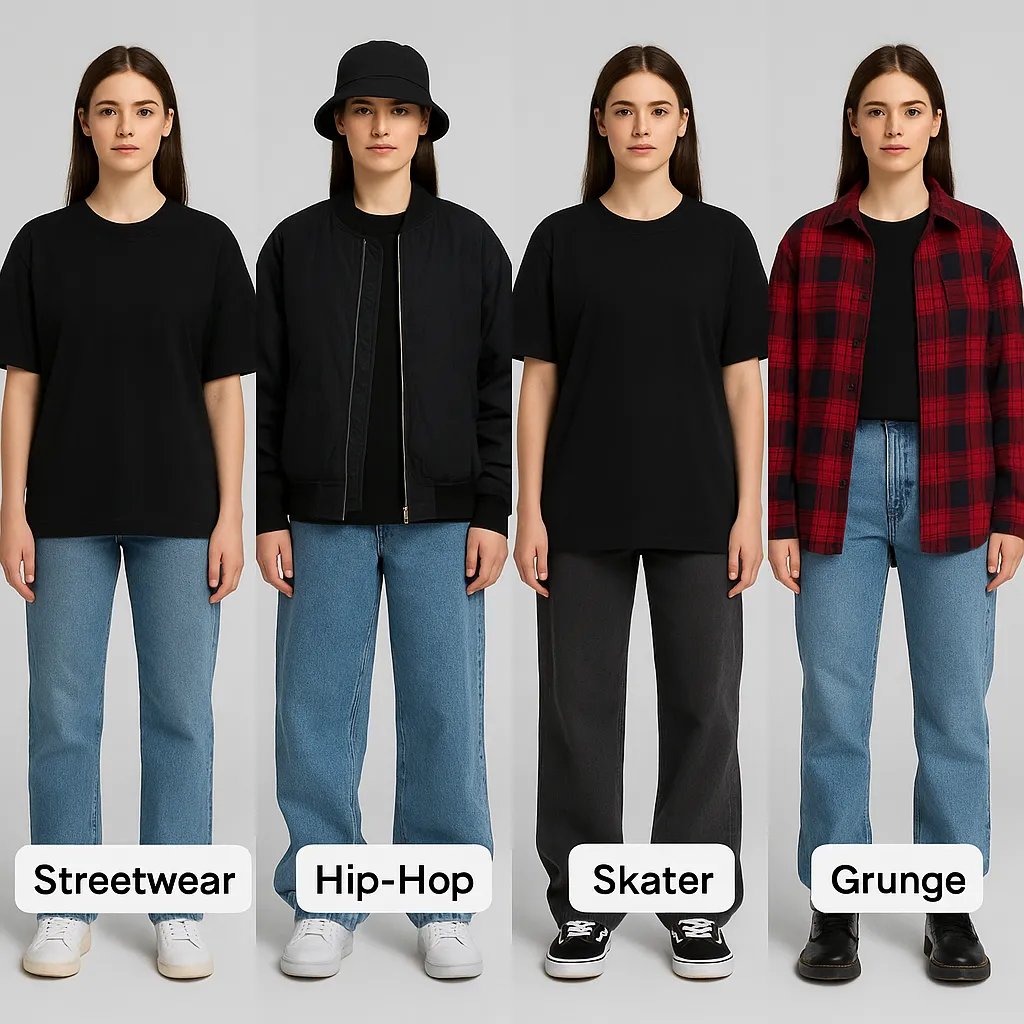
Let me walk you through major subculture names tied to baggy style—and how they differ:
- Streetwear — the catch‑all for urban casual fashion. It embraces baggy hoodies, loose jeans, bold branding, layering.
- Hip‑Hop fashion — this is where baggy really exploded in the ’80s and ’90s: oversized jerseys, saggy jeans, and oversized jackets became visual markers of identity.
- Skater fashion — this style tends to favor practicality and movement: loose tees, cargo pants, and baggy trousers make grabs, jumps, tricks easier.
- Grunge / alternative — in the ’90s, the anti‑fashion mood welcomed baggy flannels, loose denim, layering, and a slouchy silhouette.
Each subculture gives baggy clothing a different “voice.” If you say “baggy pants” in hip‑hop, people may think of sagging, bold prints, low waist. In skater style, they might picture cargo pants and deck shoes.
What are the variations of “baggy pants / jeans” called?
If someone says “baggy trousers,” “loose jeans,” or “big jeans,” are these all the same?
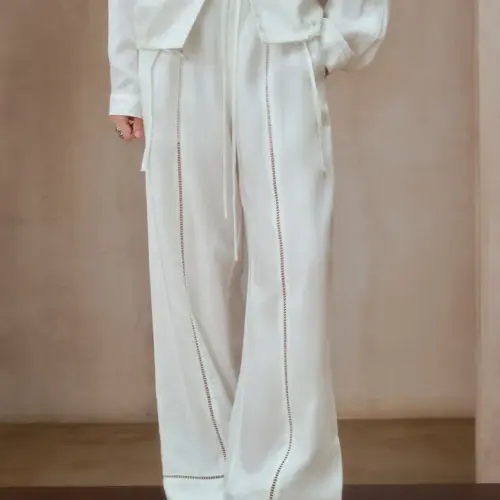
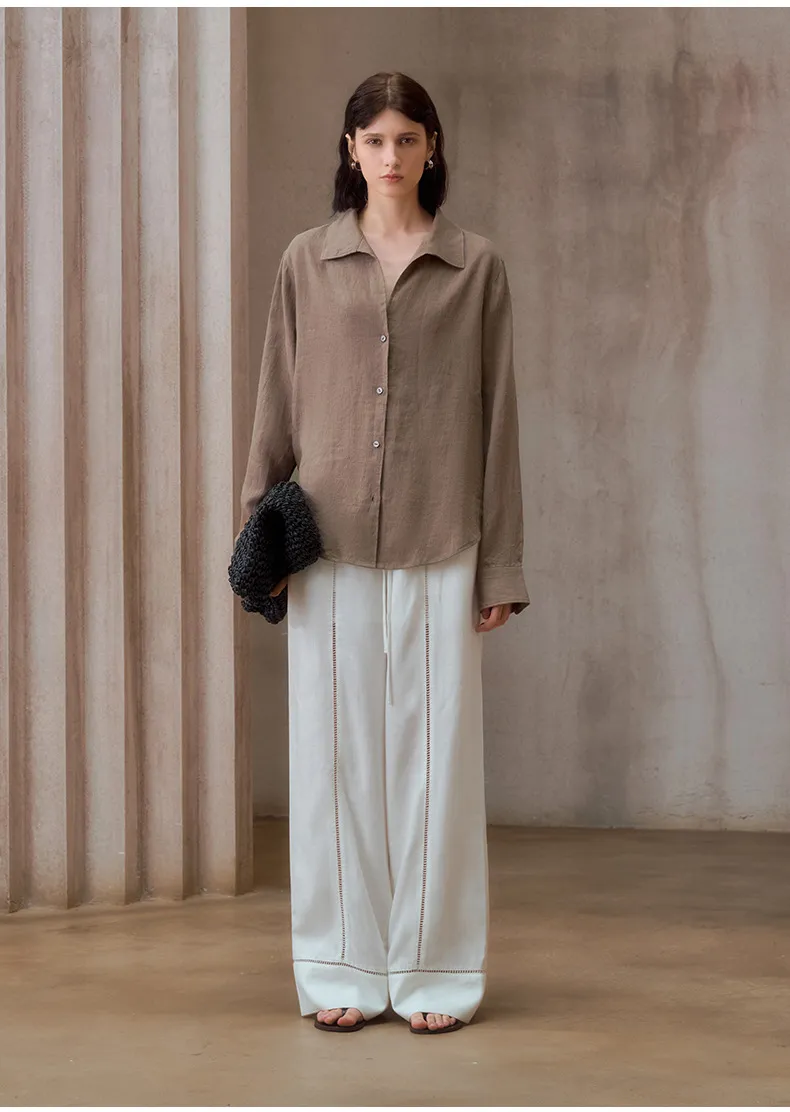
Baggy pants include baggy jeans, loose trousers, wide‑leg cargos, relaxed fit jeans, drop‑crotch pants, and more—all sharing extra room and relaxed silhouettes.
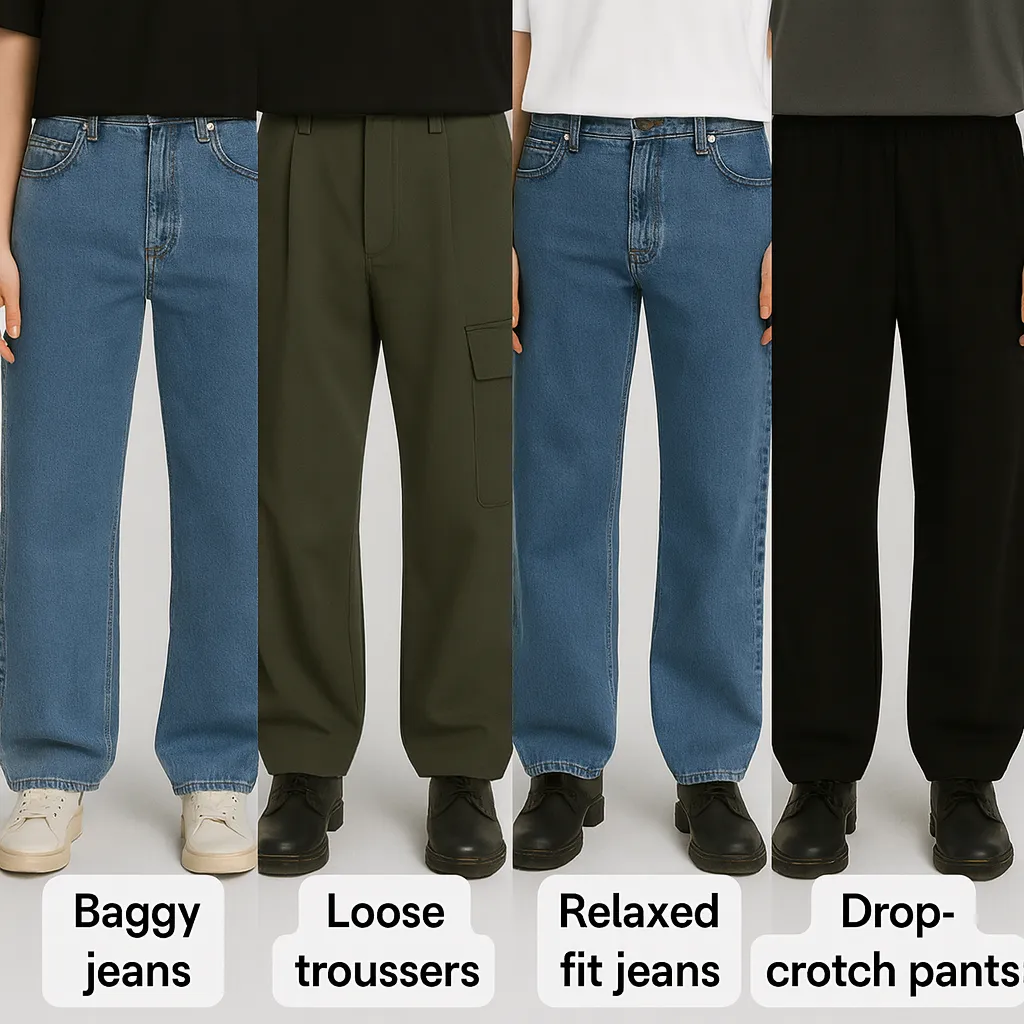
Let me break down common names you’ll see when browsing or sourcing baggy bottoms:
- Baggy jeans / really baggy jeans / extremely baggy jeans — denotes maximum looseness in denim.
- Loose fit jeans / loose jeans — slightly more moderate bagginess.
- Wide‑leg jeans — straight wide legs without tapering.
- Relaxed fit jeans — a middle ground: comfortably loose but not over the top.
- Drop‑crotch / low‑crotch trousers — extra room in the crotch area.
- Baggy trousers / pants — generic term, often in fabric beyond denim (e.g. cotton cargos, twill pants).
- Skate pants / cargo baggy pants — functional pockets + loose shape.
In wholesale and factory catalogs, you’ll often see listings like “baggy fit dark aesthetic,” “light wash baggy jeans,” or “loose jeans women.” Those tags help buyers filter within the same baggy umbrella. When I look for styles for my clients, I ask suppliers to send variants: a “baggy fit” version, a “loose fit / relaxed” version, and a more modest “oversized” version. This gives flexibility.
Why does baggy style keep returning to fashion?
If tight skinny jeans were dominant for years, why does baggy continually make a comeback?
Baggy style returns because it offers comfort, self‑expression, and a rebellious attitude—plus fashion brands recast it in luxury forms.
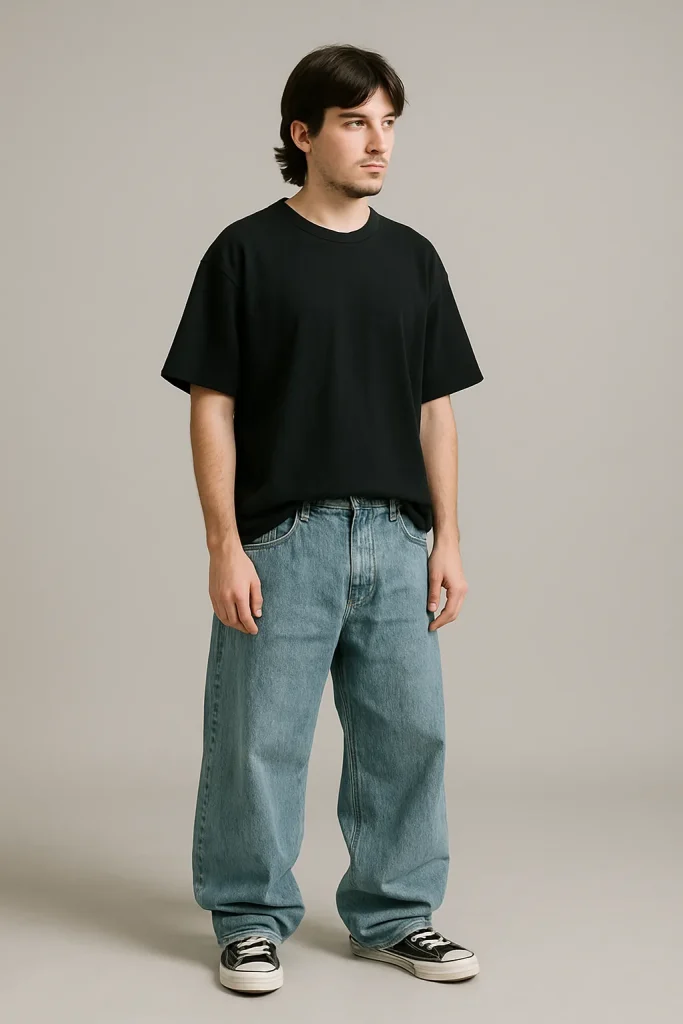
Over the decades, fashion has cycled: tight → loose → tight again. Baggy style returns for several reasons:
- Comfort & ease: Looser clothing gives more room, ease of movement, and relaxed feel.
- Cultural nostalgia: ’90s and early 2000s fashion resurfaces in cycles. Models, influencers, and artists revive baggy looks.
- Streetwear influence: Brands like Supreme, Off‑White, Fear of God bring baggy back in high fashion.
- Identity & attitude: For many, baggy is not just style—it’s a statement of nonconformity.
- Versatility: Baggy doesn’t mean sloppy. You can mix baggy bottoms with tailored tops or vice versa, creating tension and interest in outfit.
I’ve seen many wholesale buyers ask me: “Where to get baggy jeans? What are good brands for baggy clothing style?” In China, many OEM factories already include “baggy fit / loose fit / oversized” lines because demand from western streetwear brands is rising.
How to pick or design baggy style pieces in production?
As someone sourcing garments, picking the right cut and fabric for baggy style is critical.
In designing or selecting baggy pieces, focus on silhouette balance, fabric weight, and drop / proportion to avoid looking sloppy.
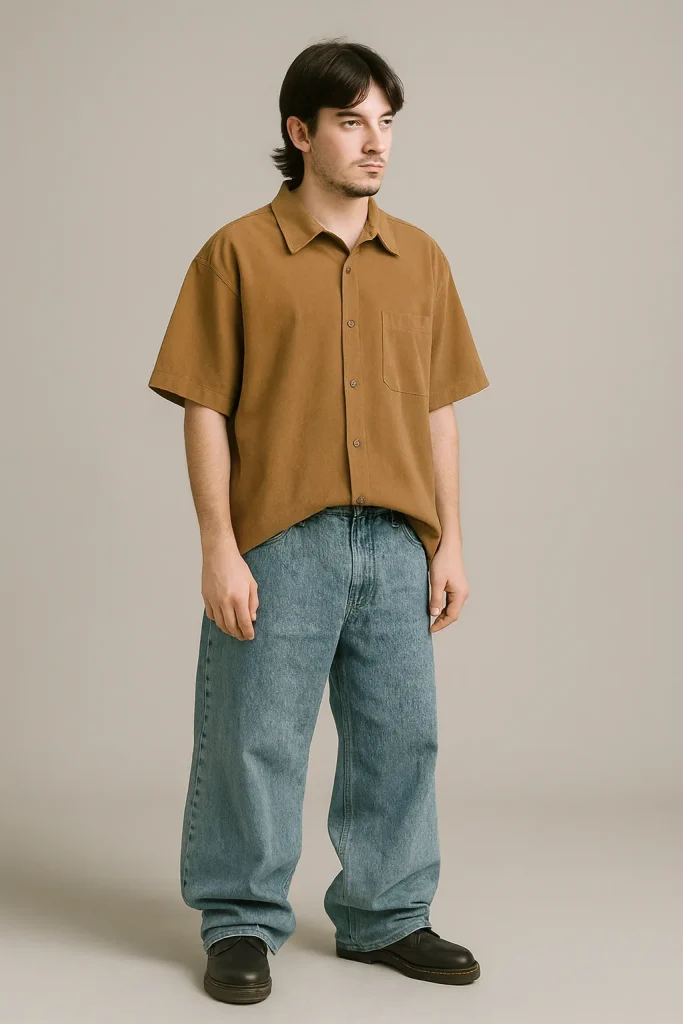
Here’s what I always look out for when guiding factories to produce baggy style:
- Silhouette balance: Even if trousers are wide, pair them with slightly structured regions (waistband, seams) so shape is retained.
- Fabric weight & drape: Heavy or midweight fabrics hold shape; too light fabrics may look limp or balloon.
- Proportion & drop: Pay attention to crotch drop, inseam, leg opening width.
- Pocket and detailing: Cargo pockets, seams, stitching lines help break up volume.
- Wash & color: Baggy looks often pair well with faded washes, garment dyeing, subtle distress.
- Grading rules: For “plus size baggy jeans,” ensure the volume scales proportionally, or else large sizes might look garish.
In my own projects, I test multiple samples: one with extra 2–3 cm width, one with exaggerated 5–6 cm width. I check how it flows on real bodies of different proportions. That experimentation helps me know which label (baggy / loose / relaxed) fits my target market.
Example brands & how they label baggy style
You might see different tag names—what do top brands call baggy?
Brands often label baggy pieces as relaxed fit, loose fit, oversized, baggy, or wide leg—each hinting at the degree of looseness.
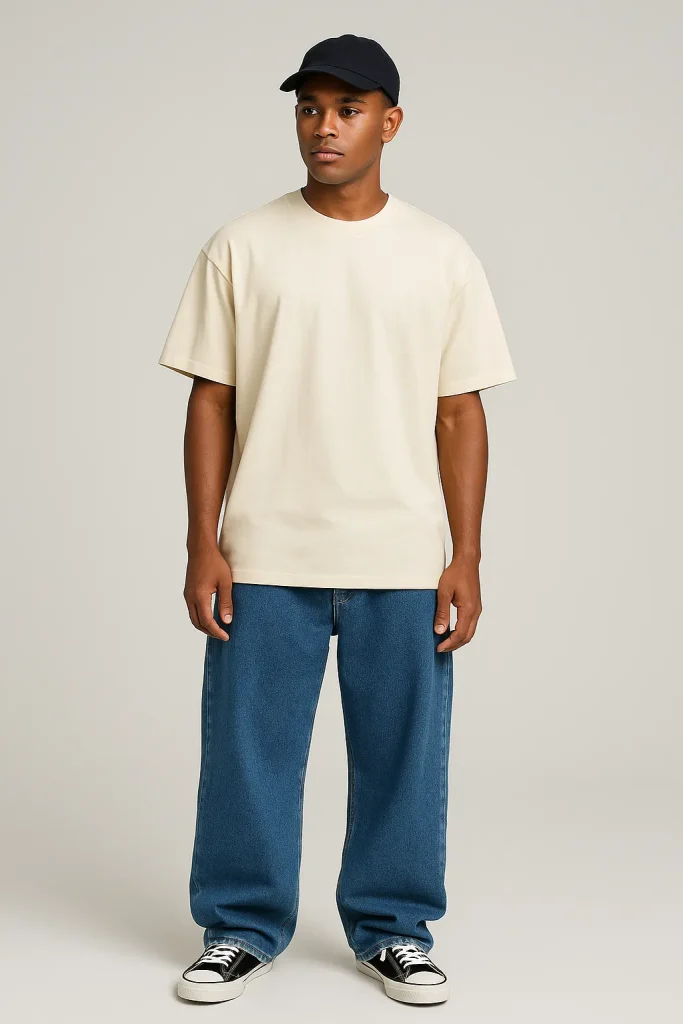
Here are some common label practices I see:
- “Relaxed fit / loose fit”: Often a softer version of baggy—less extreme, more wearable daily.
- “Baggy / baggy fit”: The true loose silhouette.
- “Oversized / oversized silhouette”: Often used for tops—shirts, jackets, sweaters.
- “Wide leg / straight wide”: Lower the taper, wider leg openings.
- “Drop crotch / low crotch”: A more avant garde or street edge subvariant.
When I talk with buyers like Maria (from Russia, in your scenario), I often tell them to ask suppliers: do you have baggy / loose / oversized fits? Ask for fabric swatches, small‑medium‑large samples, and see how they grade. Don’t assume “one baggy” fits all.
Styling tips: how to wear baggy style well
Putting on baggy clothes doesn’t mean looking shapeless—style matters.
Balance volume by mixing fitted pieces, control proportion (e.g. tuck half a shirt), and use layering and accessories to define shape.
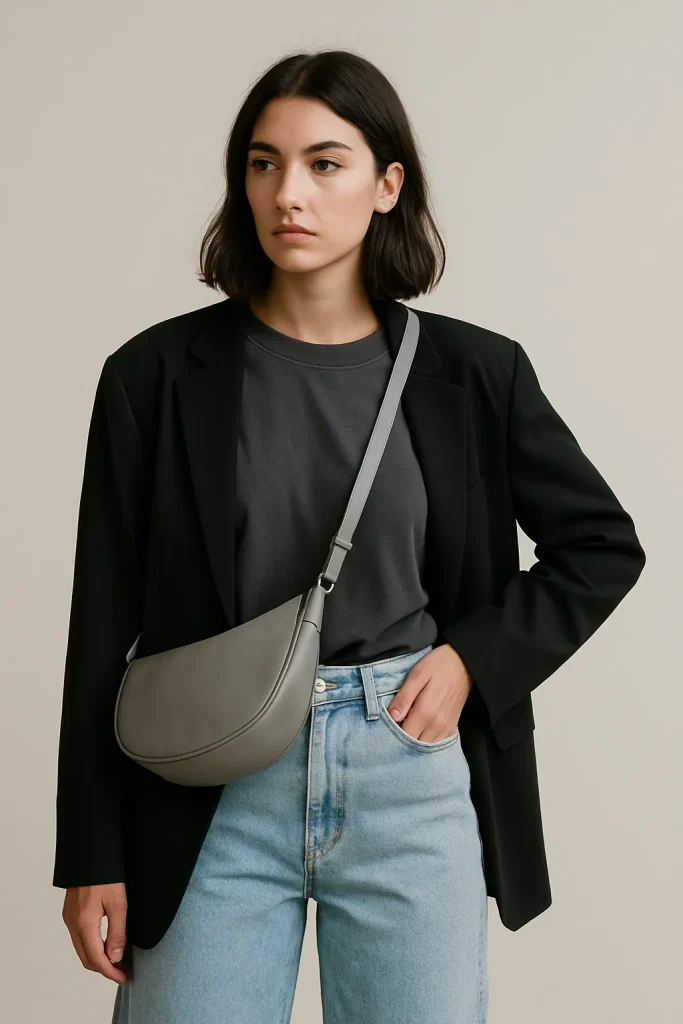
Here are styling strategies I use and recommend:
- One loose + one fitted: E.g. baggy jeans with a slim tank or fitted tee.
- Half tuck or front tuck: Helps define waist.
- Layering: Oversized tees under jackets, open button‑downs.
- Monochrome or tonal palette: Minimizes visual chaos.
- Statement belt / waistband: Adds structure.
- Pay attention to shoes: Chunky sneakers, boots, or platform styles suit baggy looks.
- Length play: Cropped oversized jackets over full baggy bottoms can balance.
In my sourcing work, I always ask models to try full baggy outfits and check how proportions feel. I advise my wholesale clients to show real body photos so buyers understand how “really baggy jeans” or “loose jeans women” will look in practice.
Conclusion
Baggy style goes by many names—oversized, loose fit, streetwear, hip‑hop, drop crotch—but at its core it’s about volume, freedom, and attitude. Choose the label that matches your brand’s voice, and ensure your proportions, fabric, and styling carry it well.
Views: 3501