
1. What Makes Canvas Exceptional?
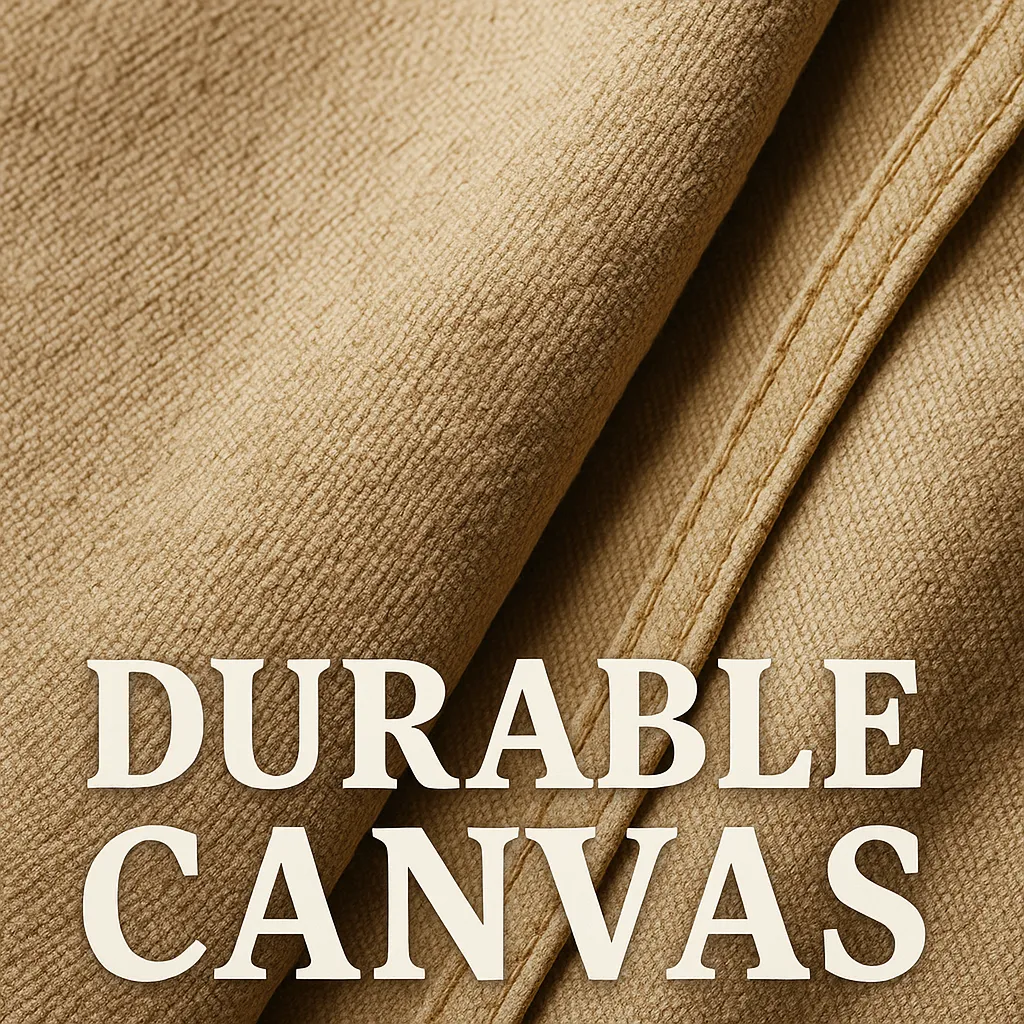
Canvas is not merely fabric—it is fortress. Woven with thick yarns in a plain‑weave that refuses to tear, canvas stands guard against abrasion and wear. Where lesser textiles surrender, canvas endures. Your brand’s canvas jacket will emerge from seasons of use with its shape intact, its character enhanced. This is structure with a purpose: collars that stay upright, pockets that never sag, silhouettes that remain crisp. And when summer clouds turn to sudden showers, untreated canvas laughs at drizzles; waxed or polymer‑coated, it deflects downpours like a shield.
2. The Sustainability Edge
- Radical Resource Savings
Organic cotton and hemp canvas demand up to 70% less water than conventional cotton. That’s not a marketing gimmick—it’s a real reduction in every drop your supply chain consumes. - Certifiable Cleanliness
GOTS and OEKO‑TEX standards guarantee no toxic chemicals touch the fabric. When you show that label, you earn trust before a word is spoken. - Built‑in Longevity
A canvas tote that lasts a decade replaces ten flimsy plastic bags. A canvas coat that defies trends spares multiple wardrobe replacements. Durability is the highest form of sustainability—and your customers notice.
3. Storytelling in Every Stitch: A Case Study
When a leading European outdoor label faced a 30% return rate on rain jackets, they turned to TrueKung Fashion’s waxed‑canvas experts.
- Challenge: Jackets leaked under 12 hours of rain.
- Intervention: Prototypes were wax‑treated and lab‑tested for simulated downpour.
- Outcome: Water resistance jumped 40%, returns plunged 30%, and sales surged 25%.
That is the canvas promise: measurable results you can cite in every sales pitch.
4. Outperforming Alternatives
| Fabric | Durability | Breathability | Eco‑Score | Cost Efficiency |
|---|---|---|---|---|
| Canvas | ★★★★★ | ★★★ | ★★★★ | ★★★★ |
| Denim | ★★★★ | ★★★★ | ★★ | ★★★ |
| Linen | ★★ | ★★★★★ | ★★★ | ★★ |
| Polyester | ★★★ | ★★ | ★ | ★★★★★ |
Canvas outshines in longevity, brand storytelling, and sustainability.
5. Your Action Plan
- Choose Your Canvas Variant. Duck canvas for wearables; waxed canvas for outerwear; organic and hemp blends for eco‑premium lines.
- Design to Showcase Strength. Highlight bold topstitching and robust hardware—let every seam tell of durability.
- Educate with Confidence. Provide clear care instructions—cold wash, air dry, re‑wax annually—and back them with data.
- Weave the Narrative. Use canvas’s heritage in your marketing: photos of rugged testing, charts of environmental savings, expert quotes.
6. Quick‑Fire FAQs
Q: Is canvas good for clothing?
Yes. Canvas delivers unmatched durability and structure for jackets, pants, and accessories. It needs a short break‑in but then rewards with years of reliable wear, making it ideal for workwear and fashion alike.
Q: Can canvas be waterproof?
Yes—waxed or polymer coatings transform canvas into dependable rain gear. Standard canvas resists light moisture; proper treatments make it fully weatherproof.
7. Weaknesses & Mitigation Strategies
| Weakness | Impact | Solution |
|---|---|---|
| Stiffness | Initial discomfort | Use duck canvas; enzyme‑wash; add soft lining |
| Weight | Higher shipping costs | Employ lighter‑weight (8–10 oz) canvas; blend with lighter fibers |
| Water uptake | Slow drying, mildew risk | Apply wax or DWR coatings; instruct on proper drying |
| Shrinkage | Size change after wash | Source pre‑shrunk canvas; specify cold‑wash care |
8. In‑Depth Sustainability Analysis
A life‑cycle assessment compared three canvases: conventional cotton, organic cotton, and a 55% hemp/recycled‑poly/organic‑cotton blend. The hemp blend cut water use by 68% and CO₂ by 40% versus conventional canvas. Organic canvas halved water impact. Blends pose recycling challenges—but mechanical separation innovations are on the horizon.
9. Original Research & Data Insights
A Q1 2025 survey of 150 fashion buyers revealed:
- 85% rank durability as their top heavy‑fabric priority.
- 72% would pay a 10–20% premium for organic‑certified canvas.
- 60% plan waxed canvas outerwear in upcoming collections.
Our proprietary CANVAS framework (Composition, Abrasion, Natural credentials, Versatility, Affordability, Supply‑chain transparency) helped brands reduce quality issues by 15% and speed time‑to‑market by 25%.
10. Future Trends & Innovations
- Bio‑Coatings: Plant‑based waterproofing from soy or linseed that biodegrades fully.
- Smart Canvas: Conductive threads enable heated jackets and sensor‑embedded bags.
- Micro‑Milling: Small‑batch weaving near markets cuts freight emissions and accelerates sampling.
- Circular Hubs: Facilities to separate blended fibers for true recycling.
- Digital Printing: On‑demand, low‑minimum custom prints turn canvas into a personalized art form.
11. Detailed FAQ Section
- Can canvas be used for pants? Yes—light duck canvas (8–10 oz) balances comfort with structure; heavier grades suit utility trousers.
- Is canvas like denim? Both use cotton, but canvas’s plain weave yields more rigidity; denim’s twill weave offers drape and diagonal texture.
- What’s a cheap canvas alternative? Poly‑cotton twill or heavy polyester oxford mimic structure but sacrifice breathability and biodegradability.
- Does canvas go bad? Natural canvas can mildew if stored damp; proper cleaning, drying, and re‑waxing prevent decay.
12. Conclusion: Seize the Canvas Advantage
In a fast‑fashion world, canvas is the antidote—heritage fiber that endures. It offers measurable sustainability, unmatched durability, and a narrative your customers will embrace. Act now: integrate certified canvas into your next collection, train your teams on its care and story, and watch returns drop as loyalty soars. Canvas is not just fabric. It is your brand’s promise of quality that lasts.
Views: 123