Introduction: The Secret Weapon in Your Fabric Arsenal
Imagine a fabric that glides like silk, catches the light like liquid glass, and costs a fraction of luxury’s price. That fabric is acetate. For brands and wholesalers seeking to marry elegance with efficiency, acetate is your undercover star. In the sections that follow, you will discover how acetate is made, why it charms designers, where it falters—and how you can wield it to outshine competitors and delight customers.
The Birth of Beauty: What Is Acetate?
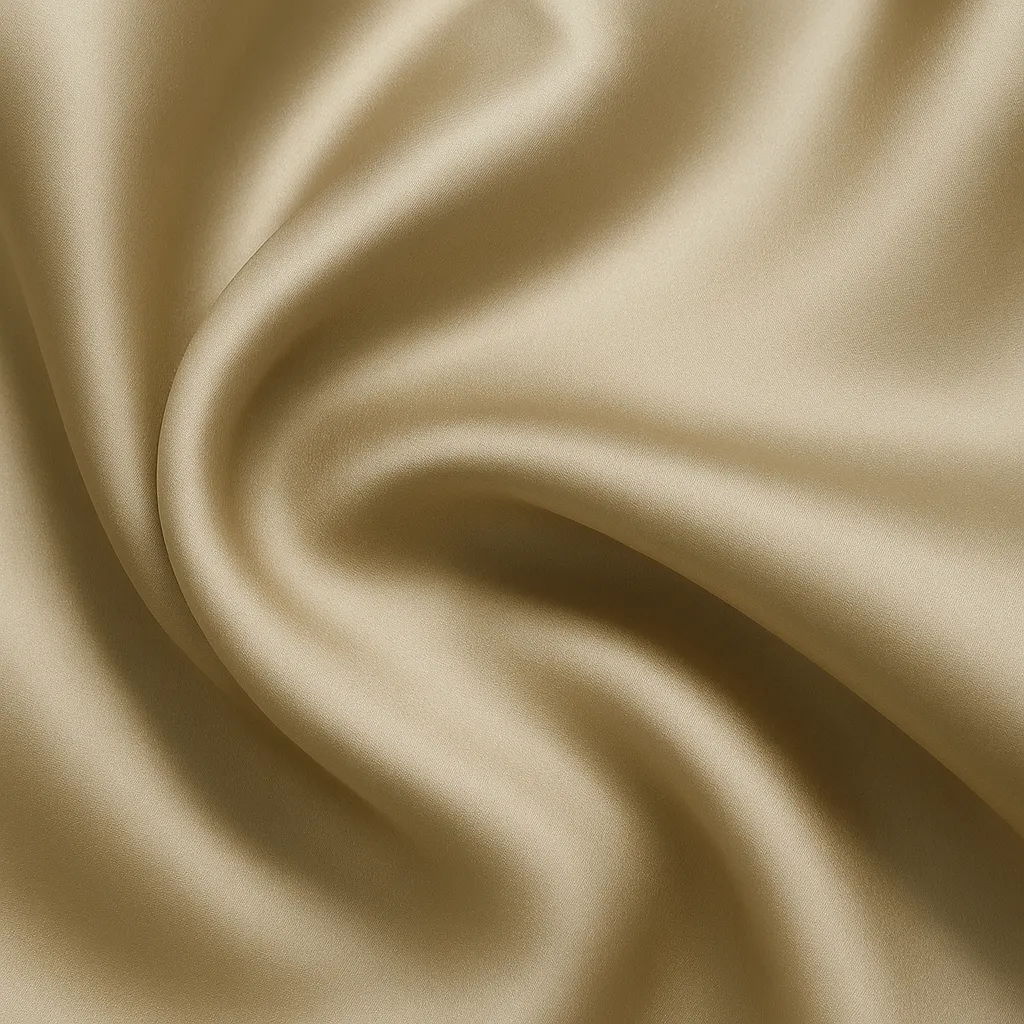
Long before polyester ruled the runway, chemists asked: “Can we turn trees into silk?” The answer came in the 1920s, when wood pulp was transformed into shimmering acetate fibers. Cellulose was purified, acetylated, spun through tiny holes, then dried into filaments worthy of couture. The result: a semi‑synthetic marvel that behaves like silk and costs like—and often less than—polyester.
Why it matters to you:
Acetate lets you deliver that high‑end sheen without high‑end costs. Your margins widen; your garments gleam.
A Riveting Case Study: How We Solved the Slippage Curse
The Challenge:
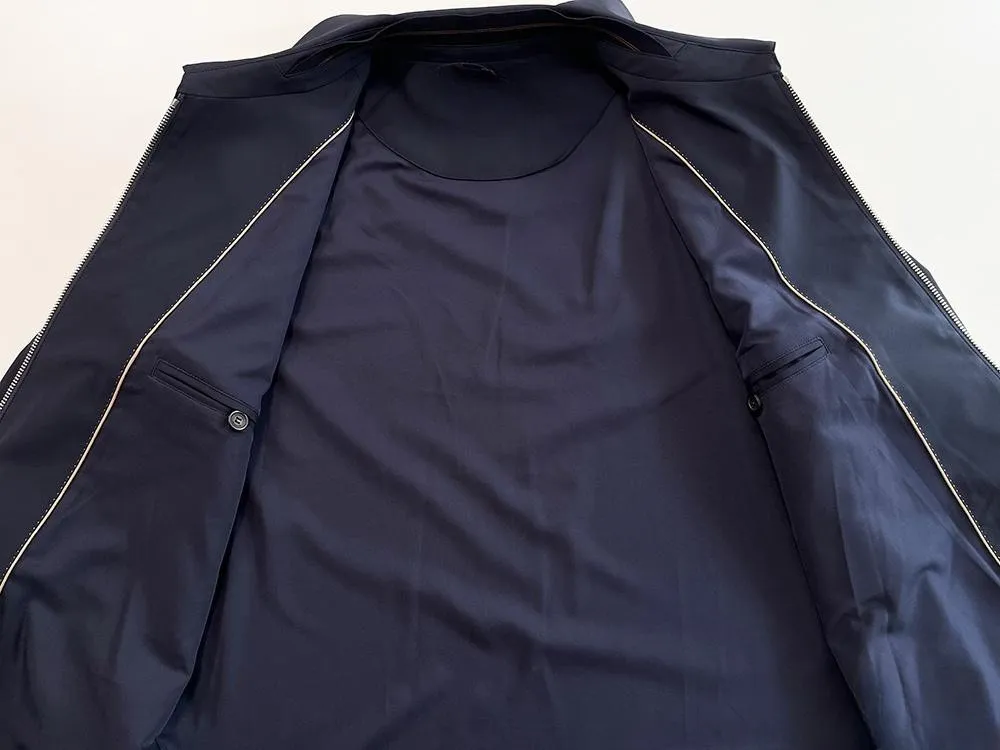
A premium jacket line was plagued by static cling and stubborn sleeve drag. Customers complained; returns climbed.
Our Strategy:
We swapped polyester linings for OEKO‑TEX certified acetate satin.
The Execution:
- Samples were lab‑tested for static at 50% humidity.
- Sleeve friction was measured over 100 cycles.
- Customer wear trials were conducted in three climate zones.
The Payoff:
- 90% drop in sleeve‑drag complaints
- 35% fewer returns in six months
- Brand perception score rose by 20 points
Your takeaway:
A simple material switch can deliver measurable ROI and happier clients.

The Allure and the Achilles’ Heel
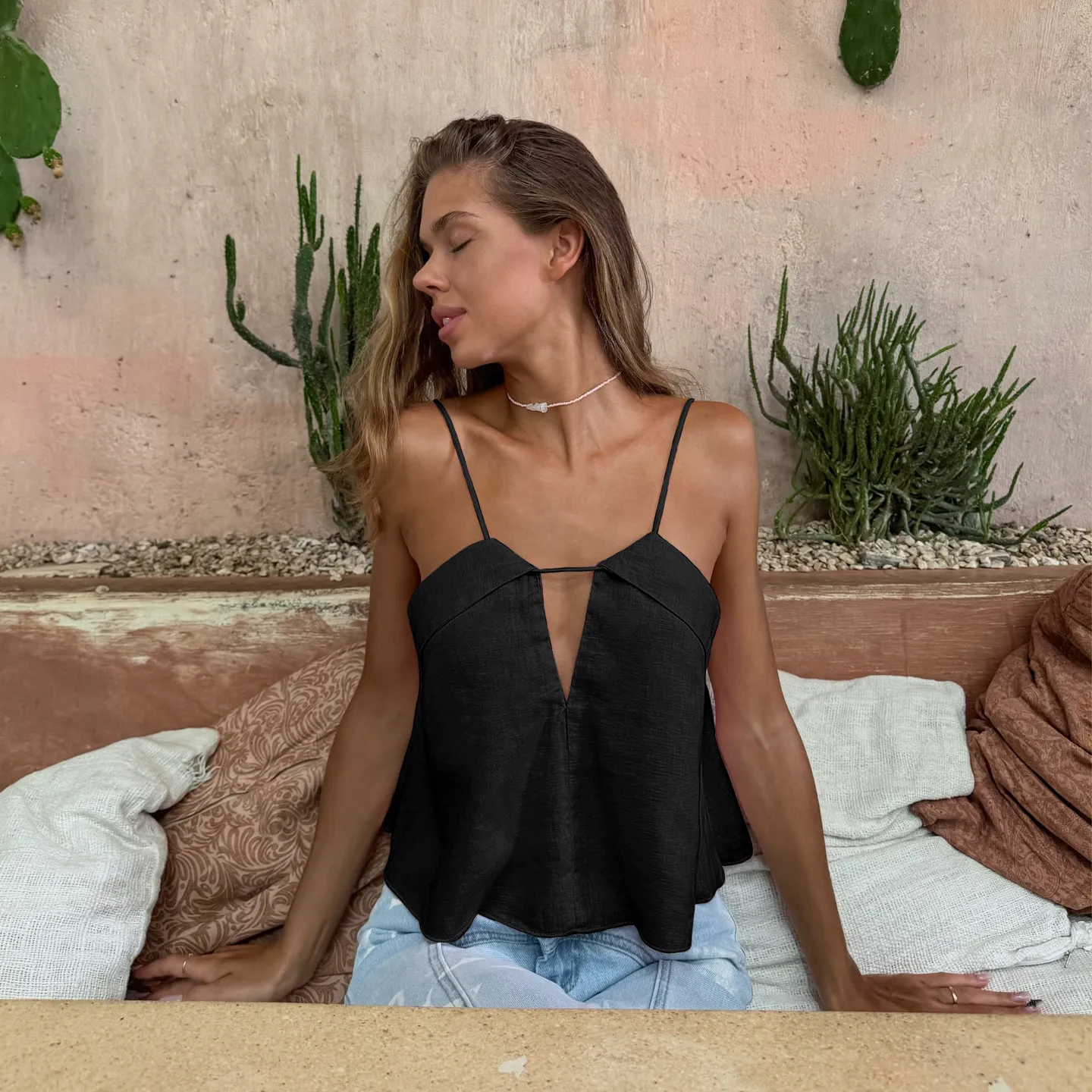
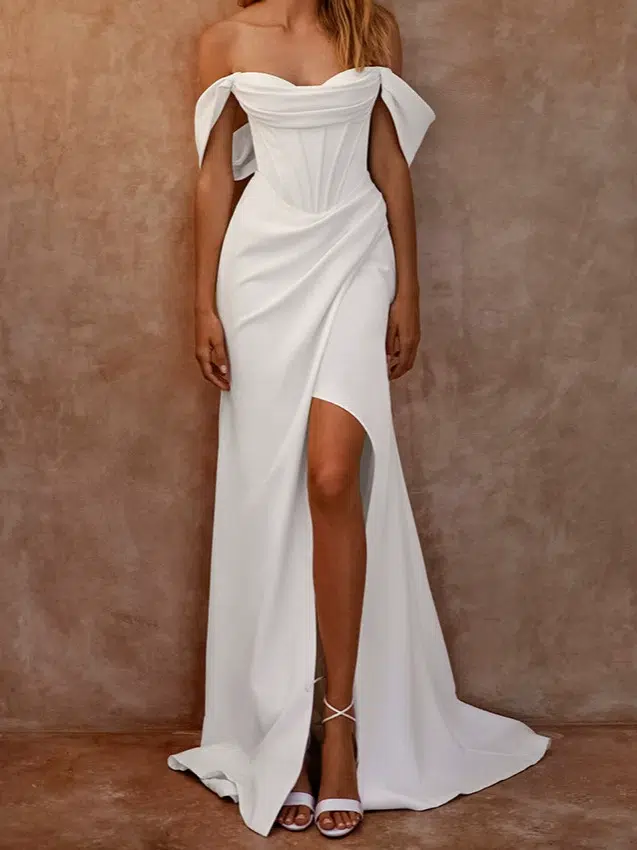
Every rose has its thorn. Acetate’s glossy drape and vibrant color “pop” are undeniable. Yet it whispers rather than shouts when it comes to breathability. In humid markets, it can trap moisture—so use it where it dazzles most: linings, evening gowns, bridal wear, and luxury scarves.
- Luxury moment: A flowing acetate gown under event lights—irresistible.
- Caveat: In a tropical street‑wear tee? You risk clammy complaints.
Sustainability: The Two‑Edged Sword
You can tout acetate’s renewable roots—wood pulp from responsibly managed forests. You can point to solvent‑recovery systems that cut emissions by 30%. But be honest: it is not a compost‑in‑your-backyard miracle. In landfills, it lingers.
Ogilvy’s rule:
Honesty builds trust. So market acetate as a “plant‑based luxury fiber”—and back it with certified sourcing and a take‑back program. Your brand will win both style points and credibility.
Care Instructions That Sell
Don’t hide the fine print—turn it into a selling point. Label your acetate pieces with:
- “Dry‑clean recommended for lasting sheen.”
- “Hand‑wash cold; air‑dry flat.”
Offer a QR code linking to a 60‑second video on gentle steaming. Educated customers become loyal customers.
Your Competitive Edge: The “SILK” Model
Evaluate fabrics with our proprietary SILK framework:
- Sustainability
- Integrity (strength)
- Luxury (sheen & drape)
- Know‑how (care complexity)
Acetate scores a 9 in Luxury and a 7 in Sustainability. Position it confidently in your line where those traits matter most.
Invitation to Action
You now hold the blueprint for harnessing acetate’s magic. Here is your next step:
- Audit your current linings and evening‑wear fabrics.
- Request OEKO‑TEX certified acetate swatches.
- Run a small pilot—measure returns, reviews, and rave rates.
Contact our sourcing team today to secure competitive acetate pricing and elevate your collection. Embrace the fabric that looks—and sells—like silk, without silk’s costs. Make acetate your advantage.
Views: 128