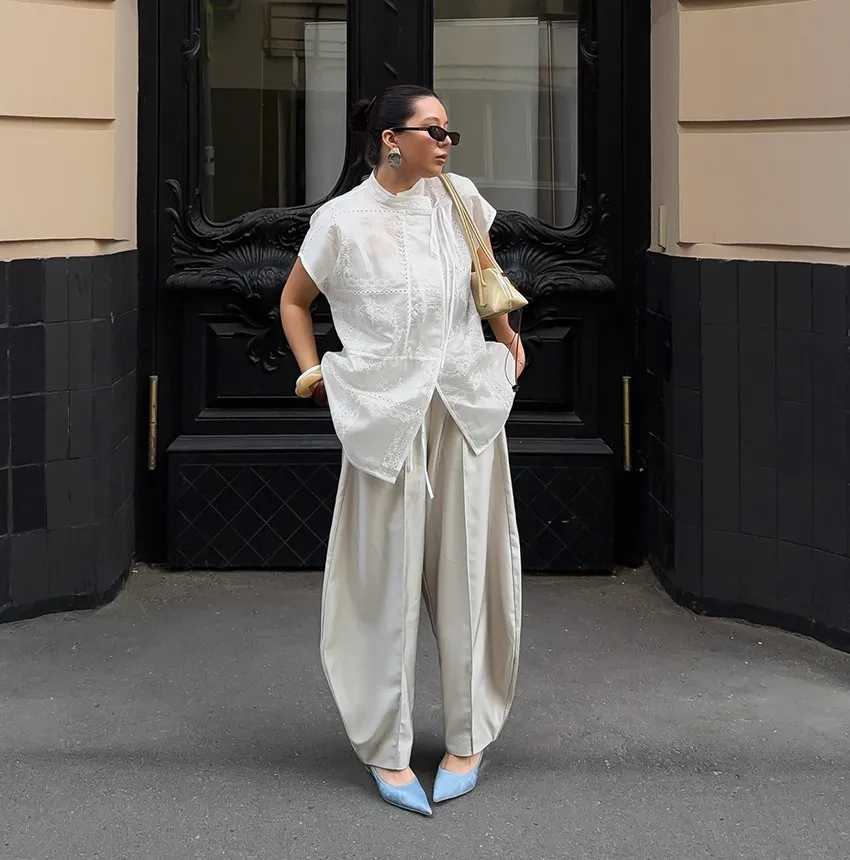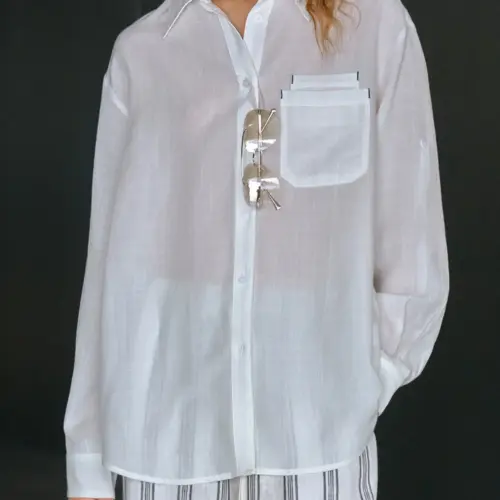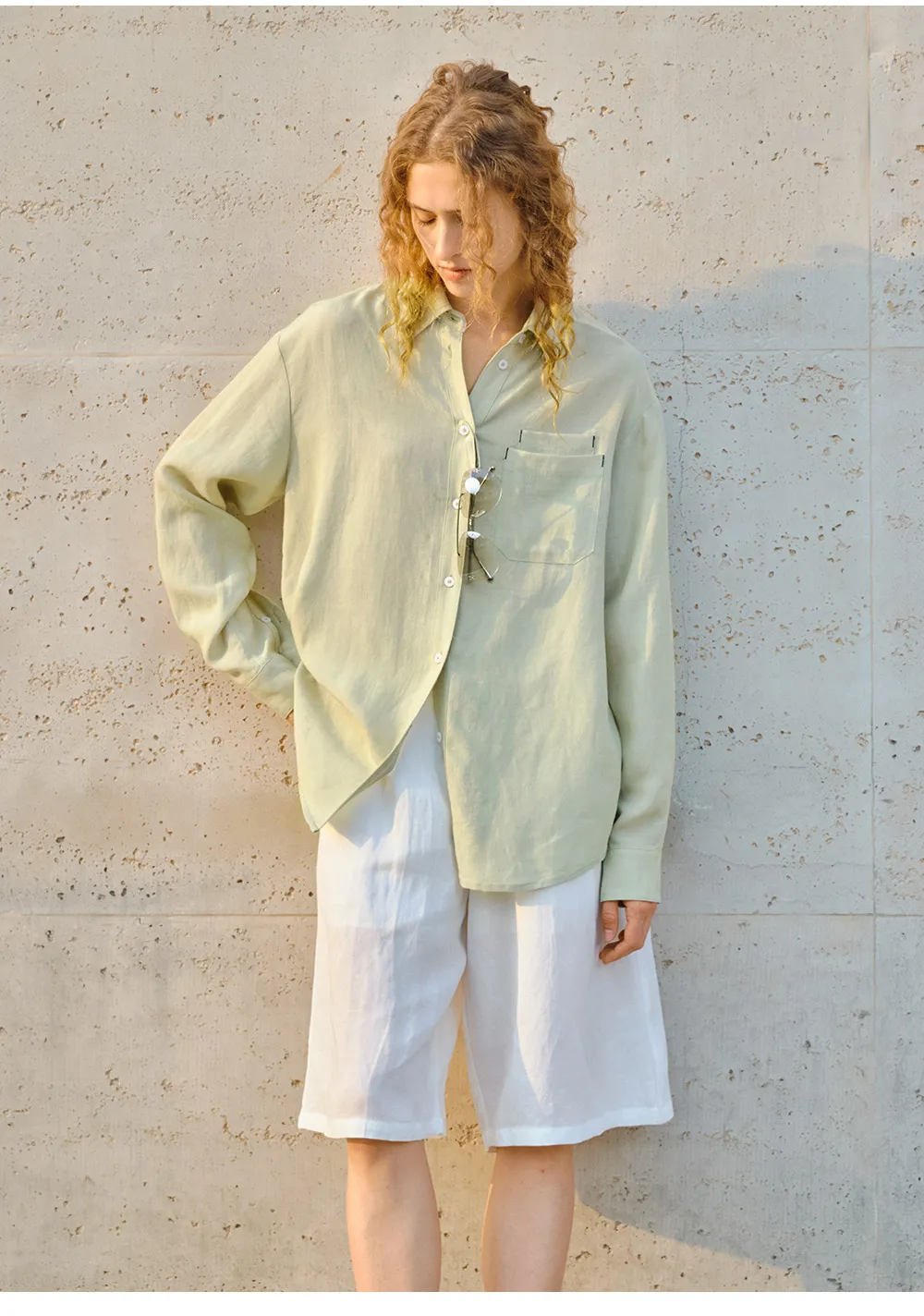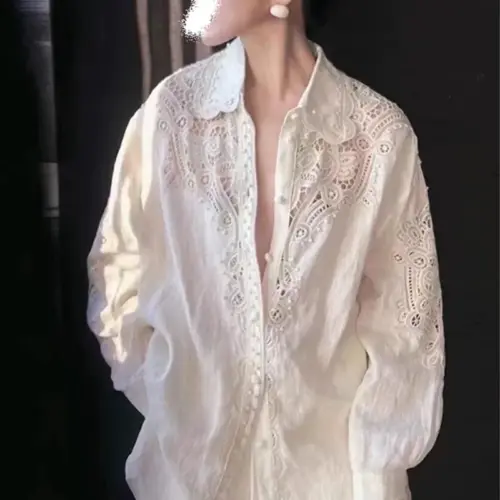
Crepe fabric is one of the most distinctive fabrics in the world of fashion. Its unique texture and versatile nature make it a staple in the wardrobes of many. From dresses to suits, crepe fabric is celebrated for its drape, texture, and elegance. But what exactly is crepe fabric? How did it come to be so popular in clothing, and why should you consider it for your next fashion project? Let’s dive into the world of crepe fabric, its history, types, and much more.
Crepe fabric is a lightweight material with a distinct texture characterized by its slightly crinkled surface. It can be made from different fibers such as silk, wool, or synthetic materials, which contribute to its versatility and wide range of uses in fashion.
Fashion enthusiasts love crepe fabric for its ability to hold shape, its smooth yet textured surface, and its ability to drape beautifully. But despite its popularity, many people still have questions about its texture, composition, and the different variations available in the market. Let’s explore.
What Makes Crepe Fabric Different From Other Fabrics?
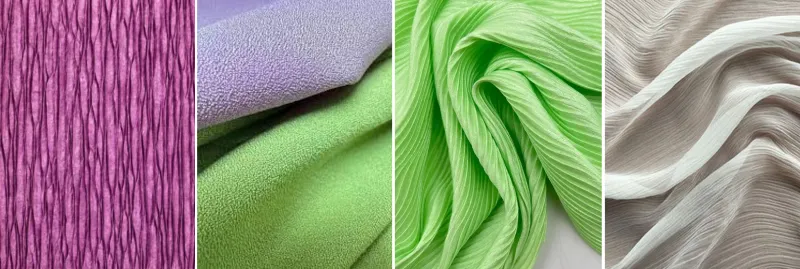
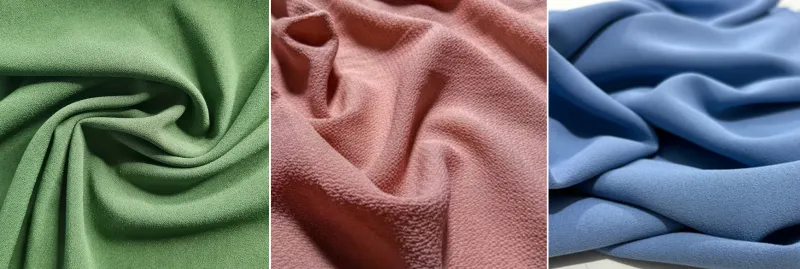
Crepe fabric is unique due to its textured surface. Unlike smooth fabrics such as satin or velvet, crepe has a subtle “crinkled” effect, giving it a distinct appearance and feel. This texture comes from a specialized weaving or twisting process. It can be made from a variety of fibers, which influences the final fabric’s appearance and functionality.
Crepe fabric stands out for its textured, slightly bumpy surface, which results from a unique weaving or twisting process. This texture is key to its characteristic drape and feel.
This unique texture is not just for aesthetics; it also makes the fabric ideal for creating structured garments that still have movement and flow. Crepe fabric is often used for formal and professional attire like suits and dresses. But how exactly is crepe fabric made, and what are its properties that make it so popular?
Production Process of Crepe Fabric
The manufacturing of crepe fabric involves specialized techniques that create its signature crinkled texture and elegant drape. The process varies based on the type of fiber used, but the core production steps remain similar.
- Fiber Selection
Crepe fabric can be made from silk, wool, cotton, polyester, or rayon. The choice of fiber affects the fabric’s texture, stretch, and durability. - Yarn Twisting
One of the defining features of crepe is its tightly twisted yarns. These yarns are twisted in alternating directions (S-twist and Z-twist) before weaving, creating the characteristic rippled or crinkled texture. - Weaving Process
Crepe fabric is woven using plain or satin weaves, depending on the desired final appearance. The tight twist in the yarns causes them to shrink slightly after weaving, further enhancing the fabric’s texture. - Dyeing & Finishing
The fabric is dyed in various colors and finishes. Some crepe fabrics undergo treatments such as softening, pre-shrinking, or printing to achieve specific textures and styles. - Heat-Setting (For Synthetic Crepes)
In synthetic crepe fabrics like polyester crepe, the fabric is heat-set to maintain its structure and reduce shrinkage. This step ensures the texture remains consistent even after multiple washes. - Quality Control & Fabric Treatment
The final fabric undergoes thorough inspections for uniform texture and quality. Depending on the intended application, additional treatments such as wrinkle resistance, water repellency, or stretch enhancement may be applied.
This intricate manufacturing process ensures that crepe fabric maintains its distinctive textured surface while offering excellent drape and versatility for various fashion and textile applications.
The texture of crepe fabric is a result of a special weaving or twisting technique. In many cases, crepe fabrics are made by twisting the yarns tightly before weaving them into the fabric. This tight twist creates a subtle, rippled effect on the surface. Crepe fabric can be made from natural fibers like silk or wool, but it is also commonly made from synthetic fibers such as polyester or rayon. Each type of fiber gives the crepe its unique feel, drape, and durability.
Crepe fabric gets its textured surface through tightly twisted fibers, which create its signature rippled effect. It can be made from both natural and synthetic fibers.
The weaving process used in crepe fabric production is complex and requires specialized machinery. For example, silk crepe is created by using raw silk that is twisted in a way that enhances its crisp texture. The fabric is then woven to produce a fabric with a subtle crinkled texture that feels soft and elegant to the touch.
Types of Crepe Fabric
Crepe fabric comes in various types, each offering different textures, finishes, and applications. Whether you are looking for something luxurious like silk crepe or more affordable options like polyester crepe, the diversity in crepe fabrics allows you to choose the right material for your specific needs.
American Crepe Fabric
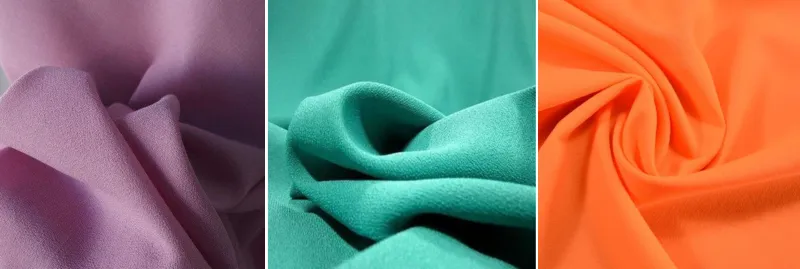
American crepe is known for its medium weight and slightly crinkled texture. It is a popular choice for dresses, suits, and skirts due to its durability and moderate stretch. It has a polished finish, making it suitable for both casual and formal wear.
American crepe is a versatile fabric that offers durability and a moderate stretch, making it a popular choice for everyday wear and professional attire.
Bark Crepe Fabric

Bark crepe, made from a blend of natural and synthetic fibers, has a rougher, more textured surface compared to other types of crepe. This fabric is often used for creating more structured clothing, such as jackets and blazers. It offers a matte finish and is often heavier than other crepe varieties.
Butter Crepe Fabric for Lining

Butter crepe is a soft, lightweight crepe fabric that has a smooth, flowing feel, making it an excellent choice for linings. It is soft to the touch and has a subtle stretch, providing comfort and a sleek finish under garments.
Butter crepe has a smooth texture and soft feel, making it ideal for lining in dresses, skirts, and other garments.
Chinon Crepe Fabric
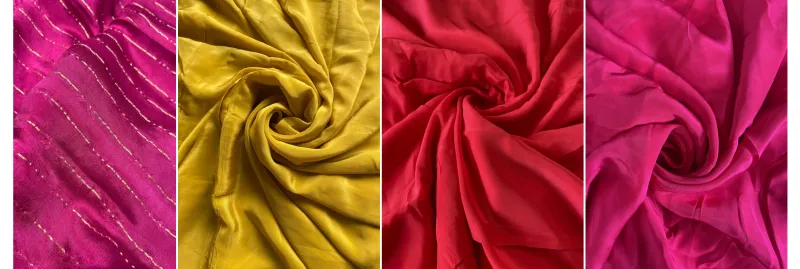
Chinon crepe is a luxurious fabric made from silk or synthetic fibers. It has a glossy sheen and smooth surface, which gives it a sophisticated appearance. Often used for evening wear and formal dresses, chinon crepe has a fluid drape that enhances the overall look of the garment.
Embroidered Crepe Fabric
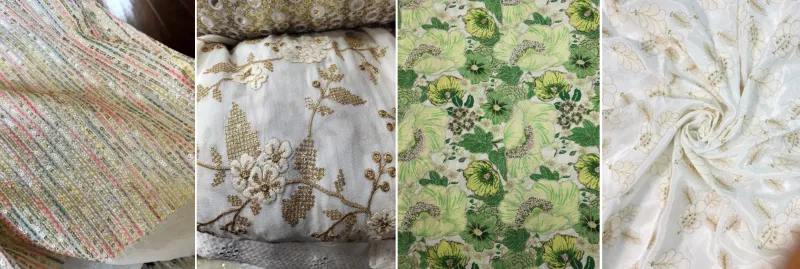
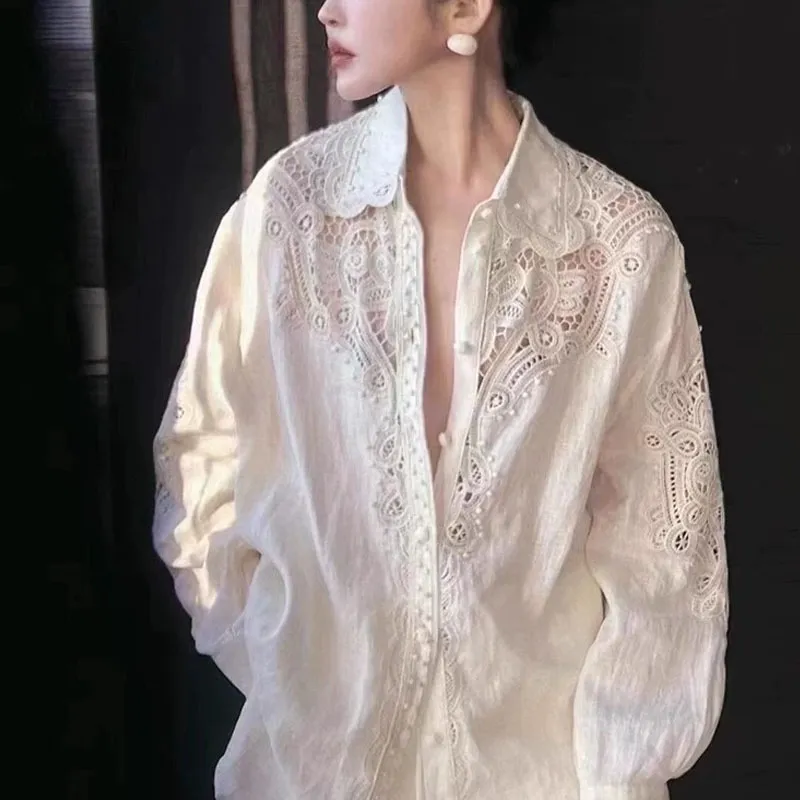
For a more decorative touch, embroidered crepe fabric incorporates intricate designs into the fabric. This type of crepe often features floral or geometric patterns embroidered directly into the fabric, adding a layer of texture and detail that is perfect for special occasions.
Embroidered crepe fabric combines the elegance of crepe with decorative embroidery, making it an excellent choice for special event attire.
Floral Crepe Fabric
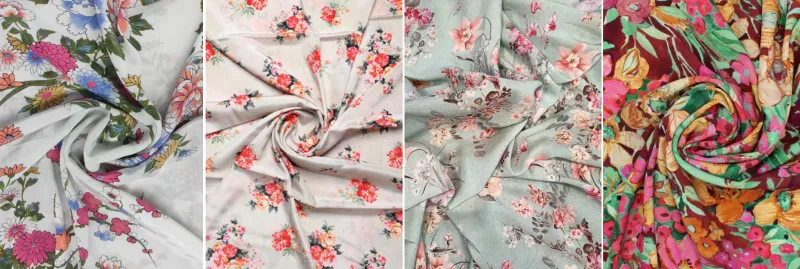
Floral crepe fabric is often used for dresses, blouses, and skirts. The floral patterns are printed or woven into the fabric, giving it a romantic and feminine touch. It is perfect for both casual and formal settings and can be paired with various styles.
Is Crepe Fabric Stretchy?
One of the most common questions about crepe fabric is whether it has stretch. While traditional crepe fabrics do not stretch, some modern variations, such as stretchy crepe, have been blended with elastane or spandex to provide some flexibility. Stretchy crepe fabrics offer the same texture and appearance as regular crepe, but with the added benefit of comfort and movement.
Stretchy crepe is made by adding elastane or spandex, providing more comfort and flexibility while retaining the fabric’s signature texture.
Popular Uses of Crepe Fabric
Crepe fabric is a versatile material used in a wide range of clothing, from formal to casual styles. Its ability to hold its shape while offering movement makes it perfect for dresses, skirts, pants, blouses, and more.
Crepe Fabric for Dresses

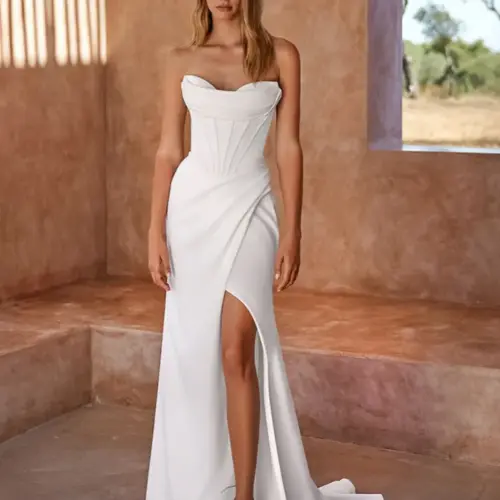
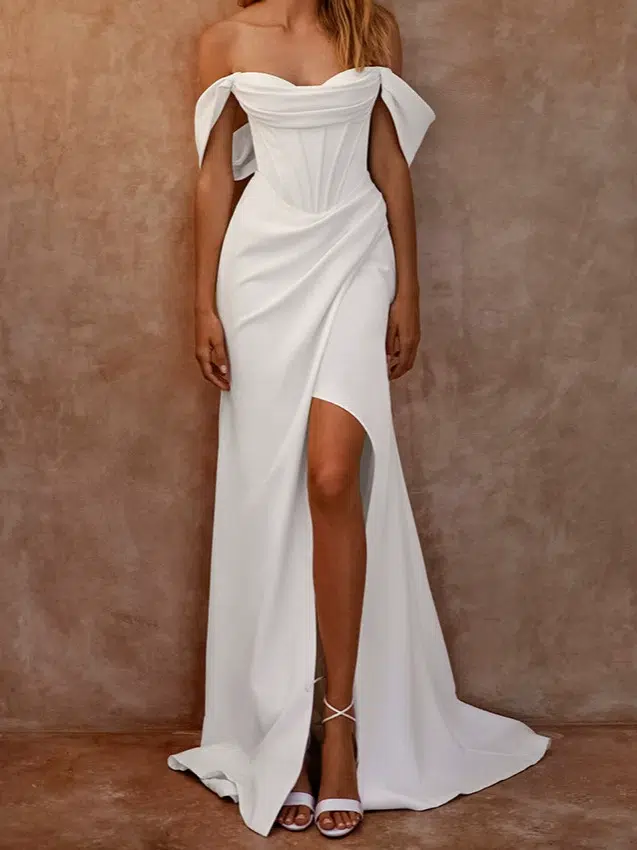
Crepe fabric is often used for creating dresses, particularly formal or evening gowns. The fabric’s elegant drape and textured surface add sophistication and structure to the dress. Whether it’s a cocktail dress or a wedding gown, crepe fabric is a top choice for many designers.
Crepe fabric is ideal for creating dresses due to its flattering drape and ability to hold its shape.
Crepe Fabric Suits
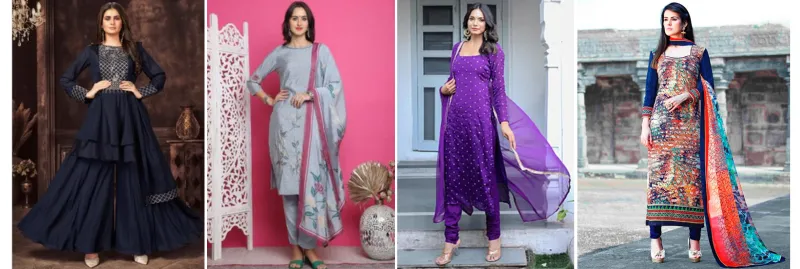
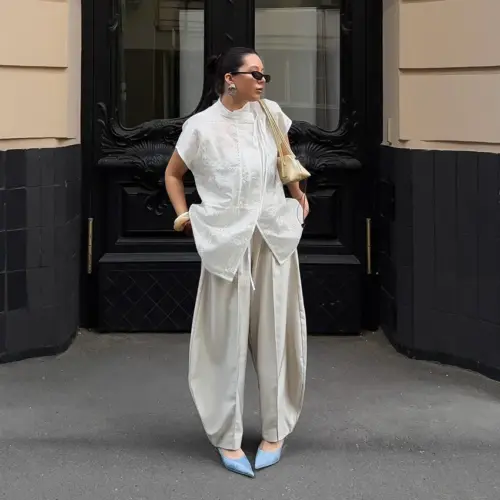
Crepe fabric is often used to create professional suits. The medium weight and texture of crepe help create a sharp and structured look. It’s ideal for blazers, trousers, and pencil skirts, offering a refined finish without compromising comfort.
Crepe Fabric Pants
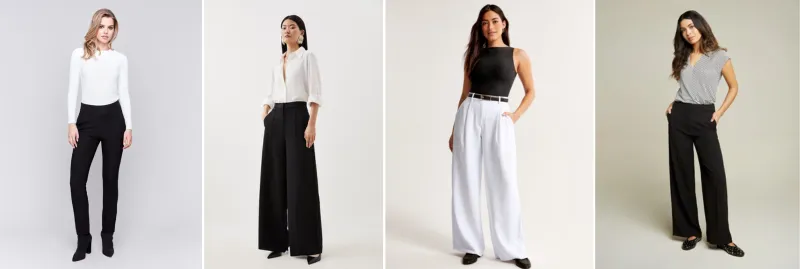
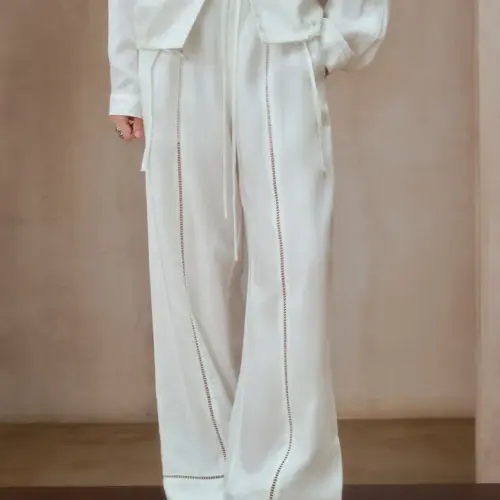
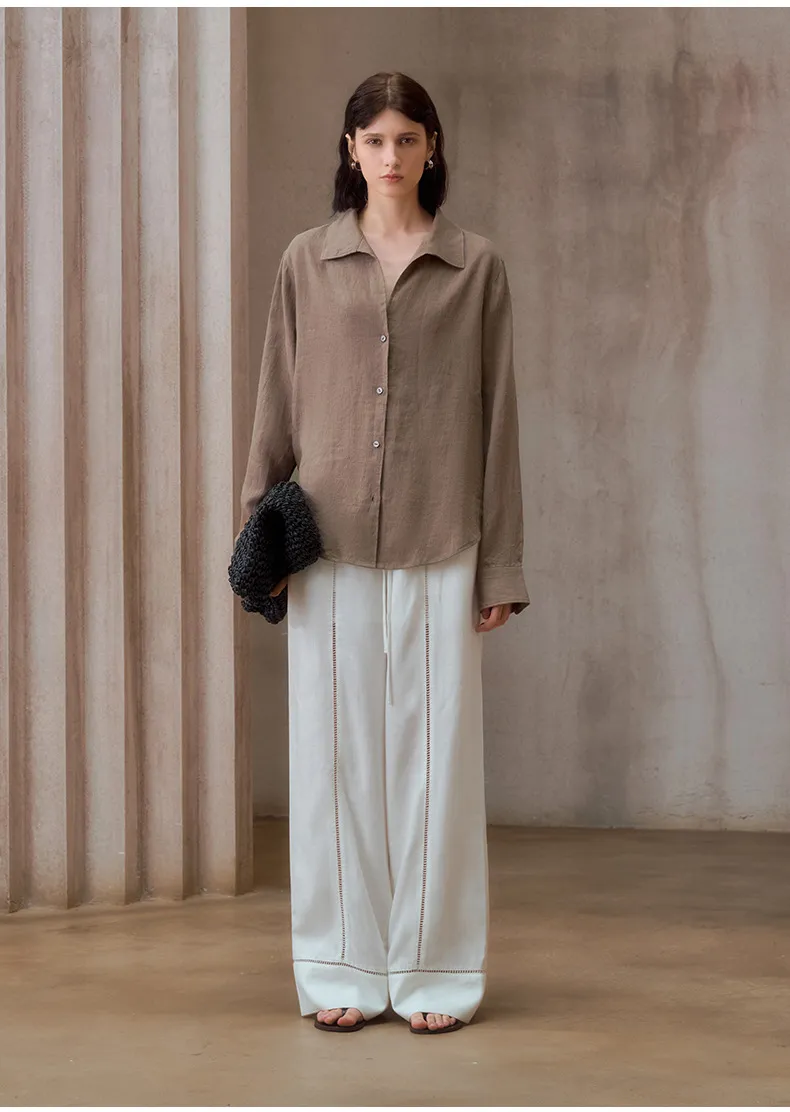
Crepe fabric pants are known for their drape and elegance. Whether you’re looking for a casual or formal look, crepe pants can be dressed up or down depending on the occasion. They offer a sleek, professional look while still being comfortable to wear.
Crepe Fabric for Tops and Blouses
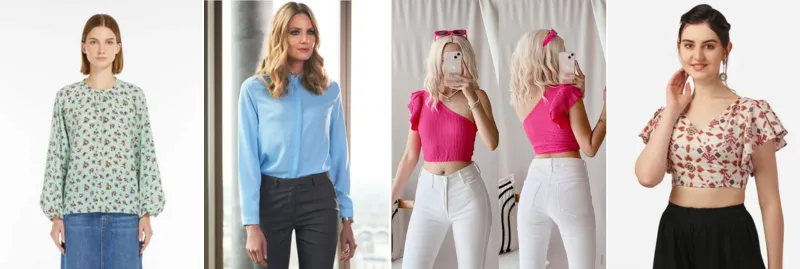
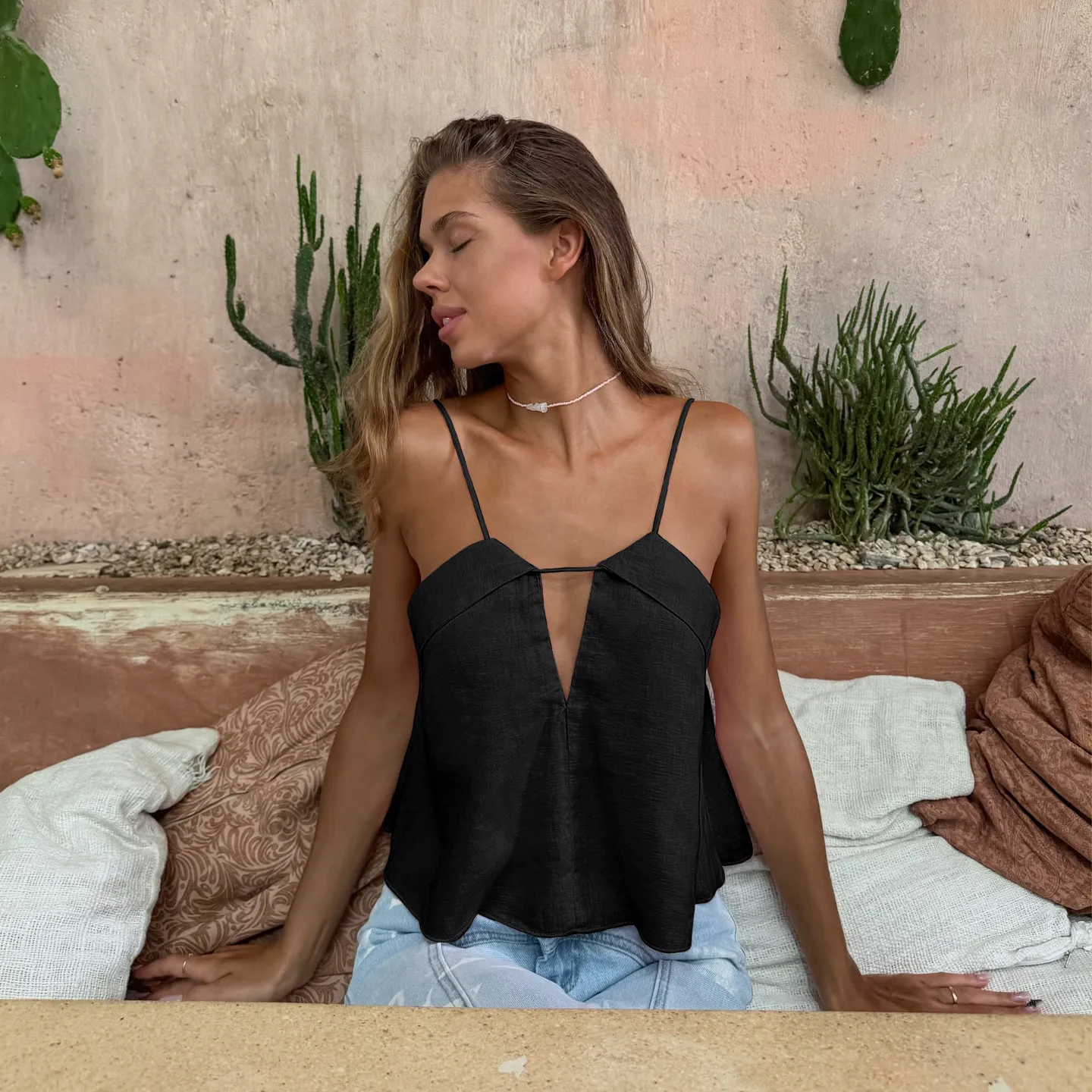
The lightweight nature of crepe fabric makes it an ideal material for blouses and tops. Its ability to breathe and flow gives it a relaxed yet polished appearance, making it suitable for both work and casual wear.
Crepe Fabric Maintenance and Care
Taking care of crepe fabric is crucial to preserving its texture and appearance. Since crepe fabric is delicate, it should be handled with care, especially if it is made from natural fibers like silk.
How to Wash Crepe Fabric?
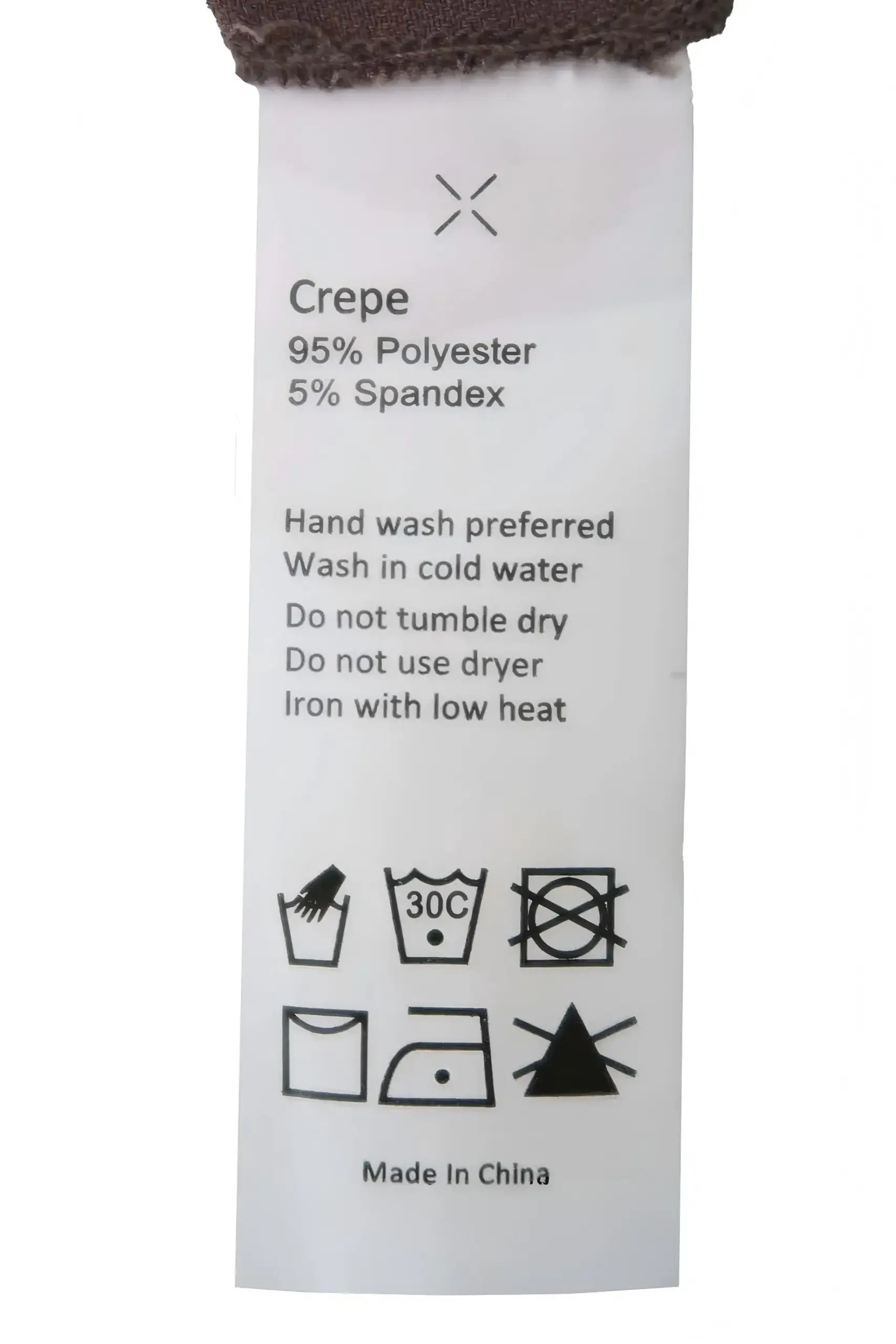
Crepe fabric, especially those made from silk, should be hand-washed or dry-cleaned to maintain its texture. Synthetic crepes, like polyester, can usually be machine-washed, but always check the care instructions on the label.
Ironing Crepe Fabric
Crepe fabric should be ironed with caution. To avoid damaging the delicate texture, iron it on a low setting and use a cloth between the fabric and the iron. Steam can help smooth out any wrinkles without flattening the fabric’s signature texture.
Storing Crepe Fabric
When storing garments made from crepe fabric, hang them in a cool, dry place. Avoid direct sunlight, which can cause fading, and ensure the fabric is free from any stains or dirt before storing it.
Conclusion
Crepe fabric is a versatile and elegant material used in a wide range of fashion applications, from dresses to suits to casual wear. Its unique texture, which results from a special weaving or twisting process, gives it an air of sophistication and class. Whether you are looking for silk crepe, stretchy crepe, or floral crepe, there is a variety to suit your needs. Understanding the different types, care methods, and uses of crepe fabric can help you make informed decisions when purchasing or designing with this luxurious material.
Crepe fabric’s timeless appeal and elegant drape make it an essential fabric in the fashion world.
Views: 891