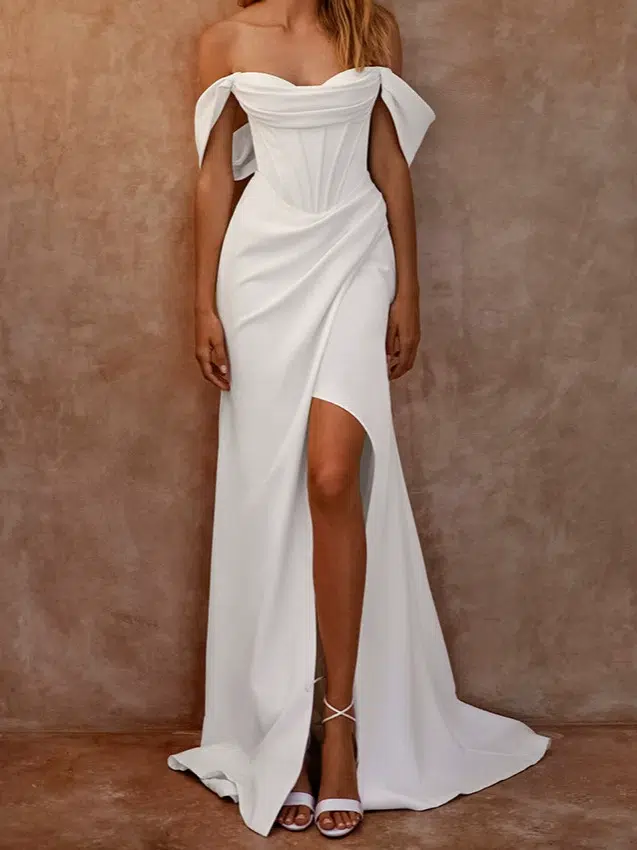
Nylon is one of the most commonly used synthetic fabrics in the world today. It is durable, versatile, and highly functional, making it a favorite choice for a wide range of clothing and industrial applications. But what exactly is nylon, and why has it become so popular in the textile industry?
What Is Nylon Made Of?
Nylon is a synthetic polymer made from petroleum-based products. It is known for its strength, elasticity, and resistance to wear and tear. The material has been used in various industries, especially fashion, for decades.
Nylon was first introduced by DuPont in the 1930s. This innovative fabric quickly became a game-changer in textiles due to its strength and flexibility. Its ability to imitate natural fibers while offering superior performance in certain areas made it an instant success.
Features of Nylon Cloth Dresses

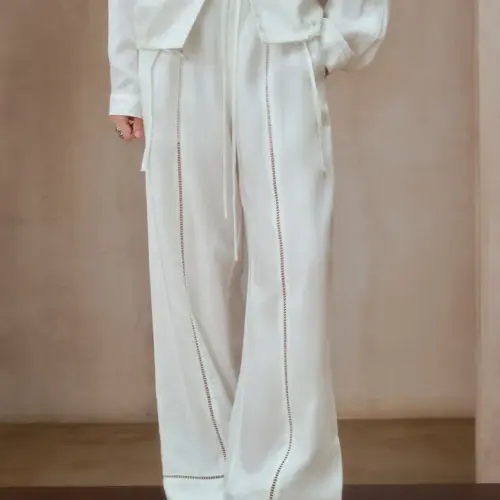
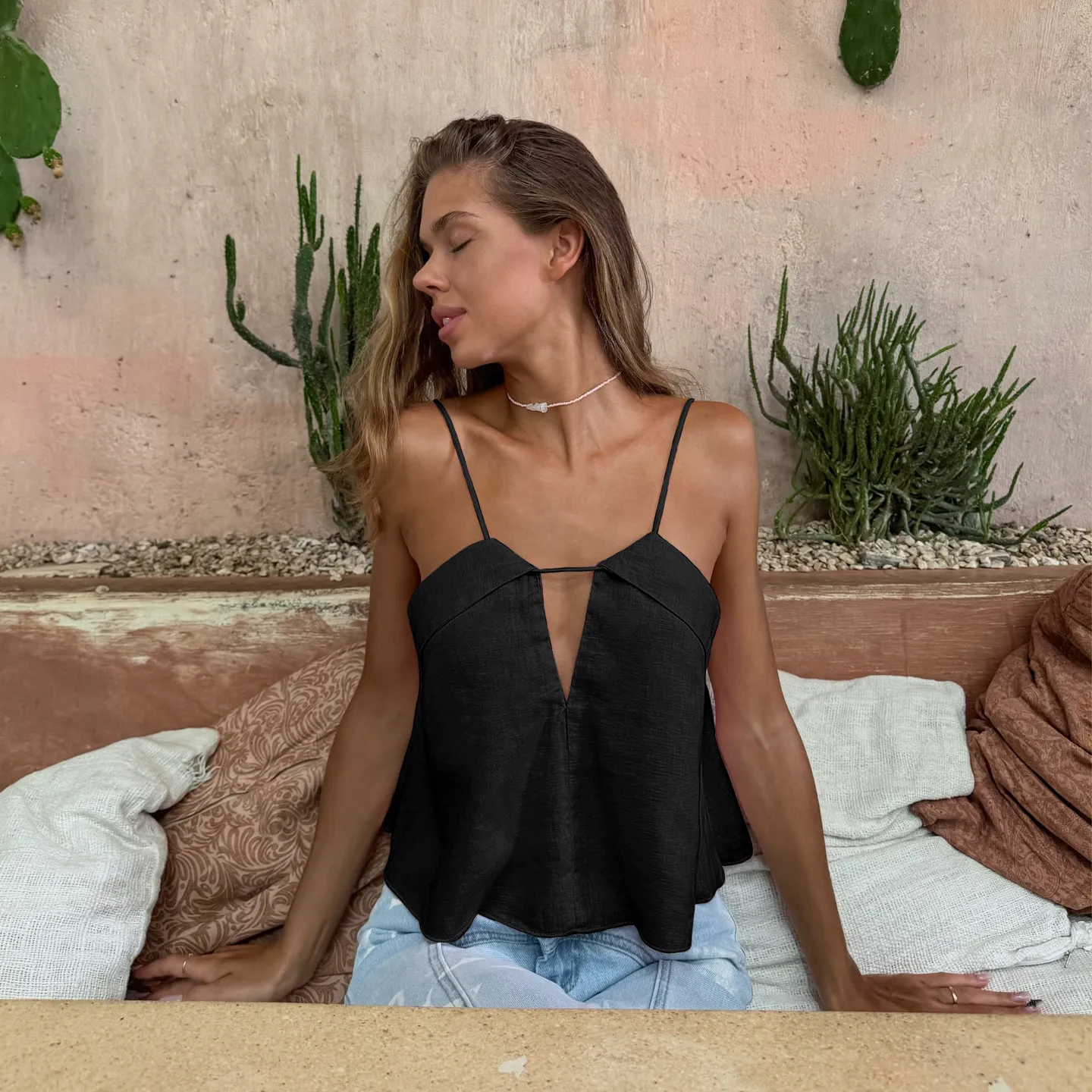
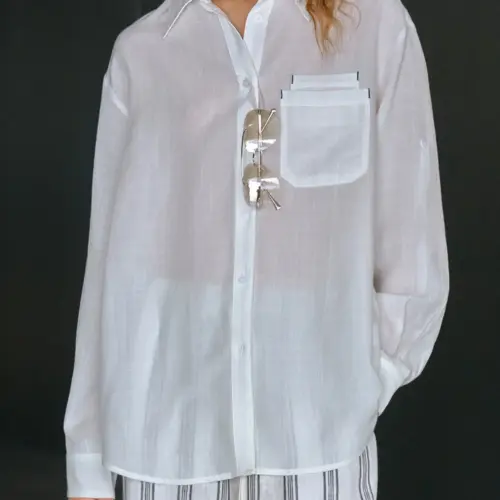
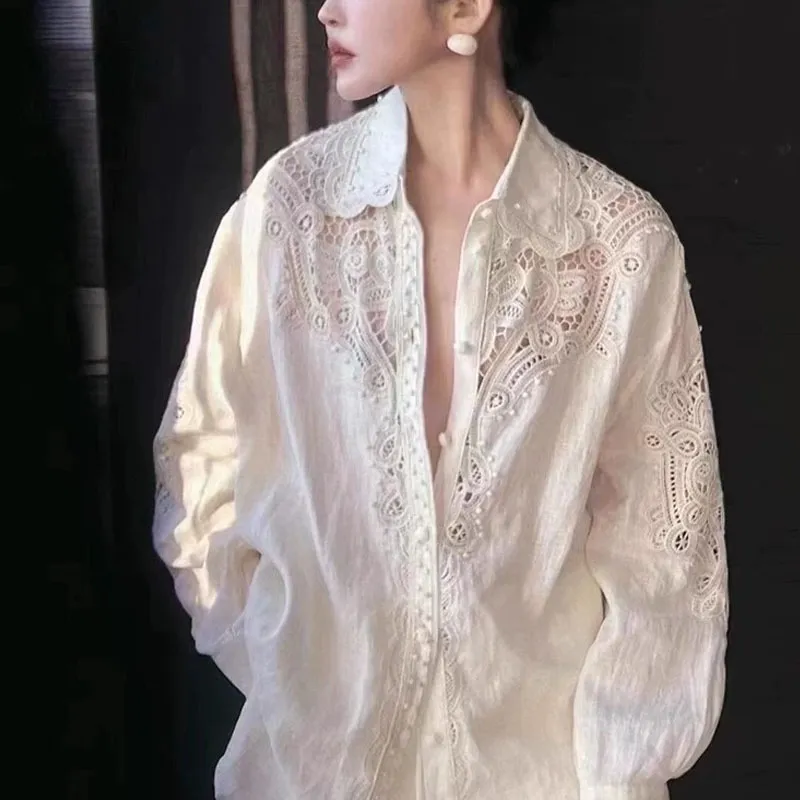
Nylon cloth dresses are known for their lightweight feel, durability, and resistance to wrinkles. These qualities make them perfect for both casual and formal occasions.
Nylon cloth dresses are lightweight, wrinkle-resistant, and offer great flexibility and stretch. These qualities make nylon dresses comfortable for everyday wear and stylish for special events.
Nylon maintains its shape and resists damage from everyday activities, making it an ideal fabric for dresses. The material’s smooth texture also allows for vibrant colors and intricate designs, which is why it is frequently used in fashion.
Why Nylon Dresses Are a Must-Have
Nylon dresses can withstand wear and tear better than other materials. The fabric’s quick-drying nature makes it great for summer or activewear dresses. Nylon dresses are also resistant to shrinking, so they maintain their size and shape after multiple washes. Additionally, nylon’s smooth finish makes it less prone to accumulating dirt and dust, reducing the need for frequent cleaning.
Nylon vs. Nylon Elastane Fabric
Nylon elastane fabric combines the strength and flexibility of nylon with the elasticity of elastane (also known as spandex or Lycra). This combination creates a fabric that is both durable and stretchy, offering superior comfort and fit.
Nylon elastane fabric is a blend of nylon’s strength and elastane’s stretchability, making it ideal for activewear and form-fitting clothing.
This combination is perfect for creating clothing that needs to offer both durability and comfort. Think of leggings, swimsuits, and activewear—where freedom of movement and a great fit are crucial.
When nylon is blended with elastane, the fabric’s overall flexibility and elasticity improve. Elastane allows the fabric to stretch up to five times its original size, making it ideal for clothes that need to move with your body. Nylon’s durability ensures the fabric retains its strength even with repeated stretching.
Nylon elastane fabric is also resistant to wear and tear. It doesn’t fade or lose its shape after multiple washes, making it a long-lasting and functional option for high-performance clothing.
How Nylon Fiber Works in Fabrics
Nylon fiber is the building block of nylon fabric. These fibers are created through a process called polymerization, where long chains of molecules are linked together to form the nylon we know today.
Nylon fiber is incredibly strong, lightweight, and resistant to abrasion, making it the perfect material for a wide range of fabric applications.
Because nylon fibers are strong, they can withstand pressure without breaking. This is why nylon fabrics are often used in items like backpacks, tents, and jackets, which need to endure rough conditions. Nylon’s resistance to stretching also means that fabric made from nylon fibers maintains its shape over time.
Nylon Fiber in Everyday Products
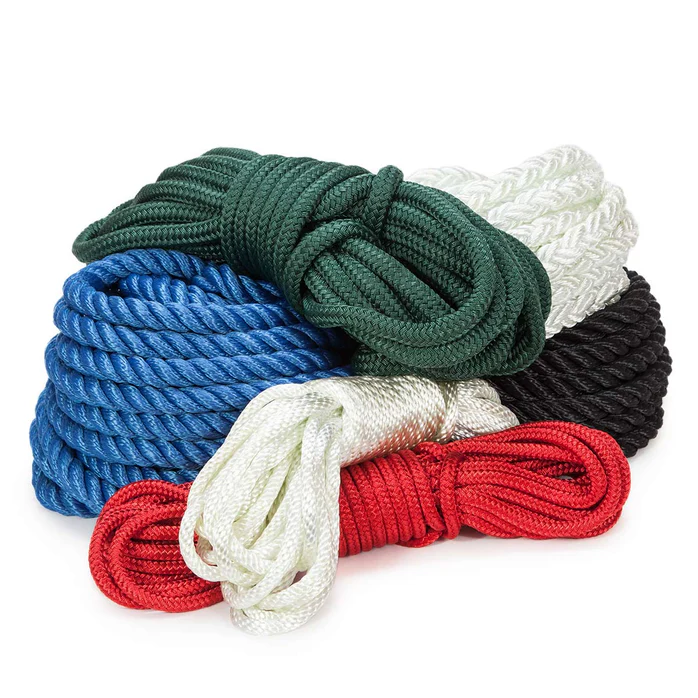
Nylon fiber is not just used in clothing. It’s found in a range of products, from luggage to industrial materials. Nylon fibers are used to make ropes, fishing nets, and even parachutes. The strength and durability of nylon make it the ideal choice for products that need to endure extreme conditions.
In textiles, nylon fiber can be spun into a variety of textures and finishes, making it highly versatile. It can be woven into a smooth, glossy fabric or knit into a soft, velvety material. This versatility explains why nylon is used across so many industries and applications.
Applications of Mesh Nylon (Nylon Netting)
Mesh nylon, also known as nylon netting, is widely used in various industries due to its durability, flexibility, and resistance to wear and tear. Some key applications include:
Sports Netting
- Goal Nets: Used in soccer, basketball, and hockey for impact resistance.
- Tennis & Badminton Nets: Provides durability while maintaining proper tension.
- Golf Nets & Baseball Batting Cages: Prevents balls from escaping practice areas.
- Volleyball & Beach Nets: Offers stability and longevity even in outdoor conditions.
Safety & Fall Protection Netting

- Construction Fall Protection Nets: Installed around high-rise buildings to prevent falls and protect workers.
- Debris Containment Nets: Keeps construction materials from falling onto pedestrians or vehicles.
- Warehouse Storage Safety Nets: Used in shelving systems to prevent stored items from falling.
- Scaffolding Safety Nets: Provides an extra layer of security for workers at height.
Industrial & Commercial Uses
- Filter Mesh: Used in water filtration, air purification, and food processing.
- Protective Screens: Applied in window screens, mosquito nets, and dust-proof covers.
- Cargo Restraint Nets: Helps secure loads in logistics and transportation.
Outdoor & Recreational Uses
- Fishing Nets & Hammocks: Offers lightweight yet strong support.
- Backpack & Tent Mesh: Enhances ventilation in outdoor gear.
Medical & Healthcare
- Surgical Mesh: Used in hernia repair procedures.
- Orthopedic Supports: Provides elasticity for compression garments.
Agriculture & Gardening
- Greenhouse Shade Netting: Controls sunlight exposure for crops.
- Pest Protection Netting: Keeps insects away from plants.
Why Is Nylon Fabric Waterproof?
Nylon fabric is often treated with water-resistant coatings or laminates, which make it waterproof.
Nylon fabric is naturally water-resistant, and with additional coatings, it can be made completely waterproof, making it a popular choice for jackets and raincoats.
Nylon’s smooth surface and tight weave help prevent water from penetrating the fabric. When manufacturers add a waterproof coating, such as polyurethane or silicone, they enhance the fabric’s ability to repel water, making it an ideal choice for outdoor clothing.
Waterproof nylon is commonly used in raincoats, jackets, tents, and backpacks. Its ability to shed water without becoming heavy or saturated makes it an essential material for outdoor activities.
Is Nylon a Plastic or Polyamide?
While nylon is often thought of as a type of plastic, it is technically a polyamide. Polyamides are a group of polymers that contain amide linkages, which are responsible for nylon’s strength and durability.
Nylon is a polyamide, a type of synthetic polymer that is made from petroleum-based chemicals. Though it is considered a plastic material, its unique structure gives it the durability and strength that sets it apart from typical plastics.
Conclusion
Nylon is a versatile and durable material that has made its mark in fashion, outdoor gear, and countless other products. Its strength, elasticity, and resistance to wear and tear make it a go-to choice for manufacturers around the world. While it does have some environmental concerns, advancements in recycling and sustainable production methods are making nylon more eco-friendly. Whether it’s for clothing, industrial applications, or outdoor gear, nylon’s role in modern life is undeniable.
Views: 221