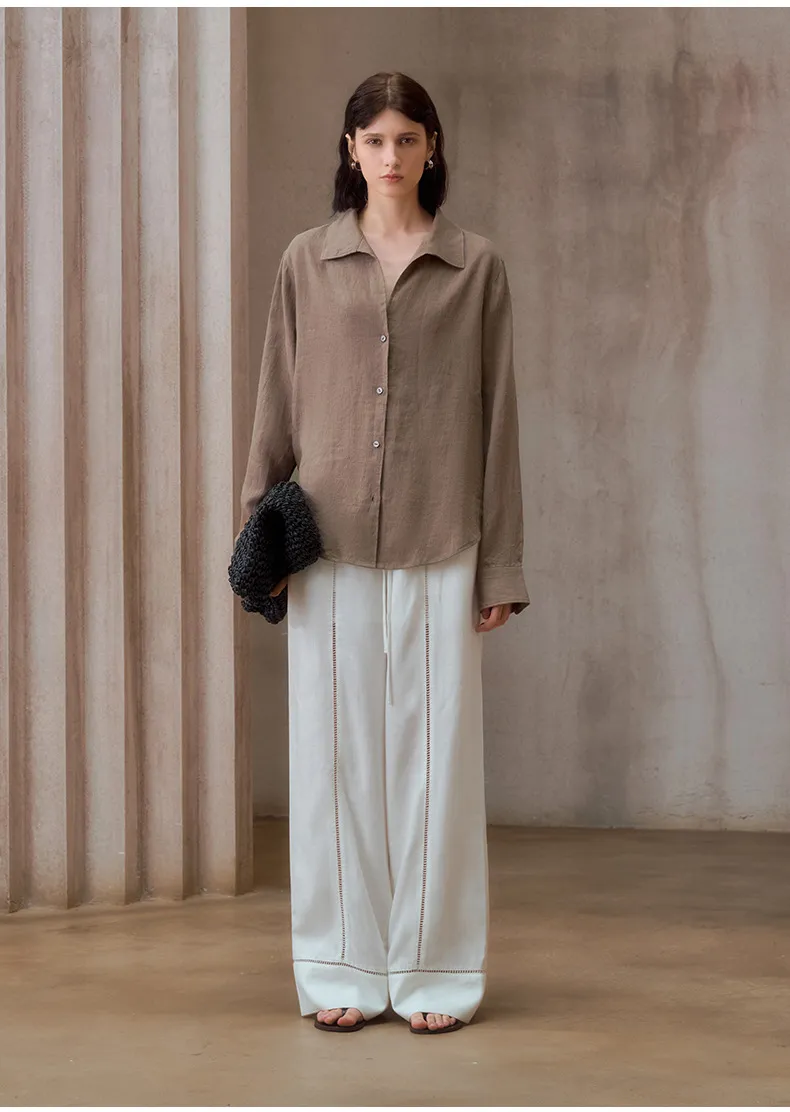
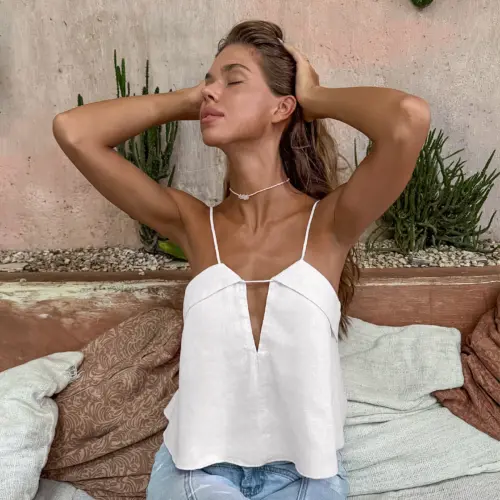
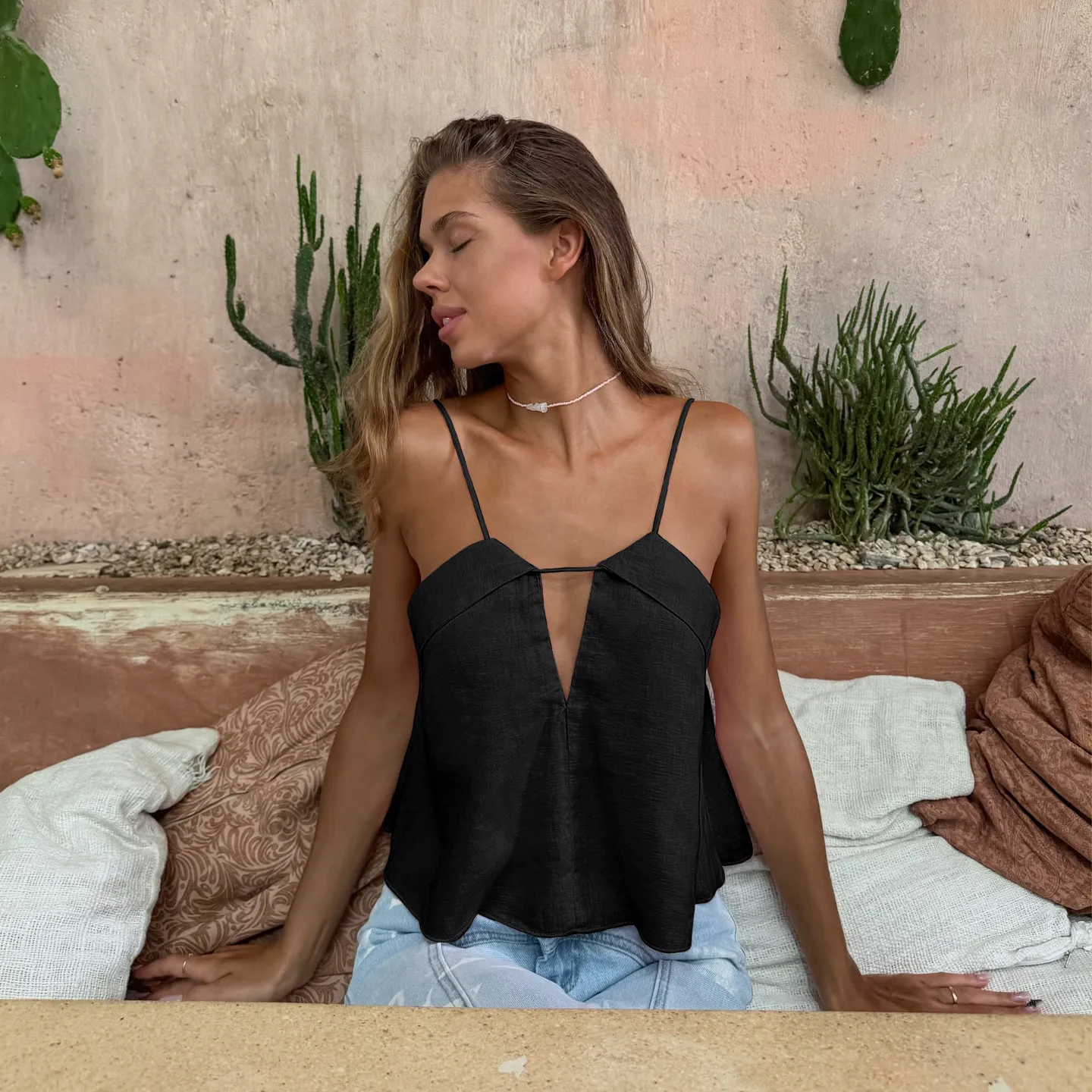
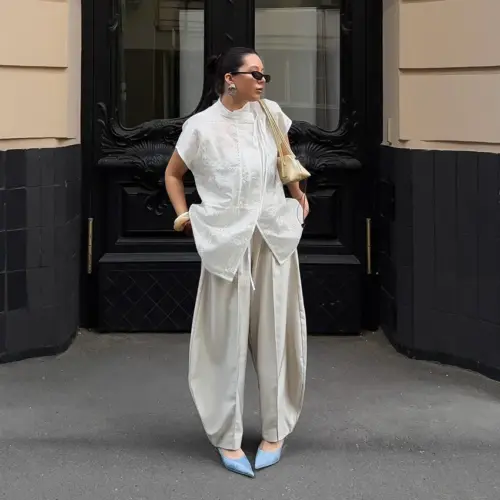
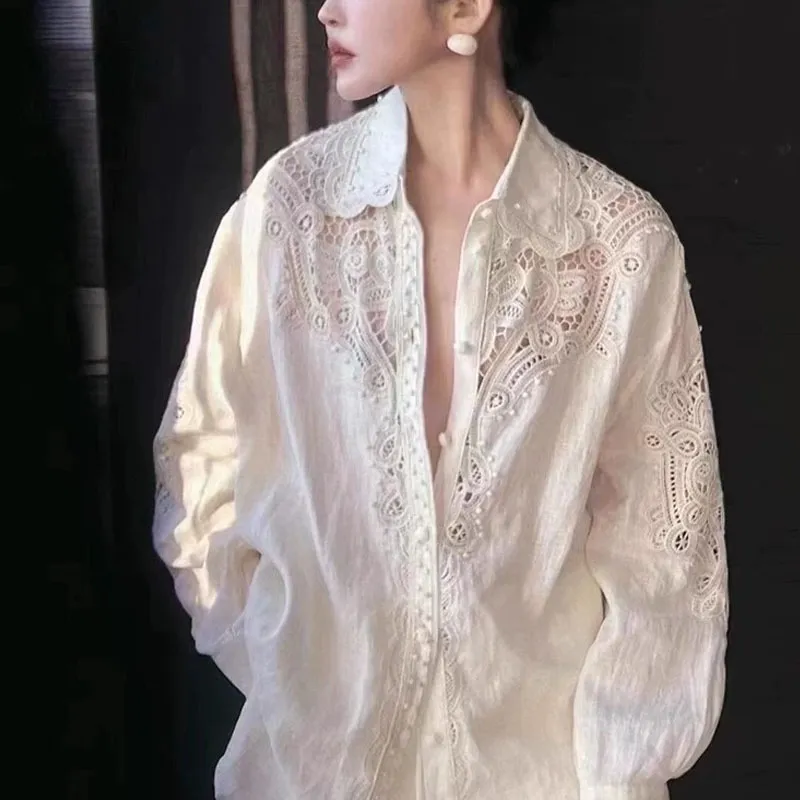
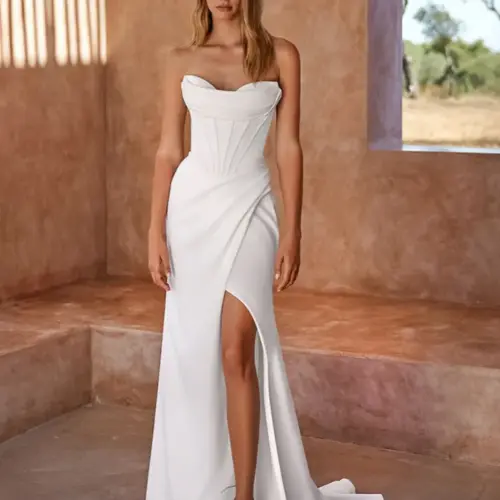
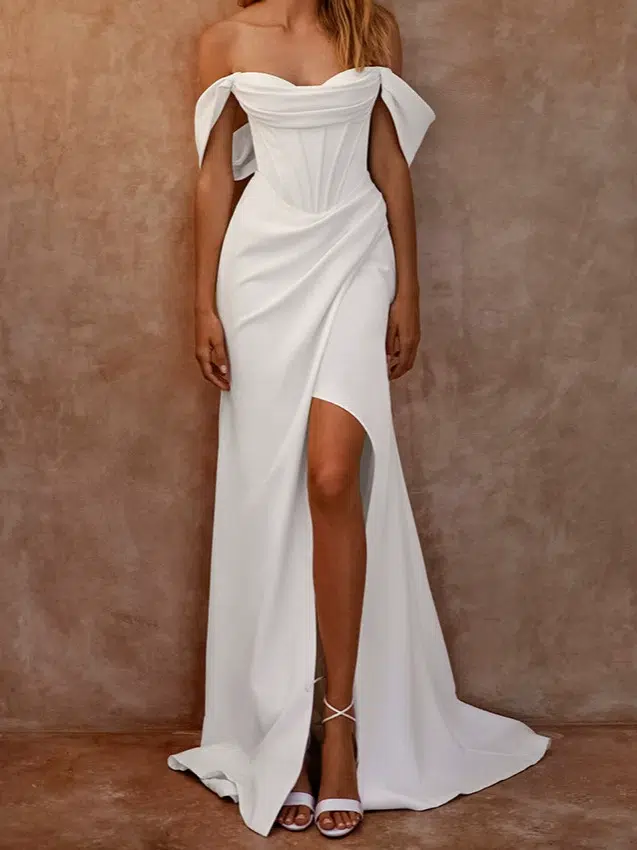
Blue is safe, so many buyers pick it, then they freeze at the pairing step. The wrong match makes blue look cold, cheap, or loud, and that hurts sales.
The 7 best colors that go with blue are white, grey, beige, black, gold, burgundy, and orange. These options cover clean neutrals, rich contrast, and warm accents for outfits, interiors, and a light blue background.

I learned this the hard way in my early export years. I approved a “nice blue” fabric, then I matched it with the wrong trims. The samples looked flat under showroom lights, and the buyer’s face told me everything. So now I always start with a simple rule: I pick the blue first, then I pick one of seven partners, then I test it in the real lighting where the product will sell.
Which neutral colors match with blue without risking a “cheap” look?
Blue can look clean, or it can look cold. If I choose the wrong neutral, the blue loses depth and the garment looks thin in photos and on racks.
Blue stays premium with the right neutral. White gives clarity, grey adds calm, beige warms it up, and black sharpens the edges. I use these four when I want safe, repeatable results across seasons.

White and blue
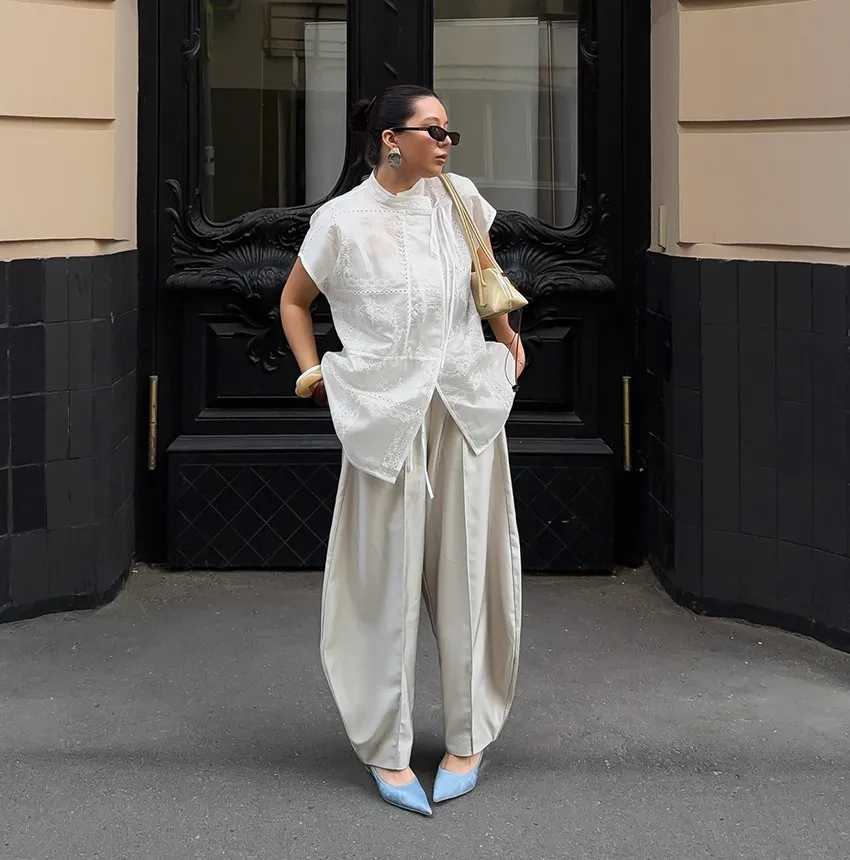
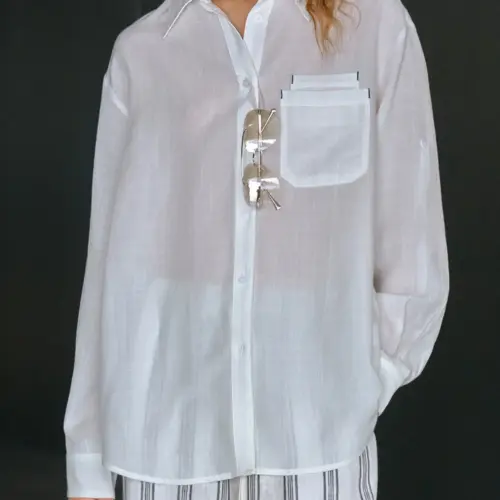
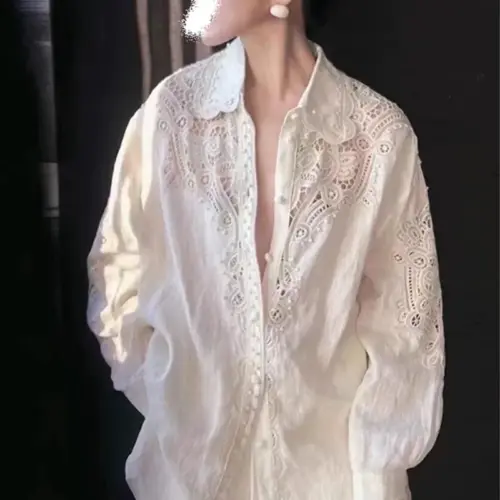
White is the fastest way to make blue look crisp. I use it when I want a blue shirt to look fresh, or when I want a light blue background for e-commerce images. White also helps when the fabric texture is the selling point, because it does not compete.
Grey and blue
Grey and blue is my “business safe” pair. When Maria types fast and says she needs something “quiet but expensive,” I usually show a grey-and-blue option first. Grey does not fight with navy and royal blue, and it makes blue go well with metal hardware in a controlled way.
Beige and blue
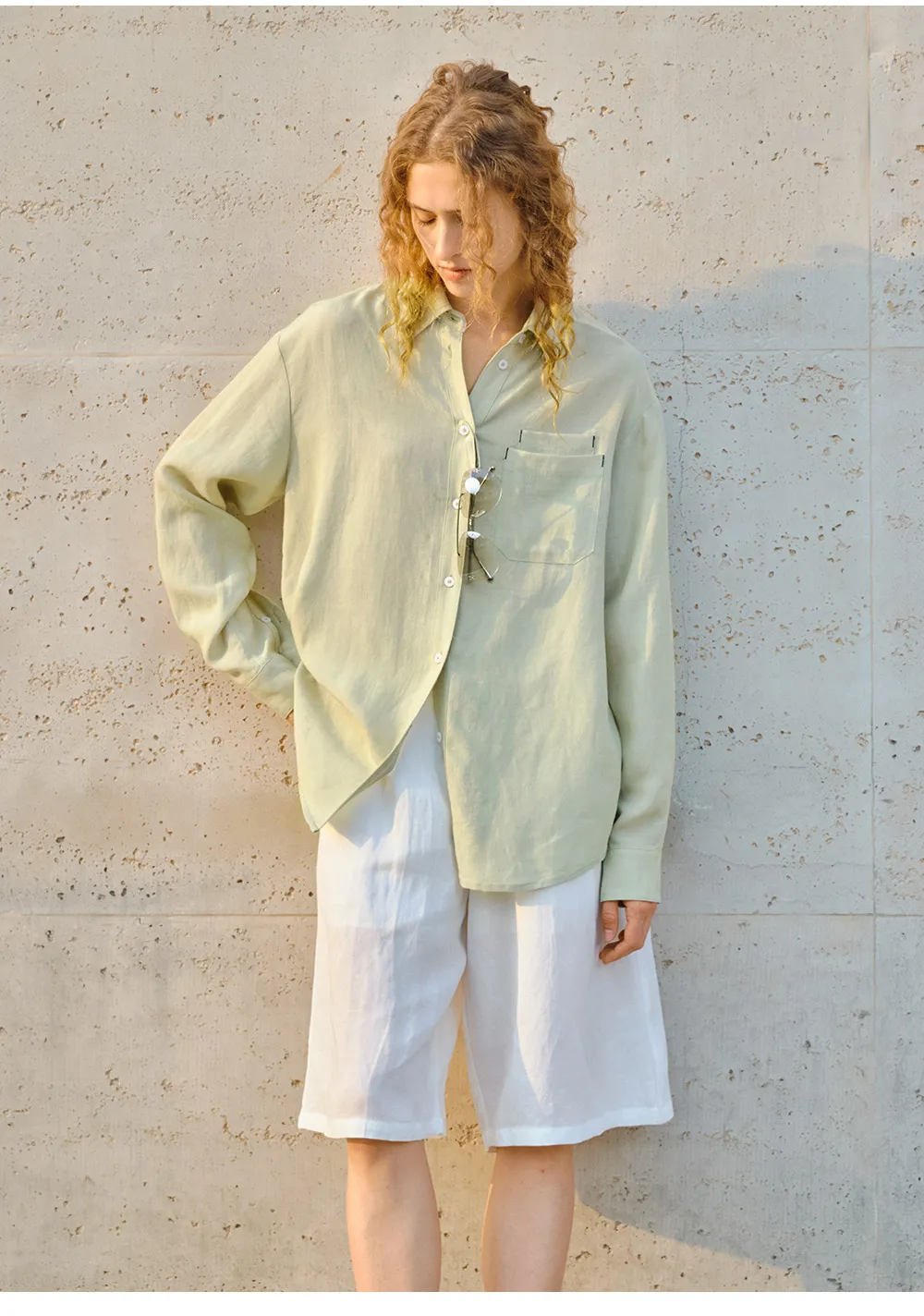
Beige with blue is the warm neutral choice. It works well for spring drops, resort styles, and casual sets. When I want blue to feel friendly, I add beige.
Black and blue
People ask “does black and blue match?” My answer is yes, if the blue is deep enough and the black is clean. Blue with black background can look strong online, but it needs clear separation with stitching, piping, or shine differences.
Here is the quick way I explain these neutrals to a buyer who wants fast decisions:
| Blue shade | Best neutral match | Why it works | Easy product example |
|---|---|---|---|
| Light blue / sky | White | Clean contrast, bright photos | light blue T shirt + white shorts |
| Mid blue / denim | Beige | Warm balance, casual feeling | blue jeans + beige knit |
| Navy | Grey | Calm, professional, steady | blue suit jacket + grey pants |
| Royal blue | Black | Sharp edge, bold silhouette | royal blue dress + black heels |
When I do OEM/ODM for wholesale, I also check trims and packaging. A blue garment can look right, then a wrong off-white label makes it look dirty. So I treat “white” as a standard, not a guess. I ask for lab dips, I check under cool and warm lights, and I do one quick phone photo test because that is how buyers and customers see it now.
Which warm accent colors make blue look richer and more expensive?
Blue can feel serious. Warm accents fix that fast, but only if the accent is controlled. Too much warmth can make blue look childish, and that is not what most buyers want.
Gold, burgundy, and orange are my top warm accents for blue. Gold feels premium, burgundy feels deep, and orange creates energetic contrast. I use them when I want blue to stand out on shelves.

Gold and blue
Gold and white dress or black and blue dress questions remind me how much lighting changes perception. In real product work, gold with blue reads “premium” when gold is used like jewelry, not like a full wall of shine. I use gold as buttons, zippers, logos, buckles, and embroidery. For fashion bags, blue with gold hardware sells well because it signals value without raising fabric cost too much.
Burgundy and blue
Burgundy and blue is a strong choice for fall and winter. Burgundy gives blue a wine-like depth. If the blue is navy, burgundy becomes a “soft contrast” that still looks rich. I like this for women’s jackets, skirts, and knit sets. It also works for men’s accessories, like ties with a blue suit.
Orange and blue
Orange is the opposite side on a basic color wheel idea, so it is a true contrast with blue. This is why orange and blue looks sporty and energetic. I keep orange small if the product is not streetwear. I use it as a lining, a small logo, a zipper pull, or a stripe. If I use too much orange on bright blue, it can look like a kids’ uniform.
I use this control table when I plan a capsule for a brand:
| Accent color | Best blue partner | Best use | Risk to avoid |
|---|---|---|---|
| Gold | Navy, royal blue | hardware, embroidery, buttons | gold that looks yellow-green |
| Burgundy | Navy, mid blue | panels, knit trims, prints | burgundy that turns brown under warm light |
| Orange (or coral) | Mid blue, sporty blues | lining, stripe, logo | big orange blocks on formal items |
In my factory work, warm accents also touch quality control. A gold zipper can fail faster than a fabric can. So I match the “look” with the “life.” I ask for zipper testing reports, I check plating consistency, and I keep a backup supplier in case the first batch shows scratches. Maria cares about competitive prices, but she gets angry when quality slips, so I protect the plan early.
How do I choose what goes well with blue for outfits, dresses, and backgrounds?
Blue is not one color in real life. Navy and royal blue behave differently. Light blue paint colors behave differently again. If I ignore the shade and the setting, I will pick the wrong partner color.
To choose what color goes best with blue, I first name the blue shade, then I pick the goal: calm, sharp, premium, or energetic. After that, I match one of the seven colors and I test it in the real context, like a light blue background or a blue outfit under store lighting.

Step 1: Name the blue shade
I do not say “blue.” I say “navy,” “royal,” “sky,” or “dusty.” This reduces mistakes. Navy and royal blue can sit in the same collection, but they need different partners. Navy likes grey, beige, and gold. Royal blue likes black, white, and gold.
Step 2: Decide the role of the partner color
I choose if the partner is the base, the frame, or the highlight.
- Base: big areas like pants, jackets, walls, or background color blue.
- Frame: belts, shoes, collars, piping, and outlines.
- Highlight: buttons, logos, small prints, and jewelry.
Step 3: Use the “dress illusion” lesson
People still joke about “black and blue or white and gold,” and “is the dress white and gold or blue and black.” I use that story as a serious reminder: lighting and camera settings change what people see. So I always test:
- Daylight by a window
- Warm indoor light
- Phone photo with flash off
- Phone photo with flash on
Step 4: Match for the use case
Here is how I guide common questions like “what color shoes with blue dress” or “blue shirt what color pants”:
| Use case | Best choice from the 7 | Why it works | Simple example |
|---|---|---|---|
| Blue dress for evening | Gold or black | premium or sharp | blue dress + gold earrings / black heels |
| Blue pants outfit | White or beige | clean or warm | blue pant + white shirt / beige sweater |
| Blue suit jacket grey pants | Grey | professional | navy jacket + grey slacks |
| Light blue background text | Black or deep navy | readability | light blue background + black text |
Step 5: Keep the pairing “one strong, one quiet”
If the blue is loud, I keep the partner quiet. If the blue is quiet, I can add a stronger partner like orange or gold.
I also apply this to production. If I use a strong blue fabric, I do not add a complicated print and a shiny trim at the same time. That is how returns happen. Buyers like Maria want speed, but they also want low risk. So I give them a clear system that keeps blue goes with decisions consistent, even when we run many SKUs.
Conclusion
Blue looks best with white, grey, beige, black, gold, burgundy, and orange, as long as I match the blue shade, control the accent size, and test in real lighting.
Why I Write This
I am Lancy Chia from Truekung in China. I run a factory with over 200 workers. I do B2B wholesale, and I provide OEM/ODM for fashion clothing across many categories. If you want reliable blue collections with stable quality control, you can reach me at [email protected] or visit https://truekung.com.
Views: 3748