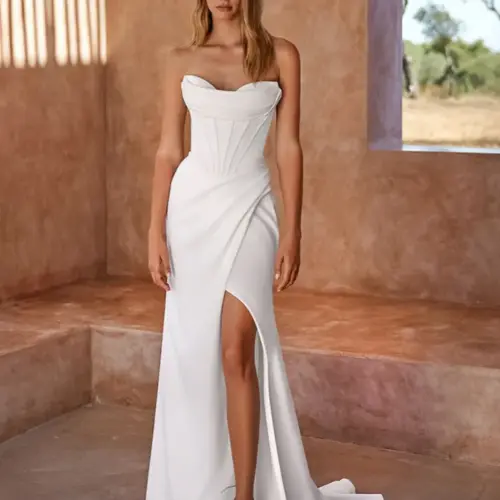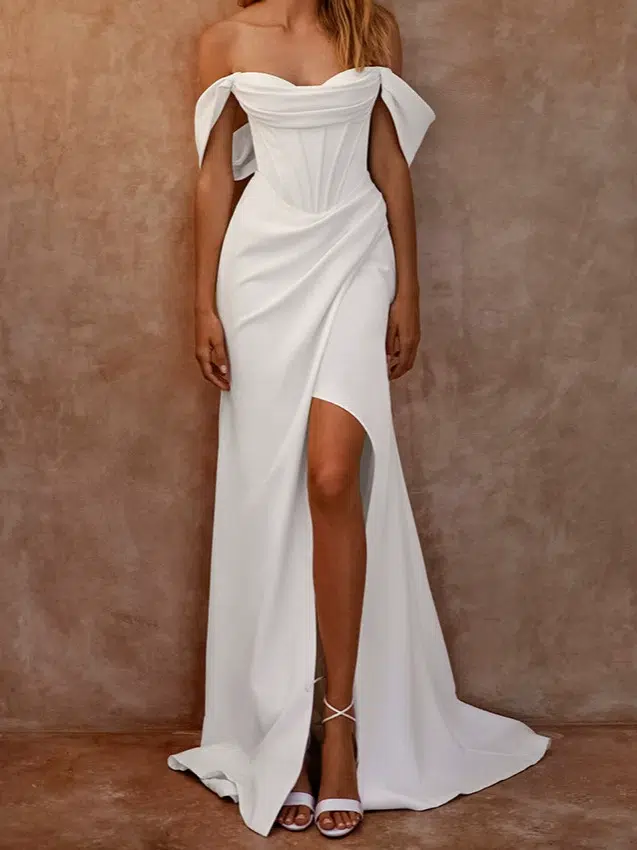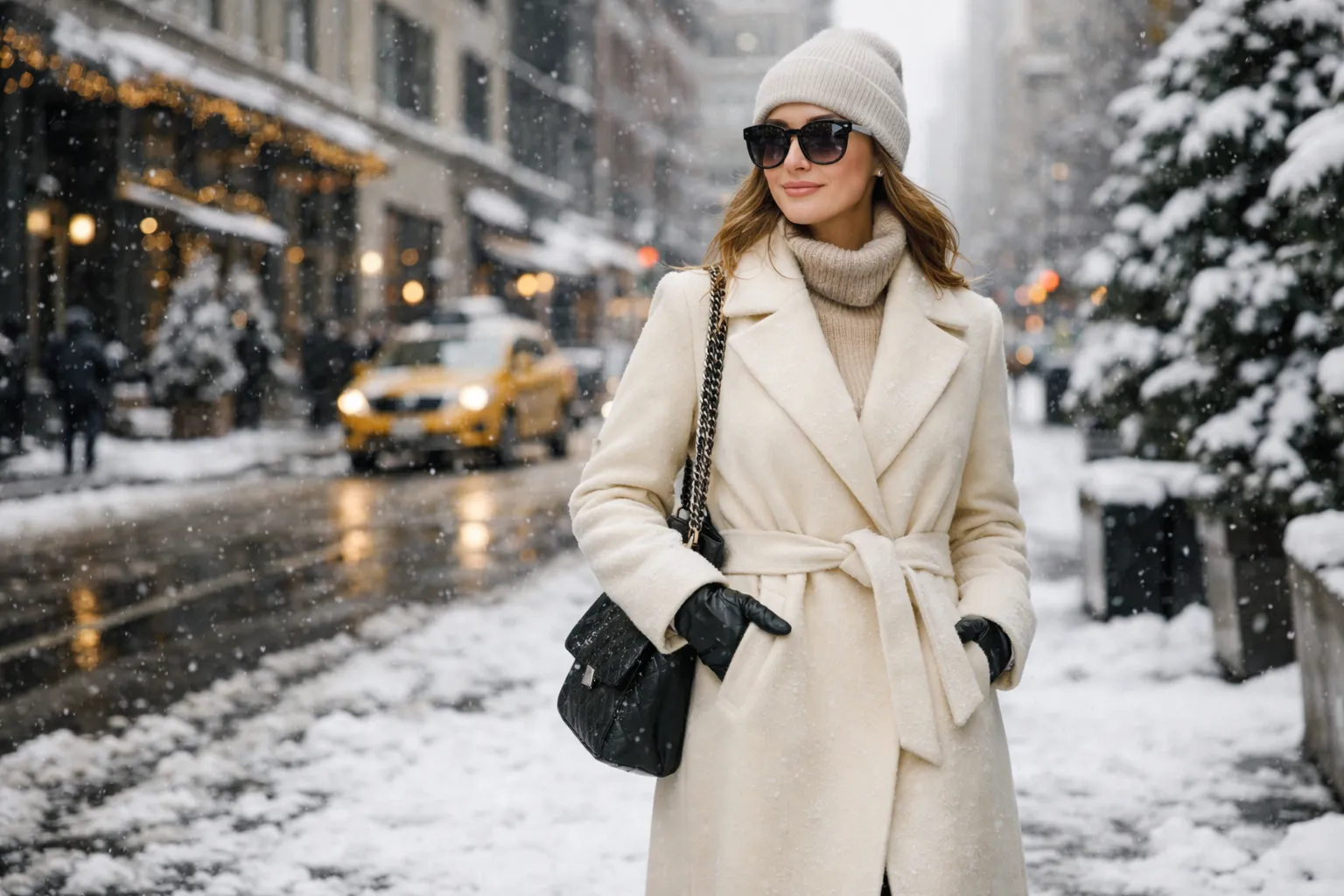

Cold mornings can feel like a small fight. I hate feeling trapped in a bulky jacket, but I also hate shivering before the day even starts.
My favorite winter coats for women are the ones that match my real life: a long down parka for deep cold, a wool wrap coat for city days, and a dressy coat for meetings and dinners.
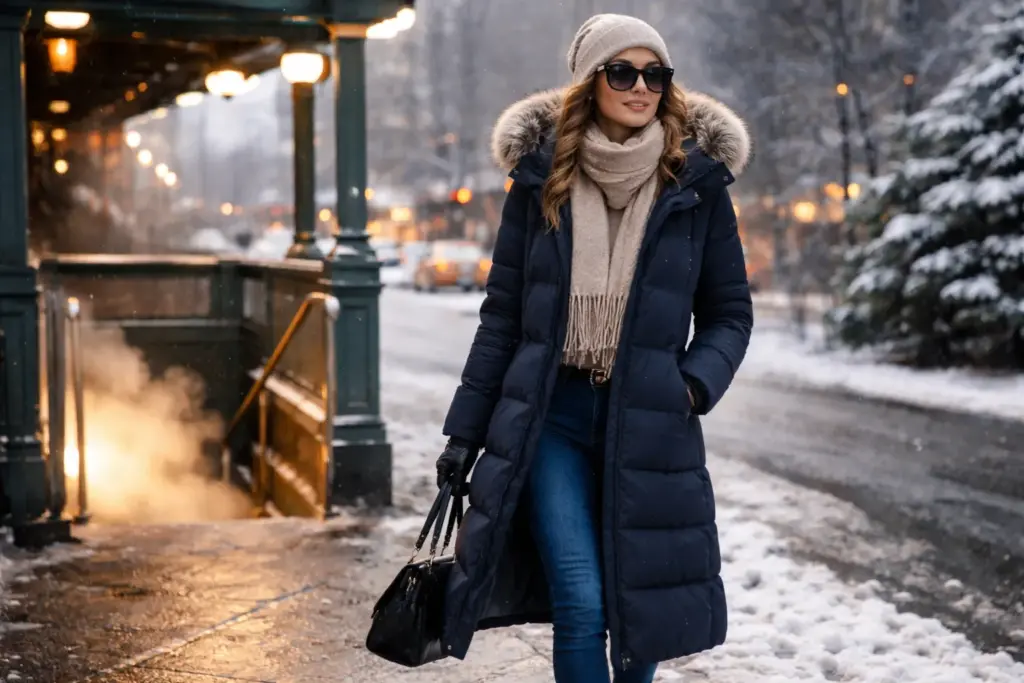
Every year I see the same problem. People buy a winter coat that looks right in photos, but it fails when the wind hits. I want to show what I pick and why, so you can choose a warm winter coat ladies actually wear all season.
How do I pick a women’s winter coat that stays warm without feeling bulky?
Most women want warmth, but they also want shape. A coat can look “warm” on a rack and still feel cold outside, and that is a fast way to waste money.
A good warm winter coat for women balances insulation, shell, and fit. I look for smart layers, not extra puff, so the coat stays warm and still looks clean.

My simple warmth checklist
I use a short checklist because it works in real life. I also use it when a buyer asks me for recommended winter coats for her store. I start with wind, then insulation, then fit. Wind steals heat fast, so a good shell and tight closures matter. I also check the neck and cuffs, because heat escapes there first. If I can seal the coat with a hood, a high collar, and snug cuffs, the warmth goes up without making the body thicker.
| What I check | Why it matters | Quick test in 10 seconds |
|---|---|---|
| Shell blocks wind | Wind makes “warm” coats feel cold | Hold fabric to your mouth and blow |
| Collar and hood | Neck heat loss is huge | Zip up and turn your head |
| Cuffs and hem | Stops air pumping inside | Raise arms and feel drafts |
| Fit in shoulders | Tight shoulders stop layering | Try a sweater under it |
| Weight vs warmth | Heavy does not mean warm | Compare two coats on a scale in hand |
My “not bulky” favorites
For daily use, I like a mid length winter coat with light but effective insulation, plus a shell that cuts wind. If I need more style, I choose a long wool coat and I add layers under it. That is how I keep a sleek winter coat look while staying comfortable.
When do I choose a parka, a long coat, or a dress coat for winter?
I used to think one coat could do everything. Then I started traveling more, meeting buyers, and walking factory floors in cold air. One coat cannot cover every day.
A parka is best for real cold and wind. A long coat is best for clean style. A winter dress coat works for events, meetings, and dinners when you still need warmth.
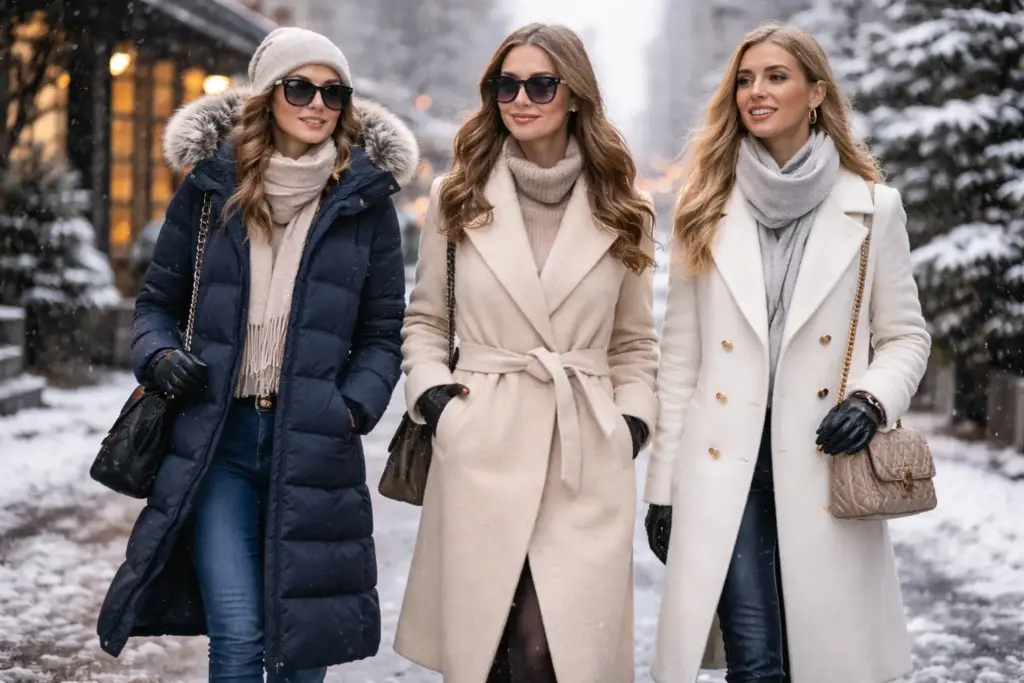
I match coat type to the day
I pick based on how long I will stay outside, and what the day needs from me. If I am outdoors, I pick function first. If I am indoors most of the time, I pick shape and fabric first. This is also how I guide buyers who want best winter coats for women in different markets, like the UK, Norway, or Russia.
| Coat type | Best for | What I like about it | What can go wrong |
|---|---|---|---|
| Down parka | Windy, wet, very cold days | Highest warmth for weight | Cheap down leaks or clumps |
| Long wool coat | City, work, travel | Classy womens winter coats look | Wind cuts through if not lined |
| Winter dress coat | Office, events, church | Clean lines, easy outfits | Often not warm enough alone |
| Short jacket | Driving, mild winter | Easy movement | Cold hips and legs |
| Women’s Eisenhower jacket | Casual style, streetwear | Sharp waist, strong shape | Needs layering for cold |
My personal mix
When people ask “what is the best winter coat,” I answer with a question: “Best for what day?” For me, the best winter coat women can rely on is often a parka with a hood. For style days, I choose a long wrap coat and I treat it like a top layer, not a heater. For dress days, I choose a structured coat with room for a thin insulated liner.
What materials and fills make the warmest ladies winter coats for extreme cold?
Extreme cold is different. I learned this from buyers who sell in snow regions, and from my own trips where the wind hurt my face. In that weather, “cute” does not matter if the coat fails.
The warmest women’s winter coats for extreme cold usually use high quality down or strong synthetic fill, plus a windproof shell, plus a hood that actually covers the face.
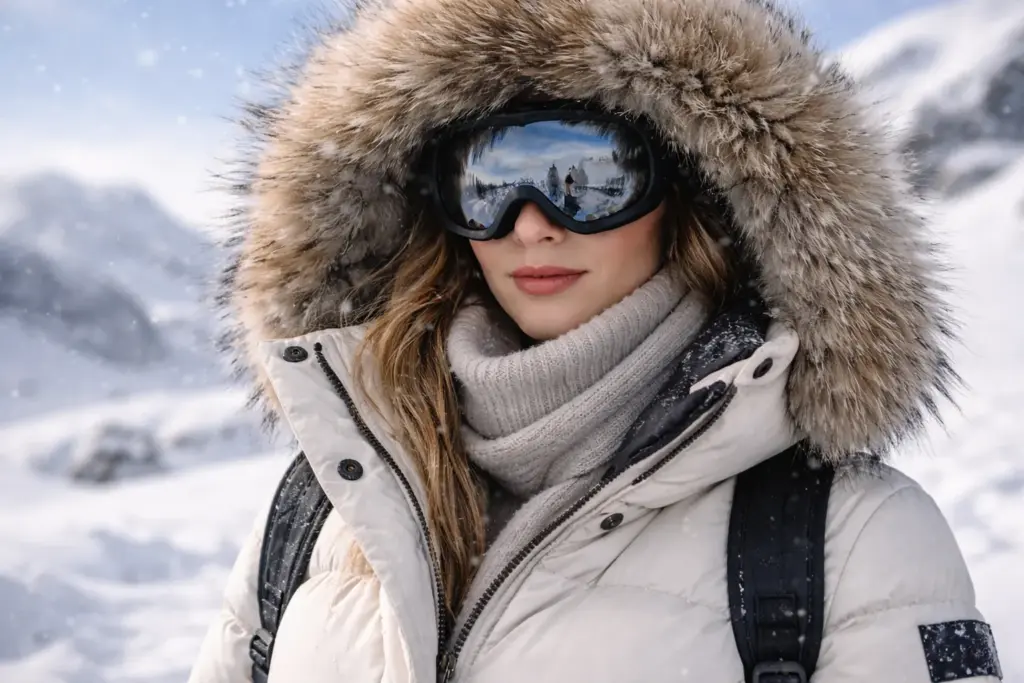
Fill, shell, and construction
Down is great when it is clean and high fill power, but it must be protected from moisture. Synthetic fill can be safer in wet climates because it still insulates when damp. Wool is warm too, but it needs lining and wind control for real cold. Construction matters as much as the material. Baffles that are too wide can create cold spots. Stitching that pierces through layers can leak heat. I always check the inside seams and the baffle layout.
| Material or fill | Best use | Strength | Risk |
|---|---|---|---|
| High fill down | Dry, very cold weather | Warmest for weight | Loses loft when wet |
| Synthetic fill | Wet cold, active days | Works when damp | Heavier for same warmth |
| Wool blend | City, dress coats | Classy and durable | Wind can pass through |
| Fleece lining | Comfort and warmth feel | Soft, easy layering | Can pill and trap odor |
| Waterproof membrane | Snow and rain | Keeps wind and water out | Needs breathability design |
My “extreme cold” rules
If I need a best winter jacket for warmth, I pick a longer length, a hood, and a shell that blocks wind. I also look for a two-way zipper, because it helps movement without opening the coat. For women’s winter coats extreme cold buyers, I often suggest deeper pockets and stronger zippers, because gloves and cold hands make small hardware annoying.
Which brands feel “luxury” and which feel like the best value under $200?
Buyers and shoppers often ask me for luxury winter jacket brands women’s styles, and also ask for best winter coats under 200. Those are two different goals, but both can be smart.
Luxury is often about fabric, trim, and brand story. Value is about warmth, stitching, and fit that works for most people without repairs.
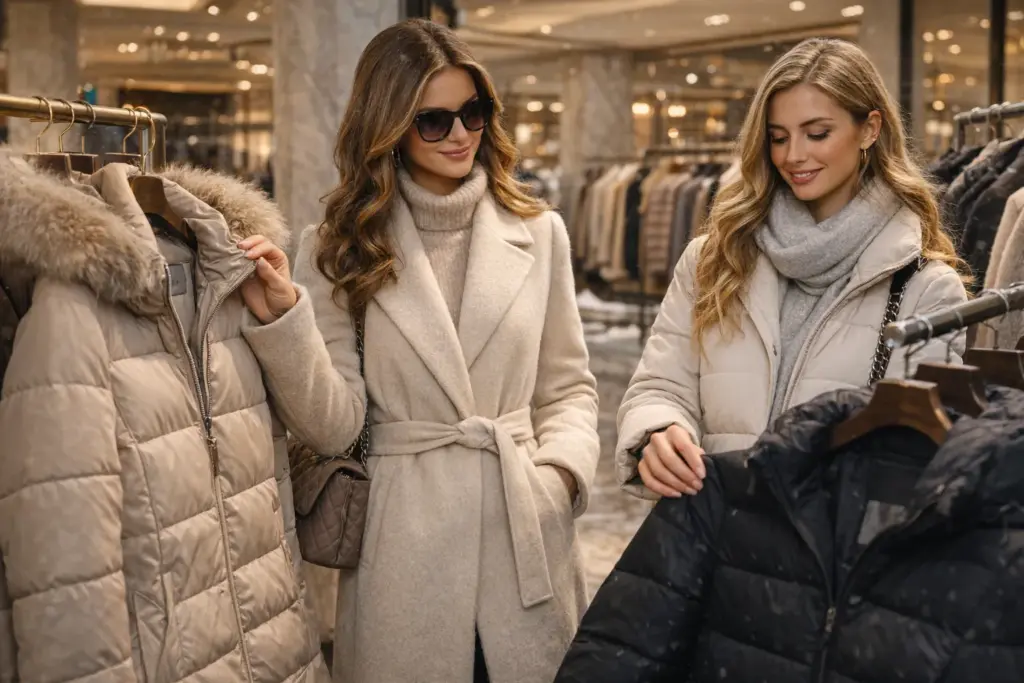
How I think about “luxury” vs “value”
I do not treat luxury as “better.” I treat it as “different.” A high end women’s winter coat may use better wool, cleaner seams, and better patterns. It may also use a brand name that customers recognize, like Burberry womens coat style lines, or very premium names like Loro Piana coat women’s looks. Some brands people talk about include Nicole Benisti coats, Bogner jacket women options, and other high end women’s winter coats that focus on fit and hardware. On the value side, shoppers often look at Uniqlo coats for women, Zara coats for women, and big retailers with winter coat reviews and frequent sales. I have also seen solid performance from brands that focus on outdoor gear, depending on the model.
| Price zone | What I expect | What I avoid | My best tip |
|---|---|---|---|
| Under $200 | Simple warmth, basic trims | Fake “lux” details | Check zipper and lining first |
| $200–$500 | Better patterns, better fabric | Weak fill and thin shell | Look for real wind control |
| $500+ | Fabric, hardware, clean finish | Paying only for a logo | Ask about materials and care |
My practical favorites
If I want “best affordable winter coats,” I look for a clean design with fewer risky details. Fewer trims can mean fewer failures. If I want a “best women’s winter coat brands” feel, I look for strong stitching, stable shape, and better lining. Those things show up after many wears, not on day one.
How do I check quality fast when I buy winter coats wholesale from a factory?
This is the part I live every day. I run Truekung, and I work with buyers who need good winter coat brands for women, but they also need stable delivery. Quality is not only about warmth. It is also about repeat orders and low returns.
When I check winter coats for wholesale, I focus on seams, filling control, and real certifications, so the buyer does not get burned later.
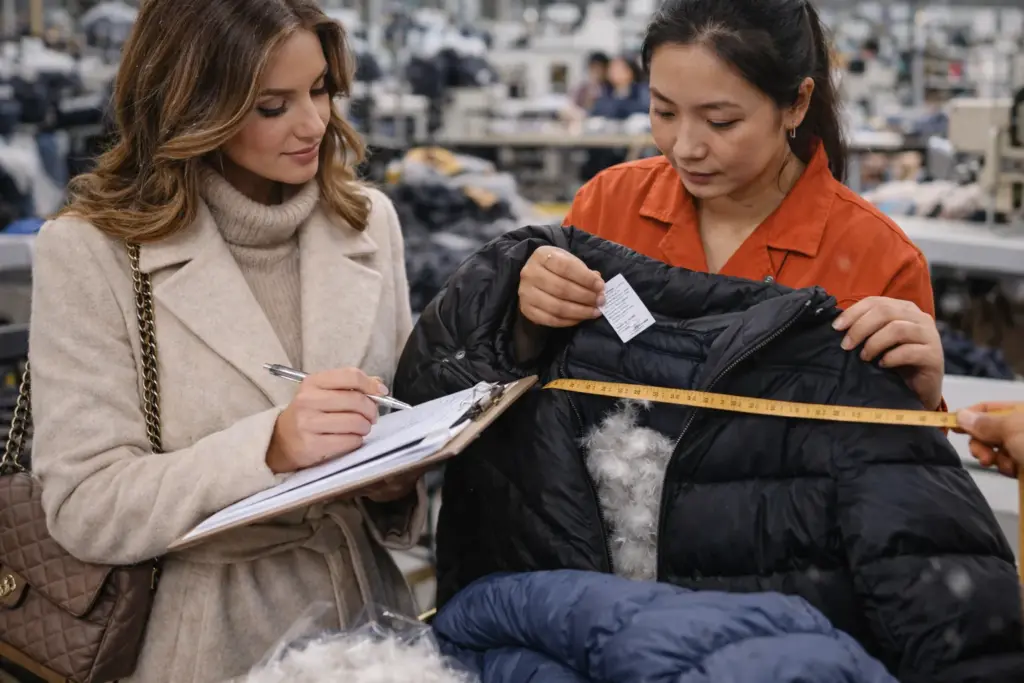
My factory-floor checklist
I use a repeatable method because it keeps problems small. I also know Maria-type buyers, who lead the talk and move fast. They care about quality, price, and proof. So I show them clear checks. First, I inspect stitching density and seam strength, because weak seams fail in cold weather when the fabric gets stiff. Then I check filling distribution, because cold spots create complaints. Then I check hardware, because broken zippers cause returns even if the coat is warm.
| QC point | What it prevents | How I test it |
|---|---|---|
| Seam strength | Split seams and leaks | Pull test near stress points |
| Fill evenness | Cold spots | Press and feel for gaps |
| Zipper quality | Broken closures | Zip 20 times fast |
| Lining attachment | Twisting and tears | Turn inside out, check tacks |
| Label and care | Customer confusion | Wash test plan + clear icons |
Certification and trust
Some buyers worry about forged certificates, and they should. I prefer to share traceable documents and factory audit records when needed. I also like clear communication, because poor communication is one of the biggest pain points in global sourcing. A coat can be “best rated,” but if delivery is late, a store misses the season, and that is the real loss.
How do I style a classy winter coat and still stay warm on travel days?
A coat can be warm and still look sharp. I see this when buyers ask for best winter dress coats, elegant winter coats, and stylish winter coat for women ideas. I also see it when people travel and need one coat for photos, meetings, and walking.
I style winter coats by building a simple base outfit, then I choose the coat length and color so it looks clean and still blocks wind.

My styling method that works anywhere
I start with shoes, then pants, then the coat. That order sounds odd, but it keeps the outfit balanced. If I wear boots, a long coat looks natural. If I wear sneakers, a mid length coat looks more casual. For travel, I like coats with inside pockets and smooth linings, because airport movement is constant. I also like darker colors for easy care, but I keep one lighter coat for a clean winter coat chic look.
| Style goal | Coat choice | What I add | What I avoid |
|---|---|---|---|
| Work and meetings | Tailored wool coat | Scarf + thin liner | Tight sleeves that block layers |
| City weekends | Mid length puffer | Beanie + gloves | Too shiny fabric that scratches |
| Snow travel | Long parka with hood | Waterproof boots | Short jackets in deep cold |
| Dress events | Structured dress coat | Warm tights + boots | Thin fashion-only coats |
| Slim look | Belted wrap coat | Monochrome base | Puffy shoulders and tight hips |
My “classy but warm” favorites
When I need a flattering winter jacket, I choose one with a shaped waist and enough room in hips. When I need warmth, I choose length first. A long hem protects legs, and that changes comfort more than people expect. That is why I often recommend best long winter coats for women who walk a lot outdoors.
Conclusion
I pick winter coats by the day, not by hype. When I match warmth, fit, and purpose, I get coats that last, look good, and feel right all winter.
Why I Write This
I am Lancy Chia, and I run Truekung in China. I work with a factory team of over 200 workers, and we do B2B wholesale only. I make women’s winter coats, jackets, dresses, and more, and I support OEM and ODM for brands and supermarkets worldwide. I spend my days checking fabric, patterns, stitching, and delivery plans, so buyers can sell on time and with fewer returns.
Views: 93