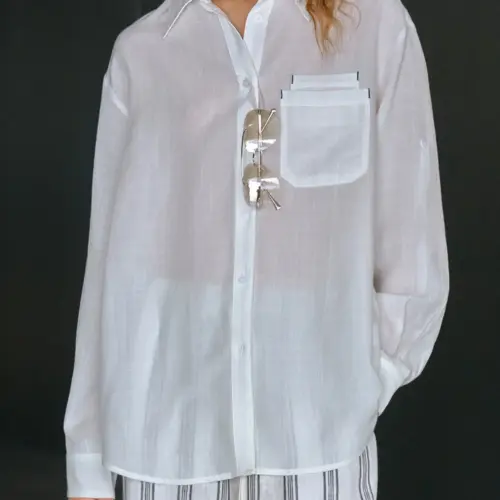

Ever wondered why sweatshirts remain wardrobe staples while trends shift? The need for warmth, comfort, and adaptability keeps them alive.
A sweatshirt gives you cozy insulation, versatility in layering, and casual style — making it useful across seasons and settings.
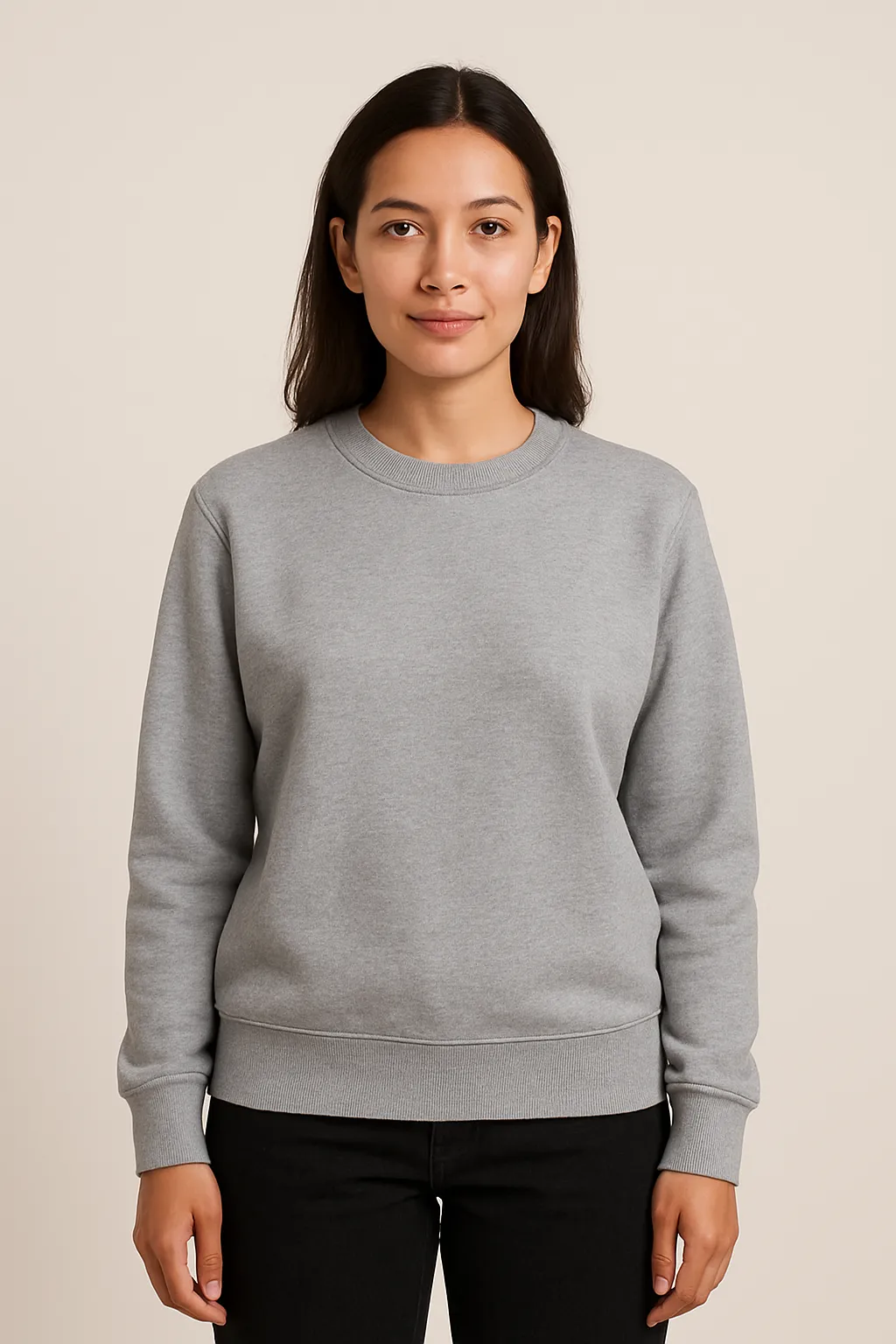
I often think about how clothing choices reflect purpose. The sweatshirt is one of those garments that seems too simple to analyze — yet it carries many hidden advantages. Let me walk you through why a sweatshirt matters, and along the way, I’ll contrast it with fabrics like nylon to show when and where each material shines or struggles.
Sweatshirts began as athletic wear meant to keep muscles warm, soak up sweat, and provide comfort during physical activity. Over time, they evolved into fashion staples, layering pieces, and casual essentials.
Why does a sweatshirt matter?
You feel it in comfort, ease, and usefulness — but let’s break it down.
A sweatshirt works because it delivers warmth, breathability, softness, and flexibility — all in one uncomplicated piece.
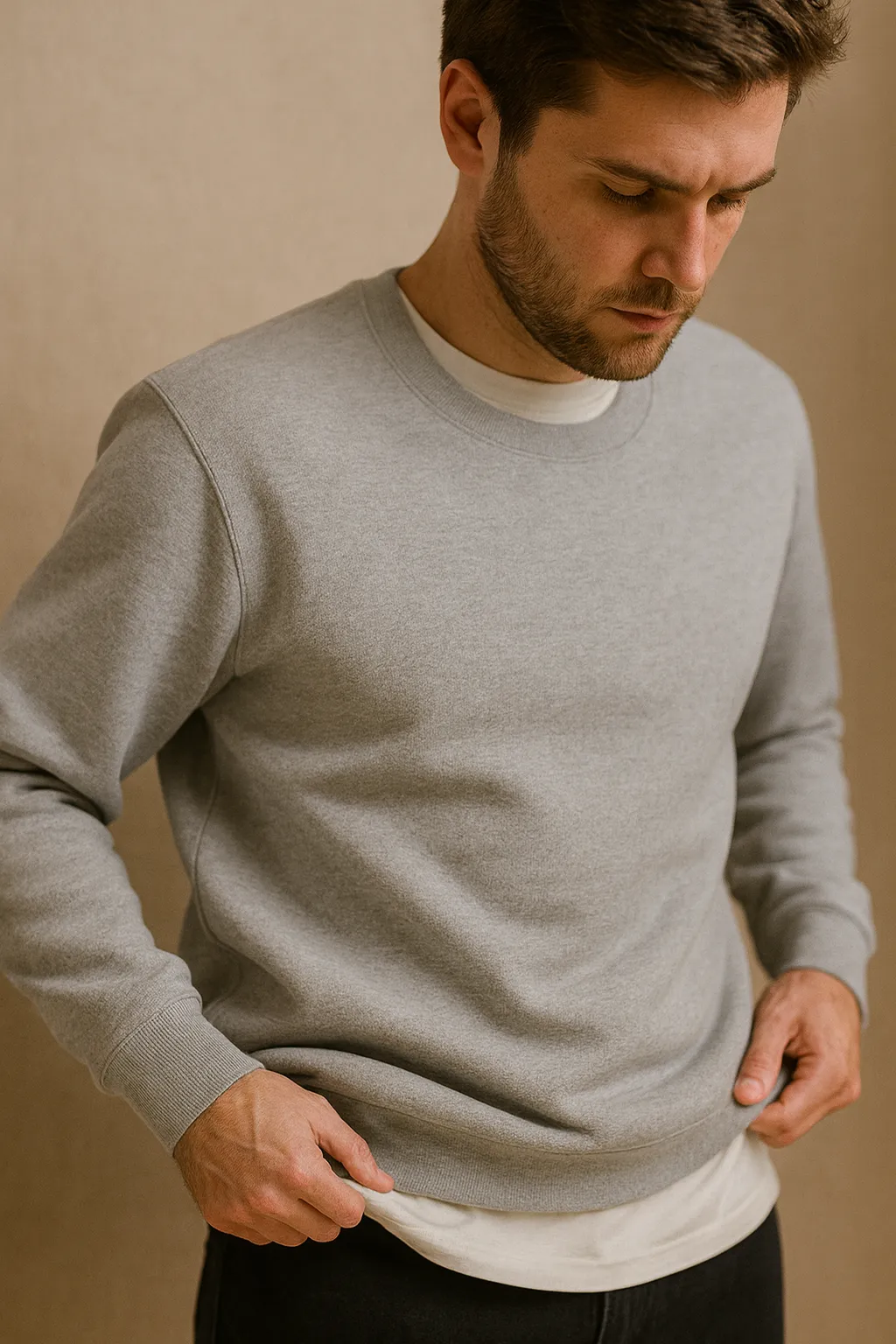
At its core, a sweatshirt is meant to balance insulation with breathability. Unlike heavy coats that may overheat or stiff jackets that restrict movement, a good sweatshirt uses mid-weight knit fabrics (often fleece-backed cotton or cotton blends) that trap air yet allow moisture to escape. This balance means you can wear it indoors or outdoors, alone or layered over a tee.
From a design standpoint, the loose or semi-relaxed silhouette accommodates movement. The ribbing at cuffs and hem helps seal warmth without constriction. If you’re active — walking, commuting, light exercise — the sweatshirt handles body heat fluctuations better than many structured outerwear pieces.
Also, because sweatshirts are so versatile, they adapt to style shifts. You can print, embroider, dye, or layer them — so brands, teams, or individuals use them as canvases for identity.
How do materials (like nylon) compare to sweatshirt fabrics?
When you swap in synthetic fabrics like nylon, the playing field changes — with new pros and cons.
Nylon is a strong, lightweight, and durable synthetic fiber, but is less breathable and more prone to heat retention than natural knits.
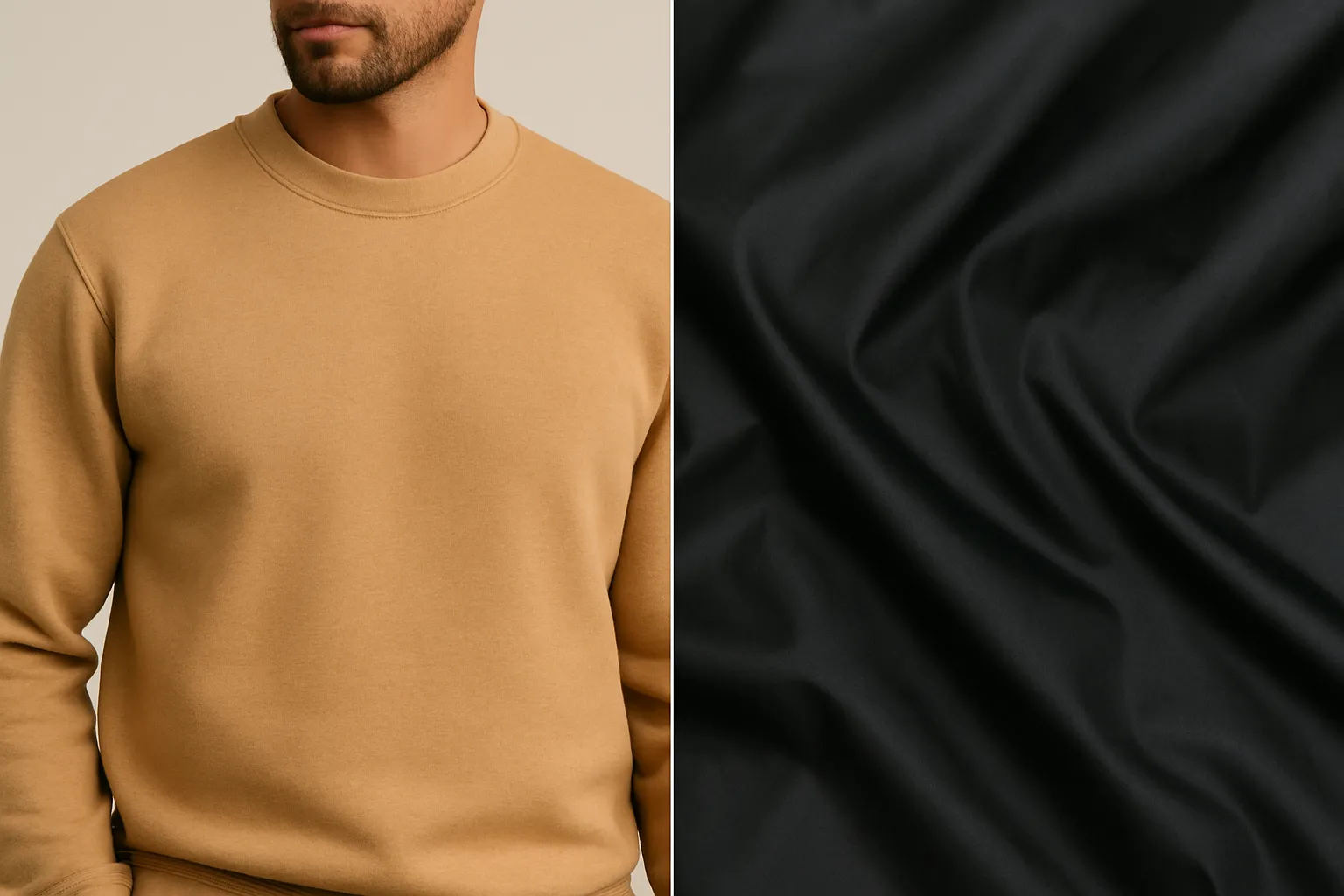
To understand the contrast, let’s first unpack what nylon is and how it behaves. Nylon is a synthetic polymer (a type of polyamide), made by reacting diamines and dicarboxylic acids (for example in nylon‑6,6) or via ring-opening polymerization (as in nylon-6). Its molecular structure gives it strength, elasticity, and durability.
Here are key traits to compare:
| Property | Nylon | Sweatshirt fabric (cotton / fleece blend) |
|---|---|---|
| Strength & durability | High abrasion resistance, retains shape | Good, but can wear on seams or pilling over time |
| Stretch & resilience | Elastic (20–40% breaking extension) | Some stretch in blends or knits, usually less than nylon |
| Moisture absorption / breathability | Low absorbency (~3.5–5%) | Higher absorbency, more comfortable against skin |
| Thermal comfort | Can trap heat, less breathable — tends to feel “hot” | More balanced: holds warmth but lets moisture pass |
| Comfort / skin feel | Smooth, sometimes slippery, can cling | Soft, cozy, more forgiving |
| Safety / skin reactions | Generally safe, but static build-up or clinging is possible | Usually gentle on skin unless treatment chemicals cause irritation |
So, while nylon is excellent for items needing durability, lightweight strength, and resistance (say, luggage, outer shells, sportswear), it doesn’t naturally deliver the same “cozy, breathable warmth” that a sweatshirt fabric offers.
That said, designers sometimes blend nylon with cotton or use nylon “shells” over fleece or create hybrid garments. That lets you combine nylon’s toughness with a softer inner layer for comfort.
Also worth noting: some concerns have been raised about synthetic fabrics and skin — e.g. static, less airflow, or chemical finishes. But in everyday garment use, nylon is generally considered safe.
Can a sweatshirt ever use nylon?
Yes — but with design compromises or hybrid structures.
Some sweatshirts incorporate nylon panels or overlays for wind resistance or durability, while retaining cotton/fleece in main body portions.
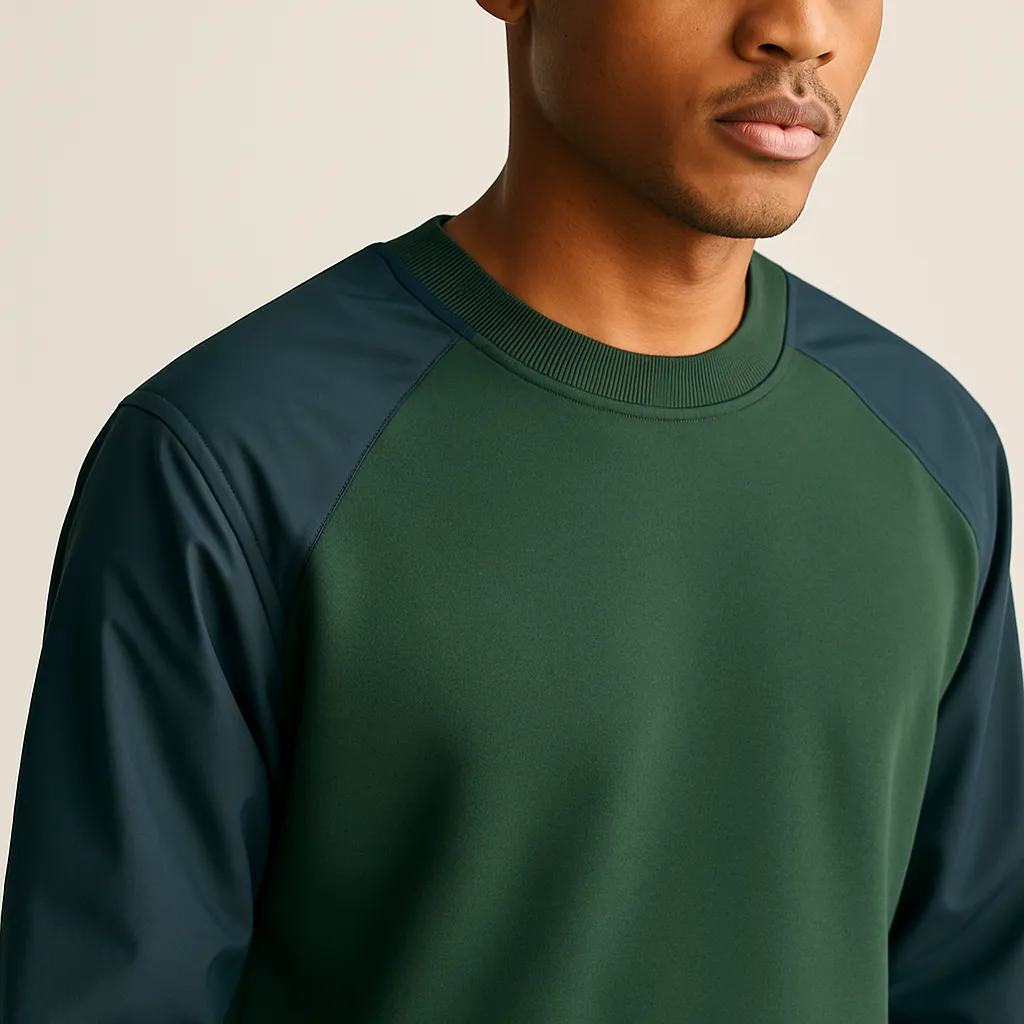
I’ve seen sweatshirts where the shoulders, sleeves, or hood are reinforced with nylon to resist wind, abrasion, or water spray. The core body remains fleece or a cotton blend to preserve comfort. That way, you get protective utility where needed, and softness where you touch.
Another approach is to use a lightweight nylon shell over a soft sweatshirt interior — effectively making a reversible or functional hybrid jacket–sweatshirt. In some performance or athleisure designs, nylon mesh or zippers are inserted to promote ventilation.
However, if you try to make a “full nylon sweatshirt” without inner softness or ventilation, it may feel cold, clingy, or sweaty. The purpose of a sweatshirt is to feel good while moderating heat and moisture — and pure nylon struggles in that role.
In short: nylon can add value, but it seldom replaces the core sweatshirt fabric entirely.
When should you choose a sweatshirt vs nylon-based garments?
It comes down to your use case — comfort or technical performance?
Use a sweatshirt when you want relaxed comfort, soft warmth, and everyday versatility; choose nylon or nylon-blend garments when you need technical properties like wind resistance, abrasion strength, or ultralight layers.
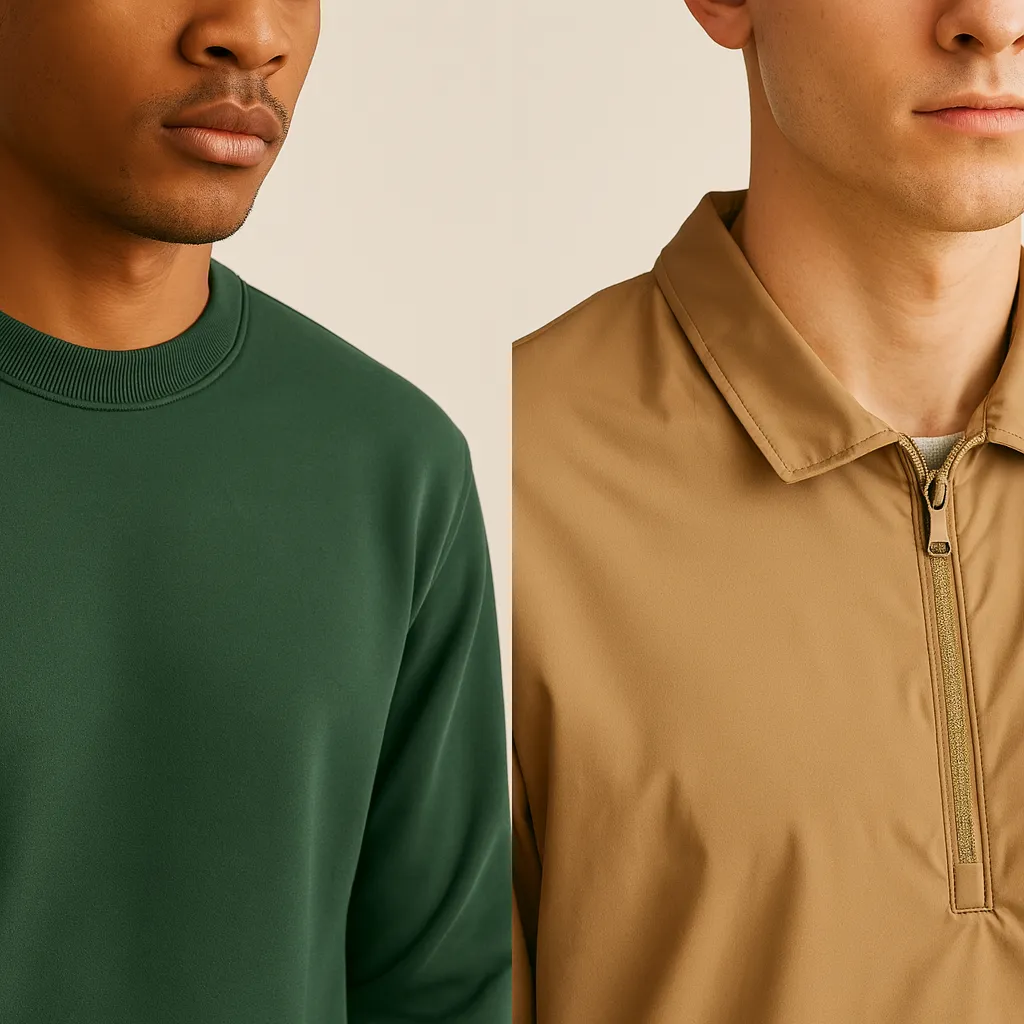
If you’re lounging, casual walking, commuting, or layering in mild weather, a sweatshirt is ideal. Its softness, breathability, and classic look make it a go-to. But if you’re hiking, biking, or in windy or wet conditions, nylon outer layers (jackets, shells) or nylon-blend activewear might outperform in protection and durability.
Also consider layering: sweatshirt under nylon shell gives you insulation and outer protection. Or a hybrid sweatshirt with nylon panels gives a good compromise. As fabrics improve (e.g. recycled nylon, breathable synthetics), hybrids become more attractive.
When sourcing or designing clothing (especially if you’re in the fashion / supply side), you must weigh the material cost, user comfort, fabric finish, breathability, and durability. Sweatshirt fabrics and nylon each bring strengths; combining them wisely yields innovation.
Conclusion
A sweatshirt matters because it offers warm comfort, flexibility, and casual style. Nylon is powerful but not a substitute — it complements. Use each where it makes sense.
Views: 218