
What Is Twill?
Twill is one of the most recognizable fabric weaves, celebrated for its durability, elegance, and versatility. Its distinct diagonal pattern sets it apart, making it a staple in various industries, from fashion to upholstery.
Twill refers to a textile weave characterized by diagonal parallel ribs, which enhance its strength and texture. This weave is commonly used in creating fabrics such as denim, chinos, gabardine, and more.
The diagonal lines, achieved through an overlapping sequence of threads, are not just for aesthetics. They provide strength, flexibility, and resistance to wrinkles. Let’s dive into its fascinating variations and applications.
What Material Is Twill?
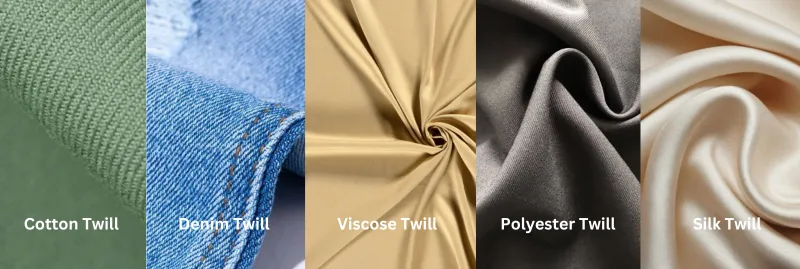
Twill is not a material itself but a weave pattern applied to various fibers. Its unique diagonal texture can be crafted using cotton, polyester, silk, wool, or blends.
Twill can be made from natural or synthetic fibers, depending on the intended use. Cotton twill, for instance, is breathable and soft, while polyester twill offers durability and water resistance.
Exploring Different Twill Materials
Cotton Twill
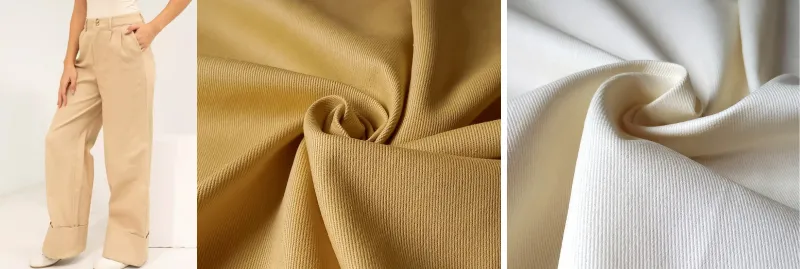
Cotton twill is lightweight yet durable, making it a favorite for casual and formal clothing. Its breathability adds comfort, while its resistance to stains and wrinkles enhances practicality.
Polyester Twill
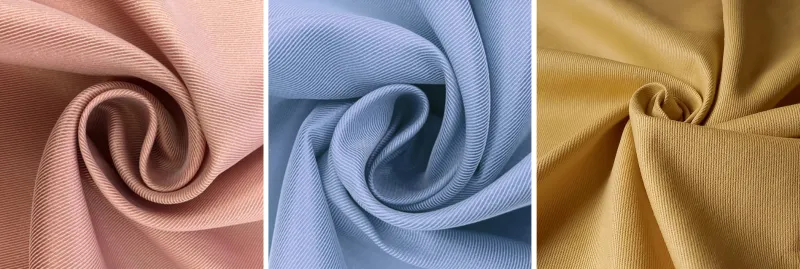
Polyester twill is preferred for heavy-duty applications like upholstery and outerwear. It resists moisture, fading, and stretching, making it ideal for long-term use.
Silk Twill
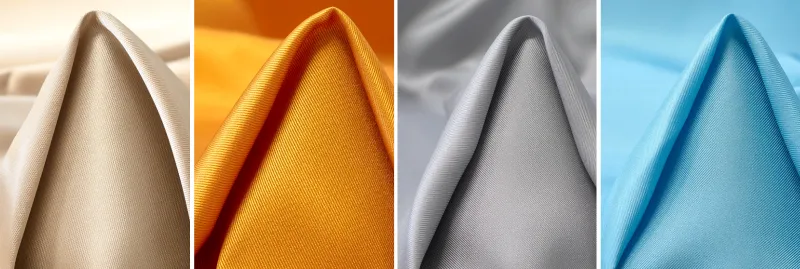
Silk twill combines the luxurious feel of silk with the structure of twill. It’s widely used in scarves, ties, and high-end garments.
Wool Twill
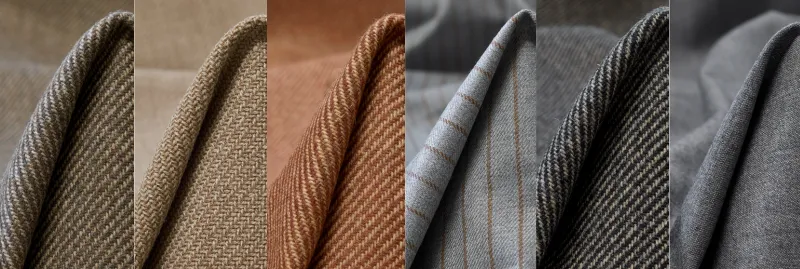
Wool twill is often found in suiting and coats. Its insulating properties and elegant drape make it perfect for cooler climates.
| Material Type | Properties | Common Uses |
|---|---|---|
| Cotton Twill | Breathable, soft | Pants, jackets, shirts |
| Polyester | Durable, water-resistant | Upholstery, outerwear |
| Silk | Luxurious, smooth | Scarves, ties, luxury apparel |
| Wool | Warm, elegant drape | Suits, coats |
What Is Twill Fabric Used For?
Twill fabric’s versatility is unmatched. It’s used across industries for different applications, each benefiting from the weave’s unique properties.
Twill fabric is widely used in clothing, upholstery, industrial textiles, and accessories. Its durability and wrinkle resistance make it a practical choice for various products.
Common Applications
Clothing
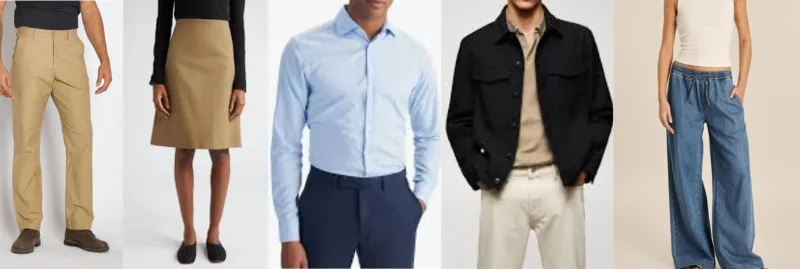
Twill is a popular choice for pants, skirts, shirts, and jackets. Denim jeans, chinos, and gabardine suits are classic examples of twill fabrics.
Upholstery
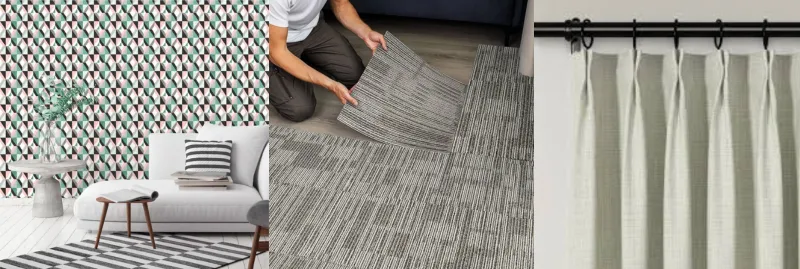
Heavy-duty polyester or cotton twill is used in furniture and automotive upholstery due to its resilience and ease of cleaning.
Accessories
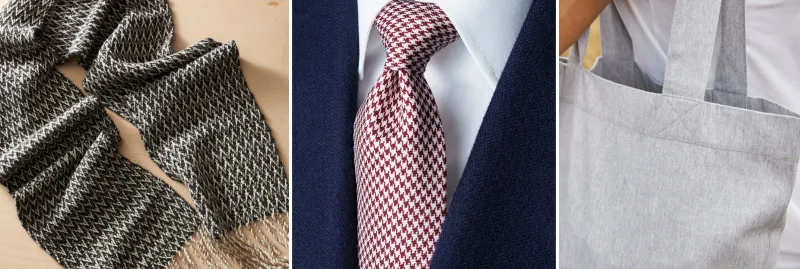
Scarves, ties, and bags made from twill exhibit a stylish finish while maintaining durability.
Industrial Textiles
Twill weave is often used in industrial applications, including sails, conveyor belts, and even carbon fiber panels for its strength.
What Is Broken Twill?
Broken twill is a variation of the twill weave where the diagonal pattern is interrupted. This creates a unique zigzag or herringbone appearance.
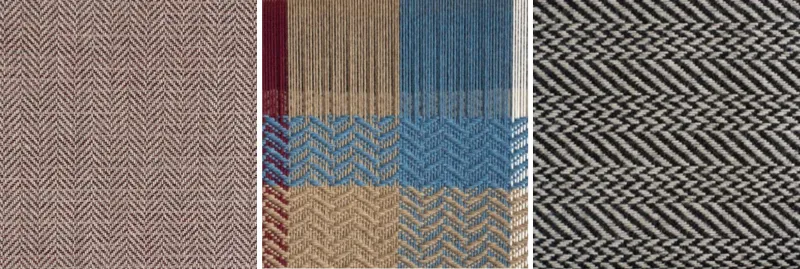
Broken twill is an intentional disruption of the regular twill pattern, resulting in visually appealing designs and enhanced strength.
Types of Broken Twill
Herringbone Twill
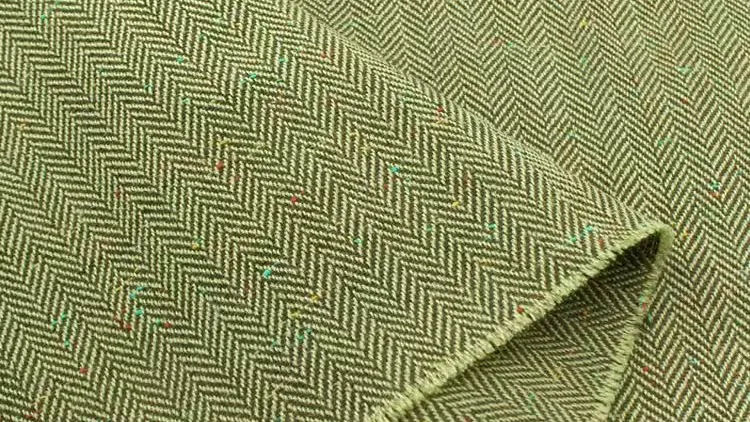
Herringbone twill features a zigzag pattern resembling a fishbone. It is commonly used in jackets, coats, and upholstery.
Chevron Twill
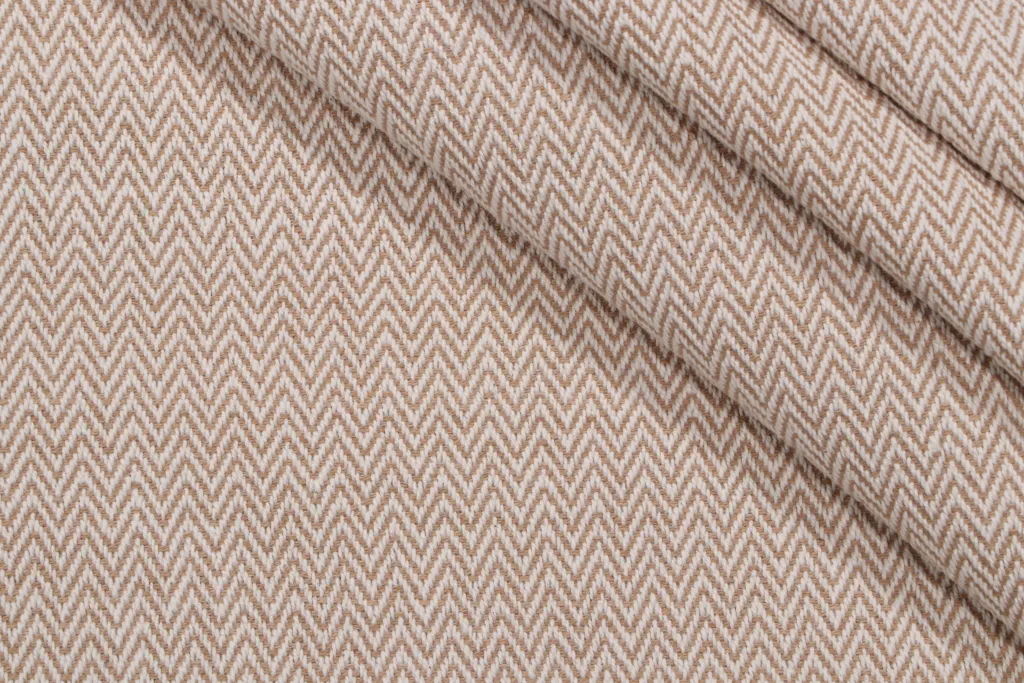
Chevron twill displays a similar zigzag but with a smoother, continuous flow between lines, often seen in fashion fabrics.
| Type of Broken Twill | Characteristics | Common Uses |
|---|---|---|
| Herringbone | Zigzag resembling fishbone | Coats, upholstery |
| Chevron | Continuous, smooth zigzag | Fashion garments |
Advantages of Broken Twill
- Enhanced aesthetic appeal
- Reduced torqueing in fabrics like denim
- Better flexibility and drape
What Is Brushed Twill?
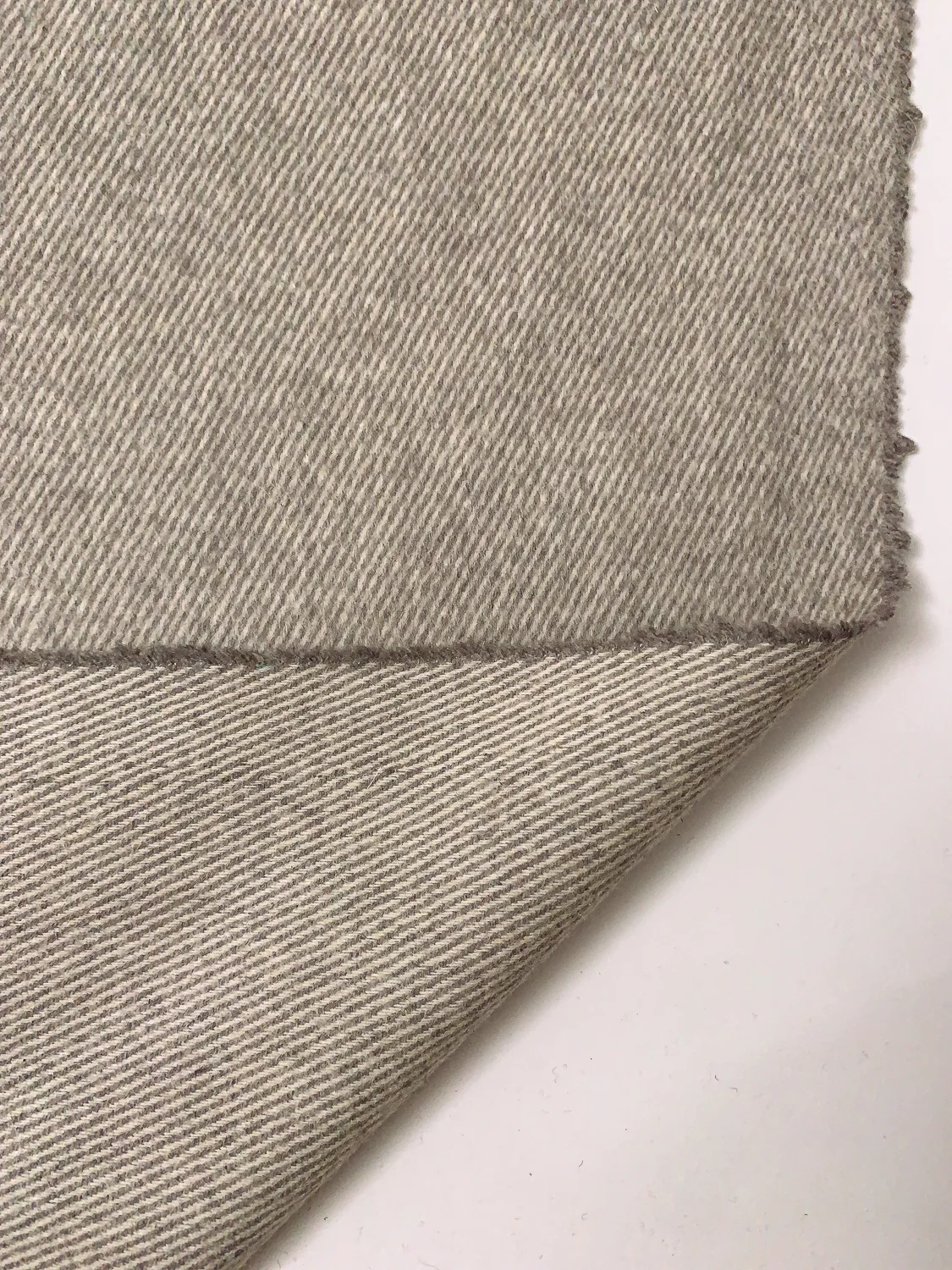
Brushed twill is a soft, textured variation of the twill weave. The fabric undergoes a brushing process to create a velvety surface.
Brushed twill refers to twill fabric that is treated to achieve a softer feel and a slightly raised texture, enhancing comfort and warmth.
Applications of Brushed Twill
Apparel
Brushed twill is commonly used in winter clothing like shirts, trousers, and jackets for its warmth and softness.
Home Textiles
The fabric is also popular in bedsheets and pillowcases due to its cozy finish.
Comparison: Brushed Twill vs. Regular Twill
| Feature | Brushed Twill | Regular Twill |
|---|---|---|
| Texture | Soft, velvety | Smooth, firm |
| Warmth | Warmer | Moderate |
| Applications | Winter clothing | All-season garments |
What Is Broken Twill Denim?
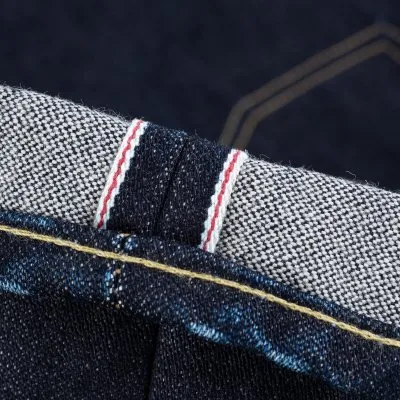
Broken twill denim is a popular choice in fashion for its distinct pattern and resistance to twisting.
Broken twill denim disrupts the traditional diagonal weave to create a zigzag pattern, providing a unique look and improved durability.
Benefits of Broken Twill Denim
- Reduced leg twist in jeans
- Enhanced aesthetic appeal
- Improved comfort and flexibility
Popular Uses
Broken twill denim is often used in premium jeans, jackets, and casual wear.
What Is Bahan Twill?
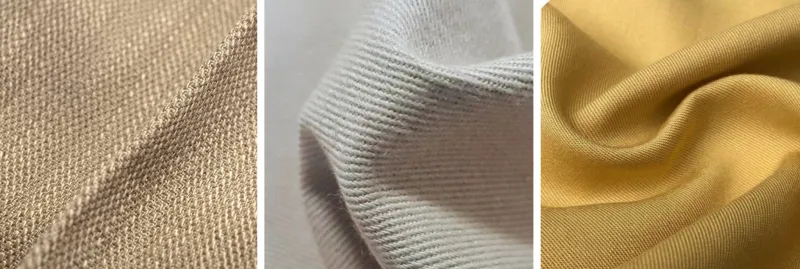
“Bahan twill” refers to twill fabric in Indonesian, highlighting its popularity in Southeast Asian markets.
Bahan twill’s strength and versatility make it a common choice for various applications, from clothing to industrial use.
What Is Cotton Twill?
Cotton twill is one of the most widely used variations of twill fabric due to its comfort, breathability, and versatility.
Cotton twill combines the natural softness of cotton with the strength of the twill weave, making it suitable for everyday wear.
Popular Cotton Twill Products
- Pants and chinos
- Jackets and blazers
- Bags and hats
Care Tips for Cotton Twill
- Wash in cold water to prevent shrinkage.
- Avoid harsh detergents to maintain fabric integrity.
- Iron on a low setting if needed.
What Is Cotton Twill Tape?
Cotton twill tape is a sturdy, woven strip commonly used in sewing and crafting.
Cotton twill tape is a narrow fabric strip made using the twill weave, known for its strength and flexibility.
Uses of Cotton Twill Tape
- Reinforcing seams
- Binding edges
- Creating durable drawstrings
Conclusion
Twill is more than just a fabric weave; it’s a versatile solution with applications ranging from fashion to industrial use. Its diagonal structure provides strength, durability, and a unique aesthetic that sets it apart. Whether it’s the luxurious feel of silk twill or the rugged resilience of denim, twill continues to shape the world of textiles in countless ways.
Views: 601