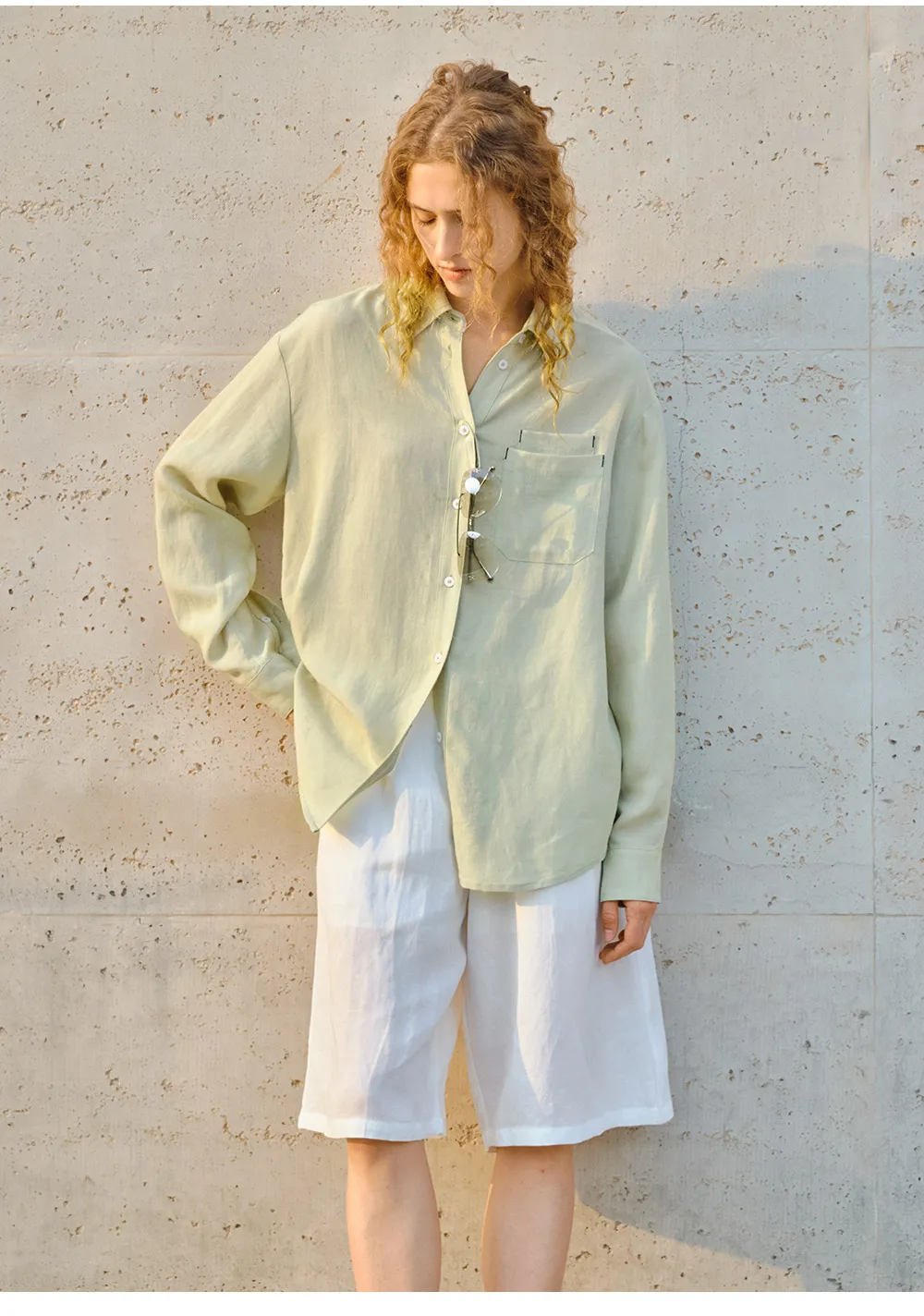

I see shoppers confused by “streetwear” every week. The word is everywhere. The meaning feels fuzzy. I will fix that, with real examples and clear steps.
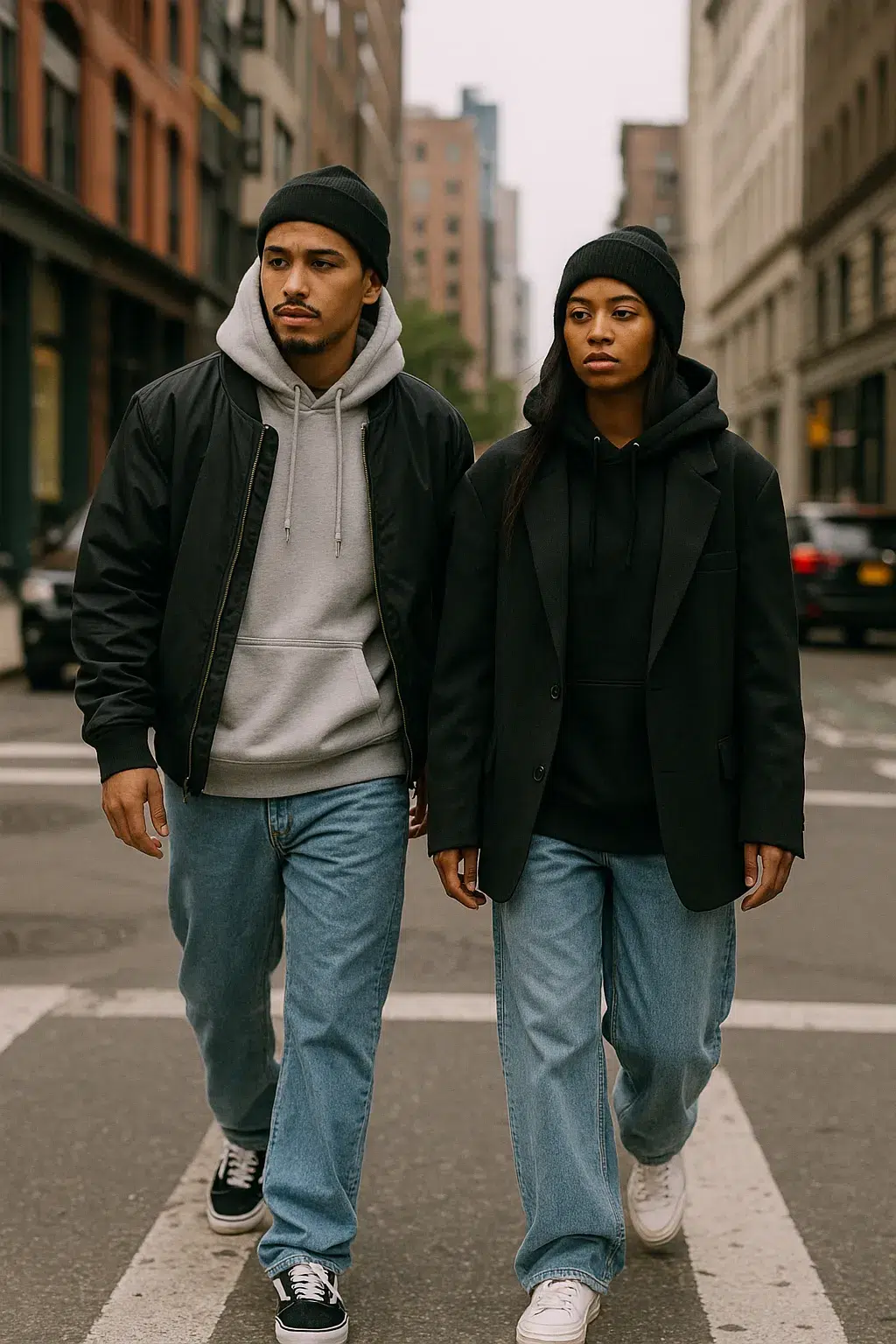
Streetwear is relaxed, everyday fashion rooted in youth scenes like skate, hip-hop, and sports. It mixes graphic tees, hoodies, denim, sneakers, and workwear. The look is casual, expressive, and limited-run. It values comfort, identity, and culture over strict dress codes.

I sell clothes to brands worldwide, so I listen to buyers and end consumers every day. I keep notes on why a hoodie sells, why a jacket sits, and how a label wins trust. I will share that field knowledge here so you can act today.
How do I define streetwear today?
Trends change fast. Words get mixed. Buyers ask me, “What’s streetwear, what are street clothes, and what is street fashion?” Confusion slows orders. Missed seasons hurt margins. I want to cut the noise.
Streetwear means culture-led casual wear that blends sportswear, workwear, and subcultural style. It looks easy but carries story: logos, graphics, drops, and local “street lore.” It is wearable, collectible, and community-first.

Dive deeper: the working definition, simplified
I use a simple frame when a new client asks for a streetwear line. I first explain the core. Then I show how it differs from “urban and streetwear” labels. I also explain the “streetwear meaning” buyers search for online. The core is comfort, culture, and scarcity. The look comes from skate parks, music, and city life. The product list is short and clear: tees, hoodies, denim, cargos, varsity, windbreakers, sneakers, caps, totes. The fit is relaxed. Fabric weight feels solid. Graphics tell a story. Small runs create heat. The price can be friendly or premium, but the vibe stays real. Below is my quick table that I share in sourcing calls.
| Item | Essence | Why it matters |
|---|---|---|
| Comfort | Soft handfeel, roomy fit | Daily wear needs ease |
| Culture | Graphics, “street lore,” scenes | Identity drives demand |
| Scarcity | Drops, limited colorways | Fuels excitement |
| Mix | Sportswear + workwear | Practical and durable |
| Community | Local voice first | Builds loyalty |
What are the core streetwear styles?
Many buyers think streetwear is one look. It is not. Different lanes exist. Wrong mix, and you miss your shopper. Right mix, and you sell out.
Core streetwear styles include graphic-heavy basics, skate-ready denim and tees, athleisure crossovers, utilitarian workwear, and luxury-lean city uniforms. Each style keeps comfort and culture, but shifts fabric, fit, and finish.

Dive deeper: a style map you can use in buying
I map styles with use cases. This helps when a client mixes “fashion and streetwear” in one drop. It also guides a “streetwear photoshoot” brief. Start with the base: streetwear basics. Add a theme: skate, sport, work, or city-luxe. Then choose fabric and trim level. Heavy cotton tees for prints. 420–500 gsm fleece for hoodies. Durable denim for “streetworn” fades. Nylon for windbreakers. Below is a quick map.
| Style Lane | Key Pieces | Fit | Fabric | Notes |
|---|---|---|---|---|
| Basics | Tee, hoodie, sweatpants | Relaxed | Mid/heavy cotton | Logo + core colors |
| Skate | Tee, denim, beanie | Baggy | Sturdy denim, jersey | Reinforced seams |
| Sport Street | Track set, sneakers | Tapered | Tech knits, nylon | Clean branding |
| Workwear | Cargo, chore coat | Loose | Canvas, twill | Utility pockets |
| City-Luxe | Overcoat, knit | Relaxed-tailored | Wool blends, premium jersey | Minimal graphics |
This table turns abstract taste into a plan. Use it to brief your team and set your buy.
How did streetwear culture evolve?
People ask me about “streetwear brand history.” They want the why behind the look. Knowing the past helps you pick the next move.
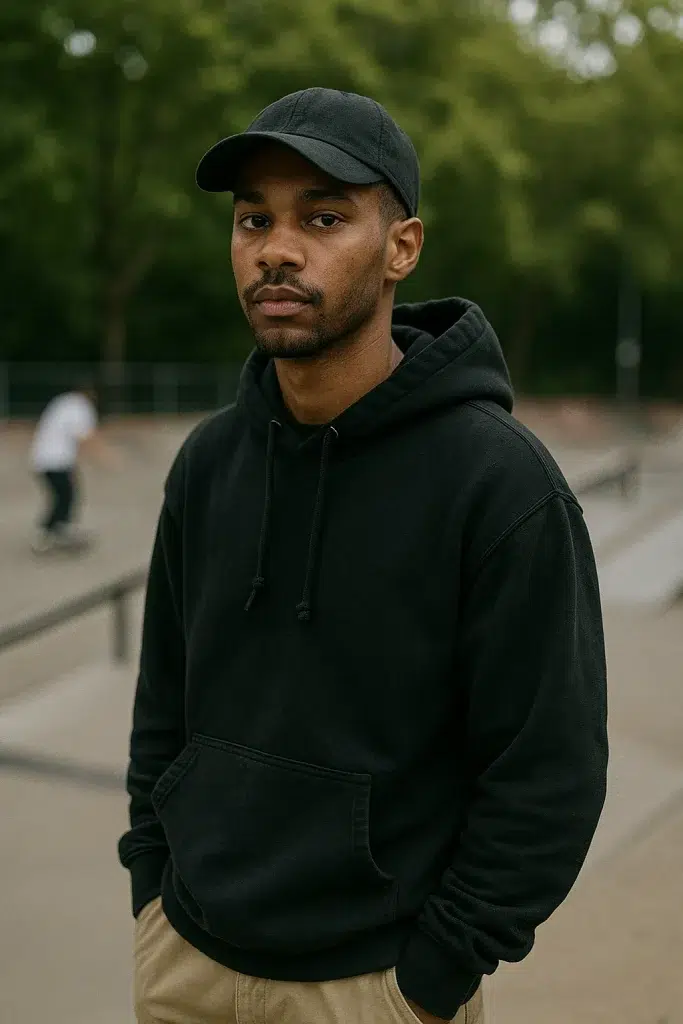
Streetwear grew from skate and hip-hop scenes into global fashion. Limited drops, bold logos, and community storytelling shaped it. Social media scaled it. Collaborations bridged street and luxury.
Dive deeper: culture, community, and the drop model
When I train a new buyer, I explain culture before product. “Street lore” is the glue. A park, a crew, a DJ, a block party. Brands listened first, then made gear that fit the life. Small runs built desire. Lines formed. Early online forums turned into today’s feeds. Drops moved from Saturdays at a shop to global timed releases. This model still works if you keep trust. Do not flood the market. Keep fit consistent. Keep graphic language honest. Collaborations can add reach, but they must feel natural. A sneaker tie-in should match your story, not chase a hashtag. Use the table below to check if a release feels real.
| Factor | Good Sign | Red Flag |
|---|---|---|
| Story | Local voice, real scene | Generic slogans |
| Quantity | Tight, planned | Endless restocks |
| Fit | Consistent block | Random size swings |
| Collab | Shared audience | Pure logo swap |
What does streetwear mean for women?
Buyers often ask me for “streetwear fashion women.” Many guides ignore her. That is a mistake. Women drive sell-through in many regions I serve.
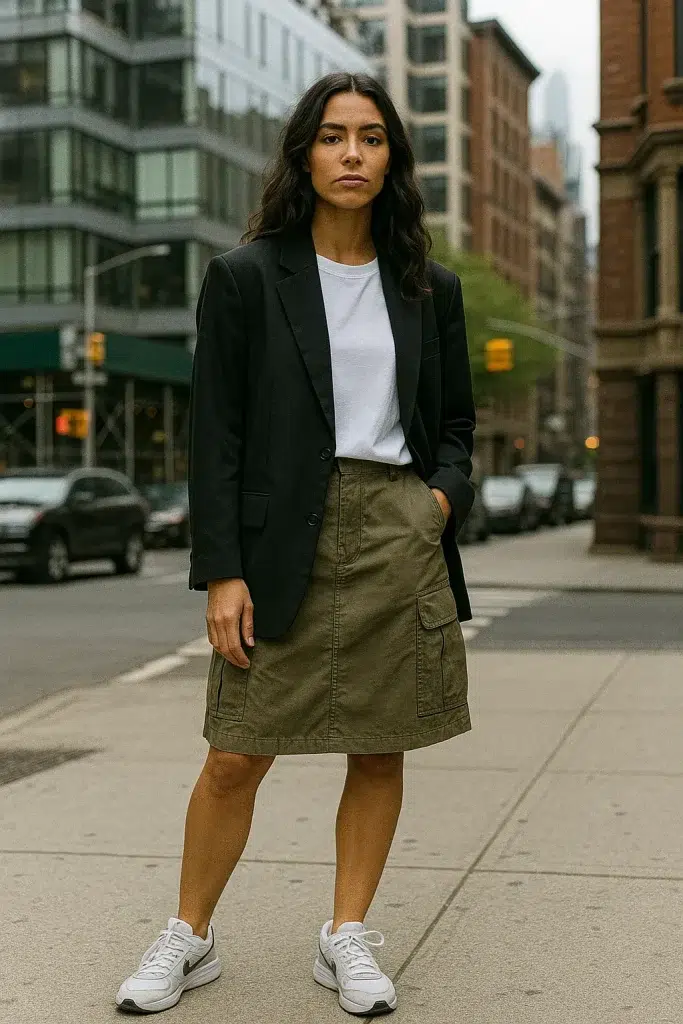
Streetwear for women is not a shrink-and-pink copy. It blends unisex blocks with women-led tailoring: adjustable waists, better rises, and flexible lengths. The look stays easy, strong, and expressive.

Dive deeper: blocks, rises, and real-world fits
In my linesheets, I always mark women’s fit notes. A unisex hoodie works well, but the bottom must follow her needs. Mid to high rise avoids awkward fits. Adjustable cords give options. Skirts and dresses join the mix without losing the streetwear aesthetic. Think cargo skirts, jersey dresses, rugby dresses, varsity-cardigan dresses. Pockets matter. Fabric weight should support structure, not cling. If you plan a “streetwear photoshoot,” show real movement: walking, sitting, stairs. Below is a guide I share with buyers.
| Category | Fit Principle | Detail |
|---|---|---|
| Hoodies/Tees | Unisex or relaxed women’s block | Slightly shorter length options |
| Bottoms | Mid/High rise, ease at hip | Adjustable waistband, drawcord |
| Skirts/Dresses | Utility first | Pockets, stable jersey, lined where needed |
| Outerwear | Room for layering | Armhole ease, two-way zips |
What is the difference between streetwear and sportswear?
Teams ask me, “Is sportswear street?” The lines blur. But your sourcing plan needs a clear split.
Sportswear is performance-first. Streetwear is culture-first. Streetwear borrows sport shapes and fabrics, but the goal is identity and daily wear, not training.
Dive deeper: design intent and merchandising rules
I tell my team to check the intent tag. Sportswear solves sweat, speed, and stretch. Streetwear solves story, comfort, and city life. A track jacket can live in both worlds. The difference is fabric spec, branding, and context. Streetwear pairs that track jacket with denim and lifestyle sneakers, not spikes. Footwear is the anchor. “Streetwear and shoes” means lifestyle silhouettes, everyday traction, and collectible colorways. Use this quick compare.
| Attribute | Streetwear | Sportswear |
|---|---|---|
| Intent | Identity, culture | Performance |
| Fabric | Heavy jersey, canvas, nylon | Breathable tech, mesh |
| Fit | Relaxed | Athletic, ergonomic |
| Merch | Drops, capsules | Seasonal teams, core |
| Footwear | Lifestyle sneakers | Training/running/cleats |
With this lens, your “urban streetwear” rack stays clear and on-brand.
How do I start a streetwear line the right way?
New buyers ask for an easy checklist. They search “what is streetwear clothing” and “what is streetwear style” at night. Then they ping me in the morning.
Start with a tight core: tee, hoodie, sweatpant, denim, cap, sneaker. Lock fit blocks. Choose two graphics and two solids. Plan drops. Protect quality control and timing.
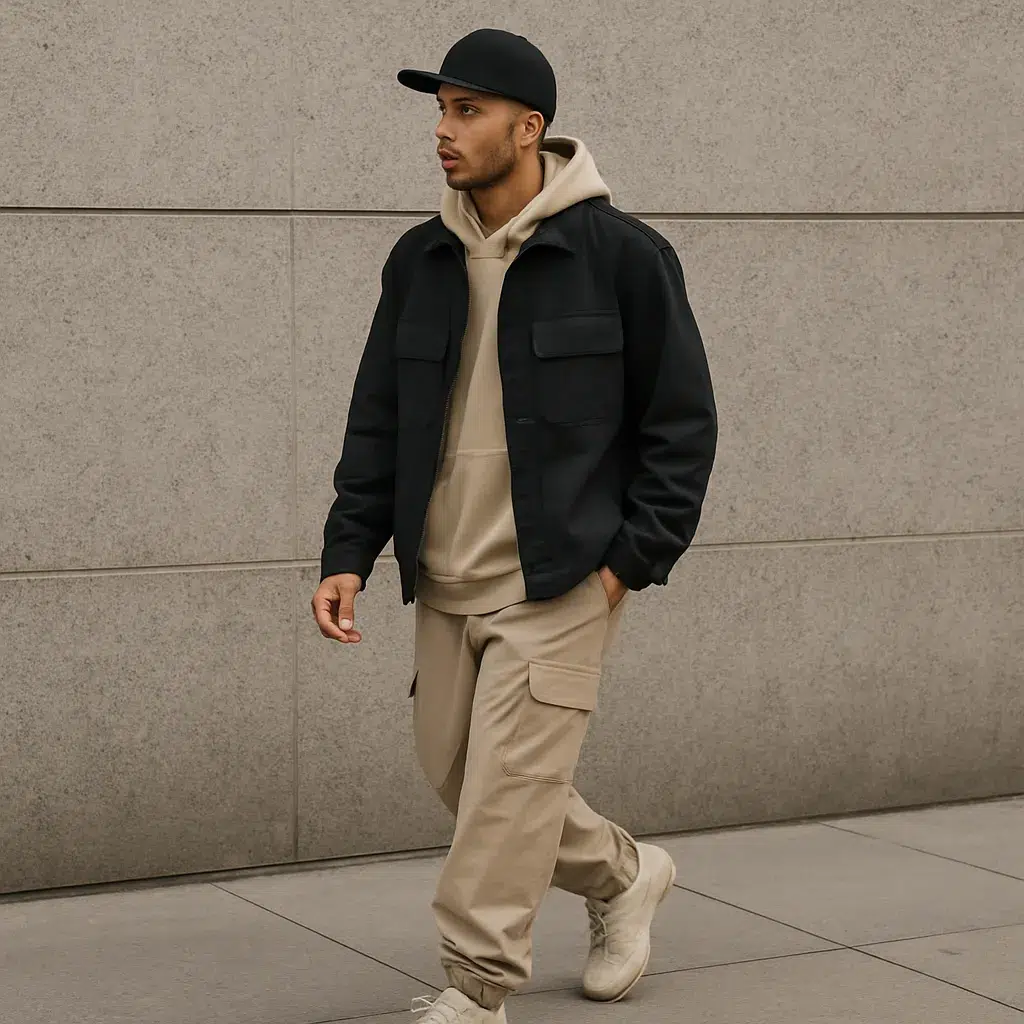
Dive deeper: blocks, MOQ, QC, and on-time delivery
I run B2B wholesale, so I think in blocks and timelines. First, lock base blocks for tees, hoodies, and denim. Test them on real bodies. Second, set realistic MOQs. Do not chase huge runs on your first capsule. Third, build QC gates: fabric test, print test, wash test, final measurement. Fourth, schedule photo and “streetwear photoshoot” assets before goods land. Fifth, ship with time buffers. Delays kill seasons. Many clients come to me after poor communication, forged certificates, and late delivery. I fix this with transparency and verified documents. Here is my working checklist.
| Step | Action | Tool |
|---|---|---|
| Blocks | Confirm size sets and fits | Fit comments, graded spec |
| Fabric | Test weight, shrink, handfeel | Lab tests, wash test |
| Print/Emb | Approve strike-offs | Pantone cards, swatches |
| QC | Inline + final inspection | AQL checklist |
| Logistics | Book early, track | Forwarder portal |
| Launch | Photos, captions, drops | Content calendar |
Conclusion
Streetwear is culture-first, comfort-led fashion. Know your styles, protect fit and QC, plan smart drops, and speak with a real voice. That is how lines win.
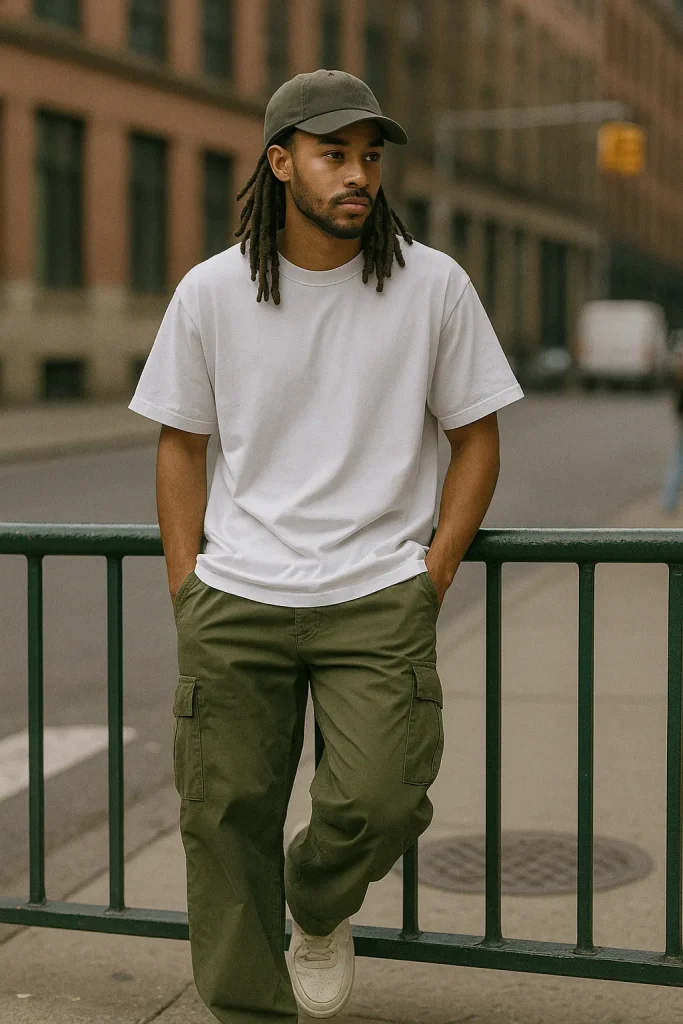
Why I write this
About my business
My Name: Lancy Chia
My email: [email protected]
Link to my website: https://truekung.com
Brand Name: Truekung
Country: China.
Products: fashion clothes
Business model: B2B, Wholesale only
Status: The factory has more than 200 workers. We provide clothing products and OEM/ODM services to different brands and supermarkets around the world. We have 20 years of experience in foreign trade clothing production and export. The main products are: fashion women’s clothing, jackets, skirts, dresses, jeans, T-shirts, sweatshirts, down jackets, windbreakers, coats, fashion bags, sportswear, children’s clothing, underwear.
Main export countries: Netherlands, Denmark, Belgium, Norway, UK, USA, Germany, Australia, Thailand, Turkey, Italy, Russia, Saudi Arabia, etc.
Views: 547