
What Is Gauze?
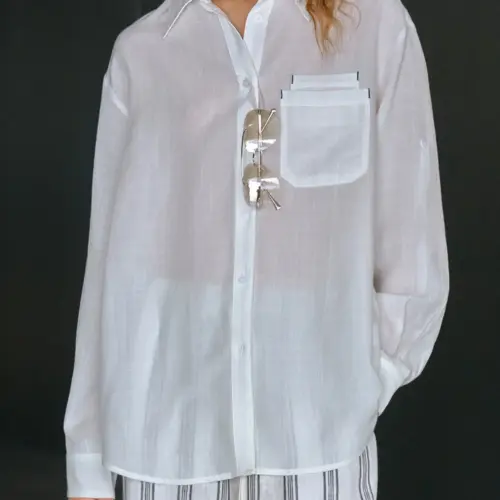
Gauze is a lightweight, open-weave fabric used in various industries, from medical applications to fashion. It is highly breathable and versatile, making it a popular choice for both professional and everyday use.
Gauze is a loosely woven fabric that is typically made from cotton, linen, or synthetic fibers. It is known for its soft texture, high breathability, and lightweight nature, making it ideal for clothing, medical dressings, and industrial applications.

Gauze has a long history of usage, evolving from traditional cotton weaves to advanced multi-layered textiles. Understanding its types, characteristics, and applications can help in making informed decisions when selecting the right fabric for different purposes.
What Is The Meaning of Gauze?
Gauze originated from the Arabic word “Gazz,” which referred to a type of fine, transparent fabric. Over time, it became associated with open-weave textiles used for medical and fashion purposes.

Gauze refers to any loosely woven, lightweight textile that allows air to pass through. It is used in a variety of industries, including healthcare, clothing, and industrial settings.
Characteristics of Gauze
- Lightweight: Gauze is soft and airy, making it comfortable to wear.
- Breathable: Its open weave allows for maximum airflow, preventing overheating.
- Absorbent: Cotton and linen gauze absorb moisture efficiently, making them ideal for medical and apparel applications.
- Delicate Texture: Despite being durable, gauze has a gentle feel against the skin.
- Flexible: The fabric drapes well and adapts to different shapes, making it suitable for clothing.
What Are The Different Types of Gauze?
Gauze comes in various forms, each designed for specific uses, from medical supplies to high-fashion garments.
Linen Gauze

Linen gauze is derived from flax fibers, known for its durability and natural antibacterial properties.
Linen gauze is a breathable, eco-friendly fabric with a slightly rough texture, making it ideal for summer clothing and home textiles.
Why Choose Linen Gauze?
- Stronger than cotton gauze.
- Becomes softer with each wash.
- Highly absorbent and dries quickly.
- Naturally antibacterial and hypoallergenic.
Muslin Gauze

Muslin gauze is a finer variation of gauze, often used in baby blankets, dresses, and soft furnishings.
Muslin gauze is ultra-lightweight and soft, making it a favorite for delicate applications such as baby clothes and summer dresses.
Common Uses of Muslin Gauze
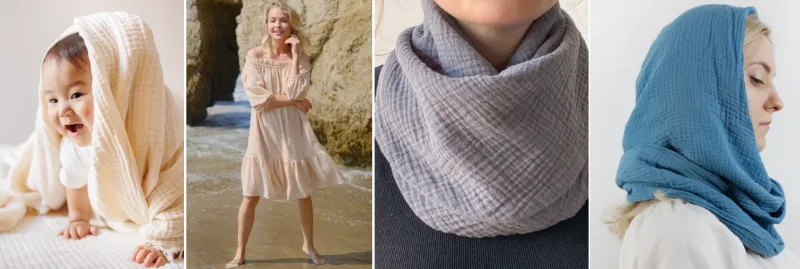
- Swaddle blankets for babies.
- Lightweight summer dresses.
- Soft scarves and head coverings.
Bubble Gauze Fabric
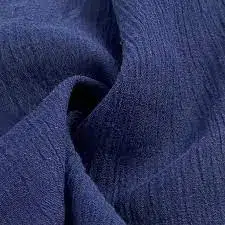
Bubble gauze, also known as crinkled gauze, has a textured surface that adds volume and visual appeal.
Bubble gauze fabric features a naturally wrinkled texture, making it perfect for bohemian-style clothing and relaxed-fit garments.
Advantages of Bubble Gauze
- Requires minimal ironing due to its pre-wrinkled look.
- Enhances breathability and airflow.
- Ideal for casual and artistic clothing.
Double Gauze Fabric

Double gauze is made from two layers of gauze tacked together, offering more opacity and structure.
Double gauze fabric combines breathability with added thickness, making it suitable for dresses, shirts, and baby wear.
Why Choose Double Gauze?
- More coverage than single-layer gauze.
- Soft and airy without being sheer.
- Easy to sew and maintain.
Production Process of Gauze Fabric
The production of gauze fabric involves several key steps, ensuring its lightweight, breathable, and soft characteristics. The process begins with fiber selection, where natural fibers like cotton, linen, or synthetic materials are chosen based on the desired properties of the final fabric.
- Spinning – The selected fibers are spun into fine yarns, ensuring a delicate yet durable structure suitable for gauze weaving.
- Weaving – The yarns are loosely woven using a plain or leno weave, creating an open structure that enhances breathability and flexibility.
- Bleaching & Dyeing – To achieve a clean and uniform appearance, the fabric undergoes bleaching. It is then dyed or printed, depending on its intended use in fashion or medical applications.
- Finishing – Special treatments may be applied, such as softening, pre-shrinking, or antimicrobial finishes, especially for medical gauze.
- Cutting & Packaging – Finally, the fabric is cut into rolls or specific sizes and packed for distribution, ready to be used in clothing, bandages, or industrial applications.
This streamlined manufacturing process ensures that gauze retains its softness, absorbency, and versatility while meeting industry standards for various applications.
How Is Gauze Fabric Used in Clothing?
Gauze is a staple in the fashion industry, known for its lightweight and elegant drape.
Gauze is commonly used for summer clothing, beachwear, scarves, and bohemian-style garments due to its breathable and soft properties.
Popular Clothing Items Made From Gauze Fabric
| Clothing Item | Why It’s Popular |
|---|---|
| Gauze Dresses | Lightweight, flowy, and perfect for warm climates. |
| Gauze Shirts | Comfortable and casual, often worn in summer. |
| Scarves | Breathable and stylish, suitable for all seasons. |
| Gauze Skirts | Soft and airy, often layered for added volume. |
| Beach Cover-Ups | Dries quickly and keeps you cool. |
What Are The Downsides of Gauze Fabric?
Despite its many benefits, gauze fabric has some drawbacks.
Gauze is delicate, prone to fraying, and requires gentle handling during washing and sewing.
Common Issues With Gauze Fabric
- Prone to Fraying: Loose weave can unravel if not finished properly.
- Shrinks Easily: Cotton and linen gauze may shrink after washing.
- Sheer Appearance: Some variations require lining or layering.
How To Care for Gauze Fabric?
Proper care ensures gauze fabric remains soft and durable.
Gauze should be washed gently in cold water, air-dried to prevent shrinking, and ironed at a low temperature if needed.
Best Practices for Washing Gauze
- Use a mild detergent to avoid damaging fibers.
- Wash in cold water to reduce shrinkage.
- Air dry or tumble dry on low heat.
- Store folded or hung to avoid excessive wrinkling.
How Is Gauze Used in Medical Applications?
Medical gauze is essential for wound care and surgical procedures.
Medical gauze is a sterile, absorbent fabric used for bandages, wound dressings, and surgical sponges.
Types of Medical Gauze

- Gauze Pads: Small, absorbent squares for wounds.
- Gauze Bandages: Rolled gauze used for wrapping injuries.
- Paraffin Gauze: Impregnated with petroleum jelly to prevent adhesion to wounds.
How Does Gauze Compare to Other Fabrics?
Gauze differs from other fabrics in breathability and texture.
| Fabric Type | Characteristics | Best Uses |
|---|---|---|
| Gauze | Lightweight, breathable, semi-sheer | Clothing, medical use |
| Muslin | Finer weave, soft, flexible | Baby products, dresses |
| Chiffon | Sheer, smooth, synthetic | Evening wear, scarves |
| Linen | Strong, eco-friendly | Summer wear, home decor |
Conclusion
Gauze fabric is a highly versatile textile used in fashion, medicine, and industrial applications. Its breathable, lightweight nature makes it ideal for summer clothing and medical bandages. Despite some delicate care requirements, gauze remains a staple in many industries due to its unique properties.
Views: 743