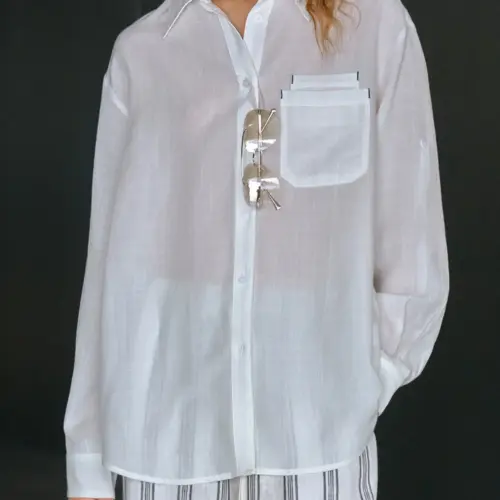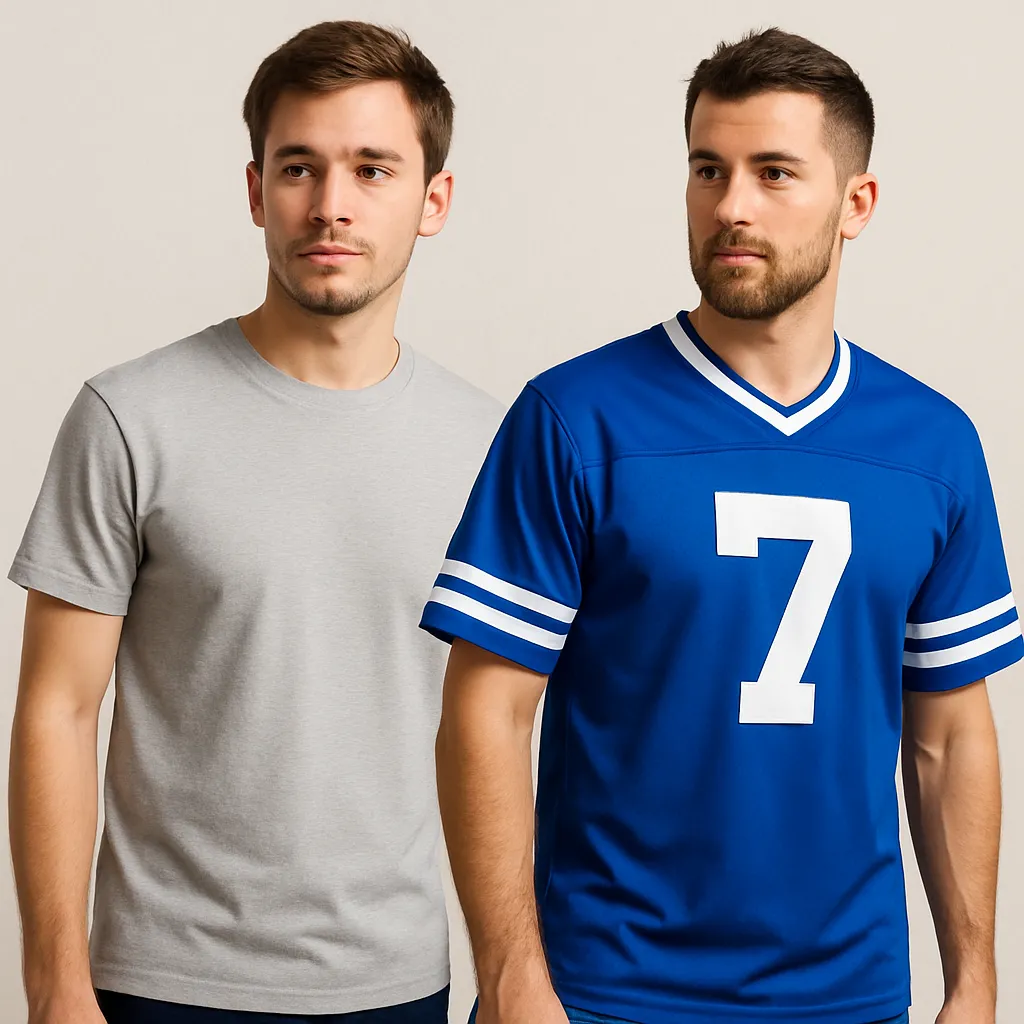

When you glance at a “jersey tee” vs a regular “T‑shirt,” they may look similar—but subtle differences in fabric, purpose, and design set them apart.
A T‑shirt is generally a casual top made from soft knit fabrics; a “jersey” can refer either to a sports/uniform shirt or to a fabric type (jersey knit).
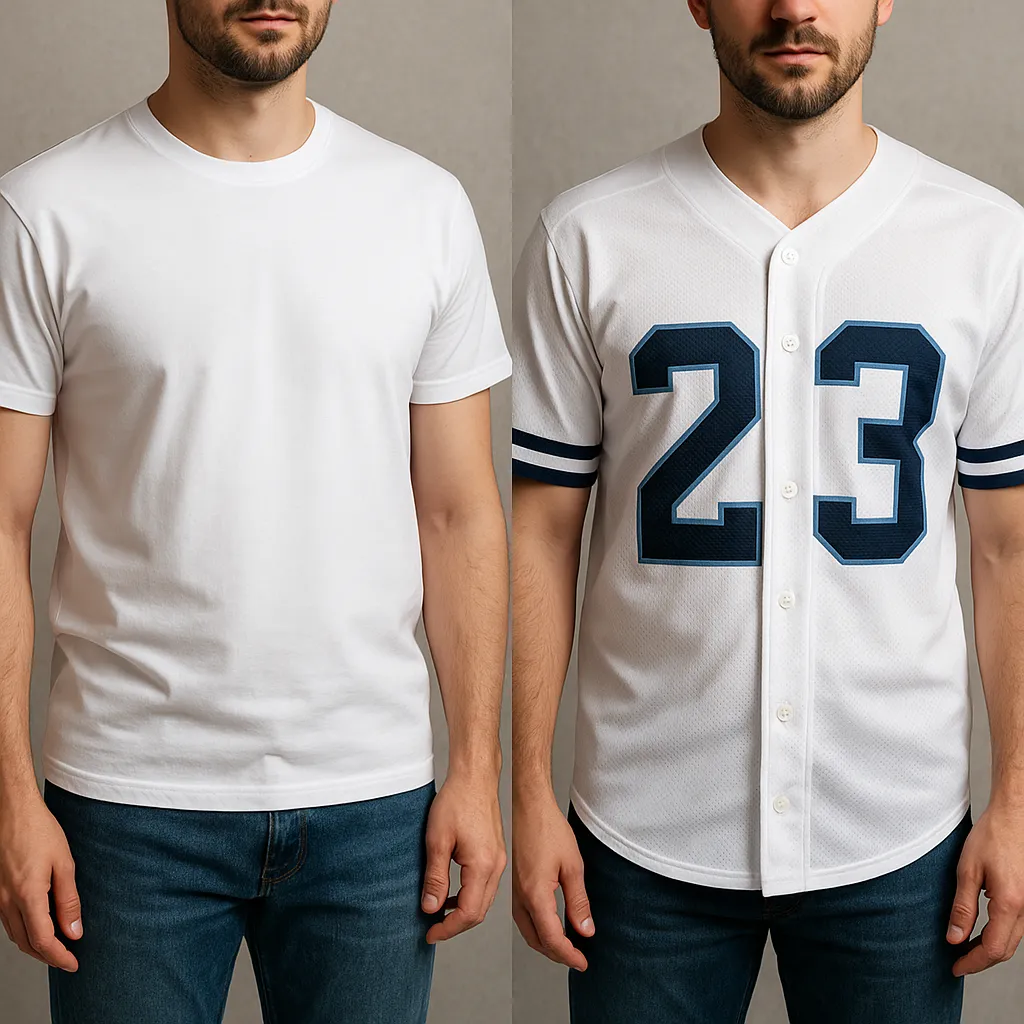
Let me walk you through how “T‑shirt” and “jersey” differ in meaning, usage, and why those differences matter for your brand or product line.
What exactly is a T‑shirt?
You’ve seen T‑shirts everywhere. They’re simple tops, often with short sleeves and a crew or V-neck, made from cotton or cotton blends. The fabric is knitted, not woven, which gives the shirt its natural stretch and comfort.
T‑shirts are everyday casual wear, designed for comfort and versatility, often made from jersey knit fabric.

T‑shirts are widely used for layering, printing logos, or just relaxing at home. They come in different fits and are a must-have in every wardrobe. The term “jersey” may even show up in product descriptions, but that just refers to the fabric.
T‑shirt Quick Facts:
| Feature | Description |
|---|---|
| Purpose | Everyday wear |
| Fabric | Cotton / cotton blend (knit) |
| Fit | Slim, relaxed, oversized |
| Decoration | Screen print, embroidery, labels |
| Cost | Usually lower than performance gear |
What does “jersey” mean in clothing?
The term “jersey” is confusing because it can refer to two different things: a sports top or a type of fabric. Buyers and brands often mix up these meanings, which can cause production issues.
“Jersey” can mean a sports uniform shirt or a soft, stretchy knit fabric used in many garments.

The sports version of a jersey usually comes with logos, numbers, and performance fabrics. Think soccer, basketball, or baseball tops. These shirts are made for action, with breathable material and bold visuals.
The other kind of “jersey” refers to the fabric. Jersey knit is soft, drapes well, and is used in T‑shirts, dresses, and even bedding. So when someone says “jersey tee,” they might mean a T‑shirt made with jersey knit—not a sports top.
Jersey Types:
| Type | Description |
|---|---|
| Sports Jersey | Team-based, performance shirt with graphics |
| Jersey Fabric | Knitted material, used in many kinds of clothing |
| Jersey Tee | A T‑shirt made with jersey knit fabric |
What’s the difference between a T‑shirt, a jersey top, and jersey fabric?
Clients sometimes ask me: “Isn’t a jersey just a type of T‑shirt?” It depends on the context. This comparison helps make the difference clear:
A T‑shirt is a garment; a jersey can be either a fabric or a sports-specific top, depending on use.
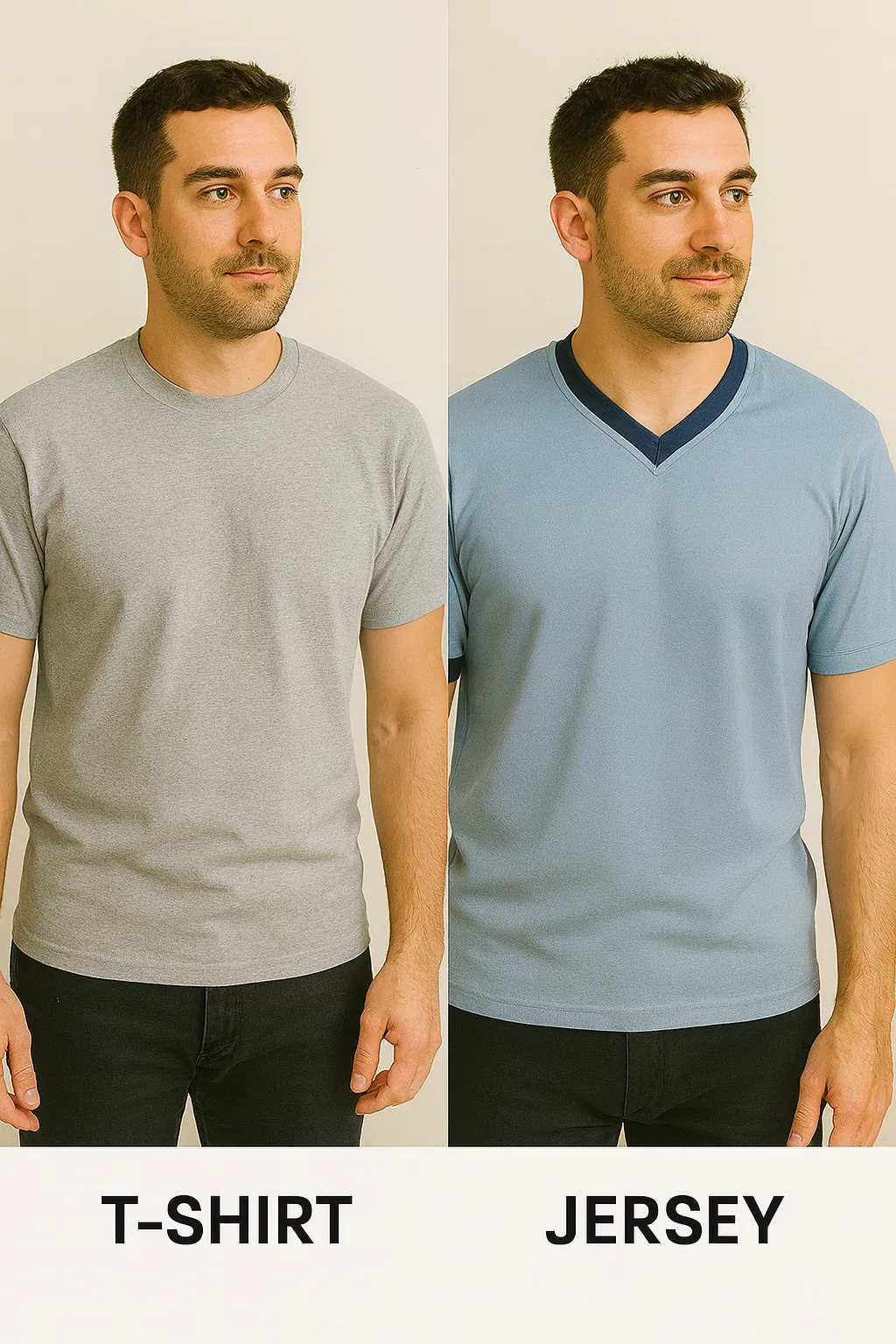
Breakdown Table:
| Feature | T‑Shirt | Sports Jersey | Jersey Fabric |
|---|---|---|---|
| Use | Casual, daily | Sports, athletic events | Material for soft clothes |
| Material | Cotton or blends | Polyester, mesh, tech fabrics | Cotton, modal, viscose blends |
| Look | Plain or printed | Logo-heavy, numbers, mesh panels | Not visible unless sewn |
| Function | Comfort, everyday | Performance, identity | Fabric characteristics |
The key is communication. If a buyer asks for a “jersey shirt,” I always confirm: Do you mean a sports top or a T‑shirt in jersey knit fabric?
Why does the distinction matter in clothing sourcing?
In my work with international buyers, one thing I’ve learned is: assumptions cost money. Calling something a “jersey” without specifying which kind creates room for production errors.
Knowing the difference between a T-shirt and a jersey helps avoid confusion in sourcing, production, and customer satisfaction.

A factory might quote you a price based on simple jersey knit cotton, while you were expecting a mesh sports jersey with sublimation. Or you may get basic tees when you needed team uniforms. The differences matter for:
- Fabric performance: Sports jerseys use wicking, breathable tech fabrics.
- Design needs: Jerseys often need heat transfer prints or embroidery.
- Customer expectation: Buyers might expect a performance piece when they see the word “jersey.”
Sourcing Tips:
| Area | What to Clarify |
|---|---|
| Product Spec | T-shirt in jersey knit or athletic jersey? |
| Printing Method | Screen print or sublimation? |
| Fabric Type | Cotton, polyester, tech blend? |
| Final Use | Casual wear, uniform, promotional? |
Always ask questions and give visual samples. A good factory will help you figure it out, but clarity speeds things up.
Conclusion
T‑shirts are everyday basics. Jerseys are either sports uniforms or fabric types. Know the difference, and you’ll avoid sourcing mistakes.
Views: 739