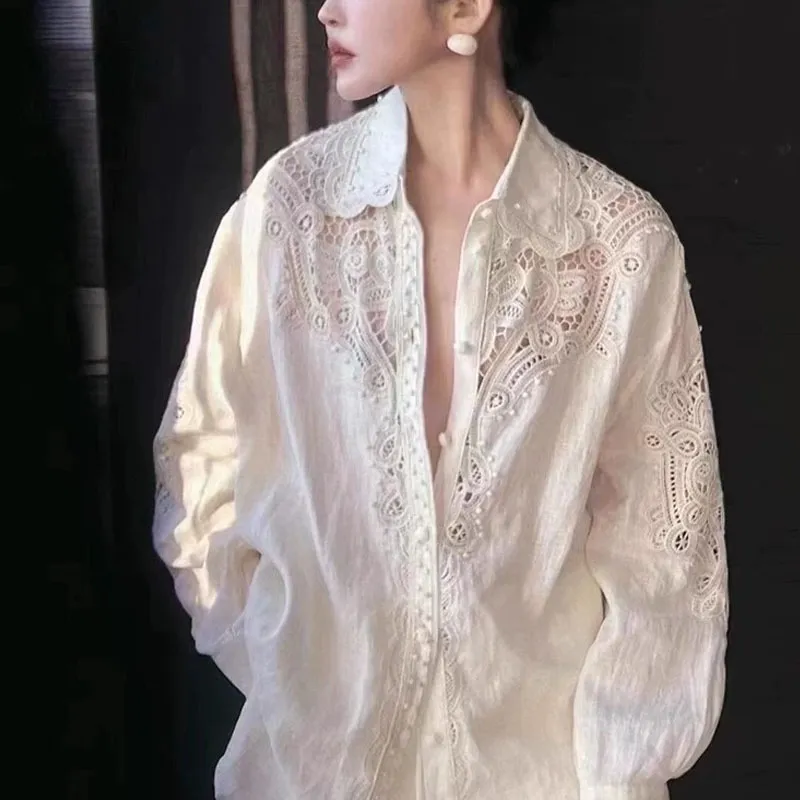
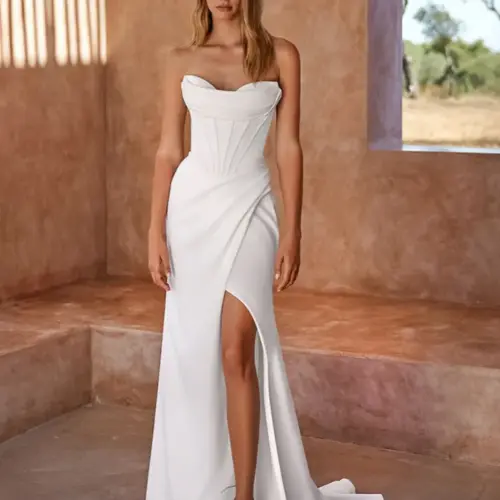
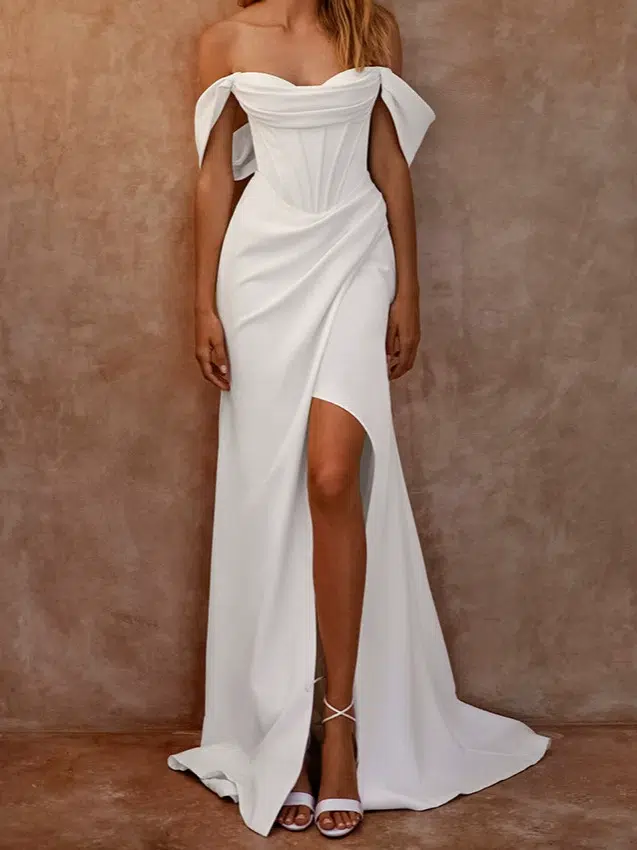
I have lost deals because my outfit sent the wrong signal. The rules are simple. The stakes are real.
Professional dress means clean, well-fitting, context-appropriate clothing that aligns with your company’s norms. Avoid loud logos, wrinkled fabrics, and revealing cuts. When in doubt, dress one step more formal than expected.

I wrote this guide after awkward meetings and hard lessons. I keep it simple now. I use clear categories. I check fit, fabric, and function. I plan for the room, not my mood. Use this playbook and avoid avoidable pain.
What does “business casual” actually look like?
People say “business casual,” then show up in everything from hoodies to suits. No wonder teams get confused.
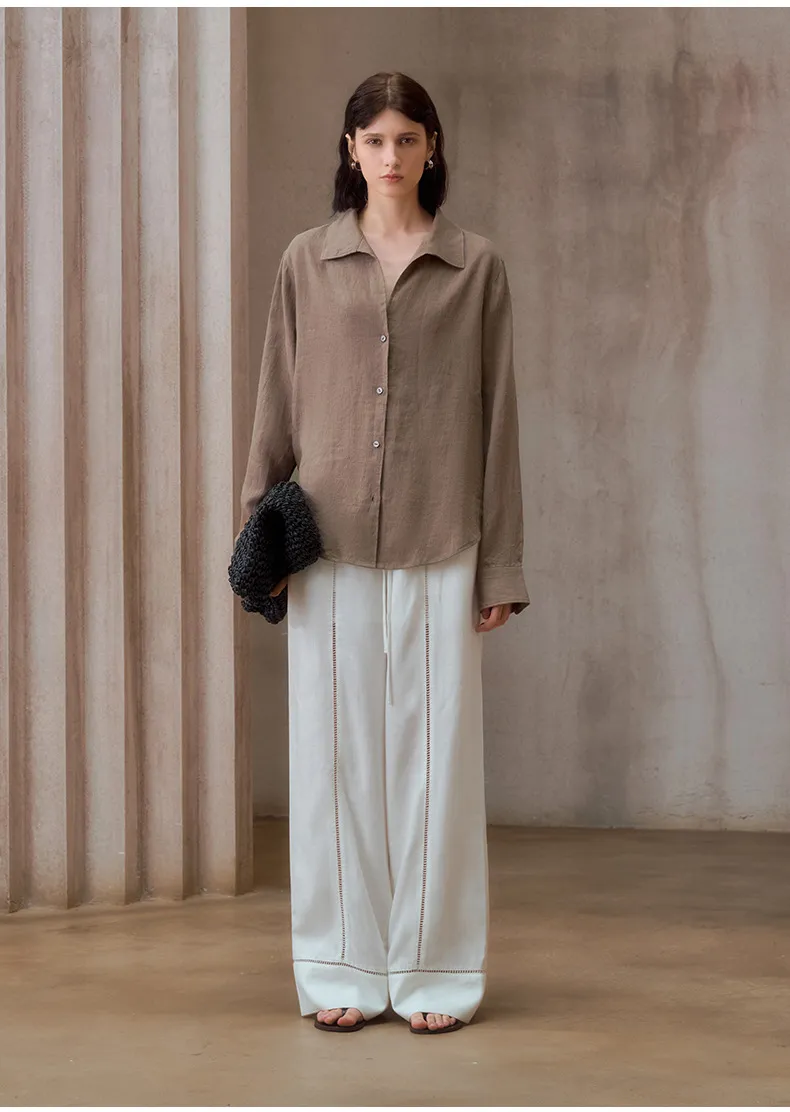
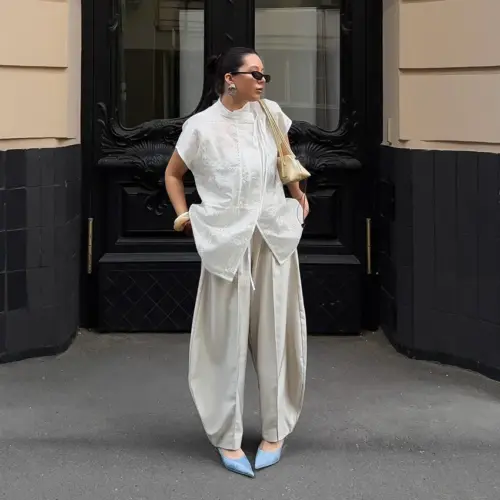
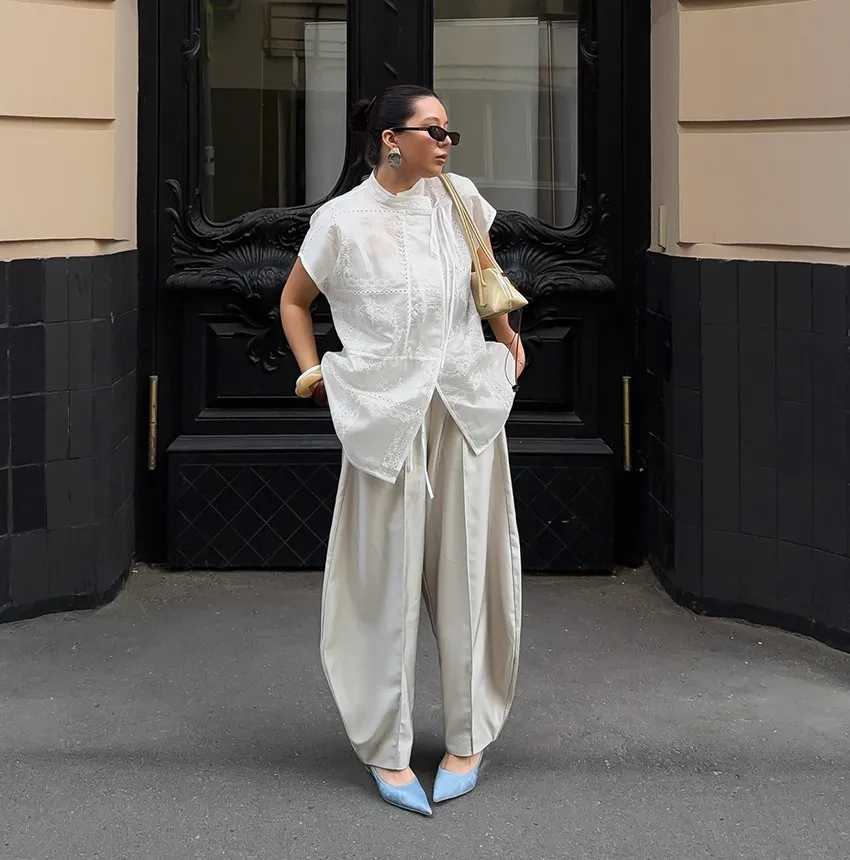
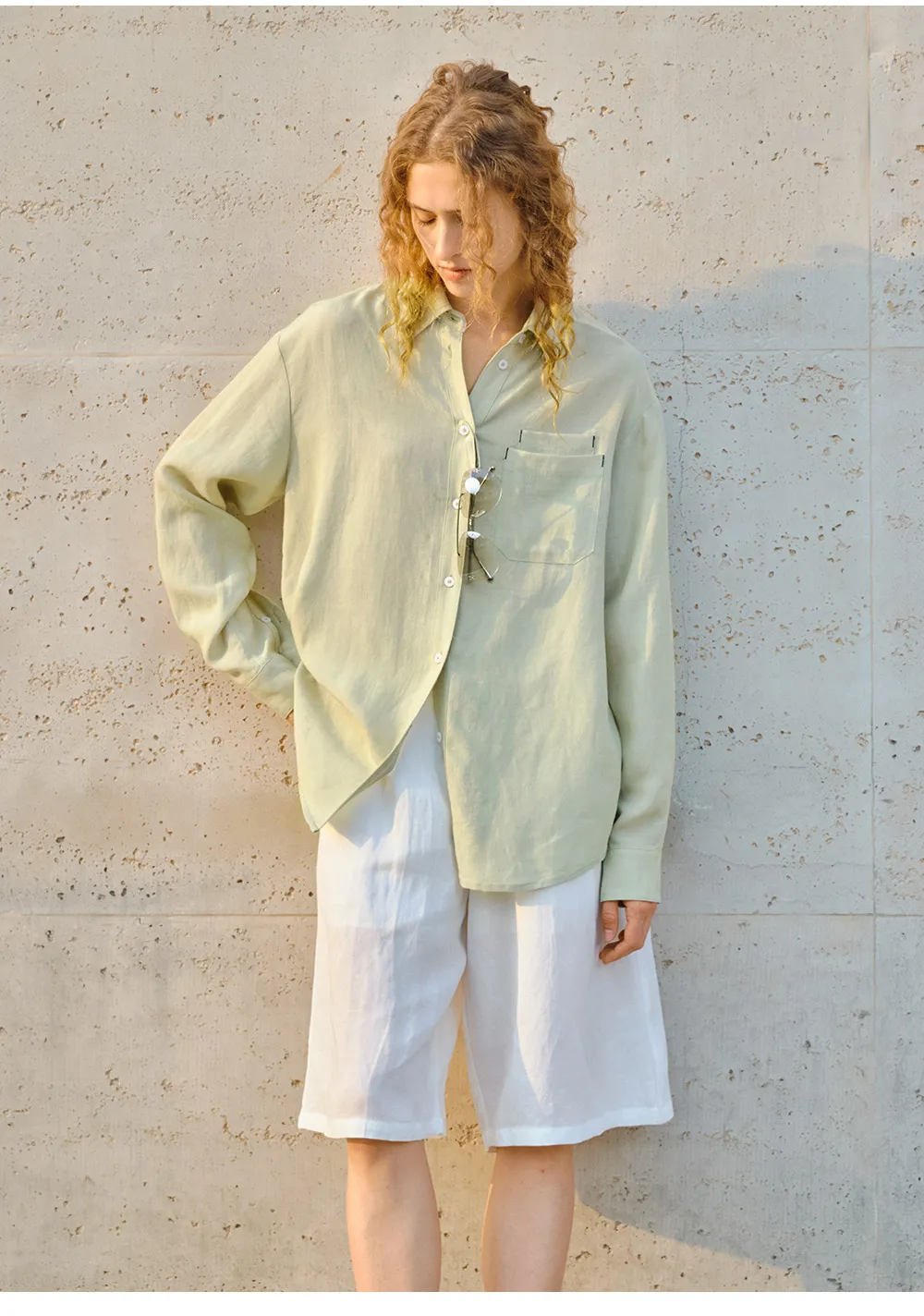
Business casual blends polish with comfort: collared knit or blouse, tailored pants or skirt, closed-toe shoes. Jeans may work if dark, clean, and paired with structured pieces. Skip tees, ripped denim, and sneakers unless policy allows.
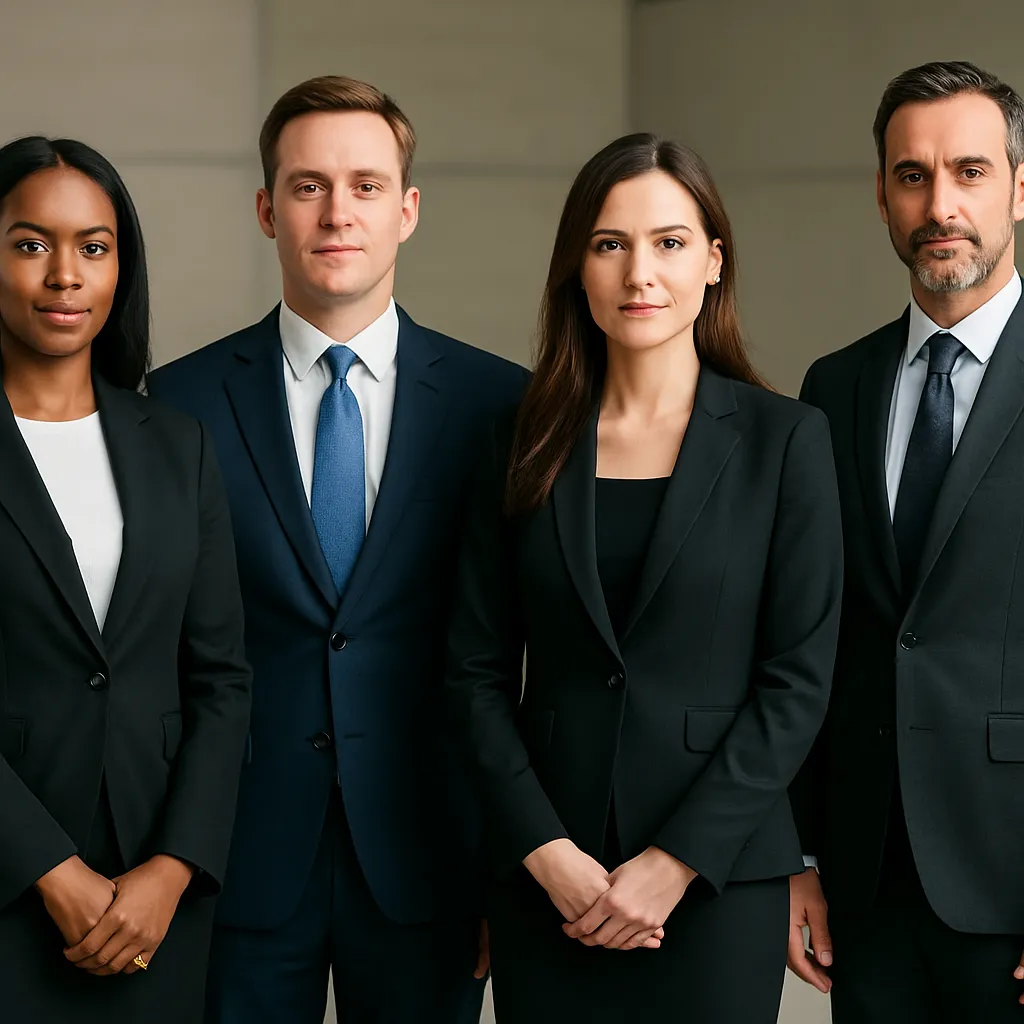
I use a quick frame: fabric, fit, and finish. For fabric, I choose woven cotton, wool blends, ponte, or soft knits with structure. For fit, I aim for clean lines that skim the body. Pants sit at the waist and hit the top of the shoe. Skirts reach the knee. For finish, I keep hardware and logos small. I bring a light blazer or cardigan to level up in cold meeting rooms or at places with a surprise dress code—think a client lunch at a steakhouse with a posted standard like the kind you see at Keens or The Gage Chicago. Men can wear chinos, an oxford or polo, and loafers or lace-ups. Women can wear ankle pants, a blouse, and low heels or flats. Dark, well-kept jeans can count as business casual examples, but I avoid rips. If I ever wonder, I dress one notch up.
Quick Business Casual Matrix
| Category | Men | Women | Notes |
|---|---|---|---|
| Tops | Polo, OCBD, fine knit | Blouse, knit, shell + blazer | Avoid graphic tees, “I hate people” shirt |
| Bottoms | Chinos, dark jeans* | Ankle pants, midi skirts, dark jeans* | *Only if policy allows |
| Shoes | Loafers, brogues, clean minimal sneakers* | Flats, low heels, loafers | *Only if policy allows |
| Outer Layer | Unstructured blazer | Blazer or cardigan | Keep colors neutral |
When is “business formal” the safer choice?
When money, risk, or seniority is high, I shift to business formal without debate.
Business formal means suits, dress shirts or blouses, dress shoes, and restrained accessories. For women: tailored suiting or sheath + blazer. For men: matching suit, tie, and leather shoes. Press everything.

I switch to business formal for pitches, board reviews, interviews, high-end restaurants like Atera Restaurant or Death & Co-adjacent events, and venues with written rules (country club attire often expects jackets). For business formal women, I rely on a tailored pantsuit or skirt suit in navy, charcoal, or black. A silk or quality knit shell adds polish. I check hem length, neckline, and sheerness under bright light. For business formal attire men, I pick a two-button suit, a crisp shirt, and a simple tie. Belts match shoes. Watches stay simple. I remove backpacks and use a structured brief or tote. This category helps in unknown rooms—from a Straz Center reception to a summit at a charter house-style venue—because it offends no one. If dress code laws or office attire rules are strict, formal meets the mark. I keep a clean, spare pair of shoes at work for surprise high-stakes meetings.
Formal Checklist
| Item | Women | Men |
|---|---|---|
| Suit | Tailored blazer + skirt/pants | Matching two-piece suit |
| Shirt | Blouse or shell | Collared dress shirt |
| Shoes | Closed-toe heels/flats | Leather lace-ups |
| Extras | Subtle jewelry, tidy bag | Simple tie, watch |
What not to wear to work—ever?
I made this list after one bad factory walk and a tough client call.
Avoid unprofessional attire: wrinkled or stained clothes, see-through fabrics, loud logos, offensive slogans, gym wear, flip-flops, and overly tight or short pieces. Fit, hygiene, and respect come first.

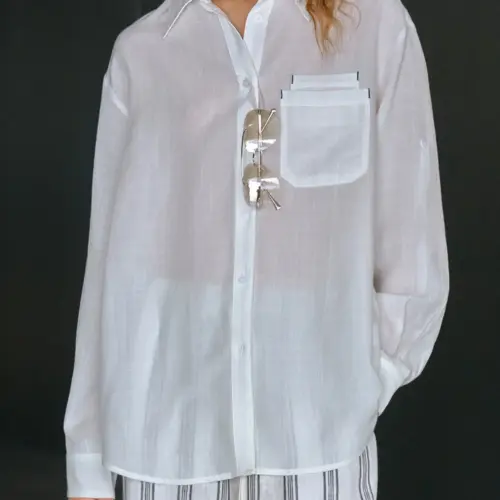
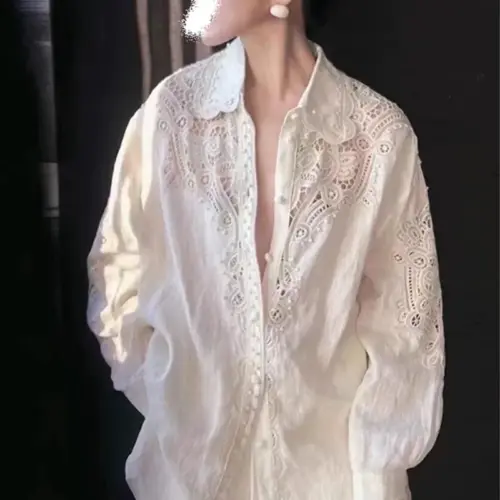
The fastest way to lose trust is to look careless. I never wear leggings as pants, slippers, crop tops, micro shorts, or anything scandalous. I avoid inappropriate outfits such as very low necklines or see-through lace. I keep sports hats and noisy jewelry at home. I check back views and sunlight tests for transparency. I do not wear heavy perfume in closed rooms. I also avoid brand tees that can offend or distract. Even discount finds from places with relaxed rules—dd’s Discount or Ross—must pass the professional test. Unprofessional clothing hurts teams because clients judge groups, not just one person. If I travel, I keep a backup outfit in my carry-on to avoid looking sloppy after a delay. When a venue has a posted policy—like a pink house-style dining room or a bar 54 times square lounge—I read it. I err formal. Respect travels well.
Red Flag Items
| Category | Examples | Why It Fails |
|---|---|---|
| Too Casual | Gym shorts, flip-flops | Signals low effort |
| Too Revealing | Sheer, micro lengths | Distracts, reads unprofessional |
| Damaged | Rips, stains, pilling | Low care, poor hygiene |
| Loud | Big graphics, slogans | Offends, steals focus |
How do I build an interview wardrobe that works everywhere?
Interviews test my judgment as much as my skills. Clothes should help, not hurt.
Choose a polished capsule: one suit, one blazer, two shirts, one knit, two bottoms, and two pairs of shoes. Keep colors neutral. Everything mixes and matches.

I build a small kit that works for different industries, from business professional to slightly creative. For women’s business formal wear, I choose a navy pantsuit, a sheath dress, and a blazer. I add a white blouse and a soft knit. For men’s business professional attire, I pick a charcoal suit, a pale shirt, and a dark tie. I add a navy blazer and chinos for second-round coffees that lean business casual. I keep shoes simple: one pair of black lace-ups and one pair of dark loafers for men; one pair of closed-toe heels and one pair of flats for women. I steam pieces the night before. I pack a lint roller and a stain pen. I bring a portfolio, not a backpack. If I need to shift down to dressy casual, I remove the tie or switch to a knit under the blazer. If the firm is strict—think dress code business professional—I go full suit.
8-Piece Capsule
| Piece | Purpose |
|---|---|
| Suit (navy/charcoal) | Formal base |
| Blazer | Levels up casual |
| Dress/Skirt or Chinos | Second bottom |
| 2 Shirts/Blouses | Rotation |
| Fine Knit | Layering |
| 2 Shoes | Formal + flexible |
How do venues and policies change the rules?
Rooms set rules. I match the room, not my mood or the weather.
Check venue and company policies. Fine-dining spots, country clubs, and some offices enforce higher standards. Read posted dress codes and plan backups.

Restaurants and event spaces often have clear dress notes. Some ask for business casual with jackets for men. Others ban shorts, hats, or sportswear. I check ahead for places like The Gage Restaurant Chicago, Chart House Restaurant NJ, or summit house-style venues. Country club attire may require collared shirts and no denim. Some theaters, like Shen Yun Chicago events, expect elevated evening looks. Hotels or casinos on Long Island or at a Jakes 58 Hotel-type property might tighten standards at night. Even workplaces vary. A banana republic dress code rumor is not a policy; I ask HR or read the handbook. If I visit a plant in Caddo Parish, Louisiana, safety gear overrides style. If I tour kitchens near Uchi Westheimer or Uchi Houston TX, I wear closed-toe, non-slip shoes. When traveling for buyers’ meetings—at places like Redlands Grill by J. Alexander’s or Spencer’s Restaurant—I keep a spare blazer in my tote. Prepared looks professional.
Venue Signals
| Venue Type | Safer Choice | Avoid |
|---|---|---|
| Fine Dining | Business formal | Casual sneakers, tees |
| Country Club | Collared + jacket | Denim, hats |
| Creative Office | Smart casual | Loud logos |
| Factory/Field | PPE + neat layers | Open-toe shoes |
What about grooming and accessories?
Great clothes fail with poor grooming. Small fixes carry big weight.
Keep hair tidy, nails clean, and scent light. Use simple belts, watches, and bags. Match leather tones. Carry a lint roller. Press your clothes.
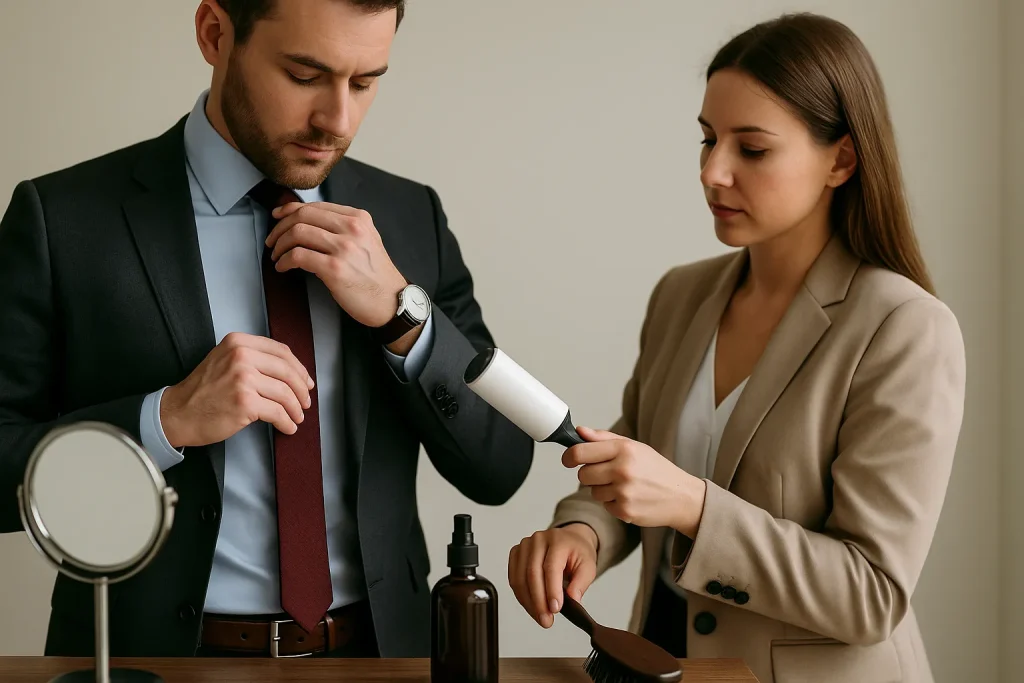
I schedule trims, steam garments, and shine shoes. I choose subtle makeup for long days and bright lights. I avoid heavy jewelry that clanks in meetings. I use a belt that matches my shoes. I keep a neat tote or brief, not a worn backpack. For men’s business professional attire, I stick to classic ties and clean facial hair lines. For professional business attire for a woman, I carry a structured bag, keep hosiery tidy if I wear it, and check hems. I keep breath mints and a sewing kit in my desk. If a client site has strict rules—like misd Mansfield or any municipal building—I follow them. When I plan a formal dinner, I confirm the code, similar to what to wear to a formal dinner notes: jacket ready, polished shoes, pressed shirt or blouse. These are boring steps. They work every time.
Pocket Kit
| Tool | Why |
|---|---|
| Lint roller | Fast polish |
| Stain pen | Saves a shirt |
| Travel steamer | Kills wrinkles |
| Mints | Fresh talk |
| Spare tights or socks | Backup plan |
Are jeans business casual for women?
Sometimes yes. Often maybe. Context decides.
Dark, clean, straight or slim jeans can be business casual for women when paired with a blazer or blouse and closed-toe shoes, if the office policy allows.

I follow a three-part test for jeans at work. First, policy. Some teams allow denim on set days or project phases. Some retail roles even define it in a dress code pro document. Second, polish. I choose dark, uniform washes with no rips, whiskers, or raw hems. Third, pairing. I add a blazer, a tucked blouse, and structured shoes. For office attire women, I balance denim with a belt and a neat bag. If I have a client lunch at a stricter spot—say a Chicago steakhouse with a posted standard—I swap jeans for ankle pants. If I am visiting suppliers or discount chains to review buy plans—dds discount stores or checking dd discount near me hours—I wear chinos. I never wear low-rise or distressed denim to meetings. If I am unsure, I bring dress pants in my tote. Jeans can work. Risk lives in the details.
Denim Decision Guide
| Factor | Yes | No |
|---|---|---|
| Policy | Allowed | Banned |
| Wash | Dark | Faded or whiskered |
| Pairing | Blazer + blouse | Hoodie + sneakers |
| Fit | Straight/Slim | Super skinny/low rise |
Conclusion
Dress one step above the room, keep pieces pressed, and avoid distractions. Fit, fabric, and finish do the work. Respect the venue, and you will look ready.
Views: 568