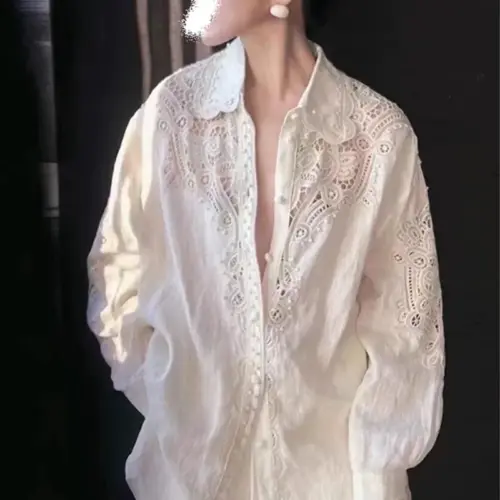
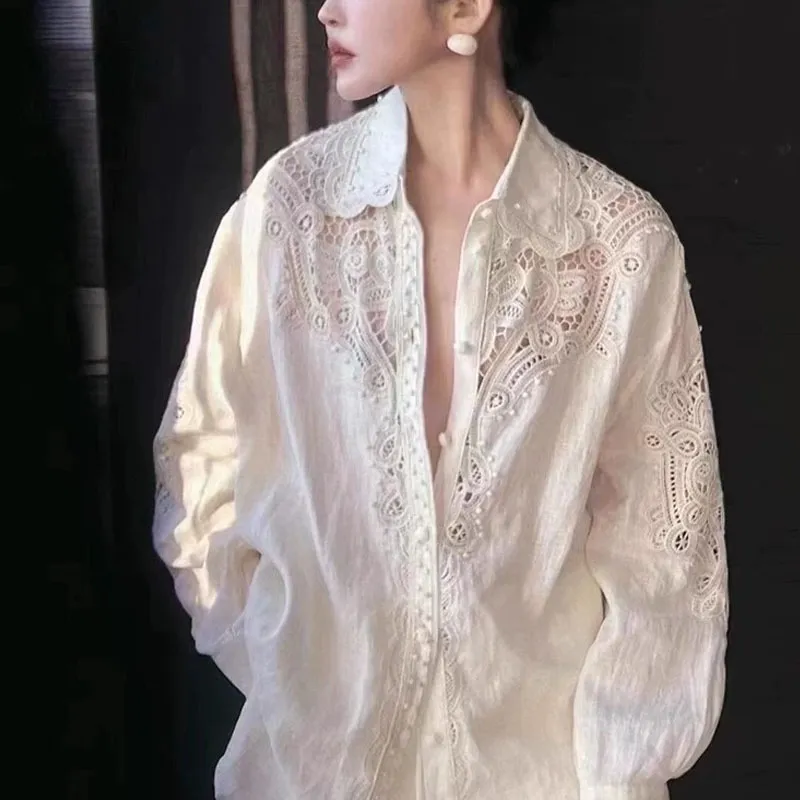
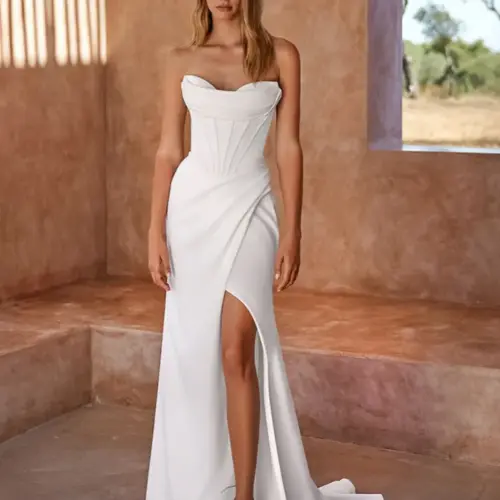
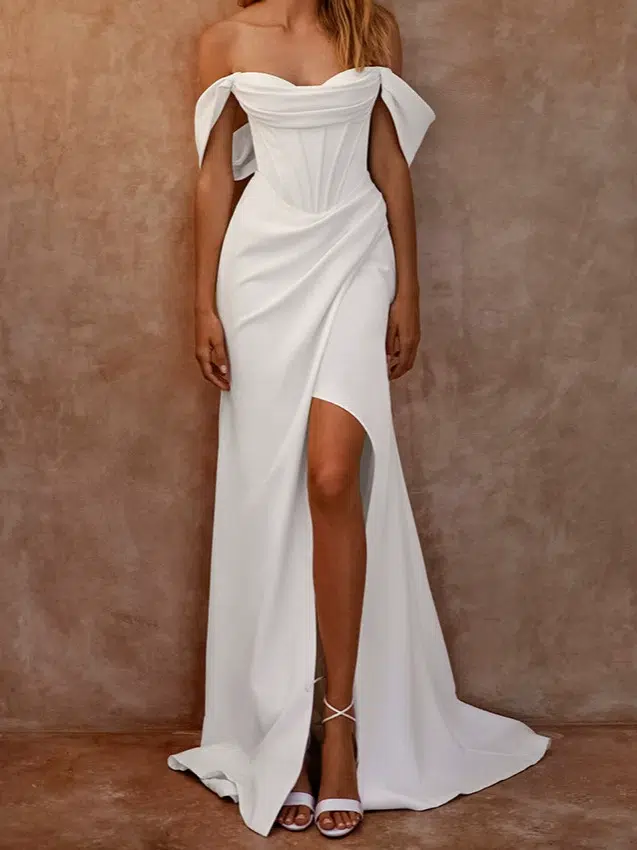
Widzę, że kupujący dają się nabrać na “luksus”Etykiety, które ukrywają tanie tkaniny. Ten problem kosztuje pieniądze i czas. Rozwiązuję go, poznając prawdziwe przybory za marką odzieży wysokiej klasy.
Odzież wysokiej klasy Zazwyczaj wykorzystuje najwyższej jakości włókna naturalne, rafinowane włókna syntetyczne i starannie dobrane mieszanki, a także lepsze podszewki, wkłady i wykończenia. “Wysokiej klasy” charakter wynika z doboru włókien, jakości przędzy, tkanina wykończenie i solidne wykonanie, a nie tylko nazwa marki.

Jeśli kiedykolwiek dotknąłeś płaszcza i poczułeś, że “układa się” we właściwy sposób, wiesz już, że to ważne. Zostań ze mną, bo omówię wybór tkanin, które widzę w prawdziwych próbnikach, i pokażę Ci, jak szybko je sprawdzam.
Które luksusowe tkaniny sprawiają, że ubranie wydaje się drogie?
Często spotykam nowych nabywców, którzy mówią: “Chcę luksusowych, designerskich tkanin”, ale nie potrafią nazwać włókien. Ta różnica sprawia, że pozyskiwanie jest ryzykowne. Ta różnica utrudnia również negocjacje cenowe.
Tkaniny, które wydają się drogie, to często wełna wysokiej jakości, kaszmir, jedwab, len, bawełna premium oraz specjalne mieszanki, takie jak wełna z jedwabiem lub wełna z kaszmirem. Grubość przędzy, splot i wykończenie decydują o dotyku, układaniu się i połysku, dlatego dwie tkaniny “wełniane” mogą się od siebie diametralnie różnić.
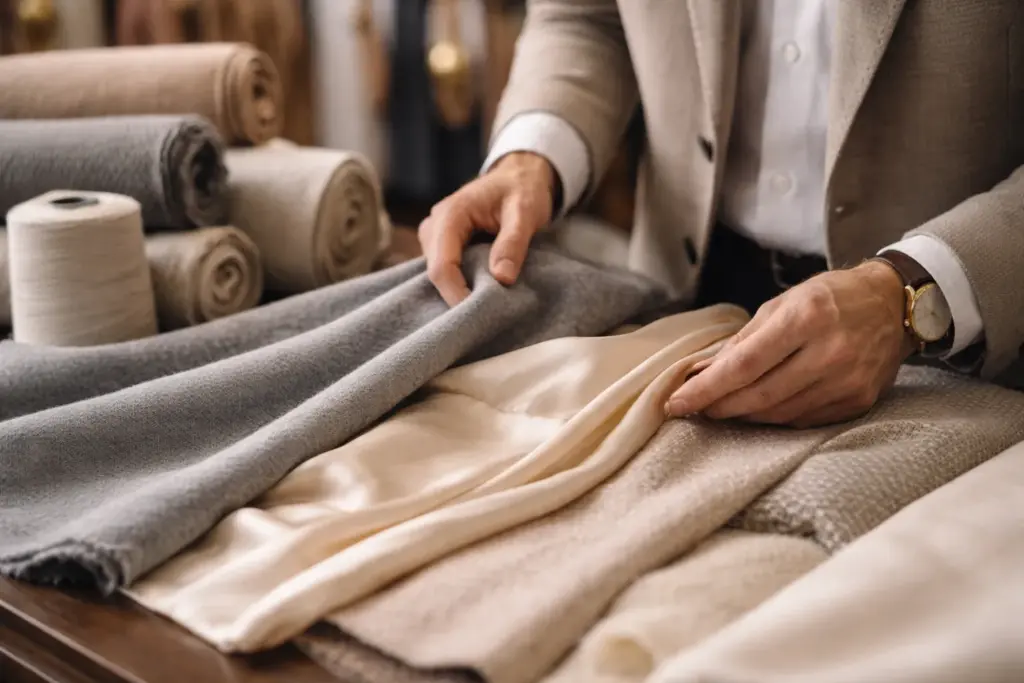
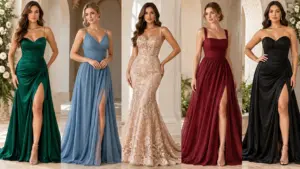
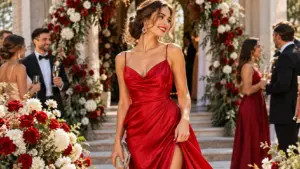
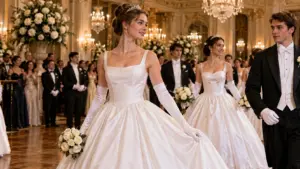
Kiedy rozmawiam z klientami takimi jak Maria, zazwyczaj pyta o “najlepszy materiał odzieżowy” dla jej rynku. Odpowiadam prostą listą, a następnie pytam, jak ubranie powinno się zachowywać. Materiał sukni balowej musi trzymać kształt i odbijać światło. Płaszcz lub peleryna muszą mieć strukturę, być wiatroszczelne i mieć schludny krój. Bluza z kapturem w stylu streetwear musi być trwała i miękka w dotyku. Włókno to początek, ale ostateczny efekt przychodzi później.
| Grupa włókien | Popularne typy premium | Dlaczego to sprawia wrażenie luksusu | Typowe przypadki użycia |
|---|---|---|---|
| Rodzina wełniana | Merino, wełna jagnięca, kaszmir, wielbłąd | Ciepło, sprężystość, czysty drap | Płaszcze, garnitury, peleryny, płaszcze |
| Rodzina jedwabiów | Jedwab morwowy, satyna jedwabna, twill jedwabny | Naturalny połysk, gładki dotyk | Bluzki, szaliki, suknie balowe |
| Rodzina bawełny | Bawełna długowłóknista, bawełna merceryzowana | Miękkość, trwały kolor, czysta powierzchnia | Koszule, koszulki, topy dzianinowe |
| Rodzina lnu | Len lniany, mieszanki lniane | Sucha w dotyku, oddychająca, o dobrej konsystencji | Letnie krawiectwo, sukienki |
| Syntetyki premium | Triacetat, miedź, liocel (TENCEL™) | Płynny układ, głębia koloru, wygoda | Sukienki, podszewki, krawiectwo miękkie |
Co w praktyce oznacza “materiał designerski”?
Ludzie mówią o “materiałach designerskich”, jakby to było jedno. W moich notatkach fabrycznych zazwyczaj oznacza to jedno z poniższych: (1) włókno wyższej jakości, (2) gęstszy splot lub dzianina, (3) lepsze wykończenie, takie jak szczotkowanie, dekatyzacja lub sanforyzacja, oraz (4) lepsze testy stabilności. Kiedy klient chce wzorca “tkanin garniturowych Loro Piana”, traktuję to jako cel w zakresie dotyku i wydajności, a nie obietnicę kopiowania marki. Wymagam mierzalnych parametrów: gramatury (GSM), składu, stopnia mechacenia, kurczliwości, trwałości koloru i przesuwania się szwów. W ten sposób chronię jakość i kunszt wykonania ubrań designerskich podczas produkcji.
Widziałam dobry wzór zepsuty przez słabą podszewkę. Widziałam też prosty wzór, który wyglądał drogo, bo każda warstwa była dobrze dobrana. Dlatego nigdy nie oceniam go tylko na podstawie materiału wierzchniego.
Materiały premium podnoszą jakość odzieży, ponieważ szyją czyściej, lepiej się prasują i dłużej zachowują kształt. Dobre podszewki, wkładki i wykończenia redukują powstawanie pęcherzy, skręcanie i przedwczesne zużycie, dlatego jakość wykonania ubrań markowych to w równym stopniu ukryte materiały, co widoczne tkaniny.
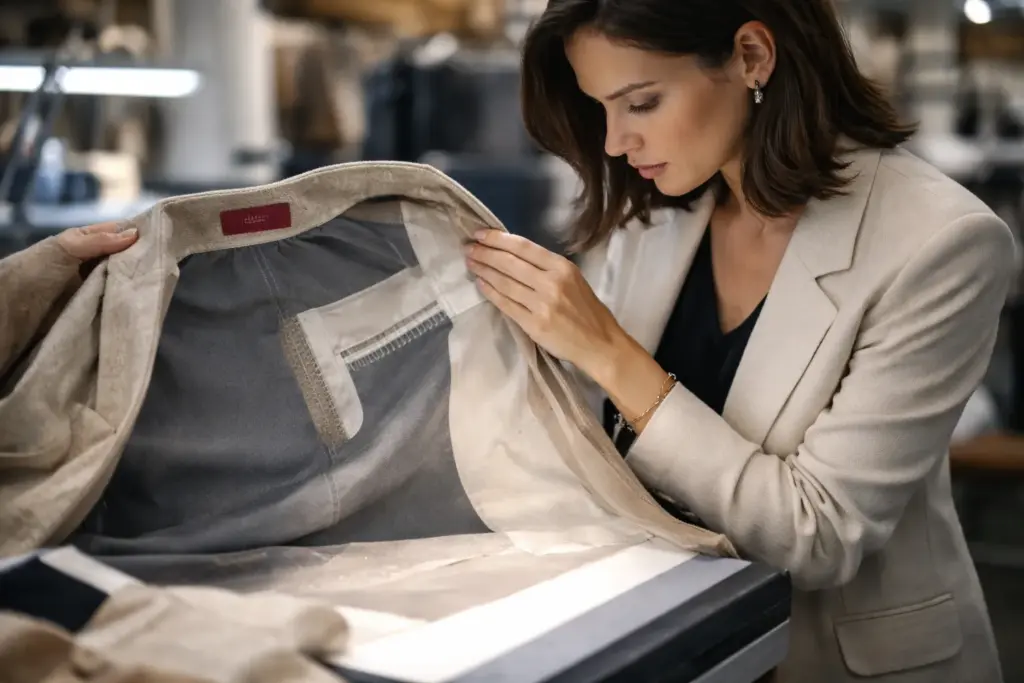
“Wewnętrzne części”, o których zapominają kupujący
Kiedy Maria przeprowadza audyt u dostawcy, często najpierw sprawdza metki i szwy. Szanuję to. Mimo to zawsze proszę ją, aby podwinęła podszewkę i przyjrzała się jej strukturze. Wysokiej jakości płaszcz może być wykonany z kanwy na klatkę piersiową, kanwy na włosy lub mocnego kleju, który wytrzymuje temperaturę prasy. Garnitur może mieć kanwę pływającą, aby nadać mu kształt. Sukienka może mieć gładką podszewkę z cupro, aby zapobiec elektryzowaniu się i poprawić układanie. Nawet męska bluza z kapturem typu peleryna może wyglądać ekskluzywnie, jeśli kaptur ma stabilną podszewkę i czyste wykończenie krawędzi.
| Część | Opcja z wyższej półki | Co rozwiązuje | Szybka kontrola fabryczna |
|---|---|---|---|
| Podkład | Cupro, jedwab, wiskoza wysokiej jakości | Lepszy poślizg, mniej elektryczności statycznej, komfort | Test tarcia, test statyczny, wytrzymałość szwów |
| Podszewka | Płótno włosowe, najwyższej jakości, klejone | Kształt, linia rolki, czysty przód | Test nacisku na bąbelkowanie i rozwarstwianie |
| Nitka | Poliester rdzeniowo-przędny, bawełna cienka | Mocne szwy, czyste przeszycia | Test równowagi i zrywania ściegu |
| Zamek błyskawiczny/sprzęt | Klasa YKK, metal platerowany | Płynne użytkowanie, długa żywotność | Cykle ciągnące, mgiełka solna (jeśli to konieczne) |
| Pikolak | Róg, corozo, metal | Lepszy wygląd, lepsze zużycie | Test zarysowania, wytrzymałość szwów |
Jak łączę wybór materiału z efektami szycia
Niektóre drogie tkaniny są trudne w szyciu. To normalne. Jedwabna satyna się strzępi. Luźne sploty się ślizgają. Gruba wełna może się błyszczeć, jeśli zostanie źle wyprasowana. Tu liczy się kunszt. W mojej linii produkcyjnej ustalam zasady: rodzaj igły, gęstość ściegu, taśmę szwową i temperaturę prasy. Kiedy klient chce wysokiej jakości tkanin na ubrania, proszę również o czas produkcji. Jeśli termin realizacji jest zbyt krótki, fabryka może pominąć odpoczywanie tkaniny, testy parowania lub pośpieszne prasowanie. W ten sposób traci się wrażenie “luksusu”, nawet jeśli tkanina jest droga. Dla mnie materiały premium i proces produkcyjny muszą do siebie pasować, inaczej efekt końcowy nie będzie zachwycający.
Gdzie mogę kupić autentyczne, wysokiej jakości tkaniny i nie dać się oszukać?
Słyszę to prawie co tydzień: “Gdzie kupić autentyczne, markowe tkaniny?”. Obawa jest uzasadniona, bo istnieją podrobione certyfikaty i podrobione “martwe zapasy”. Traktuję pozyskiwanie jako system, a nie jako łut szczęścia.
Najbezpieczniejszym sposobem na pozyskanie wysokiej jakości materiału tekstylnego jest korzystanie ze sprawdzonych przędzalni, autoryzowanych dystrybutorów i renomowanych, ekskluzywnych sklepów z tkaninami, a następnie potwierdzenie ich jakości dokumentacją i badaniami laboratoryjnymi. Można również korzystać z zapasów magazynowych, ale należy prześledzić łańcuch dostaw, sprawdzić spójność partii i unikać reklam “zbyt dobrych, aby były prawdziwe”.
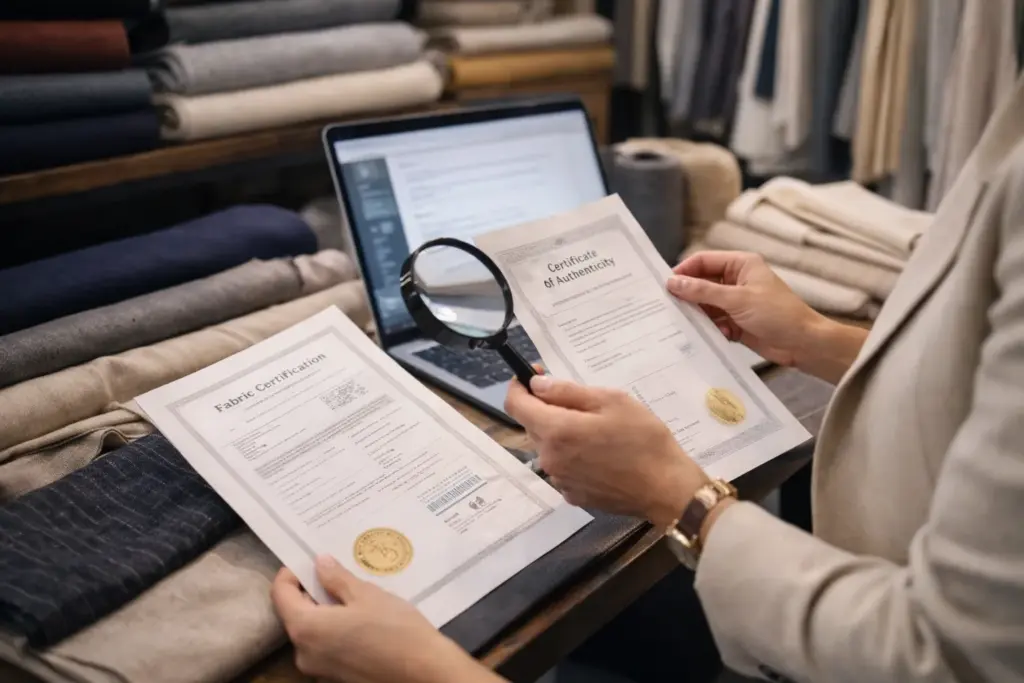
Praktyczna mapa zaopatrzenia, którą wykorzystuję w kontaktach z kupującymi
Zaopatruję się w materiały B2B, więc zależy mi na powtarzalności. Pojedyncza rolka to za mało. Buduję listę marek tkanin, które mogę ponownie dostarczyć w tej samej specyfikacji. Kupujący czasami proszą o “tkaninę LV na metry”. Odpowiadam ostrożnie. Jeśli ktoś oferuje markową tkaninę w dziwnej cenie, traktuję to jako wysokie ryzyko. Preferuję sprawdzone przędzalnie i uczciwe opcje “inspirowane projektantami” o przejrzystym składzie. Widzę też wiele haseł wyszukiwania, takich jak „tkanina Riverside”, „LA Concepts”, „tkaniny Chase Erwin” i „tkaniny Sister Paris”. Niektóre z tych nazw odnoszą się bardziej do wnętrz, jak designerskie tkaniny obiciowe czy komercyjne materiały obiciowe. Mogą być piękne, ale nie zawsze są bezpieczne dla odzieży ze względu na sztywność, powłoki lub kontakt ze skórą.
| Typ źródła | Zalety | Ryzyka | Najlepsze miejsca do zamawiania tkanin |
|---|---|---|---|
| Młyny bezpośrednie | Najlepsza cena, możliwość śledzenia | Minimalne ilości zamówienia, dłuższy czas realizacji | Przedstawiciele młyna, targi, audyty |
| Autoryzowani dystrybutorzy | Szybciej, mniejsze MOQ | Wyższa cena | Zweryfikowani agenci, długoterminowi partnerzy |
| Ekskluzywne sklepy z tkaninami | Dotknij i poczuj, szybko | Ograniczona ciągłość | Lokalne sklepy premium, starannie wyselekcjonowane sklepy |
| Towary nieużywane/sprzedawane na czarno | Unikalny, niższy koszt | Niejasne pochodzenie, mieszane partie | Renomowani sprzedawcy towarów wycofanych z eksploatacji |
| Rynki internetowe | Szeroki wybór | Podróbki, błędne specyfikacje | Tylko z rygorystyczną weryfikacją |
Moja lista kontrolna przeciwko oszustwom w przypadku “tkanin luksusowych”
Podczas weryfikacji dostawców korzystam z prostej listy kontrolnej. Po pierwsze, proszę o pełną specyfikację i próbkę materiału, a nie o malutki próbnik koloru. Po drugie, proszę o numer partii barwnika i rolki. Po trzecie, proszę o raporty z testów z uznanego laboratorium, jeśli deklaracja jest mocna, na przykład “organiczny”, “ognioodporny” lub “certyfikowany”. Po czwarte, przeprowadzam własne, małe testy: test palności w celu wykrycia śladów włókien, test skurczu i odporność koloru na tarcie. Po piąte, porównuję fakturę poszczególnych rolek. Jeśli dostawca nie jest w stanie utrzymać spójności, kończę. W ten sposób dbam o stabilną jakość i jakość wykonania ubrań od projektantów dla kupujących, którzy sprzedają je przez cały sezon.
Wniosek
Odzież z wyższej półki wykorzystuje najwyższej jakości włókna, wyrafinowane mieszanki, wytrzymałe materiały wewnętrzne i rygorystyczne procedury produkcyjne. Bardziej ufam specyfikacjom i testom niż metkom i korzystam z partnerów, którzy potrafią powtarzać jakość.
Dlaczego to piszę
Nazywam się Lancy Chia i pochodzę z Truekung w Chinach. Prowadzę hurtownię odzieży, zatrudniającą ponad 200 pracowników. Dostarczam odzież i usługi OEM/ODM dla marek i supermarketów na całym świecie. Posiadam 20-letnie doświadczenie w produkcji i eksporcie odzieży w handlu zagranicznym. Moje główne produkty to modna odzież damska, kurtki, spódnice, sukienki, dżinsy, T-shirty, bluzy, kurtki puchowe, kurtki wiatrówki, płaszcze, torby modowe, odzież sportowa, odzież dziecięca i bielizna. Eksportuję do Holandii, Danii, Belgii, Norwegii, Wielkiej Brytanii, USA, Niemiec, Australii, Tajlandii, Turcji, Włoch, Rosji, Arabii Saudyjskiej i innych krajów.
- Strona internetowa: https://truekung.com
- Adres e-mail: [email protected]
- Marka: Truekung
Widoki: 373