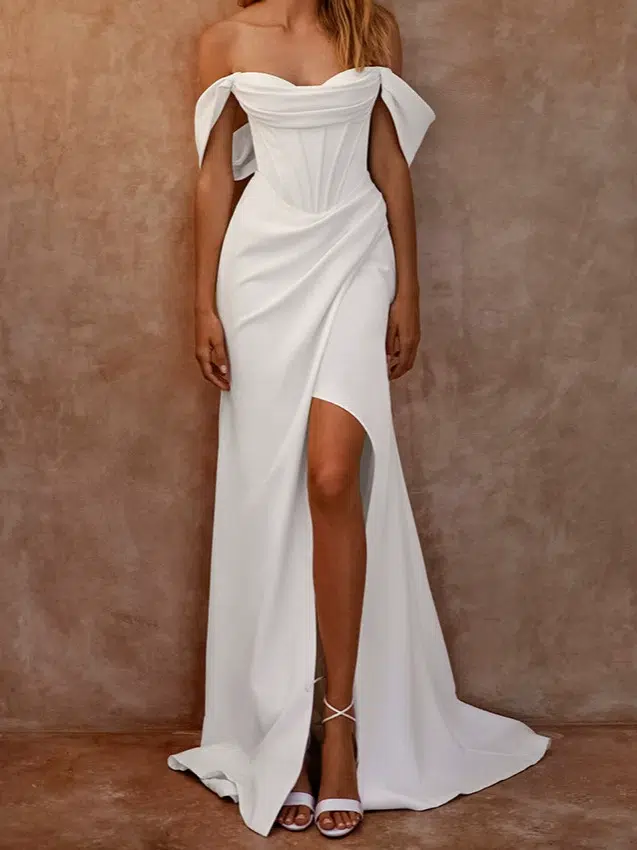

Arm stof Een goede ontwerpkeuze kan mislukken. Ik heb meegemaakt dat klanten herhaalbestellingen misliepen omdat het kledingstuk er weliswaar mooi uitzag, maar oncomfortabel aanvoelde.
Katoenen kleding is gunstig omdat het zacht aanvoelt, goed ademt, vocht absorbeert en geschikt is voor veel dagelijkse outfits. Voor consumenten biedt katoenen kleding ook voordelen zoals makkelijker te stylen, meer draagcomfort en een sterke verkoop gedurende het hele jaar voor T-shirts, jurken, hoodies, pyjama's, jeans en kinderkleding.

Veel inkopers vragen me waarom katoenen kleding nog steeds zo goed verkoopt, terwijl er zoveel nieuwe stoffen op de markt zijn. Ik begrijp die vraag. Elk seizoen brengt nieuwe mengsels, nieuwe afwerkingen en nieuwe namen met zich mee. Toch hoor ik vaak dezelfde zorg van merkeigenaren, inkopers van supermarkten en private label-teams. Ze willen stoffen die klanten vertrouwen. Katoen geeft dat vertrouwen op een eenvoudige manier. Het behoeft weinig uitleg. Mensen kennen de textuur. Ze kennen het comfort. Ze weten hoe ze het moeten wassen. Daarom beschouw ik katoen nog steeds als een van de veiligste keuzes voor veel kledingprogramma's.
Waarom voelt katoenen kleding zo comfortabel aan?
Oncomfortabele kleding leidt tot stille klachten. De klant stuurt het artikel misschien niet terug, maar koopt mogelijk nooit meer hetzelfde merk.
Katoenen kleding voelt comfortabel aan omdat katoenvezels van nature zacht, ademend en absorberend zijn. De stof voelt zacht aan op de huid, waardoor het geschikt is voor dagelijks gebruik, nachtkleding, kinderkleding, ondergoed, T-shirts, jurken en katoenen hoodies.

Wat zorgt voor dat zachte gevoel?
Ik let goed op hoe katoen aanvoelt als ik stalen controleer. Een koper praat misschien eerst over de prijs, maar de uiteindelijke klant voelt het kledingstuk als eerste aan. Dat is belangrijk. Katoen heeft een natuurlijke zachtheid die vertrouwd aanvoelt. Het voelt niet koud of plasticachtig aan. Het kan droog, schoon en comfortabel aanvoelen op de huid. Dit is een van de belangrijkste redenen waarom katoenen kleding nog steeds goed verkoopt, zelfs als mensen het online verkeerd spellen.
| Katoen kenmerk | Wat de klant voelt | Waarom dit belangrijk is voor merken |
|---|---|---|
| Zachte vezel | Zachte aanraking | Een betere eerste indruk |
| Ademende structuur | Minder plakkerig gevoel | Meer comfort in de zomer |
| Vochtabsorptie | Een droger huidgevoel | Beter dagelijks gebruik |
| Natuurlijke uitstraling | Een betrouwbaarder beeld van de stof | Eenvoudiger productverhaal |
In mijn werk in de fabriek heb ik dit duidelijk gezien bij T-shirts, jurken, pyjama's en kinderkleding. Een koper kan de kleur, de opdruk, het patroon en het label aanpassen. Toch blijft het basiscomfort bepalend of klanten terugkomen. Katoen lost niet elk productprobleem op. Een zware katoenen jersey kan te warm aanvoelen in de zomer. Een zwakkere garensoort kan sneller gaan pluizen dan verwacht. Slechte verftechnieken kunnen ook de waarde verminderen. Daarom zeg ik nooit "katoen is goed" zonder eerst het stofgewicht, de garendikte, de krimp, de kleurechtheid en de naaikwaliteit te controleren. Goede katoenen kleding komt voort uit zowel goede vezels als een goede productiecontrole.
Wat zijn de gezondheidsvoordelen van katoenen kleding?
Sommige kledingstukken zien er modieus uit op foto's, maar irriteren de huid in werkelijkheid. Dit probleem kan ernstig zijn voor baby's, vrouwen en mensen met een gevoelige huid.
De gezondheidsvoordelen van kleding gemaakt van katoen komen voort uit comfort, ademend vermogen en minder wrijving met de huid. Katoen is ideaal voor mensen die een zachte stof voor dagelijks gebruik waarderen, met name voor ondergoed, nachtkleding, babykleding, zomertopjes en nauwsluitende kledingstukken.
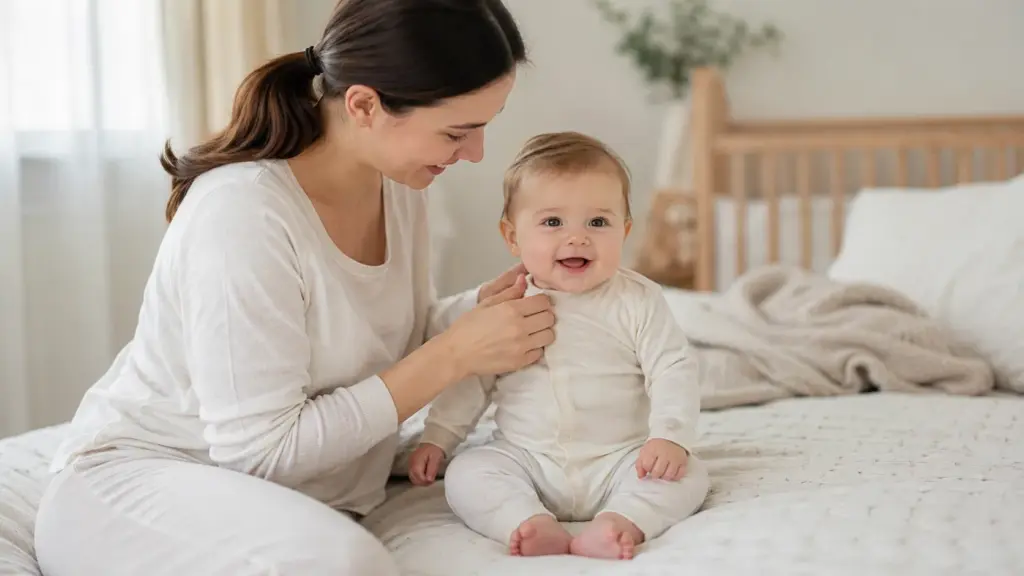
Waarom is katoen geschikt voor de gevoelige huid?
Ik verkoop katoen niet als medicijn. Dat zou verkeerd zijn. Kleding kan geen vervanging zijn voor gezondheidszorg. Maar ik geloof wel dat de stofkeuze van invloed is op het dagelijkse comfort. Katoen is vaak een betere optie voor mensen die een hekel hebben aan ruwe, warme of plakkerige kleding. Wanneer een stof vele uren de huid raakt, kan een klein ongemak een groot probleem worden. Daarom raad ik katoen of een katoenrijke stof aan voor producten die dicht op het lichaam worden gedragen.
| Kledingtype | Waarom katoen helpt | Wat ik controleer voordat ik een grote bestelling plaats |
|---|---|---|
| Ondergoed | Zacht aanvoelend en ademend. | Naden, elastiek, krimp |
| Pyjama | Comfortabel slaapgevoel | Veiligheid van de kleurstof, wasbestendigheid |
| Babykleding | Zacht huidcontact | Stoffen oppervlak en etiketten |
| Zomer T-shirts | Betere luchtcirculatie | GSM en kleurechtheid |
| Katoenen bijpassende kerstpyjama's voor het hele gezin | Zacht en comfortabel, geschikt voor het hele gezin. | Formaatbereik en afdrukkwaliteit |
Ik adviseer kopers ook om verder te kijken dan het woord 'katoen'. Op een label kan bijvoorbeeld 'algodon katoen' staan, wat simpelweg het Spaanse woord voor katoen is. Het gaat niet om de taal op het label, maar om de samenstelling van de stof, het testrapport en het productieproces. Voor Maria in Rusland, of voor elke inkoper die private label-producten verkoopt, zou ik nooit adviseren om een leverancier te kiezen puur omdat er '100% katoen' op staat. Ik zou vragen om samenstellingstests, krimptests, wasvoorschriften en een duidelijke goedkeuring van een proefmonster. Comfort moet bewezen worden, niet alleen beloofd.
Wat zijn de belangrijkste voordelen van katoen voor groothandelaren?
Een product kan prettig aanvoelen, maar toch zakelijk gezien niet succesvol zijn. Kopers hebben behoefte aan comfort, stabiele kosten, een gebruiksvriendelijk ontwerp en betrouwbare herhaalbestellingen.
De belangrijkste voordelen van katoen voor groothandelaren zijn de brede marktacceptatie, de eenvoudige aanpasbaarheid, de vele stofopties en de geschiktheid voor alle seizoenen. Katoenen kleding leent zich uitstekend voor OEM- en ODM-programma's voor T-shirts, hoodies, jurken, jeans, pyjama's, kinderkleding en modieuze basics.

Hoe ondersteunt katoen de productie van private label-producten?
Ik hou van katoen omdat het kopers veel productmogelijkheden biedt. Een eenvoudig katoenen T-shirt kan een basic item in de supermarkt worden. Een zwaardere French terry kan katoenen hoodies of katoenen vesten opleveren, mits correct geschreven. Van katoenpoplin kun je overhemden en jurken maken. Van katoenen twill kun je broeken, jassen en werkkledingstukken maken. Van katoenen denim kun je jeans, rokken en casual jasjes maken. Deze veelzijdigheid helpt kopers bij het plannen van een complete collectie met één vertrouwde stofsoort.
| Productrichting | Keuze voor katoenen stof | Gemeenschappelijk kopersdoel |
|---|---|---|
| T-shirts | Enkel shirt | Snelle verkoop in grote volumes |
| Hoodies | Franse badstof of fleece | Informeel winterprogramma |
| Jurken | Poplin, voile of jersey | Zachte modestijl |
| Jeans | Katoenen denim | Duurzaam en geschikt voor dagelijks gebruik |
| Pyjama | Interlock of jersey | Zacht huiselijk comfort |
| Kinderkleding | Jersey of rib | Veilig en gemakkelijk bewegen |
Voor B2B-doeleinden maakt katoen de communicatie ook gemakkelijker. De meeste kopers begrijpen katoenstof, katoenen textiel en katoenen kleding al, zelfs als de zoektermen anders worden ingevoerd. De leverancier kan stalen, GSM-waarden, kleurenkaarten, afwerkingsopties en drukmethoden laten zien. De koper kan prijs en kwaliteit overzichtelijk vergelijken. Dit helpt misverstanden te voorkomen. Toch wijs ik kopers er altijd op dat de katoenprijs kan fluctueren met de garenmarkt. Ik wijs ze er ook op dat katoen meer kan krimpen dan sommige synthetische stoffen. Daarom neem ik krimpmarge op in de patroonontwikkeling en wasproeven vóór massaproductie. Deze stap waarborgt de leveringskwaliteit en vermindert problemen na de verkoop.
Is katoen beter dan synthetische stof voor dagelijks gebruik?
Veel synthetische stoffen zien er glad uit en zijn goedkoper. Maar een lagere stofprijs kan uiteindelijk duur uitpakken als klanten de stof niet prettig vinden om te dragen.
Katoen is vaak beter geschikt voor dagelijks gebruik omdat het zachter aanvoelt, vocht absorbeert en een natuurlijker comfort biedt. Synthetische stoffen kunnen handig zijn voor sportkleding, vanwege hun elasticiteit, snelle droging en kostenbesparing. De beste keuze hangt dus af van het beoogde gebruik van het product.
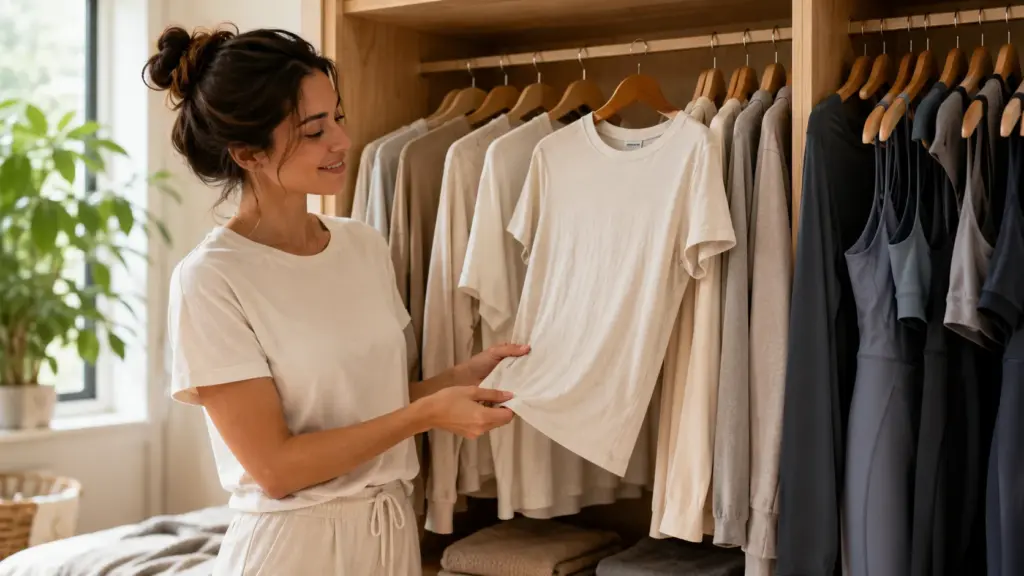
Wanneer moet ik kiezen voor katoen, een mix van beide of een synthetische stof?
Ik vind niet dat kopers voor elk kledingstuk voor katoen zouden moeten kiezen. Dat is te simpel. Katoen heeft veel voordelen, maar polyester, nylon, Ook rayon, viscose, spandex en mengsels hebben hun waarde. De juiste stof hangt af van de klant, het seizoen, het ontwerp, het budget en de waseisen. Voor alledaagse basics wint katoen vaak, omdat het natuurlijk aanvoelt. Voor sportkleding droogt een synthetische mix mogelijk sneller en rekt beter. Voor modieuze jurken kunnen katoenmengsels de valling verbeteren en kreukels verminderen.
| Stofkeuze | Optimaal gebruik | Hoofdrisico |
|---|---|---|
| 100% katoen | T-shirts, pyjama's, babykleding, casual tops | Krimping en rimpels |
| Katoen-spandex | Nauwsluitende topjes, leggings, ondergoed | Elastische herstelcontrole |
| Katoen-polyester | Sweatshirts, uniformen, voordelige basiskleding | Minder natuurlijk aanvoelen |
| Polyester | Sportkleding, bovenkleding, sneldrogende artikelen | Problemen met hitte en geur |
| Katoen-linnen | Zomerjurken en -shirts | Rimpels en hogere kosten |
Mijn ervaring is dat het beste antwoord niet altijd "puur katoen" is. Het beste antwoord is "het juiste katoen". Een T-shirt van 100%-katoen met slechte garens kan er na het wassen goedkoop uitzien. Een katoen-polyester sweatshirt met een goede borsteling kan warm en comfortabel aanvoelen. Een ribgebreide top van katoen-spandex kan beter zitten dan een top van puur katoen. Daarom vraag ik inkopers om eerst de doelgroep te definiëren. Een 50-jarige ondernemer zoals Maria hecht misschien waarde aan kwaliteit, prijs, certificaten en levering. Haar klant hecht misschien waarde aan comfort en stijl. Ik moet aan beide behoeften voldoen. Goede inkoop gaat niet alleen over de naam van de stof. Het gaat om de eigenschappen van de stof.
Waar wordt katoen naast kleding nog meer voor gebruikt?
Sommige kopers denken dat katoen alleen voor T-shirts betekent. Deze opvatting beperkt de productideeën en maakt de collectie minder flexibel.
Katoen wordt voor meer gebruikt dan alleen kleding. Het wordt ook gebruikt voor huishoudtextiel, handdoeken, beddengoed, tassen, medische benodigdheden, industriële stoffen, garen en andere textielproducten. Dit brede gebruik toont de sterkte, het absorptievermogen en het vertrouwen dat katoen in de markt geniet.

Waarom worden er zoveel producten gemaakt van katoenbollen?
Als ik katoenbollen zie, zie ik niet alleen grondstof. Ik zie talloze mogelijke producten. Katoen kan tot garen gesponnen worden, tot jersey gebreid, tot denim geweven, tot fleece geborsteld of tot woonaccessoires verwerkt. Daarom is de vraag "waar wordt katoen nog meer voor gebruikt, behalve voor kleding?" zo nuttig voor inkopers. Het helpt hen na te denken over productuitbreiding. Een mode-inkoper kan beginnen met jurken en T-shirts. Later kan ze tassen, pyjama's, badjassen, handdoeken of cadeausets met woonaccessoires toevoegen.
| Katoengebruik | Voorbeelden van producten | Zakelijke betekenis |
|---|---|---|
| Kleding | T-shirts, jurken, jeans, hoodies | Belangrijkste mode-uitverkoop |
| Huishoudtextiel | Beddengoed, handdoeken, gordijnen | Extra lifestyle categorie |
| Tassen | Canvas draagtassen en modieuze tassen | Eenvoudig product onder eigen label |
| Medisch textiel | Gaas en verbanden | Geeft de absorptiewaarde weer |
| Industriële textielproducten | Draad, zeilen, werkstof | Toont de duurzaamheidswaarde aan |
Dit brede gebruik verklaart mede waarom katoen zo'n gunstige invloed heeft op verschillende markten. Kopers in Nederland, Denemarken, België, Noorwegen, het Verenigd Koninkrijk, de VS, Duitsland, Australië, Thailand, Turkije, Italië, Rusland en Saoedi-Arabië kopen misschien niet allemaal dezelfde kledingstijlen. Toch begrijpen ze allemaal wat katoen inhoudt. Een katoenen zomerjurk verkoopt misschien goed in de ene markt. Een katoenen fleece hoodie verkoopt misschien goed in een andere. Een programma met bijpassende katoenen kerstpyjama's voor het hele gezin kan voor winkelketens vóór de feestdagen een succes zijn. Het product verandert, maar het vertrouwen in de stof blijft. Dat is een sterke reden om katoen in een inkoopstrategie te behouden.
Hoe kunnen inkopers fouten voorkomen bij het inkopen van katoenen kleding?
Katoen klinkt eenvoudig, dus sommige kopers slaan de controles over. Vervolgens krijgen ze te maken met krimp, kleurproblemen, late levering of valse certificaten.
Kopers moeten fouten bij de inkoop van katoen voorkomen door de samenstelling van de stof, het gramgewicht (GSM), de krimp, de kleurechtheid, de textuur, de stiksels, de certificaten, de verpakking en het leveringsschema te controleren. Goede leveranciers moeten duidelijke monsters, eerlijke documenten en stabiele communicatie leveren voordat de massaproductie van start gaat.
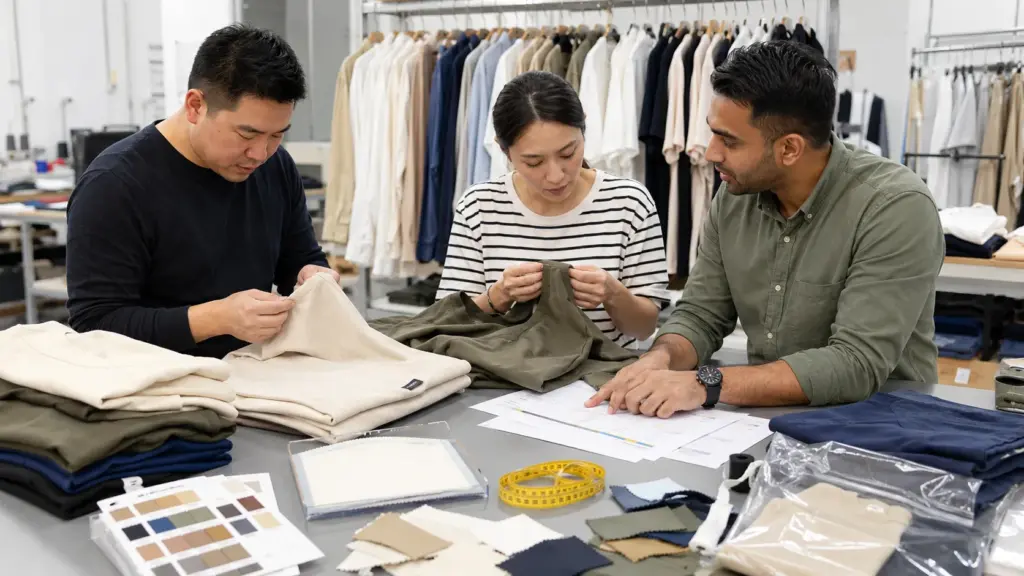
Wat moet ik controleren voordat ik een grote bestelling plaats?
Ik heb geleerd dat de inkoop van katoen duidelijke stappen vereist. Een leverancier kan een prachtig staaltje sturen, maar massaproductie kan nog steeds misgaan als de koper niet alle details vastlegt. Ik adviseer altijd om de samenstelling van de stof, het stofgewicht, de kleurstandaard, de printmethode, de maattabel, de krimpfactor, de labelpositie, de verpakkingswijze en de inspectieregels te bevestigen voordat de bestelling wordt geplaatst. Dit is geen tijdrovende klus, maar risicobeheersing.
| Controleer het item | Wat ik vraag | Waarom het de koper beschermt |
|---|---|---|
| Stofsamenstelling | Testrapport of lab dip-registratie | Vermijd verkeerde composities. |
| GSM | Goedgekeurd staaltje | Controle over het gevoel in de hand en de kosten |
| Krimp | Wastest | Voorkom klachten over de maat. |
| Kleurechtheid | Laboratoriumtest of interne test | Verminder het risico op verkleuring |
| Certificaat | Geldig document en reikwijdte | Vermijd het risico van een vals certificaat. |
| Leveringsplan | Productietijdlijn | Mis het verkoopseizoen niet! |
Ik houd ook het zoekgedrag van online zoekwoorden in de gaten, omdat dat me vertelt hoe kopers zoeken. Sommige mensen typen 'katoen', 'katoenen kleding', 'katoenstof' of 'katoenen hoodies'. Andere, niet-gerelateerde zoekopdrachten zoals 'Cotton Candy Sky lyrics' of 'Cotton Candy Slush' bevatten weliswaar het woord 'katoen', maar hebben niets te maken met de inkoop van kleding. Voor mijn eigen productpagina's wil ik gefocust blijven. Ik gebruik de juiste productzoekwoorden, zoals 'katoenen kleding', 'voordelen van katoen', 'goede eigenschappen van katoen' en 'katoenstof'. Dit helpt serieuze kopers de juiste informatie te vinden. Goede SEO moet de juiste koper aantrekken, niet alleen meer bezoekers.
Conclusie
Katoenen kleding blijft waardevol omdat het comfort, vertrouwen en flexibele productopties biedt. Ik zie het nog steeds als een slimme basis voor groothandelsprogramma's in de modebranche.
Ben je klaar om katoenen kleding voor jouw merk in te kopen?
Als u op zoek bent naar betrouwbare leveranciers van katoenen kleding in China, kan ik u helpen bij het ontwikkelen van private label- en groothandelsproducten met duidelijke stofcontrole, stabiele kwaliteit en OEM/ODM-ondersteuning. Bij Truekung produceren we modieuze dameskleding, T-shirts, hoodies, jurken, jeans, pyjama's, jassen, kinderkleding en meer voor merken en supermarkten over de hele wereld.
U kunt rechtstreeks contact met mij opnemen via [email protected], of bezoek https://truekung.com Om meer te weten te komen over onze diensten op het gebied van kledingproductie.
Weergaven: 96