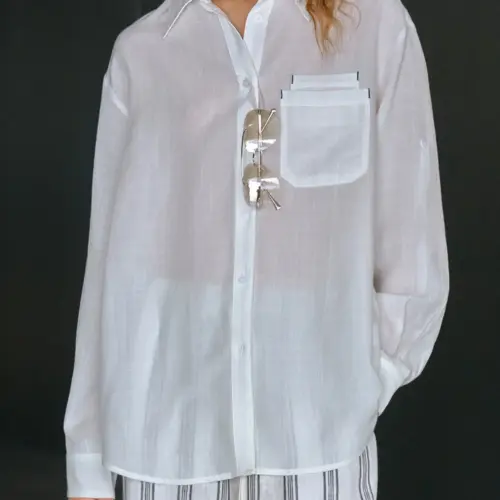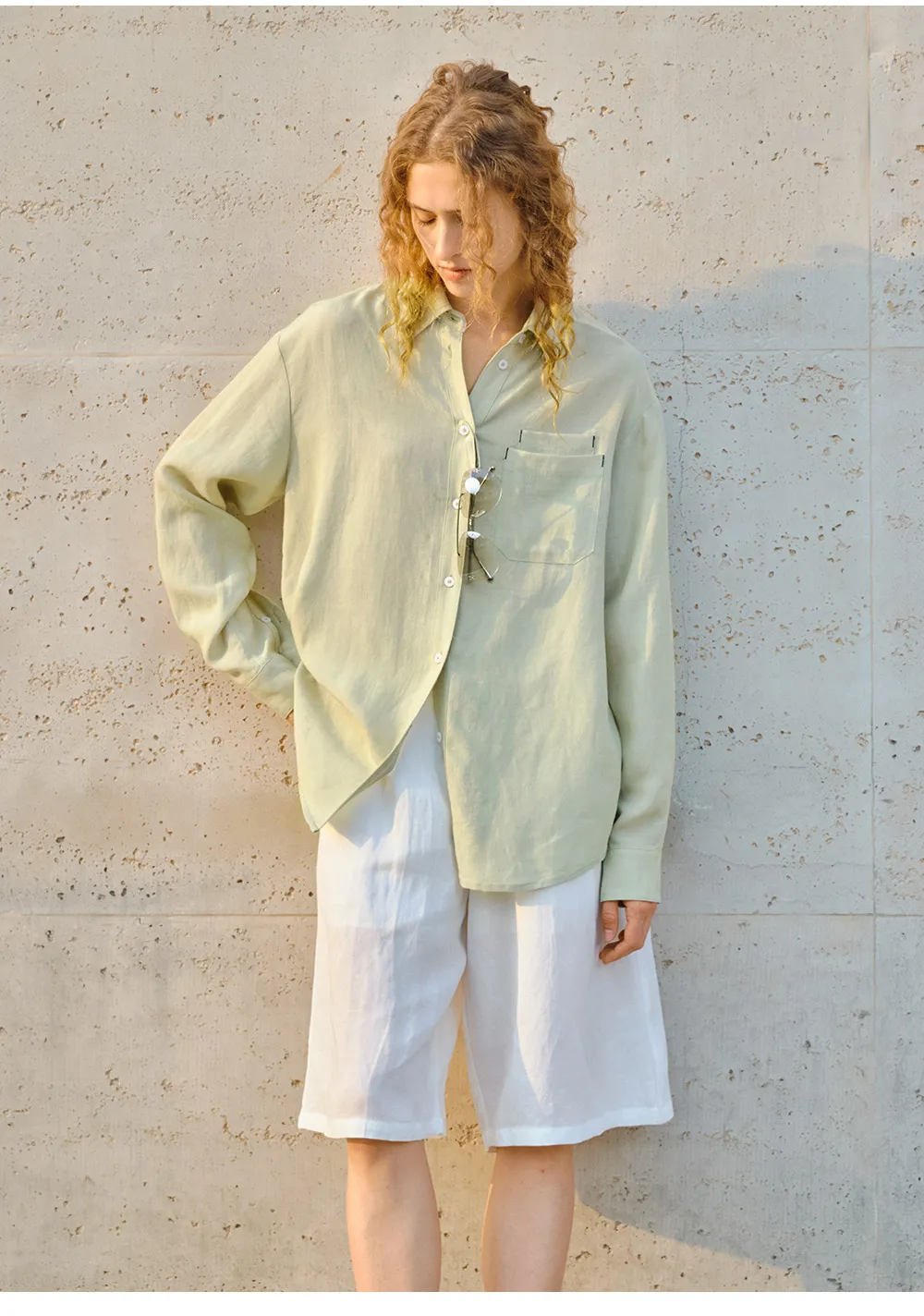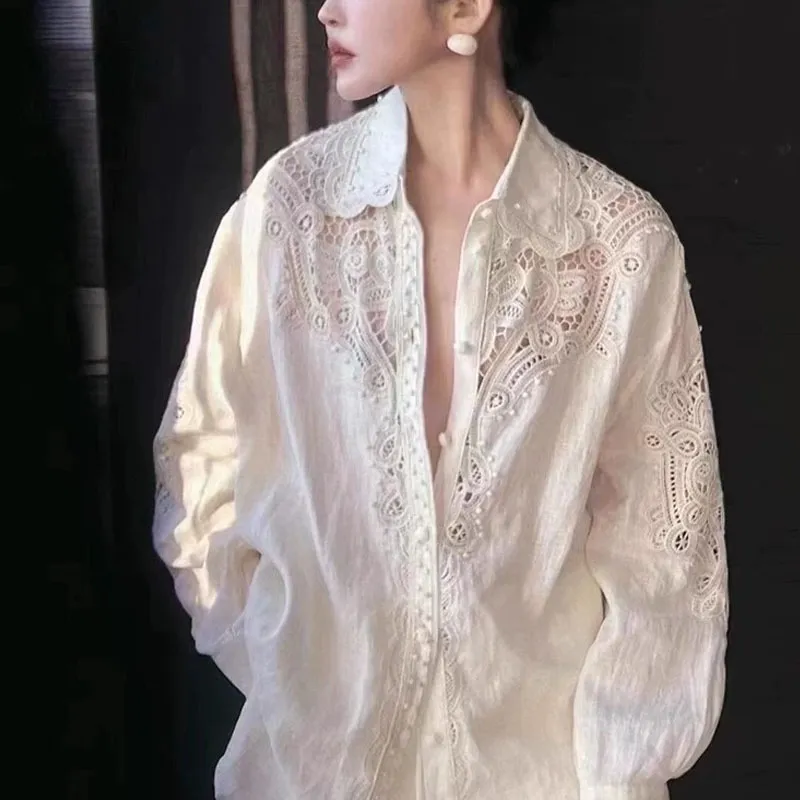

貧しい ファブリック 選択肢の少なさが、優れたデザインを台無しにしてしまうことがあります。見た目は良かったものの着心地が悪かったために、リピート注文を失った顧客を私は見てきました。.
綿素材の衣類は、肌触りが柔らかく、通気性に優れ、吸湿性があり、様々な日常着に合うため、多くの利点があります。購入者にとっても、綿素材の衣類はスタイリングのしやすさ、顧客の快適性の向上、そしてTシャツ、ワンピース、パーカー、パジャマ、ジーンズ、子供服など、年間を通して安定した売上を支えるというメリットがあります。.

多くのバイヤーから、市場には新しい生地が数多くあるのに、なぜ綿の衣料品は依然としてよく売れるのかと尋ねられます。その疑問はよく理解できます。毎シーズン、新しい混紡素材、新しい仕上げ、新しいブランド名が登場します。それでも、ブランドオーナー、スーパーマーケットのバイヤー、プライベートブランドの担当者と話をしていると、同じ懸念をよく耳にします。彼らは、顧客が信頼できる生地を求めているのです。綿は、その信頼をシンプルな方法で提供します。多くを説明する必要はありません。人々はその肌触りを知っています。快適さを知っています。洗濯方法も知っています。だからこそ、私は今でも綿生地を多くのアパレル事業にとって最も安全な選択肢の一つとして考えているのです。.
綿の服はなぜあんなに着心地が良いのでしょうか?
着心地の悪い服は、ひっそりと不満を生む。顧客は商品を返品しないかもしれないが、二度と同じブランドの服を買わないかもしれない。.
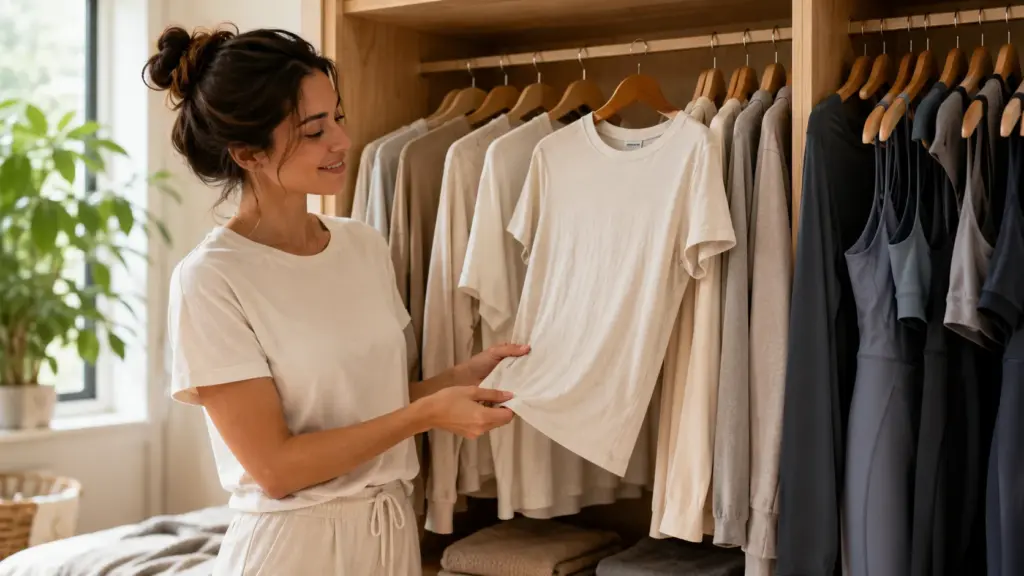
綿素材の衣類は、綿繊維が本来柔らかく、通気性と吸湿性に優れているため、着心地が良いのが特徴です。肌に触れる感触も優しく、普段着、パジャマ、子供服、下着、Tシャツ、ワンピース、パーカーなど、様々な用途に適しています。.

柔らかな手触りを生み出すものは何ですか?
綿のサンプルをチェックする際、私は特に手触りを重視します。バイヤーはまず価格について話すかもしれませんが、最終的な顧客は最初に衣服に触れます。これは重要な点です。綿には、馴染みのある自然な柔らかさがあります。冷たくもプラスチックのような感触でもありません。ドライで清潔感があり、肌に優しい感触です。これが、オンライン検索でスペルミスをする人がいても、綿の服が今でもよく売れる主な理由の一つです。.
| コットンの特徴 | 顧客が感じるもの | ブランドにとってなぜ重要なのか |
|---|---|---|
| 柔らかい繊維 | 優しいタッチ | より良い第一印象 |
| 通気性のある構造 | べたつき感が少ない | 夏の快適さをさらに向上 |
| 吸湿性 | 乾燥した肌触り | 日常使いに最適 |
| 自然な見た目 | より信頼性の高い生地画像 | より分かりやすい製品ストーリー |
工場での仕事を通して、Tシャツ、ワンピース、パジャマ、子供服などでこのことをはっきりと実感してきました。バイヤーは色、プリント、柄、ラベルを変更できますが、それでも基本的な着心地の良さが顧客のリピート購入を左右します。綿はあらゆる製品の問題を解決するわけではありません。厚手の綿ジャージーは夏には暑すぎるかもしれません。弱い糸は予想以上に早く毛玉ができる可能性があります。染色の失敗も価値を損なう可能性があります。ですから、生地の重さ、糸の番手、縮み、染色堅牢度、縫製品質を確認せずに「綿は良い」と言うことは決してありません。良質な綿製品は、良質な繊維と優れた生産管理の両方から生まれるのです。.
綿素材の衣類にはどのような健康上の利点がありますか?
写真ではおしゃれに見える服でも、実際に着てみると肌に刺激を与えることがあります。これは、赤ちゃん、女性、敏感肌の方にとって深刻な問題となります。.
綿素材の衣類が持つ健康上の利点は、着心地の良さ、通気性、そして肌への摩擦が少ないことにあります。綿は、特に下着、パジャマ、ベビー服、夏物トップス、そして体にフィットする衣類など、より柔らかな肌触りの生地を求める人に最適です。.

綿はなぜ敏感肌に適しているのでしょうか?
私は綿を医薬品として販売しているわけではありません。それは間違っています。衣服は医療の代わりにはなりません。しかし、生地の選択は日々の快適さに影響を与えると私は考えています。粗い、暑い、またはべたつく衣服が苦手な人にとって、綿は多くの場合より良い選択肢です。生地が長時間肌に触れると、小さな不快感が大きな問題になることがあります。そのため、体に密着する製品には、綿または綿混紡の生地をお勧めします。.
| 衣服の種類 | 綿が役立つ理由 | 大量注文前に私が確認すること |
|---|---|---|
| 下着 | 柔らかな肌触りと通気性 | 縫い目、ゴム、縮み |
| パジャマ | 快適な睡眠感 | 染料の安全性、洗濯安定性 |
| ベビーウェア | 肌に優しく触れる | 生地の表面とラベル |
| 夏用Tシャツ | 空気の流れが良くなる | GSMと色堅牢度 |
| 綿素材の家族お揃いクリスマスパジャマ | 柔らかな着心地のファミリーウェア | サイズ範囲と印刷品質 |
私はバイヤーに「コットン」という言葉だけにとらわれず、その先を見据えるようアドバイスしています。タグには「algodon cotton」と書かれているかもしれませんが、これは単にスペイン語で綿を意味する言葉です。本当に重要なのはラベルの表記ではなく、生地の組成、試験報告書、そして製造工程です。ロシアのマリアさんをはじめ、プライベートブランド製品を扱うバイヤーの方々には、「100%コットン」とだけ書いてあるという理由だけで仕入れ先を選ぶことは決して勧めません。組成試験、縮み試験、洗濯方法、そして明確なサンプル承認を求めるべきです。快適さは約束するだけでなく、実際に証明されなければなりません。.
卸売業者にとって綿花の主な利点は何ですか?
製品の使い心地が良くても、ビジネスアイテムとして失敗する可能性はあります。購入者は、快適さ、安定した価格、使いやすいデザイン、そして確実なリピート注文を求めているのです。.
卸売業者にとって綿製品の主な利点は、幅広い市場での認知度、容易なカスタマイズ性、豊富な生地の種類、そして季節を問わず使用できる汎用性の高さです。綿素材の衣料品は、Tシャツ、パーカー、ワンピース、ジーンズ、パジャマ、子供服、そしてベーシックなファッションアイテムなど、OEMおよびODMプログラムに対応しています。.

綿花はプライベートブランド製品の生産をどのように支えているのか?
綿素材は、バイヤーに多様な製品展開の可能性を与えてくれるので、私は綿が好きです。シンプルな綿Tシャツは、スーパーマーケットの定番商品になります。厚手のフレンチテリーは、綿のパーカー(正しく表記すれば綿のフーディー)になります。綿のポプリンは、シャツやワンピースに。綿のツイルは、ズボン、ジャケット、ワークウェア風のファッションアイテムに。綿のデニムは、ジーンズ、スカート、カジュアルジャケットに。このように幅広い素材展開ができることで、バイヤーは信頼できる一つの生地ファミリーで、コレクション全体を計画することができます。.
| 製品の方向性 | 綿生地の選択 | 共通の購入者の目標 |
|---|---|---|
| Tシャツ | シングルジャージ | 大量販売 |
| パーカー | フレンチテリーまたはフリース | カジュアルな冬季プログラム |
| ドレス | ポプリン、ボイル、またはジャージー | ソフトファッションスタイル |
| ジーンズ | コットンデニム | 耐久性のある日常使い |
| パジャマ | インターロックまたはジャージー | 心地よい家庭の快適さ |
| 子供服 | ジャージーまたはリブ | 安全で簡単な移動 |
B2B取引においても、綿素材はコミュニケーションを容易にします。検索語句の書き方が異なっていても、ほとんどのバイヤーは綿生地、綿織物、綿衣料といった用語を既に理解しています。サプライヤーは、生地見本、GSM(グラム/平方メートル)、カラーカード、仕上げオプション、印刷方法などを提示できます。バイヤーは価格と品質を明確に比較できるため、ミスを減らすことができます。ただし、綿の価格は糸市場の状況によって変動する可能性があることを常にバイヤーに伝えています。また、綿は合成繊維よりも縮みやすい場合があることも伝えています。そのため、量産前にパターン開発と洗濯テストを行う際に、縮み分を考慮に入れています。この手順により、納品品質が維持され、アフターサービスにおけるトラブルも軽減されます。.
日常着には、合成繊維よりも綿の方が適しているのでしょうか?
多くの合成繊維は見た目が滑らかで価格も安い。しかし、生地の価格が安くても、着心地が気に入らなければ結局高くつくことになる。.
綿は肌触りが柔らかく、吸湿性に優れ、より自然な着心地が得られるため、日常着には最適です。一方、合成繊維は伸縮性、速乾性、コスト削減といった点でスポーツウェアに適しています。したがって、最適な素材は製品の用途によって異なります。.
綿、混紡、合成繊維のどれを選ぶべきでしょうか?
購入者はすべての衣類に綿を選ぶべきだとは思いません。それは単純すぎます。綿には綿の多くの利点がありますが、 ポリエステル, ナイロン, レーヨン、ビスコース、スパンデックス、そしてそれらの混紡素材にも価値があります。適切な生地は、顧客、季節、デザイン、価格帯、洗濯の必要性によって異なります。普段着には、自然な肌触りのコットンが選ばれることが多いです。アクティブウェアには、速乾性と伸縮性に優れた合成繊維混紡素材が適している場合があります。ファッションドレスには、ドレープ性を高め、シワを軽減するコットン混紡素材が適しています。.
| 生地の選択 | 最適な使用方法 | 主なリスク |
|---|---|---|
| 100% コットン | Tシャツ、パジャマ、ベビー服、カジュアルトップス | 縮みとシワ |
| 綿とスパンデックスの混紡素材 | 体にフィットするトップス、レギンス、下着 | 弾性回復制御 |
| 綿ポリエステル | スウェットシャツ、ユニフォーム、お買い得なベーシックアイテム | 自然な手触りが失われる |
| ポリエステル | スポーツウェア、アウターウェア、速乾性アイテム | 熱と臭いに関する懸念 |
| コットンリネン | 夏のワンピースとシャツ | しわや高コスト |
私の経験上、最良の答えは必ずしも「純綿」ではありません。最良の答えは「良質な綿」です。糸の質が悪い100%コットンTシャツは、洗濯後に安っぽく見えてしまうことがあります。起毛の良い綿ポリエステル混紡のスウェットシャツは、暖かく安定感のある着心地です。綿スパンデックス混紡のリブ編みトップスは、普通の綿よりもフィット感が良い場合があります。だからこそ、私はバイヤーにまずターゲット顧客を明確にするようお願いしているのです。マリアのような50歳の会社経営者は、品質、価格、認証、納期を重視するかもしれません。一方、彼女の顧客は快適さとスタイルを重視するかもしれません。私は両方のニーズを結びつけなければなりません。優れた調達とは、単に生地の名前を知ることだけではありません。生地の性能こそが重要なのです。.
綿は衣類以外にどのような用途に使われていますか?
一部のバイヤーは、綿というとTシャツしか思い浮かばない。このような考え方は商品アイデアを制限し、コレクションの柔軟性を損なう。.
綿は衣類以外にも、家庭用繊維製品、タオル、寝具、バッグ、医療用品、工業用繊維、糸、その他の繊維製品など、幅広い用途に使用されています。この幅広い用途は、綿の強度、吸湿性、そして市場からの信頼の高さを物語っています。.

なぜ綿花はこれほど多くの製品に加工されるのでしょうか?
綿花を見ると、私は単なる原材料として見るのではなく、様々な製品の可能性を思い描きます。綿は糸に紡いだり、ジャージー生地に編んだり、デニム生地に織ったり、フリースに起毛させたり、家庭用品に加工したりできます。だからこそ、「綿は衣料品以外に何に使われているのか」という問いは、バイヤーにとって有益なのです。製品展開を考える上で、この問いは役立ちます。ファッションバイヤーであれば、まずドレスやTシャツから始め、後からバッグ、パジャマ、ローブ、タオル、あるいは家庭用品のギフトセットなどを追加していくかもしれません。.
| 綿の使用 | 製品例 | ビジネスの意味 |
|---|---|---|
| 衣服 | Tシャツ、ワンピース、ジーンズ、パーカー | 主なファッション販売 |
| ホームテキスタイル | 寝具、タオル、カーテン | その他のライフスタイルカテゴリー |
| バッグ | キャンバストートバッグとファッションバッグ | 簡単にプライベートブランド商品として販売できる |
| 医療用繊維 | ガーゼと包帯 | 吸水値を示す |
| 工業用繊維 | 糸、防水シート、作業用布 | 耐久性を示す |
この幅広い用途は、綿が多様な市場で恩恵をもたらす理由を説明する一助にもなります。オランダ、デンマーク、ベルギー、ノルウェー、イギリス、アメリカ、ドイツ、オーストラリア、タイ、トルコ、イタリア、ロシア、サウジアラビアのバイヤーは、必ずしも同じスタイルの商品を購入するわけではありません。しかし、彼らは皆、綿という素材を理解しています。ある市場では綿のサマードレスがよく売れるかもしれません。別の市場では綿のフリースパーカーがよく売れるかもしれません。クリスマスシーズン前に、家族でお揃いの綿のパジャマを販売するキャンペーンは、小売チェーンにとって効果的かもしれません。商品は変わっても、綿という素材への信頼は変わりません。これが、綿を調達計画に組み込むべき強力な理由です。.
綿製品衣料の仕入れにおいて、バイヤーはどのようなミスを避けるべきか?
綿は単純な素材のように思えるため、一部のバイヤーは品質チェックを怠る。その結果、縮み、色ムラ、納期遅延、偽造証明書といった問題に直面することになる。.
バイヤーは、綿の調達ミスを避けるため、生地組成、GSM(グラム/平方メートル)、縮率、染色堅牢度、手触り、縫製、証明書、包装、納期などを確認すべきです。優良なサプライヤーは、量産開始前に明確なサンプル、誠実な書類、そして安定したコミュニケーションを提供しなければなりません。.
大量注文をする前に確認すべきことは何ですか?
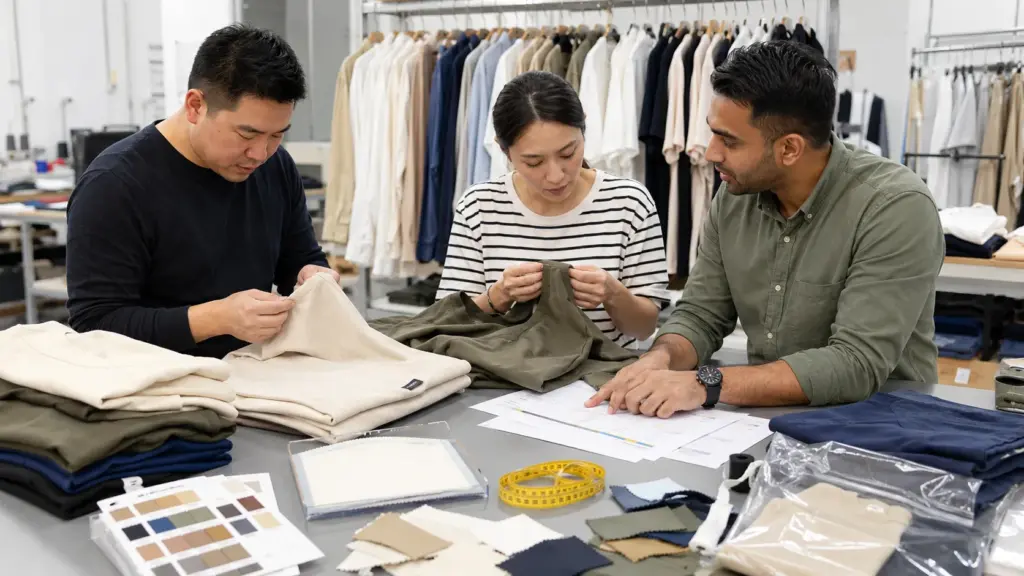
綿花の調達には明確な手順が必要だと学びました。サプライヤーは美しいサンプルを送ってくるかもしれませんが、買い手が細部まで確認しなければ、量産で問題が発生する可能性があります。注文開始前に、生地の組成、重量、色基準、印刷方法、サイズ表、縮率、ラベルの位置、梱包方法、検査基準などを確認することを常にお勧めします。これは時間のかかる作業ではなく、リスク管理なのです。.
| 確認項目 | 私が求めるもの | なぜそれが購入者を保護するのか |
|---|---|---|
| 生地の含有量 | 検査報告書またはラボディップ記録 | 間違った構成を避ける |
| GSM | 承認済み見本 | 手の感触とコストをコントロール |
| 収縮 | 洗濯テスト | サイズに関する苦情を避ける |
| 色堅牢度 | 臨床検査または内部検査 | 色あせのリスクを軽減 |
| 証明書 | 有効な文書と範囲 | 偽造証明書のリスクを回避する |
| 配送計画 | 制作スケジュール | セールシーズンを逃さないように |
私はオンラインでのキーワード検索行動も観察しています。なぜなら、それは購入者がどのように検索しているかを教えてくれるからです。中には「cottonm」「cotton cloting」「cottonfabric」「cotton hoddies」などと入力する人もいます。「cotton candy sky lyrics」や「cotton candy slush」のように「cotton」という単語を含むものの、アパレルの調達とは全く関係のない検索もあります。私自身の製品ページでは、焦点を絞るようにしています。「cotton clothing」「vacancys of cotton」「cotton benefits」「cotton fabric」といった適切な製品キーワードを使用しています。これにより、真剣に購入を検討している購入者が適切な情報を見つけやすくなります。優れたSEOは、単に訪問者数を増やすだけでなく、適切な購入者を引き付けるはずです。.
結論
綿素材の衣料品は、着心地の良さ、信頼性、そして柔軟な商品展開といった点で、依然として高い価値を保っています。卸売ファッション事業の基盤として、綿素材は依然として賢明な選択肢だと考えています。.
自社ブランド向けに綿素材の衣料品を調達する準備はできていますか?
中国で信頼できる綿衣料品サプライヤーをお探しなら、生地管理の徹底、安定した品質、OEM/ODMサポートを備えたプライベートブランドや卸売スタイルの開発をお手伝いいたします。Truekungでは、世界中のブランドやスーパーマーケット向けに、ファッショナブルな婦人服、Tシャツ、パーカー、ドレス、ジーンズ、パジャマ、ジャケット、子供服などを製造しています。.
私への直接の連絡は、 [email protected], または、 https://truekung.com 当社の衣料品製造サービスについて詳しくはこちらをご覧ください。.
ビュー96