
What Are the Negatives of Compression Shorts?
You think compression shorts are all benefits? Many don’t realize they carry hidden downsides — skin irritation, restricted movement, poor fit — which often surprise wearers.
Compression shorts can cause chafing, restrict natural movement, lead to underwear discomfort, and trap heat or moisture, making them not always ideal.

Before you buy your next pair, it’s important to weigh the drawbacks carefully — because what seems like performance gear can sometimes backfire.
Do compression shorts cause irritation or chafing?
You strap into tight shorts hoping for support — then your thighs burn. Skin irritation is more common than people admit.
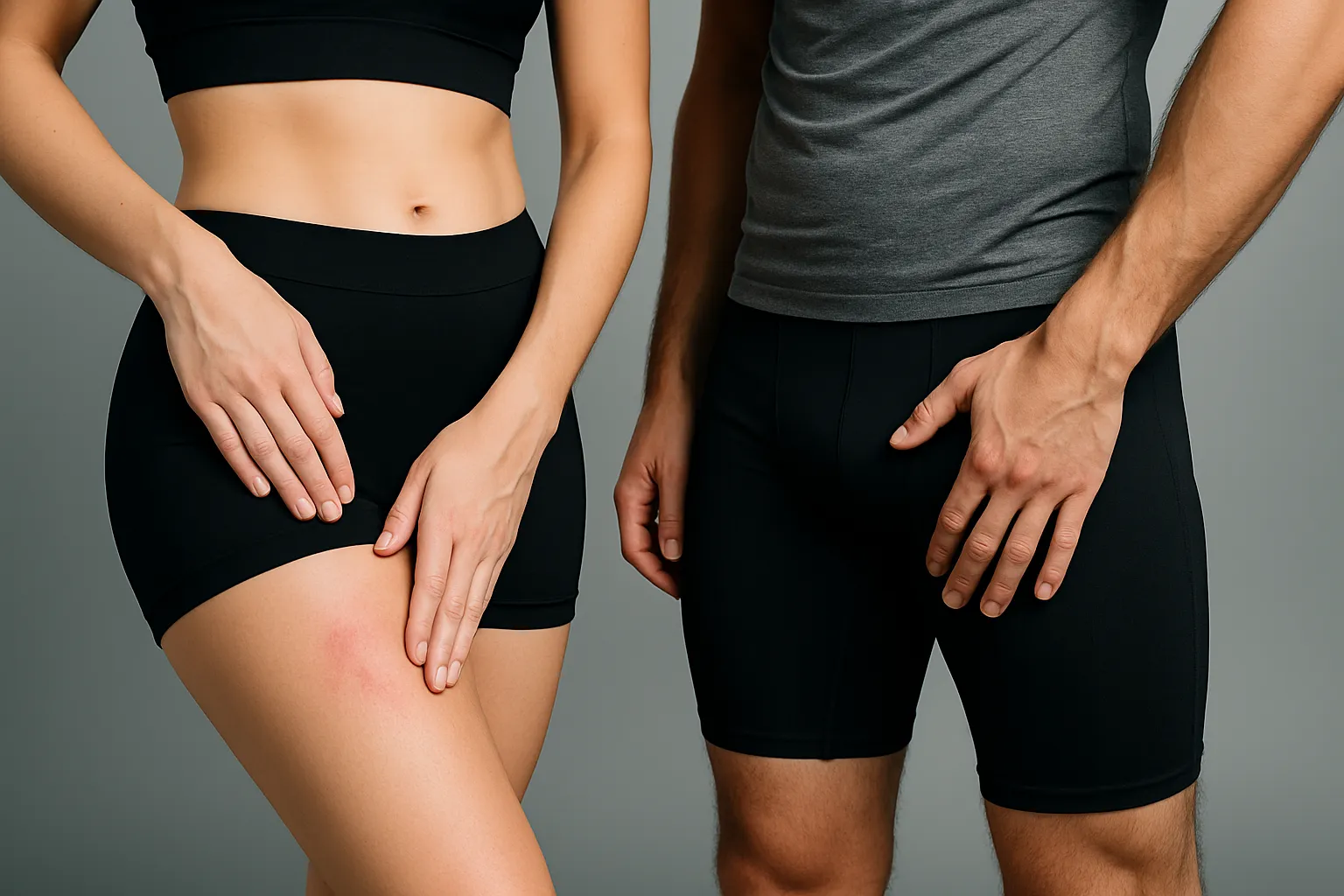
The tight fabric, seams, and constant rubbing can cause chafing, rashes, or hotspots — especially during long workouts or runs.
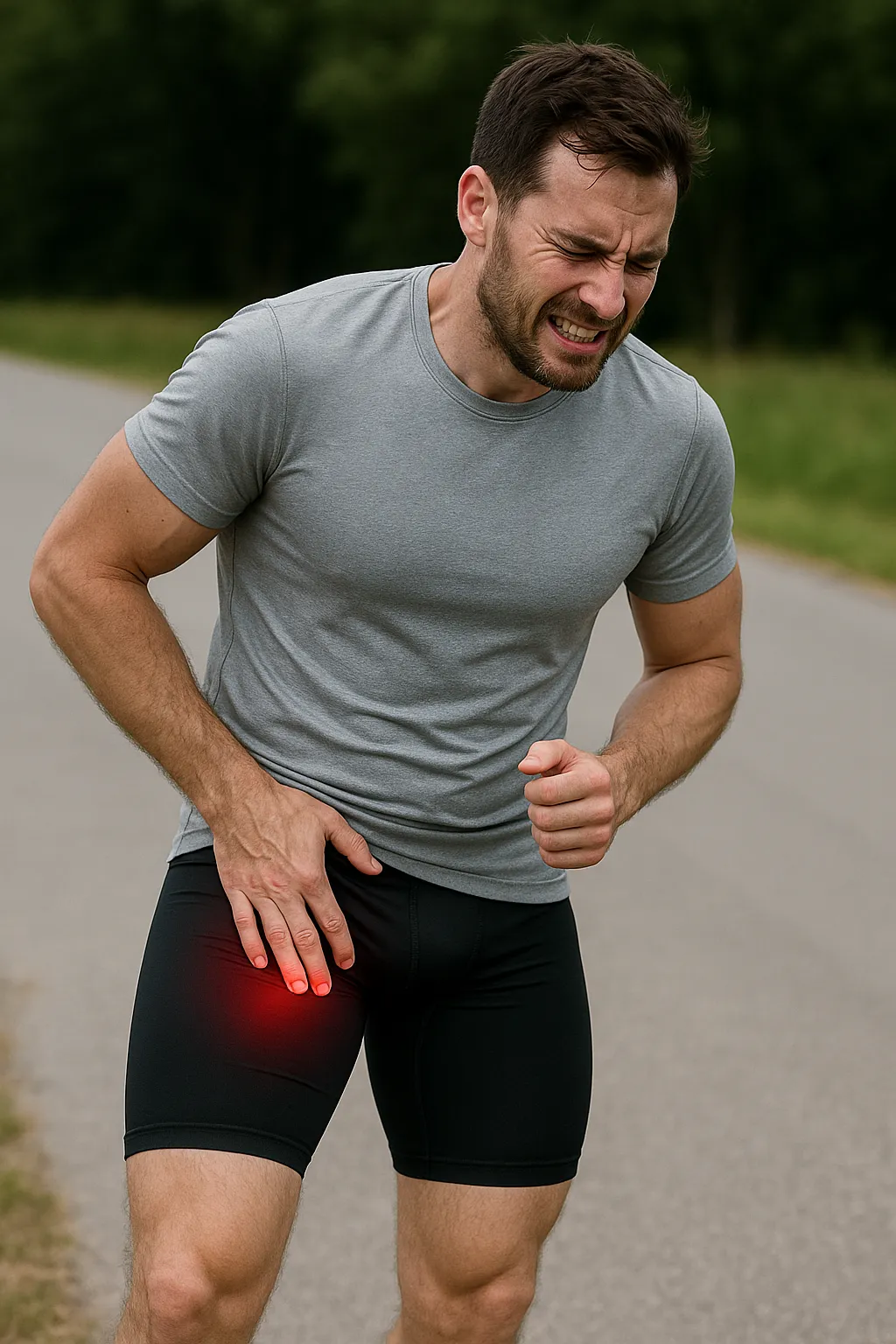
Compression shorts are meant to hug the muscles firmly. But that same snugness becomes a problem when seams or edges are rough. Over time, friction between the fabric and skin can break down the skin barrier, especially on the inner thighs or groin. When sweat, salt, or dust get trapped there, it worsens irritation. Women using short compression shorts womens or compression underwear women may feel it more if the waistband or leg cuffs dig in. Men wearing men’s compression shorts or mens compression underpants can get hotspots too, especially in the groin area. Also, if the shorts are too small or ride up, they worsen the rubbing. Some brands advertise seamless compression shorts, but cheaper versions still have edges. Even “moisture-wicking compression shorts” may fail to keep the area dry under heavy sweating.
Can compression shorts restrict movement or affect comfort?
You expect support, but sometimes you feel locked-in. That’s the catch.
Because they compress tightly, compression shorts can limit your full range of motion or feel uncomfortable during deep squats, lunges, or stretching.
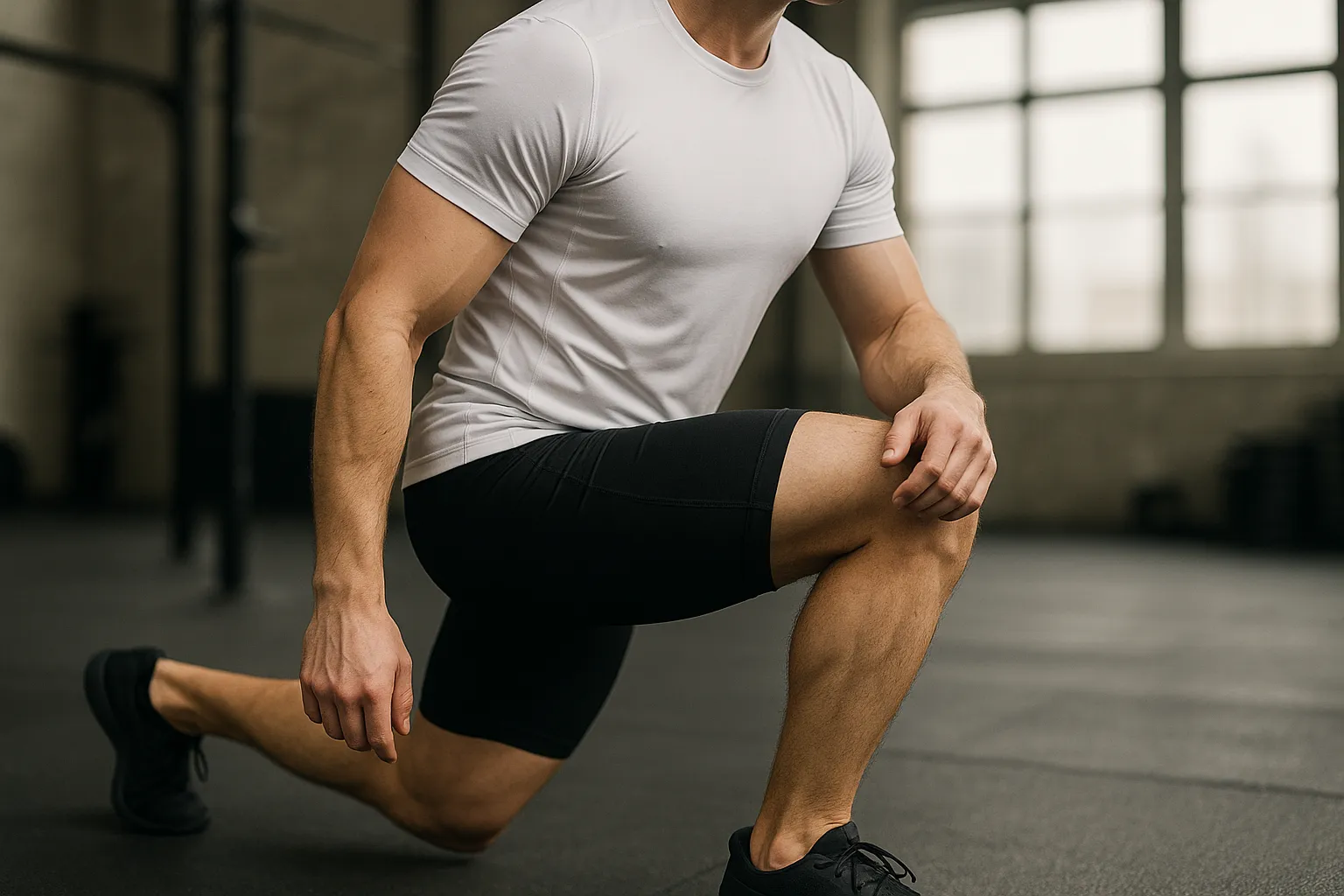
Compression gear is often used as a kind of support layer. But too much compression can backfire. When you squat, lunge, or do lateral movements, your muscles and joints need space to expand. If the fabric is too tight, it may pull or create tension. This is especially relevant for tightening shorts marketed to shape or firm. For men, male compression shorts may feel restrictive in the groin or hamstrings. Women in high waisted compression shorts can feel pressure on the abdomen when bending. Moreover, depending on fabric construction, the shorts might “ride up” or shift during movement, causing discomfort or needing adjustment mid-exercise. Some people feel a mild “squeeze” in adductor or glute areas, which distracts from performance. Also, if compression is uneven (strong in one area, weak in another), the pressure points can become sources of discomfort.
What about hygiene, odor, and heat management?
You sweat — and sometimes your gear works against you.
Compression shorts can trap heat and moisture, encouraging bacterial growth, unpleasant odors, and skin issues if not changed or washed frequently.
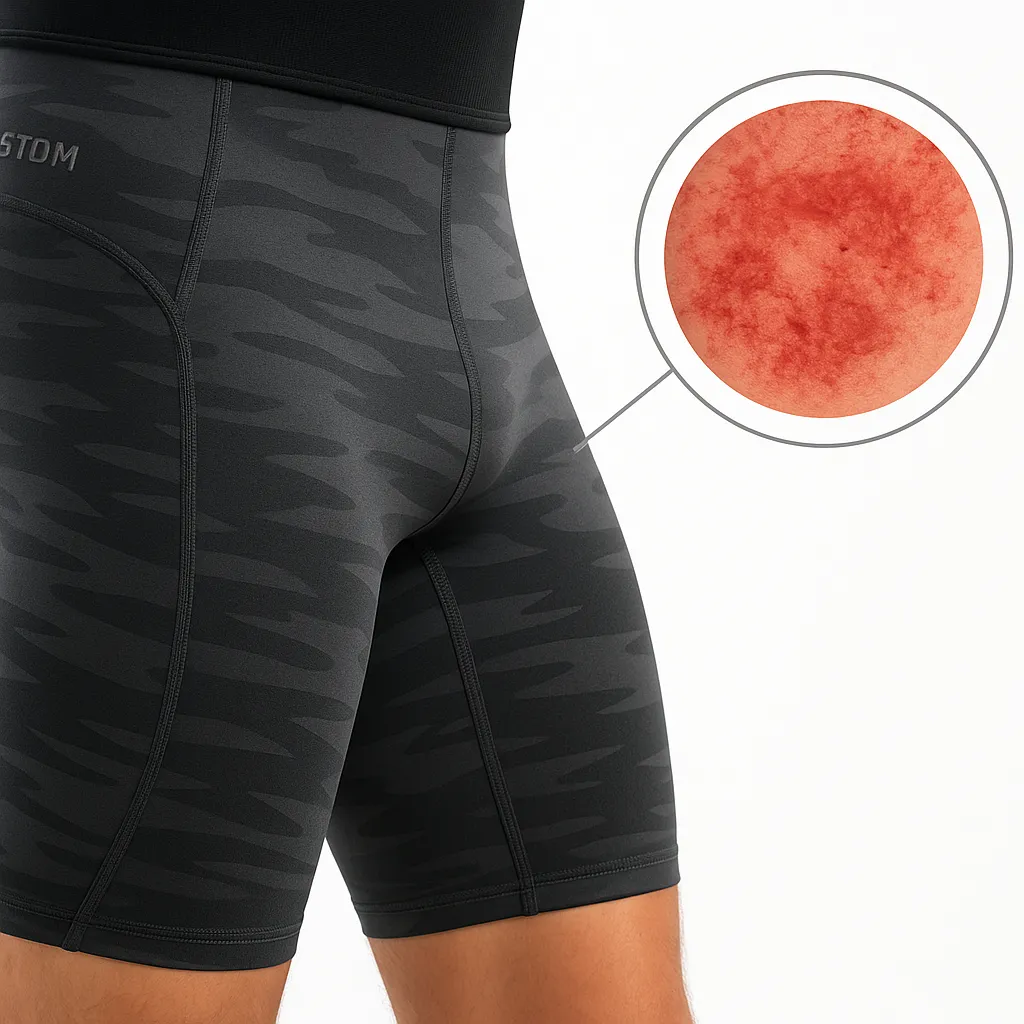
Tight-fitting clothing tends to reduce airflow. Even though many compression shorts for men or compression shorts for women claim moisture-wicking or breathable fabrics, when the shorts press firmly over your skin, there’s less air exchange. This can keep sweat and heat close to the body. Over time, that warm, moist environment becomes ideal for bacteria or fungi, increasing the risk of infections or odor. If you wear them for long durations or multiple days, the problem compounds. Some people notice discomfort in compression shorts for basketball or compression shorts running because they can’t vent heat or moisture fast enough. Also, if your laundering routine is inadequate (not washing clearly or drying fully), residual sweat can remain in the fabric, making future wear more problematic.
Do you need to wear underwear underneath — and is that a problem?
To underwear or not? That’s a question many avoid — yet it matters.
Wearing underwear under compression shorts may frustrate fit or cause bunching, while going without risks hygiene or irritation.
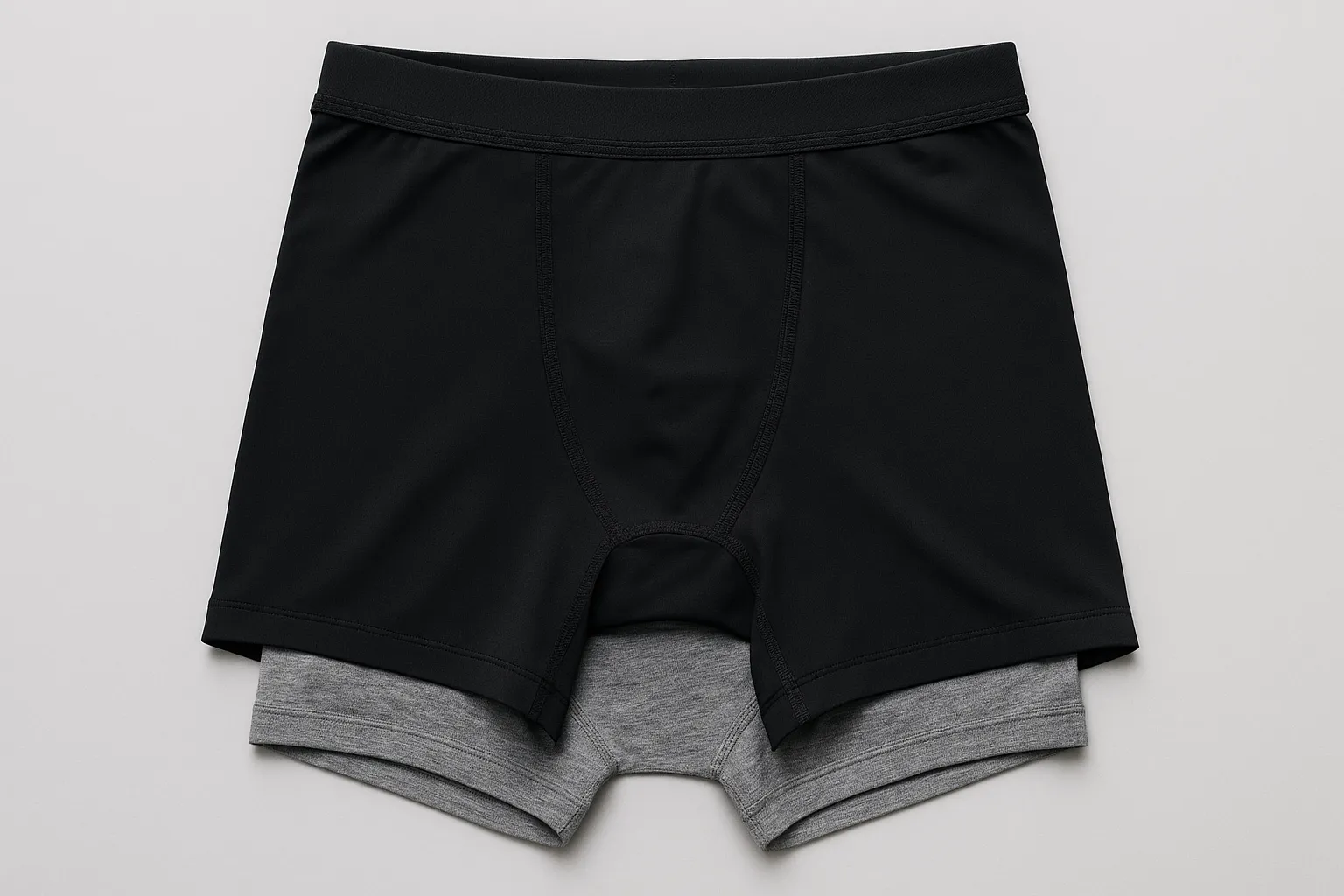
The question “do you wear underwear under compression shorts?” is debated. Some athletes do, for hygiene or modesty, others skip for comfort. If you wear underwear underneath, you add another layer, which can create seams or edges that rub. The compression shorts may compress that underlying layer, leading to folds, bunching, or pinching. For men especially, pairing form‑fitting underwear with mens compression shorts or compression boxer briefs can lead to friction in the crotch area. Conversely, wearing compression shorts alone puts all the load on their internal seams and panels. Cheap models with exposed stitching or rough inner edges may chafe your skin more. For women, compression underwear women or medical compression shorts women sometimes come with built-in liners, but if you add underwear, it may distort the fit. Some compression garments are designed as compression briefs or built like underwear — but mixing two such garments needs care.
What about sizing, durability, and cost issues?
You pick “your size,” but fit issues and wear-and-tear tell a harsher story.
Poor sizing, fabric fatigue, and high prices are real negatives — they might stretch out, tear, or cost more than their real value.
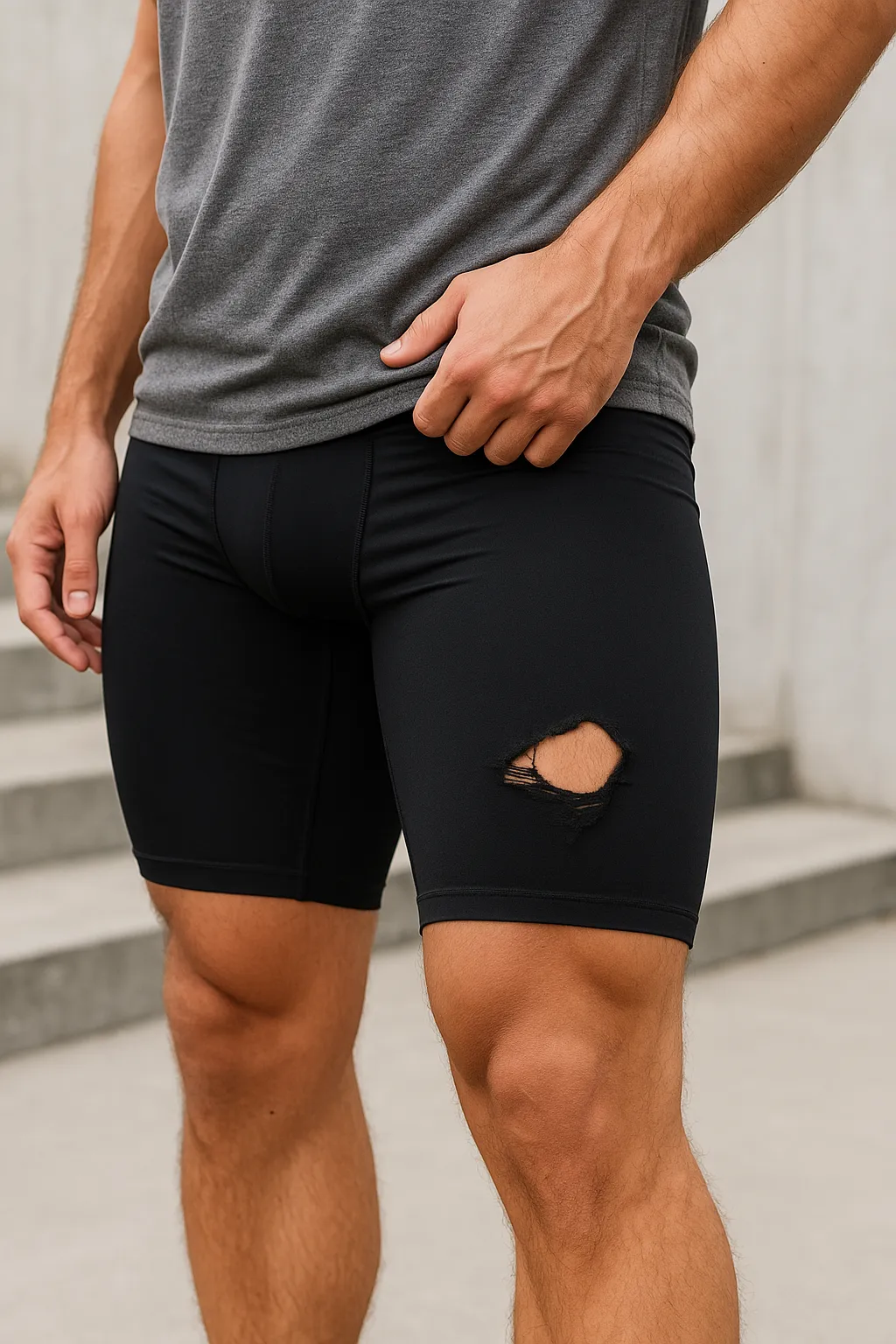
Compression shorts operate by elastic tension. Over time, through repeated wash cycles and stress, the elasticity degrades. That means the shorts lose their snug fit, reducing effectiveness and comfort. Many users complain the leg cuffs become loose, the waist sags, or seams loosen. Sizing is tricky: for example, mens high waisted compression shorts or those for plus size compression shorts might be harder to fit well. You may buy smaller to get compression — then it’s too tight. You buy larger — then they sag or slide. Also, high-quality compression garments often cost more due to specialty fabrics, brand claims, or engineered panels. If you go cheap, you risk poor stitching or fabric that pills or rips easily (especially at stress points like the crotch or seams). Lastly, if you want extras like compression shorts with cup, padded compression shorts basketball, or compression shorts with pockets, the cost and complexity go up — and some of those add-ons compromise fit or durability.
Are there specific issues for women or medical use?
Women and medical users may face unique side effects or limitations.
Pregnancy, sensitive areas, post‑surgery recovery, or lymphedema conditions demand care — compression shorts may not always be safe or comfortable.
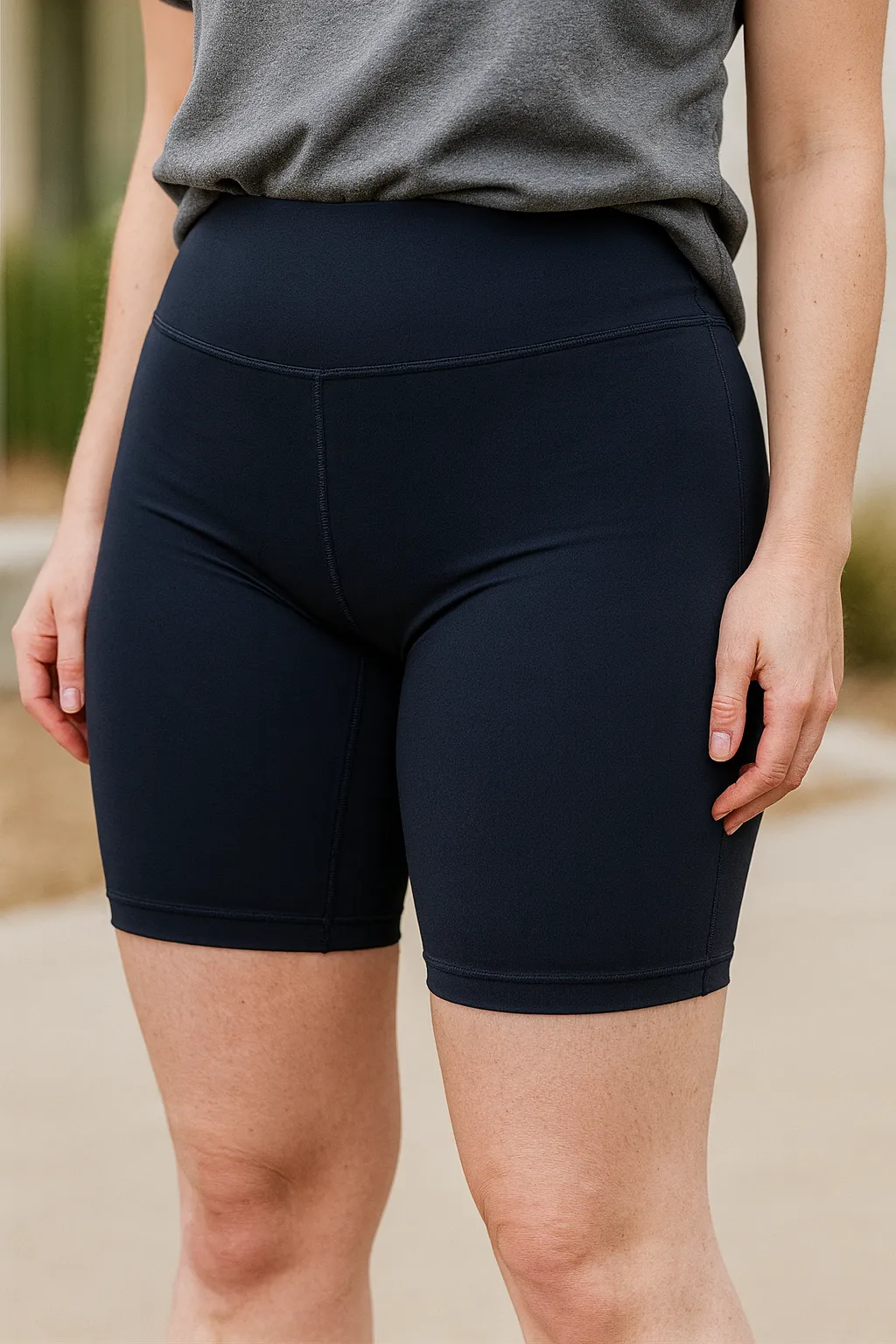
Women may find that standard compression shorts press on the pubic bone or pelvic rim during menstruation or postpartum. For medical compression shorts women or garments used post-surgery, too much pressure or improper design may hamper healing or cause swelling. In cases of lymphedema compression garments, sizing and precise pressure are critical — generic compression shorts risk creating pressure imbalances that worsen edema. Women with sensitive skin, vaginal irritation, or conditions such as yeast infections must be extra cautious about heat and moisture accumulation. Moreover, many compression shorts are not optimized for female pelvic anatomy — leading to pressure hotspots or awkward folds. If a woman wears compression shorts swimming, chlorine, saltwater and tight fabric combine to increase irritation risk in delicate areas.
Summing up the drawbacks
Compression shorts have real drawbacks — irritation, fit troubles, heat retention, and cost — so choose wisely, test carefully, and balance expectations.
| Negative | Why It Matters |
|---|---|
| Chafing, irritation | Tight fit, seams, friction |
| Movement restriction | Too much compression can feel “locked” |
| Heat, moisture, odor | Reduced airflow, sweat trapping |
| Underwear compatibility issues | Bunching or friction with layers |
| Durability & cost | Elasticity loss, tearing, high prices |
| Gender & medical risks | Pressure imbalance, anatomical issues |
Conclusion
Compression shorts are not perfect. They can irritate, restrict, overheat, or wear out quickly — you just need to know what to watch for.
Views: 477