The jeans look great, the price looks fair, but the truth behind the label feels foggy and risky.
Lucky Brand sits in mid-market casualwear. Many items feel affordable and trend-led, but the brand does not move at ultra-fast weekly cycles. I see it as mainstream, not luxury, with quality that varies by line and factory.

I wrote this for busy buyers who want direct answers. I keep it short, plain, and useful. I add a few stories from my own sourcing calls to show how I think. If you run a brand or a store, and you face pressure on price and timing, this is for you.
Is Lucky Brand fast fashion?
The promise looks easy. Prices sit under premium labels, styles rotate often, and sales push you to buy now. But speed can hide trade-offs and risk.
I would not class Lucky Brand as true fast fashion. Its cycles are quicker than heritage denim, but slower than ultra-fast platforms. It is a mainstream mall brand with steady drops, seasonal edits, and frequent promos.

When I assess pace, I look at three things: design turnover, inventory model, and lead-time claims. Ultra-fast fashion ships new styles daily with tiny test runs and split-batch repeats. Lucky Brand follows a more classic wholesale-retail cadence. Collections land per season with capsule refreshes. This pace affects fabric commitments and sewing capacity. It lowers overproduction risk versus ultra-fast cycles, but it still uses promotions to move volume. In my notes, I tag it “mid-speed.” That means you can expect markdowns near season end, not weekly hard resets. If you manage a boutique, do not treat it as a drop-a-day brand. Plan assortment like a seasonal denim anchor with tops and knits that bridge across months.
Quick checklist: speed signals vs. ultra-fast
| Signal | Ultra-fast fashion | Lucky Brand (typical) |
|---|---|---|
| New style cadence | Daily | Seasonal + capsules |
| Depth per SKU | Low test runs | Moderate depth |
| Price elasticity | Extreme | Moderate |
| Trend lifespan | 2–6 weeks | 8–16 weeks |
Where is Lucky Brand made?
Sourcing locations matter. They shape fit, handfeel, and the risk of late ships. Many buyers ask, “Where are Lucky Brand jeans made?”
Production spans multiple countries. Common denim bases include Mexico, China, Vietnam, and sometimes Egypt or Indonesia. Labels can vary by season, factory shifts, and fabric mill allocation.

I look at country-of-origin tags and supplier footprints when I shop stores or audit samples. Over the years, I found “Made in Mexico” on men’s five-pocket denim, and “Made in Vietnam” or “Made in China” on knits and wovens. Mixed-origin brands use global fabrics too: Turkish and Pakistani denim mills for certain weights, Chinese mills for blends, and stretch yarns sourced across Asia. This spread helps cost and capacity, but it can also cause fit drift if pattern grading and wash recipes do not transfer perfectly between factories. If you care about consistent fits, note the factory and country on your best seller. When you reorder, request like-for-like origin to cut returns. For private label, I always request a size-run from each origin and wash house before final PO. Small steps like this save margins later.
Country-of-origin at a glance
| Garment type | Frequent origins | Buyer notes |
|---|---|---|
| Core denim (5-pocket) | Mexico, Vietnam | Good lead times, stable fits with right wash house |
| Fashion denim (coatings, colors) | China, Vietnam | Watch colorfastness and handfeel across batches |
| Knits/tees/sweats | China, Vietnam, Indonesia | Test shrinkage and print durability |
| Jackets/outerwear | China, Vietnam, Egypt | Check fill power, zipper brands, seam tape |
Is Lucky Brand good quality?
People ask me this in the simplest way: “Is Lucky Brand good?” They need a yes or no before they dig deeper.
Quality is mixed but acceptable for the price tier. Core denim can hold up well, while fashion pieces vary. Fit and wash quality depend on factory and season.

I test basics the same way every time. I check stitch density, bar tacks at stress points, pocket bag fabric, zipper brand, rivet setting, belt loop lock-offs, and seam alignment after the first wash. On many Lucky Brand jeans, I see decent chain stitch hems and okay pocketing. I also see variation in whisker placement and back-knee shaping across styles. That variation is normal for mid-market. The question is not “perfect or not,” but “does it meet your use case?” For daily wear, core lines do fine. For heavy-duty work, I would pick a heritage denim brand with heavier oz fabrics. For boutiques, I care about wash recipes. If the wash looks flat under daylight, it will look flat online. Ask your rep for daylight photos and a two-wash home test. Many returns come from shade changes and shrink. Simple test reports save you time and money.
What I check on a jean
| Component | What I look for | Why it matters |
|---|---|---|
| Stitch density | Even SPI on seams | Strength and clean look |
| Pocket bags | Tight weave cotton | Tear resistance |
| Zipper/rivets | Branded hardware | Smooth use, fewer failures |
| Wash | Depth, highs/lows | Visual value on shelf |
| Fit grading | Balanced rise/hip | Lower return rate |
How do reviews describe Lucky Brand?
Reviews tell you how real people feel after weeks, not minutes, of wear. They also surface sizing risks early.
Reviews are mixed-positive. Shoppers like comfort and soft denim. Complaints cluster around inconsistent sizing, tight calves on skinny fits, and occasional hardware issues.
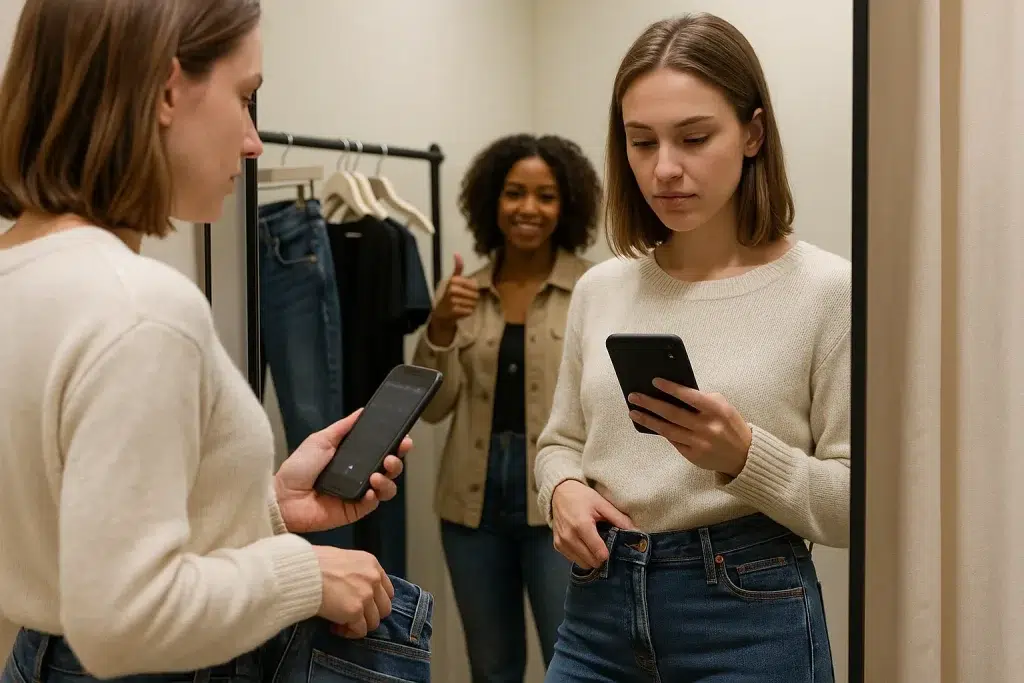
When I read reviews, I group feedback by pattern. I ignore single extreme posts and focus on repeats. Positive notes point to soft handfeel and easy mid-rise fits. Negative notes highlight fit swings between washes, and size variance by origin. This pattern is common in multi-origin brands. If you sell online, the fix is clear: build a fit map by style code. Publish a “real waist” and “front rise” table in centimeters. Add a note if a style runs small or large. I also add a one-line care rule next to the size selector, since hot drying can shrink stretch denim and panic buyers. For wholesale buys, ask for a size-run sample pack and fit on two body types. Use that data in your PDP copy. Your return rate will fall.
Sizing and review quick map
| Theme | What buyers like | What buyers dislike |
|---|---|---|
| Comfort | Soft denim, flexible | Bagging after long wear |
| Fit | Classic mid-rise options | Inconsistent between styles |
| Details | Wash variety | Hardware or zipper snags (rare) |
| Value | Good on promo | Full-price feels steep |
Is Lucky Brand a luxury brand?
Many shoppers ask this to set expectations on price, fabric, and aftercare.
No. It is not luxury. It sits below premium heritage denim and above entry-level fast fashion. Treat it as mainstream lifestyle denim and casualwear.
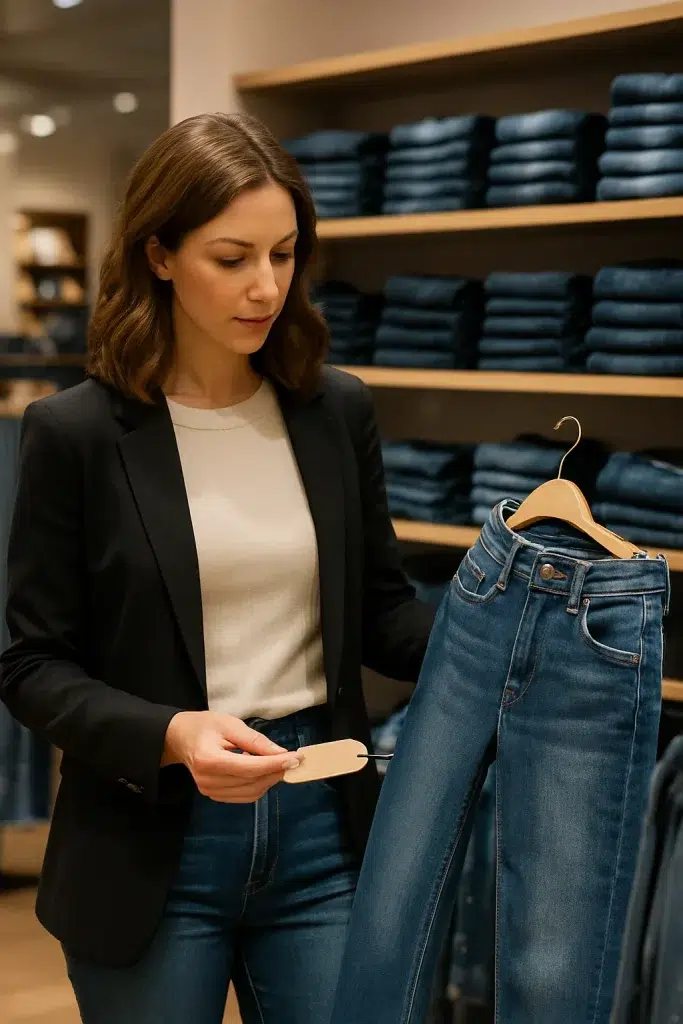
Luxury denim carries high fabric ounces, artisanal washes, limited runs, and brand storytelling that justifies a higher price. Lucky Brand plays a different game. It aims for broad appeal, mall distribution, and steady availability. That makes planning simpler for retailers who need size curves and replenishment. It also means quality choices must balance cost and margin. If you want a “forever jean,” you may look at premium Japanese or US selvedge makers. If you want approachable fits and frequent promotions, this tier works well. In store, I set expectations with shoppers. I say, “This is solid everyday denim at a fair price, with good comfort. If you want heirloom-level fabric and artisanal fade, I will show you another tier.”
Tiering the market
| Tier | Examples | What you get |
|---|---|---|
| Luxury | Heritage selvedge houses | Heavy oz, artisanal wash, limited runs |
| Premium | Well-known premium denim | Strong fabric, tight QC, higher price |
| Mainstream | Lucky Brand and peers | Comfort, variety, promos |
| Entry | Ultra-fast platforms | Trend speed, low price, high variance |
Brands similar to Lucky Brand?
Sometimes buyers want the same vibe, but a different fit, wash, or price strategy.
Look at mainstream US denim and casualwear peers. Compare fits, wash depth, and promo cadence. Test two styles per brand before you commit.
When I build an assortment, I map “like for like” options. I check Levi’s for timeless fits and strong size runs. I check Wrangler for durability and value. I check Lee for balanced fits, and I check mall lifestyle brands for fashion denim with softer handfeels. For private label, I often use a hybrid: one core fit inspired by a classic, and one trend fit with room for wash play. If your customers ask questions like “lucky brsnd” or “lucky brad” in your site search, capture those misspellings and route them to your denim landing page. It sounds small, but it wins conversions you already earned.
Comparison snapshot
| Brand vibe | What feels similar | What to verify |
|---|---|---|
| Timeless denim | Straight and bootcut fits | Inseam consistency and shrink |
| Soft handfeel | Stretch blends, comfort waist | Recovery after all-day wear |
| Mall casual | Graphic tees, knits, jackets | Print and trim quality |
| Value denim | Promo-driven pricing | Return policy and hardware QA |
FAQ quick answers (for searchers)
- is lucky brand fast fashion: No, it is mainstream, not ultra-fast.
- where are lucky brand jeans made: Multiple countries, often Mexico, Vietnam, China.
- is lucky brand a good brand: Good for everyday wear; quality varies by line.
- lucky brand reviews: Comfort praised; sizing consistency mixed.
- is lucky brand a luxury brand: No.
Conclusion
Lucky Brand is mainstream denim with solid everyday appeal, mixed consistency, and better value during promotions.
Why I write this
- My Name: Lancy Chia
- Email: [email protected]
- Website: https://truekung.com
- Brand: Truekung
- Country: China
- Products: Fashion clothes
- Business model: B2B, Wholesale only
- Factory scale: 200+ workers
- What we do: OEM/ODM for global brands and supermarkets; 20 years export experience
- Main products: Women’s fashion, jackets, skirts, dresses, jeans, T-shirts, sweatshirts, down jackets, windbreakers, coats, fashion bags, sportswear, children’s wear, underwear
- Main export countries: Netherlands, Denmark, Belgium, Norway, UK, USA, Germany, Australia, Thailand, Turkey, Italy, Russia, Saudi Arabia, etc.
Views: 968