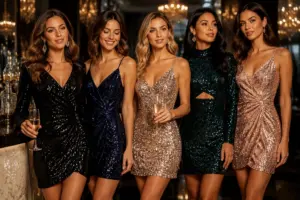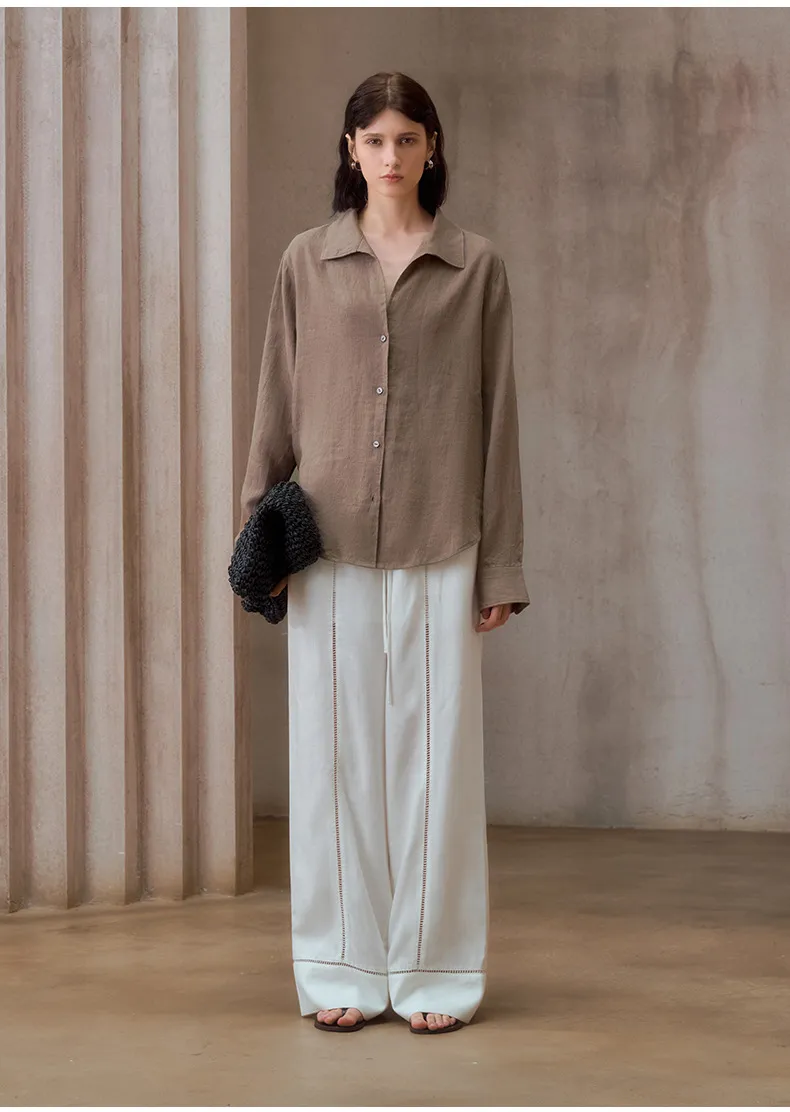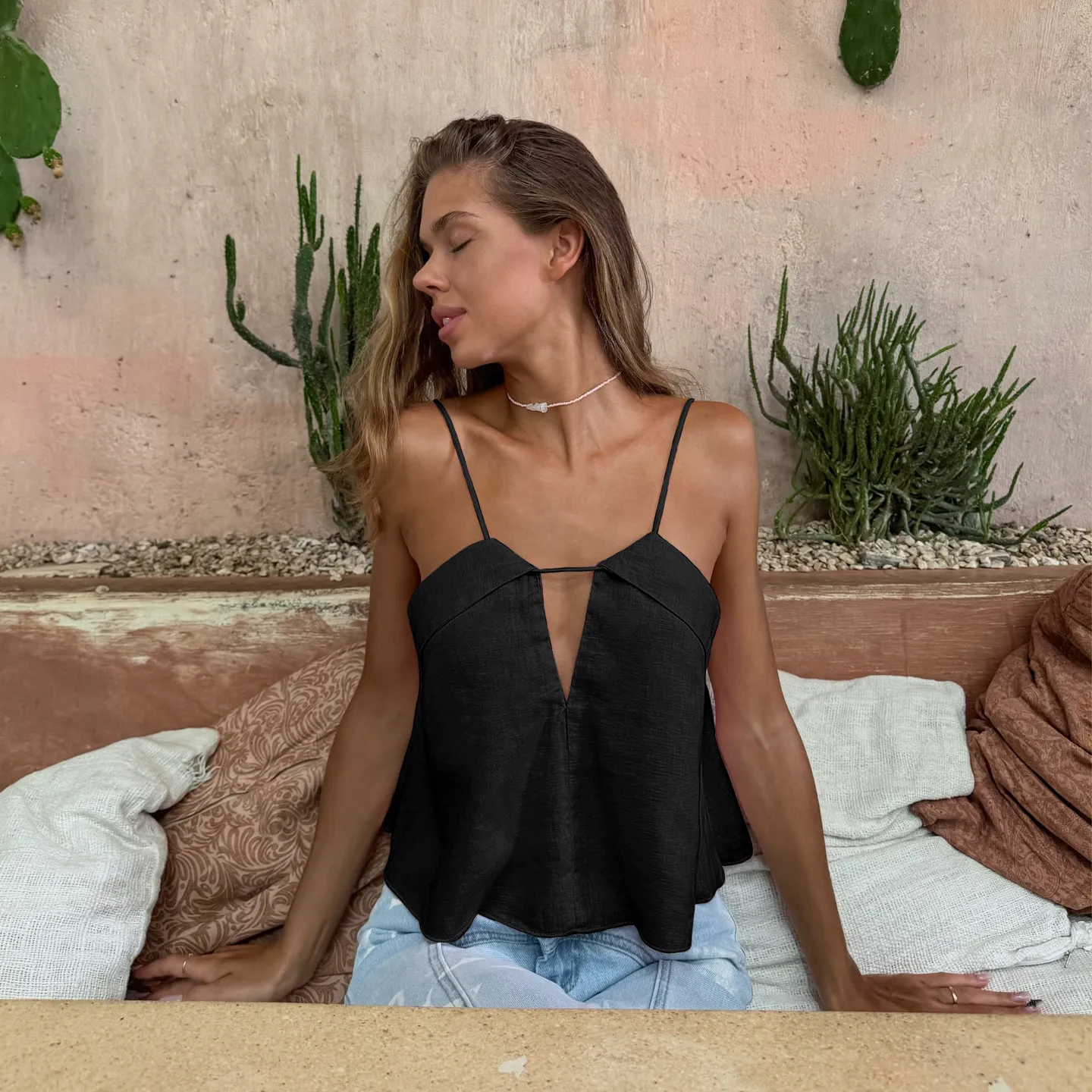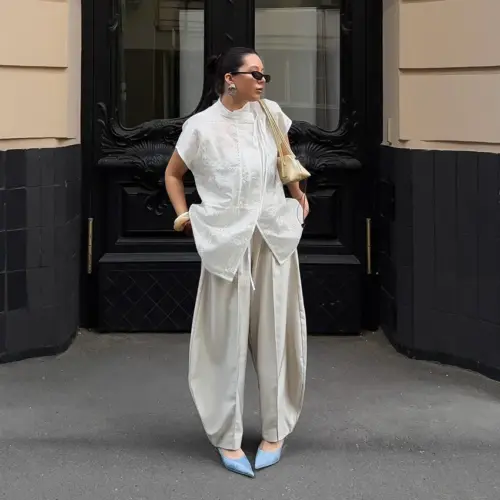
Je constate un problème récurrent : les robes sont magnifiques sur un cintre, mais une fois portées, elles ne tombent pas bien. Ce décalage nuit aux retours, aux marges et à la confiance des clients.
Un froncé robe utilisations rassemblées tissu Les fronces permettent de sculpter la silhouette grâce à l'élasticité, la texture et la couvrance, pour un effet ajusté et un confort optimal. C'est une tendance indémodable, car elle se vend en toutes saisons et pour toutes les tailles.
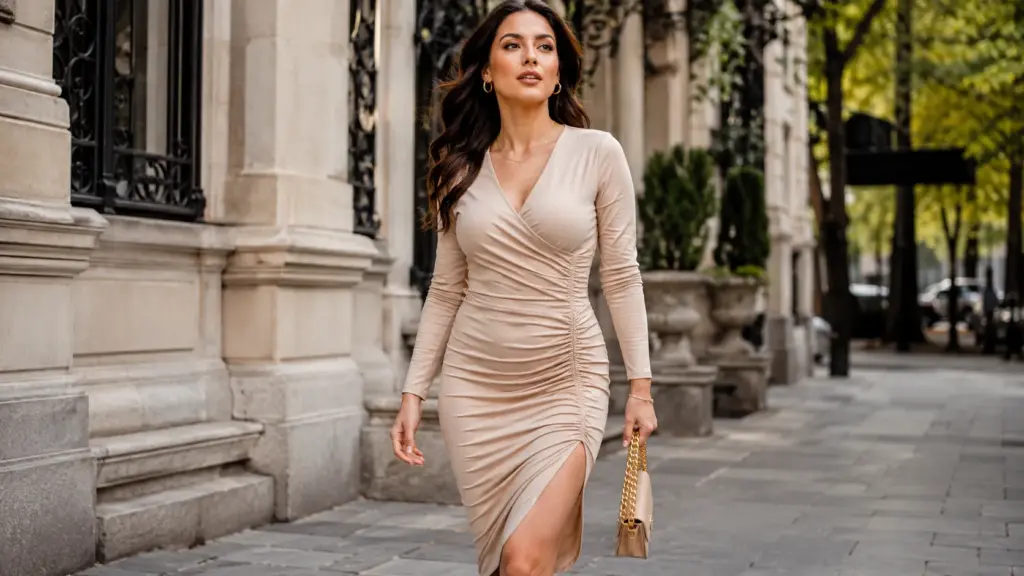
Je me souviens de la première fois où j'ai tenu entre mes mains un échantillon avec des côtés froncés. Cela semblait être un changement anodin. Puis j'ai observé comment cela transformait tout. ajuster Sur un mannequin. Si vous continuez à lire, je vous expliquerai en détail l'effet des fronces, pourquoi les acheteurs en demandent autant et quels modèles se vendent le plus rapidement en gros.
Qu'est-ce qu'une robe froncée, et que signifie réellement la signification de ce terme ?
Beaucoup d'acheteuses me disent la même chose : elles voient “ robe froncée ” en ligne, mais les termes restent vagues. Ensuite, le fabricant et la marque communiquent sans se comprendre.
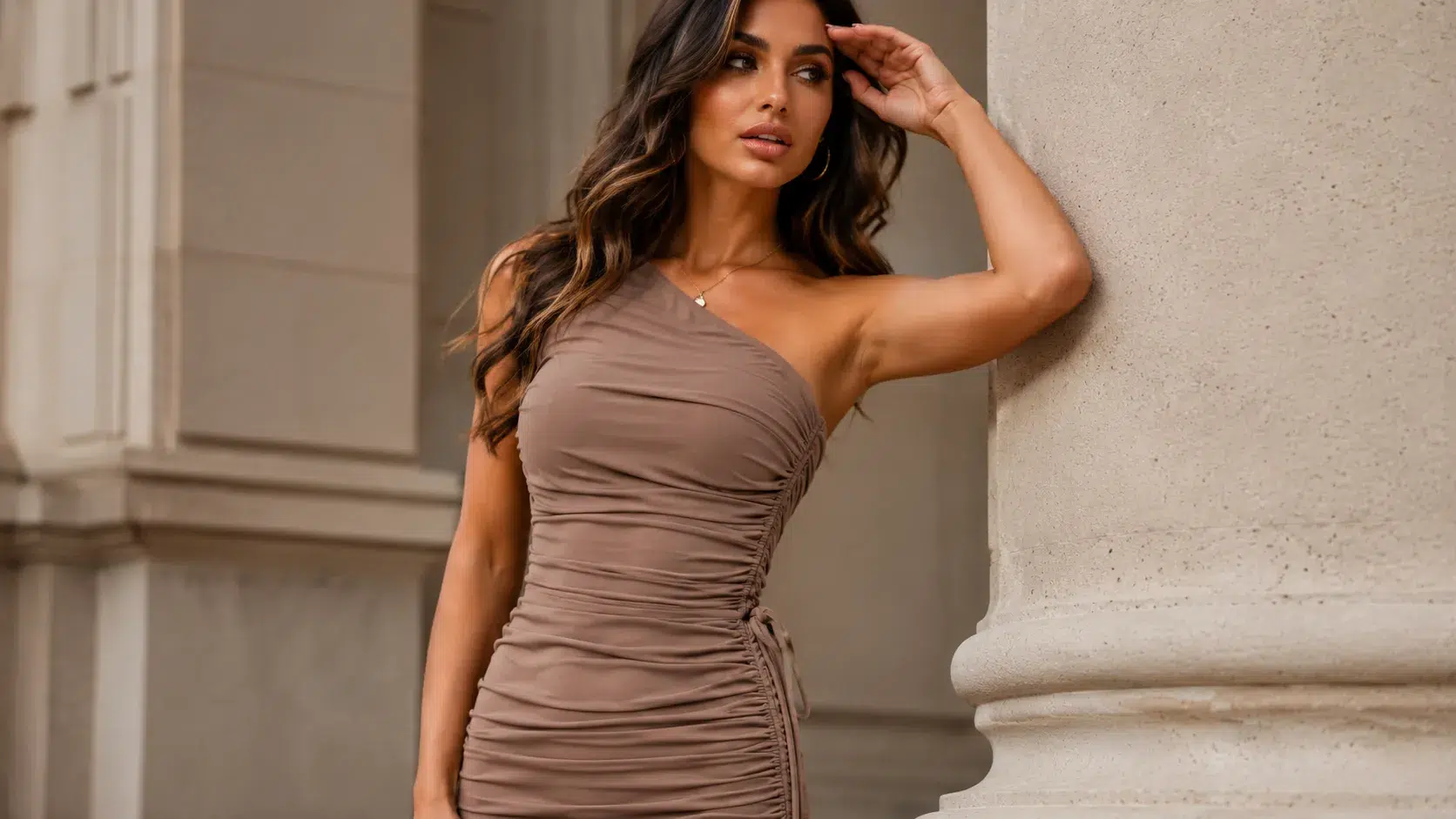
Une robe froncée est une robe dont le tissu est plissé pour créer du volume et donner du volume à la silhouette. En résumé, une robe froncée est une robe qui utilise cette technique de fronces pour flatter la silhouette et ajouter de la texture.
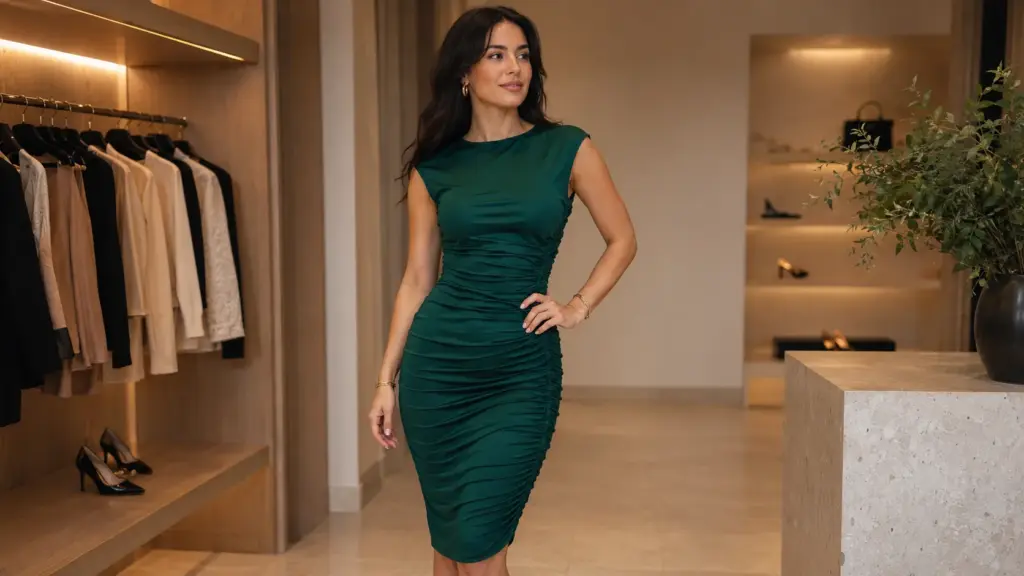
La définition en langage clair que j'utilise dans l'échantillonnage
Quand j'explique à une nouvelle cliente ce qu'est une robe froncée, j'utilise une image. Je lui dis que c'est un tissu froncé, puis maintenu par des coutures ou un élastique. Ces fronces peuvent se trouver sur le côté, taille, On le trouve sur le devant ou le buste. On peut aussi le voir sur les manches. Certains acheteurs parlent de “ fronces sur une robe ”. Le principe est le même.
Les fronces peuvent être fonctionnelles ou décoratives. Les fronces fonctionnelles modifient la coupe. Les fronces décoratives ajoutent uniquement de la texture. Je demande toujours où se situe la fronce et à quoi elle sert. C'est ainsi que j'évite les retouches.
Les erreurs d'orthographe sont bien réelles, alors je m'y prépare.
Dans les demandes de renseignements, je constate souvent des fautes de frappe. On trouve des orthographes comme “ rouching ”, « rooshing », « roushing », « roushed », « runched » ou « runched dress ». Il m'arrive aussi de voir « rushing dress », car le clavier facilite les erreurs. Je ne considère pas cela comme une faute, mais plutôt comme un signal. L'acheteur souhaite le même rendu visuel. Je reformule donc ses termes une première fois, puis je vérifie le terme technique exact dans le cahier des charges.
| Termes de recherche utilisés par les acheteurs | Ce qu'ils signifient généralement | Ce que j'écris sur le dossier technique |
|---|---|---|
| rouching / roushing / rooshing | plis froncés sur le tissu | froncement (construction froncée) |
| robe de hâte / roucoulement | effet froncé, souvent avec des fronces latérales | Coutures latérales froncées, option cordon de serrage |
| robe froncée | style de robe froncée | robe froncée, préciser l'emplacement |
| robe maxi froncée | maxi à taille froncée/côtés | Robe longue à taille et côtés froncés |
Là où les fronces sont les plus visibles
Je constate que ces motifs se répètent dans l'ordre suivant : robe à fronces sur les côtés, robes à fronces latérales, robe à fronces latérales, robes à fronces à la taille et robes à fronces sur le devant. Chaque motif modifie la silhouette différemment. Lorsque j'élabore un patron, je considère le placement des fronces comme un levier de conception. Cela me permet de créer de la variété sans modifier l'ensemble du patron.
Comment les fronces modifient-elles la coupe et le confort au quotidien ?
J'ai déjà vu une robe, même avec un beau tissu, se retourner contre moi. La coupe était trop moulante : chaque pli était visible. Cela a mis les clientes mal à l'aise et elles n'ont pas racheté.
Les fronces ajoutent une élasticité contrôlée et une texture visuelle, permettant ainsi à la robe de s'adapter à différentes morphologies et de dissimuler de petits défauts de coupe. Elles peuvent également maintenir le tissu en place sans le serrer, à condition que l'élastique et la tension des coutures soient appropriés.
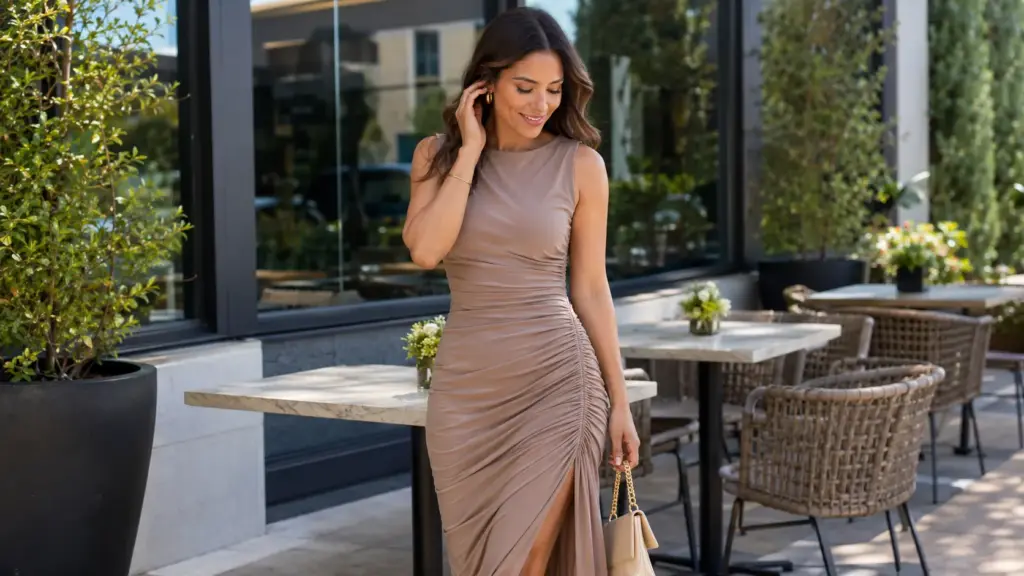
Pourquoi les fronces donnent un aspect flatteur même lorsque la robe est ajustée
Je teste les échantillons en les portant pendant toute une journée de travail. Je m'assieds, je me lève et je lève les bras. Les fronces répartissent la tension sur de nombreux plis, ce qui modifie les points de pression. Une robe moulante lisse peut exercer une pression au niveau d'une couture, tandis qu'une robe froncée répartit cette pression sur toute la zone froncée.
C’est pourquoi une robe t-shirt froncée se vend souvent bien. Les clientes recherchent une base décontractée, mais qui structure tout de même la silhouette. Le même principe s’applique à une chemise froncée, surtout si la couture latérale est froncée et ajustable. Les cordons de serrage offrent un meilleur maintien, mais ils constituent aussi des points de fragilité ; je les vérifie donc minutieusement.
Les choix de construction qui déterminent la qualité
Quand des clientes exigeantes comme Maria me font part de leurs préoccupations concernant la qualité, je leur montre les points essentiels. Je leur parle de l'élasticité du tissu, de la solidité des coutures et de la régularité des points. J'aborde également la question de la doublure. Si des fronces sont appliquées sur un tulle transparent, la doublure modifie le tombé.
| choix de construction | Bon résultat | Échec courant | Comment je l'évite |
|---|---|---|---|
| Type et largeur élastiques | fronces douces, coupe stable | torsions élastiques, faible récupération | Choisir un élastique à haute récupération, fixer les extrémités |
| tension du point | même les plis, aspect propre | froncements, fils cassés | tester la tension par rouleau de tissu |
| Poids du tissu | plis flatteurs | rassemblements volumineux | Adapter la longueur des fronces au GSM |
| Stratégie de doublure | confort, opacité | adhérence, chaleur | Utiliser une doublure douce, ajouter des aérations si nécessaire |
Les manches, la taille et les fronces sur le devant résolvent chacune un problème différent.
Les robes froncées à manches sont idéales pour celles qui souhaitent couvrir leurs bras. Elles valorisent également le produit au premier coup d'œil sur les photos. Les robes froncées à la taille sont particulièrement pratiques pour les grandes tailles. Elles permettent un ajustement entre deux tailles avec un risque de retour réduit. Les robes froncées sur le devant peuvent affiner la silhouette, mais le froncement doit être bien équilibré pour éviter que la couture centrale ne se déforme.
Je constate également une forte demande pour les robes longues à taille froncée, car elles conviennent aussi bien aux occasions spéciales qu'au quotidien. Une robe longue de qualité dissimule les petits défauts de coupe au niveau des hanches, et les fronces affinent la taille. C'est une combinaison gagnante.
Quels sont les modèles froncés qui se vendent le mieux auprès des acheteurs en gros en ce moment ?
Je discute avec des acheteurs qui gèrent leurs propres marques. Ils recherchent des articles tendance, mais aussi des produits à succès régulier. Une belle image ne suffit pas si la coupe est hasardeuse.
Les articles froncés les plus vendus sont des modèles aux coupes simples et aux fronces bien placées, comme les robes à fronces latérales, les robes dos nu froncées et les robes longues à taille froncée. Ils rendent bien en photo et conviennent à de nombreuses morphologies.
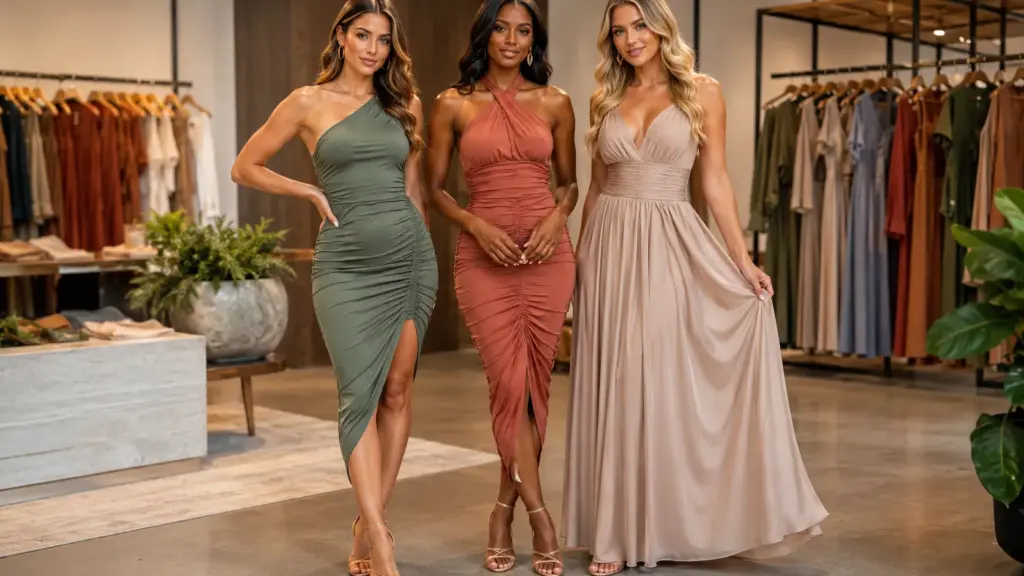
Ce que je vois se développe rapidement dans les commandes groupées
Lorsque j'analyse les patrons de réassort, je distingue trois grandes catégories. La première est celle des “ robes à fronces latérales ”. Elle comprend les robes à fronces latérales classiques. Les acheteurs apprécient cette catégorie car elle est facile à décrire en une phrase. La deuxième catégorie concerne les décolletés, comme les robes dos nu froncées. Le dos nu affine la silhouette et les fronces structurent le buste sans baleines apparentes. La troisième catégorie regroupe les modèles adaptés à toutes les occasions, comme les robes longues froncées ou les robes longues à taille froncée. Beaucoup d'acheteurs mentionnent simplement “ robe longue froncée ” ou “ fronces ” dans leurs messages. Je comprends parfaitement ce qu'ils recherchent.
J'aime les modèles qui me permettent d'ajouter une touche d'élégance sans faire exploser le budget. Les robes froncées à lacets en sont un bon exemple. Les détails lacés attirent le regard, tandis que les fronces soulignent la silhouette. J'apprécie également les robes à devant froncé en tissu mat et stable, car les plis sont impeccables en photo.
| Les acheteurs de noms de style demandent | Pourquoi ça se vend | Suggestion de tissu | Notes pour la production |
|---|---|---|---|
| robe à fronces latérales | allure ajustable, flatteuse | maille côtelée, jersey extensible | envisager un cordon de serrage pour les longueurs multiples |
| robe t-shirt froncée | base décontractée, coupe facile | jersey en mélange de coton | Conservez les fibres légères pour éviter l'encombrement. |
| robe dos nu froncée | ambiance événementielle, encolure épurée | maille fluide, satin extensible | renforcer la couture du col, vérifier l'élasticité |
| robe longue à taille froncée | large gamme de tailles, élégant | tricoter avec du poids | ajouter une doublure là où c'est nécessaire |
| robe froncée à lacets | “Détails ” premium », photos de haute qualité | tricot stable | tester la durabilité des œillets et des lacets |
Comment je présente cette tendance à une acheteuse comme Maria
Si je vends à une acheteuse confiante qui prend les devants, je reste directe. Je propose trois modèles : une robe classique à fronces latérales disponible en deux couleurs, une robe dos nu froncée plus sophistiquée et une robe longue à taille froncée. Je propose également des manches en option, car les robes à manches froncées ouvrent de nouveaux marchés. Ensuite, je détaille les points de contrôle qualité. Je sais que Maria s'inquiète des certificats falsifiés et des retards. Je mets donc en place un calendrier précis incluant la réservation des tissus, les tests de teinture en laboratoire et les contrôles avant expédition. Je maintiens également une communication régulière avec des photos et des mises à jour fréquentes. Cela réduit le stress et les retouches.
Conclusion
Les fronces donnent une forme structurée à la robe et lui confèrent une grande souplesse. C'est pourquoi la tendance des robes froncées ne cesse de croître et reste très présente dans les collections de prêt-à-porter en gros.
Pourquoi j’écris ceci
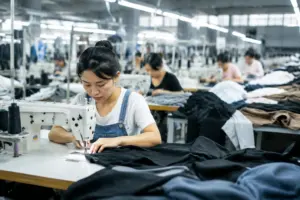
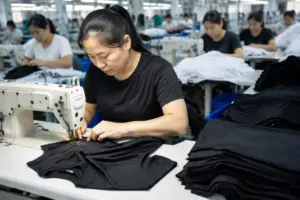
Je suis Lancy Chia de Truekung en Chine. Je dirige une usine employant plus de 200 personnes. Je travaille exclusivement en gros (B2B). Je confectionne des vêtements et propose des services OEM/ODM pour des marques et des supermarchés du monde entier. Si vous souhaitez des vêtements froncés ou une gamme complète de robes froncées avec contrôle qualité et délais précis, vous pouvez me contacter à l'adresse [email protected] et découvrir mon travail sur https://truekung.com.
Vues : 75