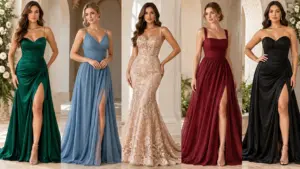
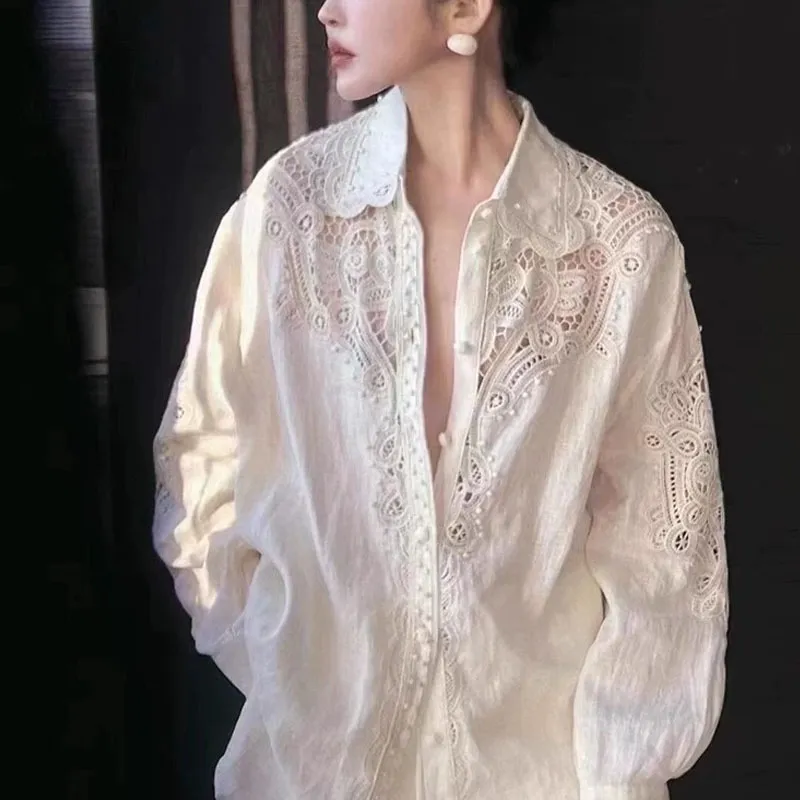
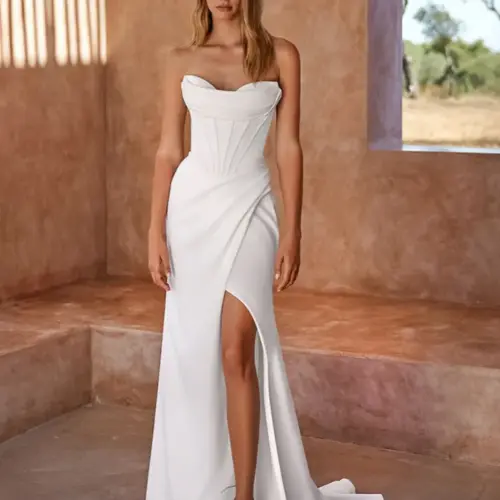
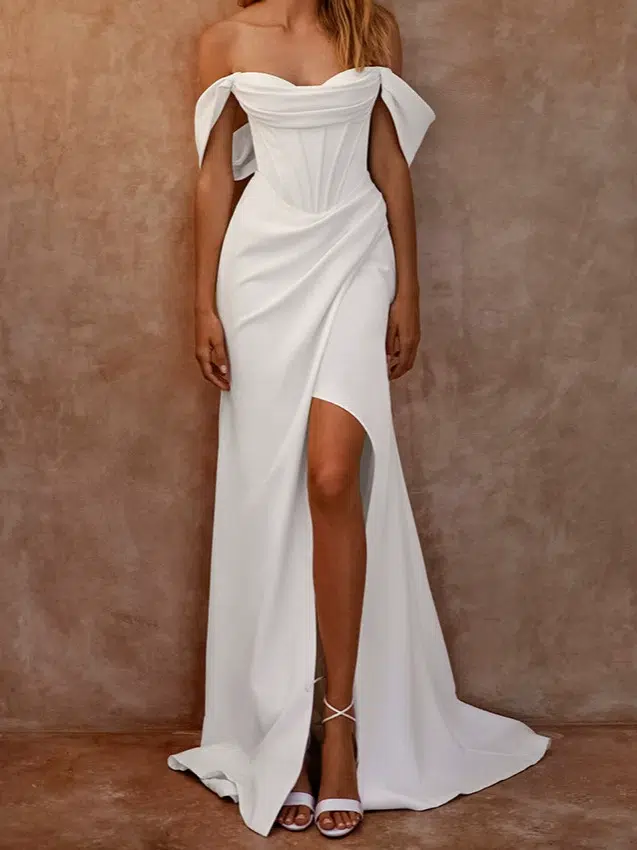
Vídal jsem kupující, kteří ztráceli týdny kvůli “dokonalému” šaty vypadalo to online správně, ale fit špatně při příjezdu. Tato mezera vytváří stres, vrácení zboží a zmeškané události.
Najdu ideál plus size formální šaty, když porovnám přesné míry těla s jasnou tabulkou velikostí, vyberu správnou látku a strukturu a nakupuji od prodejců, kteří ukazují skutečné fotografie, specifikace a férovou politiku vrácení zboží.
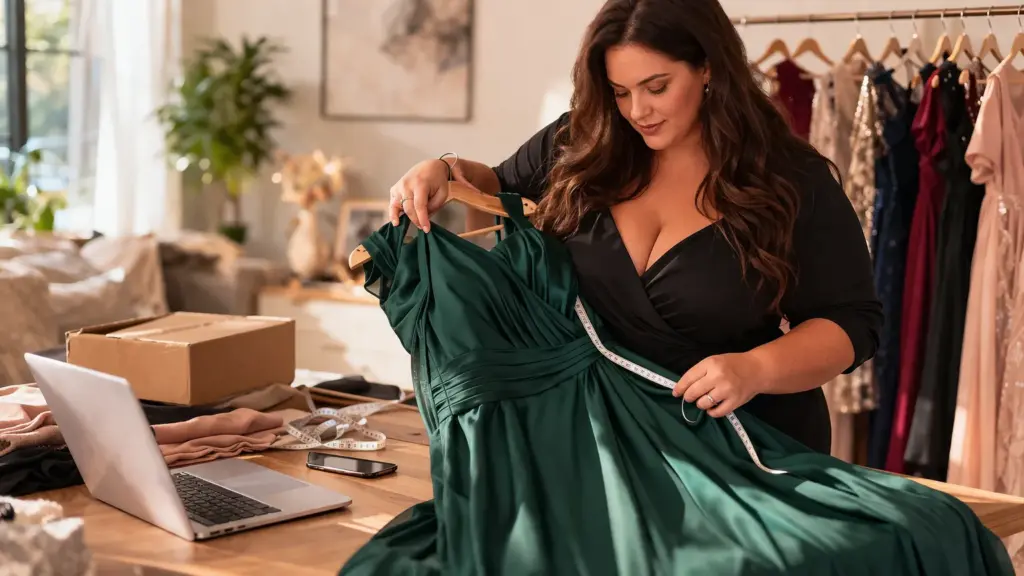
Pořád si pamatuji hovor s jistou kupující, která rychle potřebovala společenské šaty, ale nevěřila online nabídkám. Řekla jsem jí, že šaty nejsou “plus size”, dokud to nedokážou čísla, a požádala jsem ji, aby si před opětovným zamilováním ověřila tři detaily.
Jak si online změřím a vyberu ten správný střih pro společenské šaty pro plnoštíhlé?
Viděla jsem, jak šaty selhaly z jednoho prostého důvodu. Kupující důvěřovala velikosti uvedené na etiketě a vynechala měření. Výsledkem je těsné poprsí, stahující boky a vrácení zboží, které stojí víc než samotné šaty.
Správný střih si vybírám online, když si měřím obvod hrudníku, pasu a boků měkkým metrem, porovnávám je s tabulkou prodejce a také před objednáním zkontroluji pružnost, podšívku a zapínání.
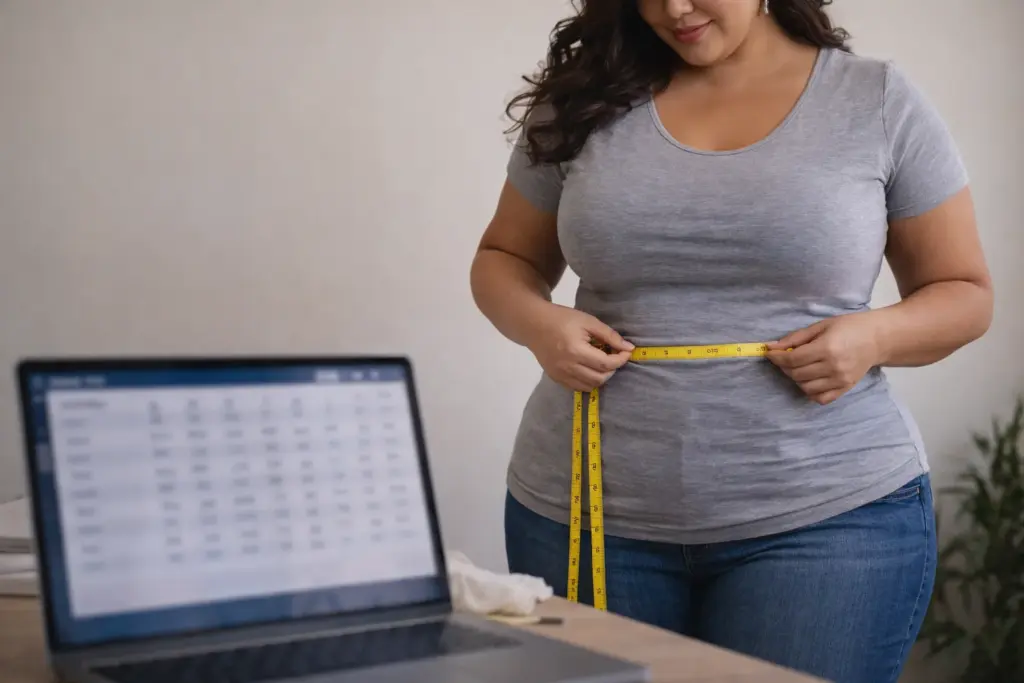
Začněte s mírami, které určují pohodlí
Vždycky používám měkký měřicí pásek a měřím přes tenké oblečení. Pásku držím vodorovně. Čísla si také hned zapíšu. Nehádám. Nezaokrouhluju dolů. Kupujícím říkám, aby měřily dvakrát, protože jedna rychlá chyba může šaty změnit z “hladkých” na “namáhavé”.”
Zkontrolujte tabulku velikostí a nepředpokládejte, že značky se shodují.
Porovnávám svá čísla s přesnou tabulkou na stránce daného produktu. Nepoužívám “obecnou tabulku velikostí pro plnoštíhlé” z jiného webu. Také hledám poznámky jako “sedí malé” nebo “není pružné”. Pokud stránka tabulku neuvádí, beru to jako riziko.
Při rozhodování o velikosti použijte volnost a pružnost
Látku beru jako součást velikosti. Pružný úplet odpustí drobné změny. Saténový úplet ne. Také si dávám pozor na těsné oblasti, jako je pohyb horní části paží a stehen. Právě tam mnoho společenských šatů pro větší velikosti selhává jako první.
| Měřicí bod | Jak to měřím | Proč je to důležité pro společenské šaty |
|---|---|---|
| Poprsí | Kolem nejplnější části | Kontroluje mezery a namáhání zipu |
| Podprsenka | Kolem hrudního koše | Pomáhá se strukturovanými živůtky |
| Pás | Kolem přirozeného pasu | Ovlivňuje pohodlí při sezení |
| Kyčel | Kolem nejplnější části | Rozhoduje o závěsu a prostoru pro chůzi |
| Nadloktí | Kolem bicepsu | Zabraňuje těsnosti rukávů |
| Dutý dohem | Od ramene k lemu | Opravuje délku bot na podpatku a balerín |
Když nakupuji online, také se dívám na fotografie, abych zjistila, zda střih odpovídá. Dívám se na linii zipu. Dívám se na boční šev. Pokud látka táhne, je špatná velikost nebo střih není uzpůsobený pro křivky. Také se dívám na podrobnosti o modelu. Pokud chybí výška a velikost modelu, považuji tento seznam za neúplný.
Co dělá dlouhé společenské šaty elegantními a pohodlnými ve velikostech 18–32?
Viděla jsem dlouhé šaty, které na fotce vypadají úžasně, ale v reálném životě jsou těžké a horké. Tento problém se s rostoucí velikostí zvyšuje, protože se zvyšuje váha a tlak.
Dlouhé společenské šaty vypadají elegantně a pohodlně, když vyvažují hmotnost a splývavost, používají chytrou strukturu, jako je podšívka a kostice, pouze tam, kde je to potřeba, a volí látky, které se pohybují a dýchají, místo aby se přilepily.
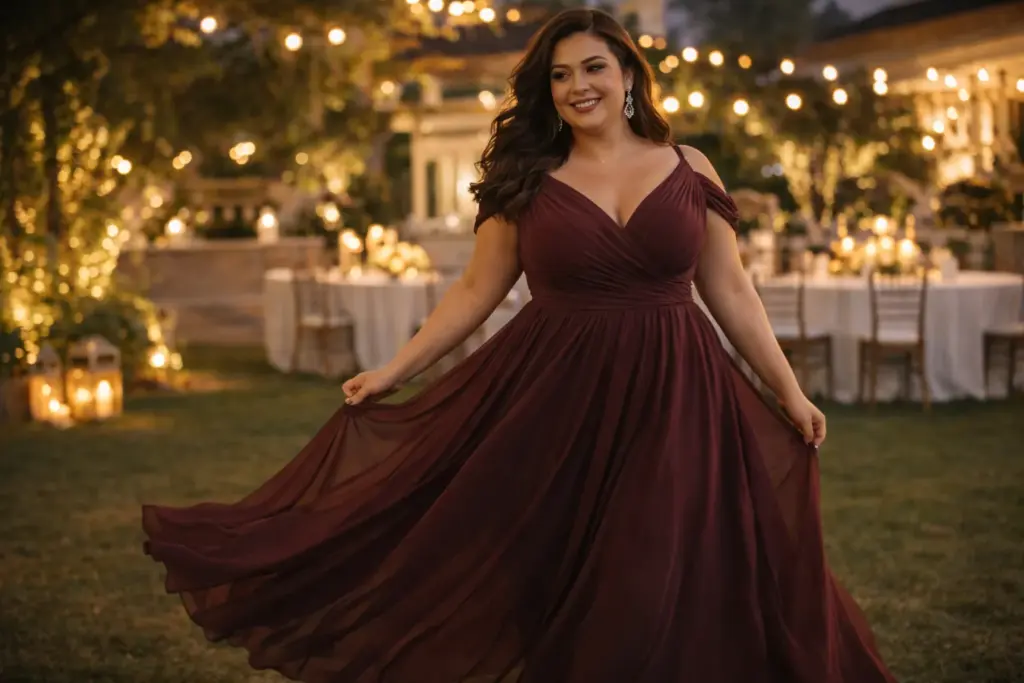
Vyberte si látku, která se přizpůsobí pohybu, ne mu bude odpuzovat.
Mám ráda látky, které kloužou. Testuji to jednoduchým ohmatáním a “testem mačkání”. Pokud se látka silně mačká, objeví se napěťové linie v pase a bocích. Pokud látka lpí, zvýrazní se místa, která nositelka možná nechce. Mnoho kupujících také omylem vyhledává “dlouhé formální šaty”, takže si toto klíčové slovo pamatuji, ale stále se zaměřuji na skutečný výkon látky.
Zvolte strukturu, která podporuje, ale netrestá
Používám strukturované materiály, jako je podšívka, lehké vycpávky a někdy i měkké kostice. Nepřehnaně je tvaruji. Příliš mnoho struktury se může zarývat do těla, když člověk sedí, jí a tančí. Také hledám zapínání. U větších velikostí je důležitější pevný zip s širokým švovým přídavkem.
Používejte designové linie, které usnadňují dimenzování
Mám ráda zavinovací střihy, áčkové sukně a panely. Mám ráda nastavitelná ramínka. Mám ráda detaily v pase, které nejsou rovné. Také mám ráda rukávy, které umožňují pohyb paží. Myslím na celou noc, kterou nosí, nejen na první fotku.
| Funkce | Nejlepší volba pro pohodlí | Riskantní volba | Co si ověřuji online |
|---|---|---|---|
| Tvar sukně | Áčkový střih, měkká mořská panna | Úzká ceruzková sukně | Prostor pro chůzi a hloubka štěrbiny |
| Tkanina | Šifon, krep, měkký satén | Pevný satén, tenký žerzej | Strečový materiál %, tloušťka, podšívka |
| Živůtek | Panelové švy, zavinovací vzhled | Plochá přední část bez tvarování | Záševky, švy a podpora poprsí |
| Podšívka | Úplná nebo částečná podšívka | Bez podšívky | Transparentnost a přilnavost |
| Uzavření | Kvalitní zip + háček | Pouze slabý zip | Fotografie a recenze zblízka |
Když pomáhám kupující s výběrem dlouhých šatů, položím jednu přímou otázku: “Co bude ta, která je bude nosit, dělat čtyři hodiny?” Pokud odpověď zahrnuje chůzi po schodech, sezení a tanec, šaty to musí umožňovat. Také kupujícím říkám, aby si ověřily pravidla pro délku lemu šatů pro svůj trh. Některé trhy chtějí délku po zem s podpatky. Jiné trhy chtějí délku po kotníky kvůli bezpečnosti a snadnému pohybu. Ten jeden detail se hodně mění.
Jak mohu pro svou značku spolehlivě sehnat večerní šaty velikosti 32 bez kvalitativních překvapení?
Viděl jsem kupující, kteří se popálili na jednom problému. Dodavatel ukáže pěkný vzorek v menší velikosti, ale pak výroba ve velikosti 32 vypadá a padne jinak. Tato mezera může zničit důvěru.
Večerní šaty velikosti 32 získávám tak, že si vyžádám ověřené specifikace, objednám skutečný vzorek velikosti 32, ověřím látku a lemování pomocí vzorků a před finální expedicí stanovím jasné kontrolní body kontroly kvality.
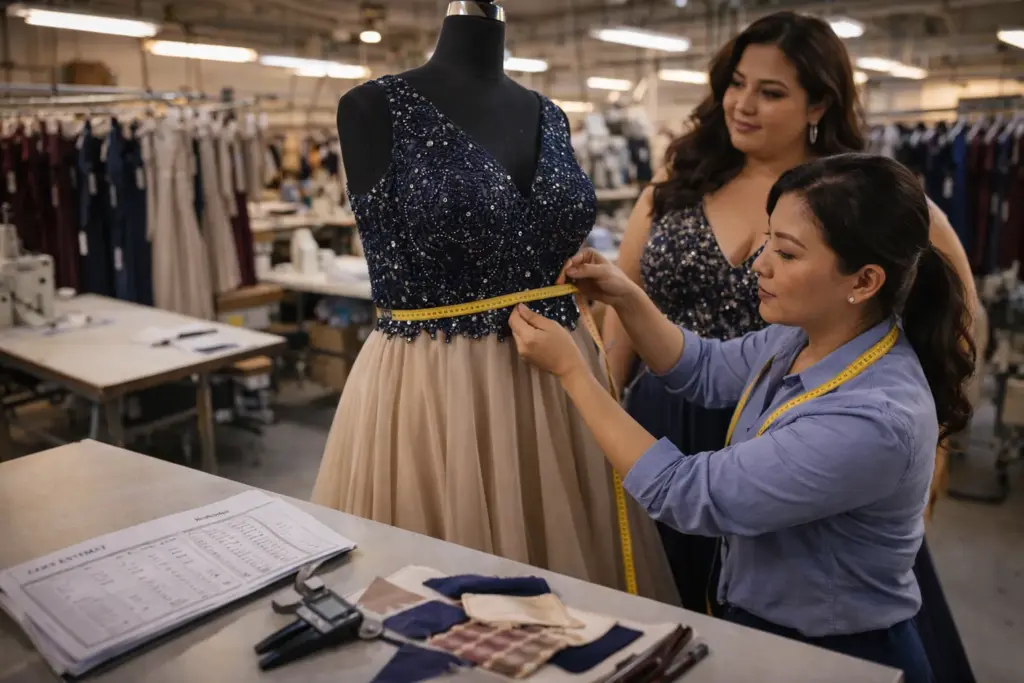
Velikost 32 považovat za samostatný produkt, nikoli za roztaženou kopii.
Nepřijímám plán “můžeme je zvětšit”. Chci skutečný střih, který byl pečlivě odstupňován. Velikost 32 potřebuje jiné body vyvážení. Potřebuje pevnější švy. Často potřebuje lepší oporu v oblasti hrudníku a pasu. Pokud to továrna nepochopí, šaty se budou kroutit, tahat nebo klouzat.
Požádejte o specifikační listy a použijte je jako smlouvu
Když v Truekungu spolupracuji se značkami, posílám jim specifikační list s klíčovými rozměry, tolerancemi, informacemi o látce a konstrukčními poznámkami. Také označuji namáhaná místa, jako jsou konce zipů a průramky. Díky tomu je vzorek a objem sladěný. Také to usnadňuje komunikaci, což je pro mnoho kupujících problematické.
Zabudujte kontrolu kvality do časové osy, ne dodatečně
Používám kontrolní body. Před stříháním kontroluji látku. Předem kontroluji švy. Zkontroluji, zda je velikost správná. Také kontroluji balení, protože společenské šaty se mohou mačkat a zatrhávat. Kupující může přijít o sezónu, pokud zásilka dorazí pozdě nebo je poškozená.
| Krok | Co žádám | Čemu to brání |
|---|---|---|
| Tovární certifikát | Informace o společnosti + fotografie z výroby | Falešná tvrzení o kapacitě |
| Schválení materiálů | Vzorníky látek a lemování | Špatná barva, špatný pocit v ruce |
| Vzorek velikosti 32 | Vzorek velikosti 32 | Špatné hodnocení a špatná podpora |
| Předprodukční vzorek | Konečná konstrukce ze správné látky | Hromadné překvapivé změny |
| Kontrolní systém v průběhu výroby | Náhodné kontroly během šití | Problémy se skrytými švy a zipem |
| Konečná kontrola | Rozměry + vzhled + balení | Vrácení zboží, reklamace a zpoždění |
Také věnuji pozornost certifikátům a shodě s předpisy, protože někteří kupující byli poškozeni padělanými dokumenty. Požaduji ověřitelné dokumenty a pokud je to možné, ověřuji je u vydávajícího orgánu. Také stanovuji jasné podmínky ohledně dodacích lhůt, platebních kroků a nápravných opatření v případě zpoždění. Dělám to proto, že zmeškané výprodejové sezóny škodí více než malé cenové rozdíly.
Závěr
Nejlepší společenské šaty pro plnoštíhlé ženy nacházím na základě důvěřivosti mírám, výběru chytrých látek a struktury a dodržování přísných kroků vzorkování a kontroly kvality, zejména u večerních šatů velikosti 32.
Proč tohle píšu
Jsem Lancy Chia z Truekungu v Číně. Vedu továrnu s více než 200 zaměstnanci. Vyrábím módní oblečení pouze pro velkoobchod B2B a podporuji OEM/ODM pro značky a supermarkety. Pokud chcete prodiskutovat společenské šaty pro plnoštíhlé a večerní šaty velikosti 32 pro váš trh, můžete mě kontaktovat na adrese [email protected] nebo navštívit https://truekung.com.
Zobrazení: 71