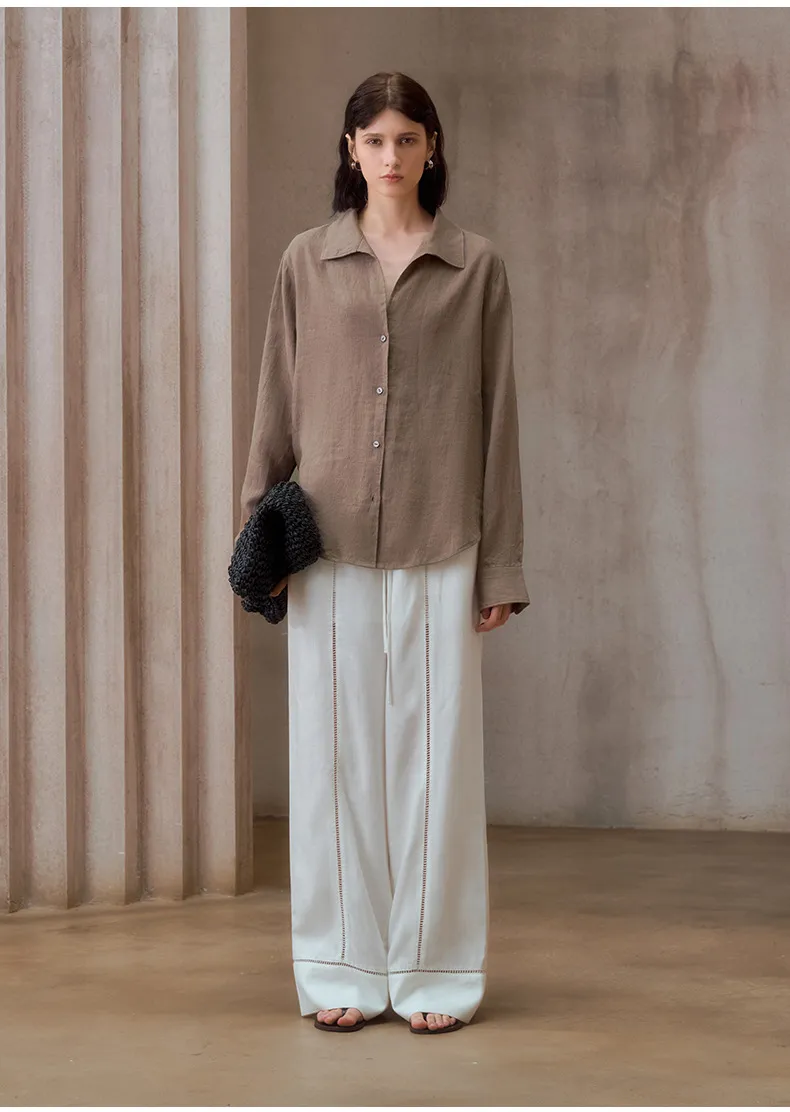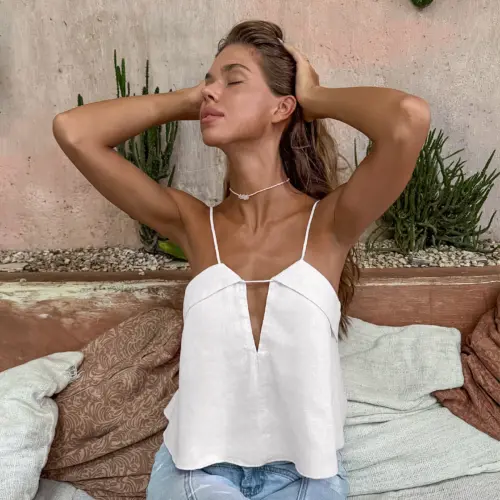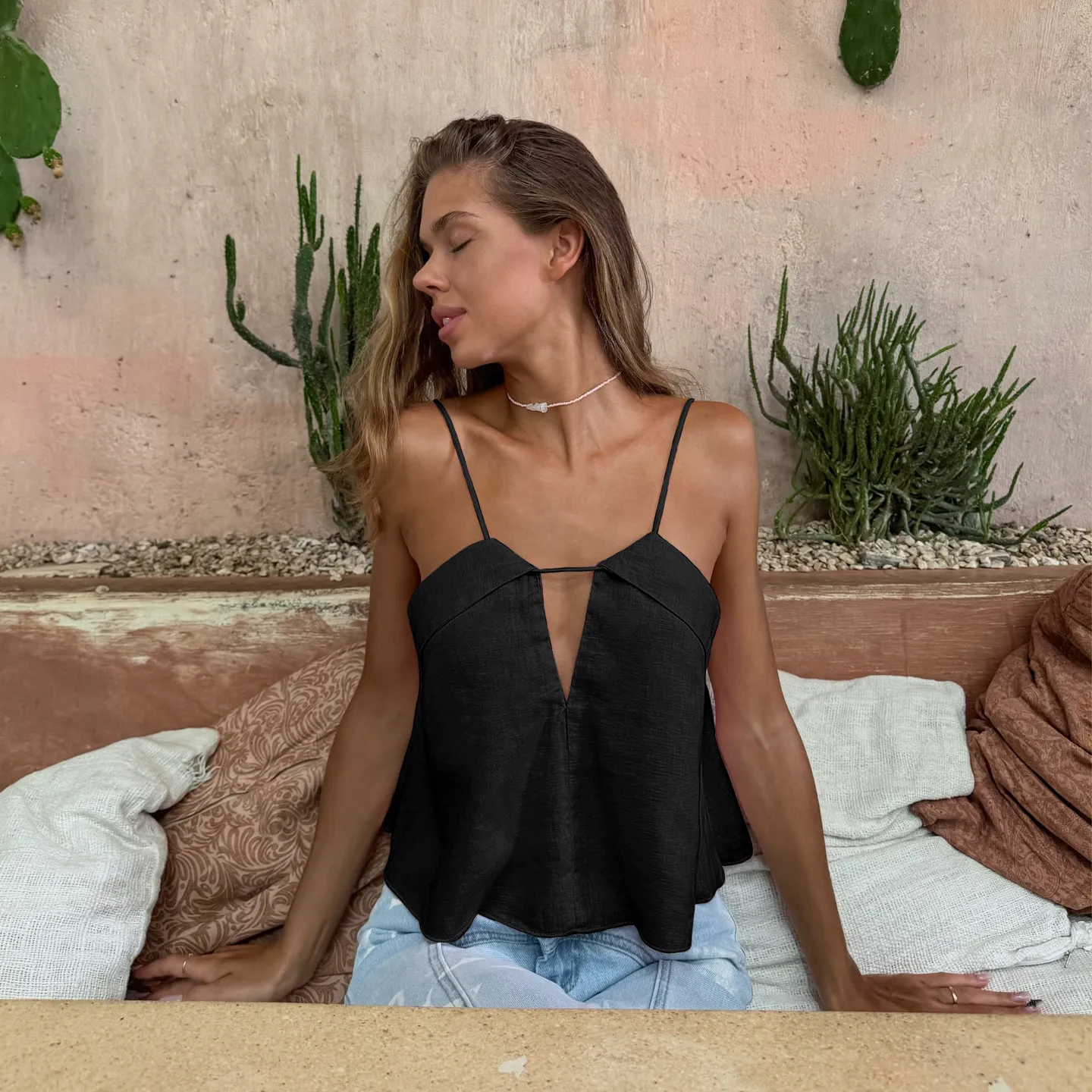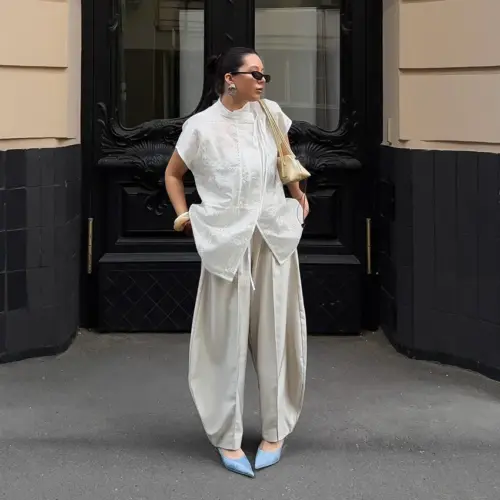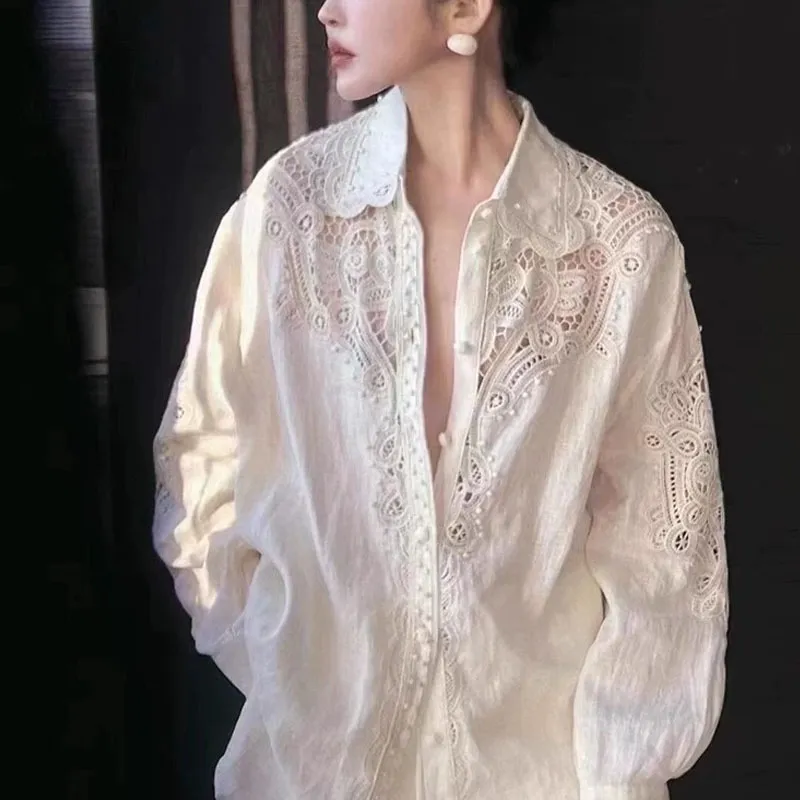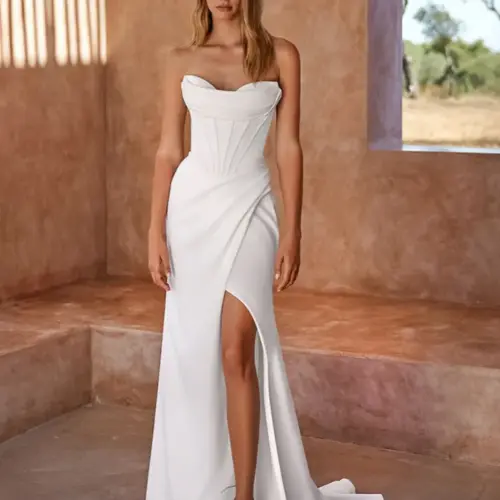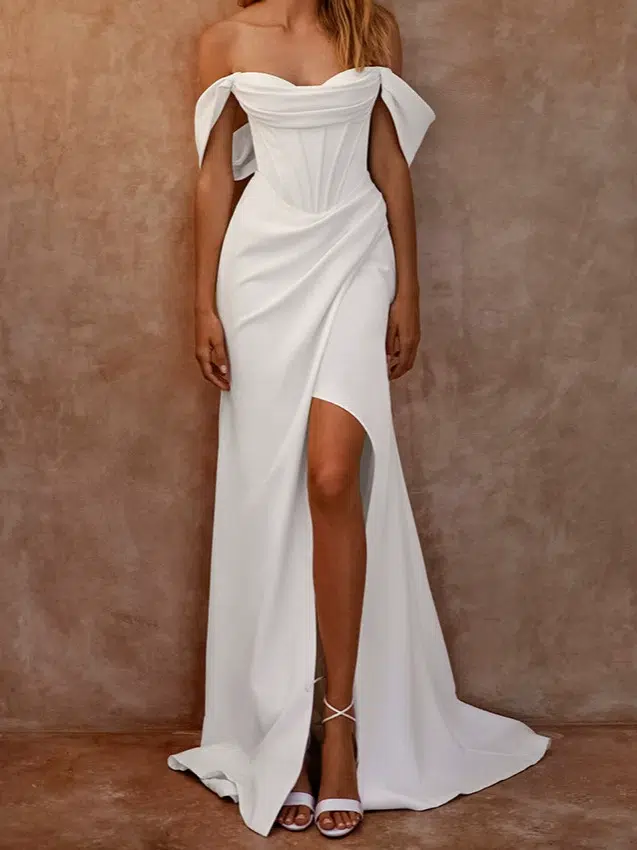

Rychlá móda Při placení se zdá levné a později drahé. Může nás to stát čas, důvěru a odpad. Tento vzorec vidím každý týden u objednávek oblečení.
Ano, Vero Moda funguje jako rychlá móda značka protože prodává trendově orientované zboží rychlou rychlostí a ve velkém objemu. Jeho veřejná práce v oblasti udržitelnosti existuje, ale nemění základní model, takže výsledky v oblasti etiky a udržitelnosti vypadají smíšené.
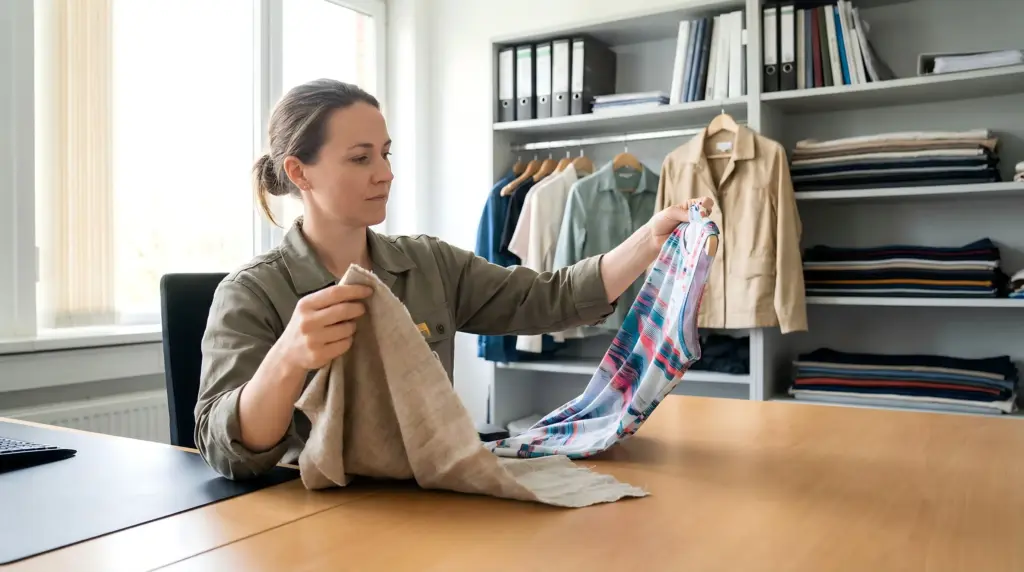
Vedu oděvní firmu B2B, takže neposuzuji značky jen podle vibrací nebo marketingových stránek. Posuzuji je podle toho, k čemu je nutí jejich model, co dokážou dokázat a jaký je pocit z produktu po skutečném nošení. Pokud jste někdy hledali “moda fast” nebo “veromoda” a byli jste zmateni všemi těmi názory, čtěte dál, protože to rozeberu a pak vás nasměruji k praktickým kontrolám, které můžete použít.
Co dělá z Vero Mody “rychlou módu” v reálném životě?
Rychlá móda vypadá zábavně, ale pak vás naučí nakupovat znovu. Právě v tomto cyklu je problém, protože upřednostňuje rychlost před péčí a krátkou životnost před dlouhým používáním.
Vero Moda se hodí do trendu rychlé módy, protože se spoléhá na časté nové styly, trendy řízené designy a cenové hladiny, které obvykle vyžadují přísnou kontrolu nákladů napříč materiály a továrnami.
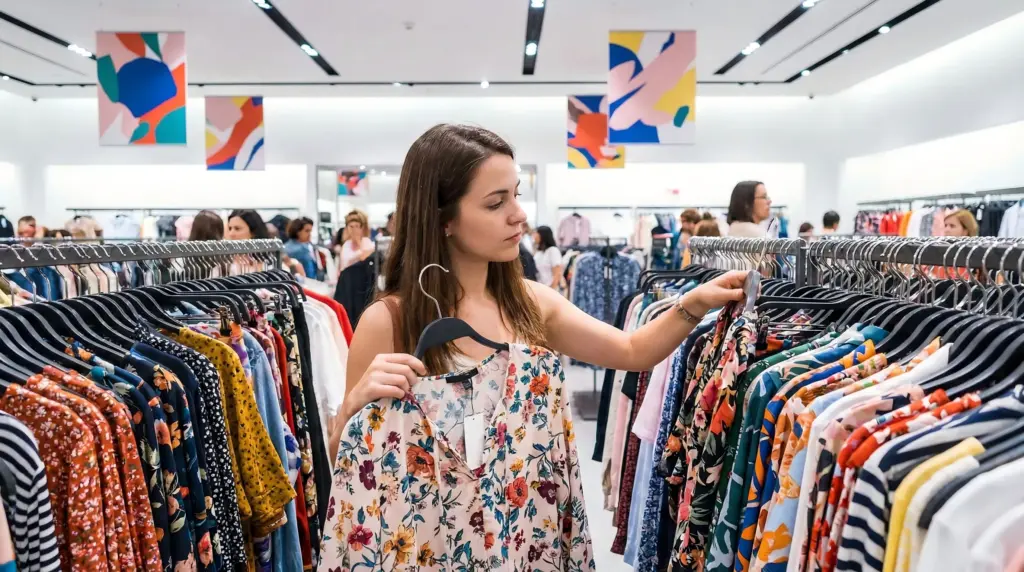
Jak rychle vyhledávám látky ještě předtím, než se jich dotknu
Když navštěvuji trhy nebo si prohlížím sortiment online, hledám několik signálů. Naučila jsem se to tvrdě. Před lety jsem pomáhala kupujícímu s opakovanou objednávkou. Vzorky vypadaly dobře. Pak přišla látka s malými změnami. Zlepšil se omak. Zvýšilo se žmolkování. Kupující obviňoval továrnu. Továrna obviňovala příziárnu. Skutečnou příčinou byl tlak na rychlost a tenký čas na testování.
Takhle o tom přemýšlím já:
| Signál | Co vidím | Proč na tom záleží |
|---|---|---|
| Frekvence poklesu | Nové styly se objevují často | Odměňuje “nové” více než “nejlepší” |
| Cenový žebříček | Mnoho položek se nachází v nízkých cenových pásmech | Vynucuje levnější lemování, lehčí látku nebo kratší dobu |
| Směs látek | Spousta polyesterových směsí | Je levný a stabilní, ale může se z něj uvolňovat mikrovlákna. |
| Životnost produktu | Věci působí “jednosezónně” | To vede k většímu nakupování a většímu plýtvání. |
Proč se zobrazují klíčová slova jako “vera moda”, “vero mode” a “brand moda”
Také si všímám, jak nakupující vyhledávají. Lidé omylem píší “vera moda” nebo “vero mode”. Lidé píší “moda fast”, aby se zeptali, jestli se jedná o rychlou módu. Lidé píší “vero moda bunda” nebo “vero moda džíny”, protože svrchní oblečení a džíny jsou kategorie, kde se problémy s kvalitou projevují nejrychleji. Vidím dokonce i podivná vyhledávání jako “toda moda lemon grove”, “postmoda” a “moda fashionista”. Tyto výrazy mi říkají jednu věc. Lidé si nejen kupují produkt. Jdou za vzhledem a náladou. Rychlá móda prodává tuto náladu ve velkém. To je smysl tohoto modelu.
Co bych zkontrolovala u věcí ve stylu Vero Moda
Kdybych si kupovala “bundu Vero Moda” do vlastního šatníku, provedl bych jednoduché kontroly. Zatáhl bych za šev. Podíval bych se na hustotu stehů. Protřel bych látku. Zkontroloval bych značku zipu. Zkontroloval bych složení podšívky. Tyto kontroly se zdají být jednoduché, ale odhalují pravdu, kterou marketing nedokáže skrýt.
Jak etický Je Vero Moda pro pracovníky a dodavatele?
Etika je ze stránky produktu těžko rozpoznatelná. To je ten problém. Když se značka rychle rozvíjí, mění se s ní i riziko a když se plány změní, nejdříve platí zaměstnanci.
Veřejná hodnocení a veřejná tvrzení naznačují, že Vero Moda má určité zásady a určitý dohled, ale stále existují jen omezené důkazy o mzdách, které by měly být existenčně důstojné, a o hluboké transparentnosti v celém dodavatelském řetězci.
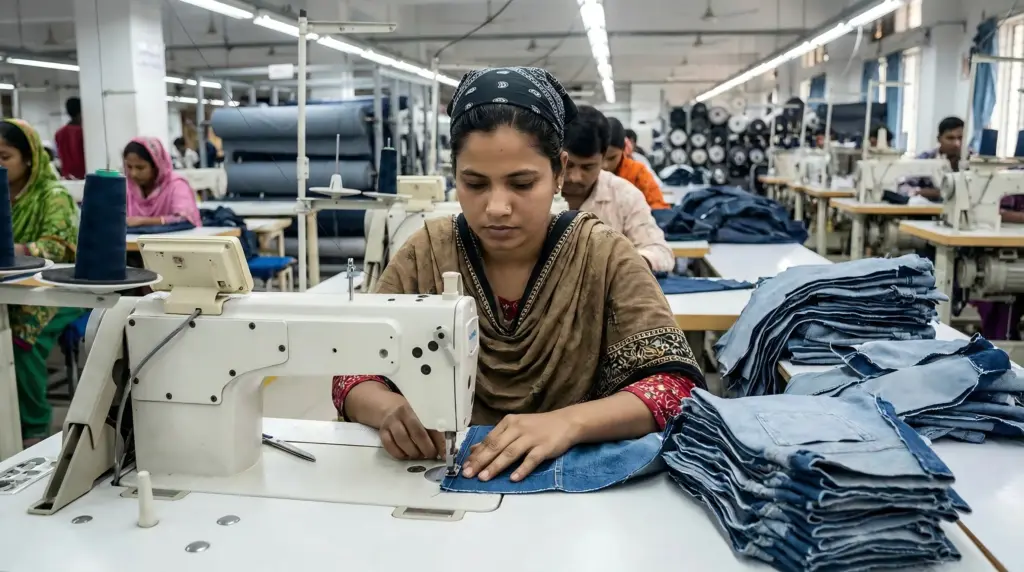
Co jako výrobce myslím slovem “etický”
Pracuji s kupujícími, kteří se zajímají o etiku, a respektuji to. Zároveň ale vím, jak snadné je zdánlivě zfalšovat. Čistá fotografie na certifikátu nedokazuje každodenní realitu. Kodex chování nedokazuje mzdu.
Takže definuji etické kontroly ve vrstvách:
Vrstva 1: Neobchodovatelné
- Žádná dětská práce.
- Žádná nucená práce.
- Bezpečná budova a bezpečné požární východy.
- Skutečné záznamy o pracovní době.
Vrstva 2: Stabilita
- Objednávky se neruší na poslední chvíli.
- Továrny dostávají spravedlivou dodací lhůtu.
- Platební podmínky nesnižují mzdy.
Vrstva 3: Mzdy a hlas
- Zaměstnanci mohou nahlásit problémy bez trestu.
- Mzdy se posouvají směrem k životnímu minimu, nejen k zákonným minimům.
Zde je praktický pohled, který používám při jednání s kupujícími, jako je Maria, kteří vedou konverzaci a záleží jim jak na kvalitě, tak na ceně:
| Otázka | Jak vypadá silná odpověď | Jak zní slabá odpověď |
|---|---|---|
| Zveřejňujete seznam továren? | Aktualizovaný seznam, jasný rozsah, skutečné adresy | “Jsme transparentní” bez seznamu |
| Sdílíte výsledky auditu? | Souhrnné výsledky a nápravná opatření | “Provádíme audit” bez podrobností |
| Jak zvládáte špičky přesčasů? | Plánování a limity kapacity | “Řídíme se pouze místními zákony” |
| Zavazujete se k mzdám, které vám zůstanou na živobytí? | Plán, data a měření | “Platíme spravedlivě” bez důkazů |
Proč rychlá móda ztěžuje etiku
Rychlá móda automaticky neznamená zneužívání, ale zvyšuje tlak. Když je kalendář napjatý, manažeři tlačí na přesčasy. Když jsou ceny napjaté, továrny šetří. Když se trendy mění, značky upravují objednávky. Z mých zkušeností vím, že i ty nejetičtější továrny stále bojují, pokud se značka nesdílí s ostatními riziky a časem.
Pokud chcete jedno jednoduché pravidlo, zní to takto: rychlost bez sdílené odpovědnosti se obvykle stává něčím jiným utrpením.
Jak udržitelná je Vero Moda z hlediska materiálů, odpadu a dlouhodobého horizontu?
Udržitelnost není jen “lepší látka”. Je to také to, kolik jí vyrobíte, jak dlouho vydrží a co se stane, když ji přestanete nosit. Rychlá móda v tom posledním často selhává.
Vero Moda sice propaguje udržitelnost a využívá materiály s nižším dopadem na životní prostředí, ale model rychlé módy s objemem výroby stále vytváří vysoký odpad a vysokou poptávku po zdrojích.
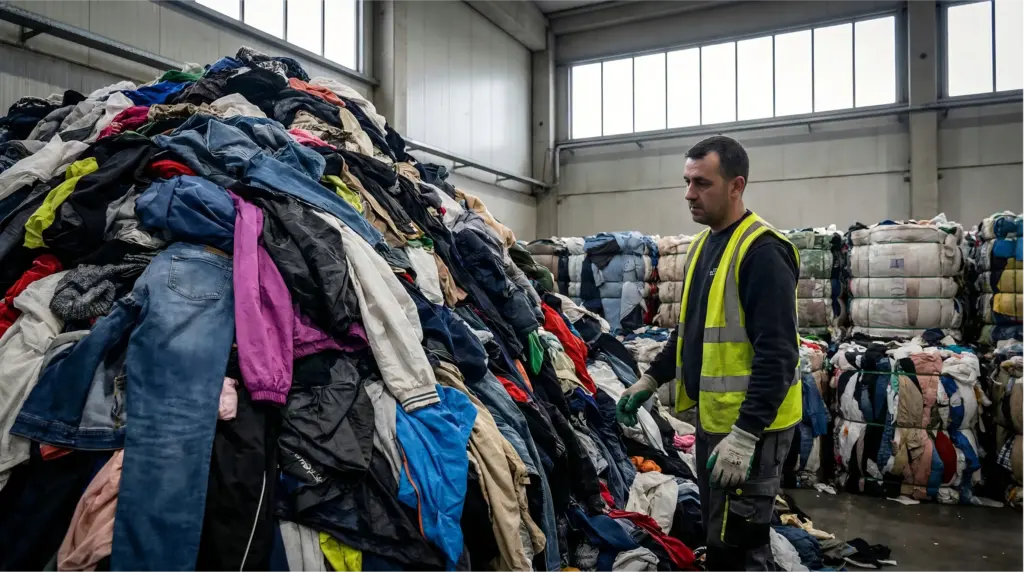
Materiály: na čem záleží víc než na módních slovech
Často vídám značky, které zdůrazňují “recyklovaný” nebo “bio”, a to není zbytečné. Přesto se dívám na celkový mix. Pokud značka používá hodně syntetických materiálů, pak spojuje produkt s fosilními vstupy a uvolňováním mikrovlákna. Pokud používá hodně směsí, pak je recyklace později obtížnější.
Takto to vysvětluji kupujícím, kteří chtějí jednoduché možnosti:
| Výběr materiálu | Proč to značky používají | Kompromis v oblasti udržitelnosti |
|---|---|---|
| Polyester | Nízká cena, stálá barva, snadná péče | Mikrovlákna, fosilní původ, citlivost na teplo |
| Recyklovaný polyester | Umožňuje využít část odpadu | Stále přístřešky, stále na bázi plastu |
| Konvenční bavlna | Pohodlné, společné zásobování | Vysoká hladina vody a chemikálie v mnoha regionech |
| Organická bavlna | Nižší spotřeba chemikálií | Stále poptávka po půdě a vodě |
| Viskóza | Měkké zakrytí, nízká cena | Může souviset s rizikem pro lesy, pokud je zdroje slabé |
Odpad a cirkularita: o čem se značky dílů vyhýbají
Ve výrobě vzniká plýtvání stříháním, nadměrným nákupem látek a neúspěšnou kontrolou kvality. V maloobchodě vzniká plýtvání nadprodukcí a vrácením zboží. U spotřebitelů vzniká plýtvání nízkou trvanlivostí a nudou.
Jednou jsem sledoval, jak si kupující objednal nadměrné množství módní barvy. Výprodejová sezóna skončila brzy. Zbytky zboží ležely ve skladu. Pak byly výrazně zlevněny. Tento příběh se opakuje napříč celým odvětvím. V reálném životě je to problém “módního rychlíku”.
Pokud chce být Vero Moda udržitelnější, největším nástrojem není jediná “uvědomělá” kapsle. Největším nástrojem je zpomalení odlivu. To znamená méně modelů, delší prodejní období, lepší testování a více možností opravy nebo dalšího prodeje. Znamená to také změny v balení a jasnější postupy pro ukončení životnosti.
Jednoduchý hodnoticí lístek, který používám při plánování OEM/ODM
Když mě kupující požádá o udržitelný plán, používám tuto hodnotící tabulku:
| Plocha | O co žádám | Co mohu implementovat v továrně |
|---|---|---|
| Trvanlivost | Vyšší specifikace švů, lepší lemování | Zesílené švy, lepší zipy, testy praní |
| Tkanina s nižším nárazem | Certifikované možnosti, sledovatelnost | Certifikované získávání zdrojů a sledování šarží |
| Méně odpadu | Chytřejší značky, přesnější plánování MOQ | Optimalizace markerů, cílové hodnoty výtěžnosti tkaniny |
| Doprava | Méně leteckých zásilek | Lepší plánování časového harmonogramu, časová rezerva |
| Důkaz o shodě | Skutečné, ověřitelné dokumenty | Audity třetích stran a kontrola dokumentů |
I zde záleží na důvěře. Mariin problém s padělanými certifikáty je skutečný. Viděla jsem to na trhu. Proto vždycky kupujícím radím, aby si certifikáty ověřovali oficiálními kanály a aby rozsah certifikátu odpovídal přesnému závodu a produktu, nejen obchodnímu názvu.
Závěr
Vero Moda funguje jako rychlá móda. Existují určité politické kroky, ale model stále tlačí na objem a rychlost, takže etika a udržitelnost zůstávají propojené, dokud se základní cyklus nezpomalí.
Proč tohle píšu
Jsem Lancy Chia z Truekungu v Číně. Provozuji velkoobchodní oděvní továrnu B2B s více než 200 zaměstnanci. Nabízím oděvní produkty a OEM/ODM služby pro značky a supermarkety po celém světě. Zaměřuji se na kontrolu kvality, jasnou komunikaci, skutečné certifikační kontroly, stabilní dodávky a praktickou kontrolu nákladů.
Zobrazení: 385