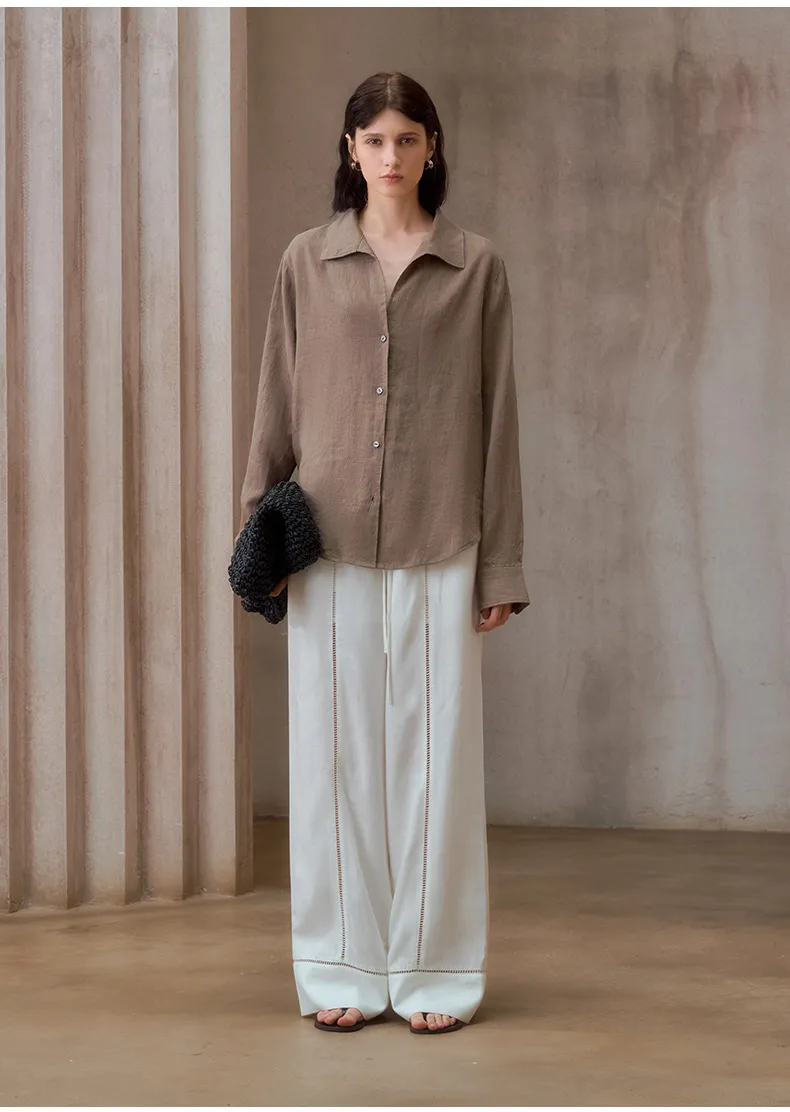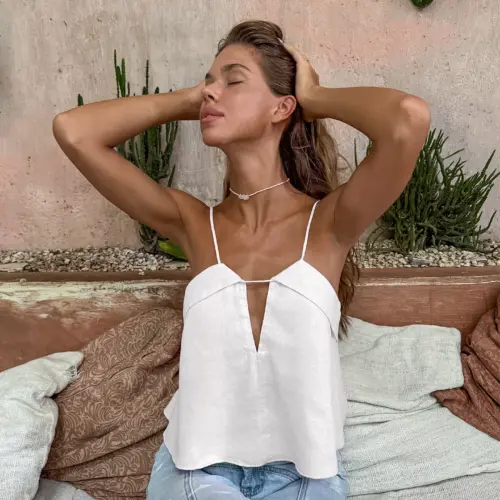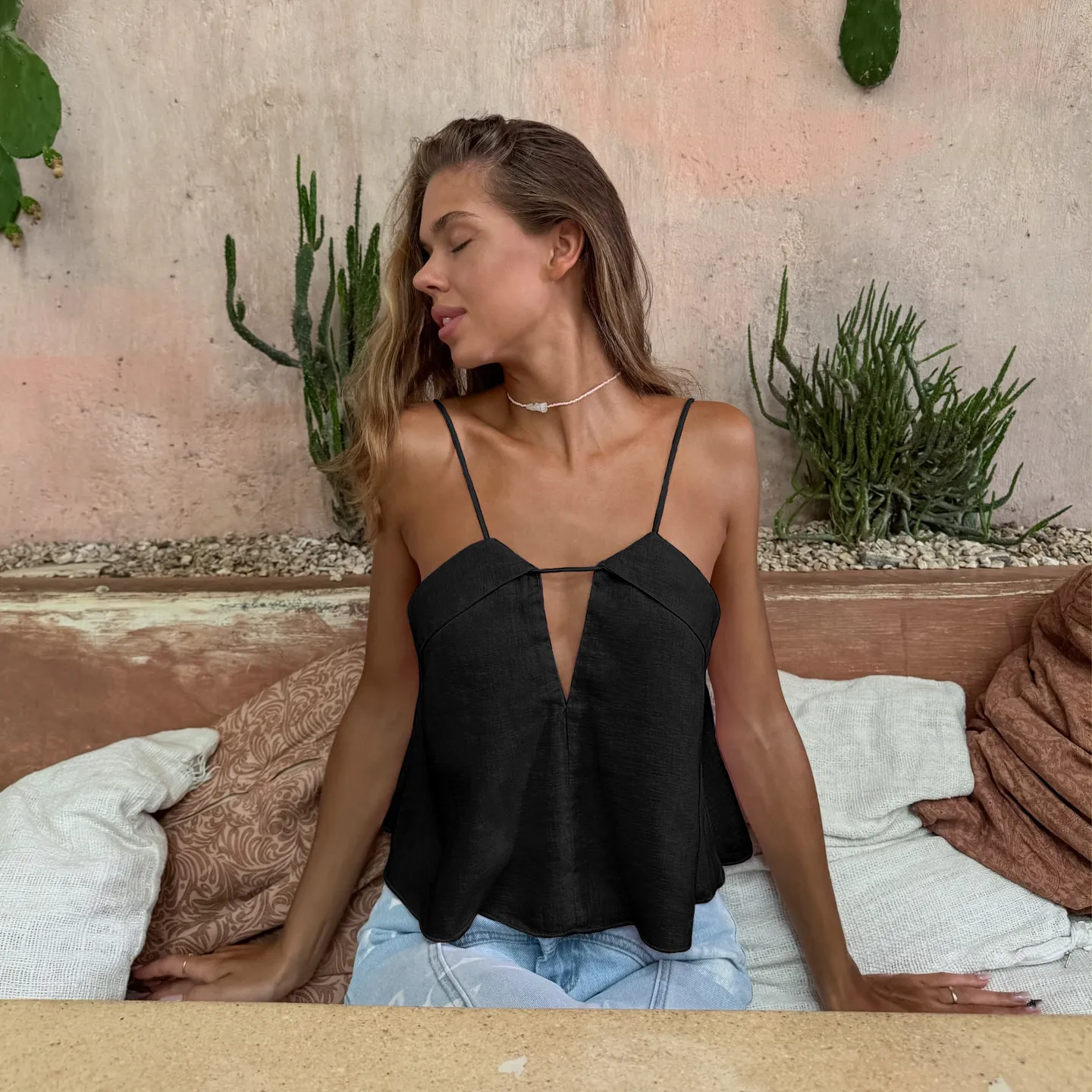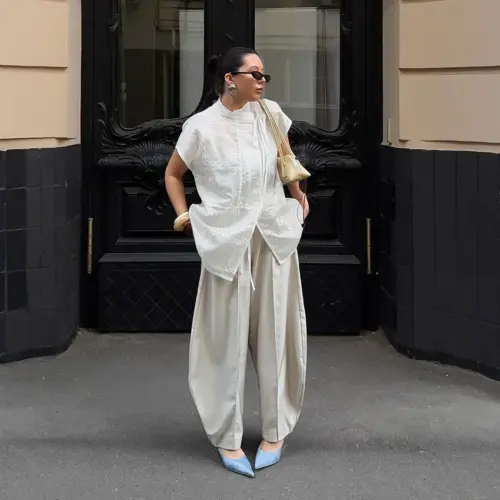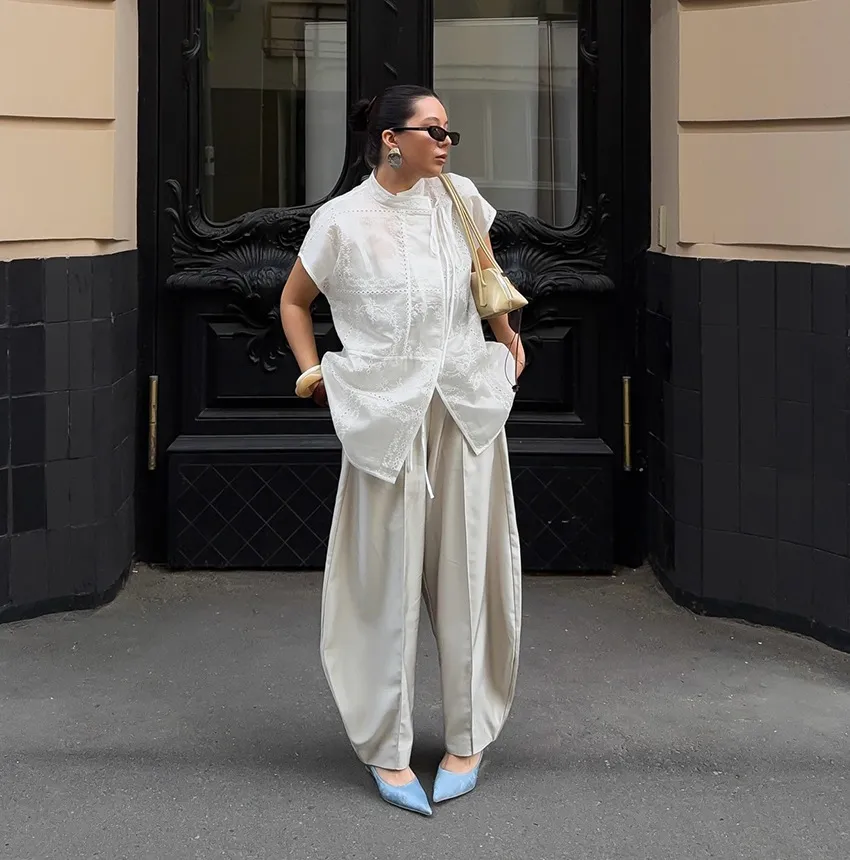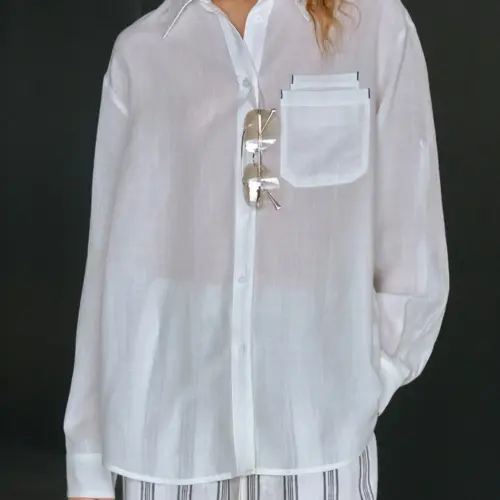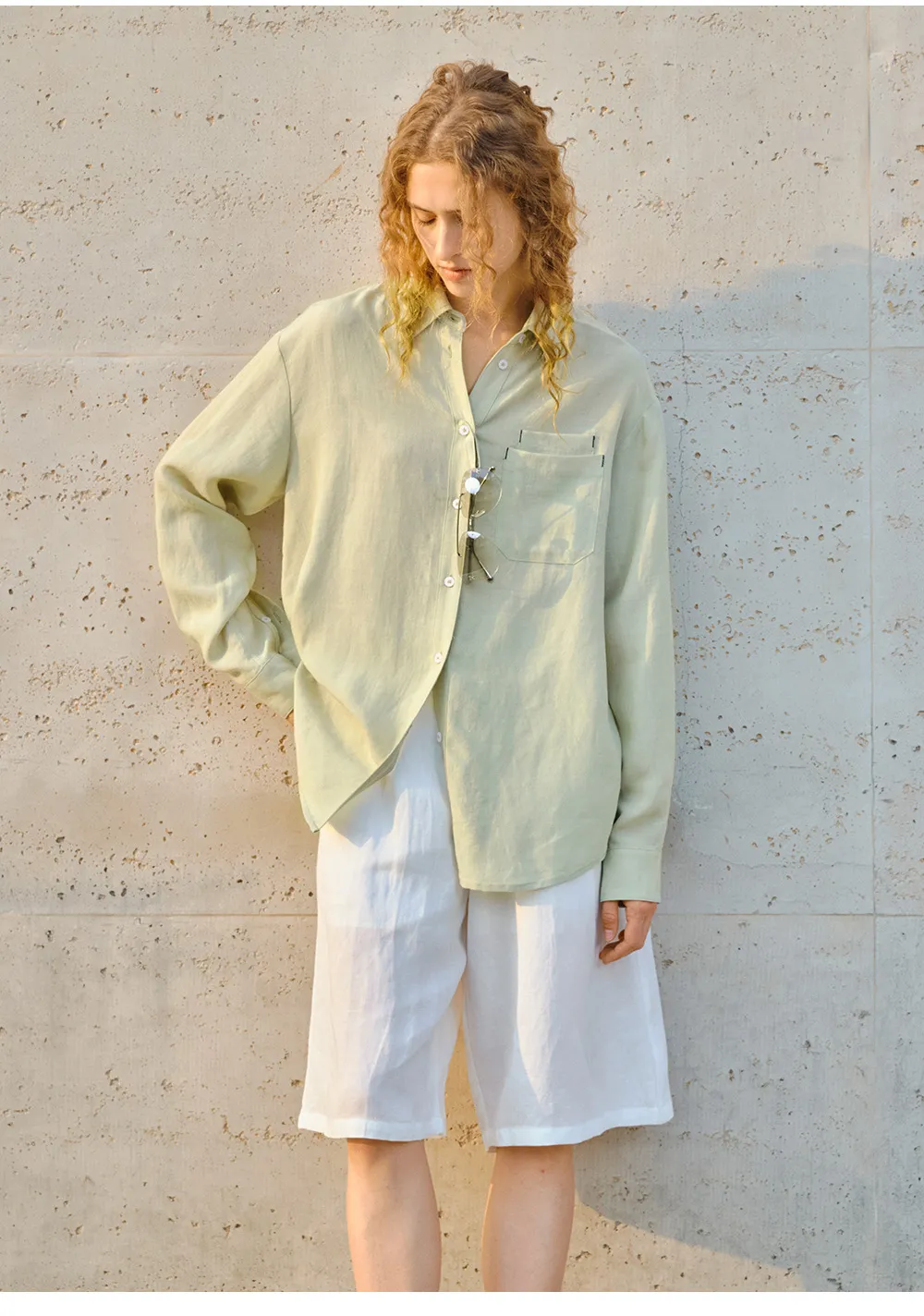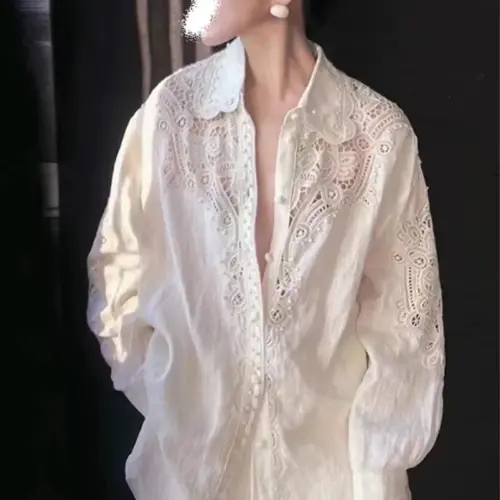

Grey clothing looks simple, but choosing the wrong colours can make an outfit feel dull or unbalanced. For fashion brands, poor colour matching can also affect a collection’s appeal. The solution is to choose combinations that work visually and remain practical to produce.
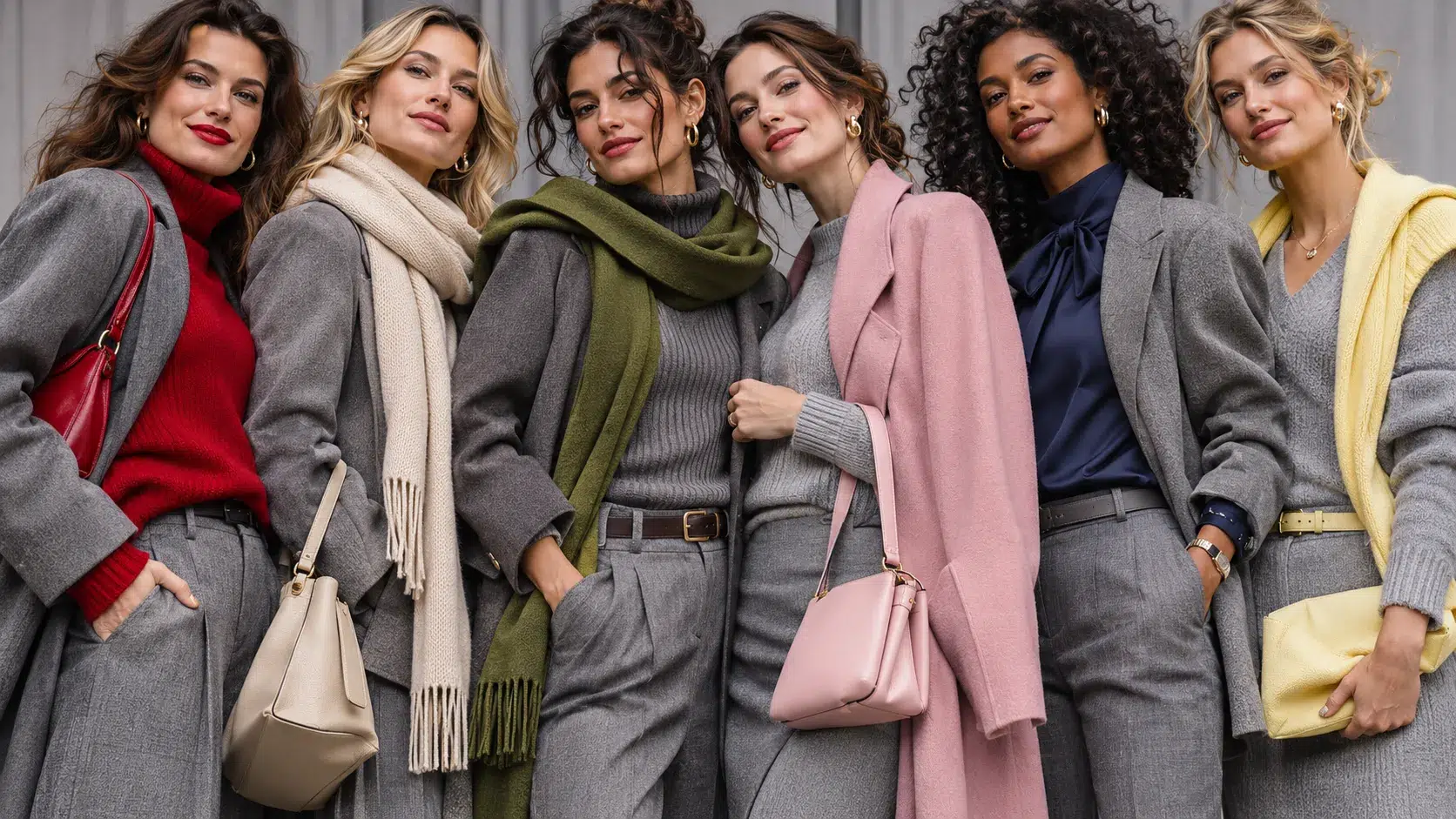
The six colours that go exceptionally well with grey clothes are chilli red, warm beige, olive green, soft pink, navy blue, and pale yellow. Red adds energy, beige creates warmth, green brings an earthy contrast, pink softens the look, navy adds structure, and yellow gives grey a fresh appearance. Each combination works differently with light grey, medium grey, and charcoal.
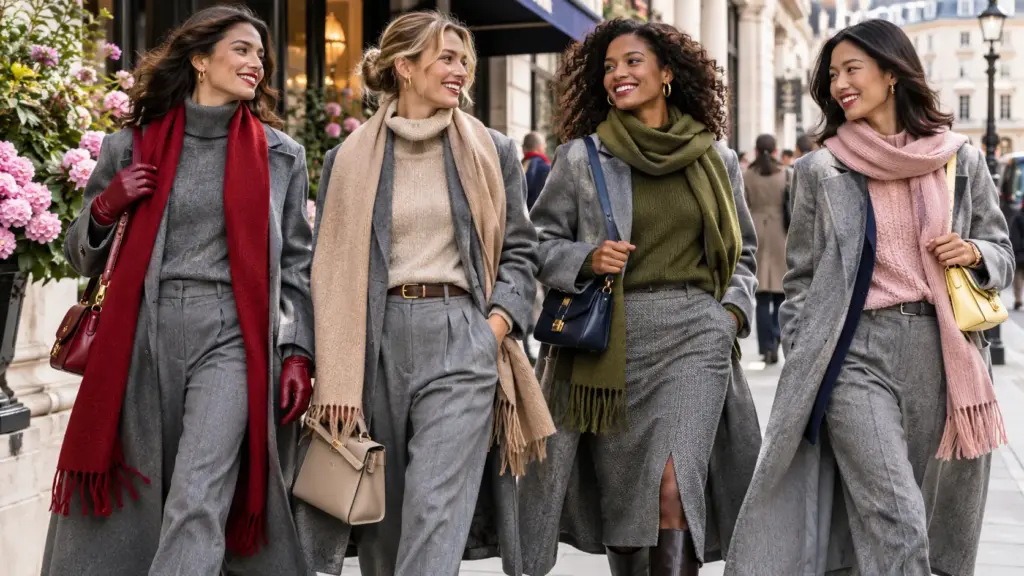
I’m Lancy Chia from Truekung, a clothing manufacturer in China with 20 years of export experience and more than 200 workers. My work involves garment development, fabric selection, sample production, and bulk manufacturing. From the factory side, I know that a beautiful colour combination is only the beginning. Fabric texture, dye consistency, garment construction, and production quantities also influence the final result.
In this guide, I’ll explain six colours that match with grey, show how to style them, and share practical advice for clothing brands developing grey-based collections. For additional styling inspiration, I also reviewed Who What Wear’s guide to colours that go with grey.
Which Warm Colours Look Best With Grey Clothes?
Grey can sometimes look cold, especially in structured coats, trousers, and winter knitwear. Without a complementary shade, an outfit may lack personality. Warm colours solve this problem by adding contrast while keeping grey as the main colour.
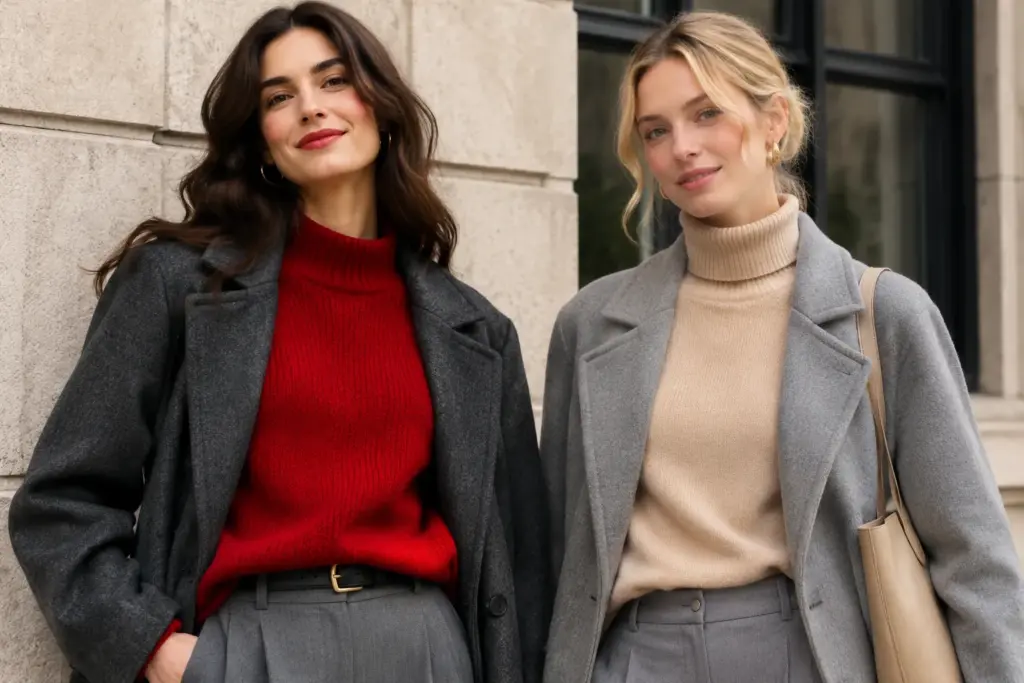
Chilli red and warm beige are two effective warm colour combinations with grey. Chilli red creates a bold, confident outfit, while warm beige produces a softer, more understated appearance. Both work with grey trousers, jackets, dresses, and knitwear, but they serve different styling purposes.
How Red and Beige Change Styling
1. Chilli Red: A Bold Contrast With Grey
Chilli red is an excellent choice when you want grey clothes to stand out.
A red sweater with charcoal grey trousers creates a strong contrast. A grey blazer over a red top also works well for office outfits, casual collections, and autumn fashion.
For women’s fashion brands, I would consider these outfit combinations:
- Charcoal grey trousers with a chilli red knit sweater.
- A light grey blazer with a red fitted top.
- A grey midi skirt with a red cardigan.
- A charcoal coat with a red scarf or handbag.
The advantage of this combination is that red attracts attention without requiring complicated garment designs.
From a manufacturing perspective, red shades need careful approval. Bright reds can vary between fabric batches, and colourfastness must be checked according to the fabric and intended use.
2. Warm Beige: A Softer Alternative
Warm beige creates a completely different result.
Instead of a strong contrast, beige adds warmth to grey. This makes it suitable for minimalist clothing, business-casual outfits, and coordinated women’s collections.
For example, a warm beige sweater with light grey trousers creates a clean, relaxed appearance. A grey wool-blend coat layered over beige knitwear offers a practical winter outfit.
If buyers ask whether grey and cream go together in clothes, my answer is yes. Cream and beige both work well with grey, although cream is usually lighter and can create a more noticeable contrast.
For collection development, warm beige can complement grey across several product categories, including coats, sweatshirts, skirts, and trousers.
Why a Good Palette Can Fail
A colour combination may look attractive in a digital design but different on finished garments.
Red and beige fabrics respond differently to texture, lighting, and dyeing methods. A smooth polyester blouse can make chilli red appear brighter than the same nominal colour on a brushed cotton sweatshirt.
Beige also has different undertones. Some shades look yellow, while others lean towards pink or brown.
When comparing fabrics, I usually ask buyers to review actual swatches under consistent lighting.
This is especially important when a collection uses different fabric suppliers or combines woven and knitted materials.
A grey blazer with beige trousers might look coordinated in a design sketch, but the final colours can feel disconnected if the grey is very cool and the beige is strongly yellow.
This looks small, but it can affect the appearance of the complete collection.
Checks Before Approving Two Colourways
| Co zkontrolovat | Proč na tom záleží | Co navrhuji |
|---|---|---|
| Red shade | Brightness changes the overall styling | Approve a physical colour standard |
| Beige undertone | Yellow or pink undertones change the effect | Compare beige directly with grey |
| Textura látky | Smooth and brushed fabrics reflect light differently | Review actual production fabrics |
| Colourfastness | Dye transfer may affect other garments | Specify suitable colourfastness tests |
| Colour MOQ | Extra colours may require separate fabric orders | Confirm quantities by colour |
Choosing Bold Colour Without Overspending
When a brand develops a grey-based clothing collection, one important decision is how many colour combinations to produce. Chilli red and warm beige can both look attractive, but they create different commercial and manufacturing requirements.
Consider a hypothetical collection of grey trousers, jackets, and sweatshirts. The buyer wants to introduce red and beige coordinating pieces. A red sweatshirt could become the visual highlight of the collection, while beige knitwear could offer a more neutral option. However, producing both colours may increase fabric sourcing requirements, sample development work, and inventory complexity.
Red fabric may require specific dye approval and colourfastness checks. Beige may look straightforward, but consistent undertones become important when different garments are displayed together. If the quantities are small, additional fabric colour minimums can increase the unit cost.
In my factory experience, buyers sometimes focus on the number of available colours before confirming whether each colour has enough expected demand.
My suggestion is to start with the grey garments that form the main collection. Then select one strong accent colour and one neutral supporting colour.
My decision rule: If the order quantity is limited, prioritise the colour combination with the clearest customer demand rather than developing several similar shades immediately.
This approach can control sampling expenses, reduce unnecessary stock, and make colour management easier during bulk production.
Does Grey Match Green and Soft Pink?
Some buyers worry that green looks too earthy with grey or that pink appears too delicate. In practice, both can work beautifully. The main challenge is choosing the right shade and making sure the finished fabrics match the intended design.
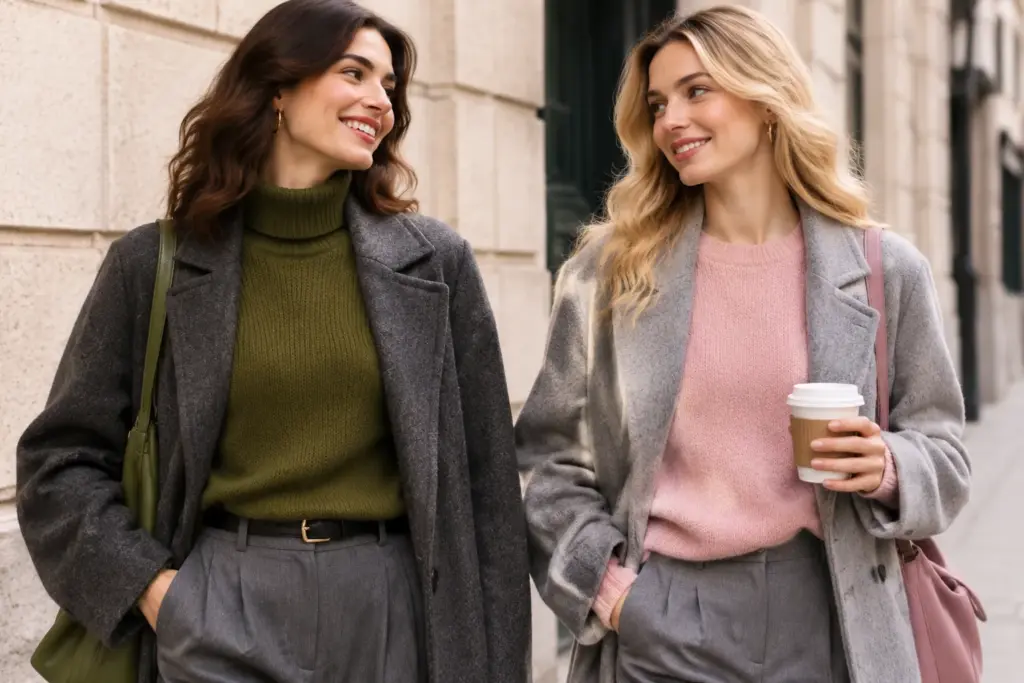
Olive green and soft pink are two particularly useful colours to wear with grey. Olive green creates a natural, understated outfit, while soft pink adds a gentle contrast. Charcoal grey works especially well with muted olive, and light or medium grey can complement pale pink.
How Olive and Pink Behave on Fabric
3. Olive Green: A Natural Partner for Grey
Does grey match green? Yes, especially when the green has a muted or earthy tone.
Olive green works particularly well with dark grey clothing because both colours have a subdued appearance. Together, they create a balanced outfit without looking too bright.
A grey and green outfit can include:
- An olive green jacket with charcoal grey trousers.
- A dark grey sweater with an olive green midi skirt.
- A grey T-shirt with olive cargo trousers.
- An olive green coat with a light grey sweatshirt.
For casual fashion and streetwear, green and grey outfits are useful because the combination works across jackets, trousers, sweatshirts, and basic tops.
I would also consider olive green for autumn collections and outdoor-inspired clothing.
However, not every green creates the same effect. Bright lime green produces a much stronger contrast, while sage green generally gives a softer appearance.
When selecting green and grey clothes for a collection, buyers should approve the exact shade rather than relying only on the colour name.
4. Soft Pink: Gentle Contrast With Grey
Soft pink creates a lighter, more feminine appearance.
A pale pink blouse with grey tailored trousers is suitable for office fashion. A pink cardigan over a grey dress offers a softer casual look.
Other combinations include:
- A light pink shirt with charcoal grey trousers.
- A grey pleated skirt with a pale pink sweater.
- A pink knitted top with a grey blazer.
- A light grey coat over a soft pink dress.
For women’s clothing collections, this combination can work across spring knitwear, blouses, skirts, and casual dresses.
The shade of pink matters. Dusty pink tends to feel muted, while baby pink looks lighter and more delicate.
Why Shades Shift Between Garments
One common sourcing issue is approving colours through digital images alone.
Phone screens, professional product photographs, and factory lighting can display the same fabric differently.
Olive green is particularly sensitive to undertone differences. A yellow-based olive may look very different beside cool charcoal grey compared with a more neutral green.
Pink also varies according to fabric construction. A pink satin blouse may appear brighter than a pink cotton jersey T-shirt, even when both fabrics are developed against the same colour reference.
For clothing manufacturers, colour approval should consider the actual fabric, not just a printed reference or screen image.
I usually ask buyers to check lab dips or fabric swatches before confirming bulk materials, where these approvals are appropriate for the selected fabric and dyeing process.
For coordinated outfits, comparing both garments together is more useful than checking each colour separately.
Checks for Green and Pink Samples
| Co zkontrolovat | Proč na tom záleží | Co navrhuji |
|---|---|---|
| Olive undertone | Green may appear yellow, brown, or grey | Compare several swatches with charcoal |
| Pink intensity | A bright shade changes the intended look | Approve the exact reference |
| Složení látky | Different fibres absorb dyes differently | Check colours on the selected fabric |
| Wash performance | Washing may affect shade or appearance | Request suitable wash testing |
| Trim colours | Zippers, buttons, and ribbing affect coordination | Review the complete sample |
Balancing Colour Variety Against Order Size
Green and pink offer useful opportunities for clothing brands, but offering more colours does not automatically make a collection more successful. Every additional colour can introduce separate purchasing, sampling, and quality-control requirements.
Imagine a buyer developing a women’s casualwear collection with grey sweatshirts, olive green trousers, and pale pink tops. The combinations may look attractive in a lookbook. However, the buyer must still confirm whether the garments use compatible fabrics, whether each colour meets the supplier’s minimum quantity, and whether the planned selling price supports the production cost.
Olive green trousers may use woven cotton twill, while grey sweatshirts use knitted fleece. Their different fabric weights and surfaces can make the shades look different from digital mock-ups. Pink tops may require another fabric supplier or dyeing process.
A lower total order quantity can make these differences more important because fabric minimums and setup costs must be distributed across fewer garments.
I have seen buyers lose time because colours were discussed extensively before the base fabrics and quantities were confirmed.
My suggestion is to approve the fabric and fit first, then finalise the colour range.
My decision rule: When testing a new collection, introduce fewer colourways and measure customer response before increasing the number of options.
For repeat orders, successful colours can be expanded into additional product categories. This gives buyers more information before committing to larger quantities.
What Colours Work With Dark Grey and Light Grey?
The same colour does not always work equally well with every shade of grey. A pairing that looks balanced with charcoal may appear too heavy with pale grey. Understanding contrast helps buyers and designers make better choices.
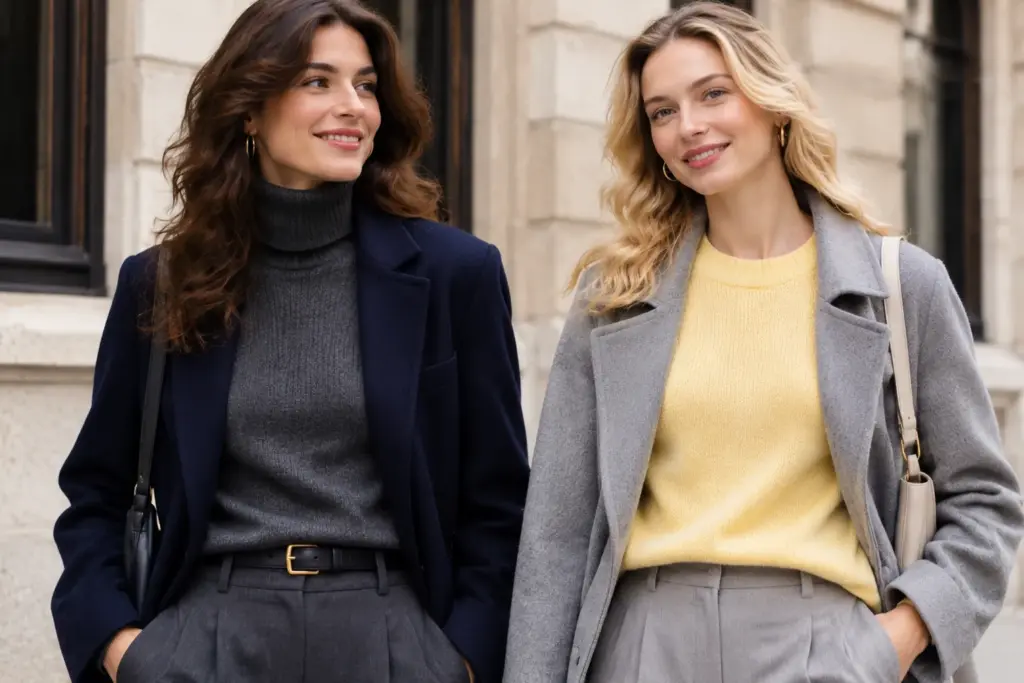
Navy blue and pale yellow are two versatile options for dark grey and light grey clothing. Navy gives grey a classic, structured appearance, while pale yellow introduces a soft, fresh contrast. The best choice depends on the grey’s depth, undertone, fabric texture, and intended style.
5. Navy Blue: A Classic Combination
Navy blue is one of the most practical colours that go with dark grey.
Both colours are understated, making the combination suitable for business clothing, smart-casual outfits, and winter collections.
Some outfit ideas include:
- Charcoal grey trousers with a navy blue shirt.
- A navy blazer with a light grey sweater.
- Dark grey jeans with a navy sweatshirt.
- A grey pleated skirt with a navy cardigan.
For brands producing men’s or women’s clothing, navy and grey can form a useful foundation for coordinated collections.
The difference in colour depth matters. When navy is extremely dark and the grey is charcoal, the outfit may have little visible contrast.
I would often suggest adding a white or cream shirt to separate the two darker colours.
6. Pale Yellow: A Fresh Contrast
Pale yellow is less conventional but can look attractive with grey.
It works particularly well when the yellow is soft rather than highly saturated.
For example, a pale yellow blouse with medium grey trousers creates a fresh daytime outfit. A yellow knitted cardigan over a light grey dress adds a gentle colour accent.
Other options include:
- A pale yellow sweater with charcoal trousers.
- A light grey skirt with a butter-yellow shirt.
- A grey blazer over a pale yellow top.
- Light grey trousers with a soft yellow cardigan.
For spring and transitional collections, this pairing can help grey clothing feel lighter.
However, pale yellow fabrics require careful shade approval. Slight changes in yellow undertones can alter the intended appearance.
Why Grey Undertones Cause Matching Problems
Grey is not one single colour.
Some grey fabrics have blue undertones, others have warmer brown undertones, and certain grey shades may appear slightly green.
This is why buyers asking what colors go with charcoal grey clothes should first identify the actual grey fabric.
Cool charcoal often coordinates well with navy, pink, and certain muted greens. Warmer grey may look more harmonious beside beige or cream.
Light grey also creates different possibilities.
When buyers ask what goes with light grey, I recommend considering the desired contrast. Navy creates a strong separation, while pale yellow produces a softer appearance.
Grey with grey is another practical option. A dark grey with light grey combination can create a coordinated outfit without introducing another colour.
However, grey-on-grey styling works best when there is enough difference in shade, texture, or garment structure.
Checks for Light and Dark Grey
| Co zkontrolovat | Proč na tom záleží | Co navrhuji |
|---|---|---|
| Grey undertone | Warm and cool greys create different effects | Compare swatches in consistent lighting |
| Navy depth | Dark navy may blend into charcoal | Check contrast on a full garment |
| Yellow undertone | Different yellows change the outfit’s appearance | Approve the exact colour sample |
| Grey mélange effect | Mixed yarns change perceived colour | Review actual knitted or woven fabric |
| Konzistence dávky | Shade variation affects repeat orders | Confirm acceptable shade tolerances |
Choosing Contrast Without Losing Consistency
For fashion buyers, the challenge is not only identifying the best colour combination with grey. It is also making sure the combination looks consistent across different garments, fabric types, and production batches.
Consider a brand planning a coordinated collection of charcoal trousers, navy jackets, and pale yellow knitwear. The styling concept is straightforward. The production requirements may be more complicated because each product uses different materials and dyeing processes.
Charcoal trousers might use polyester-viscose fabric, navy jackets could use a woven cotton blend, and pale yellow tops might use knitted cotton. These fabrics have different surfaces, colour absorption characteristics, and finishing requirements.
The brand must therefore approve each colour on the actual fabric. A colour code alone cannot guarantee the same visual appearance across materials.
There is also a cost consideration. Special colours may require separate dyeing minimums, while existing fabric colours may offer more practical purchasing quantities. Buyers should compare the advantages of exact custom shades against the additional cost and timing.
My suggestion is to develop a small, coordinated colour range before requesting full bulk production.
My decision rule: If several garments must be worn together, approve the complete outfit using actual fabric samples before confirming all colourways.
This reduces the risk of receiving individually acceptable garments that do not coordinate as expected.
Co byste si měli připravit, než kontaktujete čínskou oděvní továrnu?
Whether you are producing a grey and green outfit collection, grey trousers, or private-label knitwear, clear specifications help the manufacturer understand your requirements.
Before requesting a quotation, I suggest preparing the following information.
| Informace | Příklad | Proč je to potřeba |
|---|---|---|
| Produkt | Šaty, bunda nebo sportovní oblečení | Potvrzuje vhodnost pro výrobce |
| Fotografie/technický balíček | Obrázky, rozměry, konstrukce | Podporuje tvorbu cen a vývoj |
| Tkanina | Bavlna, denim, polyester nebo neznámé | Ovlivňuje náklady, minimální objednávkové množství a načasování |
| Velikosti | XS–XL nebo vlastní tabulka | Ovlivňuje vzorce a spotřebu |
| Množství | Per style and colour | Ovlivňuje MOQ a jednotkovou cenu |
| Trh | EU, Spojené království, USA nebo Austrálie | Ovlivňuje dimenzování a dodržování předpisů |
| Úroveň kvality | Velkoobchod nebo prémiové | Materiály a zpracování průvodců |
| Obal | Polyetylénový sáček, krabice nebo čárový kód | Ovlivňuje náklady a načasování |
| Štítky | Krk, péče, velikost a visačka na zavěšení | Ovlivňuje grafiku, minimální objednávkové množství a cenu |
| Lhůta | Datum doručení do skladu | Podporuje plánování výroby |
| Certifikáty | Požadované certifikáty | Potvrzuje shodu s požadavky |
| Cílová cena | FOB nebo cena s dodáním | Pomáhá navrhovat realistické možnosti |
Clear information allows the factory to provide a more accurate price, production timeline, material recommendation, and manufacturing plan.
Také doporučuji oddělit základní požadavky od volitelných preferencí.
For example, a specific charcoal grey shade may be essential for your brand identity, while the exact fabric composition might be flexible if the alternative delivers the required appearance and performance.
Buyers should also communicate whether their colours must match existing products. Repeat orders often require stricter shade control than independent fashion items.
For private-label orders, it is useful to confirm label artwork, packaging designs, barcode requirements, and any destination-market testing or compliance documentation early.
Vypadá to malé, ale může to ovlivnit doručení.
Kdy byste měli požádat Truekung o cenovou nabídku?
If you are developing a grey-based clothing collection, planning new colour combinations, or looking for an OEM/ODM manufacturing partner in China, you can contact Truekung during the product development stage.
Truekung works with overseas clothing brands, wholesalers, and sourcing buyers who need OEM/ODM production, private-label clothing, sample development, bulk production, quality control, and export support.
Our product range includes women’s clothing, jackets, dresses, skirts, jeans, T-shirts, sweatshirts, coats, down jackets, sportswear, children’s clothing, underwear, and bags.
A useful enquiry should include product images or tech packs, estimated quantities, your target market, fabric preferences, quality requirements, and delivery expectations.
If you are still deciding between colours such as grey and green, grey and beige, or dark grey and navy, you can explain your design direction and ask about practical fabric options.
I can discuss the requirements with you and help identify which production details need confirmation before an accurate quotation is prepared. MOQ, sample timing, bulk lead time, and relevant documentation depend on the product and agreed specifications.
Kontaktujte Lancy Chia ve společnosti Truekung:
E-mail: [email protected]
Webová stránka: https://truekung.com
Závěr
The best colours that go with grey clothes include chilli red, warm beige, olive green, soft pink, navy blue, and pale yellow. For clothing buyers, successful combinations require more than good styling. Confirm fabrics, approve shades, and plan quantities before bulk production.
Zobrazení: 0