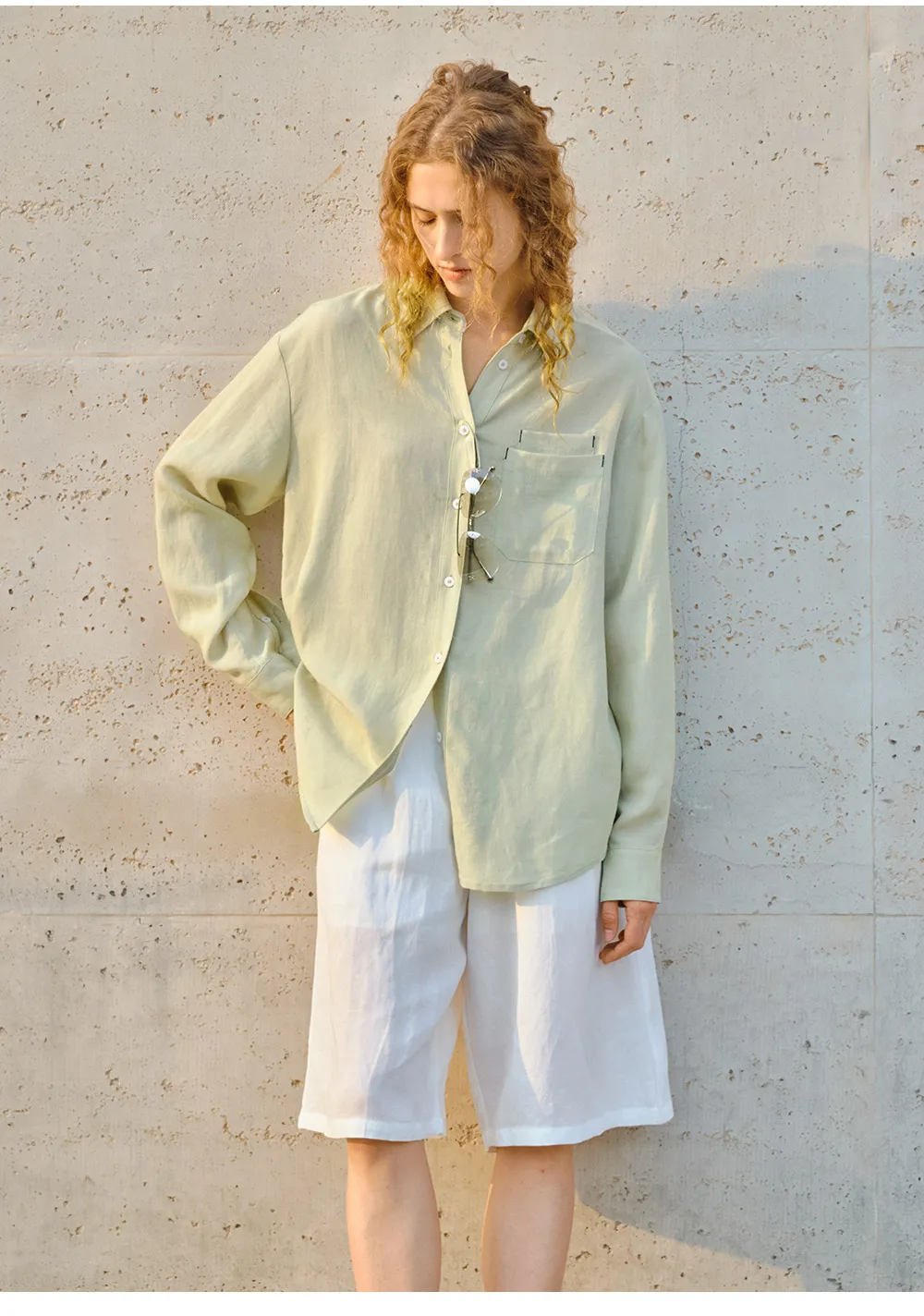
I once chased a delivery truck in Lyon for a jacket. That day I learned why this simple working coat still drives buyers wild.
A French chore coat began as a 19th-century workwear jacket for farmers and laborers; tough cotton, roomy pockets, and a boxy cut. Today it bridges durability and style for men and women.

I write as a buyer and maker. I speak with brands, factories, and store owners. I test samples. I see how a chore coat fits real work and real life. I also see how search terms like “chore jacket mens,” “chore jacket women,” and “what is a chore coat” guide the market. I build my notes with that in mind.
Why did workers trust the chore coat for so long?
Factories were loud. Fields were muddy. People needed gear that could take a hit and keep going.
The chore coat used sturdy canvas or moleskin, triple stitching, and huge pockets. It resisted wear. It washed well. It cost less than heavy outerwear.

I break down the fabric story the same way I learned it in old markets. Early coats used French moleskin and cotton drill. Many were “bleu de travail,” that rich work blue. Some used herringbone twill. Later, denim joined the line. In mills, the blue chore jacket hid dust and oil. In farms, canvas took scrapes from tools and gates. Pockets were tools in cloth form. One pocket fit a notebook. One fit nails, chalk, or a sandwich. A smaller one held a pencil. I hold old samples and still see bar tacks at stress points. Today I still choose dense cotton for structure. I add a little stretch for movement. I keep pocket shapes true. The goal stays the same: strength, washability, and a clean front that layers over shirts and sweaters without fuss.
Typical fabrics and uses
| Material | Feel/Weight | Why workers chose it | Modern notes |
|---|---|---|---|
| Cotton moleskin | Dense, smooth face | Abrasion resistance | Soft sheen with age |
| Cotton drill/canvas | Firm, rugged | Easy to sew and repair | Men’s canvas chore coats love this |
| Herringbone twill | Subtle pattern | Strong, hides dirt | Classic herringbone chore jacket look |
| Denim | Tough, familiar | Dual use on and off work | Great for vintage chore jacket feel |
What does “French blue” really mean?
Stores call many blues “French.” Not all are right. Buyers get confused. Suppliers play loose with shade.
“French blue” or “bleu de travail” is a medium, slightly muted blue that hides grime and fades with calm, even character. True vintage shows depth, not neon brightness.

I keep a swatch book from a Paris flea market. I compare each “french chore coat blue” sample to those swatches. Real vintage french chore coats start strong and fade like river stones. The color softens at elbows and pockets. Stitch rows go a shade lighter. The best modern copies often miss the fade. They break white too fast or bleed into gray. When I source, I test wash at 30, 40, and 60 degrees. I line-dry and tumble-dry. I record shrink. I match thread to mid-fade so repairs vanish. For a women chore coat, I test with light knits and dresses to check stain transfer. I never chase neon blue. For black, cream, red chore coats, I keep the same pocket map, bar tacks, and simple collar. Color can change, but the work rules stay.
Shade guide (simple)
| Name | Look | Fade path | Best pairings |
|---|---|---|---|
| French blue | Medium, muted | Smoky, even | White tee, jeans, leather boots |
| Navy | Darker, formal | Slow, subtle | Office casual, chore jacket outfit men |
| Cream/stone | Light, clean | Patina, visible marks | Spring layers, knit chore jacket |
| Red | Bold, painter vibe | High contrast | Black denim, canvas sneakers |
How did the chore coat jump from field to fashion?
Workwear left the yard and hit the street. Photos and press pushed it. A simple uniform became cool.
Editors and designers wore chore jackets. Bill Cunningham made the blue French painter jacket iconic. Brands from Carhartt to Everlane spread the look across price and fit.
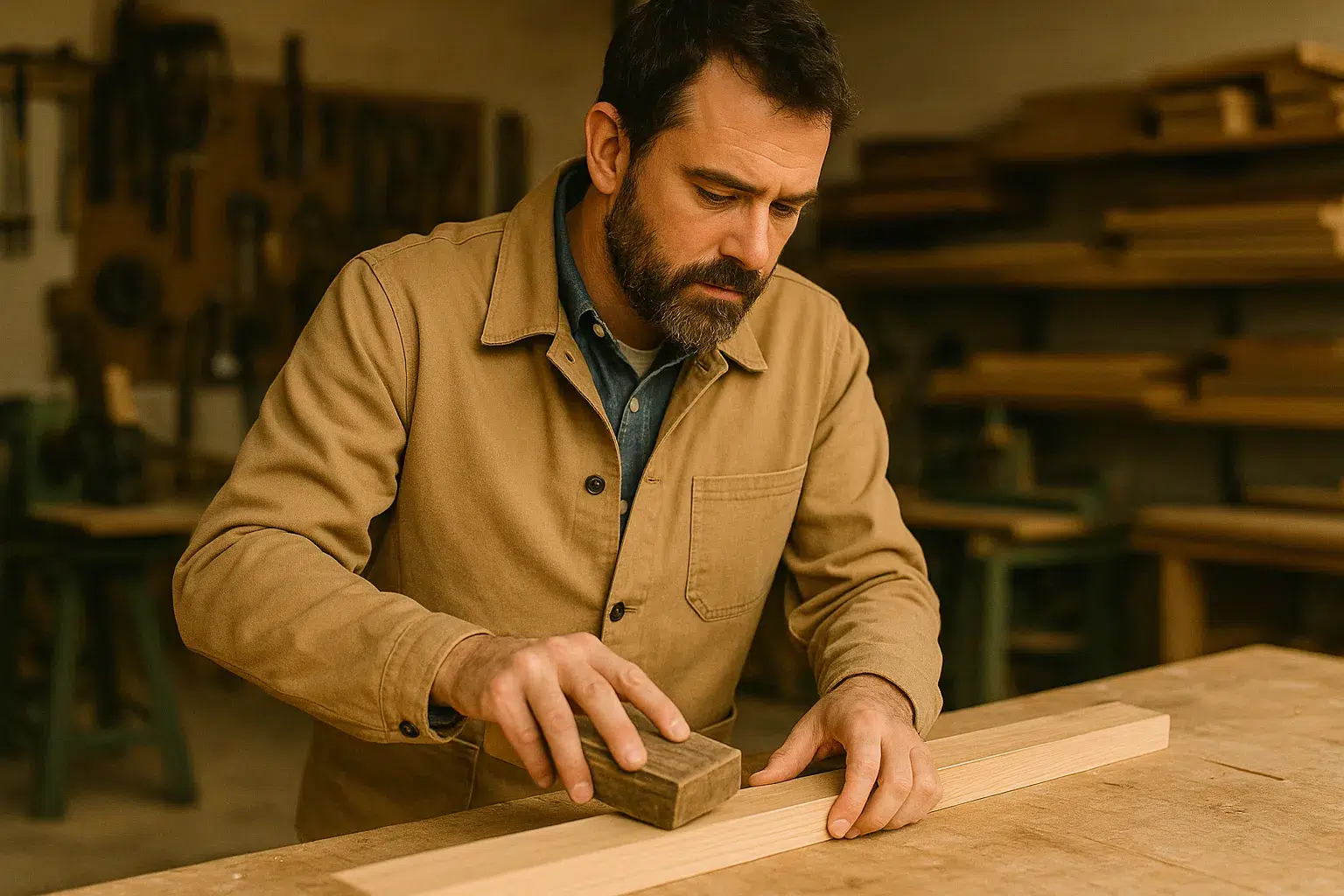
I remember my first “bill cunningham jacket” sighting in New York. Blue, pocketed, on a bicycle. That image sold the idea better than any ad. The french workwear jacket sat between a blazer and a hoodie. Photographers loved the pockets. Designers loved the line. Carhartt chore jackets kept the American rugged feel. Orvis and L.L.Bean offered lined canvas for fall. Taylor Stitch cut sharper silhouettes with responsible fabrics. Knickerbocker kept a studio vibe. Levi’s and Lee built denim versions for that vintage french chore jacket feel. Everlane did a clean, minimal read. Patchwork chore coats added a craft story. Women chose shorter lengths with high-rise denim. Men kept the boxy vintage chore coat fit. When people ask “what is a chore jacket,” I say: it is a tool you can wear to work and to dinner. That dual role still drives demand.
Notable modern takes
| Brand/Type | Key trait | Fit note | Where it shines |
|---|---|---|---|
| Carhartt chore jacket | Heavy canvas, tough | Roomy, straight | Work sites, streetwear |
| Taylor Stitch chore coat | Refined, sustainable focus | Trim yet easy | Office casual, travel |
| Everlane chore jacket | Minimal, clean | Modern, slightly narrow | City layers |
| L.L.Bean / Orvis chore coat | Heritage, practical details | Classic, generous | Weekends, errands |
| Levi’s / Lee chore jacket | Denim heritage | Varies by line | Vintage casual |
What construction details matter when I source a chore coat?
Many coats look similar. The small things decide quality. Miss them and margins suffer.
Check stitch count, bar tacks, pocket reinforcement, and seam finishing. Demand fabric specs and shrink tests. Ask for real certifications and labels, never scans or edits.
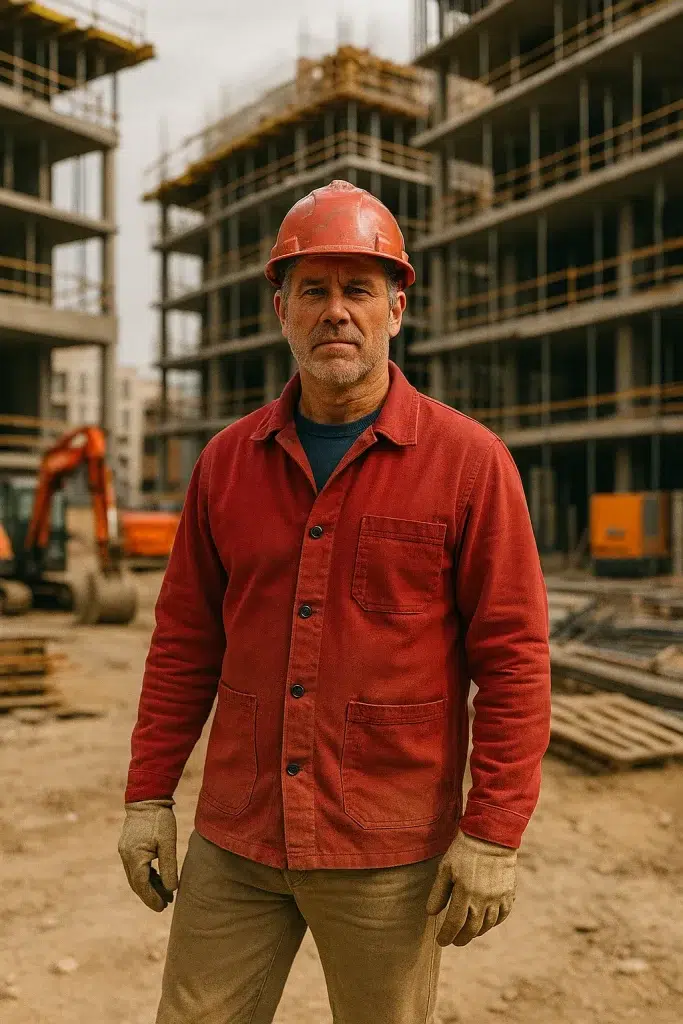
I run one checklist with every factory. I confirm fabric weight in gsm. I test buttons for pull strength. I inspect the collar roll and the hem. I want neat top-stitching at 3 mm (about 1/8″). I look for bar tacks at pocket corners and vents. I ask for bound seams or clean overlock. For a men’s canvas chore coat, I like 340–420 gsm by season. For a chore jacket womens line, I may drop weight and add a softer hand or lining. I add an inside phone pocket. I push for YKK or equal hardware. I require original test reports. Some suppliers forge files. I call the labs. I request originals with barcodes. I place PPS on tight timelines. Delays kill seasons. This habit saves me when I scale an order for a french work jacket run.
Sourcing checklist
| Item | Minimum standard | Why it matters |
|---|---|---|
| Fabric weight (gsm) | 300+ spring, 380+ fall | Shape, drape, durability |
| Stitch count | 7–9 per inch | Strength without puckering |
| Pocket bar tacks | All stress points | Stops corner tears |
| Shrink test | <3% length and width | Size consistency |
| Color fastness | 4 grade wash and rub | Clean fading, true “French blue” |
| Labels & certs | Originals from lab, traceable | Blocks fake documents |
How do I style and sell chore coats today?
Customers want easy rules. Staff need quick scripts. Simple guides close sales.
For men: tee, jeans, boots. For women: knit dress or high-rise denim. Push pockets, layers, and easy care. Offer core blue, plus cream and black.

I train teams with a one-minute pitch. “This is a french chore jacket. It is a working coat that moved into daily life. It lasts. It has pockets for everything. It fits many looks.” Then I show three outfits. For chore coats mens: white tee, selvedge jeans, service boots. For women chore coat: striped tee, wide jeans, loafers. For a knit chore jacket: hoodie inside for cold days. I keep accessories simple. A cap, a canvas tote, a scarf. I talk care. Cold wash. Hang dry. Brush dirt. I remind them that vintage french chore jackets hold value. That makes the buy feel smart. I also push size range. Boxy cuts fit more bodies. That reduces returns. I stock blue chore, cream, and one seasonal color. I add a chore vest when budget allows. This simple plan works in many markets, from cool city shops to hardware-leaning stores.
Merchandising quick map
| Customer | Core color | Upsell point | Add-on |
|---|---|---|---|
| Classic mens | French blue | Durability, history | Canvas belt, boot care kit |
| Minimal womens | Cream/stone | Clean lines, pockets | Striped tee, small leather bag |
| Streetwear | Black/red | Bold color, easy layers | Cap, canvas sneakers |
What about names, typos, and close styles buyers search for?
Online searches get messy. Typos still bring traffic. Some terms point to cousins, not twins.
Common misspellings like “chor jacket,” “chire coat,” and “cohort coat” still mean chore coat. Cousins include the french worker jacket, french painter jacket, and the blue chore.

I track search logs when I plan lines. I see “chore jackets,” “chore coats,” “chore jacket womens,” “chore jacket mens,” and even “fjacket.” I see brand terms like carhartt chore jacket, taylor stitch chore coat, knickerbocker chore coat, chore coat ll bean, orvis chore coat, and bleu de chauffe chore coat. I also see niche types like quilt chore coat, patchwork chore coat, jean chore jacket, herringbone chore jacket, western chore coat, cream chore jacket, red chore coat, and even fdny chore coat for that service look. I keep a simple rule. The core is a boxy jacket with three or four pockets, a simple collar, and tough cloth. If a style strays far from that, I name it clearly. I also tag “french workwear,” “french work jacket,” “french work jacket vintage,” and “french painters jacket” so buyers land where they should.
Quick term map
| Term variant | What buyers mean | My product note |
|---|---|---|
| chore jacket / coat | Core work jacket | Main line |
| french chore jacket/coat | Bleu de travail roots | Keep the blue option |
| vintage french chore coat | Aged or repro details | Heavier cloth, real buttons |
| jean/denim chore jacket | Denim version | Rivets optional, neat top-stitch |
| knit chore jacket | Soft knit take | Casual, mid-layer |
| western chore coat | Western pockets or yokes | Clear styling in copy |
Conclusion
The chore coat began as a tool. It still works like one. That is why it sells, lasts, and returns every season.
Views: 776