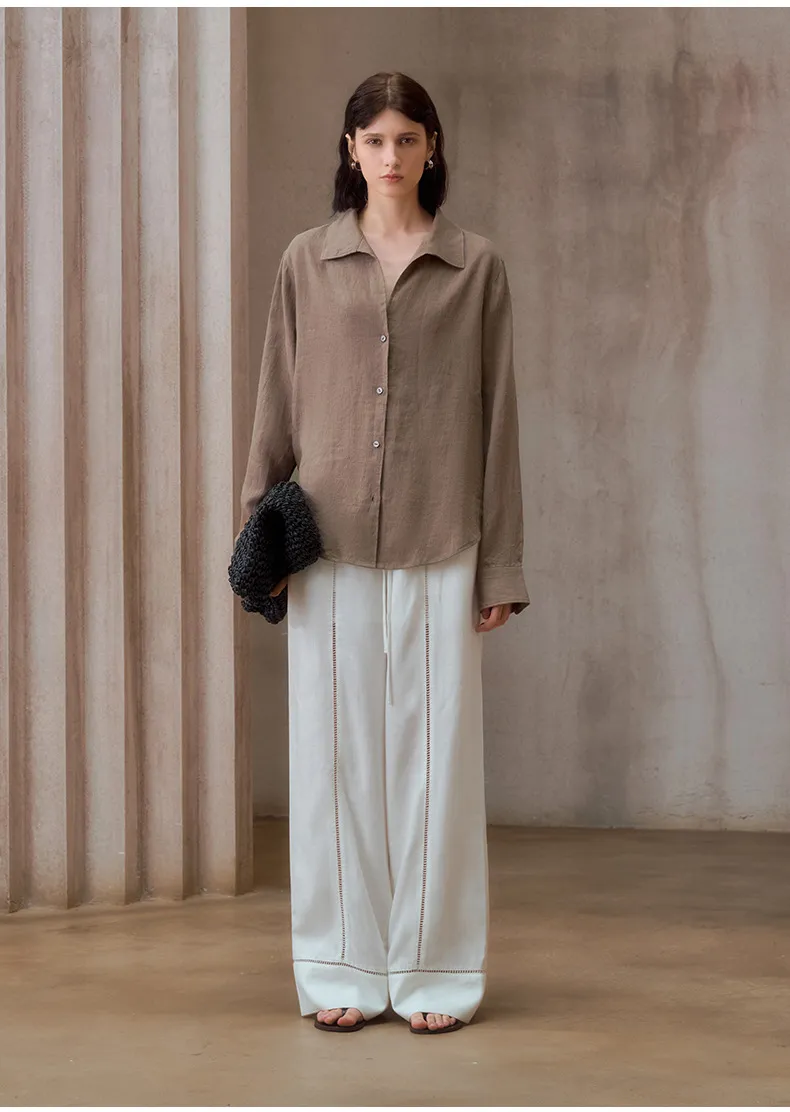
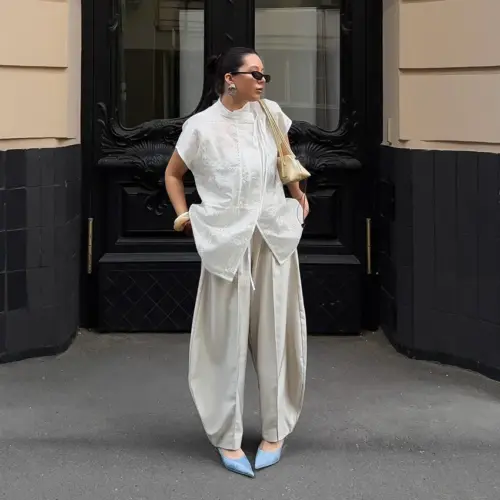
I have seen smart people walk into a meeting and feel underdressed in five seconds. That feeling hurts, and it can cost trust. Dress codes sound simple, but they are not.
Business casual is relaxed but still polished, while business professional is formal and strict. If you are unsure, choose business professional for first meetings, interviews, and high-stakes client work.

I learned this the hard way when I visited a buyer who said “casual professional” on the calendar. I showed up in the wrong “casual.” I looked fine, but I did not look ready. If you keep reading, I will show you a simple way to pick the right level every time.
What is business casual, and what does it look like at work?
One day the office says “business casual.” Next day you see jeans, polos, and sneakers. Then you panic and ask: what is business casual attire, really?
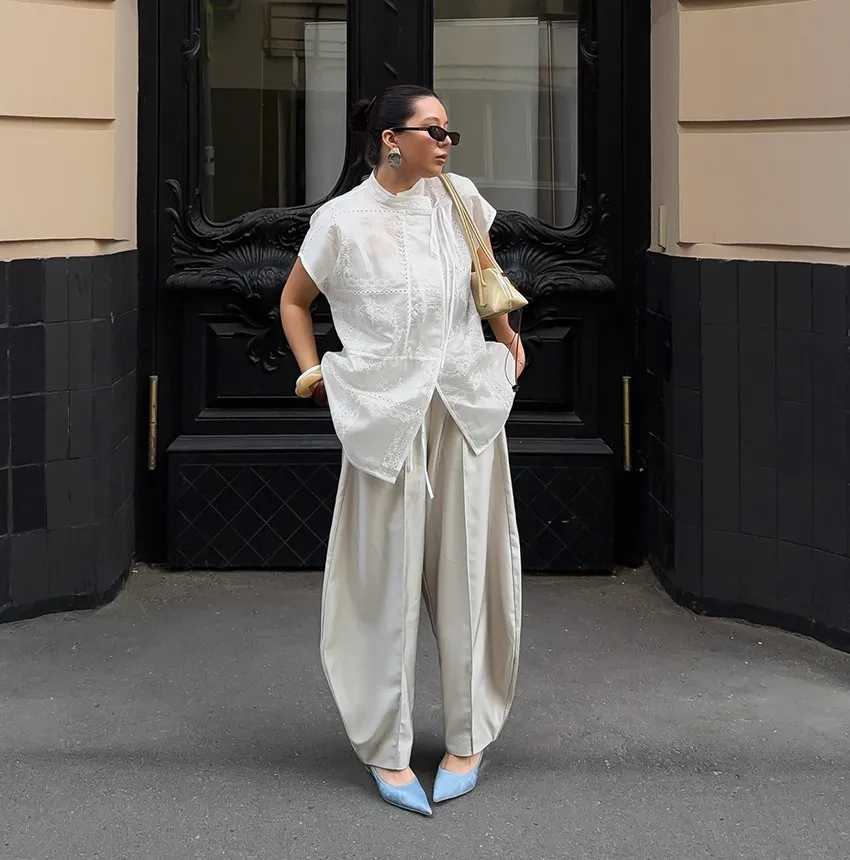
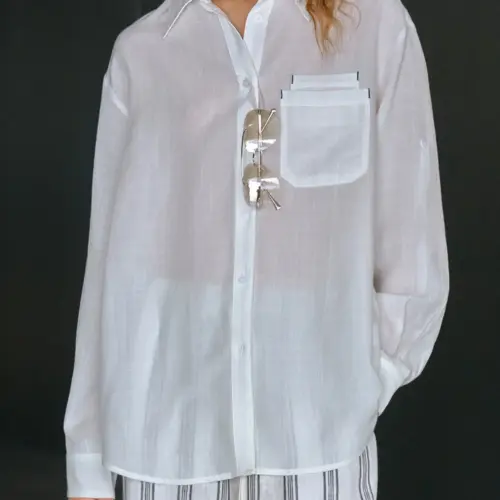
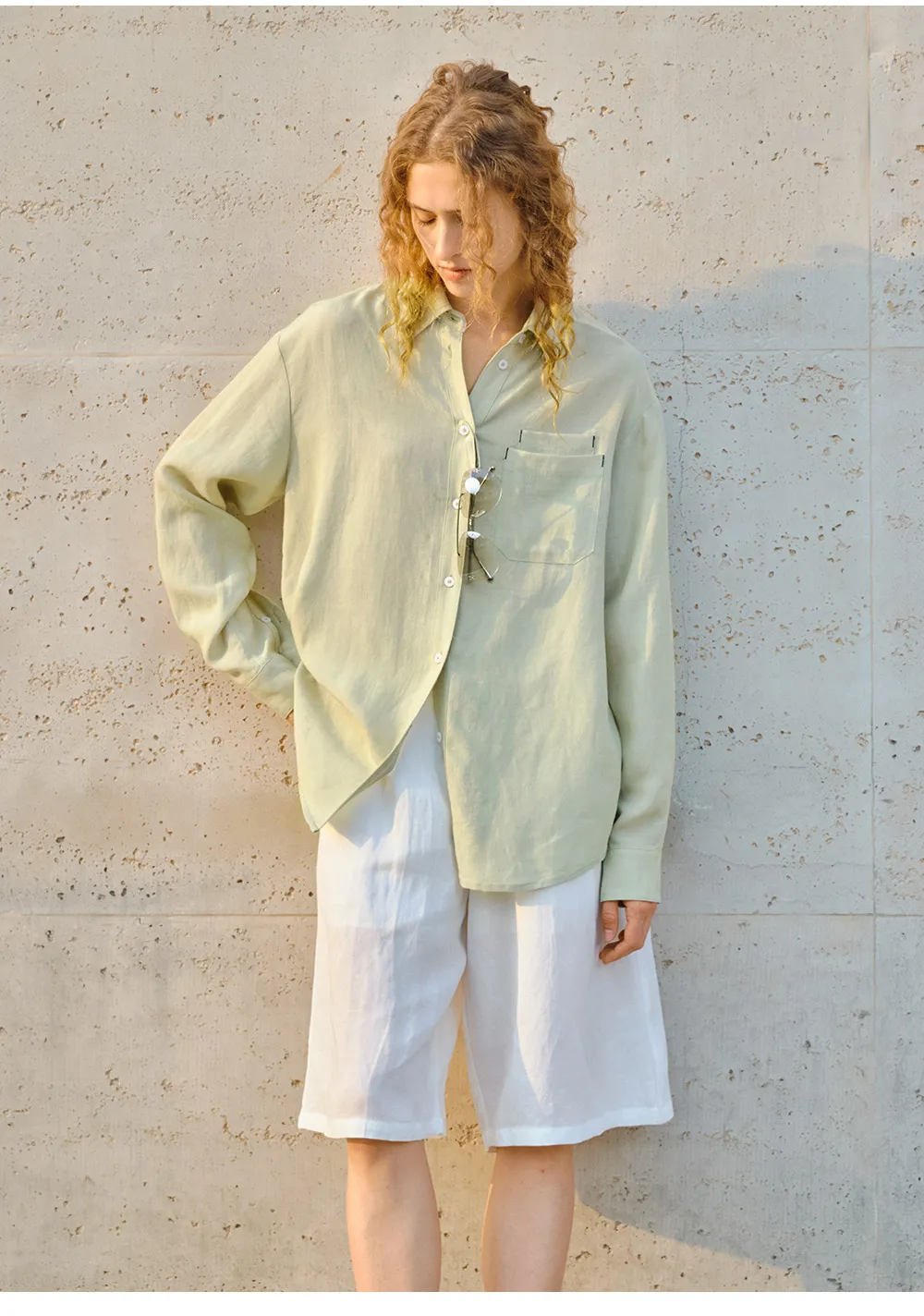
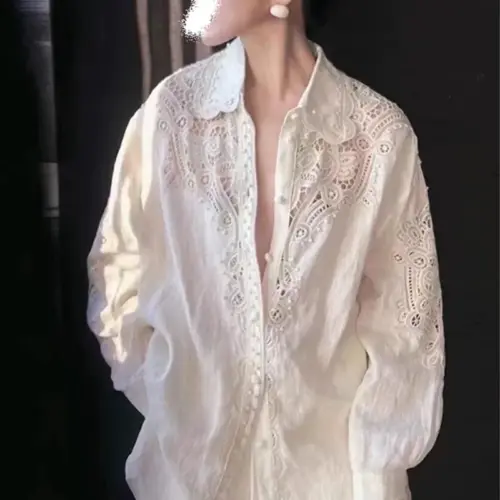
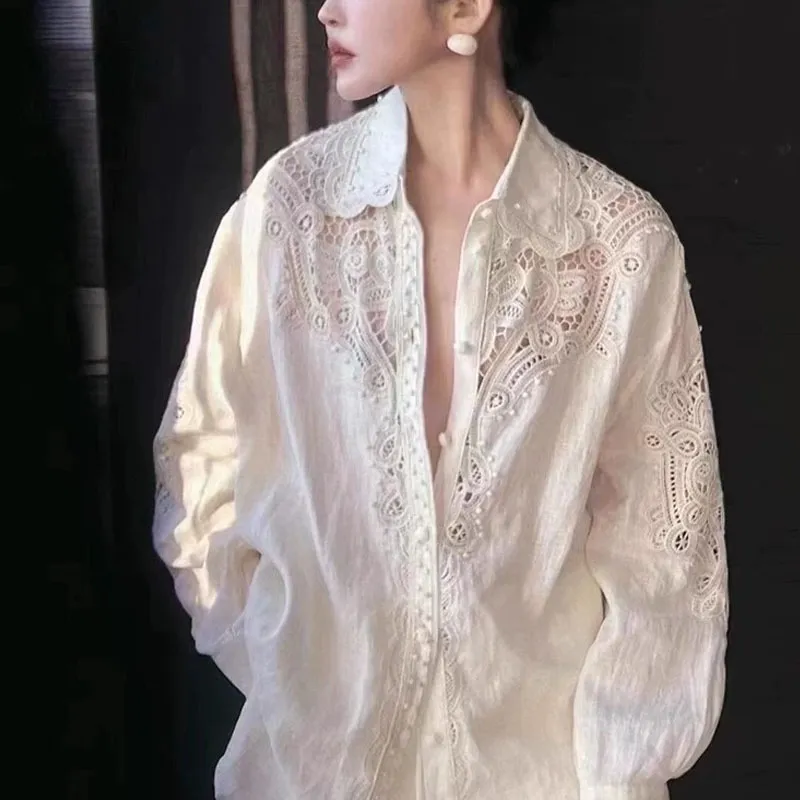
Business casual means clean, neat, and office-ready, but not a full suit. Think separates like chinos or dress slacks, a button-down or blouse, and simple shoes. It should look professional, but it should feel easier than business professional.

The core idea I use
When I plan a business casual outfit, I use one rule: keep the “business” part clear. I still aim for structure, good fit, and good fabric. Then I relax one piece. I do not relax everything at once. That is where many people fail.
What works for men and women
Business casual attire men often means chinos or dress slacks, a button down shirt for interview days, and loafers or clean dress shoes. Mens business casual can include a blazer, but it is optional in many offices. Business casual women dress choices can work well if the shape is clean, the length is reasonable, and the fabric does not look like weekend wear.
Here is how I break it down when someone asks me “business casual vs professional” in one minute:
| Item | Business casual “yes” | Business casual “no” | Why it matters |
|---|---|---|---|
| Tops | button-down, knit sweater, blouse | loud graphic tee | the top is what people notice first |
| Bottoms | chinos, tailored pants, modest skirt | ripped jeans, shorts | the office reads this as respect |
| Layers | blazer, cardigan | hoodie | layers control how “professional” you look |
| Shoes | loafers, simple flats, low heels | flip flops, gym shoes | footwear signals effort fast |
| Color | black business casual, navy, gray | neon, heavy distress | calm color reads more work-ready |
Common mistakes I see
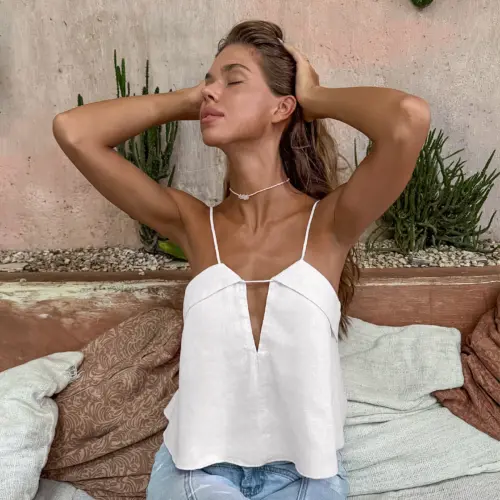
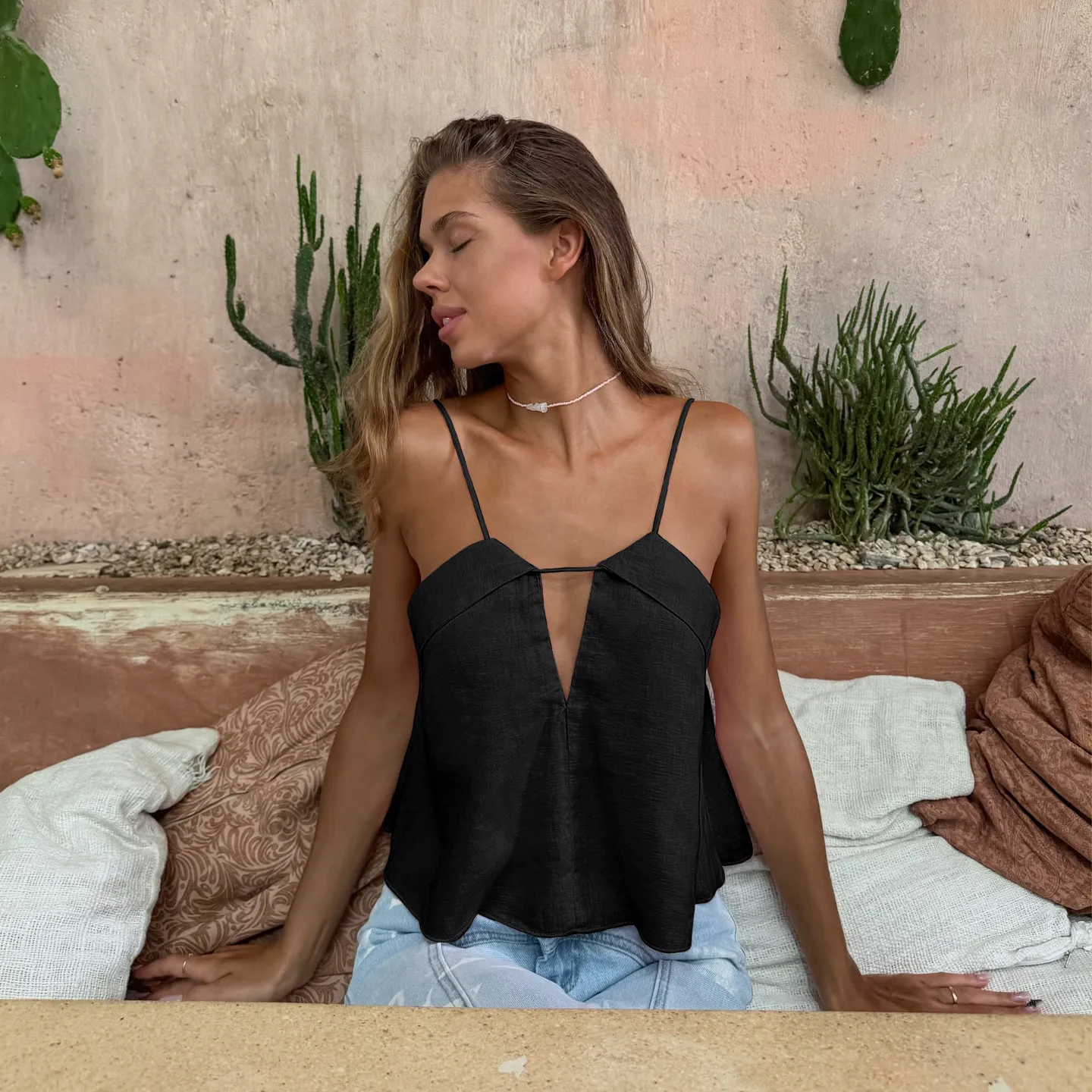
People hear “business and business casual” and think it means “anything but a suit.” That is not true. Business casual still needs a professional look. I also see people try a navy tank top with no layer. It can work only if the office is very relaxed, and the fit is not tight, and you add a blazer. In most places, I keep more coverage so I do not distract anyone.
What is business professional attire, and when do I need it?
You get a calendar invite that says “dress code business professional.” You look at your closet and think, what is business professional attire, exactly?
Business professional attire is the most formal common office dress code. It usually means a well-fitted suit or a structured dress, classic colors, minimal patterns, and polished shoes. It is the safe choice for interviews, client pitches, and corporate events.

What “professional business attire” signals
Business professional is not only about clothes. It is about risk control. It reduces doubts about you. When a room is serious, your outfit should not ask people to guess if you belong there. That is why professional business attire stays classic. It is why formal corporate attire often looks similar across companies and countries.
Business professional for men
Business professional for men usually means a suit, a dress shirt, and leather dress shoes. Many people ask: does business professional require a tie? In many traditional settings, yes, a tie is expected. If the company is modern, some teams skip it, but I still bring one. I can remove it later. I cannot add one if I did not bring it.
Business professional attire women
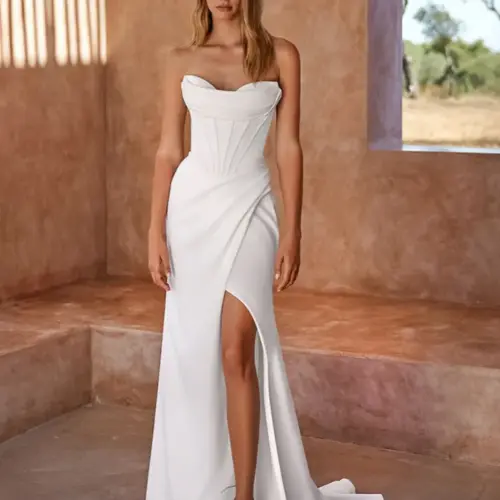
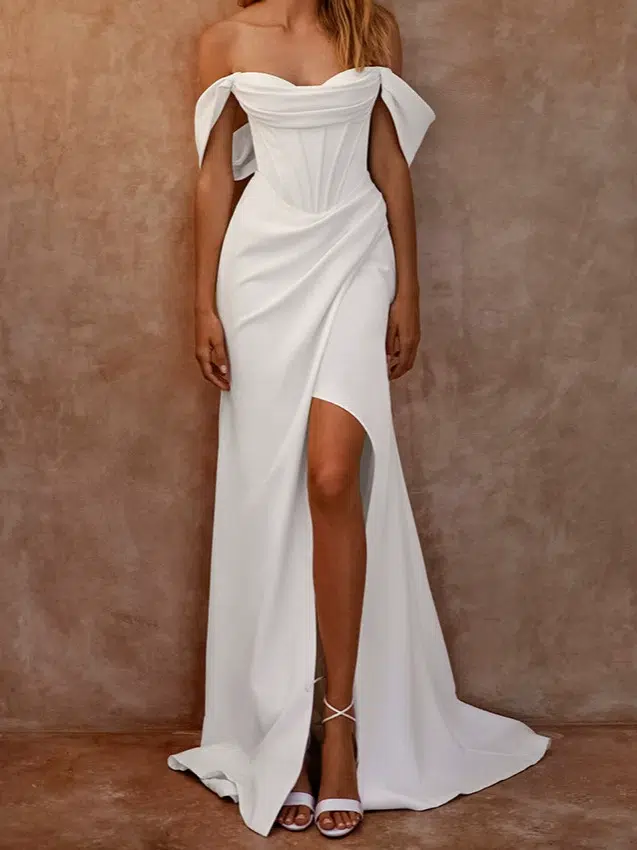
Business professional attire women can be a pantsuit, a skirt suit, or a structured dress with a blazer. The fit should be clean, and the fabric should hold shape. Business professional women often choose black, navy, or charcoal because it looks steady and it photographs well.
Here is the quick guide I share with buyers and managers when they ask “what is professional attire”:
| Category | Business professional “yes” | “Maybe” (depends on office) | “No” |
|---|---|---|---|
| Suit | matching set, tailored | suit separates | casual jacket with faded pants |
| Shirt/top | crisp shirt, modest blouse | fine knit top | thin tee, very low neckline |
| Dress | structured, knee length or longer | simple dress with blazer | bodycon, very short hem |
| Shoes | closed-toe, polished | neat flats | sandals, very casual sneakers |
| Accessories | minimal, classic | one statement piece | loud, many pieces at once |
The biggest trap: confusing “business professional” with “business formal”
Business formal vs business casual is easy to understand. Business formal vs business professional is the confusing one. In many workplaces, “business professional” is the top level for day-to-day corporate life. “Business formal” can push even more conservative, like darker suits, fewer patterns, and almost no flexibility. If you are not sure, business professional is usually the right target for work.
How do I choose between business casual and business professional without guessing?
I used to guess based on the city or the industry. I was wrong too often. Now I use a simple system that works for men and women.
Choose business professional when the meeting affects money, reputation, or first impressions. Choose business casual for normal office days when you still want to look sharp but less formal. When in doubt, go one level more formal and then adjust after you arrive.

My 3-question filter
When someone asks me “business professional vs business casual attire,” I ask three questions:
1) Is this a first meeting?
If yes, I start at business professional. First meetings are fragile.
2) Is this an external-facing day?
If I will see clients, partners, or investors, I lean professional business attire.
3) Is the context high-stakes?
If the answer affects price, payment, or trust, I choose business professional. I can still look friendly with color and fit.
A practical decision table
This table is the fastest way I know to stop outfit mistakes:
| Situation | Best choice | Notes for men | Notes for women |
|---|---|---|---|
| Job interview | business professional | suit, tie ready | suit or structured dress + blazer |
| Client pitch | business professional | polished shoes, simple belt | closed-toe shoes, clean lines |
| Regular office day | business casual | chinos + button-down | blouse + tailored pants or business casual women dress |
| Creative team meeting | business casual | blazer optional | cardigan or blazer as control layer |
| Travel day + meeting | business professional base | wear suit separates | choose fabrics that do not wrinkle |
How I keep personal style without breaking rules
People also ask me “professional attire meaning” because they want to feel like themselves. I do it with small choices that stay quiet. I choose texture, like wool, cotton blends, or a smooth knit. I choose one detail, like a pocket square or clean jewelry, and I stop there.
The “black” question
Many people search “black business casual” because black feels safe. Black is safe, but it can look too formal if every piece is black and very structured. If I want black in business casual, I add softness somewhere, like a knit top, or a lighter layer, or a simple pattern. If I want business professional, full black is fine, but I still focus on fit, because fit is the loudest signal.
Conclusion
Business casual is relaxed and clean. Business professional is formal and strict. I choose based on stakes, first impressions, and who will see me.
Why I Write This
I am Lancy Chia from Truekung in China. I run a clothing factory with more than 200 workers, and I have 20 years of foreign trade production and export experience. I support B2B wholesale only, and I provide OEM/ODM for brands and supermarkets worldwide. My main categories include fashion women’s clothing, jackets, skirts, dresses, jeans, T-shirts, sweatshirts, down jackets, windbreakers, coats, fashion bags, sportswear, children’s clothing, and underwear.
Many buyers care about quality, price, delivery time, and real certification. I built my process around clear communication, stable QC, and practical timelines so buyers do not miss sales seasons. If you want to talk about your next collection, you can reach me at [email protected], and you can find my company at https://truekung.com.
Views: 370