
Standard racks fail me. Pants pinch. Shirts ride up. I want style, comfort, and a plan that really works.
Start with fit, not size. Measure my body, read every brand’s big and tall size chart, and choose a clean, close—not tight—silhouette. Balance top and bottom, add structure, and tailor small areas if needed.

I write this as a buyer and maker. I work with plus size clothing every day. I test patterns and fix fit problems. I also shop like everyone else. I want easy wins, quick checks, and clothes that last. I will keep language simple and direct. I use real steps that any big tall male can follow, whether he shops a big and tall store, searches “mens tall clothing near me,” or buys online.
How do I find my true size without guessing?
I hate size roulette. I add items to cart, and each brand fits different. My closet becomes a mess. I need a clear start that ends the guessing.
I measure my neck, chest, waist, hips, rise, thigh, and sleeve. I compare these with each brand’s big and tall size chart. I choose the closest fit, then adjust with a tailor if needed.

Dive deeper
I use a flexible tape and write numbers in my phone. I measure the neck at the base, chest at the widest point, waist at the navel, and hips across the seat. I measure sleeve from center back to wrist. I also measure the rise from front waist, through the legs, to back waist. These numbers help me read “mens big and tall clothing” charts with confidence. If I see confusing labels like “what size is 8T” or “12T size,” I do not guess. In menswear, “T” often means Tall (LT, XLT). In kidswear, 2T–5T means toddler. Some brands use internal codes. I check each chart, or I ask support. I never rely on S/M/L. I also check garment measurements when listed, not just body ranges. A shirt chest width, a shoulder width, or a garment length tells me more than a vague size name.
| Area | How it affects fit | What I do |
|---|---|---|
| Neck & Chest | Collar comfort, shirt drape | Two fingers under collar; no pull lines |
| Waist & Rise | Belly room, seat comfort | Prefer higher rise if I carry weight up front |
| Sleeve & Length | Tall coverage | LT/XLT for longer sleeves and hem |
| Thigh & Inseam | Mobility | Size thighs first, then hem to length |
How do I balance proportions so I look neat?
I want clean lines. Oversized hides shape. Too tight shows every line. Balance makes me look sharp and feel comfortable.
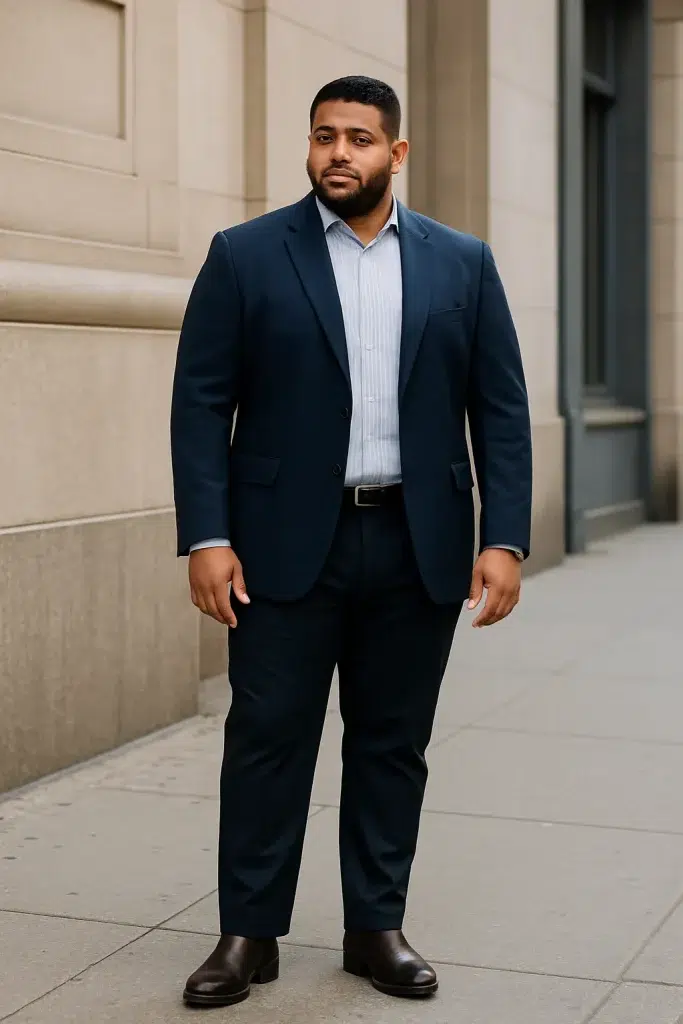
I pick structured shoulders, proper lengths for tall frames, and straight or tapered legs. I avoid extra bulk at belly and calves. I add vertical lines and simple palettes to lengthen my look.
Dive deeper
Proportion is my best tool. One relaxed item at a time keeps me tidy. If my pants are roomy, I choose a neater top. Vertical details help: a V-neck, a cardigan worn open, a long overshirt, or a two-button blazer. I avoid drop shoulders if I am broad. Light shoulder structure squares lines without bulk. I test seat and thigh by sitting and squatting. If seams strain, I size for thighs first, then hem. I choose medium-weight fabrics that drape, not cling. For styles for tall men, I check back length and sleeve length; short hems cut me in the middle and make me look wider. Labels like “redwood tall outfitters,” “under510,” and others target special heights; I still read measurements. Big and tall fashion mens guides repeat this rule: shape over volume, length over width, and clean leg lines over skinny calves.
| Piece | What works | What to watch |
|---|---|---|
| Jackets | Single-breast, two buttons, light structure | Short hems that hit at the belly |
| Shirts | LT/XLT lengths, curved hem | Cling at midsection; add back pleats |
| Pants | Straight/athletic taper, proper rise | Skinny calves; seat pulling |
| Knitwear | Medium gauge, V or open front | Heavy rib that rides up |
What are my core pieces for work and weekends?
I buy staples first. I build outfits around them. I repeat colors to cut noise and cost.
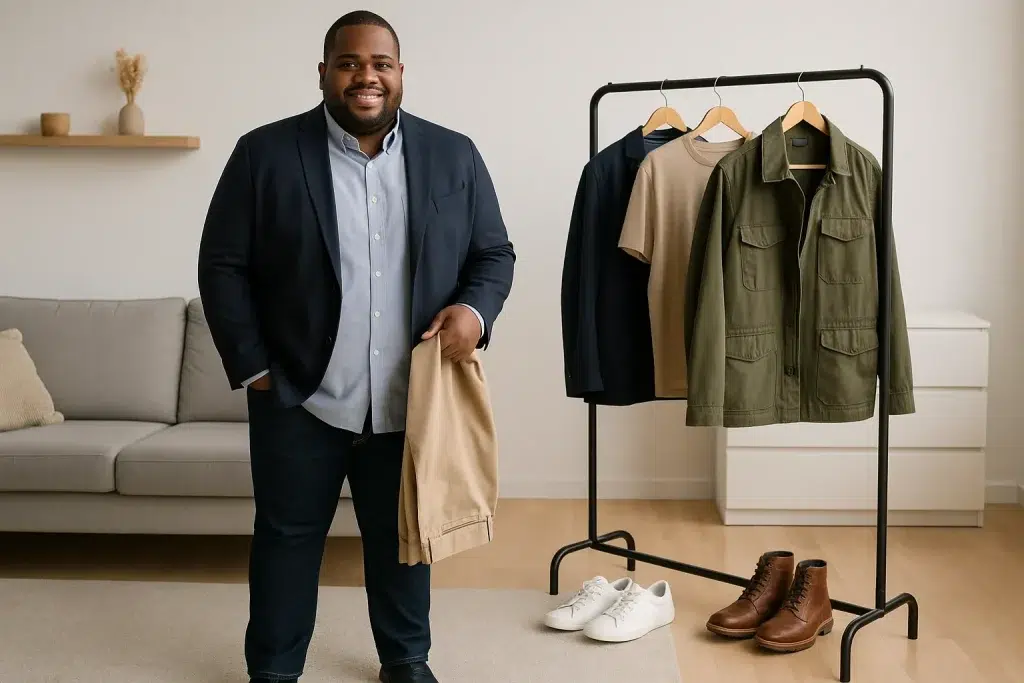
I keep a tight capsule: dark jeans, tapered chinos, tall tees, Oxford shirts, a navy blazer, a field jacket, clean sneakers, and leather boots. Everything mixes easily, season after season.
Dive deeper
For business casual for fat men, breathable structure is key. I choose a stretch blazer with a partial lining. An XLT Oxford holds a tuck and gives length. Chinos with an athletic thigh save seams. I keep patterns simple above the belt to avoid noise near my belly. On weekends I rotate tall tees, knit polos, and overshirts. I swap sneakers and boots by season. I note big and tall pants sizes per brand and keep them in a note. I often buy two inseams—one for sneakers and one slightly longer for boots—to keep breaks clean. I add one versatile outer layer like a field jacket or light parka. I do not chase every trend. I choose fashionable plus size clothing that feels current because of fit, not because of loud prints.
| Situation | Top | Bottom | Shoes | Notes |
|---|---|---|---|---|
| Office casual | XLT Oxford + navy blazer | Athletic-taper chino | Derby | Match belt and shoes |
| Travel | Tall tee + overshirt | Stretch denim | Minimal sneaker | Inside pockets help |
| Dinner | Knit polo | Dark jean | Chelsea boot | Dark monochrome lengthens |
| Outdoor | Large tall fishing shirt | Durable cargo pant | Trail shoe | Venting and UPF matter |
How do I dress for outdoor, fishing, or performance days?
I need function and coverage. Standard lengths ride up when I reach. I sweat. I move. I sit. I stand.
I choose UPF fabrics, vented panels, and tall lengths. I look at Sitka tall sizes and other technical lines with longer sleeves, longer hems, and room in the shoulders.

Dive deeper
Performance gear should fit my frame and my task. I start with UPF 30+ shirts in tall lengths. Roll-tab sleeves must reach my wrist, not mid-forearm. Mesh vents across the back and underarms keep me cool. A longer back hem stops exposure when I cast, paddle, or reach overhead. For pants, I pick articulated knees, a gusseted crotch, and a forgiving seat. Stretch nylon blends dry fast and resist snags. A light softshell blocks wind with less bulk than heavy fleece. In heavy rain I choose a 2.5-layer shell with pit zips so heat can escape. I test reach by raising both arms; if the shirt lifts over my belt, I pass. I also check pocket placement so tools do not hit my belly. Technical brands list real measurements; I read them, not just the size name, before I buy large tall fishing shirts or cargo pants.
| Category | Feature | Why it matters |
|---|---|---|
| Shirts | Tall lengths, roll-tab sleeves | Real coverage when moving |
| Pants | Articulated knees, stretch seat | Mobility without tearing |
| Layers | Light softshell | Wind block without bulk |
| Rain | 2.5-layer shell with pit zips | Dumps heat fast on big frames |
When should I go custom or adjust off-the-rack?
Sometimes ready-made stops short. I need a longer sleeve here or more thigh there. I want smart fixes, not full bespoke.
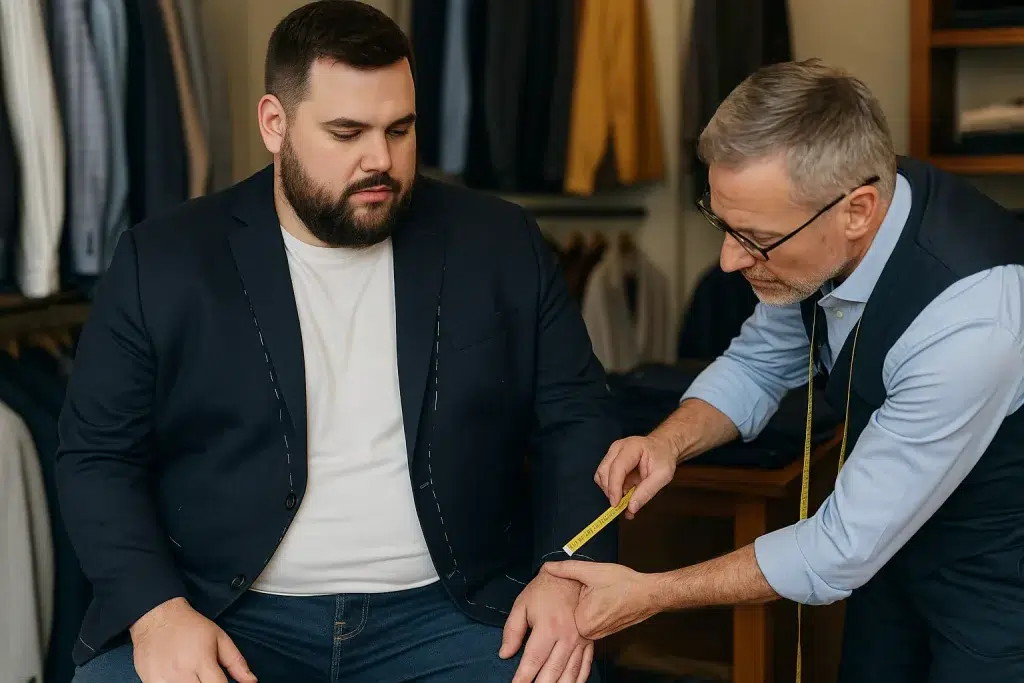
I start with off-the-rack plus size clothes that are close. Then I tailor sleeves, hems, and waist. If my rise or shoulder is unique, I order custome size or made-to-measure.
Dive deeper
Alterations stretch my budget. I hem tall pants to a clean break, and I keep extra fabric for future tweaks. I shorten or lengthen sleeves on XLT shirts and blazers, aiming for wrist bone plus a hint of cuff. I nip the jacket waist slightly to avoid a boxy block, but I leave room to sit. If I see seat stress or thigh whiskers, I ask the tailor to let out seams if fabric allowance exists. If not, I go made-to-measure. Typical off-the-rack changes cost less than buying another random size. I ask every big and tall store whether they support custom size orders, not just stock. I save body and garment measurements after each good alteration; they become my blueprint for future buys in fashionable plus size clothing.
| Problem | Quick Alter | Go Custom |
|---|---|---|
| Too-short sleeves | Add from reserve hem (if any) | Order longer sleeve spec |
| Tight thighs | Let out seams | Pattern change for thigh/seat |
| Belly pull at buttons | Move button, add hidden panel | Higher rise + more front room |
| Excess shirt length | Re-hem with curve | Draft proportional length |
How do I shop smart online and avoid fakes or bad certificates?
I want quality and a fair price. I also want honest labels. Delays hurt my season. Bad paper hurts my trust.
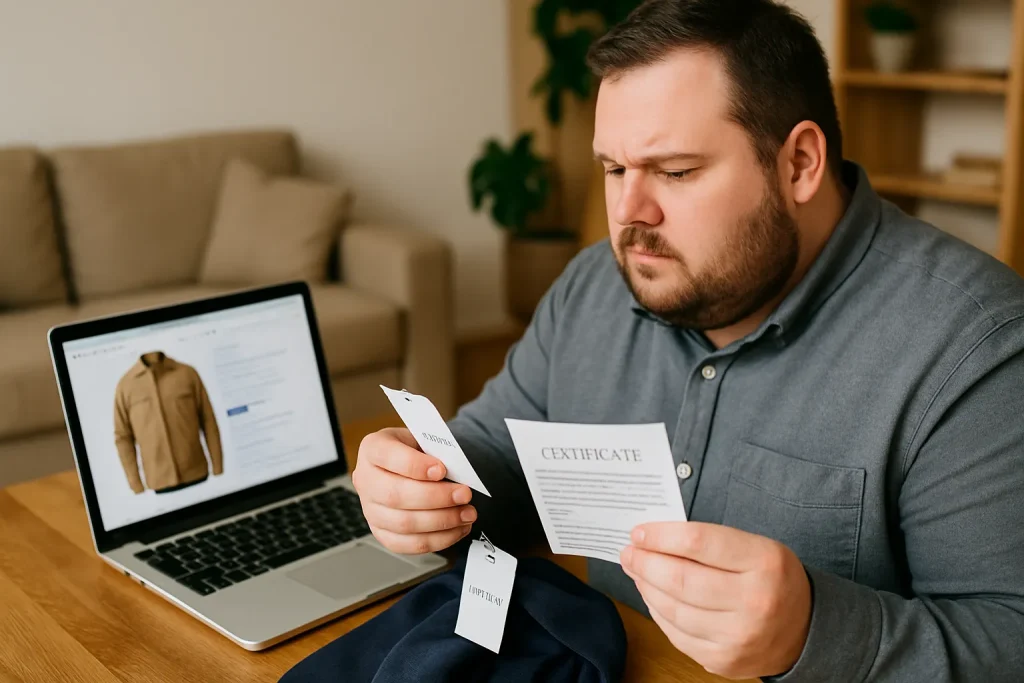
I check detailed reviews, fabric weights, return windows, and delivery dates. I compare plus sizes across brands, and I confirm any certification with the issuer when in doubt.
Dive deeper
My audit is simple. I look for fabric weight in gsm, not just marketing words. I scan real photos on bodies that look like mine. I check measured charts that list chest width, garment length, thigh, and rise. I test support by sending a basic sizing question; fast, clear replies signal better service. For price, I compare across at least three sellers. I avoid deals that hide return rules. If a supplier shows certificates, I ask for an issuer link or number and verify. This stops forged documents. I also plan delivery before the season; shipping delays cause missed sales windows. I try one item first from a new label, especially when keywords like plussizeclothing, big and tall pants sizes, or men’s tall clothing near me appear in search results. If that item works, I scale the order with confidence.
| Step | What I check | Why |
|---|---|---|
| Size chart | Numeric ranges and LT/XLT | Reduces returns |
| Delivery | Timeline before season | Avoids missed windows |
| Certs | Issuer link/number | Stops fakes |
| Price | Compare to market | Avoids overpay |
| Support | Response speed | Filters weak sellers |
What outfits work right now, with real pieces?
I like ideas I can wear today. I want looks I can build from pieces I own or can buy fast.
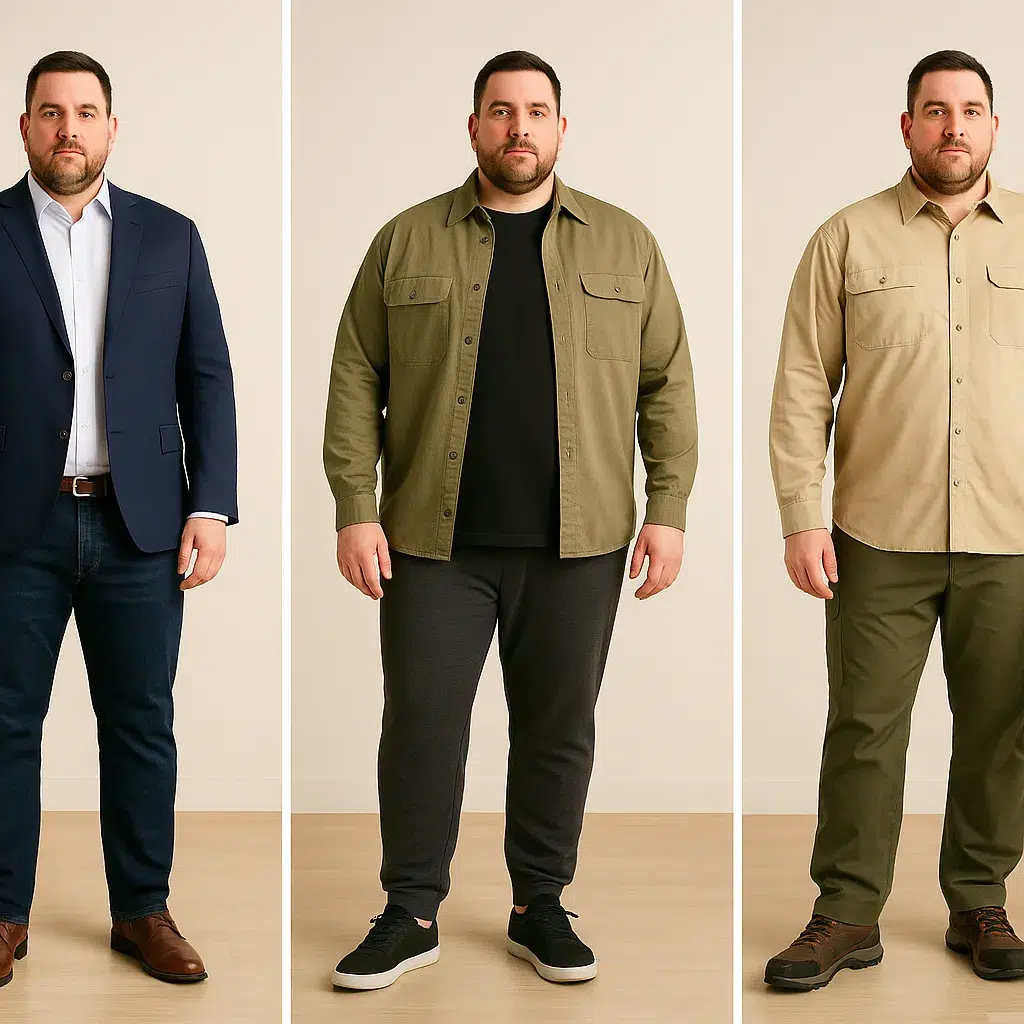
I build three uniforms: sharp office, easy weekend, and outdoor active. I repeat colors and swap fabrics by season. Each has a clear anchor and simple add-ons.
Dive deeper
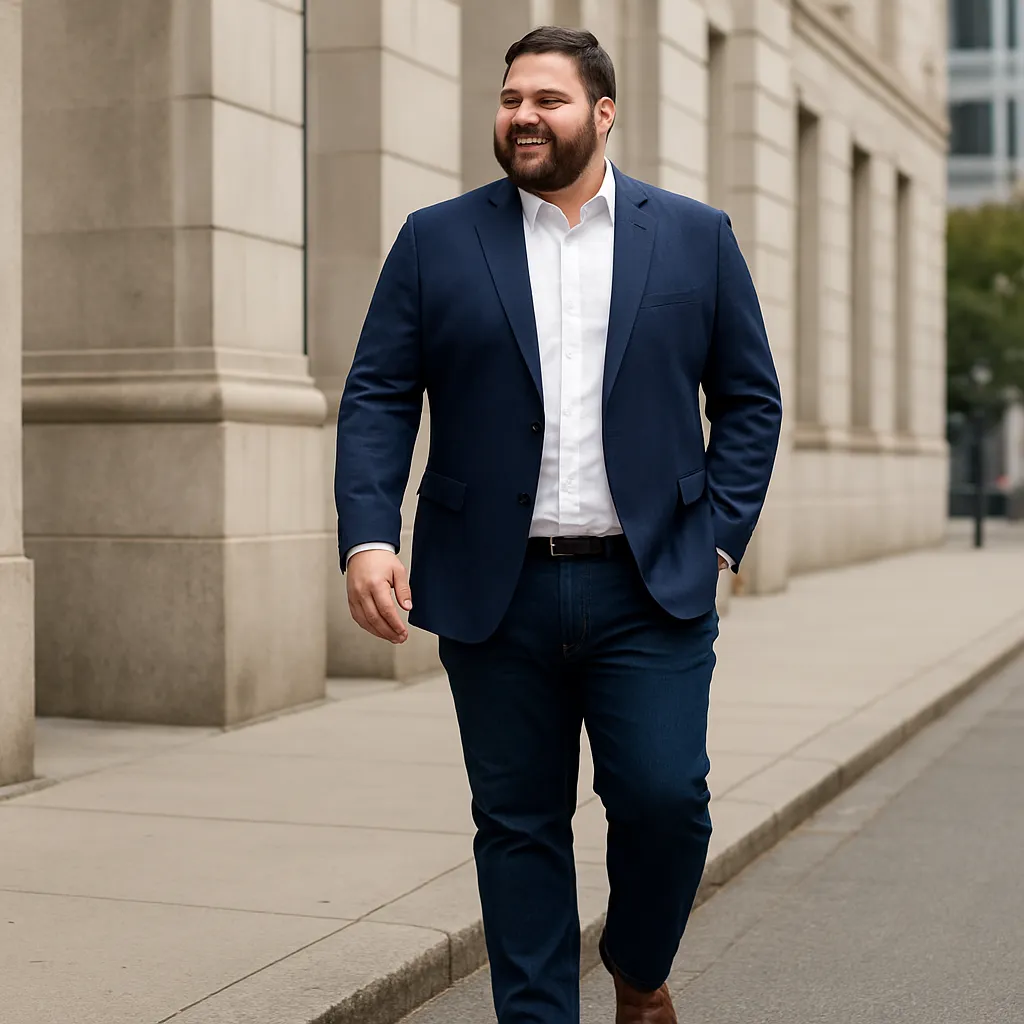
Uniforms save me time and money. For the sharp office look, I start with a navy blazer in a tall length, a white XLT Oxford, and dark athletic jeans or tapered chinos. Brown derbies finish the set. I add a knit tie when needed. For the easy weekend, I wear a tall tee, a lightweight overshirt, tapered joggers, and minimal sneakers. Monochrome tones make me look taller. For outdoor active days, I choose a large tall fishing shirt, stretch cargo pants, a trail shoe, and a packable shell. I add a sun hat and a sport watch. I keep everything within a tight palette so each piece fits the rest. If I need special lengths, I check big and tall store listings and read the big and tall size chart. When I travel, I pack within one palette so every top works with every bottom.
| Uniform | Anchor | Swap 1 | Swap 2 |
|---|---|---|---|
| Office | Navy blazer | Knit polo | Oxford shirt |
| Weekend | Overshirt | Henley | Hoodie |
| Outdoor | Fishing shirt | Tech tee | Mid-layer fleece |
Conclusion
Fit first, then proportion, then small tailor fixes. Build a tight capsule, repeat what works, and ignore noise.
About me
My Name: Lancy Chia
My email: [email protected]
Links: https://truekung.com/ https://www.truekung.com/
Brand: Truekung
Country: China
Business: B2B, Wholesale only
Capacity: 200+ workers; OEM/ODM for global brands and supermarkets; 20 years export experience
Main products: fashion women’s clothing, jackets, skirts, dresses, jeans, T-shirts, sweatshirts, down jackets, windbreakers, coats, fashion bags, sportswear, children’s clothing, underwear
Main export countries: Netherlands, Denmark, Belgium, Norway, UK, USA, Germany, Australia, Thailand, Turkey, Italy, Russia, Saudi Arabia, and more
Views: 359