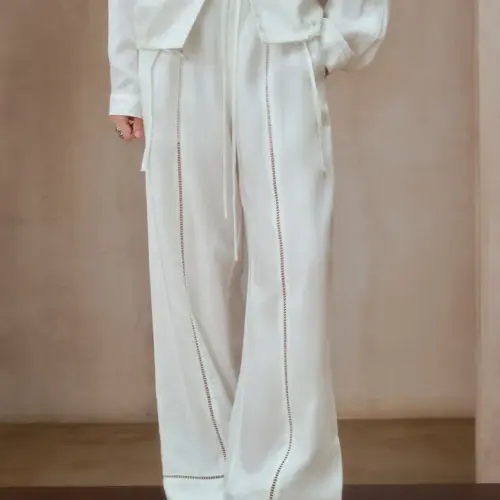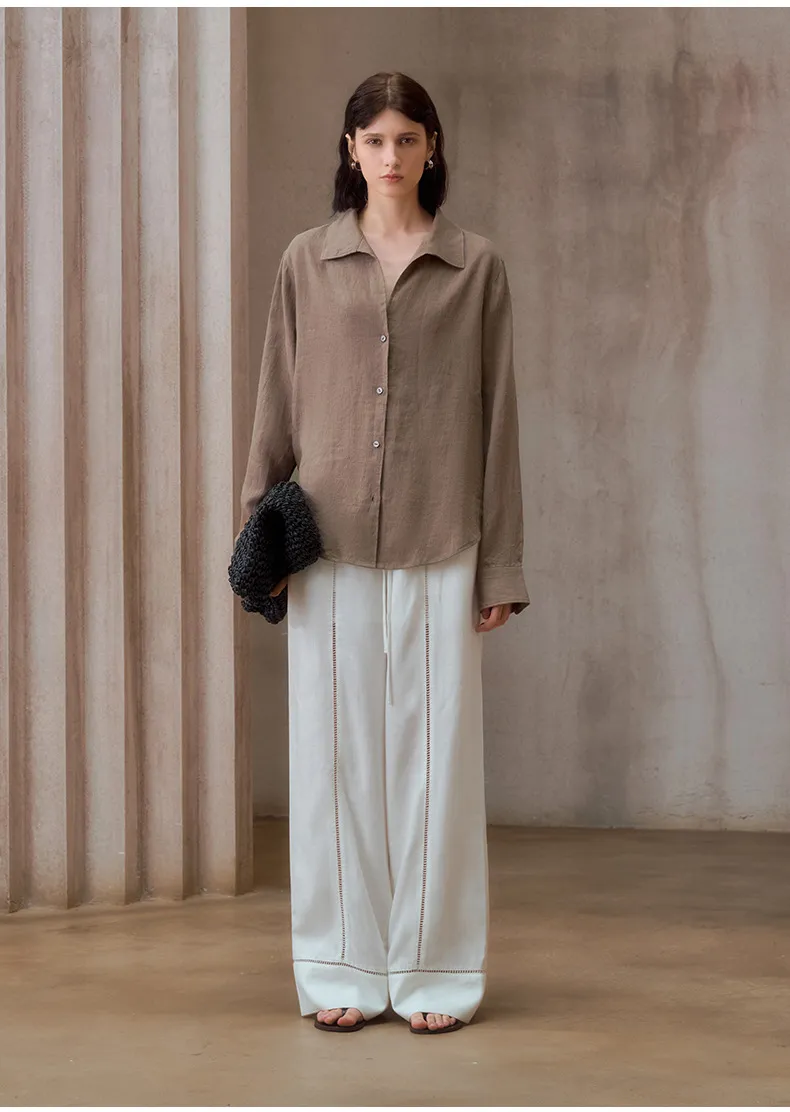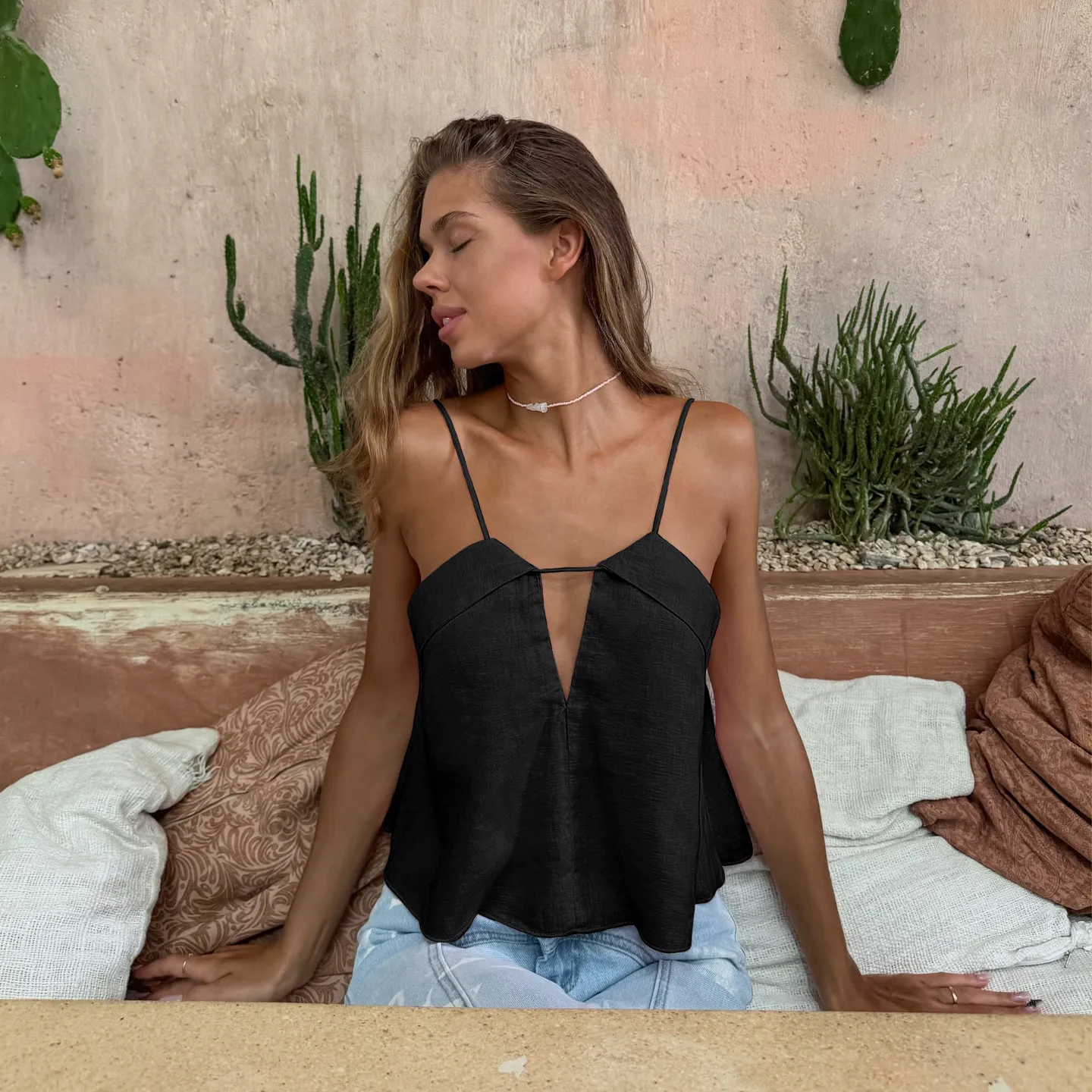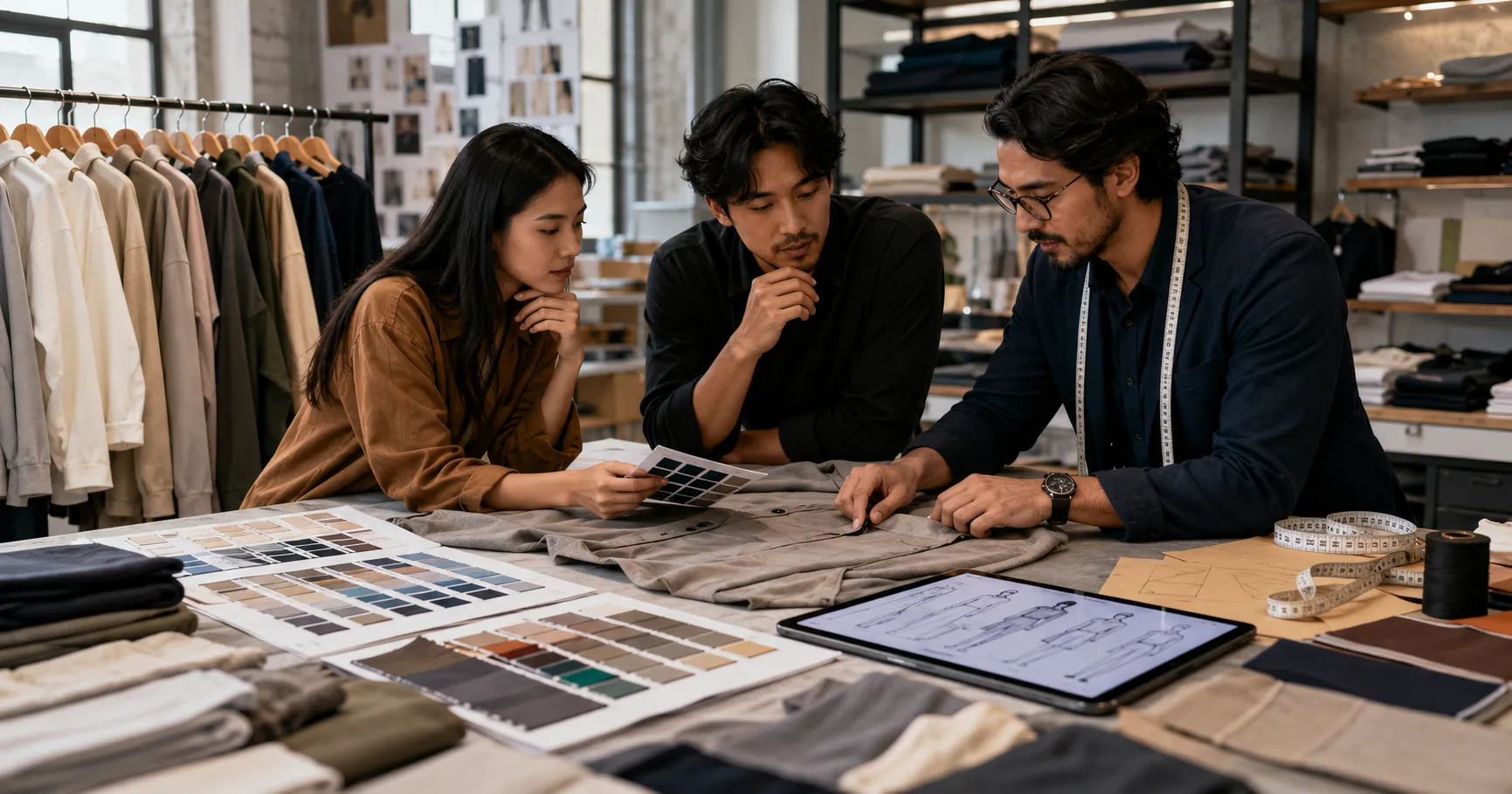

Many new founders message me with big energy and small clarity. They burn cash on the wrong first step. They lose time. They quit before the market even speaks.
Both ODM and OEM can work for a startup clothing brand, but only if you match the model to your skills, budget, and market test plan. Start simple, learn fast, then scale with proof.
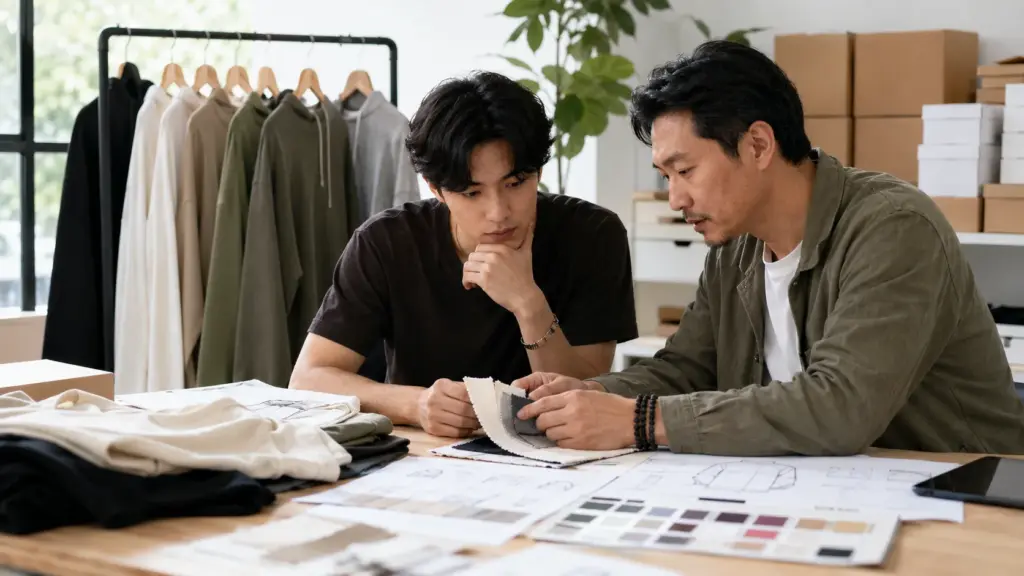
I run a clothing factory in China, and I talk with new brand owners every week. Most inquiries fit into two patterns. One group wants to pick styles from our catalog and do ODM. Another group brings AI-generated sketches and a loose tech pack and asks for OEM. I tell both groups the same thing. Your model can work, but your plan must fit your reality. If you keep reading, I will show you how to decide fast and avoid the most common first-season mistakes.
Should I start with ODM private label to test my market faster?
New founders often fear “copying” and want a unique design on day one. Many of them also fear inventory. They freeze. They do nothing. They lose the season.
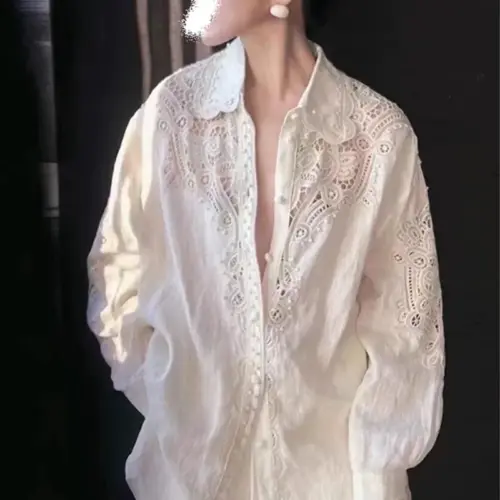
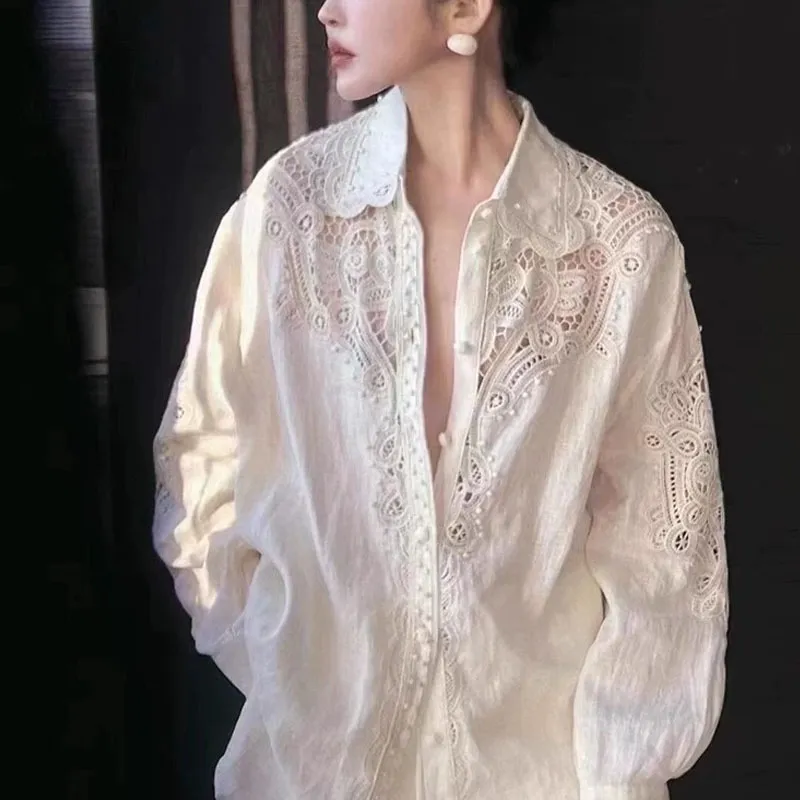
ODM private label is often the fastest path for a startup clothing brand because it cuts the design burden and lets you test demand with a small batch and your own label.
Why ODM works well for beginners
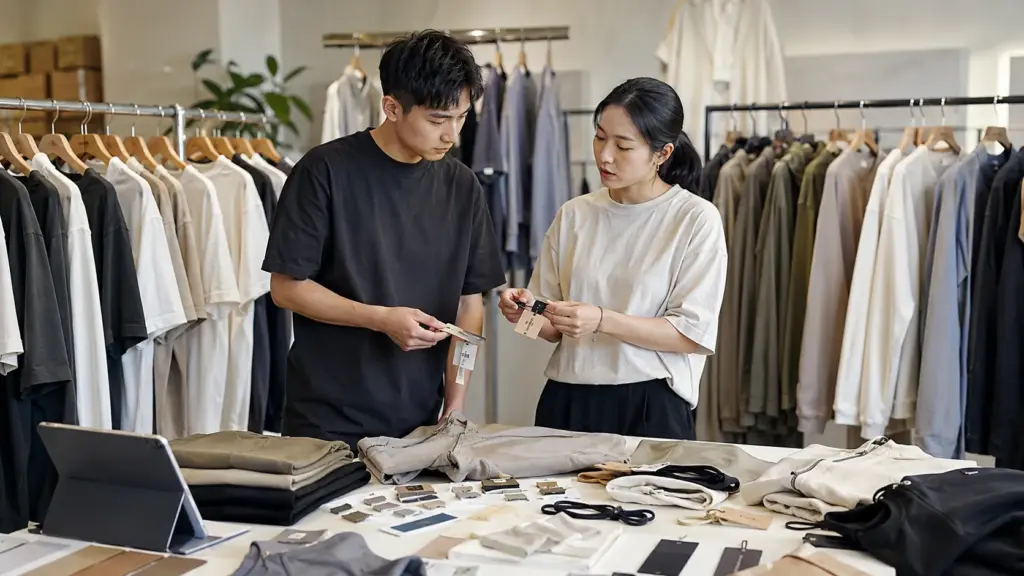
I see ODM work when the founder treats the first order like a market test. I had an Argentina customer who did exactly this. He picked proven styles from our catalog, added his private label, and shipped small runs. He watched sell-through. He restocked only the winners. He has done this for about two years, and he places orders every quarter.
What you must do before you pick from a catalog
You still need a style direction, even with ODM. I do not mean you need a full design language. I mean you must know who you sell to and what they buy now.
Here is a simple way I ask founders to think:
| Question | What I want to hear | Why it matters |
|---|---|---|
| Who is your buyer? | “Women 25–35 who buy office casual.” | It stops random picking. |
| Where do they shop? | “Zalando and local boutiques.” | It sets price and quality level. |
| What is your target price? | “Retail $59–$79.” | It shapes fabric and trims. |
| What is your test size? | “100–300 pcs per style.” | It protects cash flow. |
| What is your win rule? | “70% sold in 30 days.” | It tells you when to reorder. |
How I suggest you run the first ODM test
I like a simple loop. I use it with founders who have limited time and budget.
- Pick 3–5 styles that already sell in your market category (dress, skirt, jacket, T-shirt).
- Make one clear change that matches your brand, like color, print, or label set.
- Order a small batch with a clean private label and simple packaging.
- Launch fast, track daily, and restock only winners.
ODM is not “lazy.” ODM is a smart test when you are new. It also gives you real feedback. Your customers tell you what to keep. Your numbers tell you what to drop.
Can AI fashion designs work for OEM production without a real tech pack?
Many young founders love the idea of “AI fashion design.” They send me beautiful images. They also send weak measurements. They expect one sample and perfect production. That almost never happens.
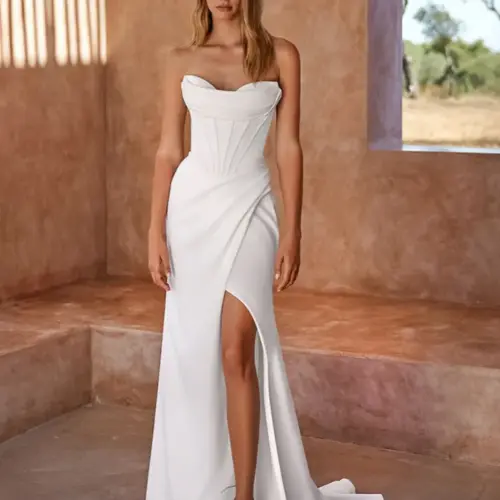
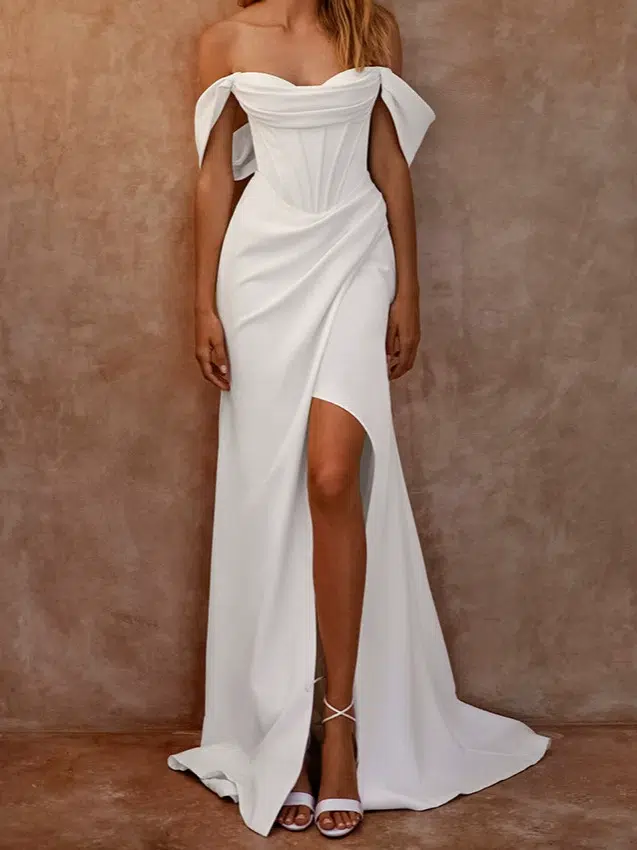
AI images can help you start, but OEM production needs real garment knowledge, a proper tech pack, and patience for sampling. If you only have passion, you will likely stop after the first sample.
What usually happens when founders rely on AI only
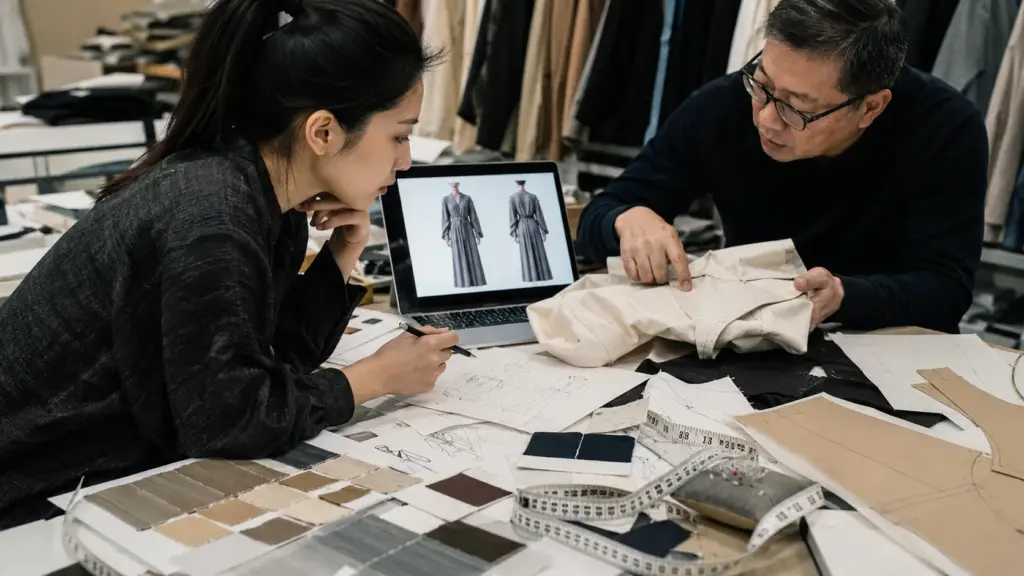
I have seen this story many times. Two young girls, one in the USA and one in the UK, tried OEM with AI images. They had strong confidence and fast messages. We made the first sample. The sample matched the tech pack, not the fantasy. They learned the gap. They went quiet after that.
I do not blame them. OEM is hard. OEM asks you to make hundreds of tiny decisions. Fabric weight matters. Stitch type matters. Fit balance matters. Even the zipper tape matters.
The minimum OEM tech pack that helps a factory succeed
If you want OEM clothing manufacturing to work, I want you to bring a tech pack that speaks a factory language. It does not need to be perfect, but it must be complete enough to reduce guessing.
| Tech pack part | What to include | Common beginner mistake |
|---|---|---|
| Flats + views | Front/back, inside, details | Only mood images, no flats |
| Measurement spec | POM chart + tolerances | Missing tolerances |
| Construction | Stitch type, seam, finish | “Make it premium” only |
| BOM | Fabric, trims, labels | No exact material specs |
| Colorways | Pantone or swatches | “White” with no reference |
| Branding | Label placement, size, care | Forgetting label rules |
| Packaging | Bag, carton, barcode | Leaving it to the factory |
How to turn an AI concept into a production-ready OEM plan
I ask founders to do this step-by-step. Each step saves money later.
Step 1: Pick one hero style
I want one style first. One hero style forces focus. It also makes sampling cheaper.
Step 2: Buy a benchmark sample
I tell founders to buy a competitor sample and measure it. I call it a “truth sample.” It shows real fit and real fabric.
Step 3: Plan your sampling rounds
Most real OEM projects take more than one round. You must plan time and cost. I prefer honest planning over happy guessing.
- Round 1: shape and key details
- Round 2: fit and fabric behavior
- Round 3: pre-production sample for bulk
If you can stay with this process, you can win. I have met founders who started with zero skill and learned fast. They stayed calm. They kept testing. They built a real brand.
How do I choose a reliable China clothing manufacturer and avoid rookie mistakes?
New founders fear three things the most. They fear weak communication. They fear late delivery. They fear fake certificates. These fears are real. You can reduce them with a simple supplier check plan.
A reliable clothing manufacturer is not the one who says “yes” to everything. A reliable supplier asks hard questions, shows clear timelines, and proves quality control with records and repeatable steps.
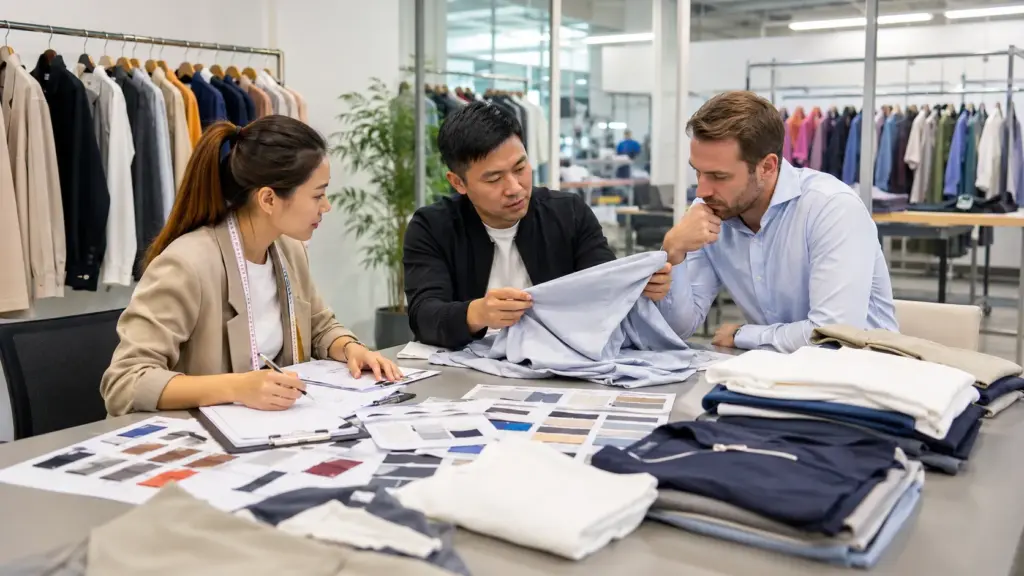
My simple supplier check before you pay
I run a factory, so I know what a serious buyer asks. I also know what a weak factory avoids. Use this list when you talk with any OEM/ODM clothing supplier.
| Area | What to ask | What a good answer looks like |
|---|---|---|
| Factory proof | “Can I do a video tour?” | Clear workshop view, not only office |
| QC system | “Do you have inline + final checks?” | Check sheets, AQL talk, photos |
| Lead time | “What is your real timeline?” | Steps with dates, not vague promises |
| Certifications | “Who issued it and when?” | Original files, traceable issuer |
| Communication | “Who owns my project?” | One clear PM, fast replies |
| Payment | “What terms do you offer?” | Standard terms, not risky demands |
| Samples | “How many rounds are normal?” | Honest talk about revisions |
How I suggest you protect your season
Delivery delays hurt new brands the most because you only have one selling window. I tell founders to build a safety buffer into the plan.
- Lock fabric early for core colors.
- Confirm size set and grading before bulk.
- Approve a pre-production sample.
- Leave at least 2–3 weeks buffer for shipping risk.
How to reduce certificate risk in a simple way
Some buyers tell me they saw forged papers before. I believe them. I also tell them to change the process, not only the supplier.
- Ask for the certificate number and the issuing body name.
- Ask for the lab report, not only the certificate cover page.
- Match the company name on the document with the contract name.
- Use third-party inspection for bulk if the order matters.
When a founder follows these steps, I see fewer surprises. I also see better long-term partnerships. A factory wants repeat orders. A serious factory will support your checks.
Conclusion
ODM helps you test fast, and OEM helps you build unique products. I pick the model that matches my skills and market proof, not my emotion.
Why I Write This
I am Lancy Chia from Truekung in China. I run a factory with more than 200 workers. I have 20 years of experience in clothing production and export. I focus on B2B wholesale only. I provide clothing products and OEM/ODM services for brands and supermarkets worldwide. I produce women’s fashion, jackets, skirts, dresses, jeans, T-shirts, sweatshirts, down jackets, windbreakers, coats, fashion bags, sportswear, children’s clothing, and underwear.
If you want to talk about OEM clothing manufacturing, ODM private label, small MOQ test orders, tech packs, quality control, lead time, or logistics, you can email me at [email protected]. You can also find me at https://truekung.com.
Views: 71