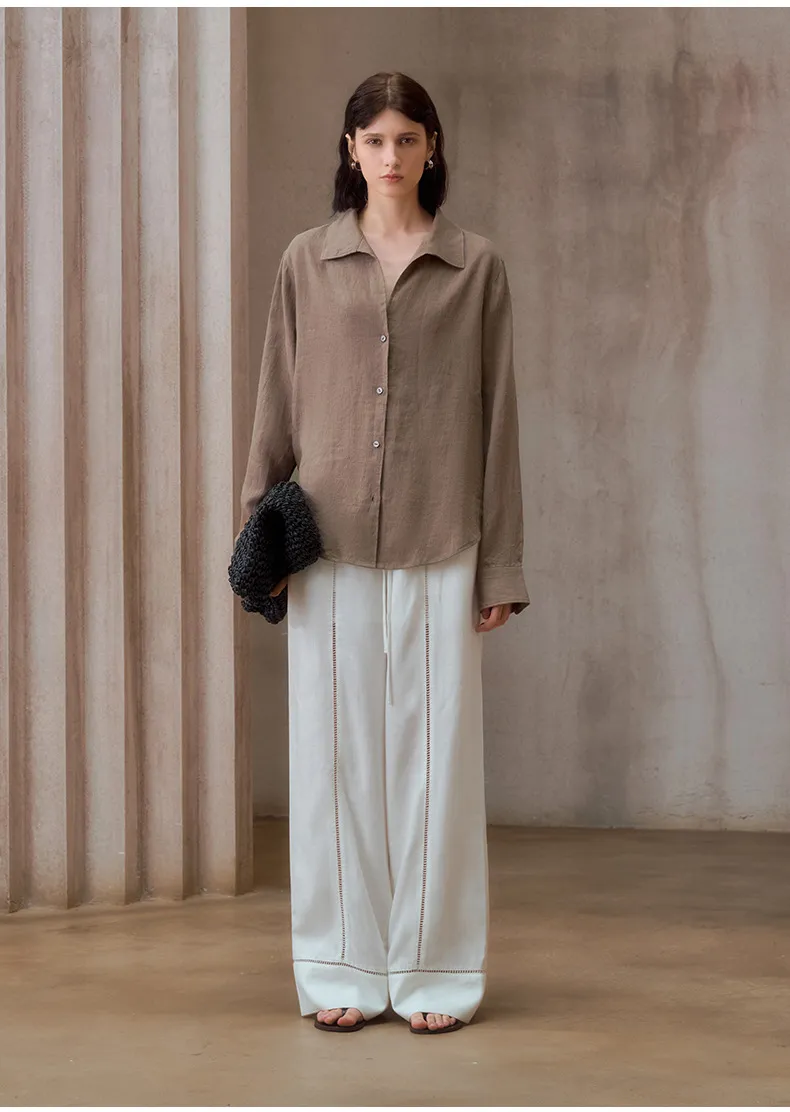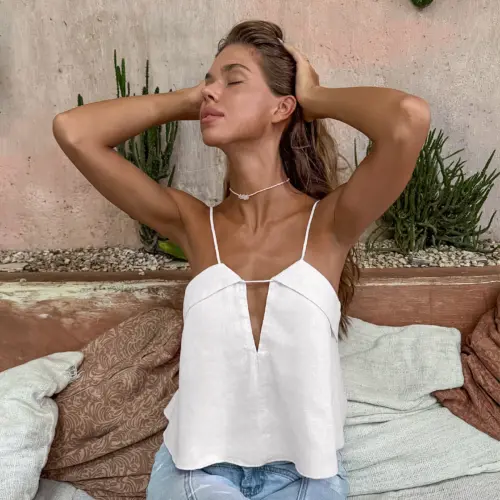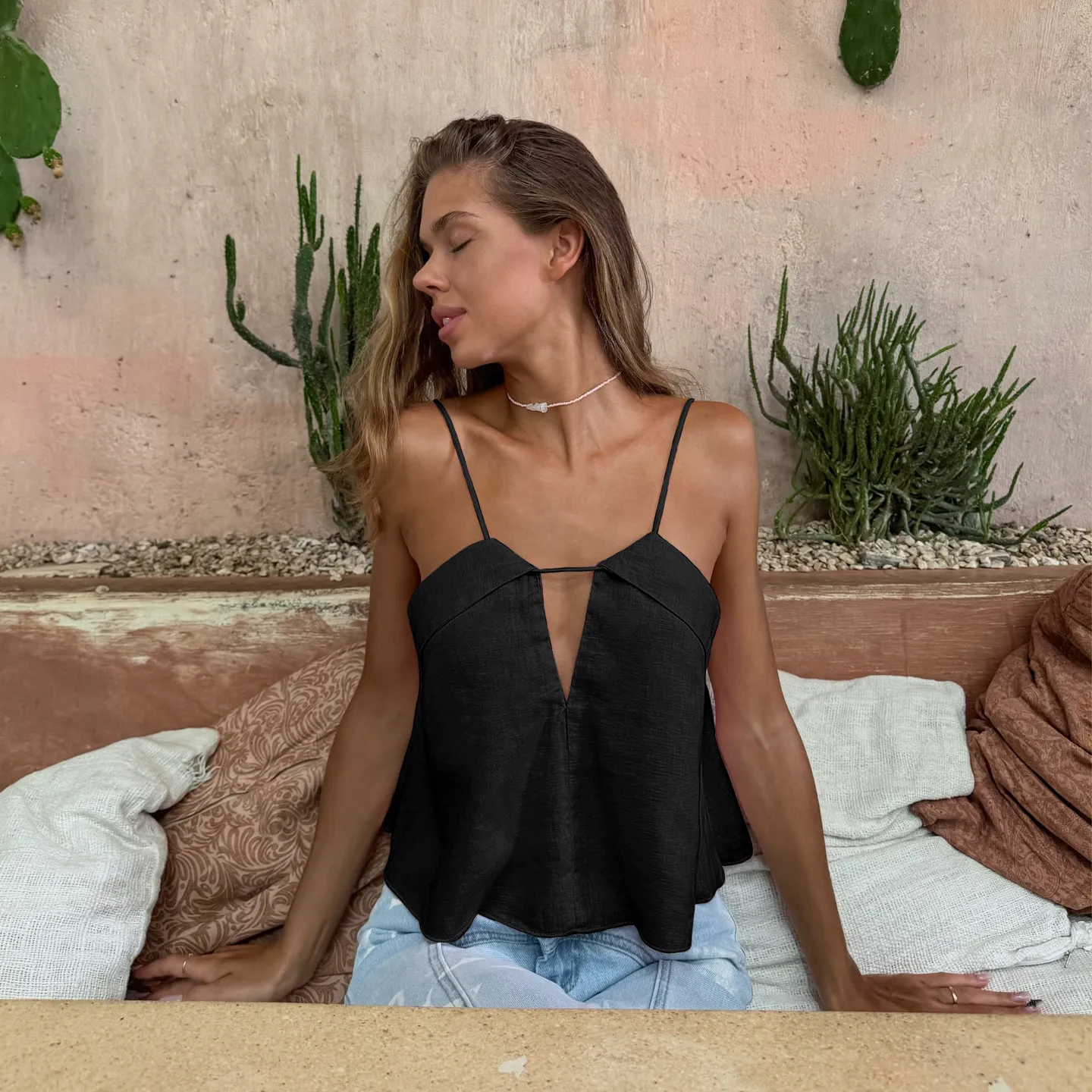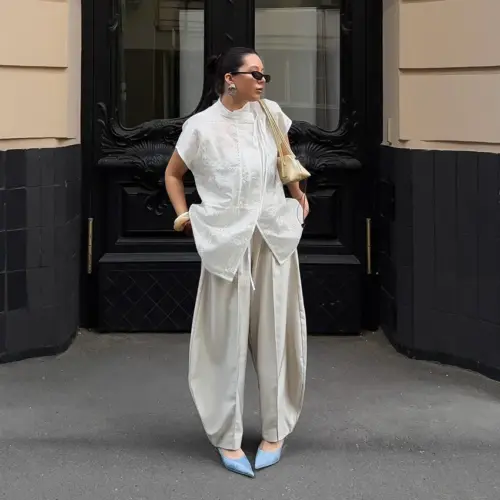

I hear buyers argue about button up vs button down, and that mix-up can ruin a dress code and a deal. I use one simple rule.
A button-up is any shirt with a full front opening that closes with buttons. A button-down is a button-up shirt with buttons that fasten the collar points down. So all button-down shirts are button-up shirts, but not every button-up shirt is a button-down.

If I sound picky, I sound picky for a reason, because small words change big expectations, and I see that in every wholesale order, so keep reading until the last line and you will stop guessing.
I get “what is a button up shirt” questions when a buyer wants a shirt with buttons but fears it will look too formal. I fix that fear fast.
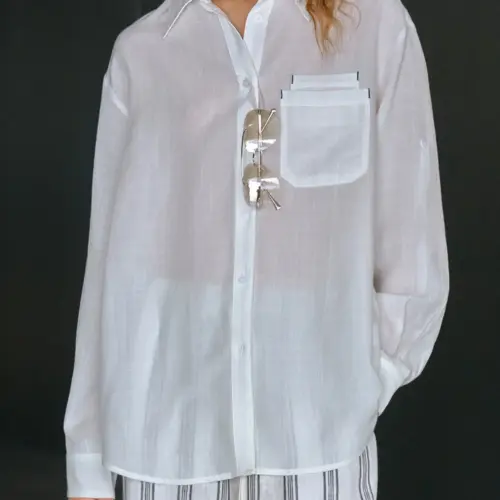
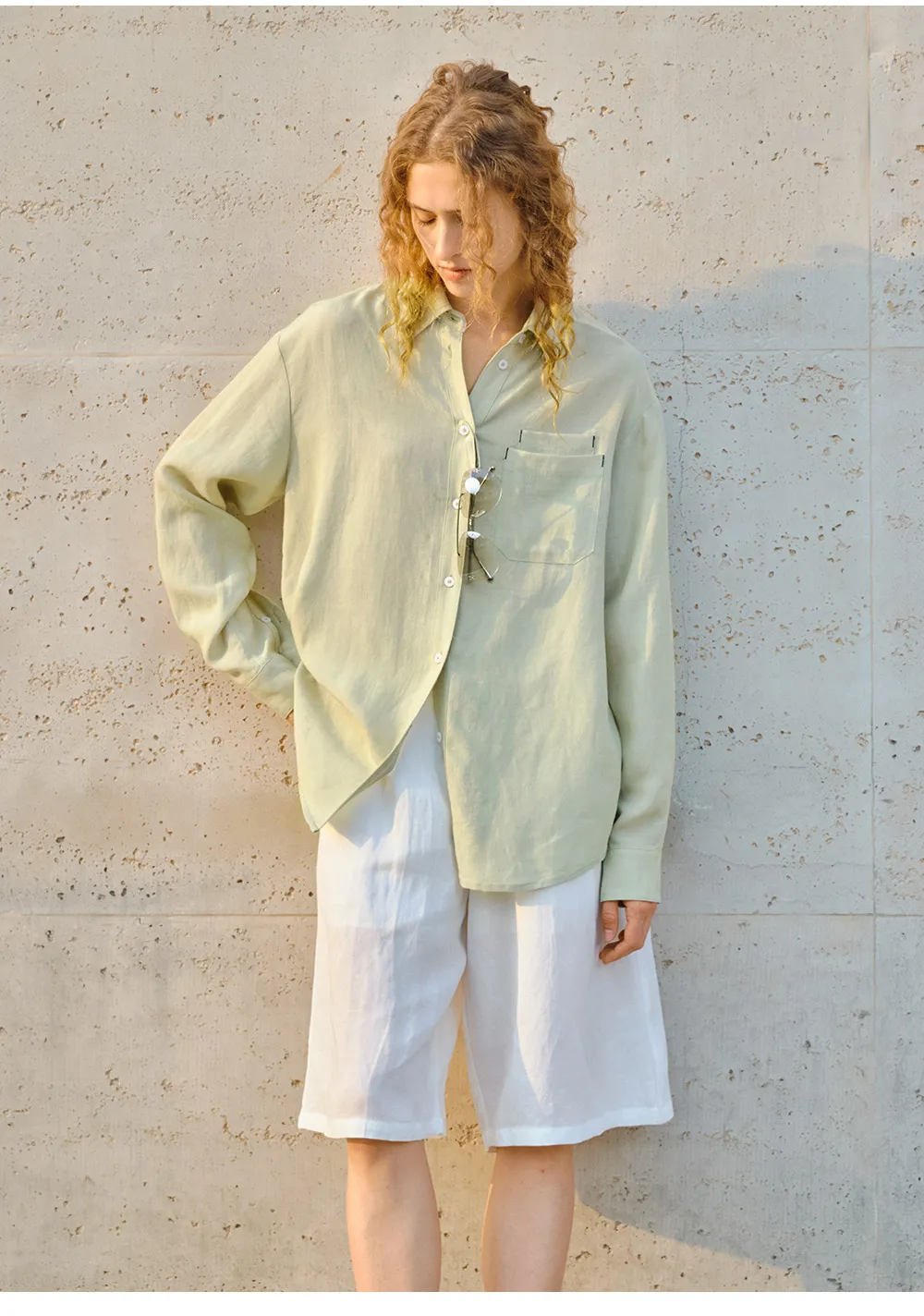
A button-up shirt is any shirt with buttons running up the front, from hem to neck. The collar style and fabric decide if it feels like business, weekend, or vacation.
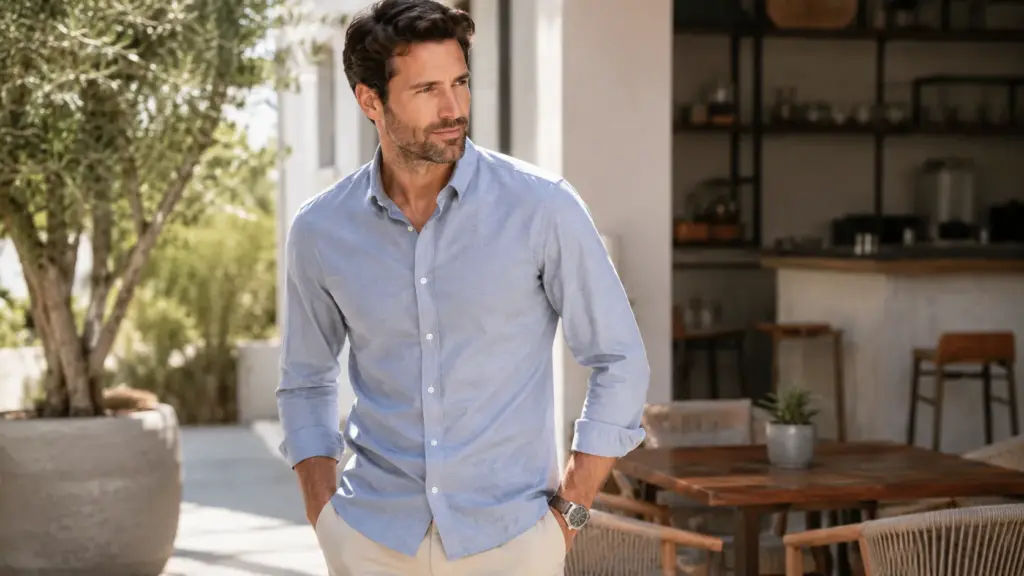
The definition I use when I quote a price
I treat “button up” as the widest bucket. I put dress shirts, casual overshirts, denim shirts, and even short-sleeve button ups in that bucket. When Maria-type buyers email me “buttonup” or “up button shirt,” I never assume they mean a suit-and-tie shirt. I ask what collar they want and what fabric weight they want. I also ask if they will wear a tie, because “button up and tie” usually needs a cleaner collar shape and better fusing. I also ask if they pair it with slacks, because “slacks and button up” usually means a sharper silhouette.
The parts that change the “message”
- Collar: point, spread, band, camp, or button-down collar.
- Placket: regular, hidden, or covered for a more formal look.
- Cuff: button cuff for most orders, French cuff for formal.
- Fit: slim, regular, relaxed, or boxy, since fit changes the vibe.
A quick way I explain it to new buyers
| What a buyer types | What it can mean in production | What I ask next |
|---|---|---|
| button up shirt | any button-front shirt | “Dress shirt or casual?” |
| buttoned shirt / shirt with buttons | often a casual button-up | “Woven or knit?” |
| button up outfit | styling goal, not a spec | “Tucked or untucked?” |
| button up shirt with tie | dress shirt direction | “Point or spread collar?” |
When I keep “button up” broad, I avoid wrong sampling, and I avoid returns that come from language, not from quality.
I see “what is a button down” used like a synonym for “button up.” That habit causes the most trouble when a dress code is strict.
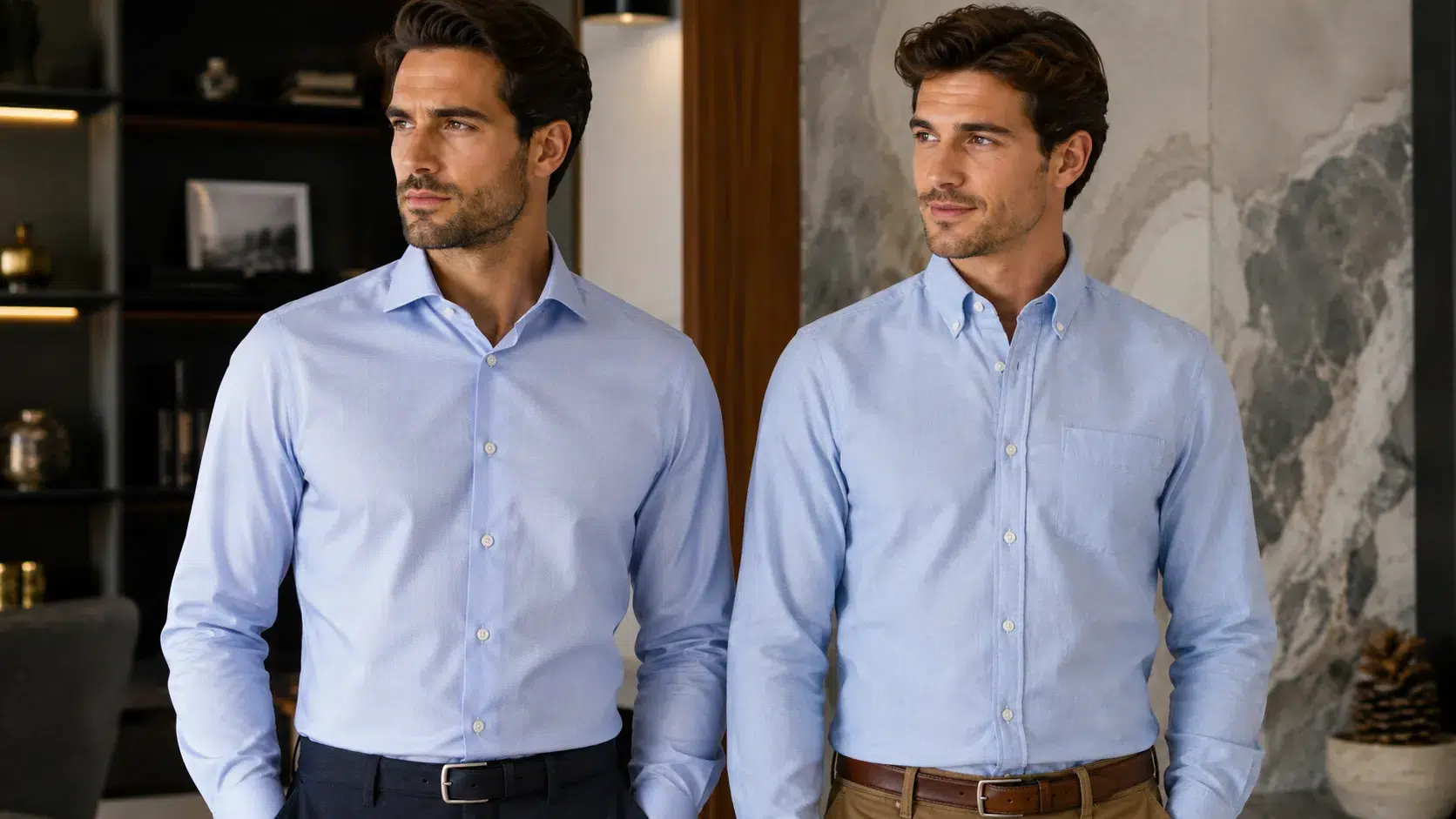
A button-down shirt is a button-up shirt with a button-down collar. The collar points have small buttons that fasten them to the shirt, so the collar stays in place.
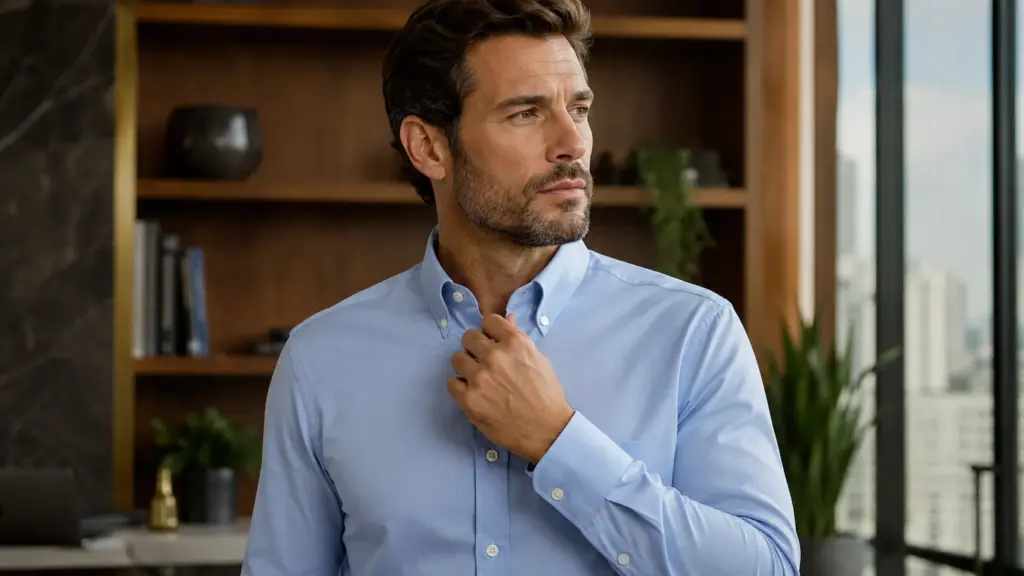
The collar detail that decides the name
I focus on the collar first. If the collar has two small buttons at the points, it is a button down shirt. If the collar has no point buttons, it is still a button-up shirt, but it is not a button-down. This is why “button down shirt vs button up shirt” is a little tricky, because it is not a fair one-to-one comparison. One term is a subset of the other.
Why this collar exists at all
I often explain the collar like a tool. The buttons stop the collar from lifting and flapping when someone moves. That is why many people treat button down shirts as more relaxed than a sharp dress shirt collar. When I build a “button down shirts for men” program for a customer, I usually pick fabrics that match that relaxed purpose, like oxford, chambray, or soft twill.
Button-down for women is the same rule
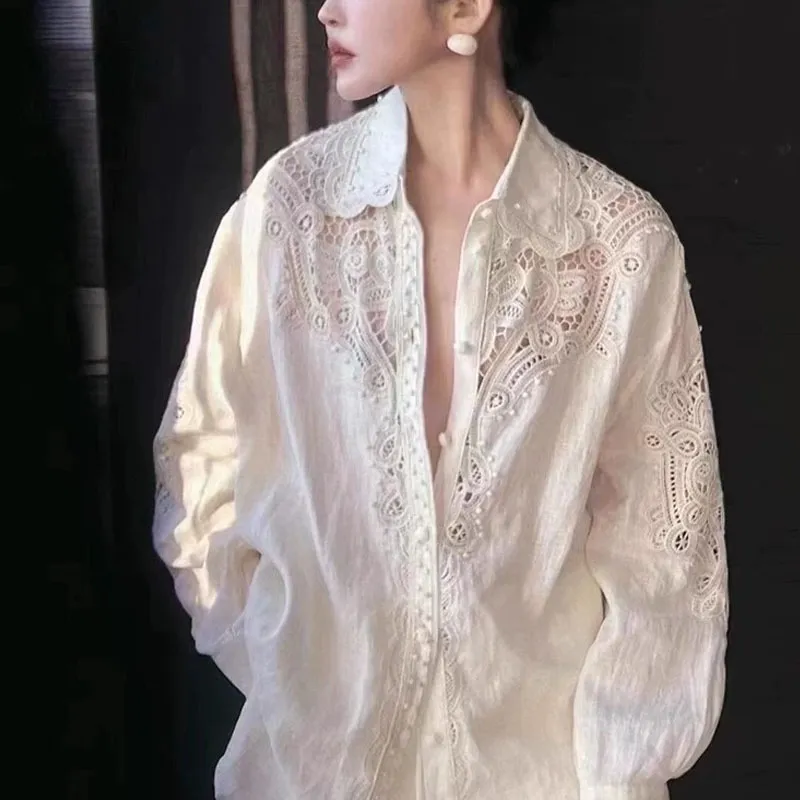
A “button down shirt female” follows the same collar rule. The shape can be different, and the fit can be different, but the collar buttons still define the name. I tell buyers not to call every women’s button-front blouse a “button-down” unless it has that collar.
Collar types I compare in tech packs
| Collar name buyers use | What it means on the shirt | Tie-friendly? | Common use |
|---|---|---|---|
| shirt button down collar | collar points button to shirt | yes, but more casual | business casual button down |
| point collar | no collar point buttons | yes | office, events |
| spread collar | no collar point buttons, wider spread | yes | modern formal |
| band collar | no fold-over collar | no tie | casual, trend |
| camp collar | open, no stand, often on resorts | no tie | summer, shorts |
When a buyer writes “buttoned up or buttoned down,” I answer with the collar detail, because that single detail ends the confusion.
Button-down vs dress shirt: which one fits business casual?
I get “dress shirt vs button down” questions right before a big season. I know the buyer feels pressure, because late choices cause late delivery.
A dress shirt is usually a woven, collared, button-front shirt made to look sharp, often with a point or spread collar. A button-down can still be a dress shirt, but the collar buttons push it toward business casual in many offices.

The way I separate “formal” from “business casual”
I do not use one rule like “button down is casual, button up is formal.” I use three checks: collar, fabric, and structure. A crisp poplin button-up with a spread collar reads formal. An oxford button-down reads business casual. A denim button-up reads casual, even if it has a point collar.
What I tell a buyer who only writes “business casual”
I ask for the setting. I ask if they want ties. I ask if jackets are structured or soft. Then I map the shirt choice to the setting.
| Setting label a buyer uses | Safer shirt choice | Collar suggestion | Fabric suggestion |
|---|---|---|---|
| formal / ceremony | button-up dress shirt | point or spread | poplin, fine twill |
| office smart | button-up or button-down | point, spread, or button-down | twill, oxford |
| business casual | button-down or casual button-up | button-down collar | oxford, chambray |
| smart casual | either, styled relaxed | button-down or soft point | oxford, brushed twill |
| casual weekend | casual button-up | camp, band, soft point | denim, flannel, linen |
A small story from my own orders
Last year I had a customer who asked for “button down shirts” for a uniform. The end client actually needed a cleaner dress shirt look with a tie. I caught it when I asked for collar photos and tie policy. I changed the collar to a point collar. I kept the body as easy-care twill. That one email saved a full re-sampling loop.
When someone asks “is it button up or down,” I answer, “It is button-up by closure, and it is button-down only if the collar points button down.”
I see people buy the right shirt and style it the wrong way. That mismatch makes the shirt look cheap, even when the fabric is good.
Button-down shirts look best when the outfit looks relaxed but clean, like chinos, denim, or an unstructured blazer. Button-up dress shirts look best when the outfit looks sharper, like slacks, a suit, or a tie.
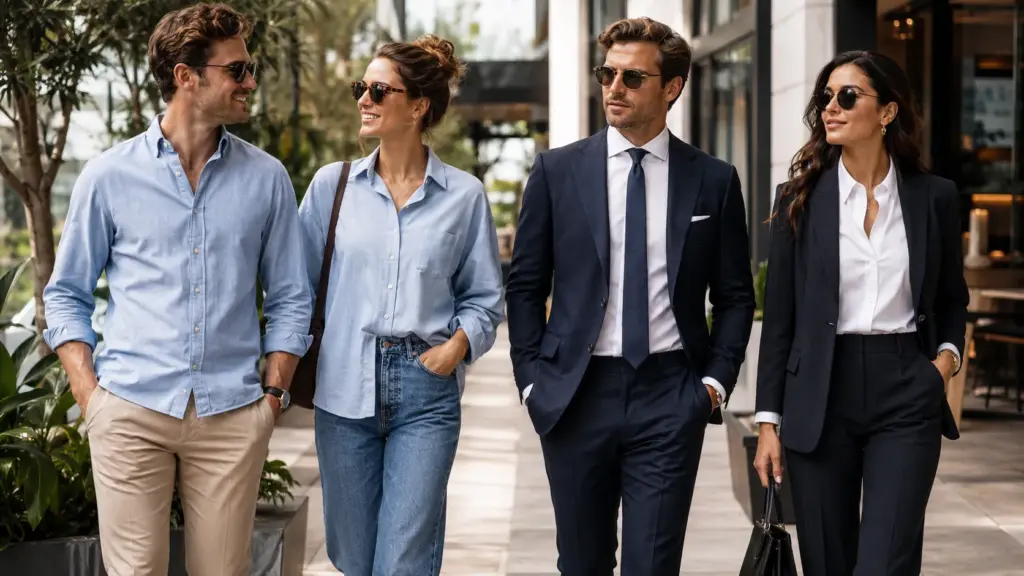
The styling rules I use in lookbooks
I match the shirt’s “message” to the outfit’s “message.” I do not fight the shirt. A button-down collar is already relaxed, so I pair it with relaxed layers. A spread collar is already sharp, so I pair it with sharper layers.
Outfit ideas that work in real life
| Shirt type | Easy outfit | What I avoid | Why I avoid it |
|---|---|---|---|
| button-down shirt | chinos + loafers + soft blazer | very formal suit + shiny tie | the collar buttons look out of place |
| button-up dress shirt | slacks + suit + tie | heavy distressed denim | the mix looks messy |
| short-sleeve button up | shorts + clean sneakers | very stiff tie | it looks forced |
| women’s button-front blouse | high-waist pants + belt | bulky collar buttons under tight knits | it can bunch and pull |
Button-down and shorts can work
I like “button down and shorts” when the fabric is light and the fit is not tight. I also like a small sleeve roll. I tell buyers to keep the collar clean, because a wrinkled collar draws attention fast.
Some buyers mean a knit polo or a henley when they type that. Some buyers mean a light overshirt that feels like a tee but closes with buttons. I solve it by naming the fabric and the construction in the spec sheet. I write “knit button-front” or “woven button-front.” That avoids confusion in sampling.
When I build wholesale collections, I include both, because customers want options, and the shirt choice should follow the day, not a strict rule.
Conclusion
When I hear “button up vs button down,” I look at the collar first, then the fabric and the setting. That small habit saves time, money, and awkward outfits.
Why I Write This
I run Truekung, and I supply fashion clothing for B2B wholesale only. I manage OEM/ODM production with a factory team of more than 200 workers, and I support brands and supermarkets with stable quality, clear communication, and on-time delivery. If you want to develop button up shirts or button down shirts for men and women, you can reach me at [email protected], and you can see my company at https://truekung.com.
Views: 114