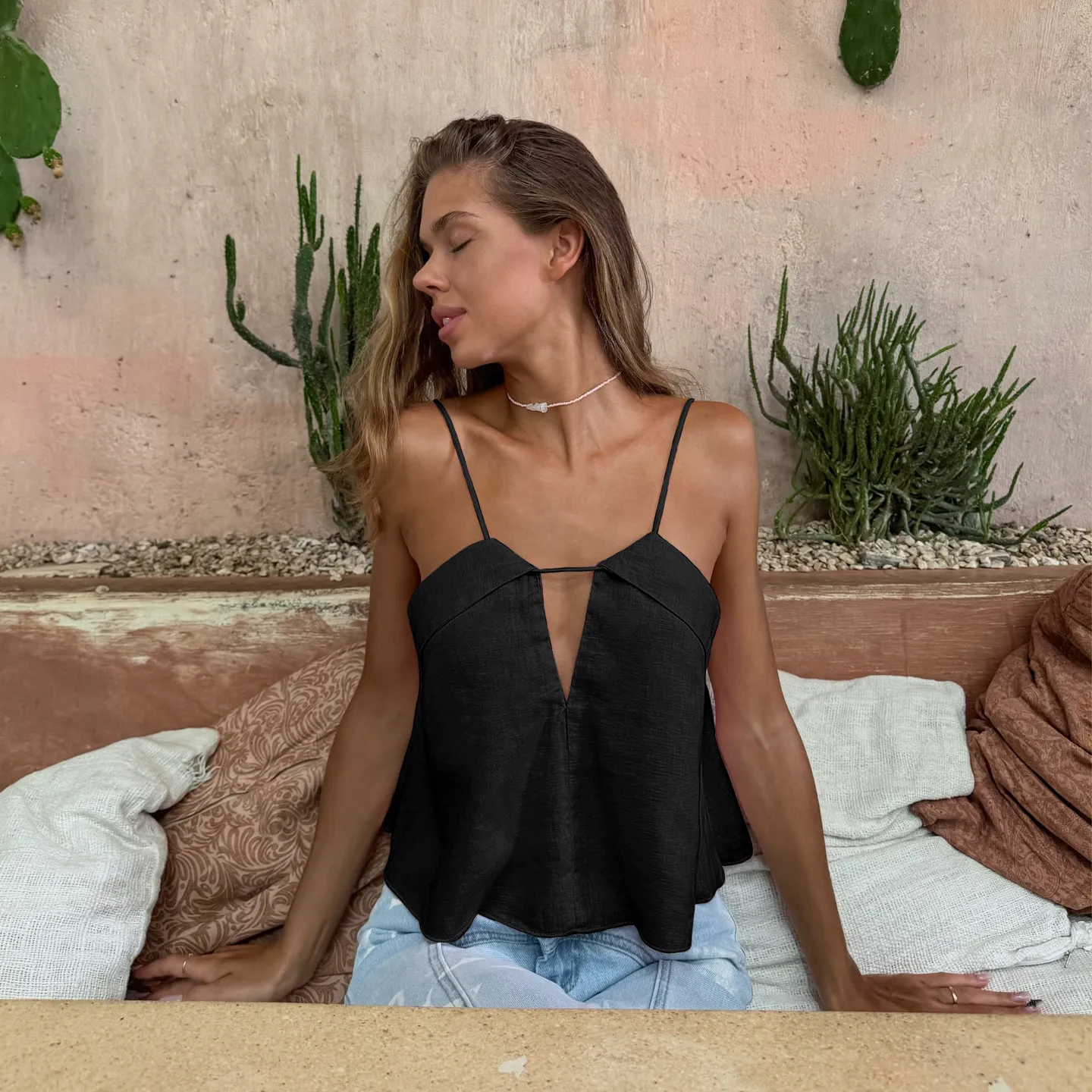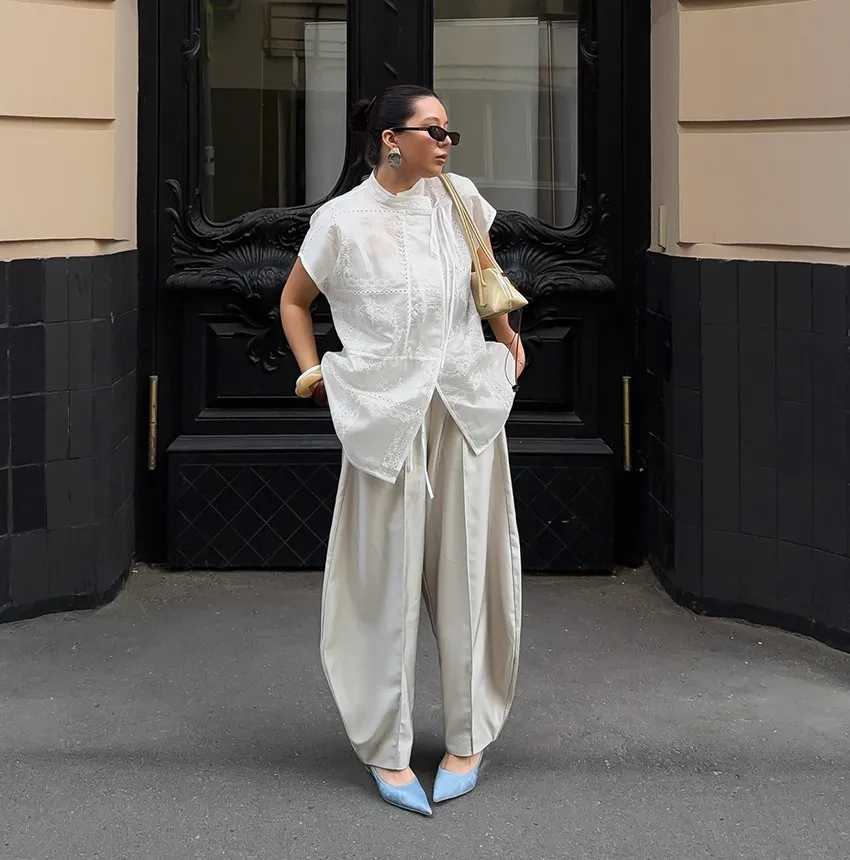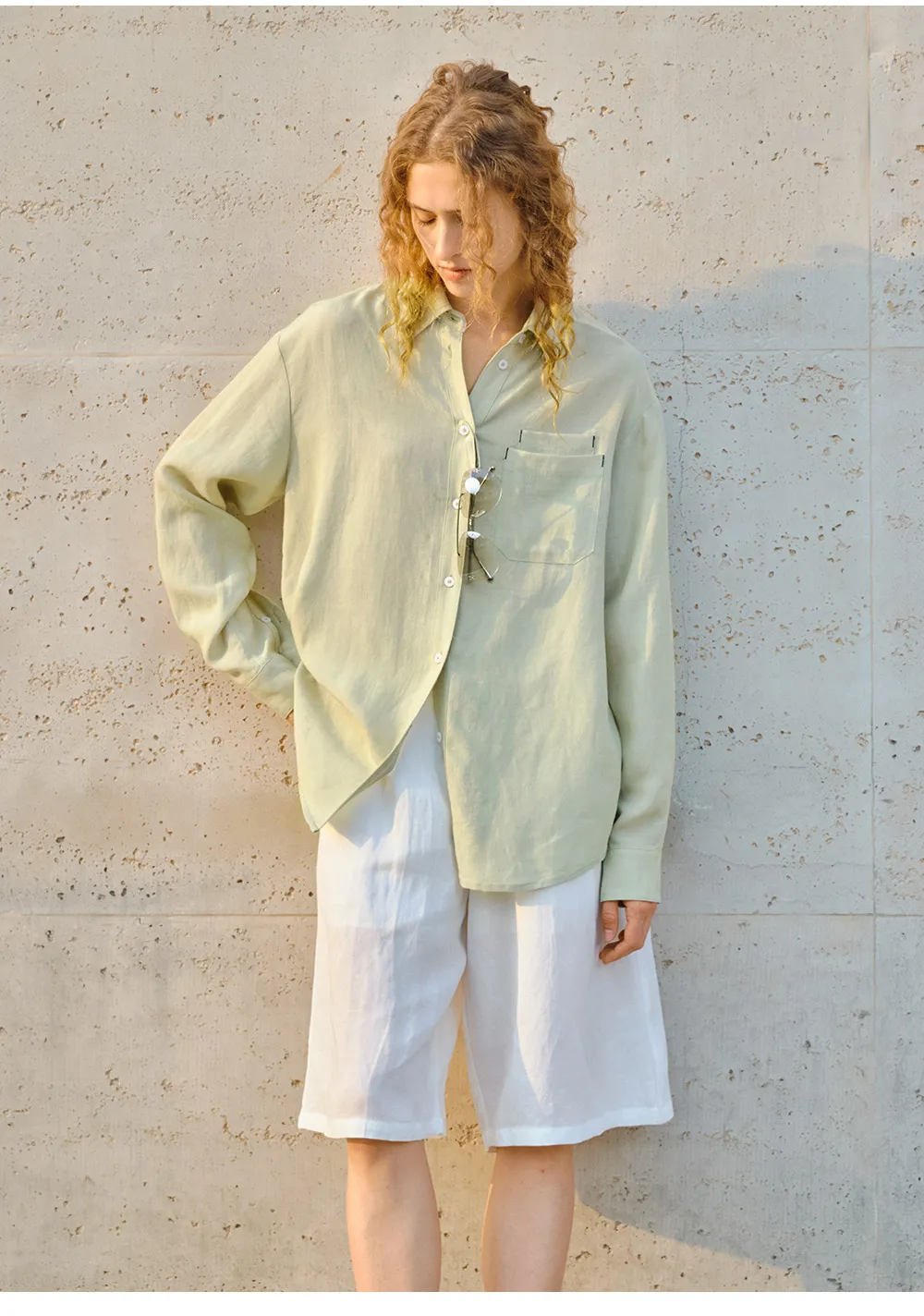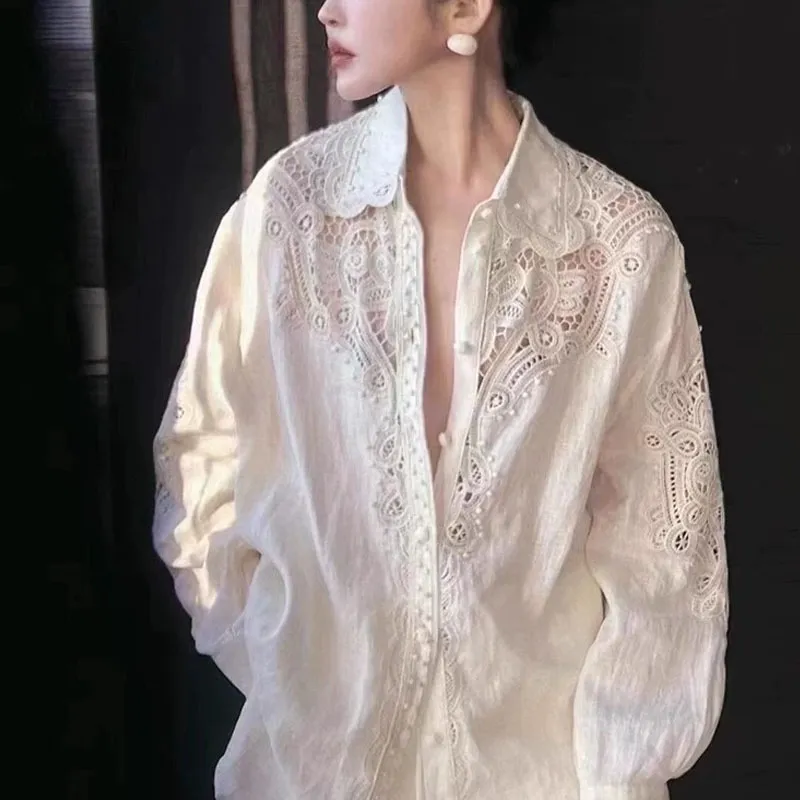


I see the same problem again and again. A brand looks “premium” online, but the details feel unclear. That gap makes people worry about fast fashion and greenwashing.
Few Moda is a members-first fashion club that sells clothing at two price tiers, with extra perks for members. It can still behave like fast fashion if it pushes quick trend cycles and does not show strong proof on labor and sustainability. I judge it by what I can verify, not by the marketing words.
I want to keep this simple. I will explain what Few Moda is, how the membership works, and how I look at ethics and sustainability when a brand does not show full proof. I will also use what I see people say in few moda reddit threads, because real orders reveal things that ads hide. If you stay with me, you will know what to check before you pay, and you will know what questions to ask after you buy.
What is Few Moda, and how does Few Moda work?
People feel stuck before they buy. They see low member prices, and they fear a trap. That fear grows when the membership terms feel hard to compare.
Few Moda is a members-first fashion club. I explain it like this: everyone can shop, but members pay a fee and get lower pricing and extra service perks. That is the core answer to “what is few moda” and “how does few moda work.”
The membership model in plain words
I run a factory, so I think in systems. A membership system is a cash-flow system. It helps a brand plan demand, and it helps cover fixed costs like shipping and returns.
Here is the practical way I break it down:
| Part of the model | What I think it means | What I would watch |
|---|---|---|
| Member vs non-member price | Two price lanes for the same item | Compare your cart total with and without the fee |
| Free shipping and returns for members | The fee helps fund service costs | Check return window and handling fees |
| “At cost” language | Marketing that points to lower markup | Ask what “cost” includes: fabric, labor, freight, duties, overhead |
“Same manufacturer as” is not “same product”
I often see shoppers assume a label means a direct copy. I do not read it that way. Factories make many styles for many clients. A factory link can be real, but the pattern, fit, and fabric can still be different.
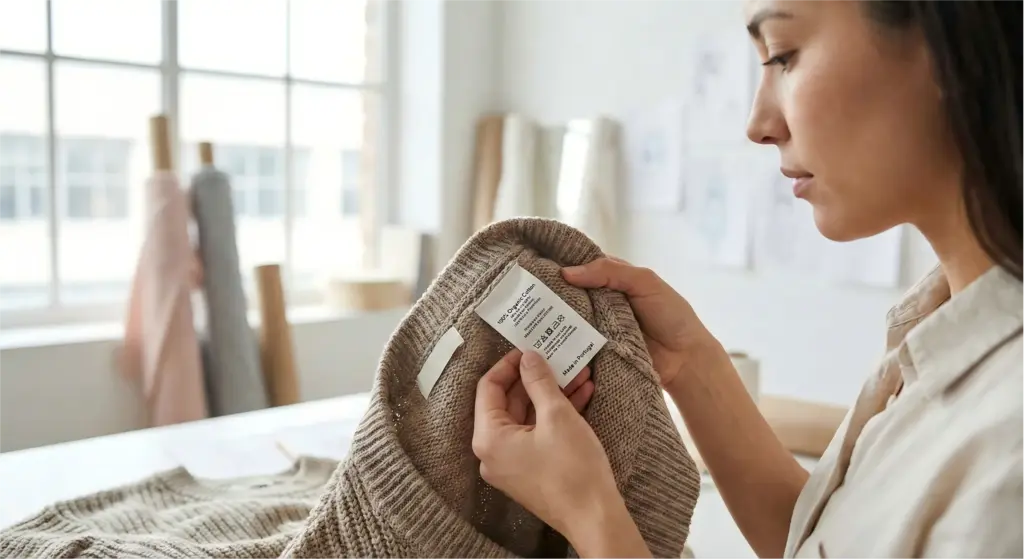
Few Moda also uses a “same manufacturer as” tag on some items. I treat that as a clue, not as proof. It can still help you shop, because it suggests the factory has made for known brands before. But I still check the fabric composition, lining, and seam finishing in the product details.
Where “few moda careers” and “fewmoda” fit in my research
When I research a brand, I also look at the boring pages. I search few moda careers and I scan what roles they hire for. I do this because hiring shows priorities. If a brand hires many content roles, I expect strong marketing. If it hires more quality or operations roles, I expect more process control.
I also search “fewmoda” as one word because shoppers use it as a shortcut. That search often pulls up reviews and community comments faster than official pages. That mix gives me a more balanced picture before I buy.
Is Few Moda fast fashion, or is it a different kind of membership brand?
I understand why this question feels messy. The membership angle sounds slow and careful. Still, “fast fashion” is not only about cheap prices.
I treat Few Moda as fast fashion when it acts like fast fashion. I look for fast trend turnover, fast product drops, and weak proof on labor and impact. The word “moda fast” shows up in searches for a reason, and I think people are really asking about speed and trust.

My simple definition of fast fashion
I use three checks. I use the same checks when Maria, my buyer friend from Russia, asks me to screen a new supplier.
1) Speed: Does the brand push “newness” constantly?
2) Trend copying: Does it chase viral shapes with small changes?
3) Disposable pricing: Does the price push people to overbuy?
A membership club can still hit all three checks. In fact, a membership can make demand more steady, which can support more frequent launches.
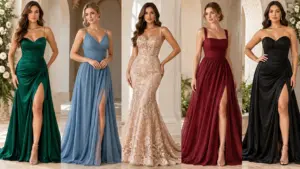
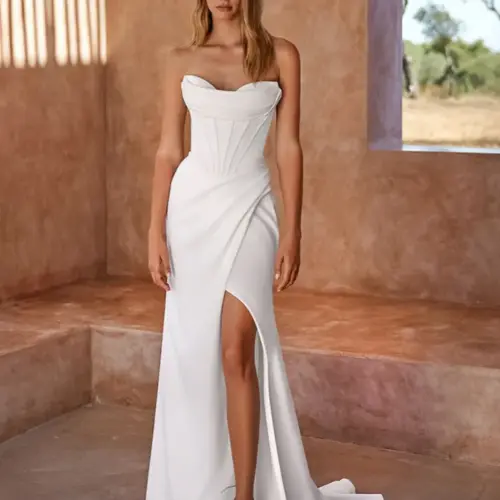
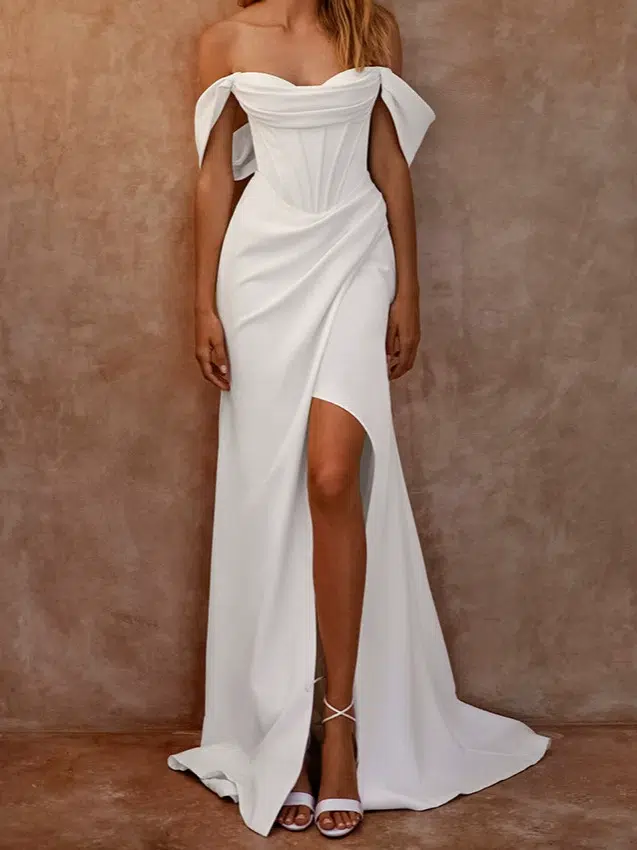
How I judge “Few Moda dresses” as a category
Dresses tell me a lot about a brand. A dress needs good pattern work. A dress needs stable fabric. A dress also shows seam skill fast.
When I see few moda dresses online, I do not only look at photos. I look for:
- fabric weight and fiber content
- lining details
- zipper type and placement
- dart placement and bust shaping
- size chart clarity
If those details feel thin, I assume the brand is playing the same game as fast fashion. If those details feel clear and consistent, I give the brand more trust.
A quick “fast fashion” checklist you can use in 60 seconds
I keep this list in my phone. I use it when I feel impulse buying.
| Check | Green flag | Red flag |
|---|---|---|
| Product drops | Seasonal and planned | Weekly hype cycles |
| Fabric mix | More natural or certified fibers | Mostly virgin synthetics with vague wording |
| Product pages | Clear specs and care info | Pretty photos and little detail |
| Repair or take-back | Some plan exists | No plan and no mention |
| Proof | Audits or public reports | “Trust us” language only |
If you want one action step, do this: open three random items, and compare how much real information you get. That test saves me from most regret buys.
How ethical and sustainable is Few Moda, and what does Few Moda Reddit really show?
I feel the tension here every day. I work in clothing, so I know good factories exist. I also know bad factories exist. The only safe path is proof.
Few Moda shares some ethical and materials language, but I do not see enough public proof to treat it as a clearly ethical and sustainable brand. That is why I also read few moda reddit comments. Customers often notice fit, fabric feel, and return friction in a way that marketing never shows.

What the brand says vs what I can verify
I read brand claims as “starting points.” I do not read them as “final answers.”
This table shows how I think:
| Topic | Claim type | What I ask for |
|---|---|---|
| Worker conditions | “We pay fairly” style statements | Third-party audit summary, not just internal words |
| Hours and benefits | “Regulated hours” language | A clear code of conduct and how it is enforced |
| Materials | Mentions of linen or Tencel | % of assortment, and whether claims are certified |
| Transparency | “Direct from manufacturers” story | Supplier list or at least region-level disclosure |
I once had a buyer ask me for certificates, and another supplier tried to send a fake one. That moment changed how I work. Now I ask for traceable documents and I verify them. I suggest you use the same mindset as a shopper.
What critics point out, and why it matters
Some reviewers argue Few Moda does not publish supplier lists or factory audits, and that it lacks strong third-party certifications. I take that criticism seriously because transparency is the easiest first step for a brand that truly wants trust. If a brand cannot share even a basic supply chain outline, I treat its ethical story as unproven.
What I learn from “few moda reddit” style reviews
Reddit is noisy, but patterns matter. I focus on repeated issues, not one angry post.
I often see three themes:
1) Hit or miss quality: Some people love specific pieces, and others compare some items to very low-end quality.
2) Fit inconsistency: Some shoppers say sizing runs small or feels odd in the bust and waist.
3) Membership value doubt: Some shoppers feel the membership only pays off if you keep enough items.
Those themes do not prove abuse or harm. Still, they do suggest that the “premium manufacturer” story does not always match the delivered product. That gap can also connect to sustainability, because poor fit and poor quality lead to more returns and more waste.
Where “moda scout” fits, and why people mix it up
I also see people search “moda scout” near Few Moda keywords. I want to clear this up. Moda Scout is also the name of a visual search tool for Italian fashion products in a B2B context. It is not the same as Few Moda. I think people mix them up because the names sound close, and both sit in fashion discovery. I mention this because it changes what you should expect. Few Moda is a consumer club. Moda Scout is a supplier discovery tool.
Conclusion
I treat Few Moda as “unproven ethical” until it shows strong public proof, and I treat it as fast fashion if it pushes quick trend cycles and low-detail product pages.
Why I Write This
I am Lancy Chia from Truekung in China. I run a clothing factory with more than 200 workers, and I focus on OEM/ODM and wholesale only. I work with brands and supermarkets across the Netherlands, Denmark, Belgium, Norway, the UK, the USA, Germany, Australia, and more. If you want to build a more reliable supply chain, you can reach me at [email protected] or visit https://truekung.com.
Views: 157