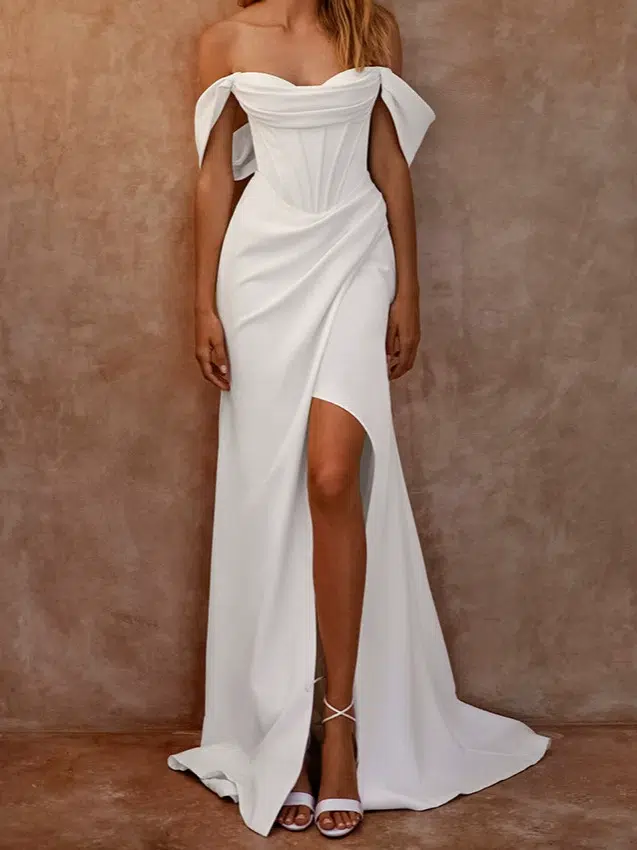


People call every brand “fast fashion” now. That word can make real problems feel normal. I want to sort the facts, so I can shop and source with my eyes open.
Maison Margiela is not fast fashion because it follows a seasonal luxury calendar and makes many items with slower, higher-skill production. But I still see weak public transparency on supply chain checks, living wage proof, and clear sustainability targets.
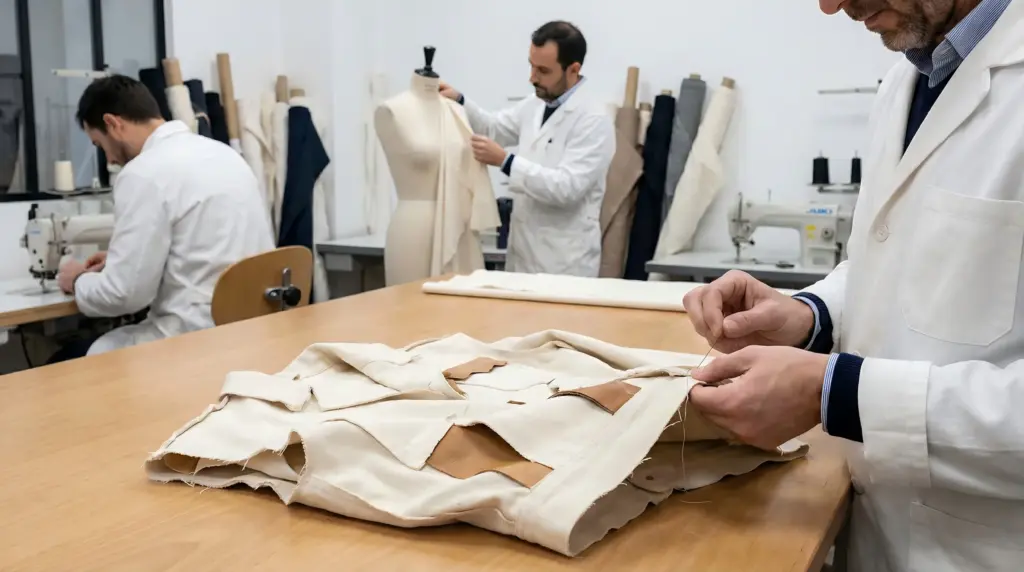
I still understand why this question keeps coming back. I see “drops,” new colorways, and hype videos everywhere, so the line can look blurry. I also see buyers like Maria push me for a clear yes or no. I start with the basics, and I end with a buyer’s checklist, so I can act, not guess.
What does “fast fashion” mean when I judge Maison Margiela?
People mix up “popular” with “fast.” That mix can hide the real signs of speed. I use a simple test, so I do not get fooled by noise.
Fast fashion is a system that wins by speed and volume, not a single price level. I look at how fast designs move to stores, how many new items launch, and how the brand proves its labor and material claims.
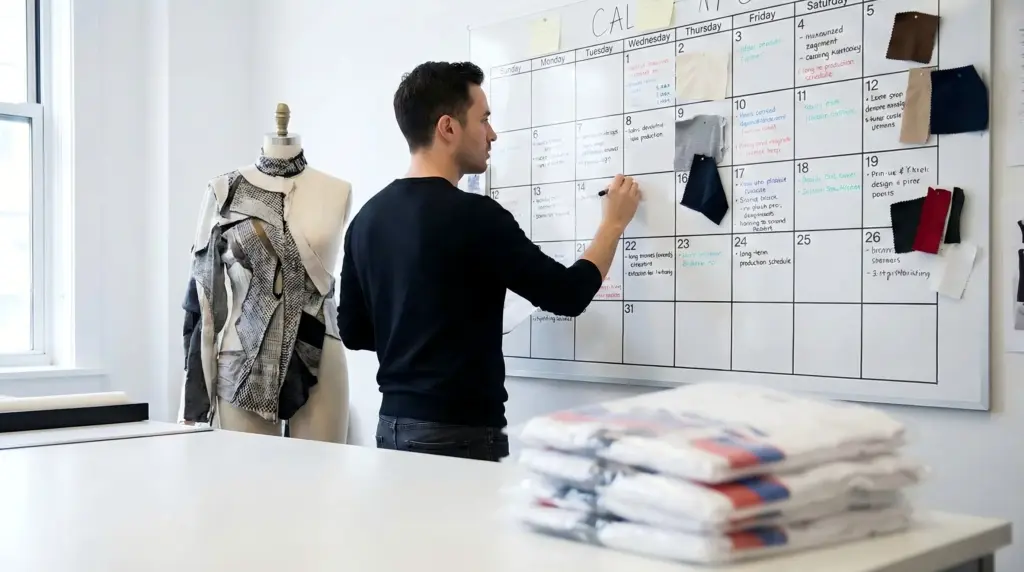
The speed test I use
I use three questions when I review a brand like Maison Margiela (and also when I review “fashion margiela” look-alikes from other suppliers). I ask: “How often do they launch?” “How long does a product take from idea to shelf?” “Do they chase trends or set them?” I also add a fourth question now: “Do they show proof, or do they just tell a story?” I learned this the hard way. I once approved a sample line fast because the photos looked premium. The factory later changed trims without telling me, and the second batch failed my buyer’s wear test. I stopped trusting vibes, and I started trusting process.
| Signal I check | What fast fashion often does | What I look for with maison margiela |
|---|---|---|
| Design-to-store time | Very short, weeks to a few months | Slower cycle and longer planning |
| Collection rhythm | Many micro-drops all year | Seasonal structure, plus limited drops |
| Product volume | Very high SKUs and constant newness | Lower volume and more “investment” items |
| Design approach | Copies trends fast | Leads with concepts and signatures |
| Proof and transparency | Often weak, but sometimes improving | Often limited public detail, even in luxury |
Why “luxury” does not end the debate
I do not give a free pass just because prices are high. A $2,000 item can still come from a supply chain with hidden risk. I also know that luxury can “feel fast” because marketing is constant. I see it with maison margiela new york content and maison margiela soho store posts. I also see it when people search for margielas, margiels, or just margiela, and they land on resale listings that refresh every hour. The system looks fast, even if the factory calendar is not.
Does Maison Margiela’s product cycle look “fast” in 2024 and 2025?
People see new shoes and think “fast fashion.” That reaction is normal. I still separate product noise from production reality, so I do not make a lazy call.
Maison Margiela mainly runs on a traditional luxury cycle, and that is much slower than fast fashion. The brand still sells many categories like maison margiela shoes and maison margiela fragrance, so the market can feel busy even with a slower core calendar.

The calendar and the “busy” feeling
I see people search maison margiela 2024, maison margiela ss24, and maison margiela menswear because they want a clear season. I also see people search maison martin margiela nyc or maison margiela nyc store because they want a real store experience, not just a feed. In my own travel notes, I wrote about walking past a boutique in maison margiela florence and later visiting a shop area in New York. I remember how the windows made old ideas feel new again. The brand builds desire through presentation, not only through speed.
Footwear and icons that never stop moving
Tabi footwear is the biggest example. People search men’s tabis, margiela tabis, men’s tabi shoes margiela, tabi shoes womens, tabis mens shoes, men tabi, and even goat tabi or camel foot shoes because the split toe is hard to forget. I see searches for margiela boots, tabi boots, tabi boot, tabby boot, tabi boota, and knee high tabis. I also see maison margiela tabi sneakers, margiela tabi sneakers, tabi sneakers, and maison margiela sneaker because sneakers keep the conversation active. I even see “jika tabis” and “woodstock tabis” from people who want the vibe but not the price.
A quick map of what people actually buy
I like to group the noise into clear buckets, so I can talk about it without emotion.
| What people search | What it usually points to | Why it can look “fast” |
|---|---|---|
| maison margiela tabi / maison margiela tabi boots / maison margiela tabi flats | Core signature, many versions | Many new colors and collabs over time |
| used maison margiela gats / mariela gats / margella gats | Replica / GAT-style sneakers | Resale listings refresh constantly |
| margiela dress shoes / tabby loafers / tabby shoes | Formal or hybrid silhouettes | Styling trends cycle fast online |
| maison margiela replica / maison margiela fragrance / where to buy maison margiela perfume | Fragrance line and licensing | Beauty launches and promos run all year |
| margiela paint splatter / margiela stitches / margiela stitch logo | Visual brand codes | Social posts repeat and amplify them |
I also see product-detail searches like maison margiela $11 bill wallet, margiela logo, maison margiela black and white, and even margiela faceless watch. Those searches tell me one thing: the brand has recognizable codes, and codes travel fast online, even when factories move slower.
Is Maison Margiela ethical and sustainable, or just slower than fast fashion?
People want “not fast fashion” to mean “ethical.” That hope is honest. That hope can still cause bad choices if I do not check what the brand shows in public.
Maison Margiela’s slower luxury model supports durability, but public proof still matters. I look for supplier disclosure, audits, living wage work, material standards, and real targets, not only beautiful statements.
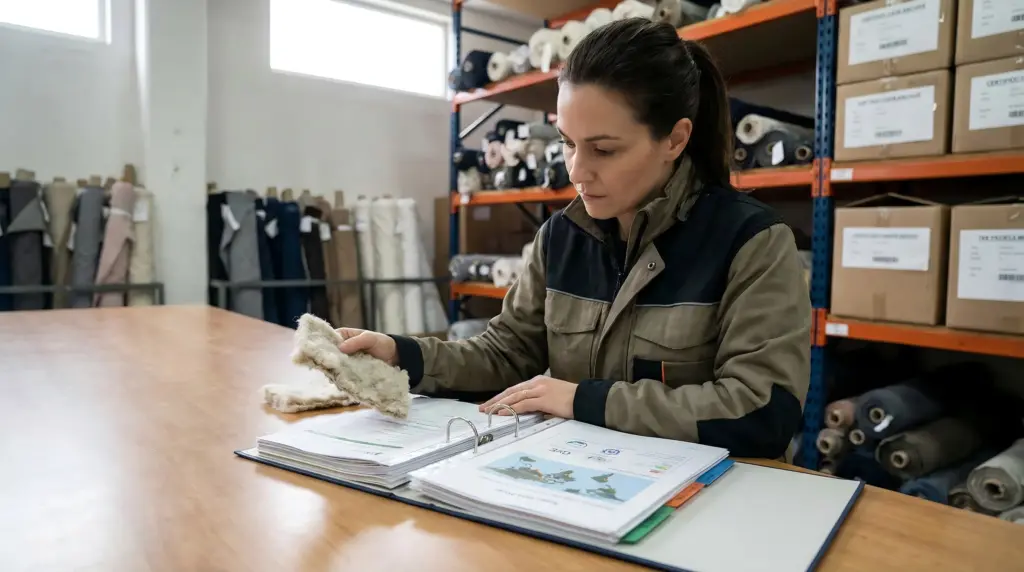
What I count as “better” in practice
I give credit for slower planning and higher construction. I also give credit when production happens in places with stronger labor rules. I still do not treat that as “job done.” I want to see a supplier list. I want to see third-party audits. I want to see how a brand handles leather and wool sourcing, since these are common in margiela boots and margiela dress shoes. I also want to see what happens at the end of life. I want repair options, take-back, or some clear plan.
What I see as the main gaps
I often see luxury brands keep quiet. I understand brand protection, but I still see risk in silence. When I talk to Maria, she often says, “I can accept higher cost, but I need proof.” I agree with her because she runs a business, not a mood board. I also know her pain points. She has seen delayed delivery. She has seen forged certificates. She has also seen sales reps dodge direct answers. I do not want any of that in my supply chain, even if the product is “slow fashion.”
| Topic | What I want to see | Why it matters to me as a buyer |
|---|---|---|
| Supplier visibility | Factory names or at least regions and tiers | I can verify and reduce surprises |
| Labor proof | Audit summaries and living wage work | I can judge claims with evidence |
| Materials | Certified fibers or clear sourcing standards | I can lower risk in leather, wool, cotton |
| Targets | Measurable goals and progress updates | I can track improvement, not promises |
| Circular actions | Repair, resale support, take-back | I can reduce waste after the sale |
When people ask “is maison margiela french,” I answer in a simple way. The brand is a Paris-based fashion house, and it carries that French luxury positioning. I still judge ethics by supply chain behavior, not by nationality.
How do I help a buyer source “Margiela-style” products without fast-fashion risk?
Buyers want the Margiela mood, and buyers still fear fast fashion backlash. That tension can break trust. I use a clear sourcing plan, so I can keep both design and responsibility.
I reduce “fast fashion” risk by planning a slower calendar, locking specs early, running strict QC, and demanding real certificates and shipping truth. I also use resale and small-batch options when the timeline is tight.
The plan I use with Maria
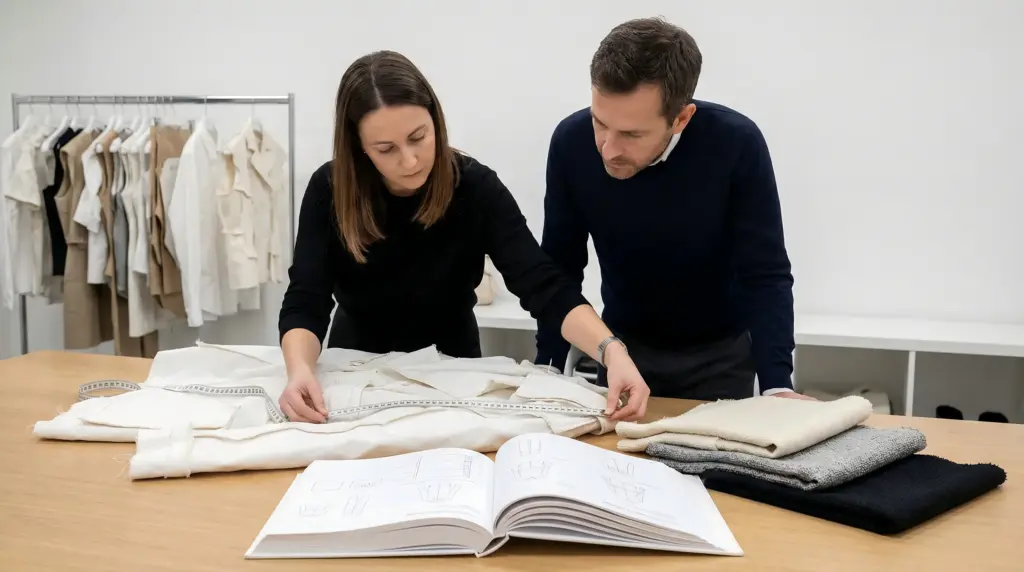
I work in B2B and wholesale, so I think in seasons, not in weekly panic. I ask Maria for her launch dates first. I then work backward. I set a sampling window. I set a fabric booking window. I set a production window. I set a buffer for shipping. I do this because missed seasons hurt more than almost anything else. Maria already told me that delayed delivery can destroy a whole sales season. I treat that as a real cost, not a small problem.
The product-specific controls I add
Footwear and outerwear need tighter control than a basic tee. If Maria wants tabi-inspired boots, I lock the last shape and seam strength early. If she wants a “margiela stitches” look or a “margiela paint splatter” finish, I standardize the method, so each unit matches. If she wants black and white contrast, I test colorfastness, so returns do not eat her margin. If she wants a scent angle like maison margiela replica or even a niche like soul of the forest maison martin margiela, I tell her the truth: fragrance is a different business with licensing, safety rules, and long approvals. I do not let her treat it like a simple add-on.
A practical checklist I reuse every season
| Risk | What I ask for | What I do on my side |
|---|---|---|
| Poor communication | One owner for each order and daily update rules | I log every change in writing |
| Delivery delay | Line plan with dates and a buffer | I book materials early and track critical path |
| Fake certificates | Originals plus issuer verification | I verify numbers and keep a document folder |
| QC failure | AQL plan and in-line checks | I run pre-production and final inspections |
| Surprise costs | Clear packing, carton spec, and payment terms | I confirm before bulk cutting starts |
SEO reality I accept, without losing my mind
I also see spelling chaos. People type mason margiela, masion margiela, masion margelia, masion margela, masion margelas, margeila tabis, margiella boots, maison margeilas, maison magella, maison margile, maison margiel, maison margialla, and even aison margiela. I do not judge them. I just make sure my product pages catch the intent, so real buyers can find me and ask direct questions.
If I stay strict on planning and proof, I can sell “inspired” product lines without acting like a fast fashion machine. I can also protect my buyer’s brand when the internet asks hard questions.
Conclusion
I do not call Maison Margiela fast fashion, but I still ask for proof on ethics and targets. I use calendars, QC, and transparency to avoid hidden speed.
Why I Write This
I run Truekung in China, and I do B2B wholesale only. My factory has over 200 workers, and I offer OEM/ODM for fashion clothes, from womenswear to jackets, dresses, jeans, T-shirts, bags, sportswear, and more. I work with buyers like Maria who want strong quality and fair prices, plus clear QC, certificates, logistics, and payment terms. You can reach me at [email protected], and you can see my work at https://truekung.com.
Views: 341