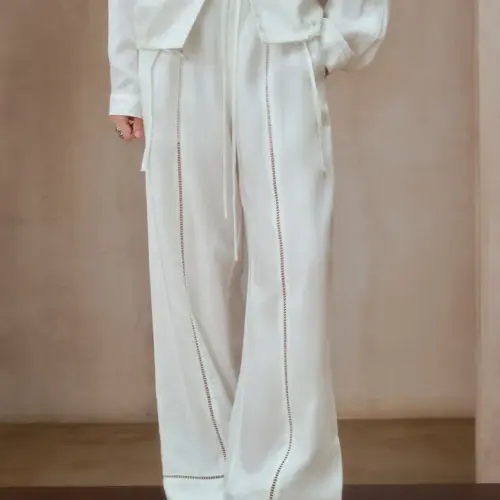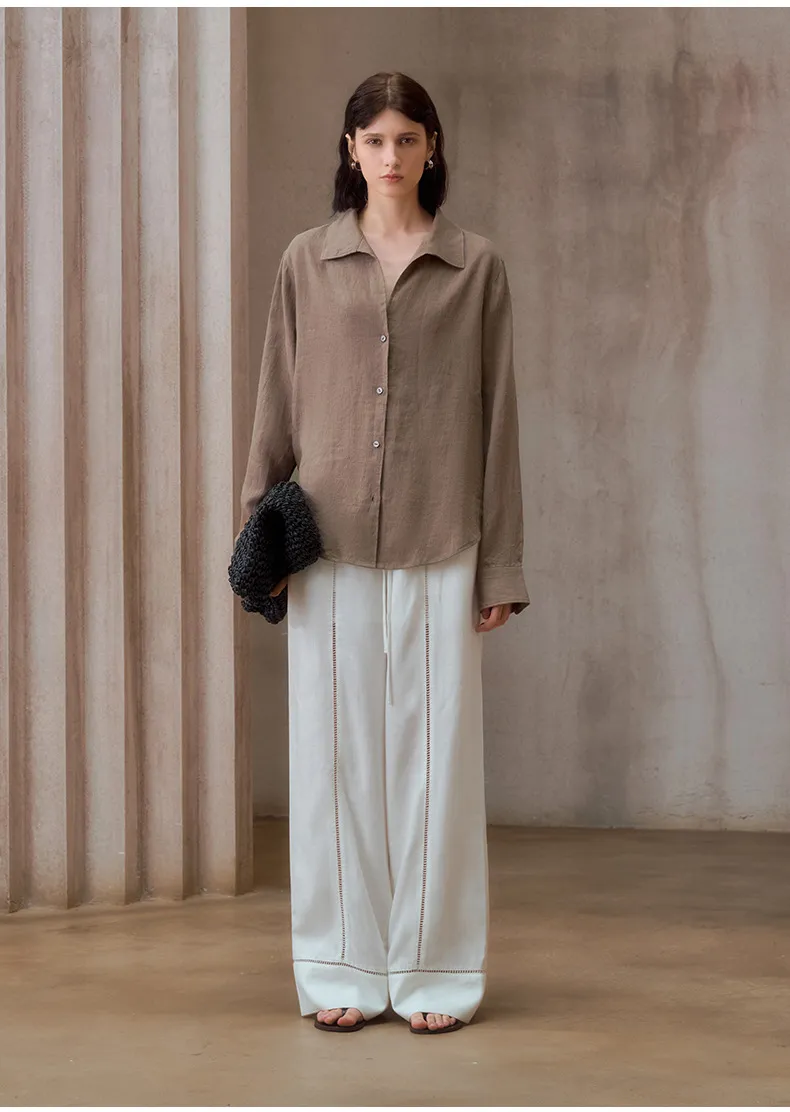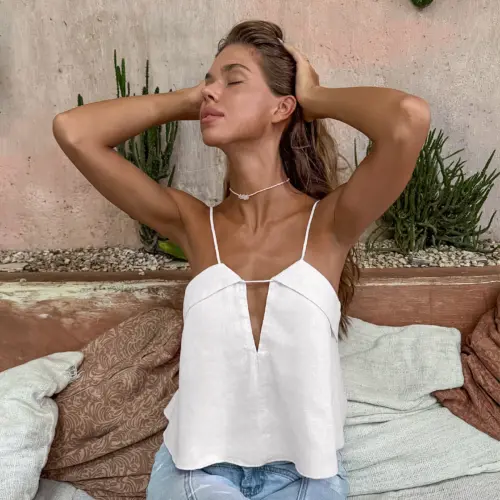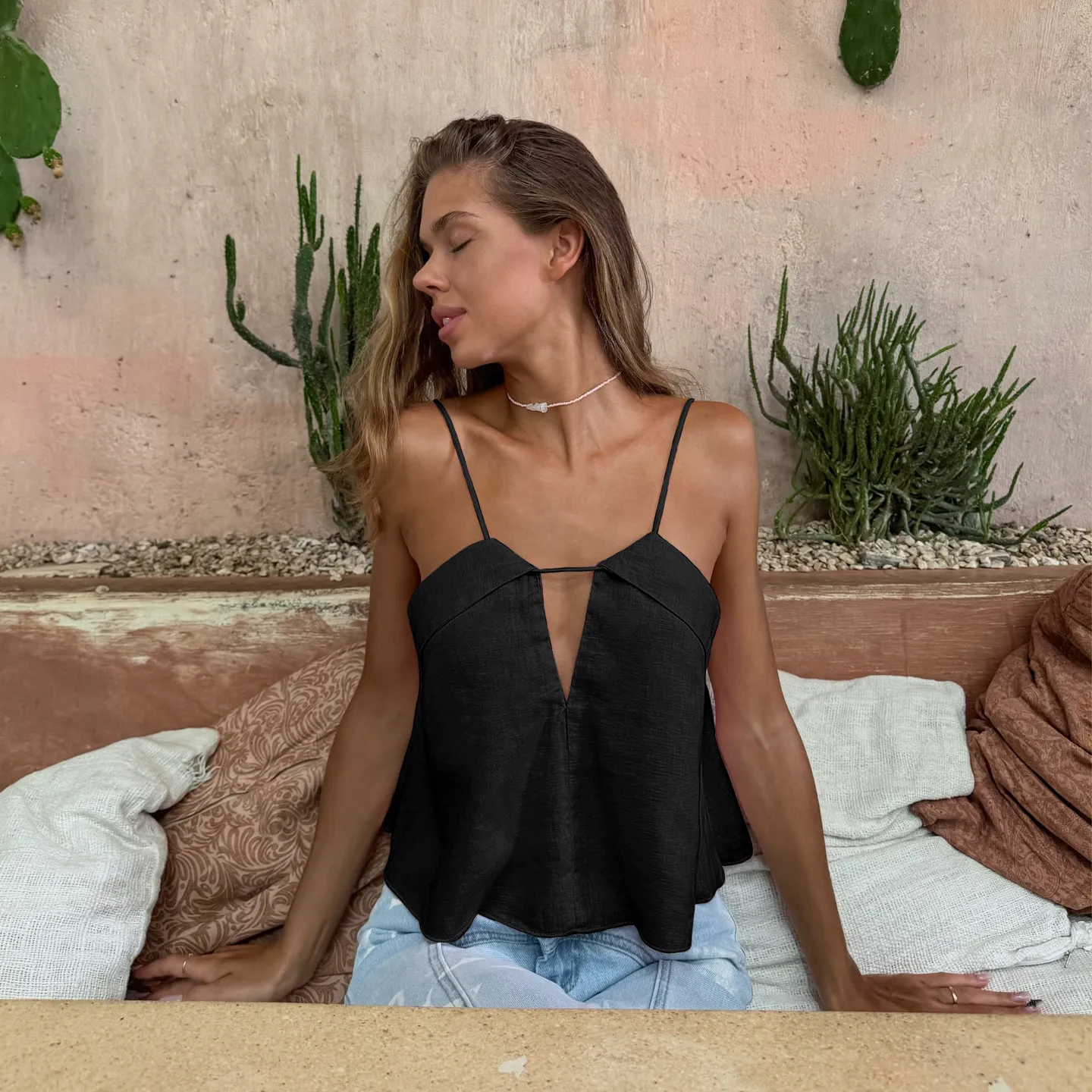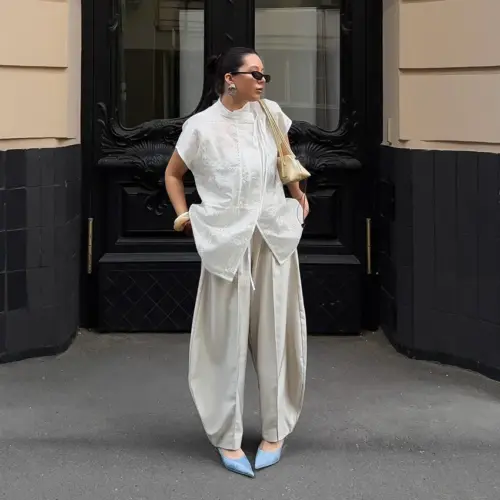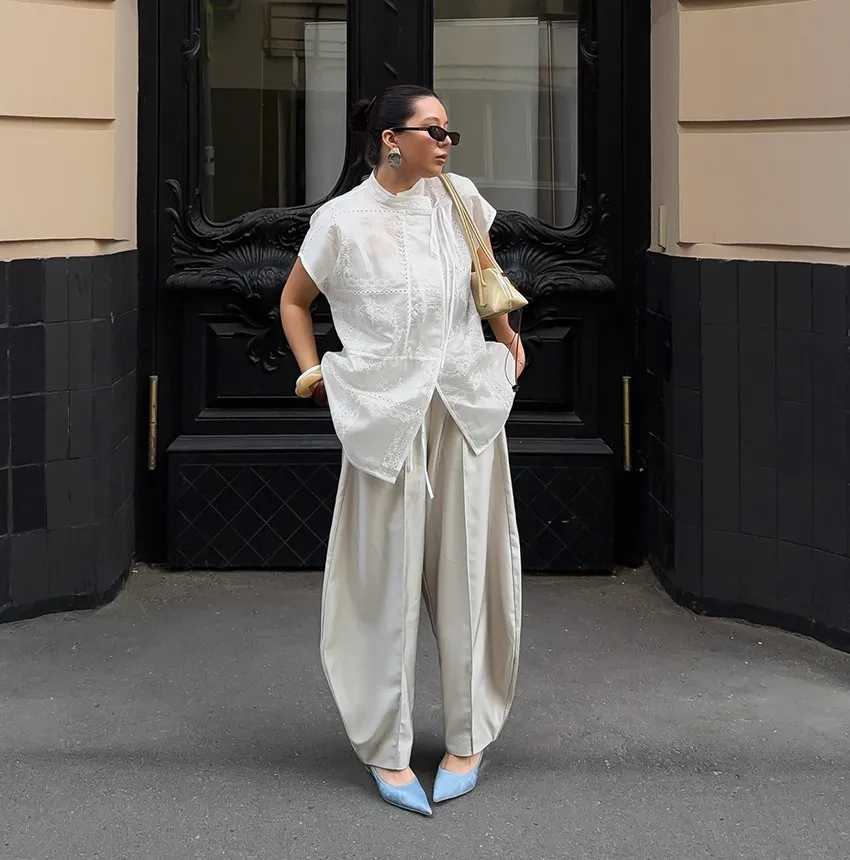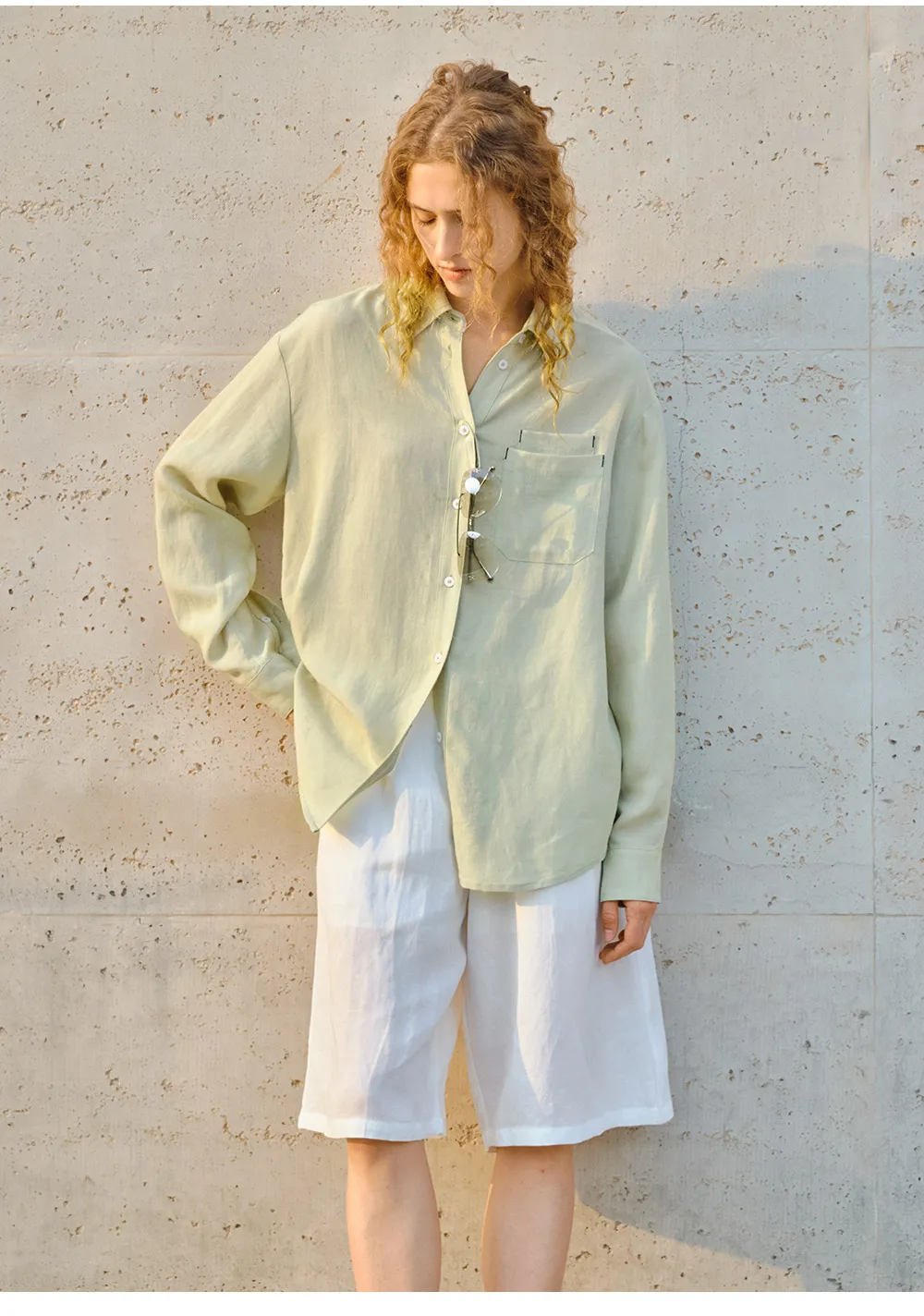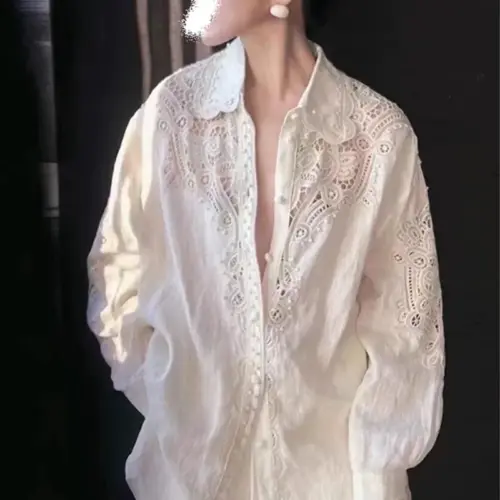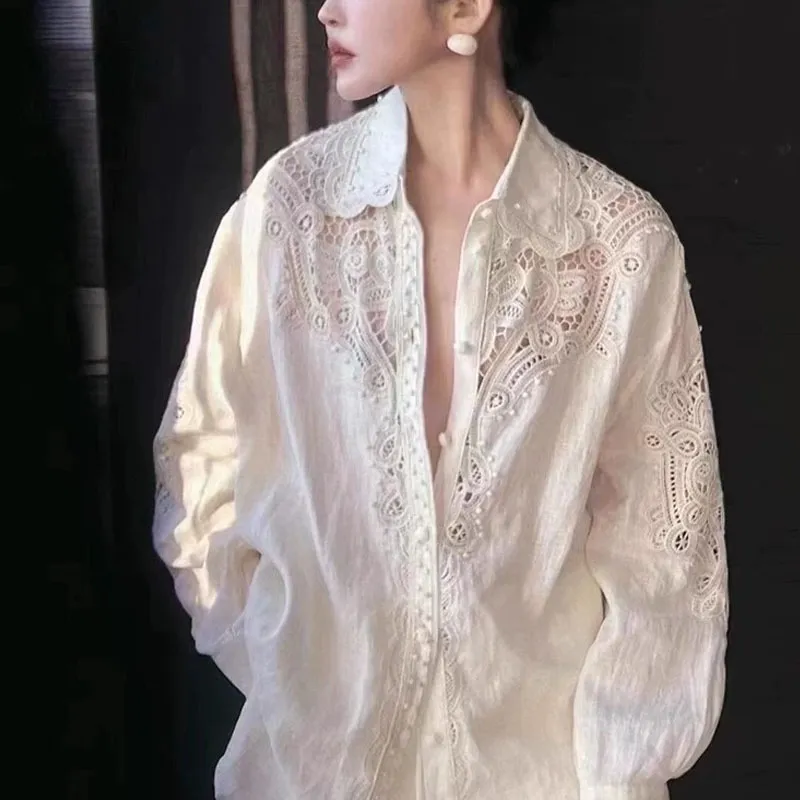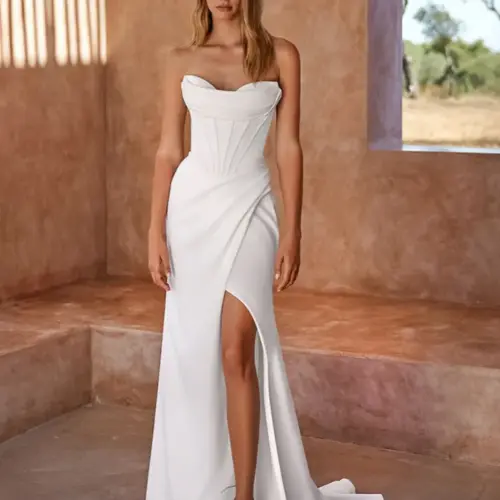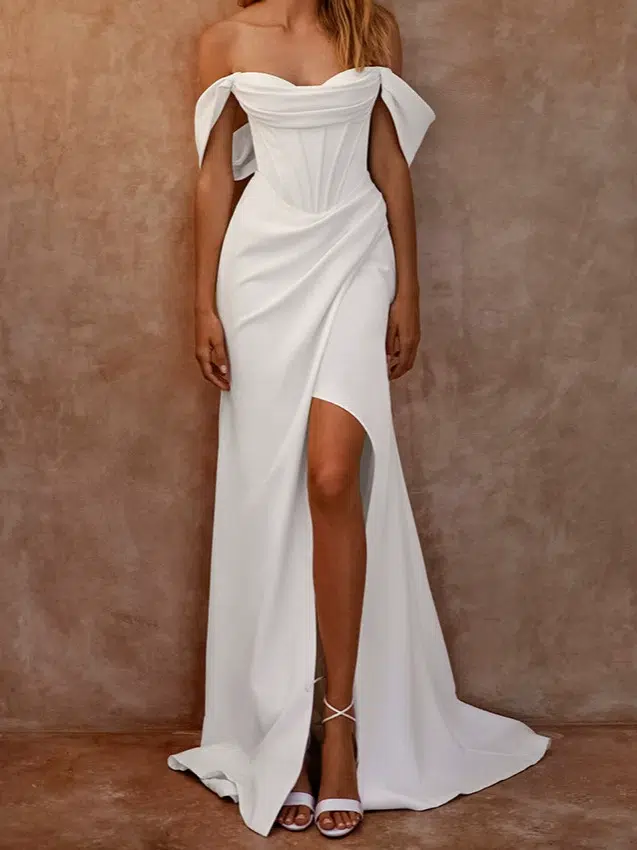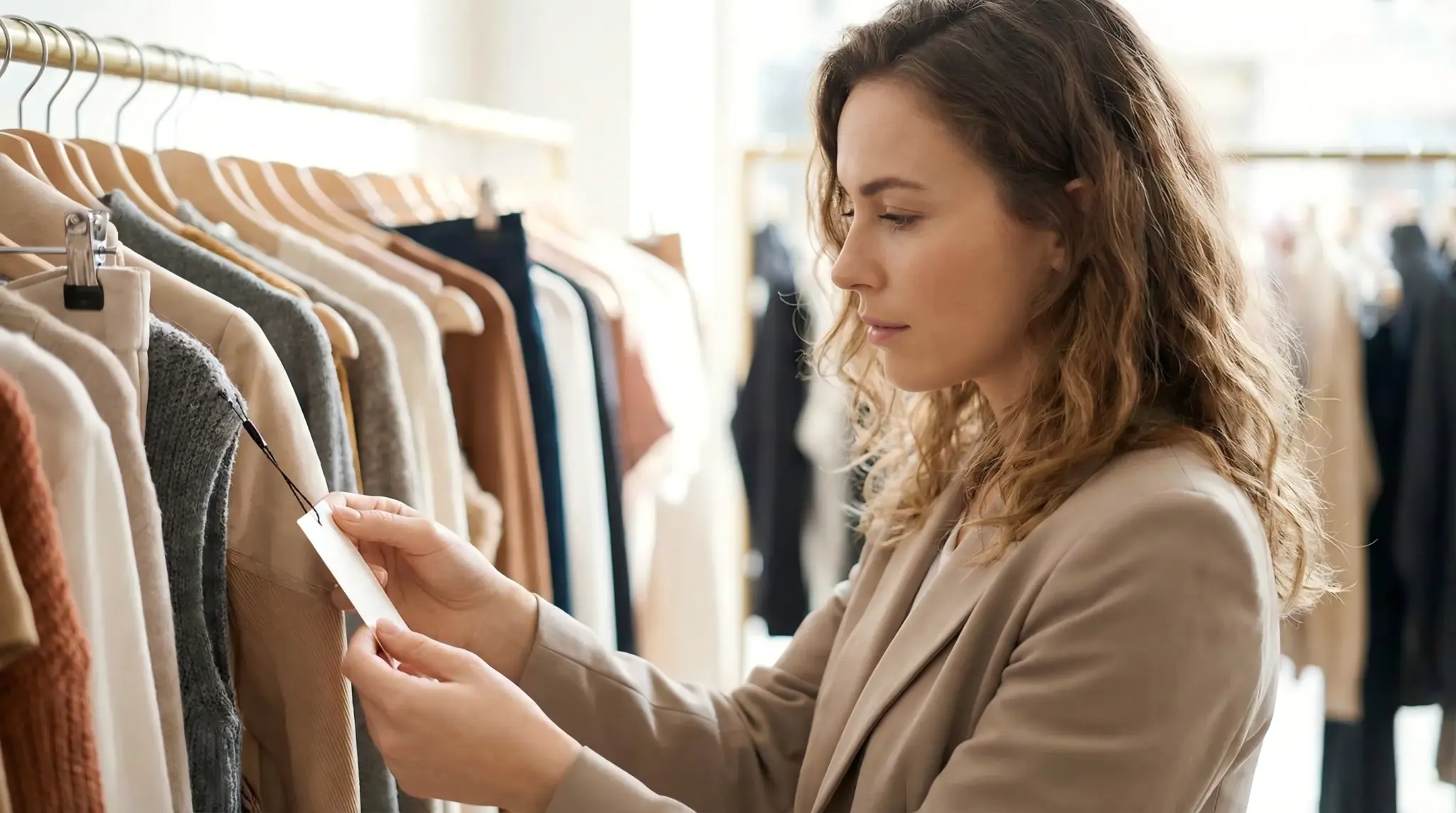


I see more buyers get pulled in by “designer look, low price.” Then they worry about quality, delays, and brand risk. Few Moda brings all of that into one question.
Few Moda looks and behaves like fast fashion in many ways: frequent new drops, trend-driven design, and price pressure. Its ethics and sustainability are hard to verify because public proof is limited, so I treat it as high-risk unless it shows strong transparency.
When I talk with buyers like Maria, I notice one pattern. They do not only ask, “Is it cute?” They also ask, “Will this damage my brand later?” So I want to break Few Moda down in a simple way, and I want you to feel confident when you decide.
What is Few Moda, and how does Few Moda work?
When I hear “members-only fashion club,” I think of two things at once. I think about pricing power. I also think about how brands can hide the real costs inside a subscription.
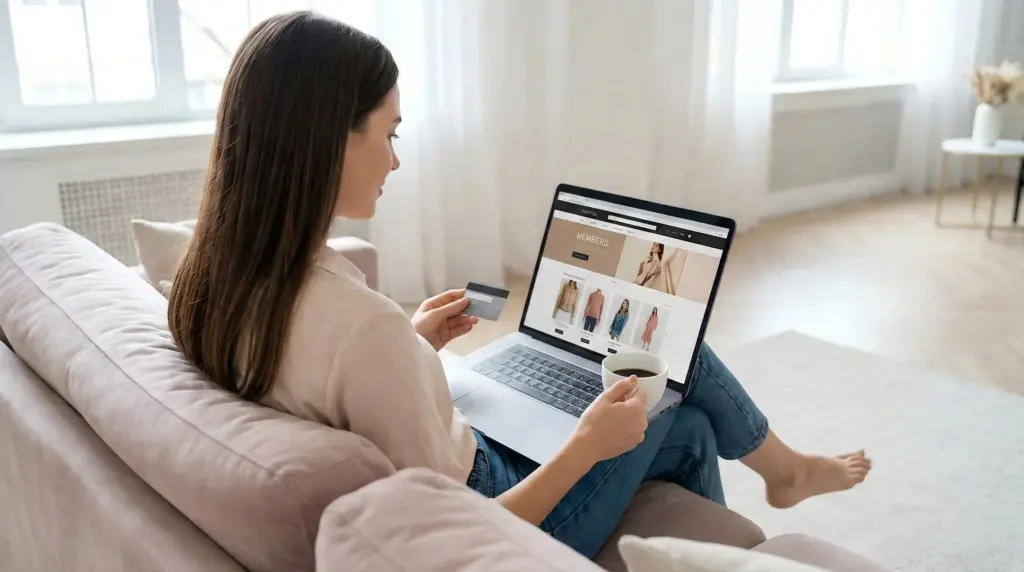
Few Moda works like a shopping site with a paid membership layer. People can browse and buy, but members get stronger discounts and perks like easier shipping and returns. That structure pushes repeat buying because the customer wants to “use” the membership.
The membership hook I see in practice
When I run OEM/ODM projects, I watch how price signals change behavior. A membership model changes behavior fast. It makes shoppers feel they already paid, so they buy more to “win.” That does not prove the brand is bad. It does explain why the shopping pace can feel like moda fast shopping.
The “at cost” story vs real cost
Many brands say “factory direct” and “no middlemen.” Sometimes that is partly true. Still, the cost does not vanish. It moves. It can move into: faster sampling, thinner fabric choices, fewer wash tests, or tighter QC windows.
A simple checklist for buyers like Maria
If I were Maria and I needed to decide fast, I would test the model like this:
| What I check | Why it matters | What I look for |
|---|---|---|
| Fabric content mix | Synthetics can hide quality issues | Stretch recovery, pilling risk, shine |
| Stitch + seam plan | Fast sewing can fail after 3 wears | SPI consistency, seam allowance, stress points |
| Size spec stability | “Runs small” can kill reviews | Spec sheet tolerance, repeatability |
| Returns and refunds | Membership frustration creates backlash | Clear policy, fast processing |
| Proof of factories | Claims need proof | Supplier list, audits, certifications |
How “few moda reddit” fits into this
When I read posts and comments, I do not treat them as scientific proof. I do treat them as an early warning system. If many people say “fit is off” or “fabric feels thin,” I assume the brand is running fast cycles and tight QC time. Then I plan my own test order and measure it like a factory would.
Is Few Moda fast fashion, or is it just a membership brand?
I understand why people ask this. The membership label can make it sound slow, careful, and premium. Still, fast fashion is not only about price. It is about speed, trend chasing, and how quickly items rotate.
Few Moda has several fast-fashion signals. It pushes frequent newness, and it sells trend shapes that match what people see online. The membership model can even speed things up because demand becomes more steady.

The fastest signals I watch
I use a simple rule: if a brand needs constant new drops to keep buyers paying attention, it is leaning fast. I also watch how they talk. If the message is “stay ahead of trends,” that usually means short product life.
Few Moda dresses as the “speed product”
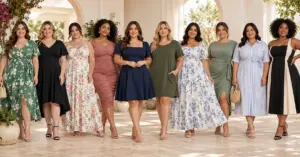
Dresses often show the truth because they need fit, drape, and lining to feel right. When a brand runs fast, dresses can look great in photos but fail in wear. I have seen this pattern in many markets, not only with Few Moda dresses.
Here is how I compare “fast” vs “slow” dresses in my own factory thinking:
| Dress feature | Fast-cycle outcome | Slower-cycle outcome |
|---|---|---|
| Lining choice | None or very light | Purposeful lining by color and drape |
| Zipper + finishing | Quick install, more puckering | Better zipper tape match, cleaner topstitch |
| Fit testing | One fit model, fewer rounds | More fit rounds, more sizes verified |
| Fabric tests | Basic checks only | Shrinkage, twist, pilling, color fastness |
“Moda fast” is not only about time
I want to be fair. A brand can be fast and still do decent work. The problem is that speed raises the risk, and it demands strong process control. If I cannot see proof of process control, I assume the risk is pushed onto the customer.
A brand-risk point for B2B buyers
If you are a reseller or you relabel, fast fashion risk becomes your risk. The customer will not blame Few Moda. They will blame the label on the neck. So I treat any fast-cycle supply as something that needs tighter incoming inspection, and I plan for more returns.
How ethical and sustainable is Few Moda, in real supply-chain terms?
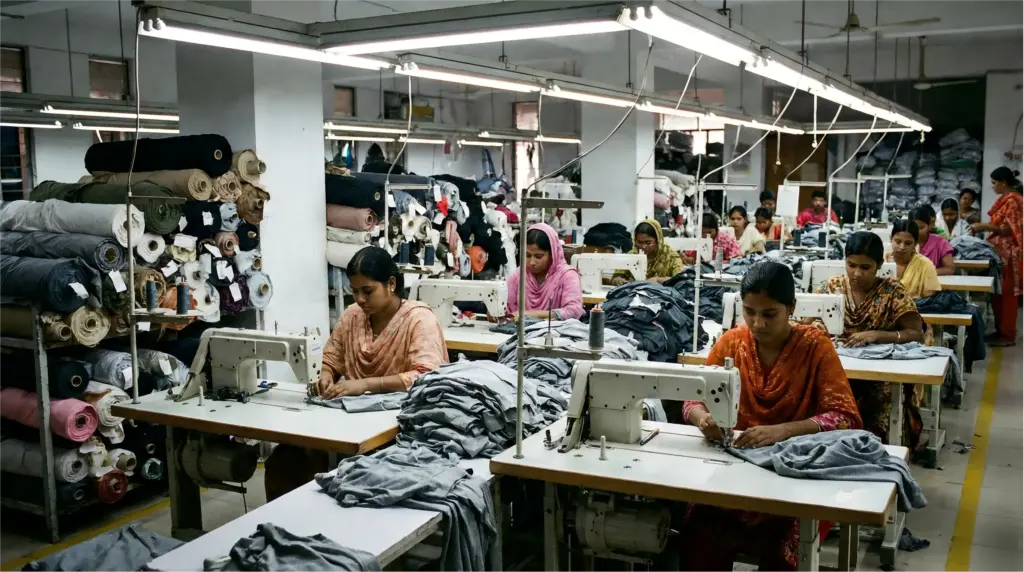
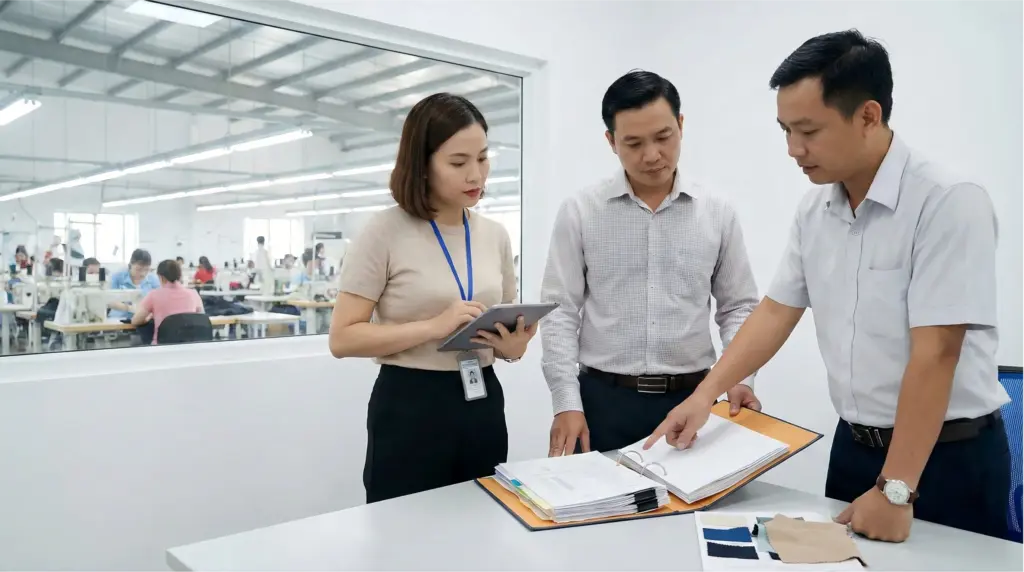
I work in China, and I also work with buyers who source in many developing countries. So I do not judge ethics by country. I judge ethics by proof. In my world, proof means transparent factories, credible audits, clear wage standards, and a track record of fixing problems.
With Few Moda, the hardest part is verification. If a brand does not publish enough supplier detail, it becomes hard to confirm labor conditions and environmental controls. That does not automatically mean the worst. It means I cannot give them the benefit of the doubt.
What I need to see to call a brand “ethical enough”
I use practical items that buyers can request or check:
| Ethical item | What “good” looks like | What “weak” looks like |
|---|---|---|
| Factory disclosure | Names or credible list | “Verified factories” with no details |
| Social audits | Recent, third-party, shared summary | No audit info, or vague statements |
| Wage approach | Living-wage plan or targets | Only legal minimum with no data |
| Grievance channel | Worker hotline, remediation | No worker voice shown |
Sustainability is mostly materials and reporting
In apparel, sustainability talk often turns into marketing. I keep it simple. I ask two questions: “What is the material mix?” and “Where is the reporting?”
If a brand relies heavily on virgin synthetics, it has microplastic and fossil-fuel issues. If it has no reporting, I cannot track progress. I also watch for circular programs like repair, take-back, or resale. When none exist, the model is usually “buy, wear a little, replace.”
How I explain this to Maria
Maria wants quality and price. She also fears fake certificates and poor communication. So I would tell her this:
- If you cannot verify factory and certification proof, you must treat the claim as a sales claim.
- If delivery timing matters for a season, you must demand clear lead times and penalties.
- If you relabel, you must run your own QC, not the seller’s QC.
Quick actions I would take before trusting the supply
If I were buying, I would do these steps in order:
1) Buy a small test set, including best-selling Few Moda dresses and a knit top.
2) Measure specs, seam strength, and fabric hand feel after wash.
3) Read enough “few moda reddit” threads to list repeat complaints.
4) Decide if the return policy and membership terms match your risk level.
5) Only then scale the order or recommend it to customers.
Where “moda scout” fits, and why people mix it up
I also see people search “moda scout” near Few Moda keywords. In my experience, that phrase often points to a separate B2B tool used to visually search Italian wholesale products. It is not the same thing as Few Moda. If you are a buyer, that difference matters because one is a consumer club, and the other is a supplier discovery workflow.
Conclusion
Few Moda can feel like a smart deal, yet it also shows many fast-fashion signals. If I cannot verify ethics and sustainability with proof, I treat it as a high-risk buy.
Why I Write This
I run Truekung in China. I make fashion clothes for B2B wholesale only, and I support OEM/ODM for brands and supermarkets worldwide. I manage quality control, compliance checks, and production planning with my factory team of more than 200 workers. If you want to talk, I am Lancy Chia, and you can reach me at [email protected], or visit https://truekung.com.
Views: 71