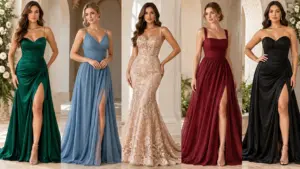
The price tags look unreal. You wonder where the savings come from. I asked the same question when I first sourced fast fashion.
Boohoo is cheap because it runs a pure fast-fashion playbook: online-only retail, huge volumes, rapid design-to-delivery cycles, low-cost fabrics, outsourced production, and constant promotions. Scale, speed, and simplification cut unit costs, which lowers retail prices.
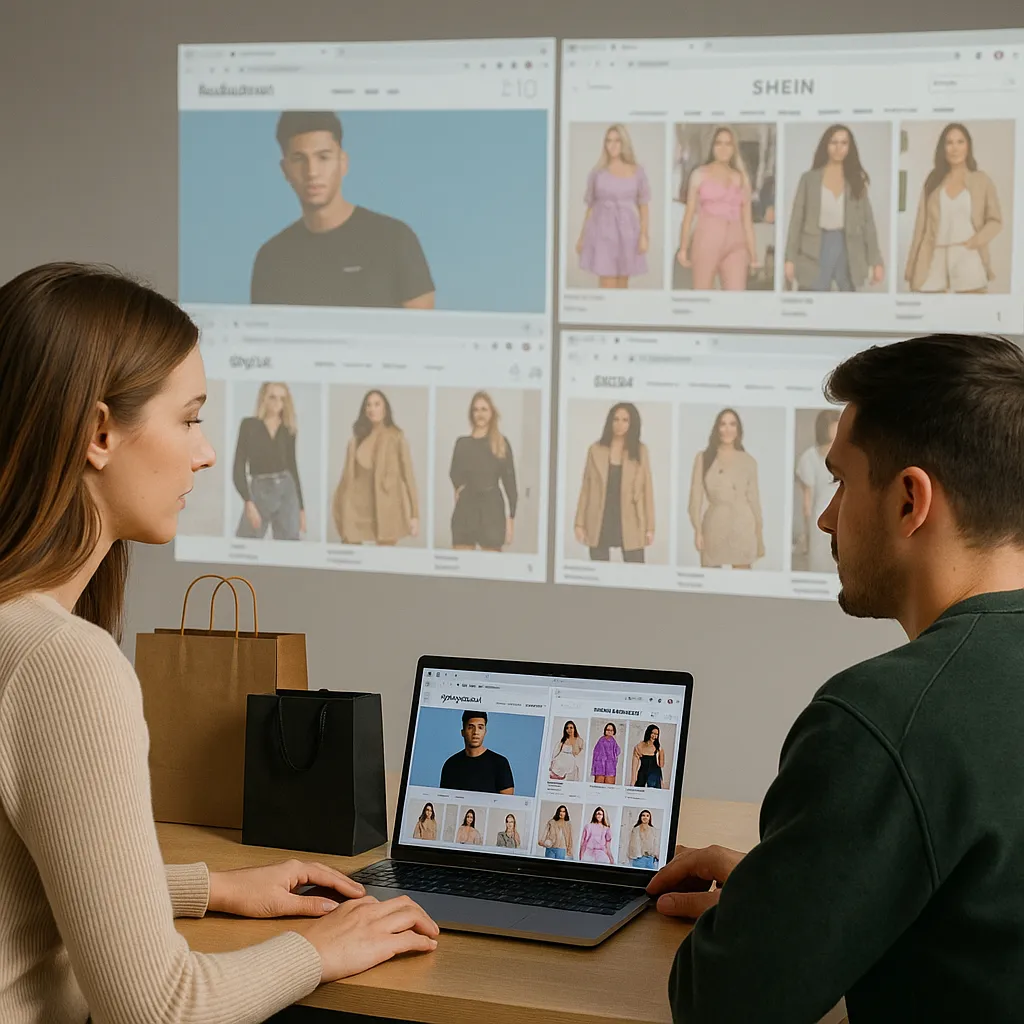
I will break down how the model works in real life. I will also share what I look for as a buyer. You will see how costs move from fiber to freight. You will also see where risks hide behind great deals.
What business choices make Boohoo’s prices so low?
The low prices feel risky. You think someone cut a corner. I thought the same until I mapped each step.
Boohoo lowers prices by selling direct online, avoiding store overheads, pushing short runs fast, and repeating only winners. This shrinks inventory risk and lets them price below many “boohoo like stores.”

Dive deeper
I work B2B, so I see where each dollar goes. Physical stores need rent, fixtures, visual teams, and local staff. An online-only “boohoo site” or “boohoo.com United States” page removes these fixed costs. Customer traffic comes from paid ads, influencers, and email, not malls. That spend is flexible. Boohoo also pushes micro-batches. A style drops in a few thousand units. If it sells, they repeat fast. If not, they cut it. This “test and re-order” cycle means less dead stock. Less write-off means they can price low from day one. Data also guides size curves. That trims waste in sizes that do not move. The result is a lower cost per sold unit. Many shops similar to Boohoo try this. Few match the speed. That speed is the real moat behind the price.
How does the supply chain keep costs down?
Late deliveries hurt margins. Slow sampling kills trends. I learned to watch the clock, not only the cost.
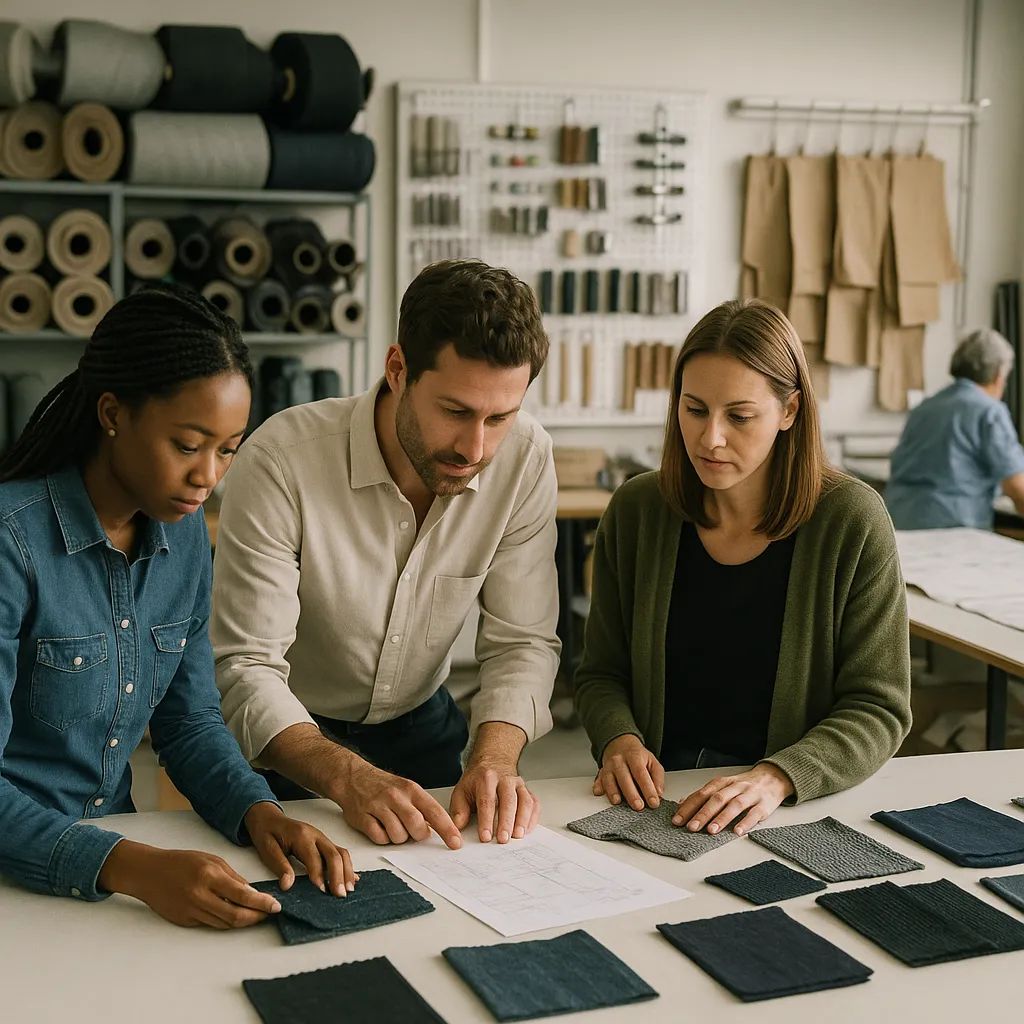
Costs drop because sampling, approvals, and cutting are standardized across many factories. Shared trims, shared fits, and repeat fabric bases cut time and expense.
Dive deeper
Boohoo and BoohooMAN use clustered suppliers in lower-cost regions. The line uses base patterns for T-shirts, sweatshirts, dresses, and jeans. When a buyer says “boohooman t shirt sale,” they see dozens of graphics on one core body. That means only the print changes, not the fit. Factories pre-book core fabrics. They also keep common rib, zippers, and thread in stock. Cutting rooms run longer markers with high yields. This reduces fabric waste. Standard care labels and polybags move on autopilot. Logistics consolidate shipments into weekly lanes, including for “boohoo US.” When I place OEM/ODM orders, I also cluster materials and share components. The effect is simple. Every repeated choice lowers both time and money. Speed shortens the cash cycle. Cash moves back into new styles. Prices stay low.
Do material choices and fabric mixes affect price?
You touch a Boohoo sweatshirt and think, “It feels light.” That is not an accident. It is a design choice tied to cost.
Lower GSM knits, polyester-rich blends, and simpler linings reduce fabric cost per piece. Trims are pared back. Finishes are basic. That keeps retail down across boohoo clothing and boohooman clothing.

Dive deeper
Fabric is the largest cost in most garments. If a hoodie shifts from 360 GSM cotton-rich fleece to a 280–300 GSM poly-cotton, the fabric cost drops. Lighter shell fabrics in windbreakers do the same. In dresses, simple crepe or rib knits beat heavy woven jacquards. Inside, you see fewer interlinings and less pocketing. Embellishments move from embroidery to print where possible. Dyeing and washing are kept simple to shorten lead time. The “boohoo sustainability report fiber mix 2020 2021” shows heavy use of synthetics in many fast-fashion lines; synthetics are cheaper and dry faster in production. As a buyer, I ask mills for three base qualities per category. I then align target FOB with the needed hand-feel for my customer. If my client wants a “babyboo ariel maxi dress” vibe at a Boohoo price, I pick a light weight knit, not a heavy woven. Trade-offs are clear and accepted.
Why are there constant discounts and site-wide codes?
You see 50% off banners so often that “full price” looks fake. I felt the same at first.
Boohoo prices high on the tag, then sells at planned discounts. Promotions are part of the price architecture and help sell through micro-drops fast.

Dive deeper
Fast fashion lives on freshness. Newness must land each week. Old stock must clear. The “boohoo site” and the Boohoo app push codes to segment traffic. A student gets one code; a cart abandoner gets another. Margins are modeled with this in mind. Fabric, CMT, trim, logistics, duty, and overhead build to a target FOB. The final MSRP assumes a promotion rate. You see “boohoo dresses sale” or “mens BoohooMAN” events often because the model plans for it. In my orders, I also plan a “clearance FOB” path using the same base fabrics. If a color misses, I re-label and pass savings to my wholesale clients. The key is speed. The longer inventory sits, the more margin dies. Discounts are a tool, not a panic.
Is BoohooMAN legit and is it “fast fashion”?
You may ask, “is boohooman legit?” I hear it at shows all the time. The name variants add to the noise: boohman, boohoomn, booohman, bouhouman.
BoohooMAN is a legit men’s sub-brand within the Boohoo group. It is 100% fast fashion: trend-led, rapid cycles, low to mid price, heavy online marketing, and frequent drops.

Dive deeper
Legit does not mean luxury. It means a real brand with real logistics and customer service. “Mens boohooman” listings show core tees, tracksuits, denim, and hoodies. You will find “boohooman modeling” campaigns with influencers, plus seasonal collabs. The risk is not fraud. The risk is expectation. You buy trend items at low cost. You accept simpler fabrics and basic stitching. You expect faster pilling and more shrink risk if you wash hot. Reviews on Boohoo clothing often reflect this gap in expectations. As a buyer, I set product pages with clear fabric content, care tips, and close-up photos of seams. That reduces returns. If you want premium weight, you pay more. If you want price, you choose a lighter knit. Why is BoohooMAN so cheap? Because it chooses speed, simplicity, and scale over depth, which is exactly what fast fashion does.
How do returns, shipping, and regions like the US affect price?
Logistics can eat margin fast. I learned this when one late container erased a whole season.
Paid returns in some regions, consolidated shipping, and automated warehouses keep costs in line. Regional sites like Boohoo US adjust offers, duties, and delivery speeds by market.

Dive deeper
The “boohoo.com United States” store tailors pricing and shipping. Duties and taxes vary by country. Centralized fulfillment uses automation to pick light SKUs fast. When returns are free, costs rise. When returns carry a small fee, costs drop and prices can stay lower. Packaging is thin to reduce volumetric weight. This matters for bulk air shipments of micro-drops. Sea freight handles repeat winners. Air is used to chase viral styles. I split shipments the same way at Truekung. Winners move to sea; trials go by air. Payment methods also affect risk. Clear, simple options reduce chargebacks. When buyers plan “boohoo womens clothing” or “boohoo maternity” baskets, accurate size guides reduce returns. All of this protects the low price point while keeping the promise on delivery time.
Are there risks around quality, compliance, or ethics?
Low price can hide problems. I never ignore this. I audit. I verify. I walk lines.
Risks include weak seams, colorfastness issues, delayed deliveries, and supplier non-compliance. Verification, 3rd-party testing, and factory audits reduce these risks.

Dive deeper
Fast cycles stress factories. Needle lines can rush. That can skip bar tacks or mis-set rib lengths. Color bleeding shows up in dark to light wash mixes. Certificates can be forged. Maria, you mentioned this pain. I ask for original lab reports from known labs and cross-check QR codes. I keep a trim and fabric swatch library. I measure GSM and count SPI on site. I run wash tests before bulk. I also use inline and final AQL inspections. For social compliance, I verify audit numbers with issuers. I also stagger deposits to reward on-time milestones. For “boohoo childrens,” extra care is needed for small parts and chemical limits. When a client wants “boohoo womens clothing” at a low target, I set a floor: no compromise on safety, labeling, or child labor rules. Price is important. Compliance is not optional.
What stores and sites are similar to Boohoo?
Buyers ask for backups. I always keep a bench. Trends move. Supply shocks hit.
Websites similar to Boohoo include boohooMAN (men’s), PrettyLittleThing, Nasty Gal, Shein, Missguided, and fast lines at ASOS. Local options vary by country and season.

Dive deeper
I group “similar sites to Boohoo” by audience and speed. PLT and Nasty Gal share the trend DNA. ASOS runs mixed price tiers and holds stock longer. Shein pushes extreme micro-drops and heavy app engagement. “Shops similar to Boohoo” use the same levers: online focus, promos, synthetics, and influencer pushes. If you search odd spellings—boooho, bohooo, boohlo, boowho, boohoom, noohoo—you will still land in the same space. The core is quick trend adoption and social content. For menswear, BoohooMAN stands next to fast men’s capsules at ASOS, Zara Man basics, and some Sports Direct labels. For accessories, bags, and athleisure, you will find private labels in supermarkets in Europe that mirror trend at even lower costs. I build supplier lists across China and Southeast Asia for these segments so my clients can switch lanes when lead times or fabric prices change.
Conclusion
Boohoo is cheap because speed, volume, and simplification cut costs. You pay less by accepting basic fabrics, fast cycles, and planned promos.
Why I write this
About my business
My Name: Lancy Chia
My email: [email protected]
Link to my website: https://truekung.com
Brand Name: Truekung
Country: China.
Products: fashion clothes
Business model: B2B, Wholesale only
Status: The factory has more than 200 workers. We provide clothing products and OEM/ODM services to different brands and supermarkets around the world. We have 20 years of experience in foreign trade clothing production and export. The main products are: fashion women’s clothing, jackets, skirts, dresses, jeans, T-shirts, sweatshirts, down jackets, windbreakers, coats, fashion bags, sportswear, children’s clothing, underwear.
Main export countries: Netherlands, Denmark, Belgium, Norway, UK, USA, Germany, Australia, Thailand, Turkey, Italy, Russia, Saudi Arabia, etc.
Views: 354