The plus-size market looks crowded and slow. Many founders feel stuck. I once felt the same way.
Torrid became a billion-dollar brand by putting fit first, building a real community, and running a tight omnichannel machine that linked stores and e-commerce with one inventory and one set of goals.

I hear the same worries from buyers like Maria. Prices rise. Dead stock grows. Store traffic shifts. I use a simple plan. I start with fit. I make content that answers real search intent. I plan inventory for fast digital sales. This plan is boring, but it works.
Did Torrid prove that plus-size can scale?
Many people called plus-size “niche.” I did not agree. Torrid showed that focus wins. It built patterns for plus bodies from day one. It launched clear size naming. It kept designs modern, not junior, and not matronly.
Yes. Scale came from fit discipline, repeat purchase, and a tight fleet of stores supported by a strong website.

I study Torrid’s system and copy the parts that transfer to B2B. I keep hero fits and do not chase every trend. I make a single set of size blocks and test them again and again. I align photos, reviews, and measurements so the shopper trusts what she sees. I also map popular queries to content. This brings free traffic and lowers return rates.
Fit and intent mapping
Clear names beat vague charts
Reviews that mention fit beat ad copy
One inventory view beats siloed data
| Search intent I plan for | What I publish on the page |
|---|---|
| torrid sizes / sizes at torrid / torrid size 00 equivalent | Simple crosswalk table, model height and measurements, garment spec highlights |
| torrid reviews / torrid clothing company | Review snippets tagged by fit (tight/true/loose), fabric notes, care notes |
| torrid locations / torrid store near me / what time does torrid open | Local store pages with hours, live inventory check, click-and-collect CTA |
Where does Lane Bryant fit in this story?
I respect Lane Bryant for its long history and for Cacique in intimates. It proves that trust and fit keep value over decades. I treat it as a second benchmark when I plan private labels.
Lane Bryant shows staying power in jeans, bras, and basics; this validates steady demand beyond short trends.

I organize my SEO and content around how real shoppers search. These terms look messy, but they expose intent. I write answers that are short and direct. I do not stuff keywords. I answer questions like a store associate would. I then link to size charts and customer care. When a buyer asks me to prepare PDP packs, I include these modules by default.
Local and service intent that converts
Near-me needs maps and hours
Category intent needs filters and size clarity
Service intent needs fast contact paths
| Query family (real-world variants) | Page type | Must-have elements |
|---|---|---|
| lane bryant near me / lane bryant stores near me / lane bryant hours / what time does lane bryant open | Local store pages | Address, map, phone, today’s hours, holiday overrides |
| lane bryant jeans / lane bryant lingerie / women’s lane bryant shoes | Category pages | Filters by size, rise, fabric; model stats; fit notes |
| lane bryant customer service / lane bryant customer service telephone number | Support hub | Phone, chat, return policy, order tracking |
How do I turn “fit-first” into factory work?
A slogan is not a system. I build a system. I start with plus-size base blocks. I run fit on real bodies across sizes, not just sample size. I test rise height, armhole shape, strap width, and pocket placement. I expect to adjust many times. I keep it calm and technical.
Fit-first means patterns built for plus bodies from the start, graded with intent, and checked on real models across sizes before any big buy.

I prepare buyers with a clean spec pack. It includes a measurement chart, tolerance table, and photos with pin notes. I add a crosswalk for common size names so cross-shopping feels easy. I also include care tests for stretch recovery and pilling. This prevents returns and angry reviews. Below is a representative mapping that I use when clients benchmark against Torrid-style labels. Exact numbers vary by brand, so I always confirm before production.
My working size crosswalk (representative)
Keep tolerance tight
Show both body and garment measures
Always fit-test tops and bottoms separately
| Label | Alpha | Approx. US range | Bust (cm) | Hip (cm) |
|---|---|---|---|---|
| 00 | XS | 10–12 | 96–101 | 102–108 |
| 0 | S | 14–16 | 103–108 | 110–116 |
| 1 | M | 18–20 | 111–116 | 118–124 |
| 2 | L | 22–24 | 119–124 | 126–132 |
| 3 | XL | 26–28 | 127–132 | 134–140 |
| 4 | 2XL | 30 | 135–139 | 142–146 |
What does an omnichannel plan look like for buyers like Maria?
I plan inventory for both store and web at once. I do not split mindsets. I keep a single truth for stock. I add content so the product can sell without a staff member present. I keep launch dates tied to when shoppers actually search.
Omnichannel works when one inventory, one calendar, and one content pack support both store and web at the same time.
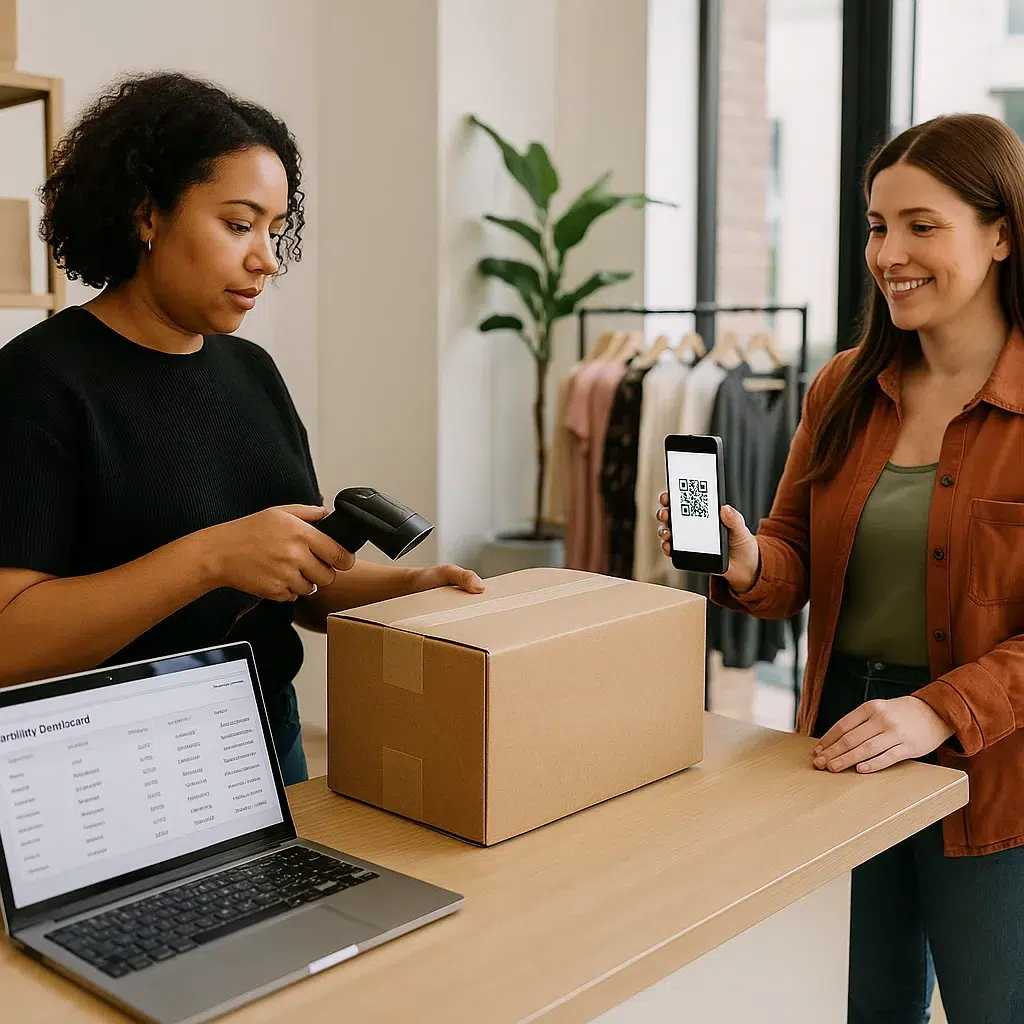
I use a simple rhythm. I lock core denim fits. I add dresses and knit tops in tight capsules. I include active sets that pass squat tests. I schedule photo, video, and size charts early. I add a store-hours module for local pages. I also prepare “customer service” blocks with clear phone and chat, since that query shows up before a big sale event. This is not theory. This is the weekly work that keeps returns down and conversion up.
Capsule plan and MOQ thinking
Depth in heroes, not width in novelties
Content packs ready before bulk
| Capsule | Fabric | MOQ plan | Notes |
|---|---|---|---|
| Denim (hero fits) | 12–13 oz stretch | 1,200 per wash | Rise options, pocket placement check |
| Day dresses | Viscose or crepe with stretch | 1,000 per print | Sleeve options for arm comfort |
| Knit tops | Cotton modal or cotton spandex | 1,200 per color | Neckline variety, length by size |
| Activewear | Nylon spandex | 800 per color | Squat-proof test video |
| Intimates (Cacique-style learnings) | Microfiber + power mesh | 1,500 per style | Wide straps, side support panels |
How can I use “near me” searches without spam?
I do not trick the algorithm. I answer the query. I make real store pages with maps, hours, and inventory. I add FAQs like “closest Lane Bryant,” “torrid near me,” and “lane bryant store locator.” I keep names, addresses, and phones consistent across the web.
Capture local intent with real pages, real data, and fast store inventory checks; avoid doorway pages that say nothing.
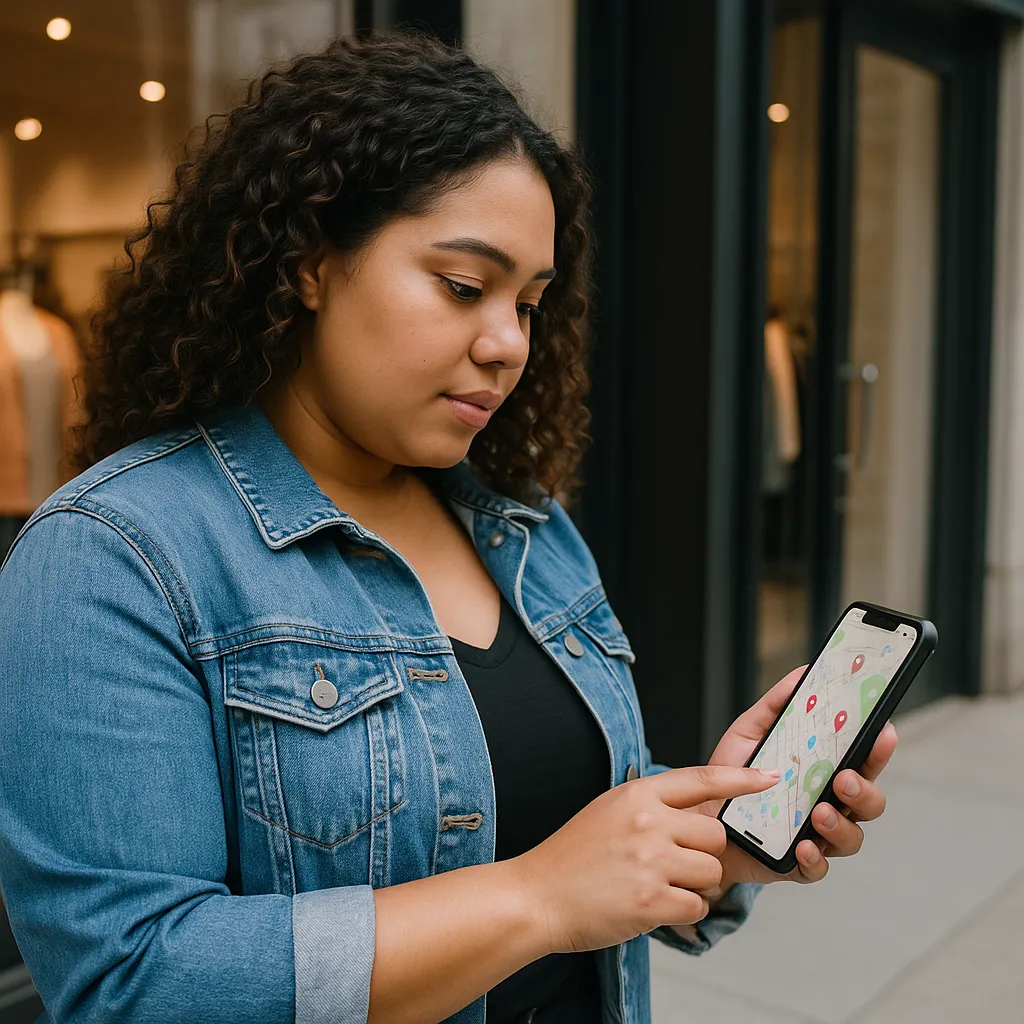
I also prepare a simple content index for brand and category queries. People type many misspellings. I do not judge. I help them land in the right place. I route torrid outlet, torrid costumes, torrid work clothes, torrid plus sizes, lane bryant outlet, and cacique lane bryant to the proper category or info page. I add service links for lane bryant website, lane bryant online sale, and lane bryant customer service. This raises trust and reduces bounce.
Example routing map for messy queries
Group by intent, not spelling
Give one clear action per page
Keep contact paths obvious
| Messy query variants | Intent group | Landing page action |
|---|---|---|
| torrid near me / torrids near me / torrid locations | Local | Show map, hours, call, reserve in store |
| lane bryant near me / what time does lane bryant open | Local | Show hours today, holiday overrides |
| lane bryant jeans / plus size dresses torrid | Category | Filter by size, show fit notes and model stats |
| lane bryant customer service / telephone number | Service | Call, chat, track order, start return |
| torrid reviews / lane bryant sales | Research | Show reviews by fit and current promos |
Conclusion
Fit first, clear content, and one inventory truth turned a “niche” into scale; I use the same playbook for private labels and it works.
Why I write this
My Name: Lancy Chia
Email: [email protected]
Website: https://truekung.com
Brand Name: Truekung
Country: China
Products: fashion clothes
Business model: B2B, Wholesale only
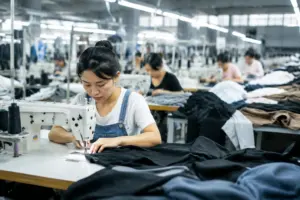
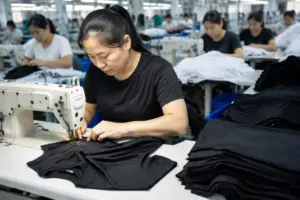
Status: The factory has more than 200 workers. We provide clothing products and OEM/ODM services to different brands and supermarkets around the world. We have 20 years of experience in foreign trade clothing production and export. The main products are: fashion women’s clothing, jackets, skirts, dresses, jeans, T-shirts, sweatshirts, down jackets, windbreakers, coats, fashion bags, sportswear, children’s clothing, underwear.
Main export countries: Netherlands, Denmark, Belgium, Norway, UK, USA, Germany, Australia, Thailand, Turkey, Italy, Russia, Saudi Arabia, etc.
Views: 120