When I first worked with fashion‑supply chains, I used to think that donated garments simply “sat on a rack until someone bought them.”
In reality, when a thrift shop can’t sell clothes, they often recycle, export, repurpose or discard them—and the process is more complex (and often less visible) than many of us realise.

I’ll walk you through exactly what happens to those unsold pieces, what major players like the Goodwill and Salvation Army do, and how this ties into what you might be sourcing as a boutique buyer.
How do thrift shops handle unsellable garments?
When thrift stores receive donated clothing, there’s a filtration process: sellable items go on the rack, while the rest follow different pathways.
Unsellable garments may be recycled into new materials, exported abroad, turned into rags or industrial uses, or—unfortunately—sent to landfill.
These pathways depend on item condition, material, brand, and the thrift organisation’s capacity. This means as a buyer (like you, Maria) sourcing clothing or overseeing production, it’s useful to understand how downstream waste is handled.

Why does this matter to buyers?
If you manage a boutique, you want to sell clothes that meet customer expectations and avoid returns. Clothes that don’t sell often don’t meet market needs in the first place. That’s why sourcing custom-designed pieces for your target customer, instead of relying on inconsistent second-hand channels, gives you better control over your brand and your margins.
What does the Goodwill do with clothes they cannot sell?
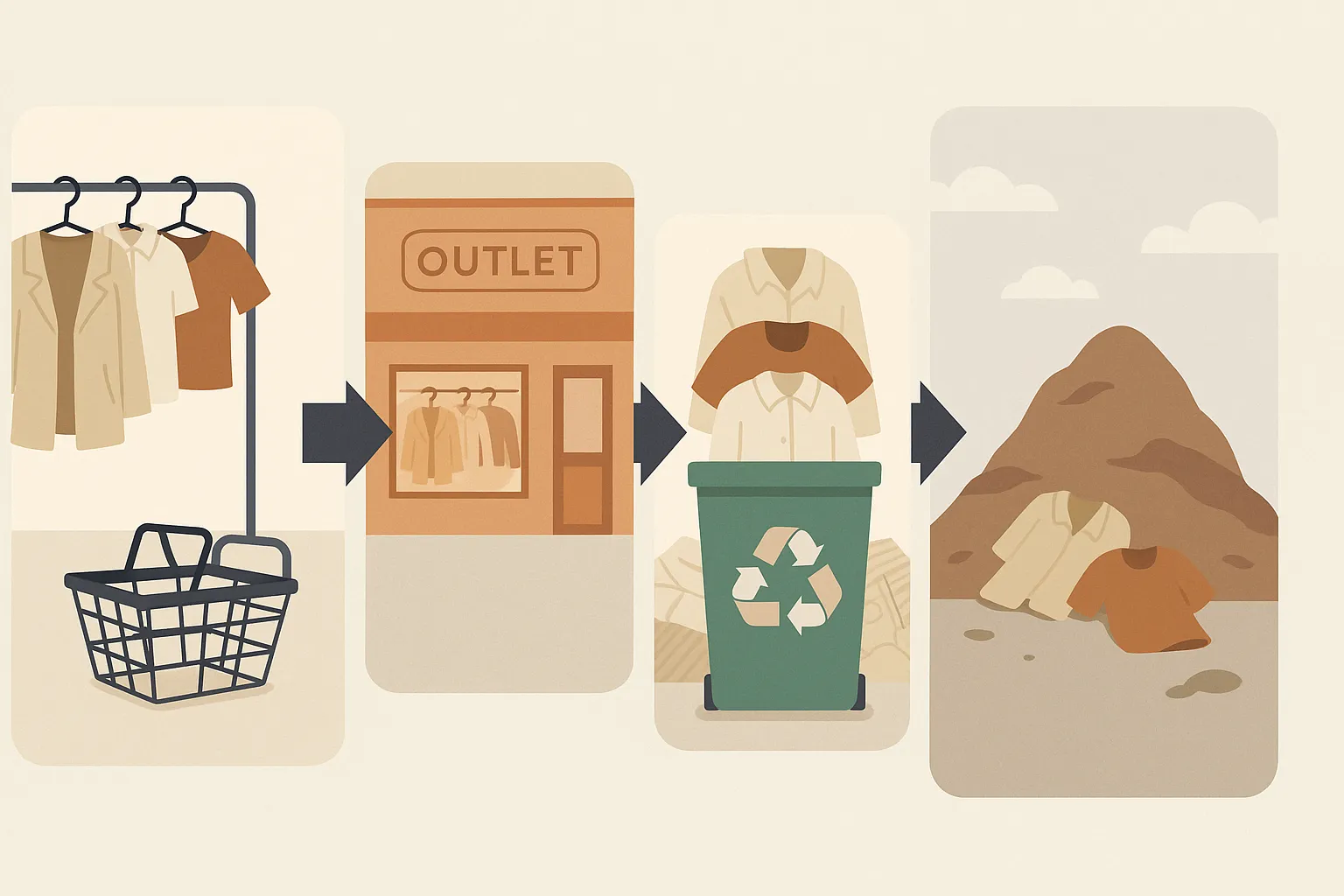
When Goodwill cannot place an item on its sales floor, they first move it to outlet stores, then if unsold there, it’s sent to textile recyclers or salvage vendors rather than automatically being thrown away.
| Stage | Action | Outcome |
|---|---|---|
| Store floor | Item is on rack for sale | Sold to consumer |
| Outlet/discount channel | Unsold items go here | Deeper discount, bulk resale |
| Recycling/Energy recovery | Items still unsold | Fibre recovery, industrial uses |
| Landfill | Last resort | Environmental cost |
What can you do instead?
You can reduce your dependence on uncertain second-hand stock by working directly with a reliable clothing factory. We help boutique buyers design and produce clothing tailored for their markets. Whether you need unique styles, guaranteed quality, or consistent delivery—you’re in control when you go custom.
What does the Salvation Army (and similar thrift chains) do?
For organisations like the Salvation Army, unsellable clothes are often handed to “cloth graders” — firms specialising in sorting fabric for rags, upholstery stuffing, insulation, or export in bulk.
Clean, wearable items → rack.
Worn or damaged items → textile processing, or bundled and exported.
Very damaged items may be discarded or incinerated.

What does this mean for sourcing?
If you run a fashion business and need reliable product quality, you can’t afford to risk buying leftovers. That’s why many boutique owners now turn to OEM/ODM partners like us to design styles for their brand. You pick the look, and we take care of the production.
What does this mean for boutique buyers and suppliers like me?
Since I run a B2B fashion supply operation (my factory in China with 200+ workers supplying women’s clothing, jackets, dresses, etc.), the implications are:
- Quality matters: Low‑quality garments may end up unsold and wasted downstream.
- Design for longevity: Items that last longer are more likely to be resold.
- Material choice: Some fibre mixes are harder to recycle if unsold.
- Transparency: Clients now expect sustainable, traceable sourcing.
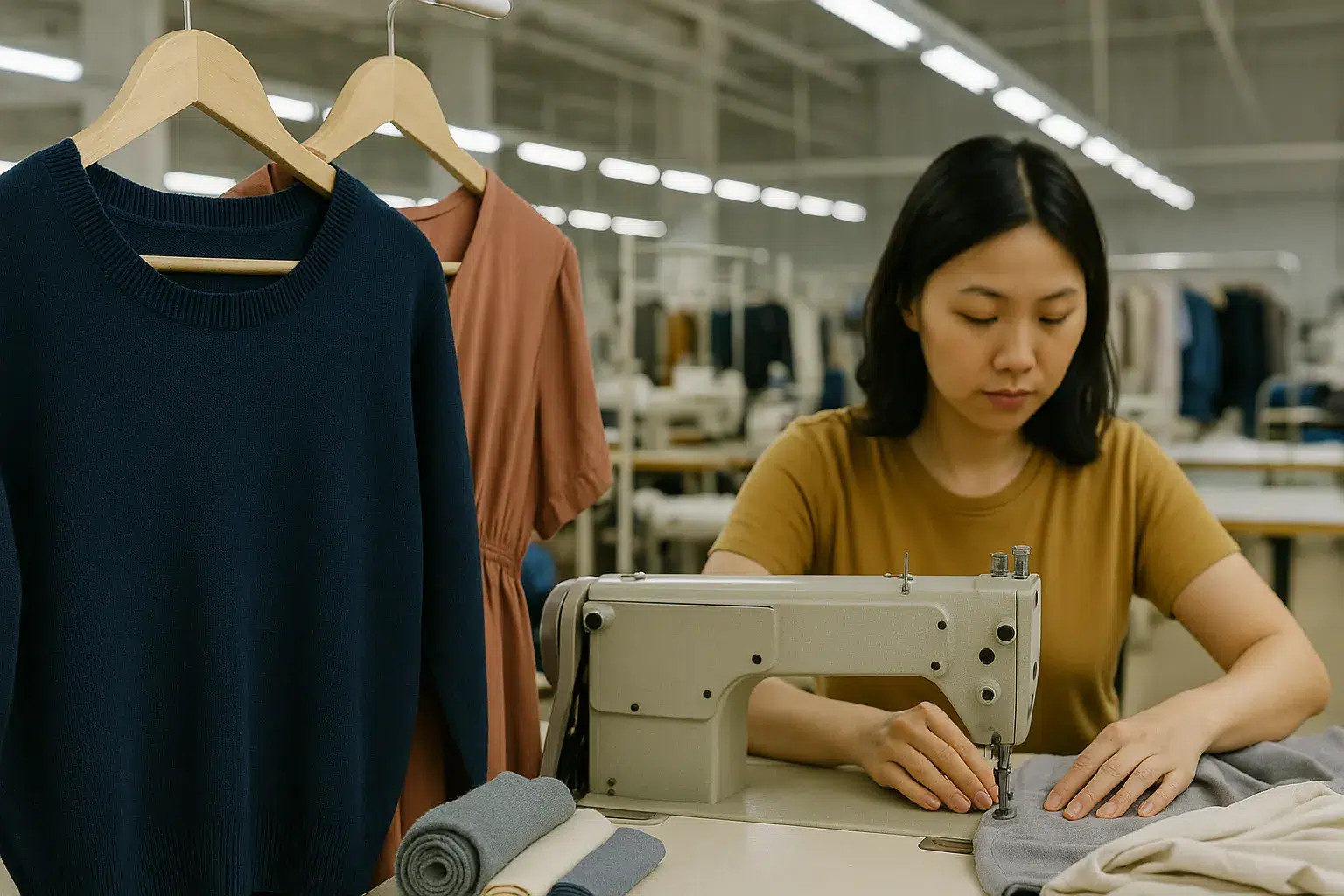
Why consider custom design?
As a buyer like Maria (from Russia), managing your own brand, the best way to avoid these waste issues is to design your own collection. That way, you:
- Get what your customers actually want
- Avoid relying on inconsistent supply from thrift or closeout
- Build your brand identity and profit margins
- Control quality from the start
Conclusion
Thrift stores often recycle or export clothes they can’t sell, but much still goes to waste. As a buyer, custom production is the smarter, more sustainable choice.
About me
My name: Lancy Chia
Email: [email protected]
Website: https://truekung.com/
Brand: Truekung (China) — Factory with over 200 workers, providing fashion women’s clothing, jackets, skirts, dresses, jeans, T‑shirts, sweatshirts, down jackets, windbreakers, coats, fashion bags, sportswear, children’s clothing, underwear.
We supply wholesale to brands and supermarkets around the world.
Views: 501