Quando comecei a trabalhar com cadeias de suprimentos de moda, eu pensava que as roupas doadas simplesmente “ficavam em um cabide até que alguém as comprasse”.”
Na realidade, quando um economia A loja não pode vender. roupas, Eles frequentemente reciclam, exportam, reaproveitam ou descartam esses materiais — e o processo é mais complexo (e muitas vezes menos visível) do que muitos de nós imaginamos.

Vou explicar exatamente o que acontece com as peças não vendidas, o que grandes instituições como a Goodwill e o Exército da Salvação fazem com elas e como isso se relaciona com o que você, como comprador de uma boutique, pode estar buscando.
Como as lojas de artigos usados lidam com roupas que não podem ser vendidas?
Quando as lojas de artigos usados recebem roupas doadas, há um processo de triagem: os itens vendáveis vão para as araras, enquanto o restante segue outros destinos.
As peças de roupa que não podem ser vendidas podem ser recicladas em novos materiais, exportadas para o exterior, transformadas em trapos ou para usos industriais ou — infelizmente — enviadas para aterros sanitários.
Essas vias dependem da condição do item, do material, marca, e a capacidade da organização de caridade. Isso significa que, como comprador (como você, Maria), ao adquirir roupas ou supervisionar a produção, é útil entender como os resíduos são gerenciados posteriormente.

Por que isso é importante para os compradores?
Se você administra uma boutique, seu objetivo é vender roupas que atendam às expectativas dos clientes e evitar devoluções. Roupas que não vendem geralmente não atendem às necessidades do mercado. É por isso que investir em peças exclusivas, feitas sob medida para o seu público-alvo, em vez de depender de canais de segunda mão inconsistentes, oferece maior controle sobre sua marca e suas margens de lucro.
O que a Goodwill faz com as roupas que não consegue vender?
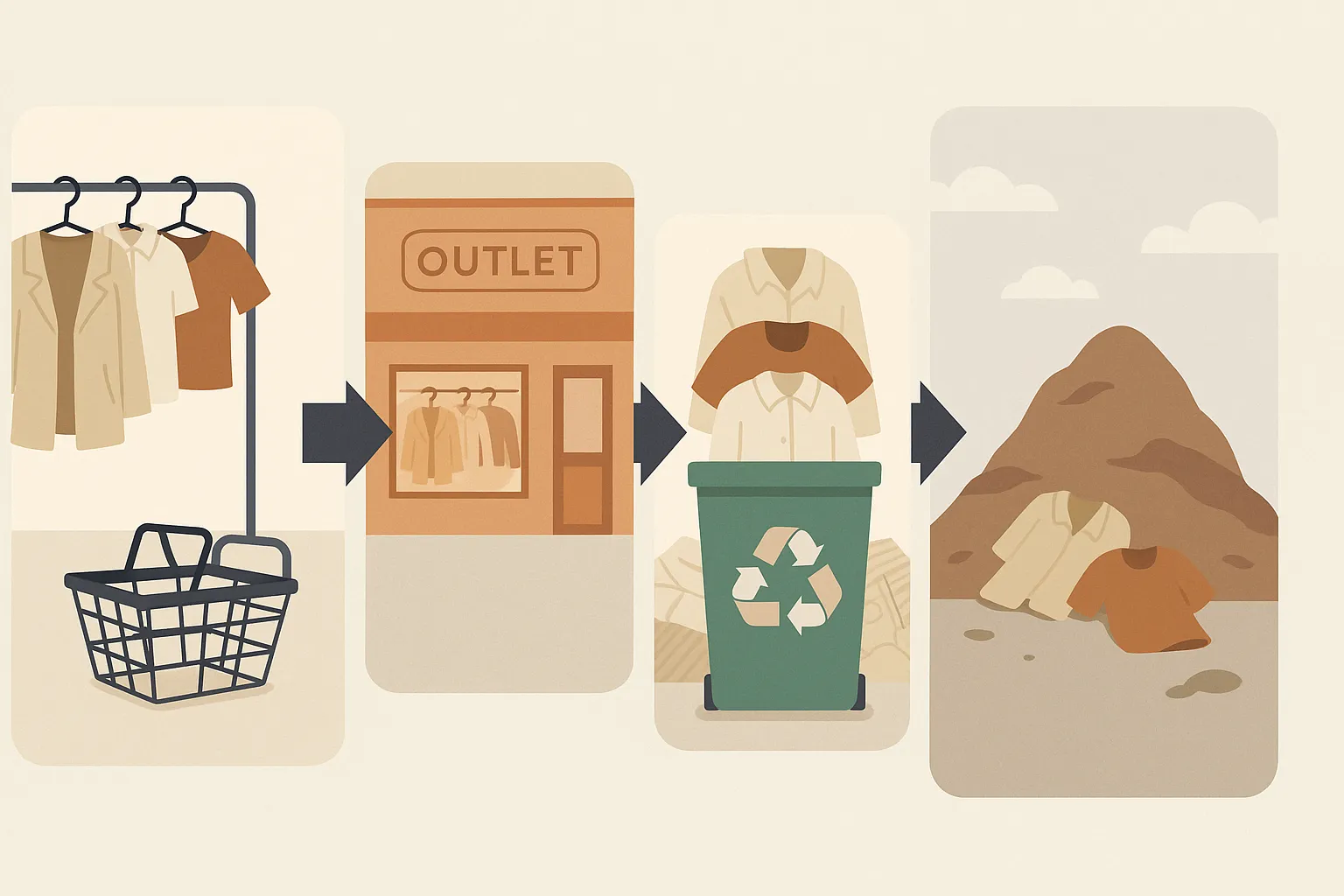
Quando a Goodwill não consegue colocar um item em sua área de vendas, Primeiro, eles transferem o produto para as lojas outlet., Então, se não for vendido lá, é enviados para recicladores têxteis ou fornecedores de materiais de recuperação. em vez de serem descartadas automaticamente.
| Estágio | Ação | Resultado |
|---|---|---|
| Piso da loja | O produto está à venda na prateleira. | Vendido ao consumidor |
| Canal de outlet/descontos | Os itens não vendidos vão para cá. | Desconto maior, revenda em grande quantidade |
| Reciclagem/Recuperação de energia | Itens ainda não vendidos | Recuperação de fibras, usos industriais |
| Aterro sanitário | Último recurso | Custo ambiental |
O que você pode fazer em vez disso?
Você pode reduzir sua dependência de estoque de segunda mão incerto trabalhando diretamente com uma fábrica de roupas confiável. Ajudamos compradores de boutiques a criar e produzir roupas sob medida para seus mercados. Seja para estilos exclusivos, qualidade garantida ou entregas consistentes, você tem o controle ao optar por peças personalizadas.
O que faz o Exército da Salvação (e redes de lojas de artigos usados semelhantes)?
Para organizações como o Exército da Salvação, as roupas que não podem ser vendidas são frequentemente entregues a "classificadoras de roupas" — empresas especializadas em triagem. tecido Para trapos, enchimento de estofados, isolamento ou exportação a granel.
Peças de roupa limpas e em bom estado → cabide.
Artigos usados ou danificados → processamento têxtil, ou agrupados e exportados.
Itens muito danificados podem ser descartados ou incinerados.

O que isso significa para o fornecimento?
Se você administra um negócio de moda e precisa de produtos de qualidade confiável, não pode se dar ao luxo de arriscar comprar sobras. É por isso que muitos donos de boutiques agora recorrem a parceiros OEM/ODM como nós para criar modelos para suas marcas. Você escolhe o estilo e nós cuidamos da produção.
O que isso significa para compradores e fornecedores de lojas boutique como eu?
Como administro uma operação de fornecimento de moda B2B (minha fábrica na China com mais de 200 funcionários fornece roupas femininas, jaquetas, vestidos, etc.), as implicações são:
- A qualidade importaPeças de vestuário de baixa qualidade podem acabar sem ser vendidas e desperdiçadas posteriormente.
- Design para longevidadeItens que duram mais tempo têm maior probabilidade de serem revendidos.
- Escolha do materialAlgumas misturas de fibras são mais difíceis de reciclar se não forem vendidas.
- TransparênciaOs clientes agora esperam um fornecimento sustentável e rastreável.
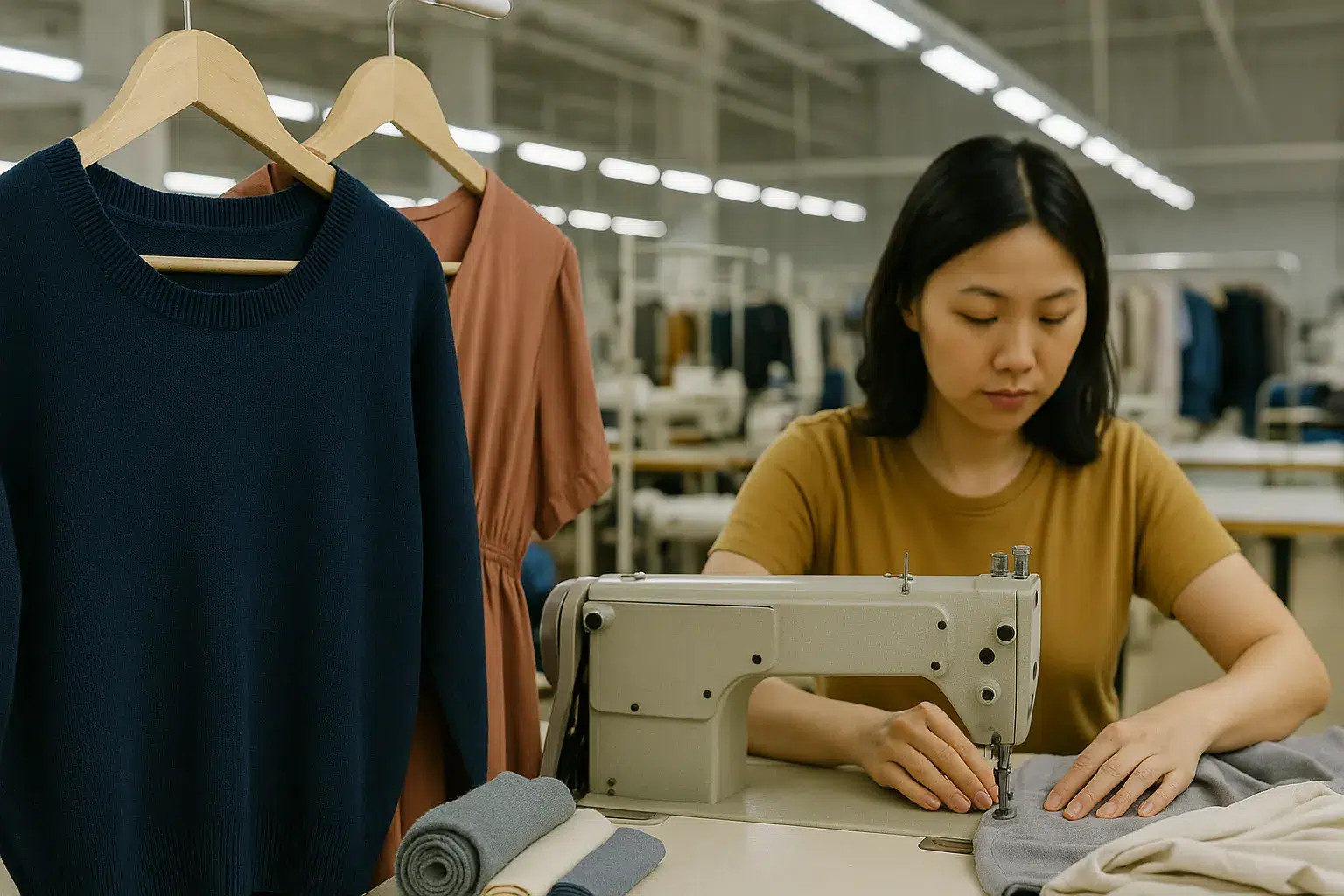
Por que considerar um design personalizado?
Como compradora como Maria (da Rússia), gerenciando sua própria marca, a melhor maneira de evitar esses problemas de desperdício é criar sua própria coleção. Dessa forma, você:
- Obtenha o que seus clientes realmente desejam.
- Evite depender do fornecimento inconsistente de lojas de segunda mão ou de liquidação.
- Construa a identidade da sua marca e aumente suas margens de lucro.
- Controle a qualidade desde o início.
Conclusão
Lojas de artigos usados costumam reciclar ou exportar roupas que não conseguem vender, mas muita coisa ainda acaba no lixo. Para o comprador, a produção sob medida é a escolha mais inteligente e sustentável.
Sobre mim
Meu nome: Lancy Chia
E-mail: [email protected]
Site: https://truekung.com/
Marca: Truekung (China) — Fábrica com mais de 200 funcionários, que fornece roupas femininas da moda, jaquetas, saias, vestidos, calças jeans, camisetas, moletons, jaquetas de plumas, corta-ventos, casacos, bolsas da moda, roupas esportivas, roupas infantis e roupas íntimas.
Fornecemos no atacado para marcas e supermercados em todo o mundo.
Visualizações: 493