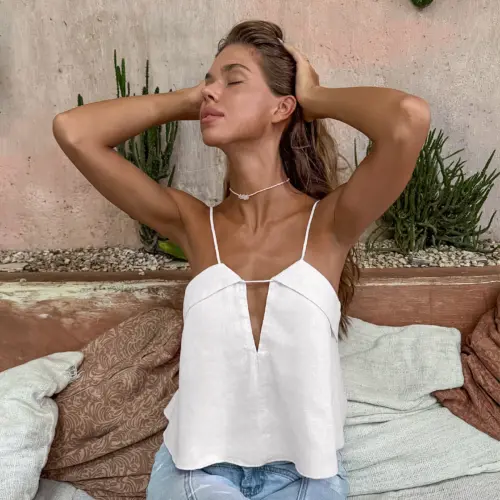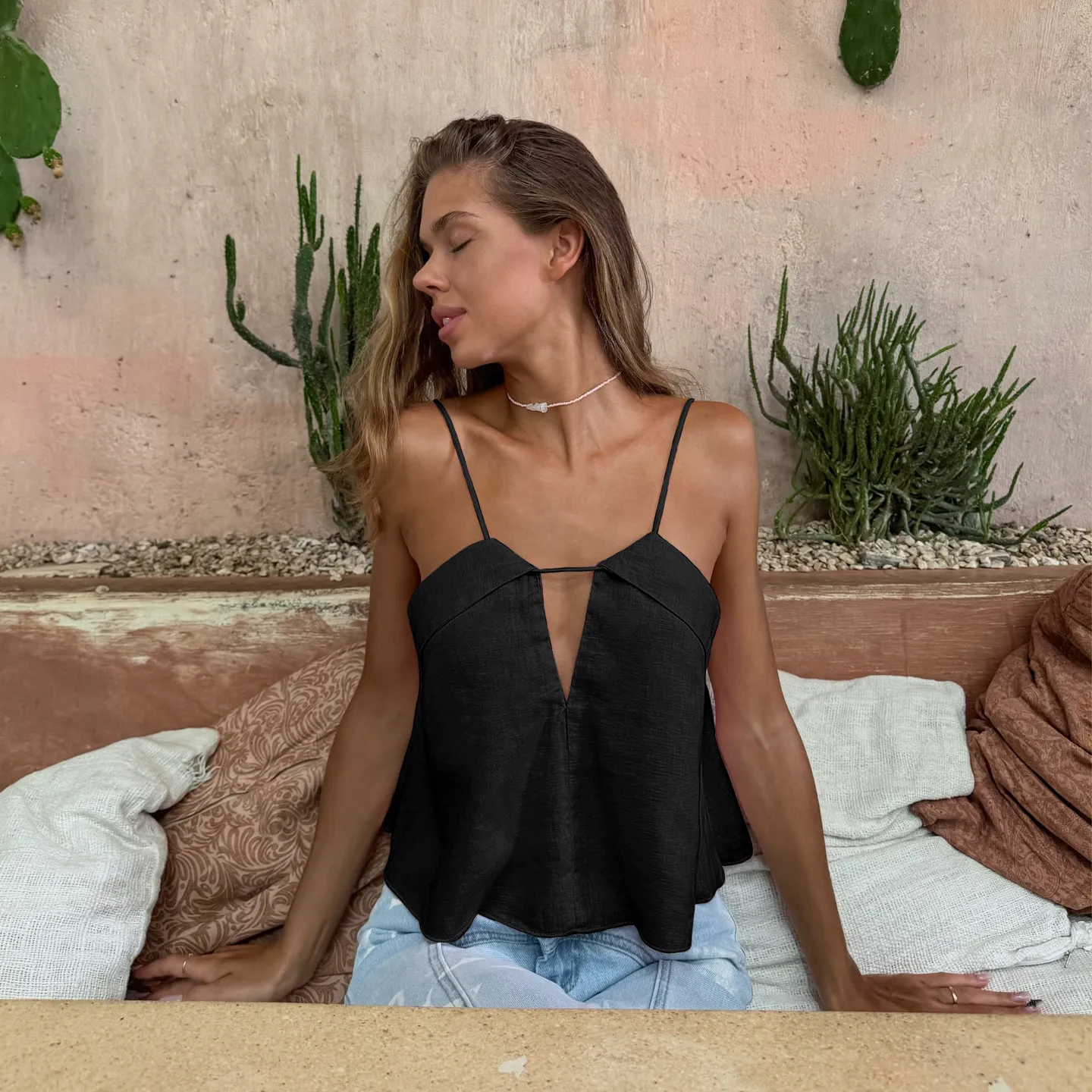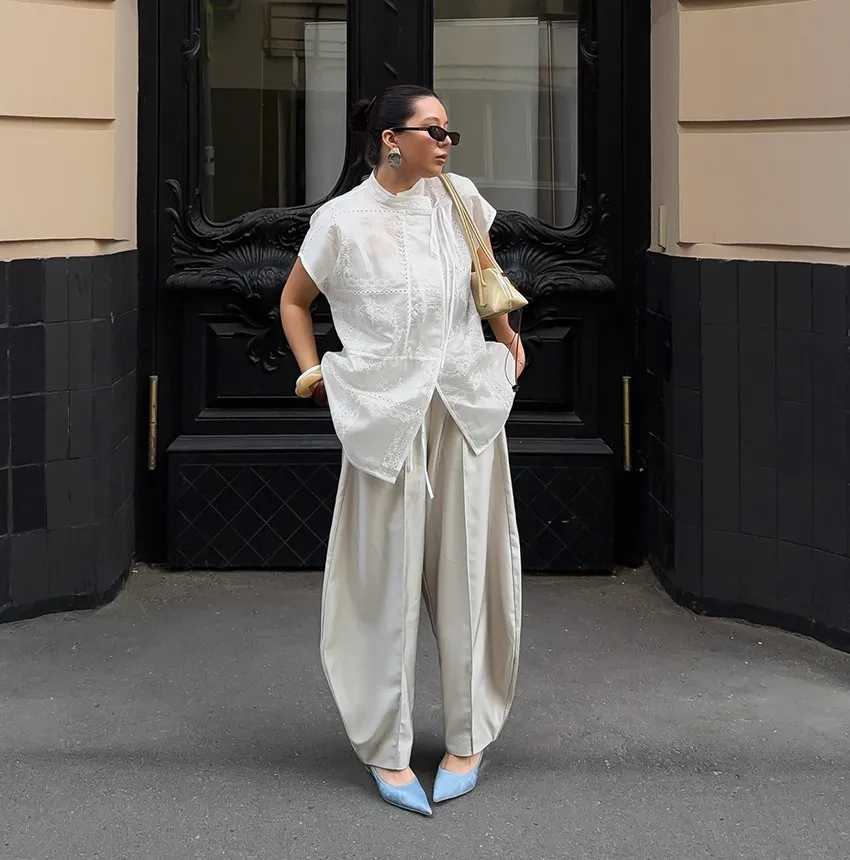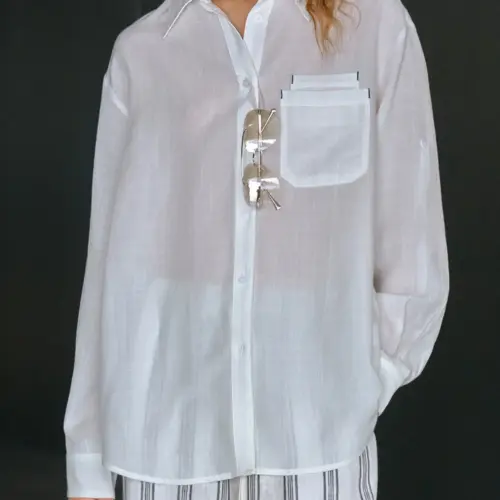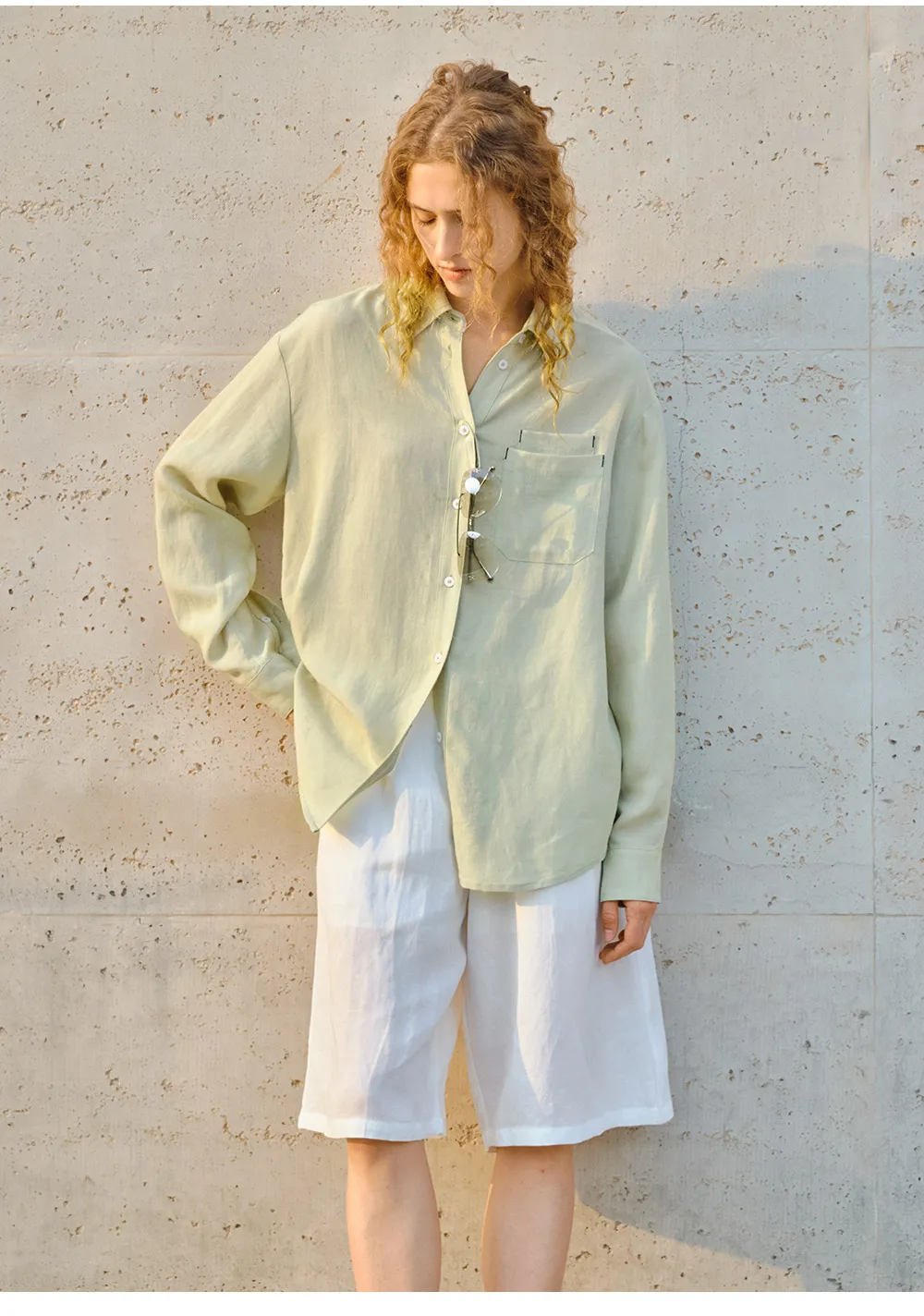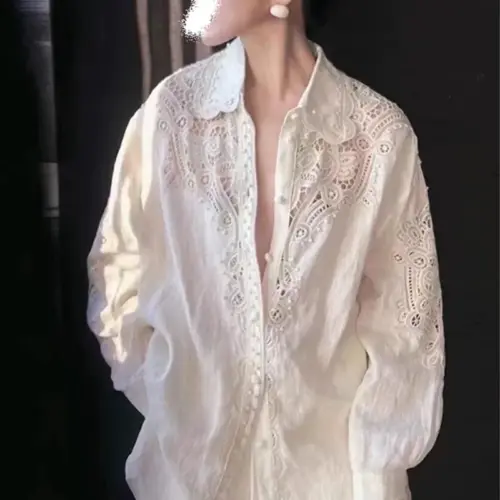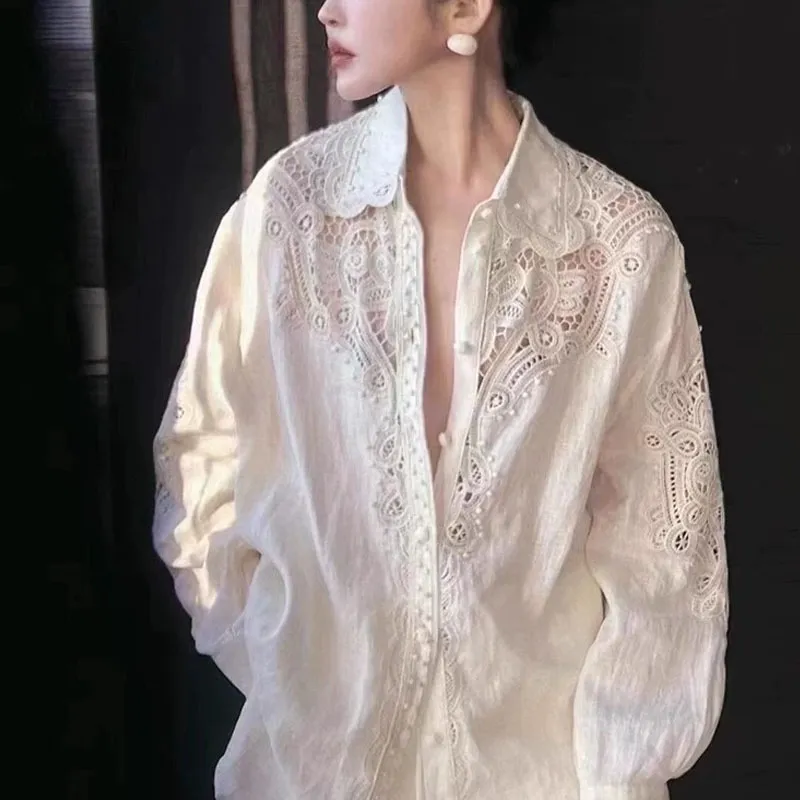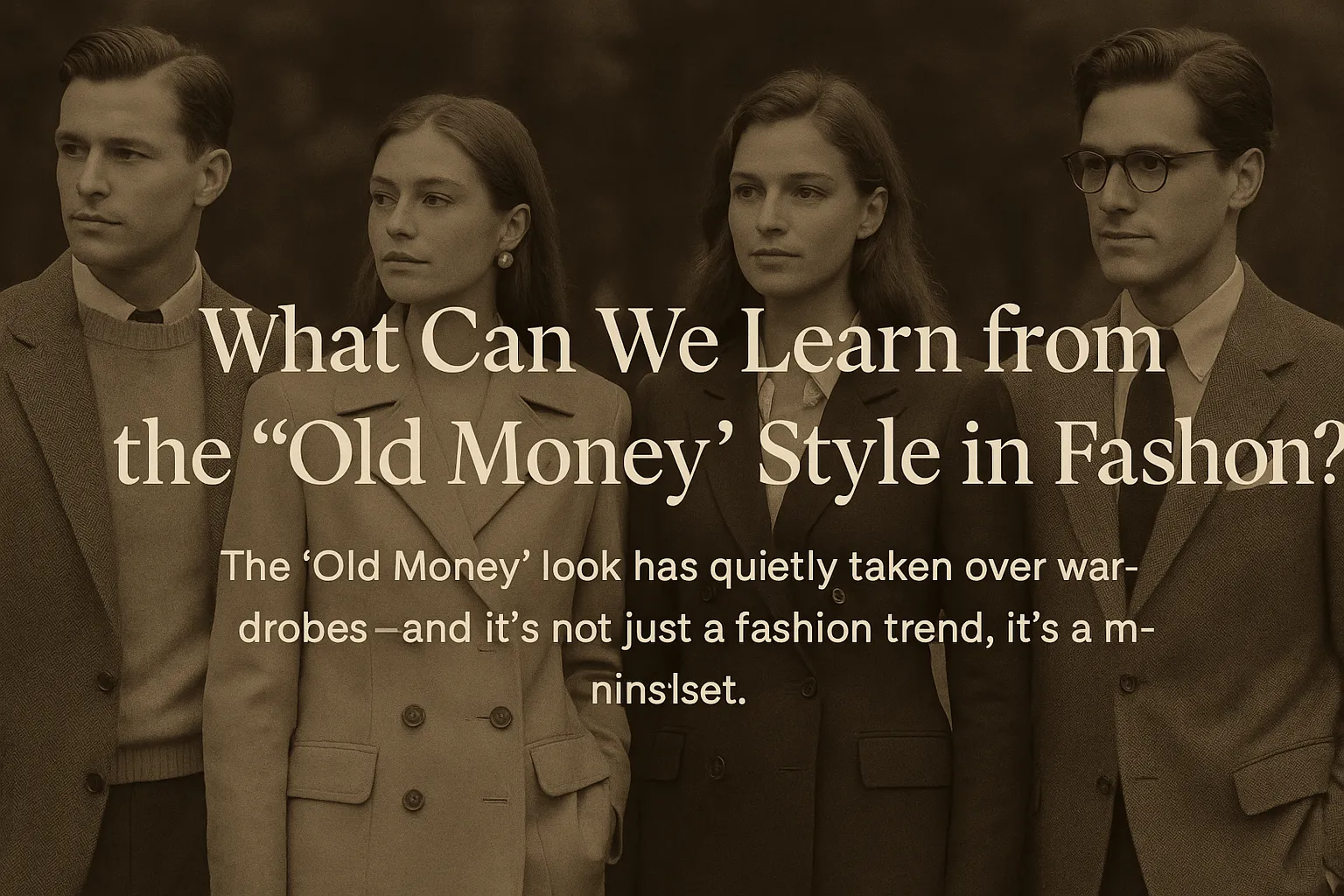

The “Old Money” look has quietly taken over wardrobes—and it’s not just a fashion trend, it’s a mindset.
The Old Money style is all about quiet luxury—quality over logos, timeless over trendy. Understanding this style helps clothing brands align with what high-end buyers actually want.
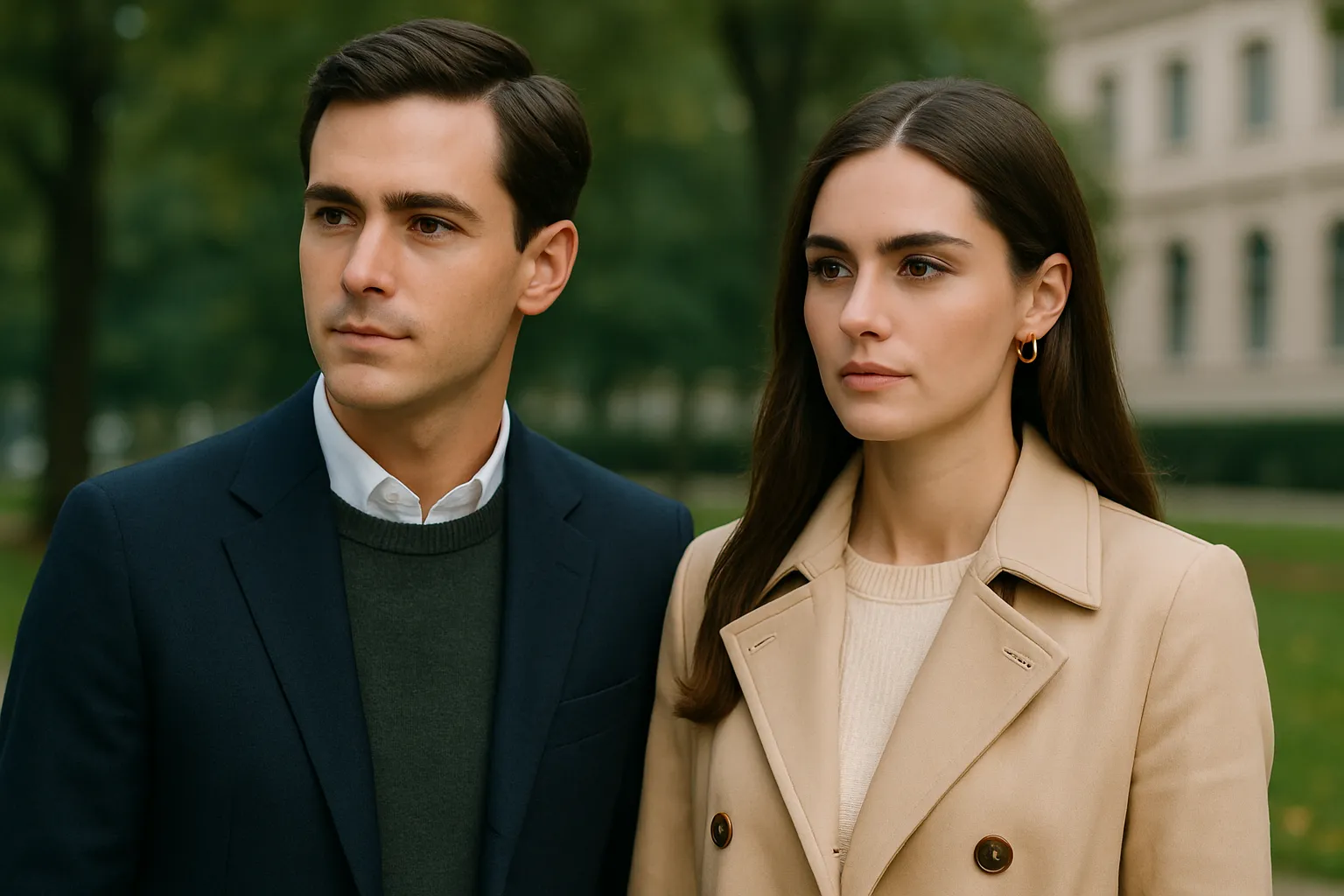
Old Money dressing looks simple, but it’s hard to copy if you don’t understand the rules. That’s why I wanted to break it down. I’ve worked with brands in Europe who wanted this look, but struggled to explain it. Once we understood the culture behind it, the designs and sourcing became clear.
Why Is the “Old Money” Style So Popular Right Now?
The rich aren’t shouting anymore—they’re whispering. And everyone wants to listen.
“Old Money” has gone viral because it feels safe, timeless, and trustworthy. In uncertain times, people want things that last—and look expensive without saying it.
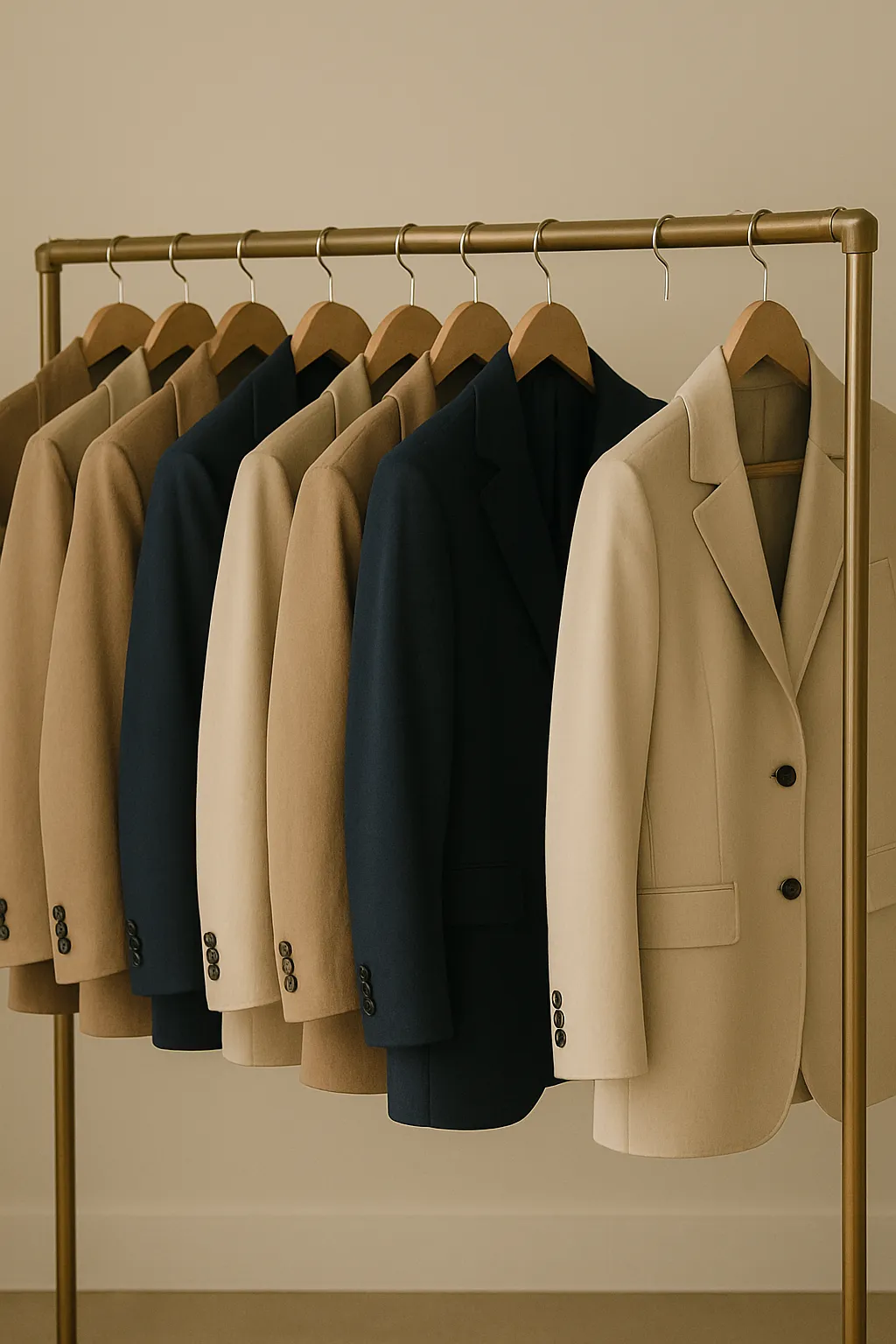
This look is rooted in the style of wealthy families in Europe and the U.S.—think Kennedys, royalty, or Ivy League students from the 1950s. The clothes don’t have logos. The fabrics are real. The tailoring is perfect. It’s about dressing like you’ve had money for generations, even if you haven’t.
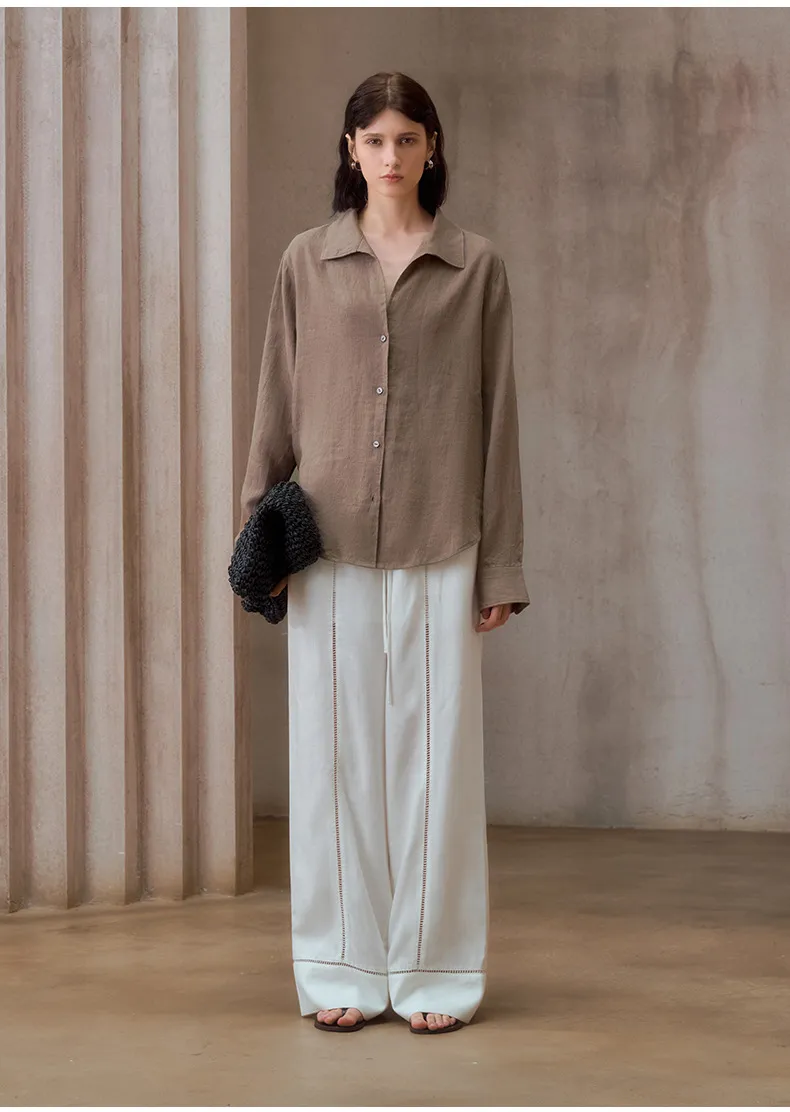
Fashion buyers are now asking for these looks more often. They want blazers in real wool, pleated trousers, button-downs in oxford cotton, cable-knit sweaters, trench coats, and loafers. And they want quality that lasts—no fast fashion.
Here’s a breakdown of key “Old Money” elements:
| Element | Typical Look | Fabric Focus |
|---|---|---|
| Tops | Oxford shirts, silk blouses, cashmere | Cotton, silk, wool |
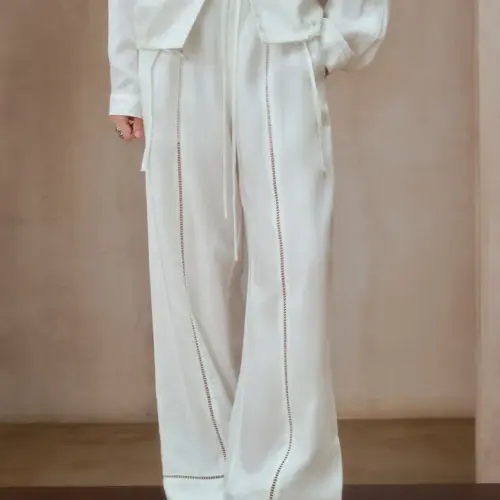
| Bottoms | Tailored trousers, pleated skirts | Wool, linen |
| Outerwear | Trench coats, wool coats, blazers | Wool, gabardine |
| Accessories | Pearl earrings, leather belts, loafers | Real leather, gold |
| Colors | Navy, beige, white, camel | Neutral tones |
Understanding this aesthetic is key if we want to serve brands who are targeting the high-end market but still want competitive pricing.
How Can Wholesale Buyers Use This Trend to Increase Sales?
Trends are nothing if they don’t sell. So how do we make “Old Money” work for business?
Wholesale buyers can use Old Money styles to target premium customers who value quality but don’t want loud luxury. These products often have higher margins and longer shelf life.
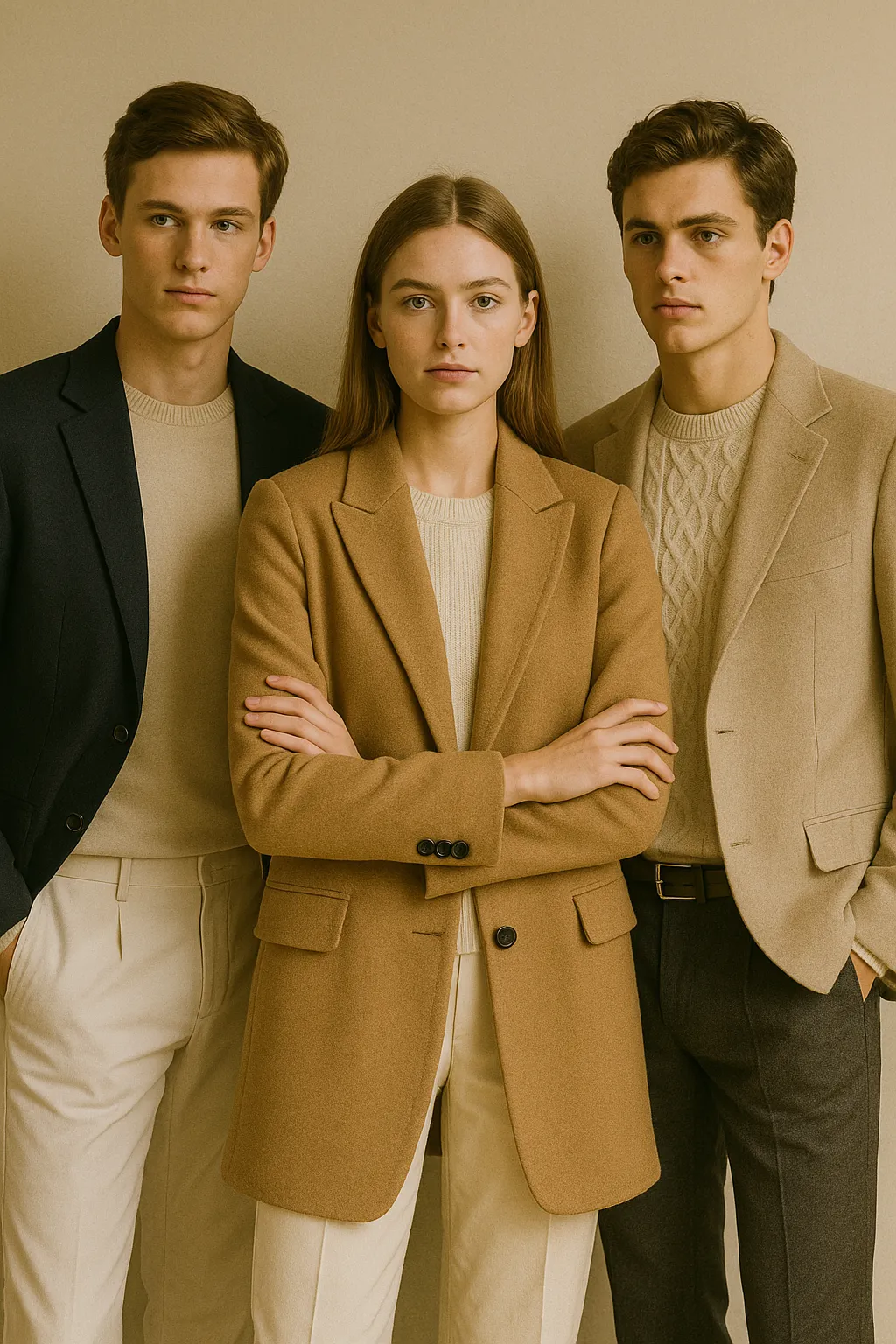
From my experience, when we produced Old Money-inspired collections, buyers found they could sell these items across several seasons. The styles don’t go out of date quickly. That helps reduce overstock. These clothes appeal to customers who want quality and don’t chase trends.
But to succeed, we had to adjust the production. We used higher-quality materials. Stitching had to be cleaner. Fits had to be exact. And we had to train our factory team to see the difference between “basic” and “timeless.”
Some strategies for wholesale buyers:
| Strategy | Action |
|---|---|
| Focus on seasonless pieces | Offer trench coats, wool trousers, classic knits |
| Use better fabrics | Choose cotton poplin, real wool, or cashmere blends |
| Offer neutrals | Stick to navy, beige, white, and grey |
| Market to aspirational buyers | Position the line as “understated luxury” |
| Avoid fast fashion styles | Drop the flashy cuts and over-designed details |
By offering this kind of look, brands stand out in a world full of disposable fashion.
Why Do So Many Buyers Struggle to Source Old Money-Style Products?
It looks easy. It’s actually not. Quiet style requires loud precision.
Many buyers fail to get the Old Money look right because they focus on surface trends instead of the craftsmanship and culture behind the style.
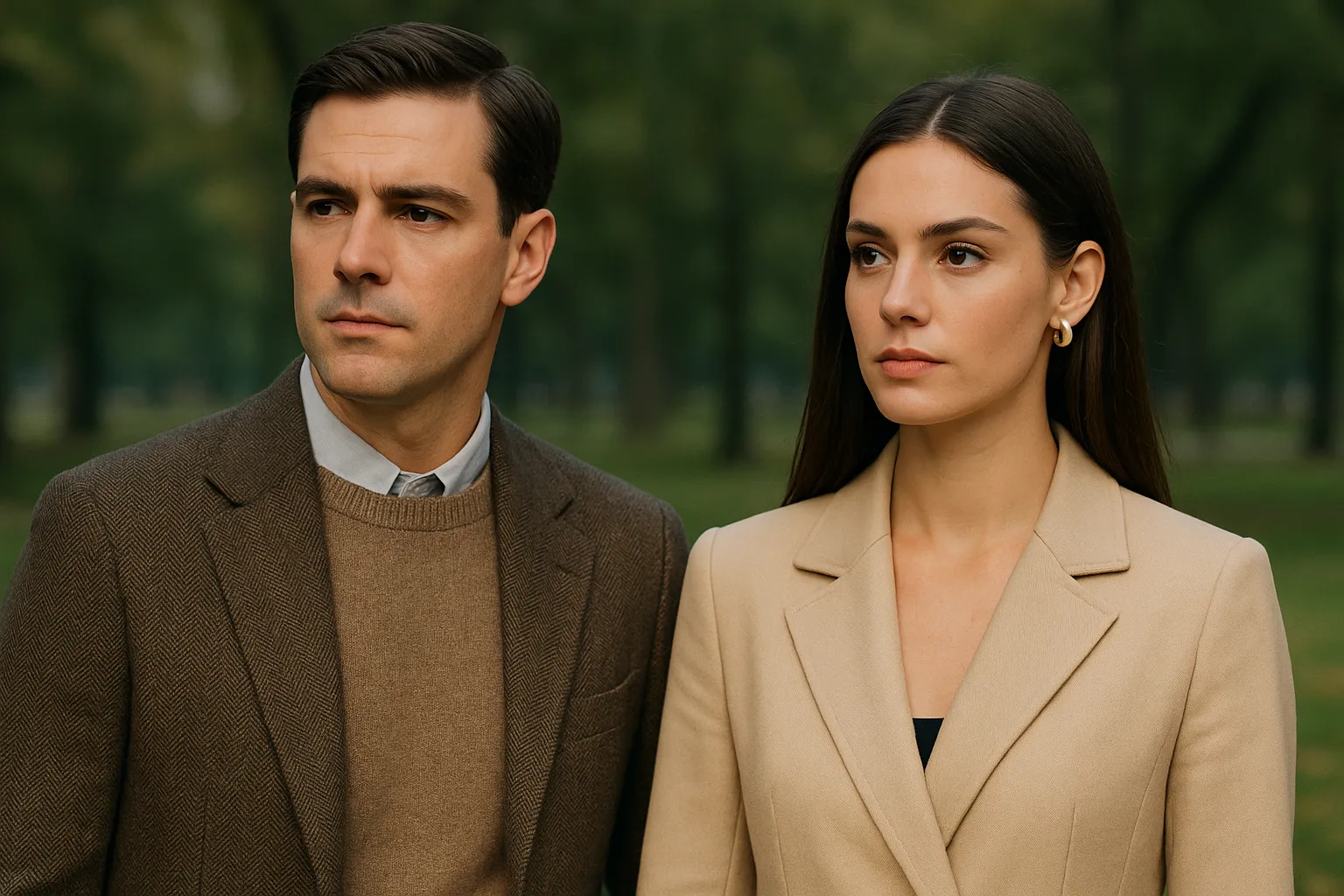
Maria once told me about a shipment of “Old Money-style” sweaters she bought—soft at first glance, but poorly finished. Her customer returned half of them. The supplier used thin, low-grade yarn to save cost. That’s the trap. The Old Money customer notices those details.
When we work with buyers like Maria, we focus on three things:
- Fabric sourcing. We suggest mills that supply real wool or thicker cotton with texture.
- Construction. Our team double-checks the seams, collars, and buttons for structure.
- Color matching. Neutral tones must be exact. Off-white and pure white are not the same.
To serve the Old Money market, I always recommend longer lead times and closer collaboration. Speed matters less here. Trust and consistency matter more.
Here’s how I approach this with buyers:
| Step | What We Do |
|---|---|
| Sample rounds | Provide 2–3 rounds of exact samples for approval |
| Fabric testing | Send swatches for hand-feel and wash tests |
| QC protocols | Follow detailed QC for sewing, labeling, pressing |
| Style guides | Match design to reference images or mood boards provided by buyer |
| Communication | Use visuals and videos to prevent misunderstandings |
We’re not just sewing clothes. We’re telling a story of heritage, trust, and quiet success.
Conclusion
Old Money fashion isn’t just about clothes—it’s about values. Get the quality, story, and feel right, and you’ll sell more, for longer.
Views: 308