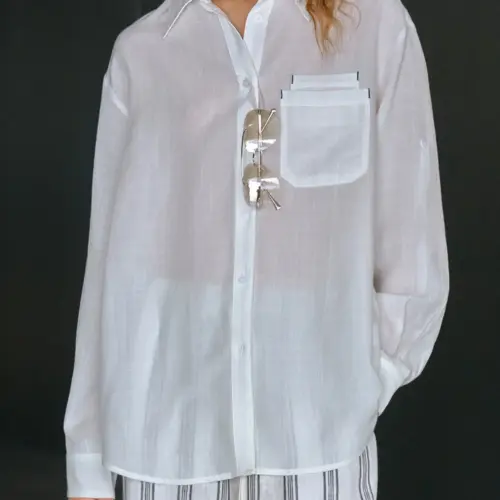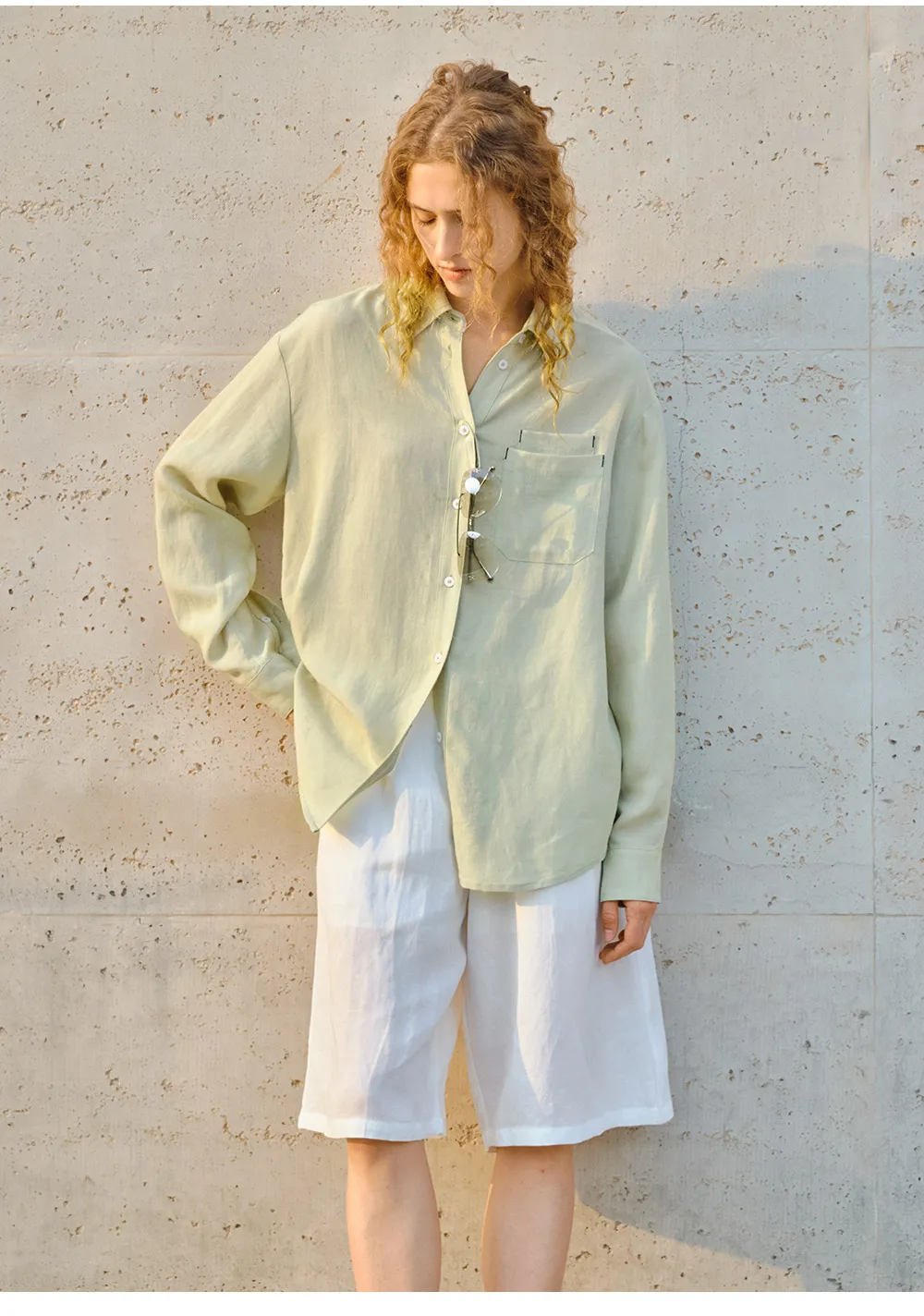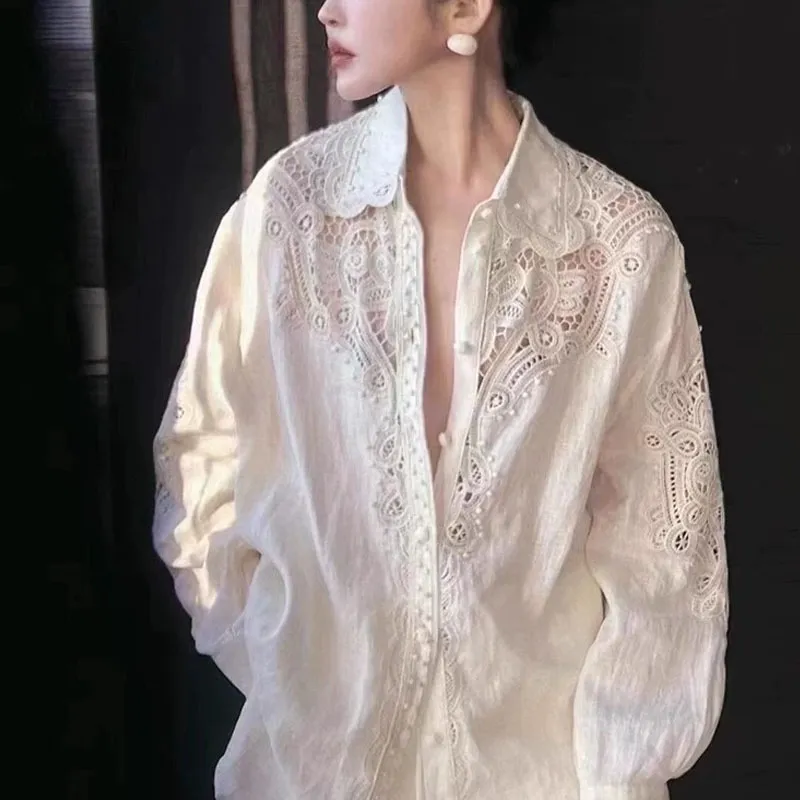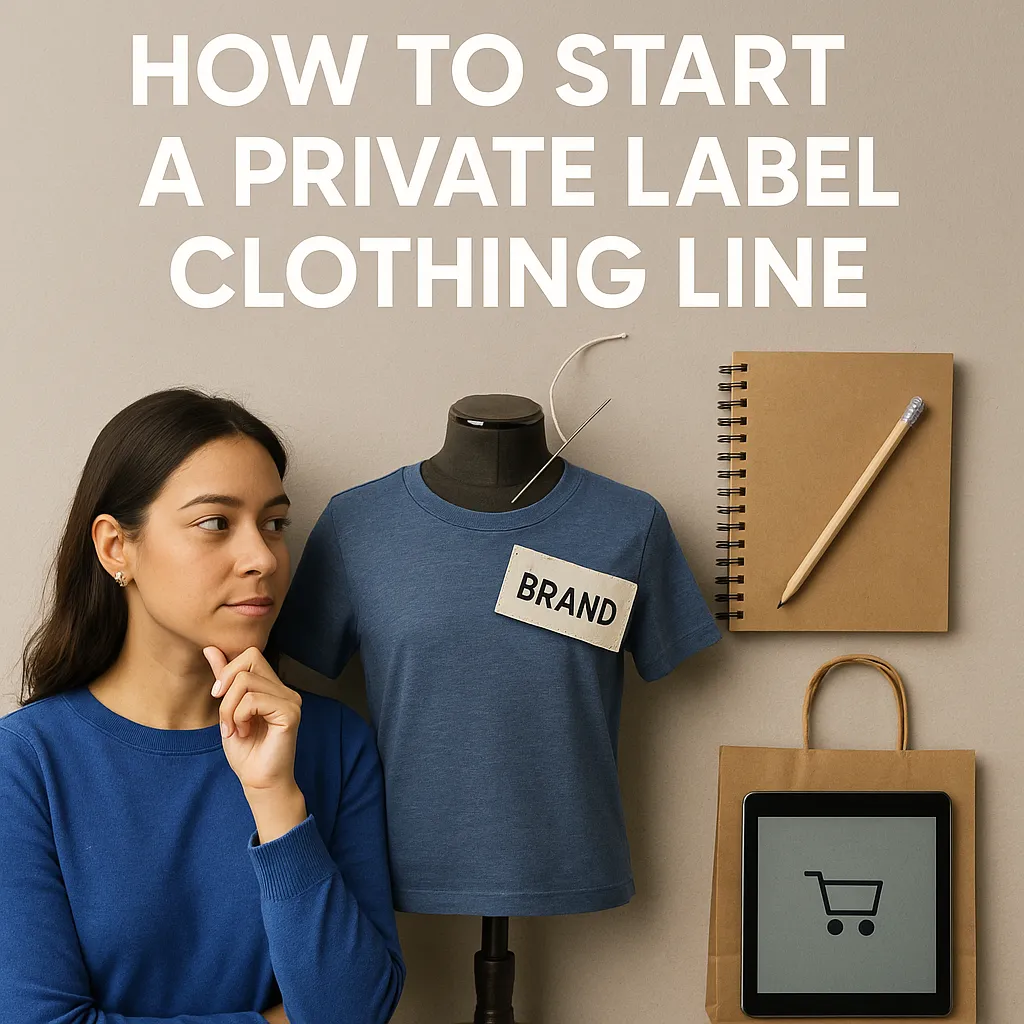

Starting your own clothing line feels exciting but also overwhelming. Many people dream of launching a fashion brand, but most stop because they do not know where to start.
To start a private label clothing line, you need to define your brand, research your market, choose the right suppliers, design your collection, and plan sales channels with clear pricing and logistics.
The first steps are not about production. They are about clarity. If you do not know your brand identity, your target buyers, and your supply chain, you may waste time and money. I learned this from my own experience when I rushed into sampling before I even had a clear vision.
What is a private label clothing line?
Starting a clothing line can sound big, but private label makes it easier. Many brands grow by using private label instead of building everything from zero.
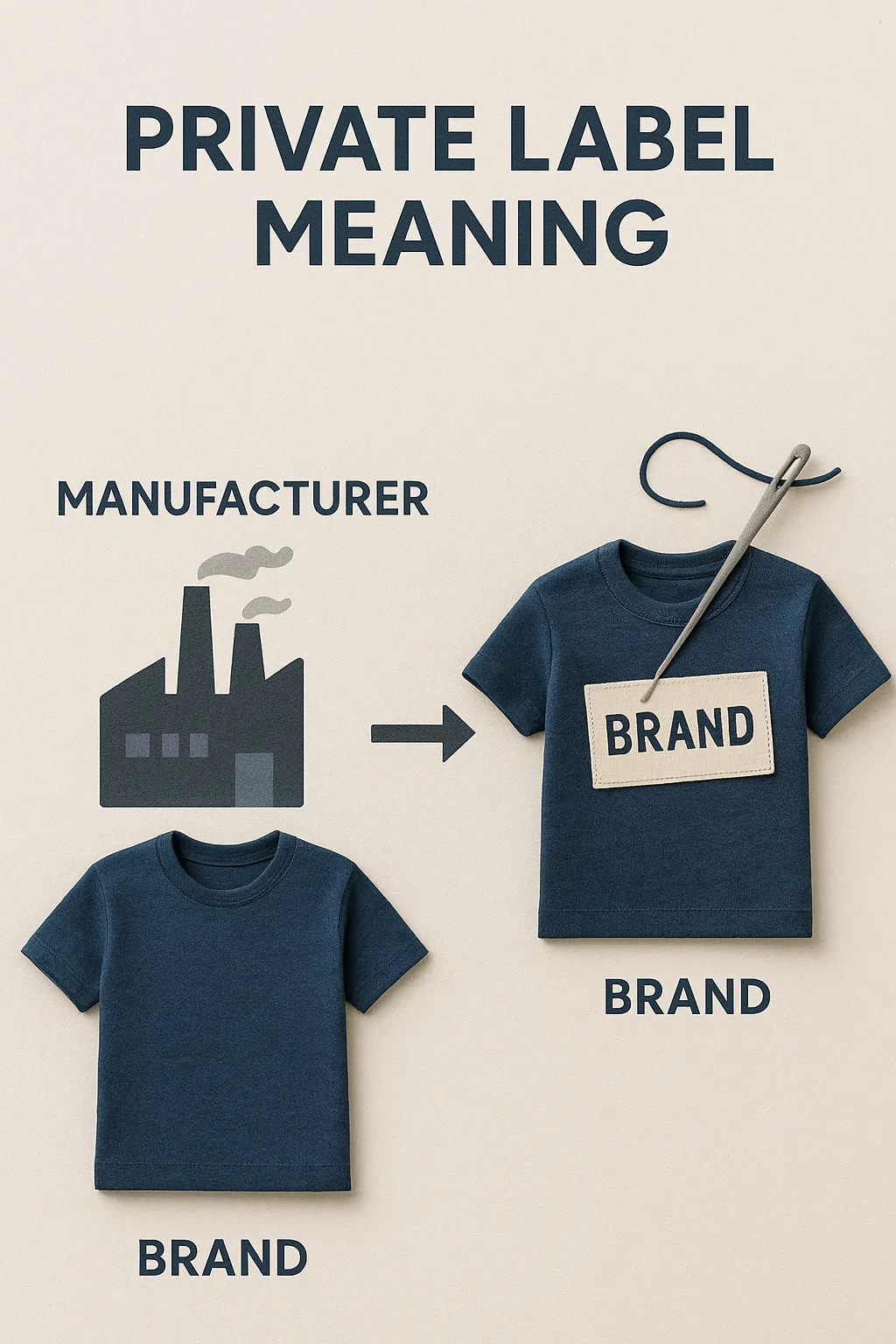
A private label clothing line means you put your own label on products made by another manufacturer. You control branding, pricing, and sales, while the factory handles production.

Private label is different from custom-made. With private label, the factory already has designs and patterns. You can choose from their styles, add your logo, adjust colors, and sell it as your brand. Custom design is more complex because you start from sketches. Private label gives you speed and lower risk. In fashion, timing is everything. Missing a season means losing sales. This is why many buyers, including myself, choose private label for faster launch. Below is a simple table:
| Option | Private Label | Custom Design |
|---|---|---|
| Speed | Fast, products ready | Slow, needs new development |
| Cost | Lower, factory has patterns | Higher, needs new molds and samples |
| Flexibility | Limited changes (color, logo, trims) | Full design freedom |
| Risk | Lower, proven styles | Higher, untested designs |
How much money do you need to start?
Many people think you need huge money to start. The truth is you can start small, but you need smart planning.
You can start a private label clothing line with as little as $2,000–$5,000 if you focus on a small collection and low minimum order quantities. Larger launches may require $20,000 or more.
I learned from mistakes here. At first, I ordered too many styles because I was excited. But unsold stock is expensive. It is better to start with a small core collection. For example, three to five key products like t-shirts, jeans, or dresses. Factories often have minimum order quantities (MOQ). A typical MOQ is 100–300 pieces per style. With private label, you can often negotiate smaller orders, especially if you build trust with the factory. Budget is not just for production. You also need money for branding, photography, website, shipping, and marketing. Without a marketing plan, even the best clothes will sit in storage. Below is a simple table for planning:
| Expense Item | Small Start ($2k–$5k) | Bigger Launch ($20k+) |
|---|---|---|
| Samples | $300–$500 | $1,000+ |
| Production | $1,500–$3,000 | $10,000+ |
| Branding | $200–$500 | $2,000+ |
| Marketing | $200–$500 | $5,000+ |
| Website | $100–$300 | $1,000+ |
How to define your brand identity?
Without a strong brand identity, your clothing line may look like every other brand. Buyers today do not just buy clothes. They buy stories, feelings, and values.
Defining your brand identity means choosing your style, your target audience, and the message that sets you apart from competitors. It guides product design, pricing, and marketing.
When I started, I thought a logo was enough. But brand identity is deeper. It includes your visual look, tone of voice, and customer promise. If your target buyer is a young woman who loves streetwear, your design, colors, and photos must speak to her lifestyle. If your buyers are professionals, then the brand tone should be sleek and minimal. Write down clear answers to questions like: Who is my ideal customer? What problem do my clothes solve? What emotions do I want to create? This exercise helps you make decisions later, from fabric choices to Instagram captions. Below is a framework I use:
| Element | Key Question |
|---|---|
| Target Audience | Who will wear my clothes? |
| Brand Promise | What value do I give them? |
| Style Direction | What look defines my brand? |
| Voice & Story | How do I talk about my brand? |
How to choose the right supplier?
Many new brands fail because they choose the wrong supplier. Quality, price, and delivery time can make or break your business.
Choose a supplier with proven experience, stable production capacity, clear certifications, and good communication. Check samples, negotiate MOQs, and confirm delivery timelines before placing bulk orders.
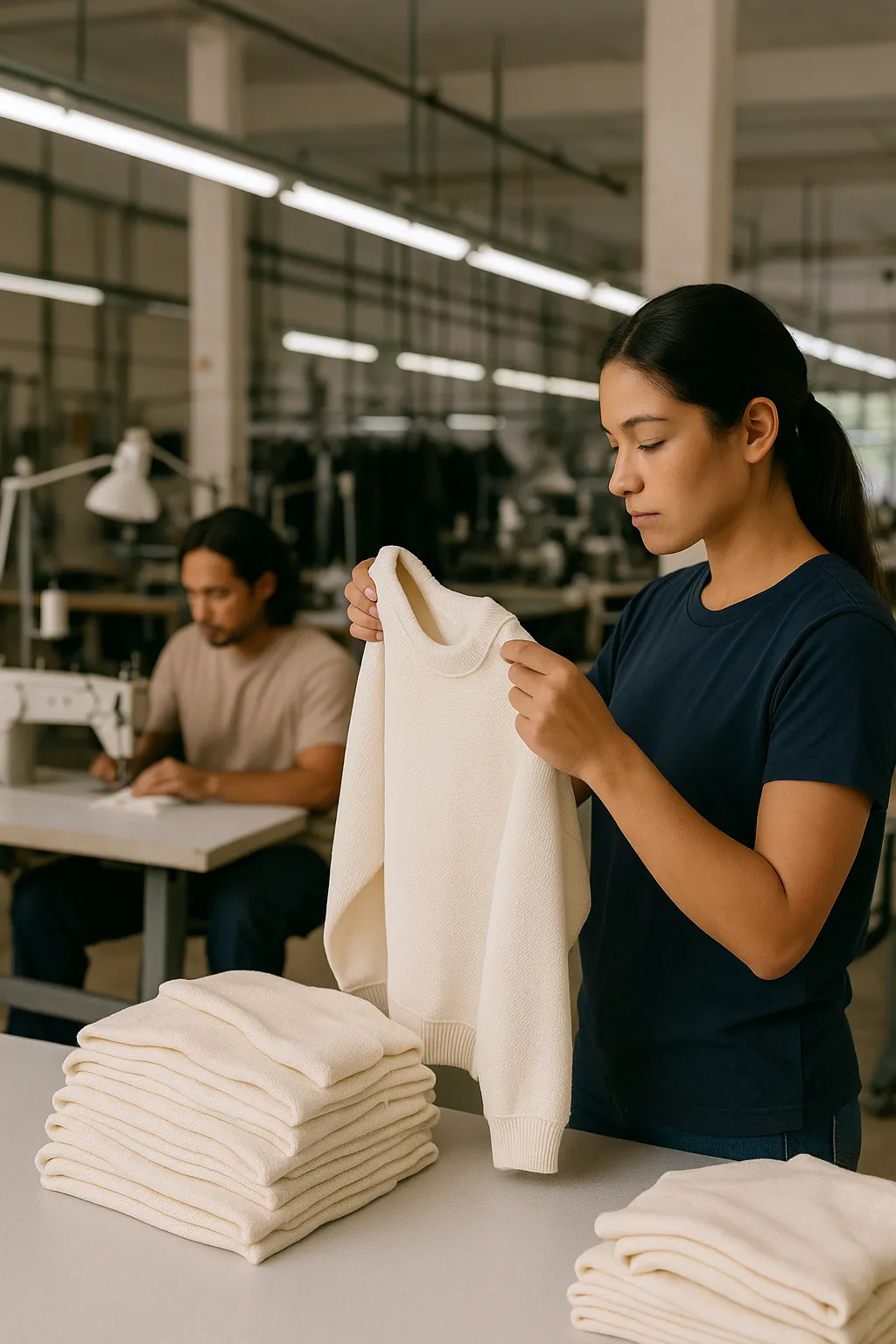
I always remind myself: the cheapest supplier is often the most expensive in the end. If delivery is late or quality is poor, you lose sales. Look for a supplier who has experience in your product category. For example, if you want sportswear, choose a factory that already makes sportswear for other brands. Visit trade shows if possible. Search on Google and check reviews. Ask for certificates like BSCI, WRAP, or OEKO-TEX if you need them. Communication is also a test. If a supplier replies slowly before you pay, it will only get worse later. I also check if they can support future growth. If my sales double, can they handle the bigger order? Here is a checklist I use:
| Key Point | Why it Matters |
|---|---|
| Experience | Shows if they know your product type |
| MOQ | Helps you manage cash flow |
| Certifications | Proves compliance with safety/ethical rules |
| Lead Time | Keeps you on season |
| Communication | Avoids mistakes and delays |
| Scalability | Prepares you for future growth |
How to build your marketing strategy?
Even with great clothes, no one will buy if they do not see your brand. Marketing is not only about ads. It is about telling your story in the right channels.
A strong marketing strategy combines online presence, social media, influencer partnerships, and offline activities to reach your target buyers and build brand awareness.
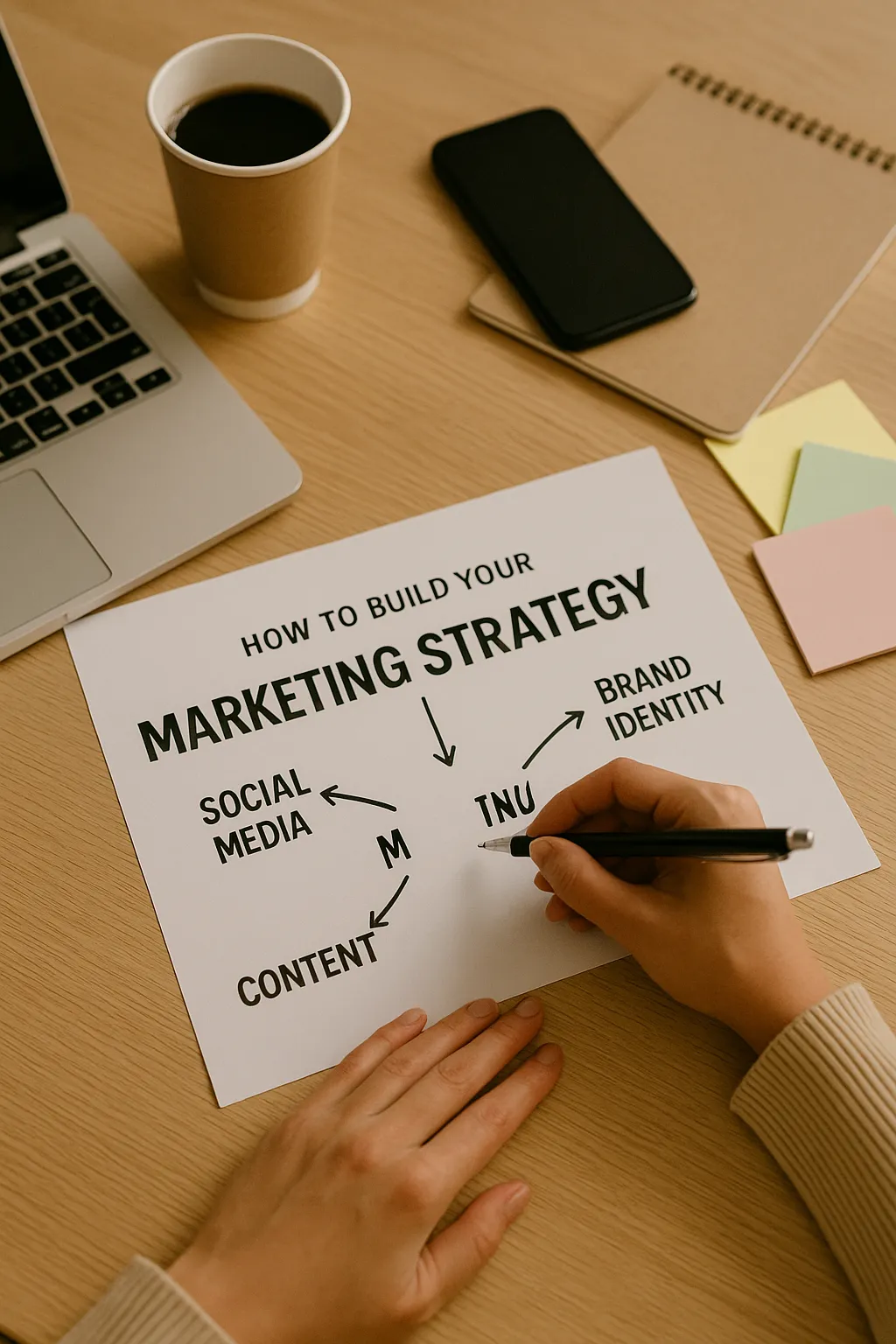
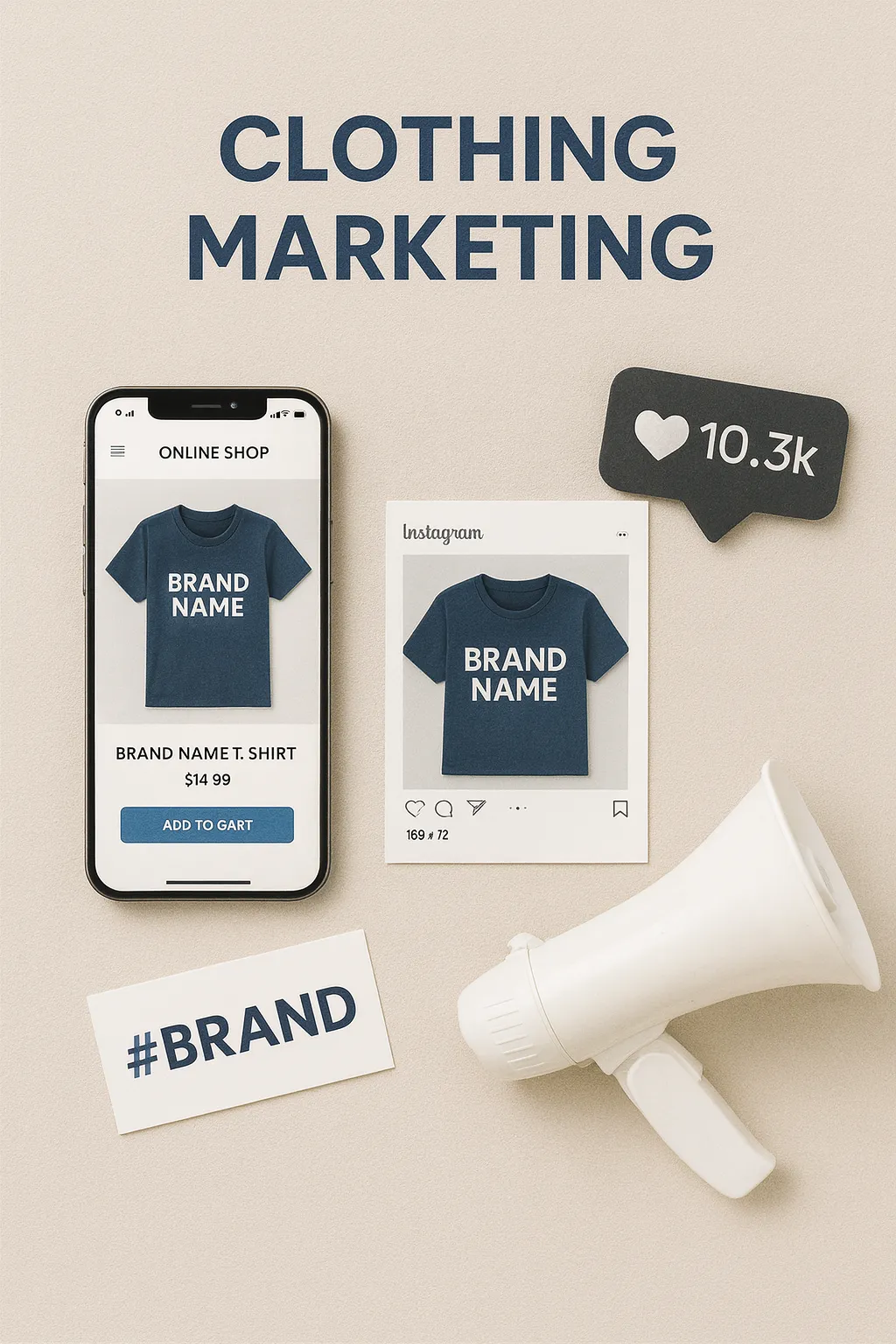
When I first launched, I posted a few product photos on Instagram and waited. Nothing happened. I realized marketing needs planning. Start with a simple mix: a clean website with e-commerce, an Instagram account with lifestyle content, and maybe collaborations with small influencers. Paid ads can work, but only if your brand story and visuals are clear. Offline marketing also helps. Pop-up shops, trade shows, and local events can connect you with buyers in person. A content calendar can keep you consistent. I often use a simple monthly table like this:
| Channel | Action Example |
|---|---|
| 3 posts per week, 1 story daily | |
| TikTok | 2 short videos per week |
| Influencers | Send samples to 3 micro-influencers monthly |
| Website Blog | 2 posts per month on styling tips |
| Email Marketing | 1 newsletter every 2 weeks |
How to set up sales channels?
You may have the best product, but without the right sales channels, you cannot grow. Choosing where to sell is just as important as what to sell.
Set up both online and offline sales channels. Start with your own e-commerce store, then expand to marketplaces, retail partners, or wholesale, depending on your brand goals.
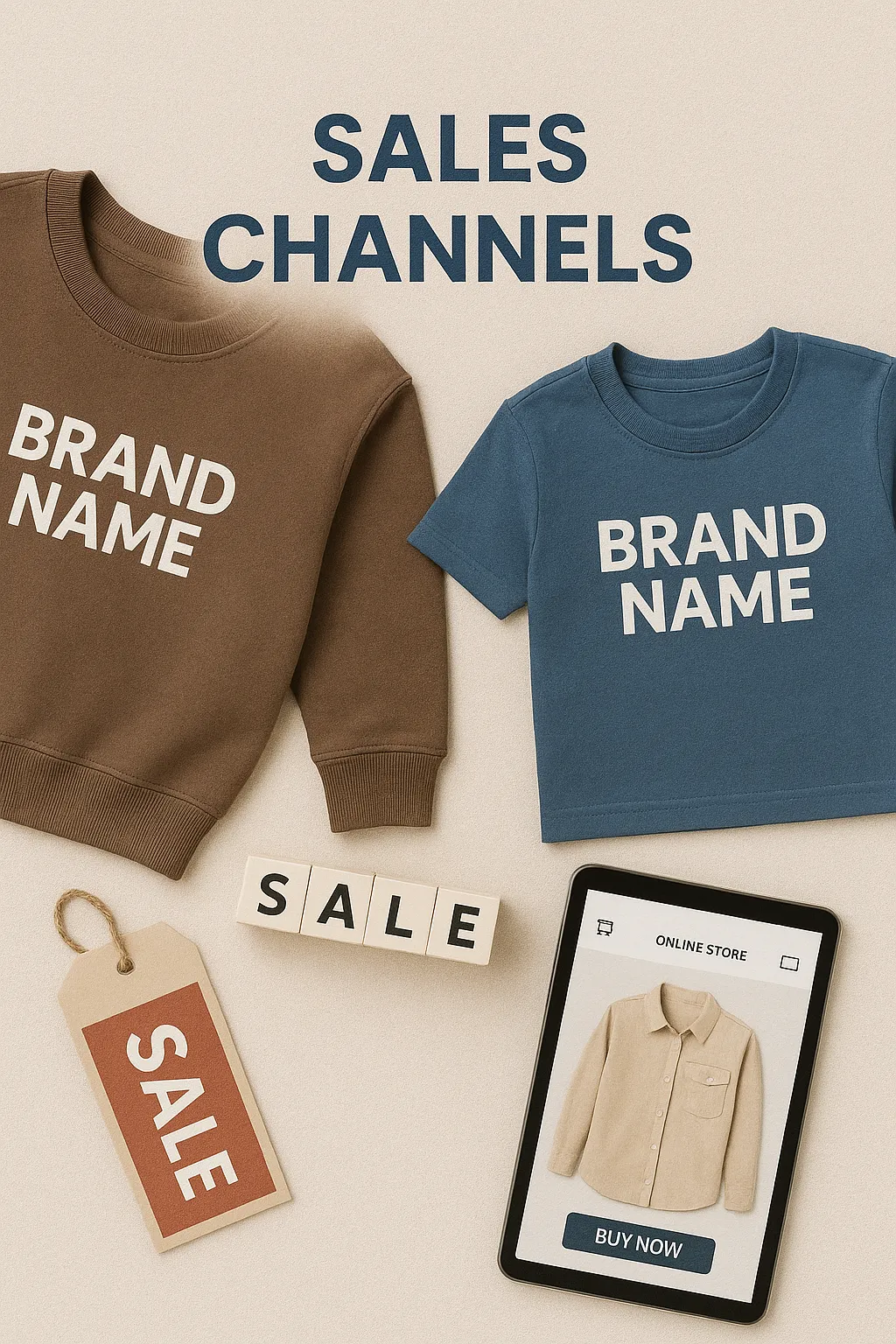
At first, I only sold online through my website. It was slow because no one knew me. Later, I joined marketplaces and gained more customers. Each channel has pros and cons. Selling through your own website gives you control but needs more marketing. Marketplaces like Amazon or Zalando bring traffic but take high fees. Wholesale gives bigger volume but less margin. A smart plan is to start with your own website plus one marketplace. Once you have brand proof, add wholesale or pop-up stores. This multi-channel mix makes sales more stable. Here is a simple comparison:
| Channel | Pros | Cons |
|---|---|---|
| Own Website | Full control, higher margin | Needs traffic, more cost |
| Marketplaces | Large customer base | Fees, less brand control |
| Wholesale | Big volume, stable orders | Lower margin, slower payment |
| Pop-up Stores | Brand exposure, personal touch | High setup effort, short-term |
Conclusion
Starting a private label clothing line needs more than products. With clear brand identity, a smart marketing strategy, reliable suppliers, and well-chosen sales channels, small steps can grow into a lasting business.
Views: 218