Why Is Jute the Fabric Everyone’s Talking About?
In a world where sustainability sells, jute offers a rare mix of low cost, high impact, and honest storytelling.
Jute is a natural fiber that grows fast, uses almost no chemicals, and can replace many unsustainable materials in fashion and home goods. It’s strong, breathable, and completely biodegradable.
This fabric is no longer stuck in the past. Jute is fresh, flexible, and full of potential. As brands shift toward cleaner materials, now is the perfect time to look at jute not just as a material—but as a statement.
What Makes Jute So Unique?
In a market full of synthetic and chemical-heavy fibers, jute keeps it simple—and that’s what makes it powerful.
Jute grows fast, doesn’t need irrigation, and creates fiber without harmful chemicals. It’s strong, long-lasting, and gets softer with modern treatments.
From Plant to Thread
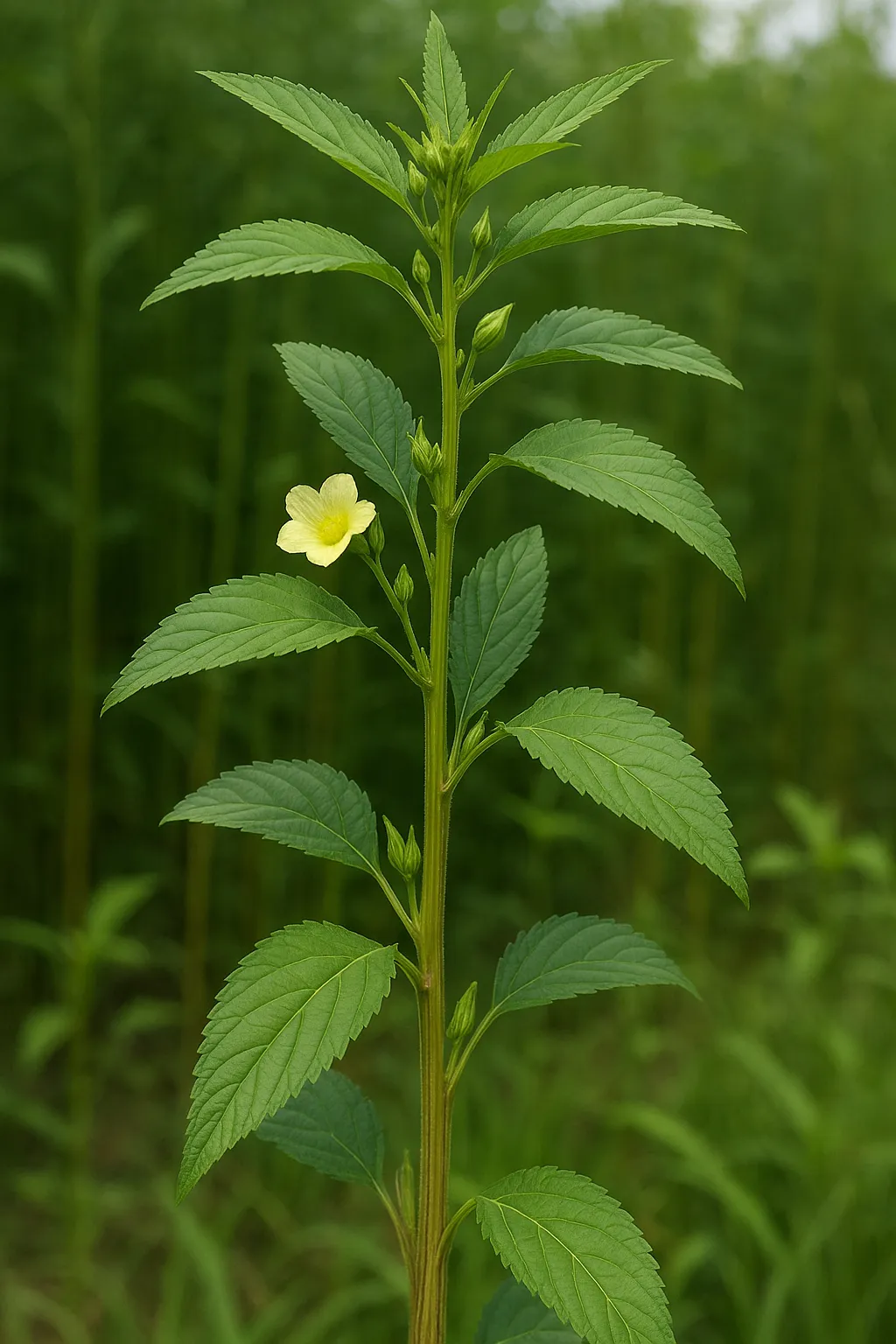
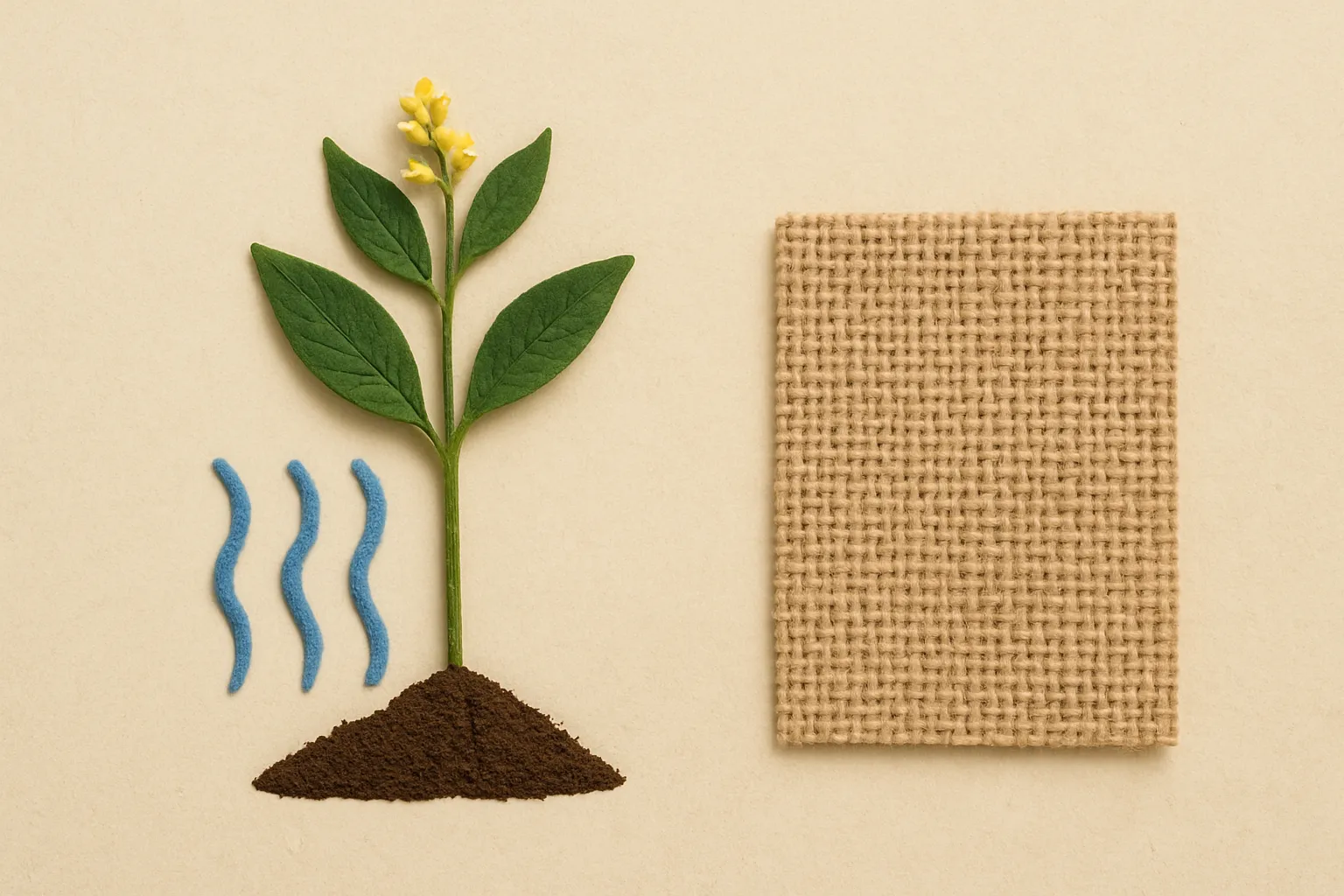
Jute comes from the stalk of the Corchorus plant. It takes only 4 months to grow. After harvesting, the stalks are soaked in water to start retting—a natural process that separates the fiber from the stem. No bleach. No acids. Just water and time.
Once dried and combed, the fibers are spun into strong, smooth threads. This process is low-energy and low-waste, making it ideal for modern, eco-friendly production systems.
Strength That Outperforms Cotton
Jute is tough. Tests show it can be up to 30% stronger than cotton. The long fibers bind tightly together, making the yarn more resistant to wear and tear. That means less fraying, fewer returns, and longer life for your products.
This kind of durability makes jute perfect for everything from tote bags and packaging to fashion garments that last.
Softer Than You Think
Raw jute feels rough. But with modern scouring and enzyme softening, that texture changes. Blends like 30% jute and 70% cotton offer the best of both worlds—natural strength with soft, breathable comfort.
This opens the door to use jute in T-shirts, dresses, and other close-to-skin garments.
Is Jute Really That Sustainable?
Buyers are asking for sustainable products. Jute makes it easy to say yes.
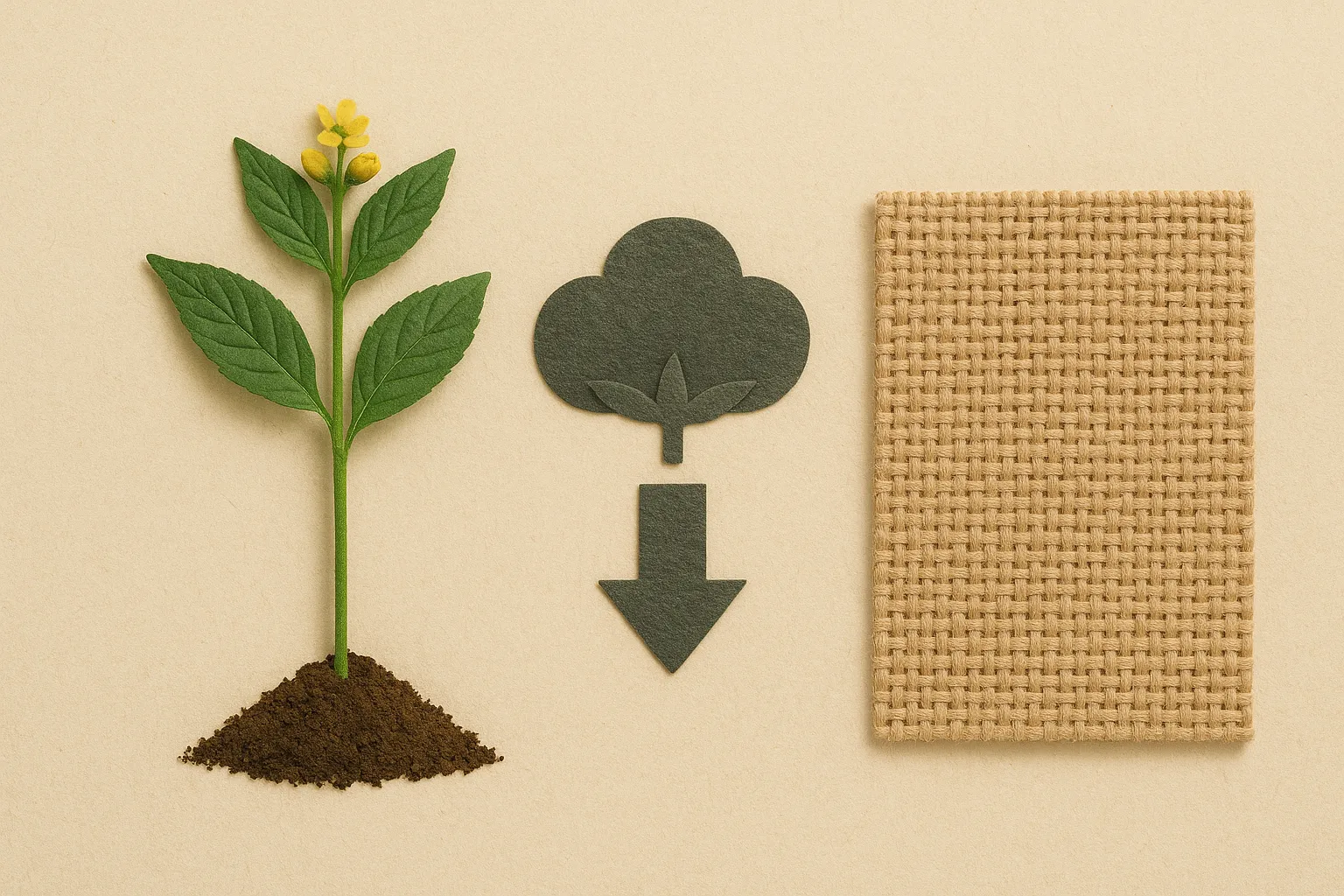
Jute grows with rainwater, needs little to no pesticides, and breaks down naturally. Its carbon footprint is half that of cotton.
Zero Irrigation. Zero Waste.
Jute is one of the few fibers grown without irrigation. It thrives in the wet fields of Bangladesh and India. These fields not only grow the crop but also nourish the soil year after year. That means farmers don’t need expensive chemical fertilizers or energy-draining water systems.
When jute reaches the end of its life, it disappears. No microplastics. No pollution. Just rich compost.
Where Does the Best Jute Come From?
If you want the highest quality jute, you need to know where to look.
Most jute comes from Bangladesh and India. Specialty mills in Southeast Asia are adding new blends and textures for luxury markets.
Why Bangladesh Leads
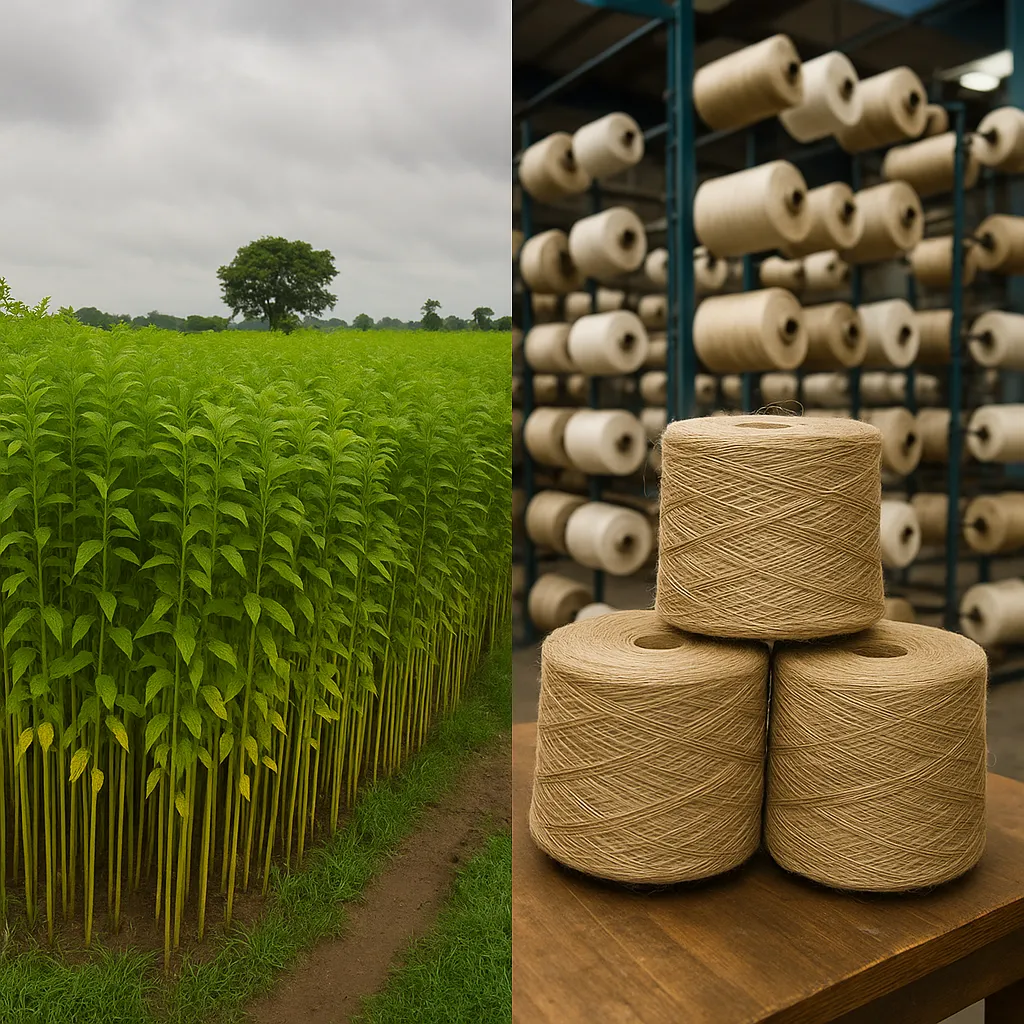
Bangladesh produces the best raw jute. It’s been growing and retting jute for generations. The country’s natural river systems and humid climate make the fiber finer, longer, and more consistent.
India also has a large jute industry and is known for industrial processing. Vietnam and Thailand are now pushing the boundaries by creating blended and dyed jute fabrics for premium markets.
Can Jute Compete With Modern Performance Fabrics?
Some people think natural fabrics are weak. Jute proves them wrong.
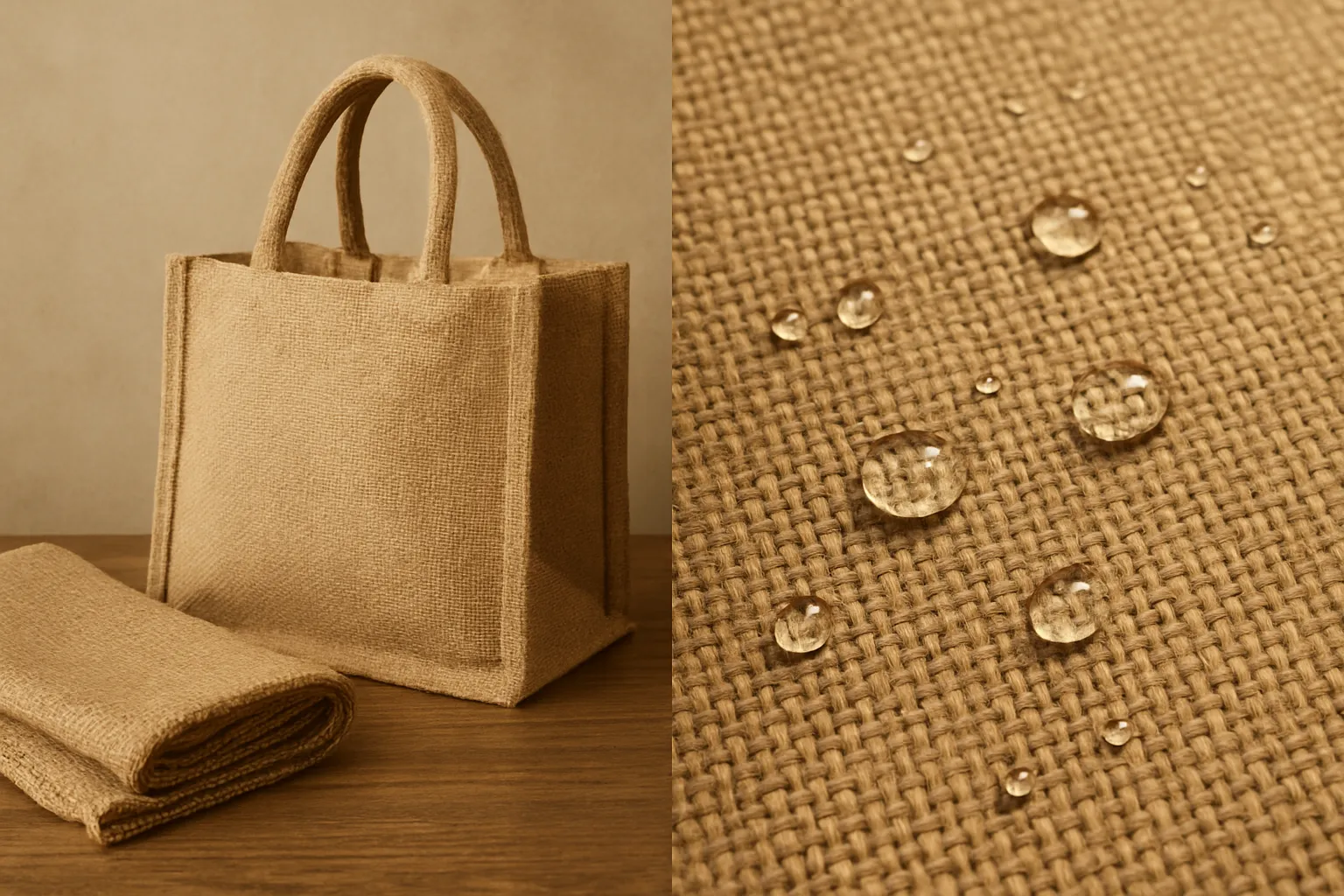
Jute is naturally strong, breathable, and ages beautifully. With added coatings, it even resists water.
Jute’s Real-World Advantages
Here’s what makes jute stand out:
| Feature | Benefit |
|---|---|
| High Tensile Strength | Fewer breaks, longer lifespan |
| Natural Patina | Becomes more beautiful over time |
| Breathable | Comfortable in all seasons |
| DWR Compatible | Repels light rain with a simple coating |
That’s why jute shows up not only in fashion but in upholstery, shoes, bags, and more.
Is Jute Actually Fashionable Now?
It’s not just for burlap sacks anymore.
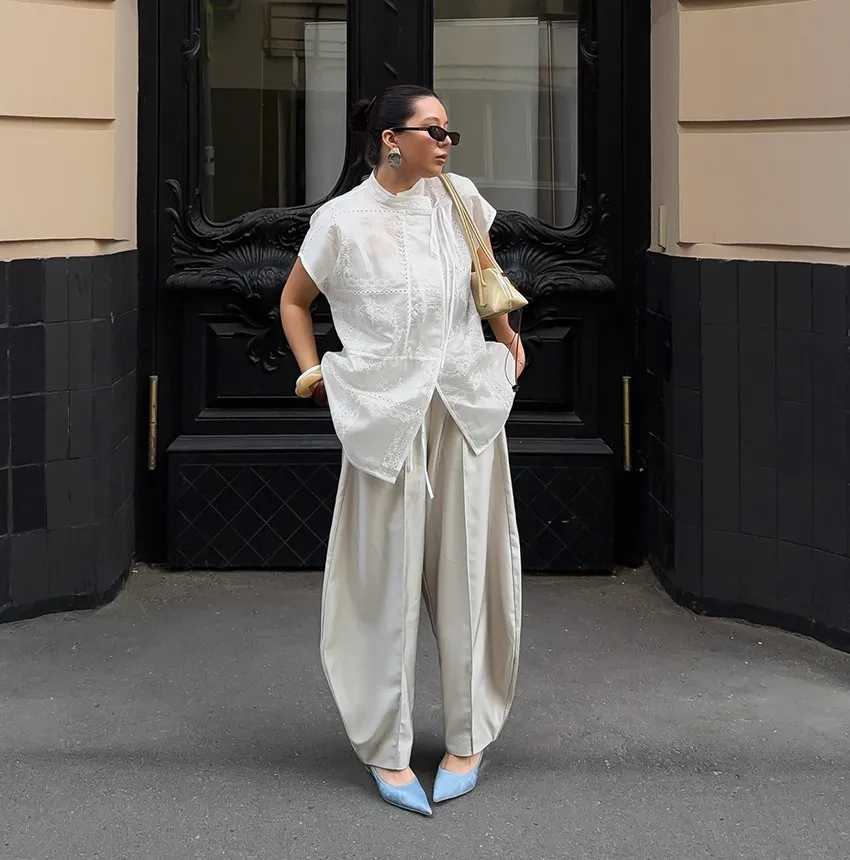
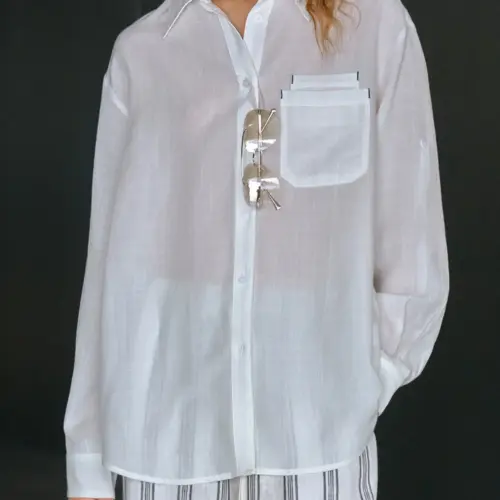
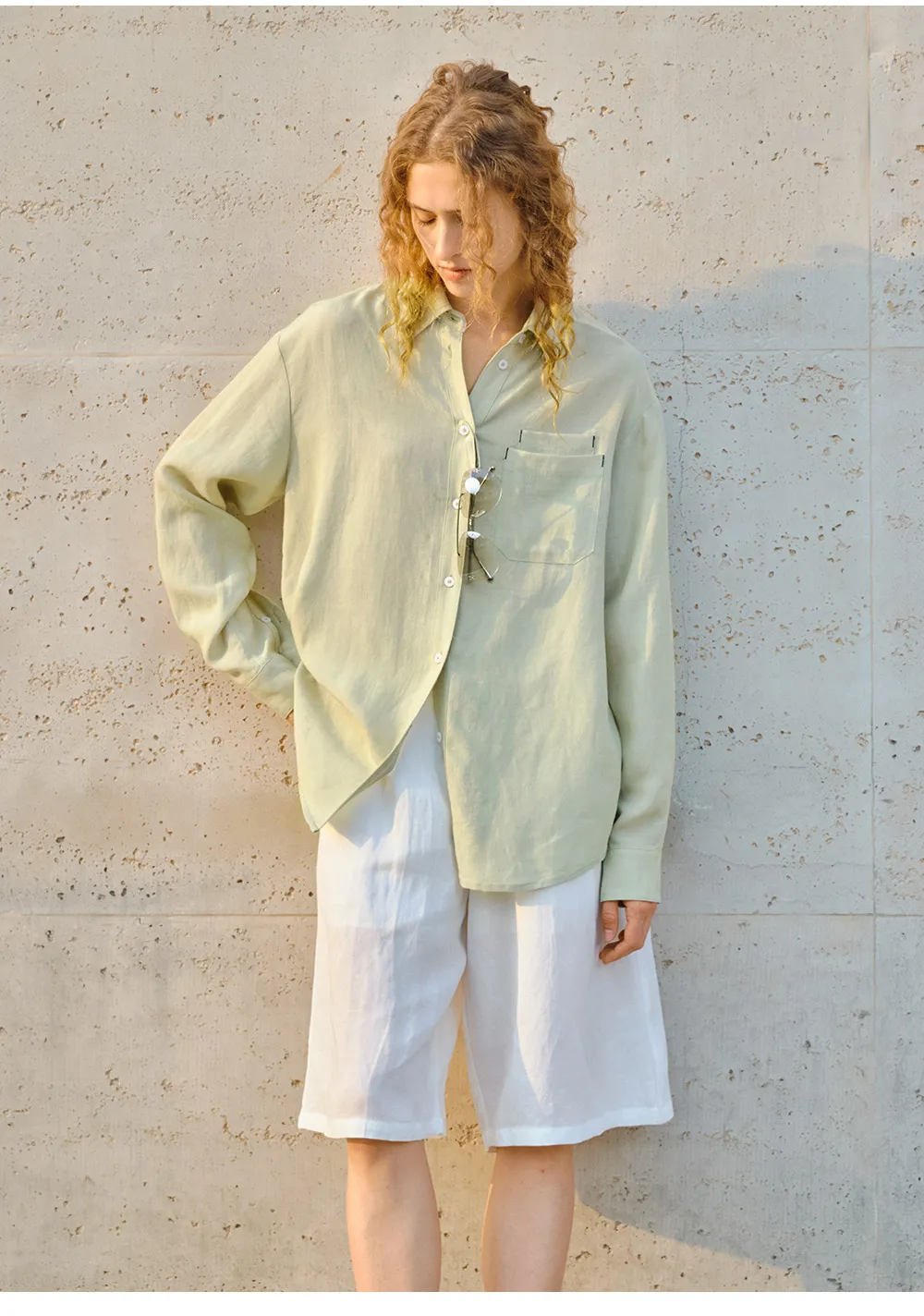
Big fashion houses and home brands now feature jute in runways and product lines. It’s gone from “eco” to “elevated.”
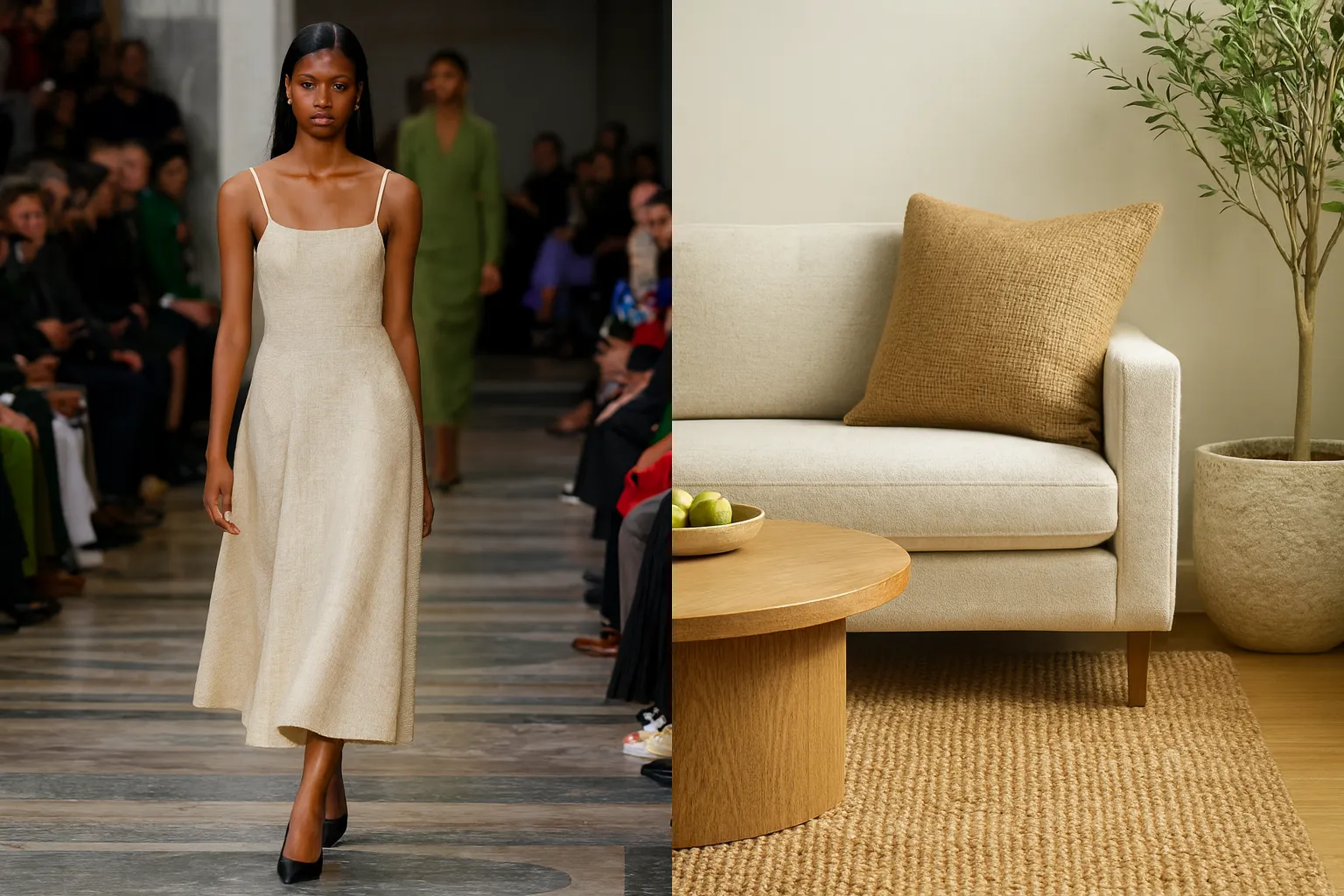
From Runway to Retail
At Milan Fashion Week 2024, jute-silk dresses made headlines. Streetwear brands are launching jute sneakers. Interior designers love its texture for rugs and wall hangings.
Jute isn’t a cheap substitute anymore. It’s a style choice—and a statement.
What About Challenges?
No fiber is perfect. But jute’s downsides are easy to manage.
Jute can feel rough or attract pests when stored badly. But treatments and good storage eliminate these issues.
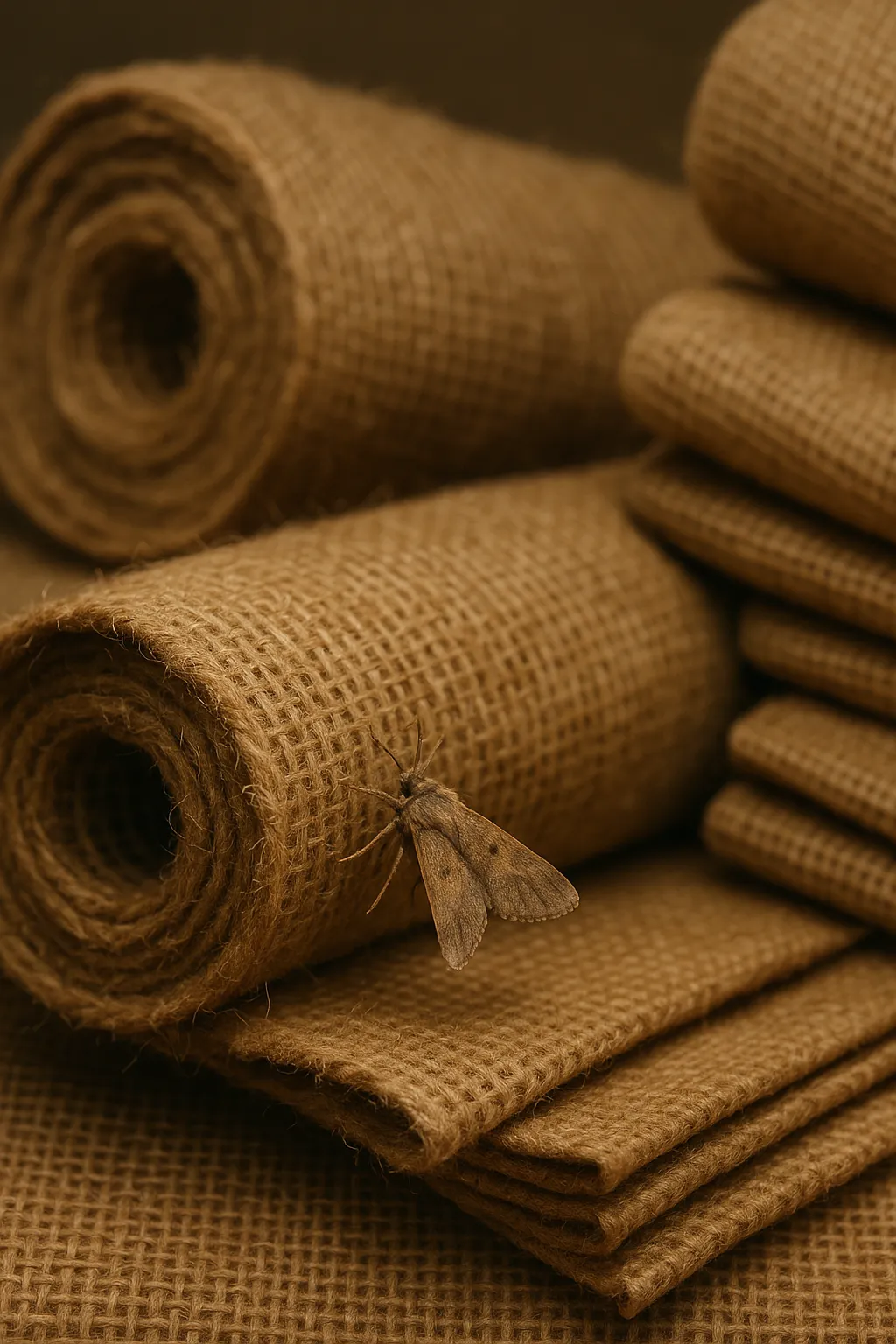
How to Handle It
- Irritation: Use blends or enzyme-washed finishes.
- Storage issues: Keep in dry, sealed containers with desiccants.
- Dyeing challenges: Pre-treat properly to ensure colorfastness.
If handled right, jute can compete with any mainstream textile on both price and performance.
How Should You Care for Jute?
Want your jute products to last longer?
Wash in cold water, dry flat in the shade, and store in breathable containers. Small tears can be repaired instead of replaced.
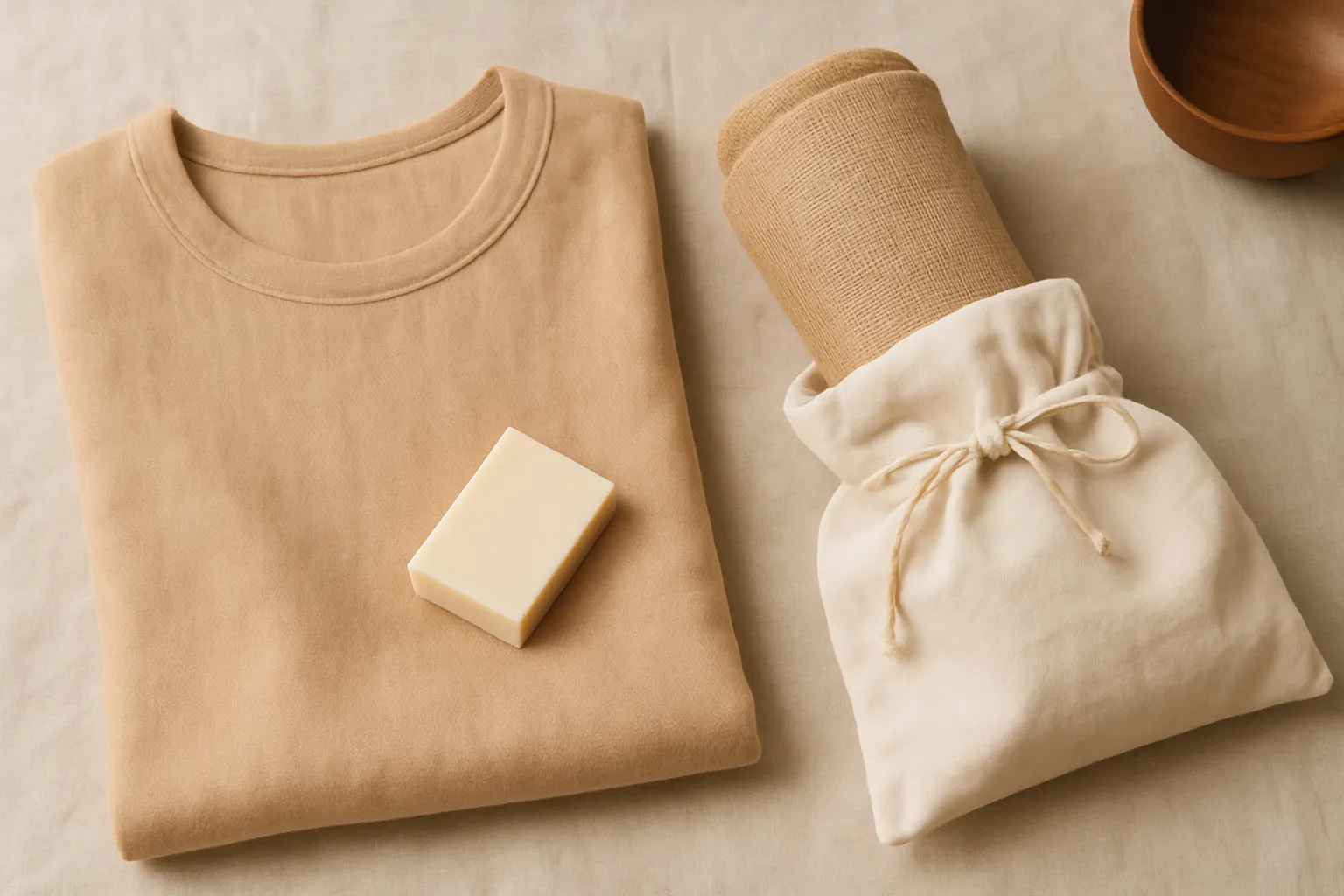
Simple Care, Strong Results
Here’s a quick guide:
- Wash: Cold water, gentle detergent, no bleach.
- Dry: Flat, away from sunlight.
- Store: Use cotton bags or boxes with moisture control.
- Repair: Patch up minor damage instead of tossing.
Can Jute Help You Tell a Better Brand Story?
Consumers want to buy meaning, not just material.
Jute connects your products to tradition, nature, and craft. It’s easy to build a campaign around that.
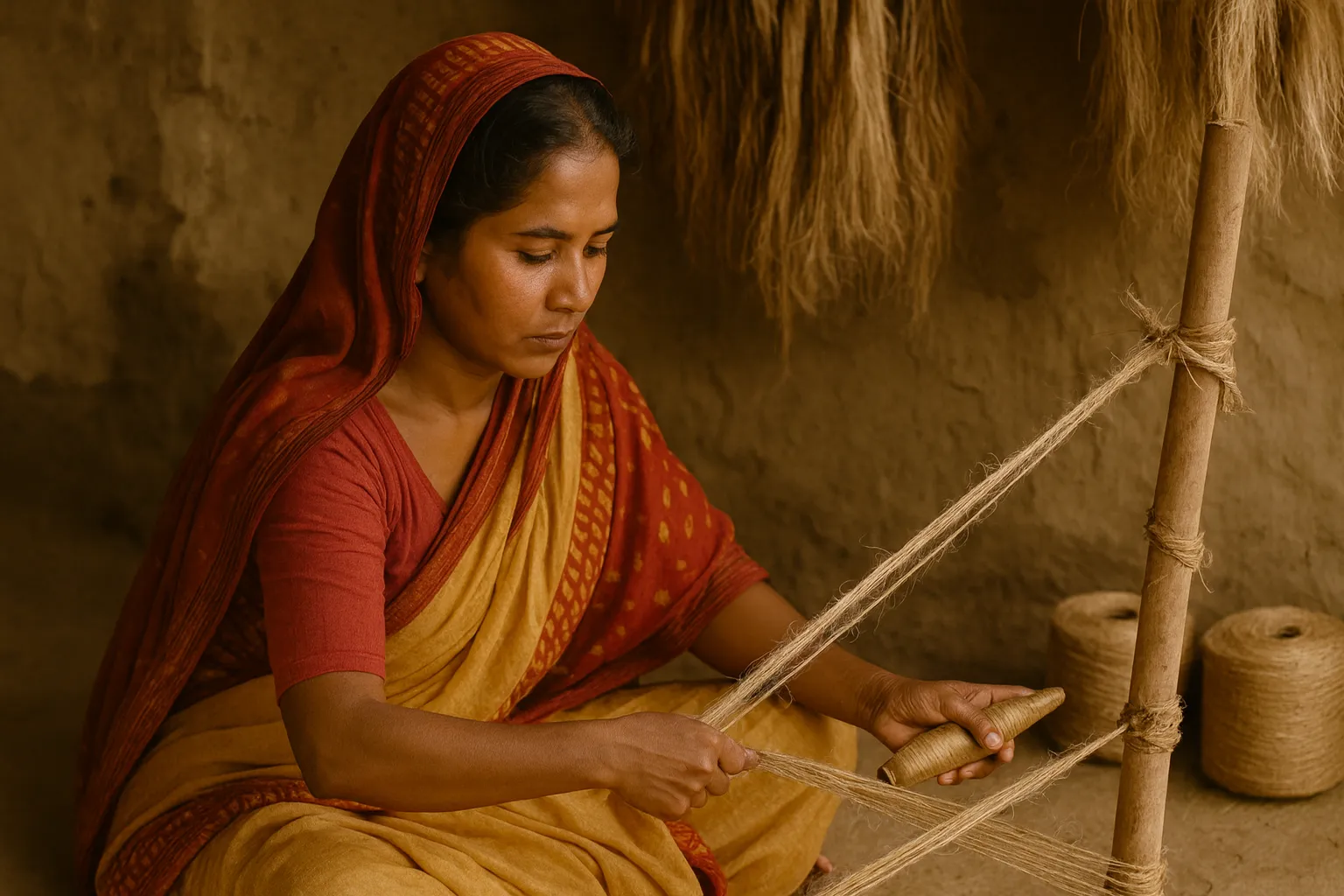
Build Stories That Matter
Imagine this:
- Your label features a QR code showing how your jute bag was made in Bengal.
- You share your carbon savings compared to cotton.
- You show how you helped reduce water waste by switching materials.
That’s how brands today turn sustainability into sales.
Conclusion
Jute is strong, sustainable, and ready for the spotlight. It’s time to make it part of your product story.USA, Russia, Australia, etc.
Views: 249