Pique fabric is a staple in the fashion industry, especially for high-quality polo shirts and sportswear. But what makes it unique? How is it different from other fabrics? And why do brands like Lacoste and Fred Perry prefer it for their iconic designs? In this article, we’ll explore the meaning, types, structure, advantages, and applications of pique fabric.
What Is The Meaning Of Pique Fabric?
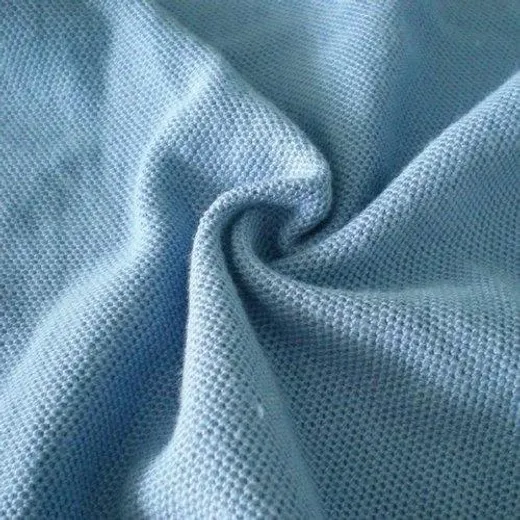
Pique fabric is a textured material characterized by raised parallel cords or patterns. The term “pique” originates from the French word meaning “quilted” or “stitched,” which describes the fabric’s intricate weaving style.
Pique fabric is known for its textured surface, which enhances breathability and durability. It is commonly used in polo shirts, sportswear, and casual apparel.
This unique texture is achieved through a weaving or knitting technique that creates a raised structure, adding depth and functionality to the fabric.
How Is Pique Fabric Made?
Pique fabric is produced using either a woven or knitted technique. Both methods create a characteristic geometric pattern, often in the form of small diamonds or raised parallel lines.
Production Process of Pique Fabric
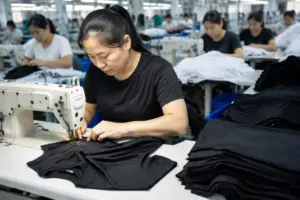
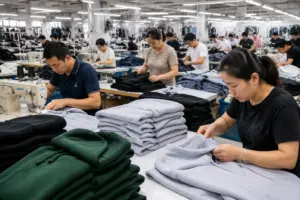
The manufacturing of pique fabric involves specialized weaving or knitting techniques that create its signature textured surface. The process varies depending on whether the fabric is woven or knitted, but both methods focus on producing a durable, breathable textile.
- Fiber Selection
Pique fabric can be made from cotton, polyester, rayon, or blends of these fibers. The choice of material impacts the fabric’s breathability, texture, and durability. - Yarn Preparation
The selected fibers are spun into yarns of different thicknesses, depending on the desired weight and texture of the pique fabric. - Weaving or Knitting
- Woven Pique: Made using a dobby loom or Jacquard weaving technique to create raised geometric patterns, such as honeycomb or waffle textures.
- Knitted Pique: Produced using a double-knit or textured knit process, which gives the fabric more stretch and flexibility, commonly seen in polo shirts.
- Dyeing & Finishing
The fabric is dyed in various colors and may undergo treatments like pre-shrinking, moisture-wicking finishes, or softening to enhance its feel and functionality. - Cutting & Quality Control
The finished fabric is inspected for uniform texture and durability before being cut into garments or used for upholstery. Special attention is given to maintaining the raised pattern during processing.
This careful manufacturing process ensures that pique fabric remains a preferred choice for high-end polo shirts, casual wear, and sports apparel, offering a perfect blend of style, comfort, and durability.
Woven Pique Fabric

- Made using a dobby loom or Jacquard weaving technique.
- Features a raised pattern that resembles quilting.
- Often used in formal and semi-formal wear.
Knitted Pique Fabric

- Made using a double-knit or textured knit process.
- More stretchable and breathable than woven pique.
- Commonly found in polo shirts and sportswear.
What Are The Types Of Pique Fabric?
Pique fabric comes in various types, each with its own distinct texture and application. Below are some common variations:
1. Cotton Pique
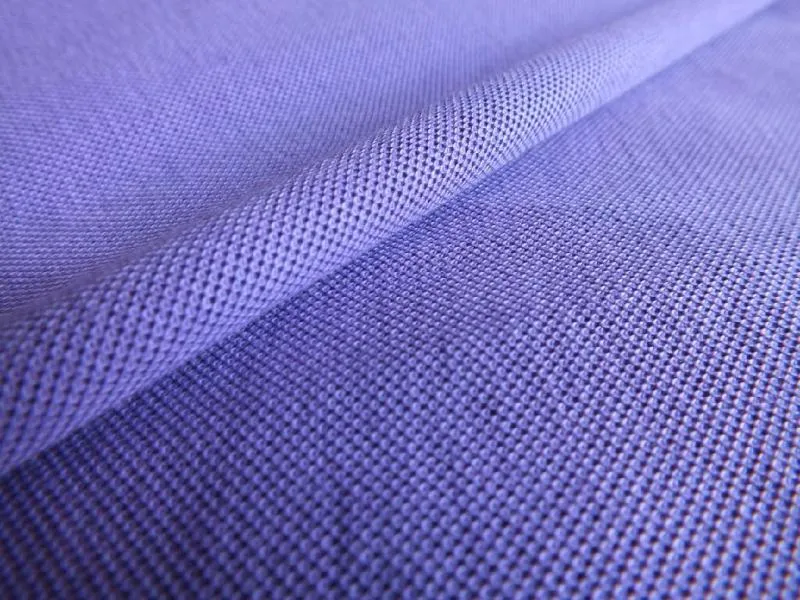
- Made from 100% cotton fibers.
- Soft, breathable, and ideal for casual wear.
- Often used in high-end polo shirts.
2. Micro Pique
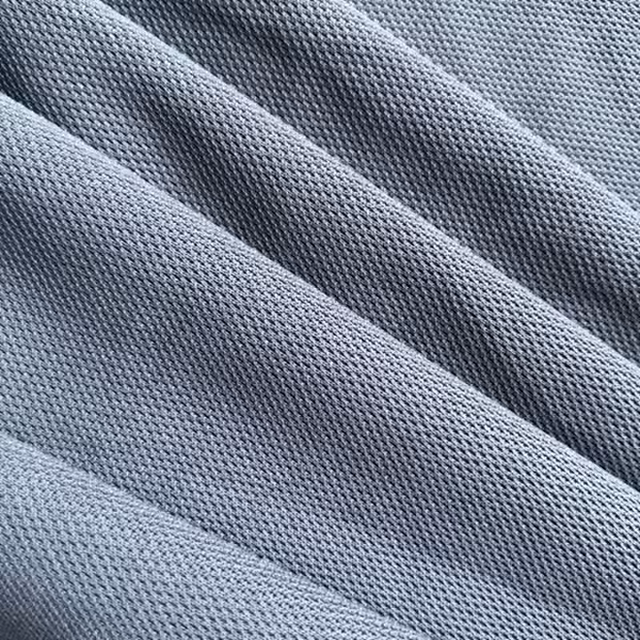
- Made from a blend of cotton and synthetic fibers.
- Finer texture compared to standard pique.
- Commonly used in performance sportswear.
3. Bird’s Eye Pique

- Features a small, repeating diamond or honeycomb pattern.
- Enhances moisture absorption and ventilation.
- Preferred for premium casual and semi-formal wear.
4. Double Pique
- Features a double-layered structure for enhanced durability.
- Provides a slightly heavier feel, making it suitable for structured garments.
- Often used in high-quality polo shirts and jackets.
5. Stretch Pique

- Incorporates elastane or spandex for extra flexibility.
- Commonly found in athletic and activewear.
What Are The Key Characteristics Of Pique Fabric?
Pique fabric is valued for its texture and performance. Below are some of its most notable properties:
1. Breathability
Pique’s raised texture allows for better airflow, making it highly breathable and comfortable in warm weather.
2. Moisture-Wicking Ability
The texture enhances moisture absorption, making it ideal for activewear.
3. Durability
Pique fabric is more resistant to wear and tear compared to plain weaves, making it long-lasting.
4. Versatile Aesthetic
Its textured pattern adds depth, making it look more structured and polished than regular jersey fabric.
What Are The Downsides Of Pique Fabric?
Despite its many advantages, pique fabric does have some drawbacks:
| Downsides | Explanation |
|---|---|
| Wrinkling | Woven pique fabrics can wrinkle easily. |
| Shrinking | Cotton pique may shrink after washing if not pre-shrunk. |
| Heavy Feel | Some thicker pique fabrics can feel bulky compared to jersey knit. |
| Prone to Snags | Raised textures can catch on sharp objects. |
How Does Pique Fabric Compare To Other Fabrics?
Pique Fabric Vs. Jersey Fabric
| Feature | Pique Fabric | Jersey Fabric |
|---|---|---|
| Texture | Raised, structured | Smooth, flat |
| Breathability | High | Moderate |
| Durability | More durable | Less durable |
| Stretchability | Moderate | High |
Pique Fabric Vs. Oxford Fabric
| Feature | Pique Fabric | Oxford Fabric |
|---|---|---|
| Weight | Lighter | Heavier |
| Usage | Polo shirts, sportswear | Dress shirts, casual wear |
| Breathability | Higher | Lower |
How To Care For Pique Fabric?
To maintain the quality of pique fabric, follow these care tips:
- Machine Wash in Cold Water: Use a gentle cycle to prevent shrinkage.
- Avoid Over-Drying: High heat can damage the fibers.
- Iron Inside Out: Prevents fabric texture from flattening.
- Use Mild Detergents: Protects the fibers from harsh chemicals.
What Are The Common Uses Of Pique Fabric In Fashion?
Pique fabric is widely used in fashion due to its unique structure and durability. Here are some of its most popular applications:
1. Polo Shirts

The most iconic use of pique fabric is in polo shirts. Brands like Lacoste and Fred Perry use it for their breathable and structured design.
2. T-Shirts & Casual Wear
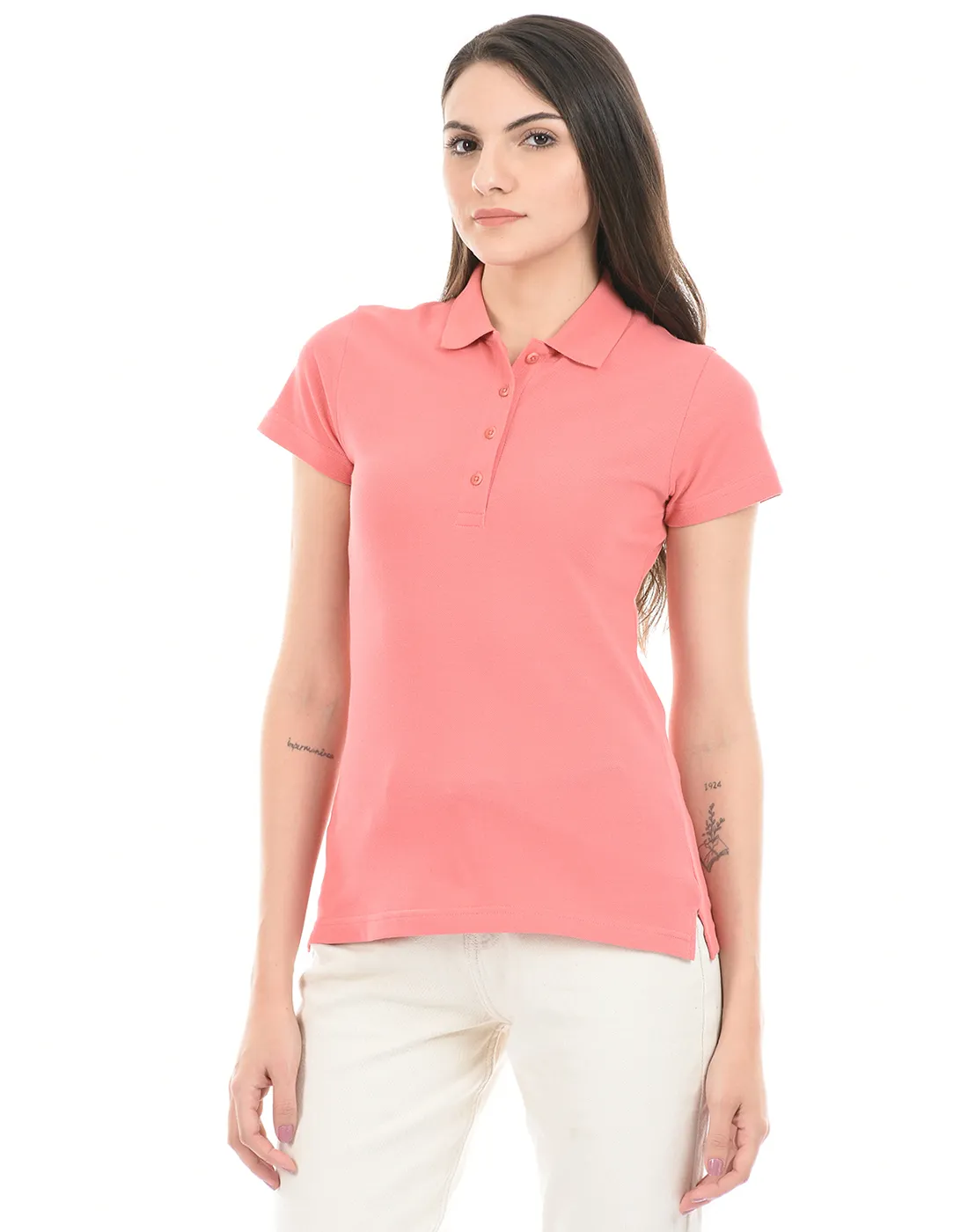
Pique knit is also found in casual t-shirts, offering a refined look compared to regular cotton tees.
3. Dresses & Skirts

Some fashion designers incorporate pique fabric into structured dresses and skirts for added texture and elegance.
4. Sportswear & Athleisure
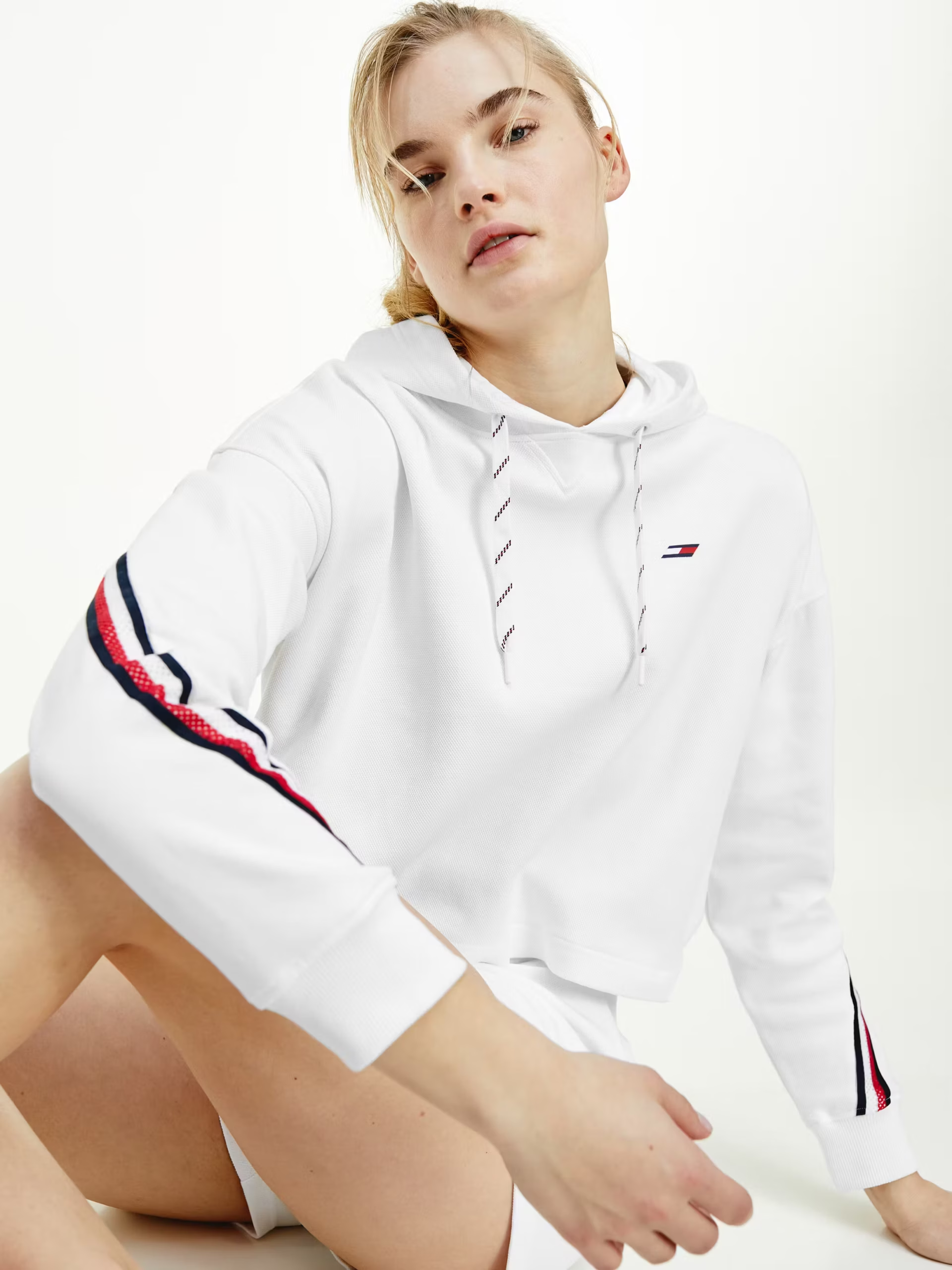
Micro pique and stretch pique fabrics are commonly used in performance apparel due to their moisture-wicking properties.
Conclusion
Pique fabric is a versatile textile that blends style and function. Its raised texture, durability, and breathability make it a preferred choice for polo shirts, casual wear, and sportswear. Whether you’re looking for a refined aesthetic or enhanced performance, pique fabric offers a unique combination of elegance and practicality.
Views: 720