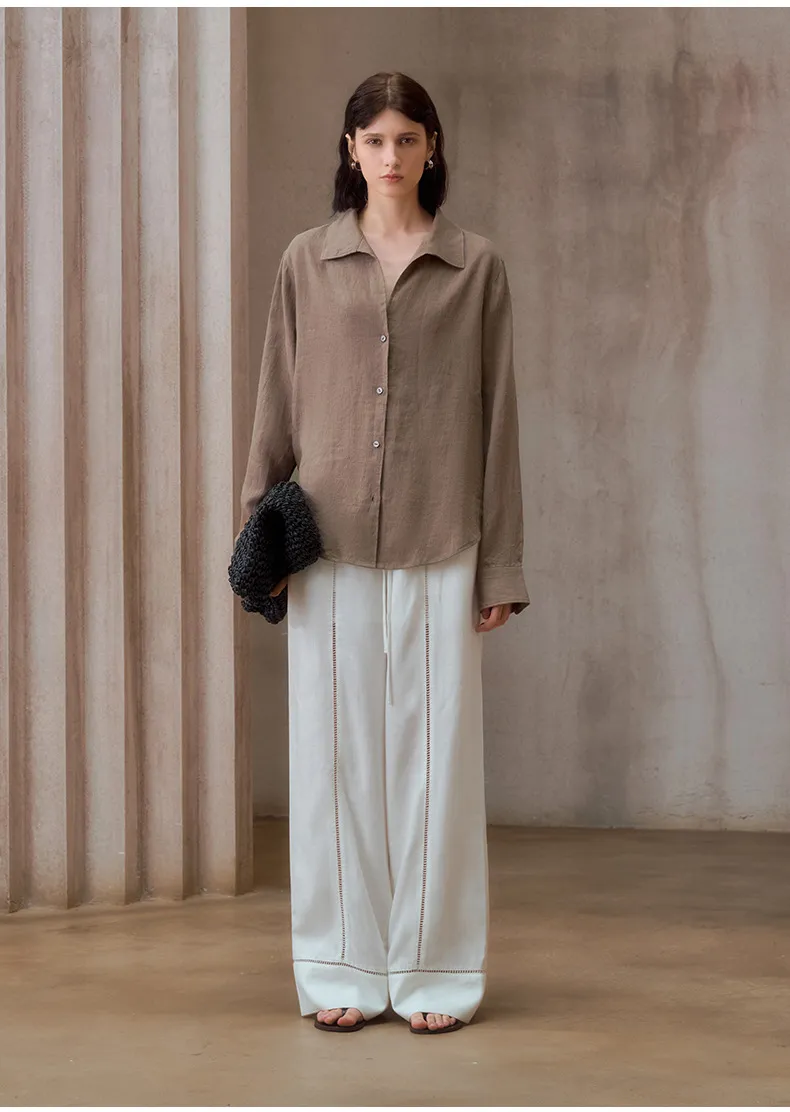
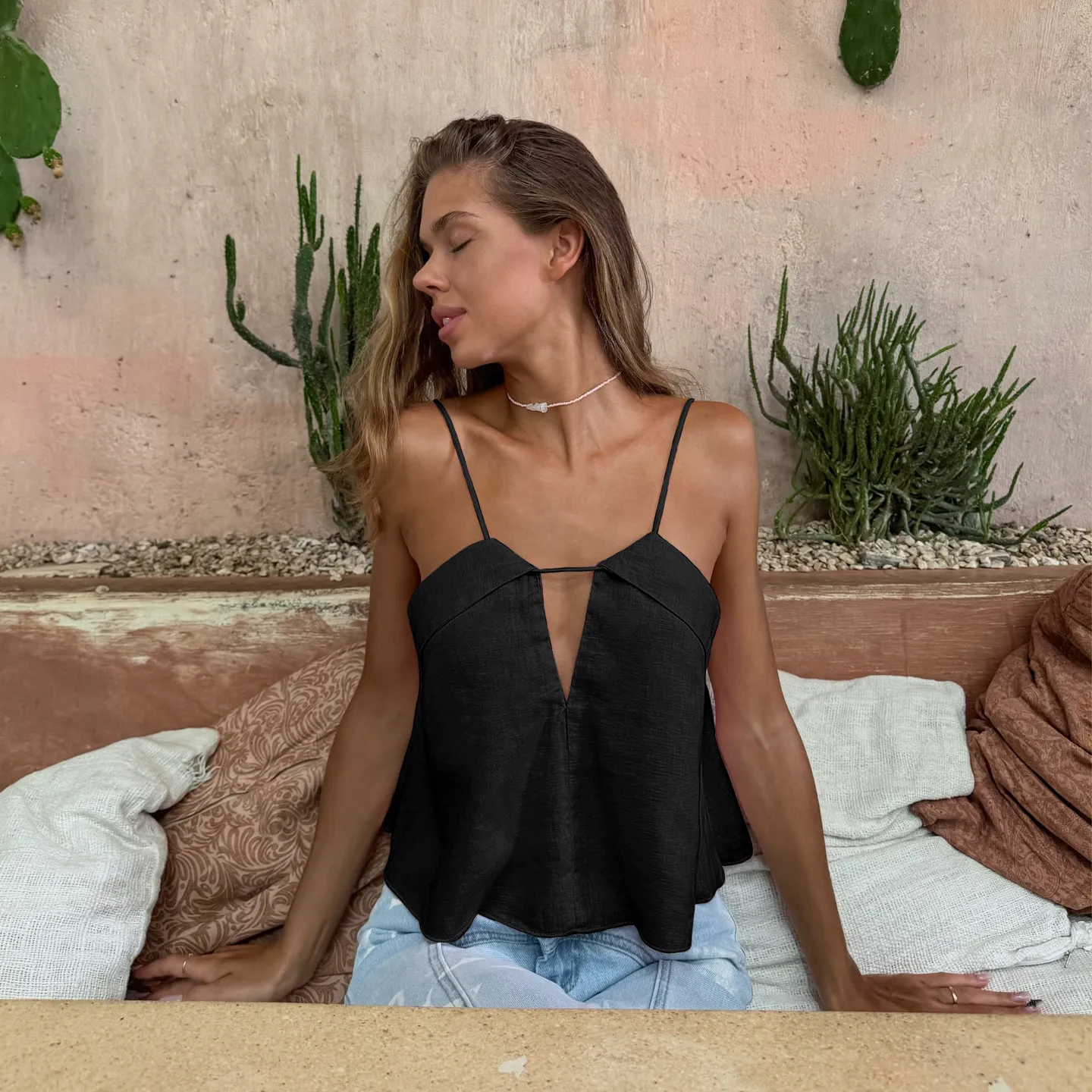
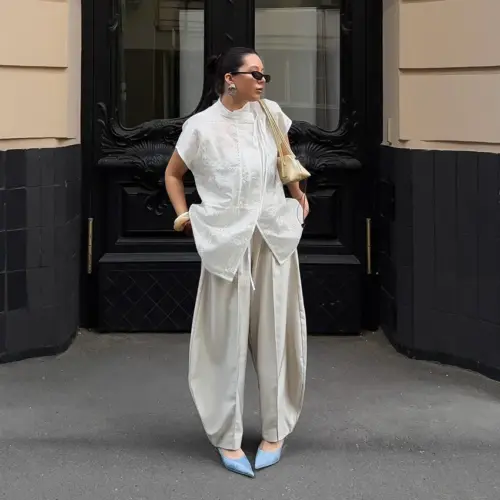
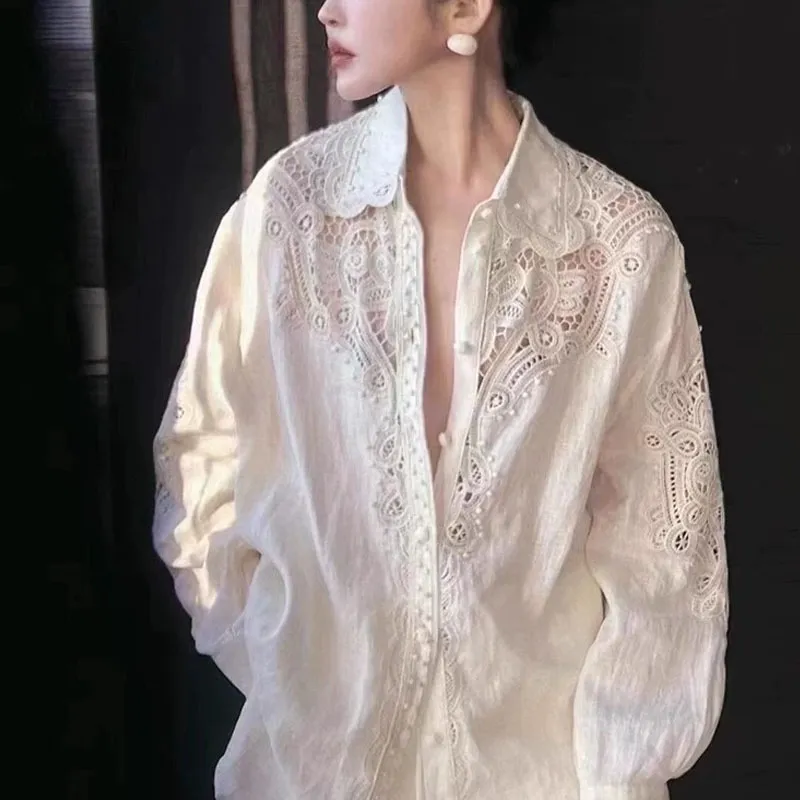
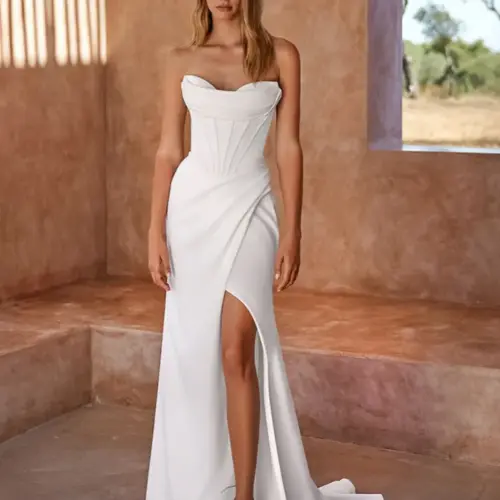
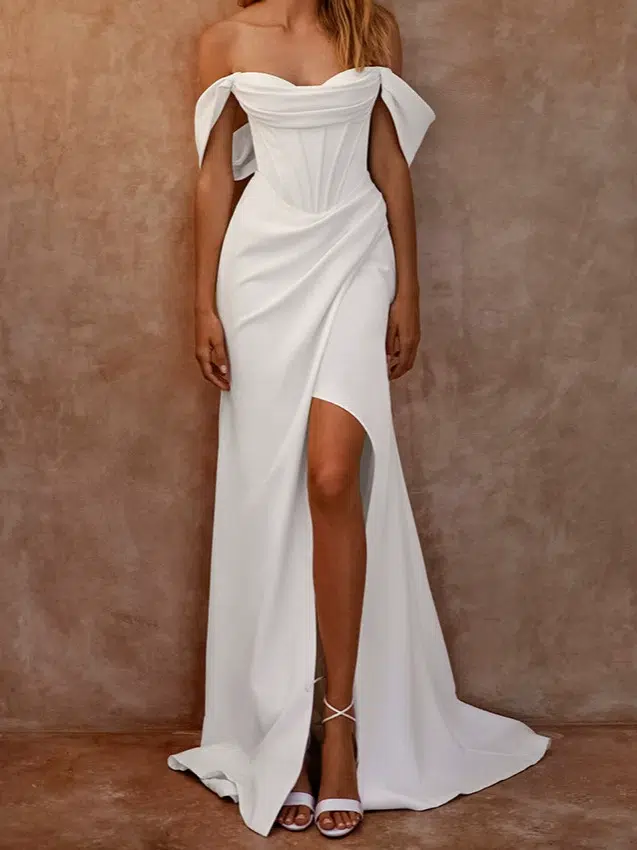
I see the 1980s as bold, bright, and practical. The decade solved problems with confident silhouettes and easy formulas.
The best 80s fashion for women mixes strong shoulders, high-rise denim, sporty layers, and statement accessories. Build looks with blazers, jeans, tees, knitwear, and bold jewelry, then tune color and shine to fit your brand or event.

I learned early that 80s style works best when I keep the base simple. Then I add one or two “loud” pieces. This stops the look from feeling like a costume and keeps it wearable for real life or retail buyers.
What did everyday 80s fashion look like for women?
I remember the way simple pieces carried big energy. Many women needed clothes that worked from school or office to a night event.
Everyday 1980s women’s fashion used high-rise jeans, relaxed tees or sweatshirts, oversized blazers, and sneakers or pumps. Color pops, graphic prints, and denim-on-denim made simple outfits feel iconic without high cost.

To break it down, I map looks into three easy lanes so a team can style fast. First, “sporty street”—think varsity jackets, sweatshirts, leggings, and chunky sneakers. Second, “denim core”—jean jackets, mom jeans, tucked tees, and belts. Third, “soft glam”—slouchy sweaters, satin skirts, and low heels. These lanes keep assortments focused. Below, I list simple formulas buyers can use when pulling units or briefing factories.
Everyday 80s Outfit Formulas
| Style lane | Top | Bottom | Layer | Shoes | Notes |
|---|---|---|---|---|---|
| Sporty street | Logo sweatshirt | Stirrup leggings | Nylon windbreaker | High-top sneakers | Add neon scrunchie or headband |
| Denim core | Boxy tee (tucked) | High-rise straight jeans | Oversized denim jacket | Loafers or white sneakers | Brown belt, big hoops |
| Soft glam | Off-shoulder knit | Bias satin skirt | Longline cardigan | Kitten pumps | Chain belt, slim clutch |
Fabric & Fit Guide (keep it wearable)
| Item | 80s detail | Modern tweak |
|---|---|---|
| Blazer | Padded shoulders | Light padding, longer length |
| Jeans | High waist, rigid | Hint of stretch for comfort |
| Sweatshirt | Brushed fleece | Cropped or boxy to balance volume |
How do I build an authentic 80s outfit for a party?
When I style theme events, people want “instant 80s” without stress. Good news: the decade has clear signals.
For a party-ready 80s outfit, pick one hero: neon, metallic, or animal print. Anchor it with high-rise bottoms, add shoulder structure, and finish with big jewelry, a wide belt, and bold lips.

I plan party looks like a checklist. First, choose the vibe: aerobics neon, rock glam, or preppy new wave. Second, pick the base: bodycon dress, unitard with skirt, or jeans with a sequin top. Third, add structure: cropped leather jacket or padded blazer. Fourth, layer accessories fast: cuffs, hoops, chain belts, fingerless gloves. Fifth, hair and makeup: high pony, teased crown, bright lipstick. This five-step flow works in showrooms and in-store styling sessions.
Party Vibes, Piece by Piece
| Vibe | Hero item | Base | Layer | Accessories | Footwear |
|---|---|---|---|---|---|
| Aerobics neon | Bodysuit or unitard | Stirrup leggings | Zip-front windbreaker | Headband, leg warmers | Retro trainers |
| Rock glam | Studded belt | Acid-wash jeans | Cropped leather jacket | Fingerless gloves, hoops | Ankle boots |
| Preppy new wave | Argyle or stripes | Pleated skirt | Oversized blazer | Brooch, pearls | Penny loafers |
Quick “Authentic vs. Costume” Tips
- Choose one neon or metallic hero, not five.
- Keep one piece tailored (blazer or jeans).
- Use real textures: leather, denim, wool blends. Shiny plastic reads cheap on camera.
Which 1980s workwear and “power dressing” pieces matter now?
I watched buyers in the 80s treat the blazer like armor. The look said: I am here to do business and I know style.
Power dressing still centers on a strong-shouldered blazer, a tucked blouse, and a defined waist. Match with pencil skirts or pleated trousers, then add pumps and a structured bag.

For B2B lines, I build capsules around three blazers: black, navy pinstripe, and neutral taupe. I keep shoulders firm but not extreme. I set a longline length to make high-rise bottoms look balanced. I pair with silk-touch blouses, bow ties for drama, and pleated trousers with front creases. A pencil skirt rounds out the story. Below is a capsule matrix we use when structuring OEM/ODM briefs for corporate clients who want “80s but modern.”
Office Capsule Matrix
| Core | Option A | Option B | Why it works |
|---|---|---|---|
| Blazer | Black longline | Navy pinstripe | Instant authority, easy to pair |
| Trousers | High-rise pleated | Tapered ankle | Lengthens legs, nod to 80s |
| Skirt | Pencil, below knee | Pleated midi | Two silhouettes for all bodies |
| Blouse | P—ussy-bow* | Button-down satin | Soft shine vs. clean lines |
| Belt | Wide leather | Chain belt | Defines waist over volume |
*If needed for modest markets, we shorten the bow width and use matte fabric.
Fit & Construction Notes for Power Pieces
- Shoulder pads: 0.8–1.2 cm, not theatrical.
- Chest canvas: light, to keep drape crisp.
- Lining: breathable for all-season wear.
- Waist shape: subtle inward curve to avoid “boxy” bulk.
What accessories defined women’s 1980s fashion?
I never underestimate accessories. In the 80s, jewelry and hair pieces turned simple outfits into headlines.
Key 80s accessories include hoop earrings, chunky chains, wide belts, scrunchies, leg warmers, statement sunglasses, and brooches. Choose two or three to signal the decade without clutter.
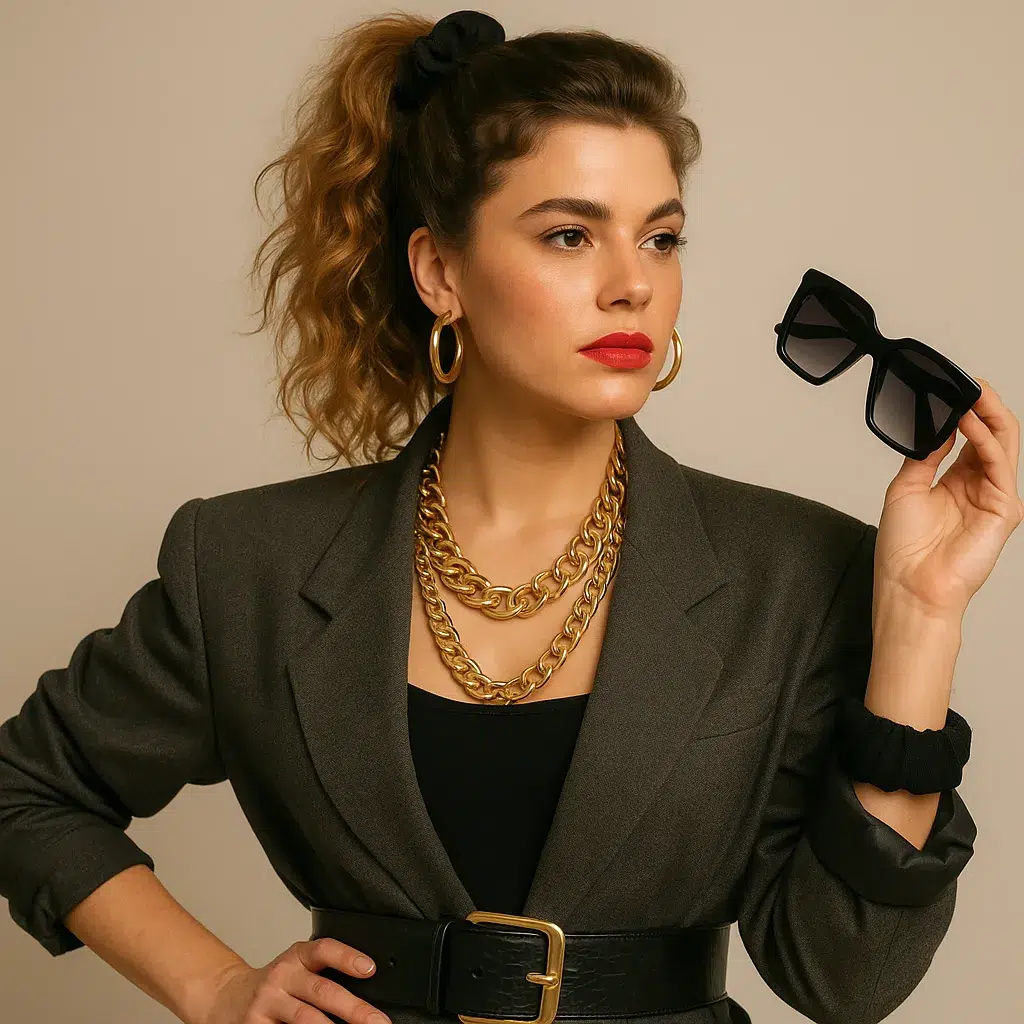
I organize accessory buys into “scale” and “shine.” Scale means size: oversized hoops, wide belts, giant brooches. Shine means finish: gold-tone chains, enamel color blocks, rhinestones. Hair accessories also matter: scrunchies, headbands, barrettes. For shoes, I track two winners: pumps with moderate heels for office, high-top sneakers for street. Belts define the waist over big knits and blazers. Sunglasses follow angular, geometric frames. This structure helps teams order right quantities and price points.
Accessory Cue Card
| Category | 80s signal | Modern note | Easy pairings |
|---|---|---|---|
| Earrings | Large hoops | Lightweight alloys | Blazer + tee |
| Neck | Chunky chains | Layer 2–3 lengths | Off-shoulder knit |
| Belts | Wide leather/chain | Waist over blazer | Pencil skirt, jeans |
| Hair | Scrunchies/headbands | Solid neon or satin | Ponytail, teased crown |
| Legs | Leg warmers | Tone-on-tone with tights | Sweatshirt dress |
Color & Print Shortlist
| Neon | Metallic | Pattern | Neutral anchor |
|---|---|---|---|
| Hot pink, lime | Gold, silver | Animal print, geometric | Black, navy, stone |
How do I adapt 80s looks for today’s customers and price points?
I work in wholesale, so I need trend signals and cost control. The 80s give me both.
Use a clean base and one statement piece. Keep fabrics practical, fits forgiving, and accessories scalable. This balances trend appeal, margin, and delivery speed for multi-market orders.

My rule is “one hero, two basics.” For example, a neon sweatshirt (hero) with rigid jeans and a black blazer (basics). Or a sequin top (hero) with tapered trousers and loafers (basics). For fabric, I choose stable knits and dependable denims to reduce risk. I prefer modular trims so I can switch hardware or labels fast for different markets. For QC, I check shoulder alignment, waistband stability, and seam strength on high-stress points. Below is a mini playbook we use with global buyers.
80s-to-Now Merch Playbook
| Goal | Do this | Why |
|---|---|---|
| Keep it wearable | One statement per look | Prevents “costume” feel |
| Protect margin | Choose core fabrics | Lower waste, faster lead times |
| Fit many bodies | High-rise, tapered, stretchy options | Easier sell-through |
| Scale fast | Modular trims, shared patterns | Quicker ODM turns |
| Pass QC | Focus on shoulders, waistbands, seams | Fewer returns |
Quick Checklist for Teams
- Confirm shoulder pad spec on every blazer line.
- Test colorfastness on neons and dark denims.
- Lock belt hole spacing for consistent fit.
- Standardize button size across styles to cut sourcing time.
Conclusion
The right 80s elements—shoulders, high-rise denim, bold accessories—still win today. Keep one hero item, balance with basics, and dial shine for each market.
Why I write this
My Name: Lancy Chia
Email: [email protected]
Website: https://truekung.com
Brand Name: Truekung
Country: China
Products: Fashion clothes
Business Model: B2B, wholesale only
Factory Size: 200+ workers; OEM/ODM services; 20 years of export experience
Main Products: Women’s fashion, jackets, skirts, dresses, jeans, T-shirts, sweatshirts, down jackets, windbreakers, coats, fashion bags, sportswear, children’s clothing, underwear
Main Export Countries: Netherlands, Denmark, Belgium, Norway, UK, USA, Germany, Australia, Thailand, Turkey, Italy, Russia, Saudi Arabia, etc.
Views: 5927