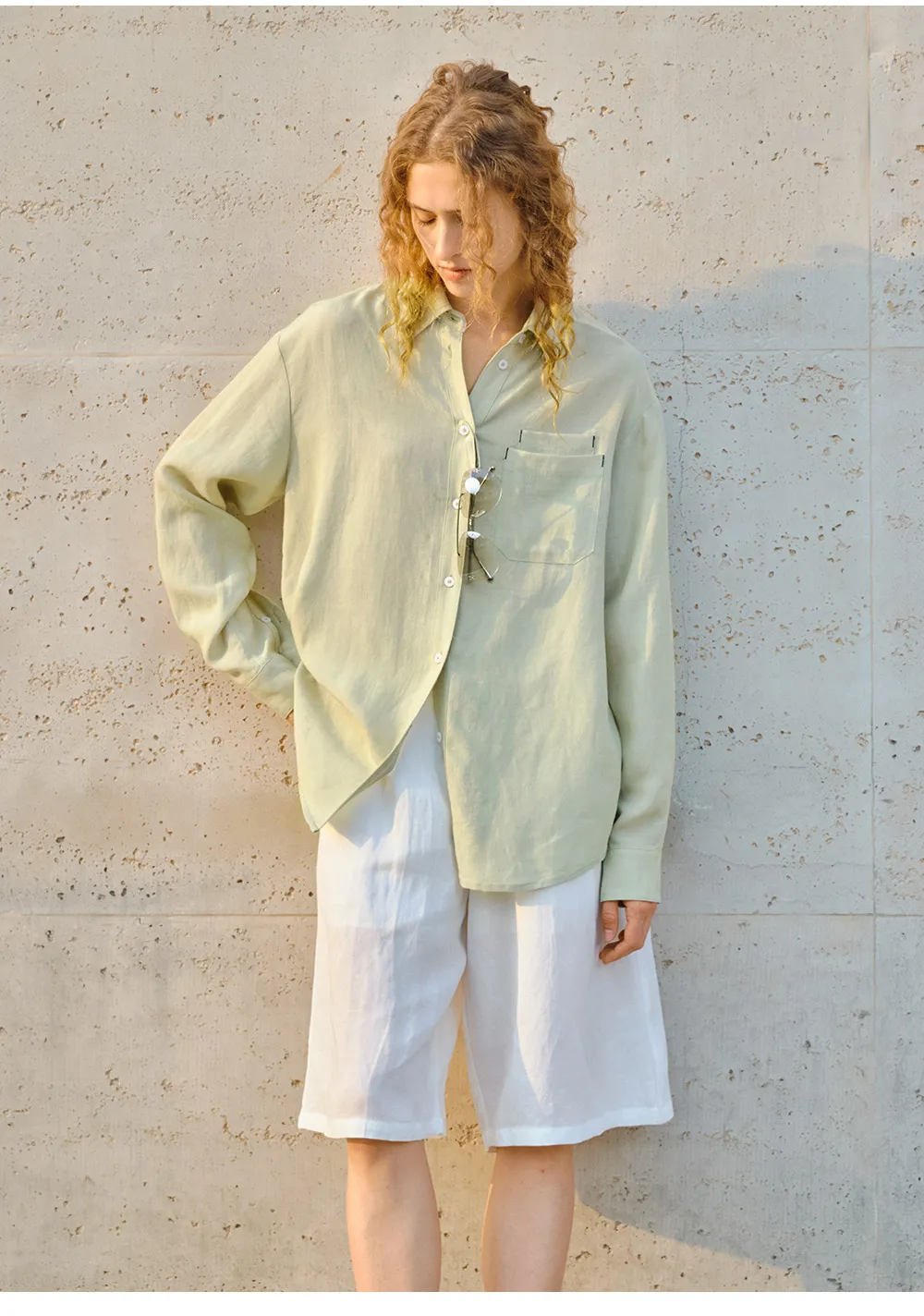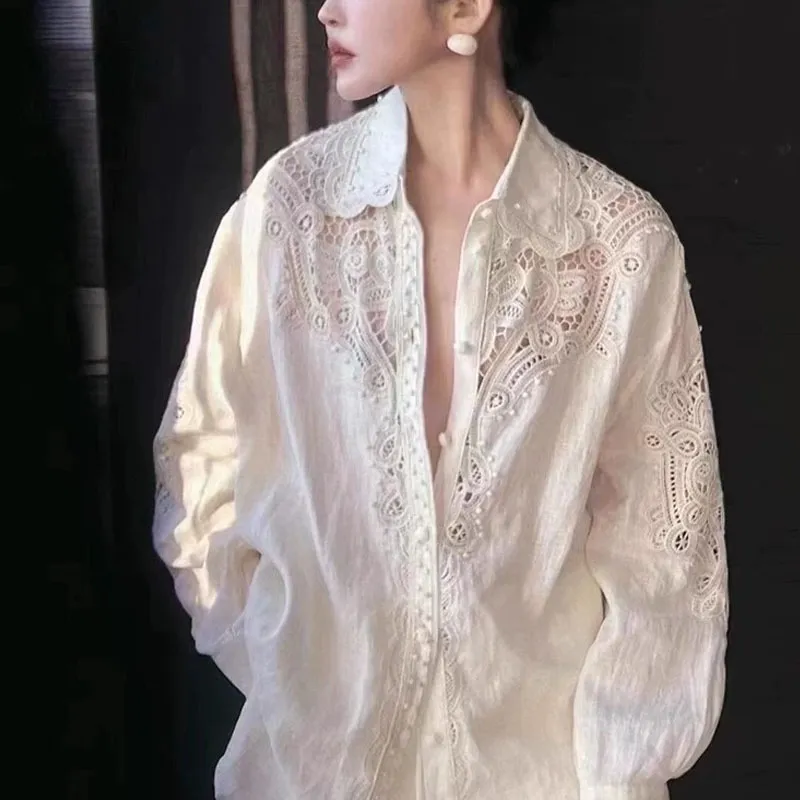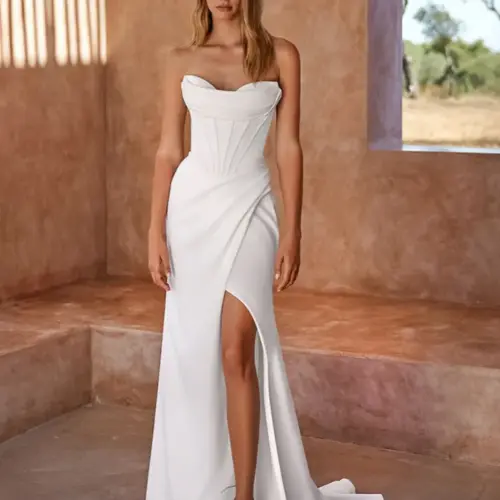

Задержки с доставкой, неправильные размеры и неожиданные дополнительные сборы могут превратить “дешевую” покупку в невыгодное приобретение.” Китай Заказ обернулся убытком. Я видел, как покупатели пропускали целые сезоны из-за того, что был пропущен один этап.
Импорт одежды из Китая осуществляется путем заключения прозрачного технического соглашения и контракта, а также проверки всех необходимых документов. фабрика’Реальные возможности компании включают в себя подтверждение соответствия нормативным документам, а затем управление образцами, производством, проверкой и т.д. перевозки При наличии подходящих условий Инкотермс, экспедитора и таможенного брокера, я подхожу к этому процессу как к контрольному списку, а не как к гаданию.
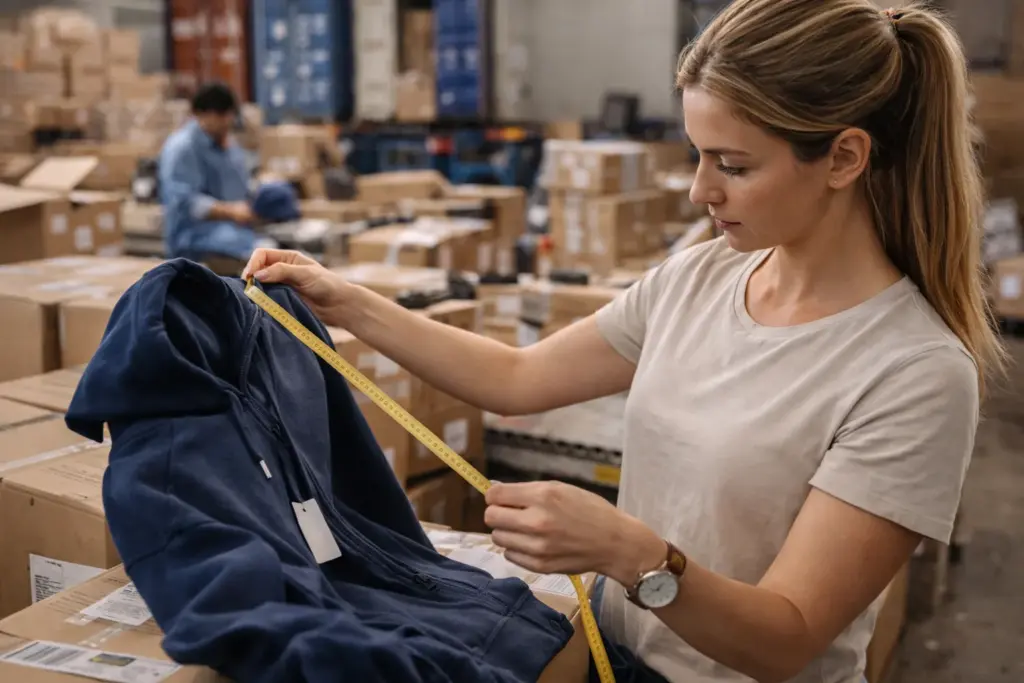
Я до сих пор помню свой первый “простой” заказ на импорт. Мне казалось, что хорошей фотографии и низкой цены достаточно. Я понял, что настоящая работа начинается после составления сметы, а не до неё. Теперь я обрабатываю каждый заказ по одному и тому же алгоритму, шаг за шагом, и слежу за мелкими деталями, от которых зависит прибыль или убытки. Если вы продолжите читать, я покажу вам точные контрольные точки, которые я использую, и те, которые я никогда не пропускаю.
Как выбрать подходящую китайскую одежду? Поставщик?
Фабрика может идеально выглядеть на сайте, но при этом не выполнить ваш заказ. Продавец может казаться оперативным, но при этом скрывать проблемы. Я видел, как покупатели теряли недели из-за того, что поверили первому заманчивому предложению.
Хороший поставщик соответствует вашему продукту, срокам и уровню качества, а доказательством этого должны служить документы, образцы и скорость ответа, а не обещания.
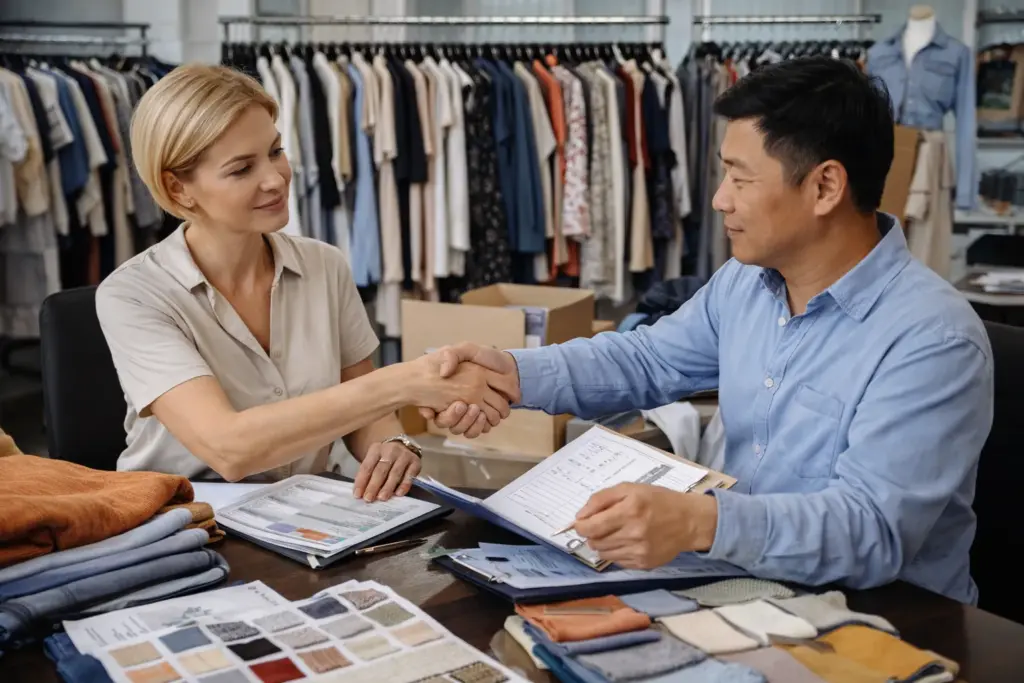
Я начинаю с соответствия продукта рынку, а не с истории компании.
Я начинаю с того, что записываю, что буду продавать. Я указываю ткань, плотность, тип строчки, способ печати, способ стирки и размерный ряд. Я также указываю целевую цену и целевую дату доставки. Этот список упрощает отбор поставщиков. Поставщик либо уже выполнял подобную работу раньше, либо нет. Я прошу реальные фотографии моделей из прошлых коллекций и короткое видео с производства. Я также спрашиваю, какое оборудование они используют и какова их суточная производительность. Я не принимаю расплывчатые ответы.
Я проверяю коммуникацию как часть процесса обеспечения качества.
Я отношусь к коммуникации как к важному аспекту качества. Я отправляю один четкий запрос с тремя вопросами. Я слежу за тем, отвечает ли ответ на все три вопроса. Я слежу за тем, использует ли поставщик мои условия или заменяет их новыми. Я также слежу за тем, как он реагирует на ошибки. Мне нужен поставщик, который скажет: “Я был неправ, вот как это исправить”, а не тот, кто сваливает вину на доставку или праздники.
Я разделяю поставщиков по типам, чтобы управлять рисками.
Я работаю с разными типами поставщиков для достижения разных целей. Я использую простое сравнение, подобное этому:
| Вариант | Лучше всего подходит для | Основной риск | Мой контрольный ход |
|---|---|---|---|
| Прямые поставки с завода. | OEM/ODM, стабильные повторные заказы | Более медленный процесс составления коммерческих предложений, меньшие навыки маркетинга. | Я использую понятный технический пакет и примерный план. |
| Торговая компания | Разнообразные товары, небольшие минимальные объемы заказа. | Меньше контроля над производством | Я запрашиваю реальное название завода и путь аудита. |
| Агент по закупкам | Редкие материалы, быстрый подбор. | Дополнительные расходы, смешанные стимулы | Я устанавливаю фиксированную плату и сохраняю все контактные данные поставщиков. |
Я проверяю работоспособность, предоставляя доказательства, которые могу подтвердить.
Я запрашиваю основные сведения о бизнес-лицензии и адрес завода. Я также запрашиваю любые заявленные ими сертификаты и проверяю, соответствуют ли они названию завода. Я не рассматриваю PDF-файл как истину в последней инстанции. Я рассматриваю его как подсказку. По возможности я привлекаю стороннюю инспекционную компанию для проведения аудита завода или первичной инспекции. Этот шаг стоит денег, но он экономит сезоны.
Я заранее фиксирую цены и условия оплаты.
Я спрашиваю, что входит в цену. Спрашиваю, включает ли она упаковку, этикетки, бирки и маркировку коробок. Также спрашиваю, что произойдет, если цена ткани изменится. Я устанавливаю условия оплаты, соответствующие риску. Для первого заказа я часто использую предоплату, а остаток оплачиваю после проверки, а не после отгрузки. Я также четко оговариваю правила оплаты образцов. Мне не нужны “бесплатные образцы”, которые сопровождаются скрытыми условиями.
Какие документы и этапы доставки помогут обеспечить своевременную доставку моего импортного груза?
Даже идеально выполненный товар может прибыть с опозданием из-за плохо продуманного плана доставки. Я видел, как покупатели винят в этом фабрики, но настоящая проблема заключалась в нечетких условиях Инкотермс и медленном оформлении документов.
Для своевременного импорта необходим график, начинающийся с отбора проб, включающий предварительное бронирование места и заканчивающийся этапами таможенного оформления в соответствии с правилами вашей страны.

Я составляю простой график, который заставляет принимать решения на ранних этапах.
Я всегда составляю график работ до внесения предоплаты. Я устанавливаю даты утверждения PPS, утверждения партии ткани, начала производства, проверки на производственной линии, окончательной инспекции и даты отгрузки с завода. Я также устанавливаю дату бронирования для авиа- или морского транспорта. Я делаю это потому, что перевозчиков не интересует график работы моего завода. Их интересует наличие места и крайние сроки.
Однажды я помогала закупщице, которая продавала зимнюю одежду. Ей нужно было, чтобы куртки поступили до начала сезона распродаж. У неё был хороший дизайн, но она затянула с подтверждением размера коробки. В результате изменилась стоимость доставки, заказ был отложен, и груз не попал в самые прибыльные недели продаж. Теперь я заранее определяю размеры коробок, потому что объём продаж влияет на стоимость и количество заказов.
Я выбираю Инкотермс, руководствуясь принципом контроля, а не привычкой.
Многие начинающие импортеры выбирают FOB, потому что слышали, что это “стандартный” вариант. Я же выбираю условия, исходя из того, кто что контролирует. Эта таблица упрощает задачу:
| Срок | Поставщик обрабатывает | Я занимаюсь | Когда я им пользуюсь |
|---|---|---|---|
| EXW | Товары готовы на заводе | От момента получения до окончательной доставки | Я использую его, когда у меня налажена развитая логистика в Китае. |
| FOB | Доставка в порт и экспортные документы | Морские перевозки и многое другое | Я использую его, когда мне нужен контроль за грузоперевозками. |
| CIF | Морской груз в мой порт | Местные сборы и таможенное оформление | Я использую его, когда мне нужно упростить расчет стоимости, но при этом проверяю и цены. |
| DDP | Комплексная доставка | Очень мало в повседневной жизни | Я использую его для небольших тестовых заказов и проверяю риски соответствия требованиям. |
Я рассматриваю данные о товарах как таможенные данные.
Таможня не оформляет “платье”. Таможня оформляет товар по коду ТН ВЭД, составу ткани и стоимости. Я подтверждаю состав волокна и правила маркировки страны происхождения для моего рынка. Я также уточняю, нужны ли в моей стране специальные этикетки, такие как этикетки с инструкциями по уходу, языковые правила или предупреждения о безопасности для детской одежды. Я заранее уточняю у своего таможенного брокера, потому что перемаркировка после прибытия обходится дороже и задерживает выпуск товара.
Я веду список необходимых документов для каждой отправки.
Я использую простой контрольный список и не приступаю к отправке без него:
| Документ | Зачем мне это нужно | Кто обычно его выпускает? |
|---|---|---|
| Счет-фактура | Заявленная стоимость и условия | Поставщик |
| Список упаковки | Количество коробок, вес, размеры | Поставщик |
| Коносамент / Авианакладная | Доказательство перевозки | Перевозчик или экспедитор |
| Сертификаты или протоколы испытаний (при необходимости) | Поддержка в вопросах соответствия требованиям | Лаборатория или эмитент |
| Страховка (при необходимости) | Страхование от убытков и повреждений | Страховщик или экспедитор |
Я также подтверждаю маркировку коробок и отгрузочную маркировку, чтобы склад мог быстро принять товар. Кроме того, я уточняю, требуется ли паллетирование, фумигация или особые правила упаковки.
Как защитить качество и избежать поддельных сертификатов?
Образец может выглядеть отлично, но при этом оказаться недействительным в массовом производстве. Сертификат может выглядеть подлинным, но при этом быть бесполезным. Я видел и то, и другое, и теперь предполагаю, что риск существует до тех пор, пока доказательства его не устранят.
Я обеспечиваю качество, контролируя материалы, защищая образцы для утверждения, проводя проверки на установленных контрольных точках и подтверждая заявления с помощью независимых испытаний и отслеживаемых документов.
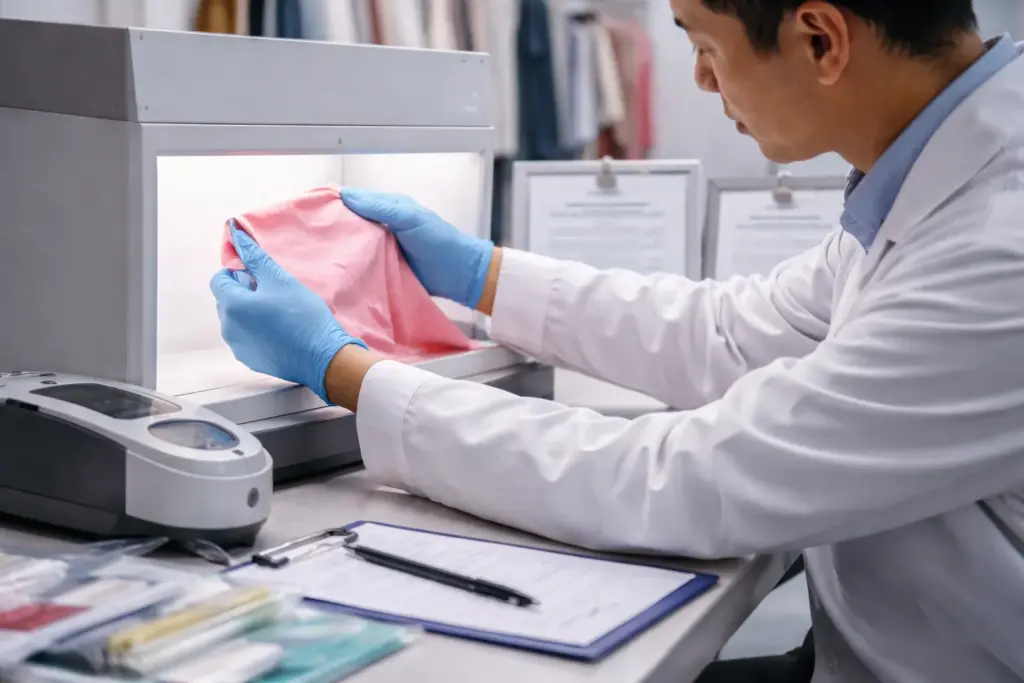
Я фиксирую “золотой образец” и делаю его измеримым.
Я утверждаю предсерийный образец (ППО), соответствующий плану массового производства. Я храню его как “эталонный образец”. Я также прилагаю спецификацию размеров и лист с допусками. Я не полагаюсь на “аналогичность”, я полагаюсь на цифры. Я также определяю правила усадки ткани и правила проведения теста на стирку. Если изделие трикотажное, я добавляю примечания по растяжению и восстановлению формы. Если изделие из денима, я добавляю примечания по цвету при стирке.
Я планирую проверки на протяжении всего процесса, а не в самом конце.
Окончательная проверка может показать мне только то, что уже не так. Я использую контрольные точки, которые выявляют проблемы на ранней стадии:
| Пункт проверки | Время | Что я ловлю | Мои действия |
|---|---|---|---|
| Утверждение ткани и отделки | Перед нарезкой | Неподходящий оттенок, слабая молния. | Я прекращаю массовую закупку и заменяю материалы. |
| Встроенный контроль | производство 20–50% | Швы, смещение размеров, дефекты печати | Я исправляю строку до того, как она полностью разрушится. |
| Заключительная выборочная проверка | После упаковки | Серьезные дефекты, ошибки в упаковке | Я задерживаю отправку до устранения неисправности. |
| Лабораторный анализ (при необходимости) | Перед отправкой | Стойкость цвета, азокрасители, безопасность | Я перепроверяю или меняю материал |
Я часто использую уровни выборочного контроля AQL для окончательной проверки и четко определяю дефекты. Я также определяю, что считается серьезным дефектом для моего рынка. Небольшое пятно может быть серьезным дефектом для белой блузки.
Я проверяю сертификаты, сопоставляя их с реальными производственными данными.
Я не принимаю сертификат сам по себе. Я спрашиваю, кто его выдал, на какую область он распространяется и каковы сроки его действия. Я также спрашиваю, соответствует ли сертификат названию, адресу и местоположению завода. Если поставщик предлагает “любой необходимый вам сертификат”, я воспринимаю это как тревожный сигнал. Реальное соответствие требованиям требует времени и средств. Я также использую услуги сторонних лабораторий, когда этого требует рынок. Отчет лаборатории, в котором указаны тип моего продукта, материал и метод тестирования, дает мне более надежную гарантию, чем случайный скриншот сертификата.
Я разрабатываю процедуру рассмотрения претензий до того, как возникнут проблемы.
Я включаю в договор правила рассмотрения претензий. Я устанавливаю сроки сообщения о дефектах, правила предоставления фото- и видеодоказательств, а также варианты возврата средств или переделки. Я также определяю порядок возмещения затрат на переделку и транспортные расходы. Когда обе стороны знают правила, споры разрешаются быстрее и становятся менее масштабными.
Заключение
Я импортирую одежду из Китая, рассматривая поиск поставщиков, доставку и контроль качества как единую систему. Я использую контрольные списки, списки и ранний контроль, чтобы мои заказы доставлялись вовремя и продавались.
Почему я это пишу
Меня зовут Ланси Чиа, я из компании Truekung. Я занимаюсь оптовой продажей одежды для бизнеса (B2B) с поддержкой OEM/ODM в Китае. На моей фабрике работает более 200 человек, и у нас 20-летний опыт экспорта на различные рынки. Если вы хотите обсудить ваш следующий заказ, напишите мне по адресу [email protected], а дополнительную информацию вы найдете на сайте https://truekung.com.
Просмотров: 113