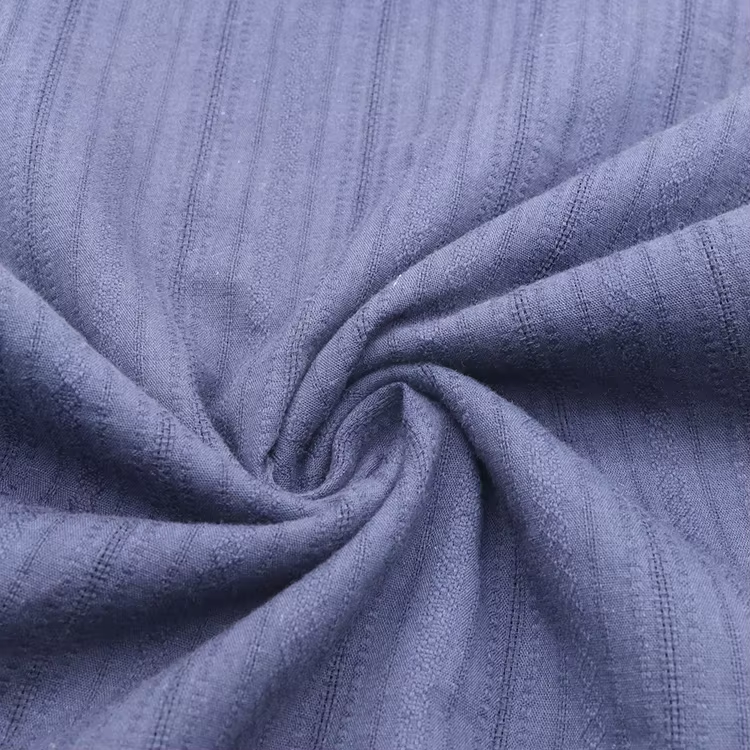
<p><strong>Dyed cotton fabric is cotton material coloured after the fibre, yarn or fabric stage.</strong> For apparel buyers, “100% cotton” and a colour reference are not enough to approve bulk production. Fabric construction, yarn count, weight, dye method, shrinkage, colourfastness and finishing determine whether the final garment feels premium and performs consistently.</p>
<h2>What is dyed cotton fabric?</h2><p>Dyed cotton fabric is made by applying colour to cotton fibre, yarn, fabric or a completed garment. The stage of dyeing changes the appearance, minimum order quantity, lead time, price and shade-control risk.</p>
<table><thead><tr><th>Метод окрашивания</th><th>How it works</th><th>Typical advantages</th><th>Main risks</th></tr></thead><tbody><tr><td>Fibre dyeing</td><td>Loose fibres are dyed before spinning</td><td>Rich colour blending and heather effects</td><td>Longer planning and larger commitments</td></tr><tr><td>Yarn dyeing</td><td>Yarn is dyed before weaving or knitting</td><td>Checks, stripes, chambray and colour patterns</td><td>Colour inventory and higher setup cost</td></tr><tr><td>Piece dyeing</td><td>Greige fabric is dyed after construction</td><td>Efficient solid colours and broad availability</td><td>Lot-to-lot shade variation</td></tr><tr><td>Garment dyeing</td><td>Finished garments are dyed</td><td>Washed appearance and flexible colour testing</td><td>Measurement change, uneven seams and trim compatibility</td></tr></tbody></table>
<h2>Common woven cotton constructions</h2><ul><li><strong>Poplin:</strong> smooth, light and crisp; commonly used for shirts, dresses and linings.</li><li><strong>Twill:</strong> diagonal structure with good durability and drape; used for trousers, jackets and uniforms.</li><li><strong>Canvas:</strong> heavier plain weave for structured garments, bags and workwear.</li><li><strong>Voile and lawn:</strong> lightweight constructions for summer blouses, dresses and layered products.</li><li><strong>Oxford:</strong> basket-like construction that gives shirts more texture and body.</li></ul>
<p>The fibre content does not identify the construction. Two fabrics can both be 100% cotton while behaving very differently during cutting, sewing and washing.</p>
<h2>How to choose cotton fabric GSM</h2><p>GSM means grams per square metre. It is a useful comparison point, but it does not independently predict opacity, durability or warmth because yarn size, density, weave and finishing also matter.</p>
<table><thead><tr><th>Приблизительный вес</th><th>Typical applications</th><th>Buyer checks</th></tr></thead><tbody><tr><td>60–100gsm</td><td>Voile, linings, very light blouses</td><td>Opacity, seam slippage and tearing</td></tr><tr><td>100–150gsm</td><td>Shirts, dresses, skirts and light uniforms</td><td>Drape, shrinkage and colourfastness</td></tr><tr><td>150–220gsm</td><td>Trousers, overshirts and structured dresses</td><td>Bulk, abrasion and needle selection</td></tr><tr><td>220gsm+</td><td>Canvas products, workwear and jackets</td><td>Stiffness, seam thickness and wash change</td></tr></tbody></table>
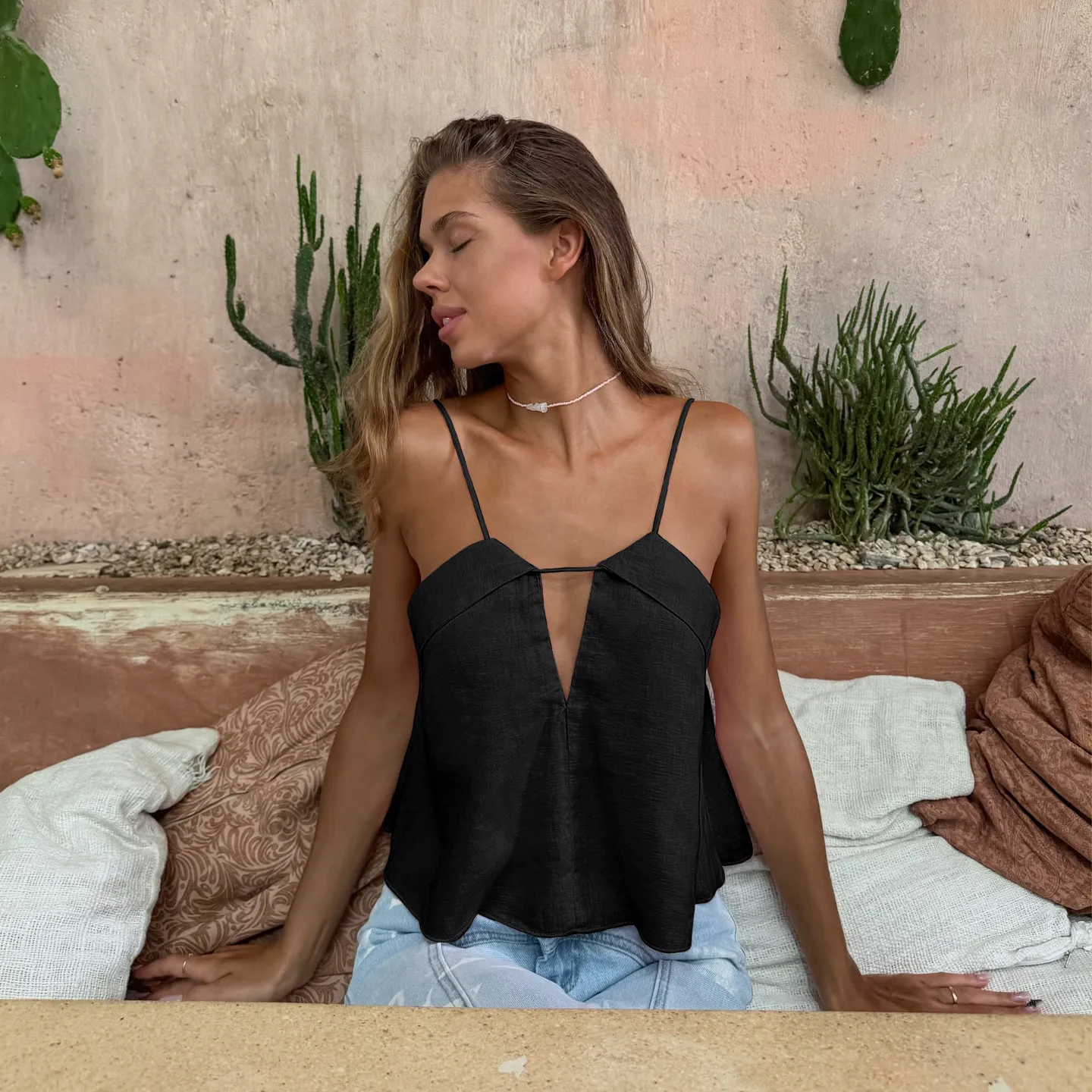
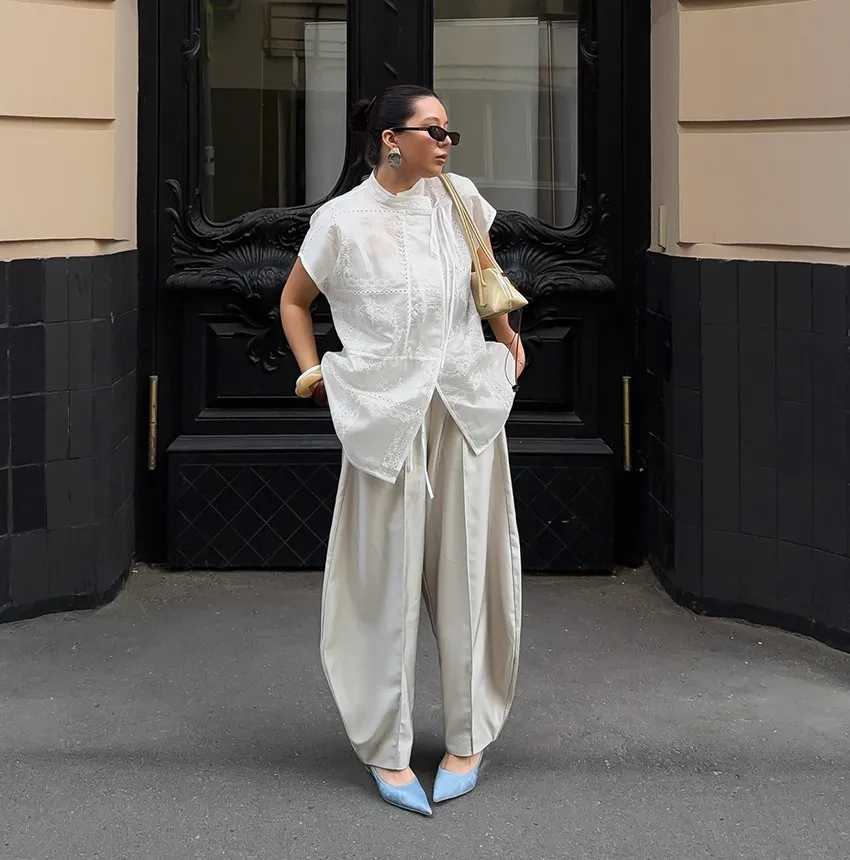
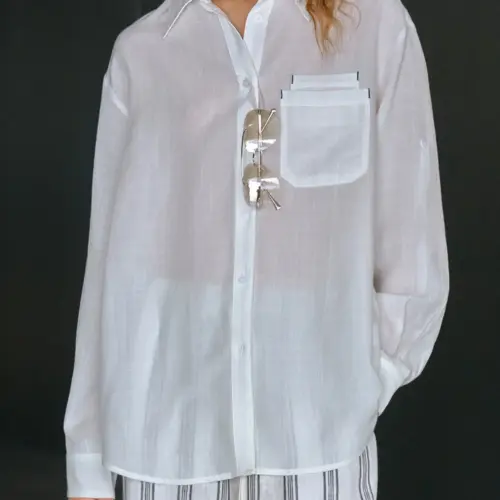
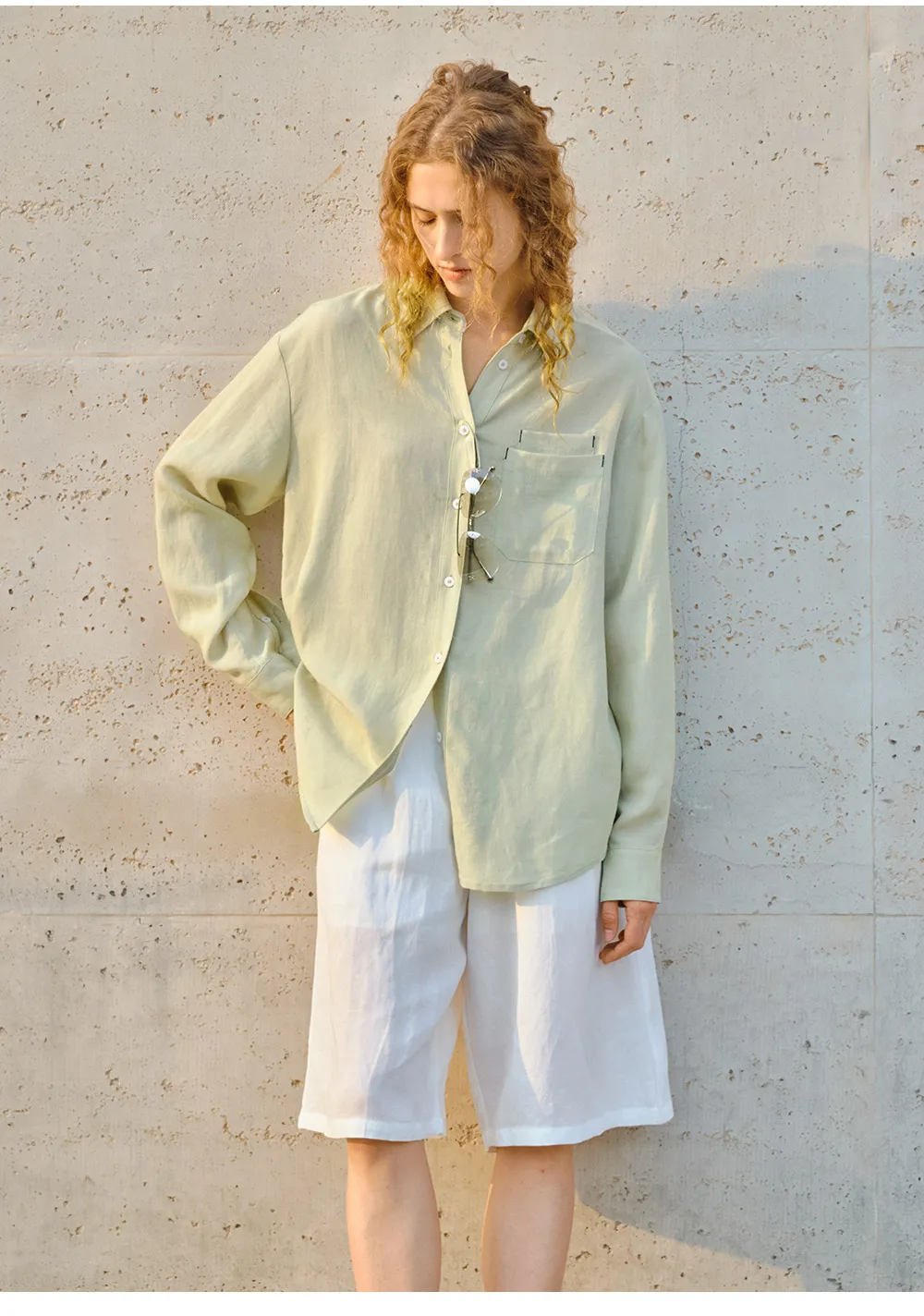
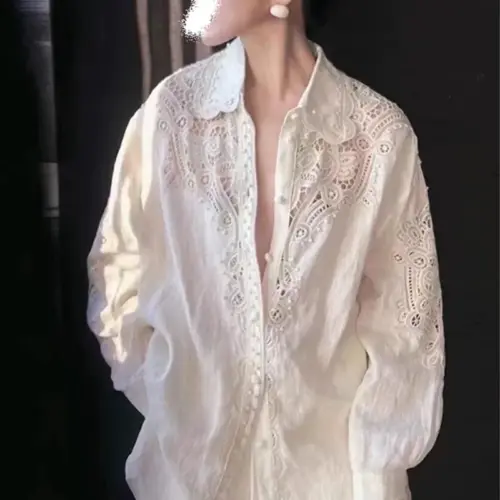
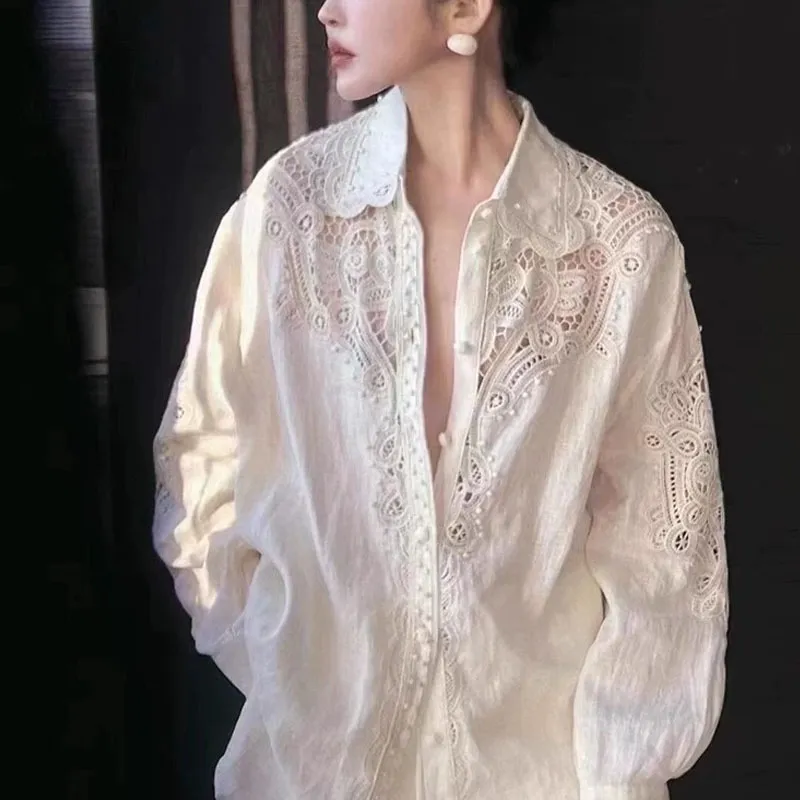
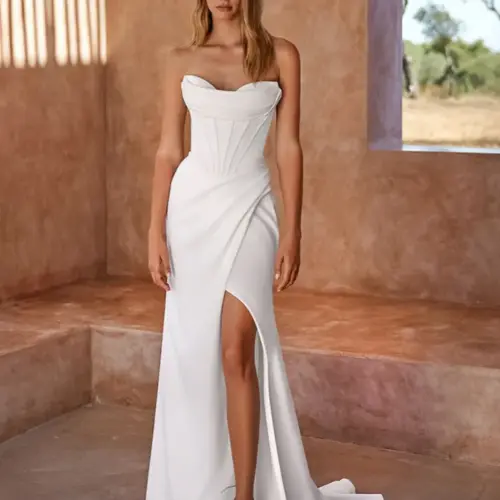
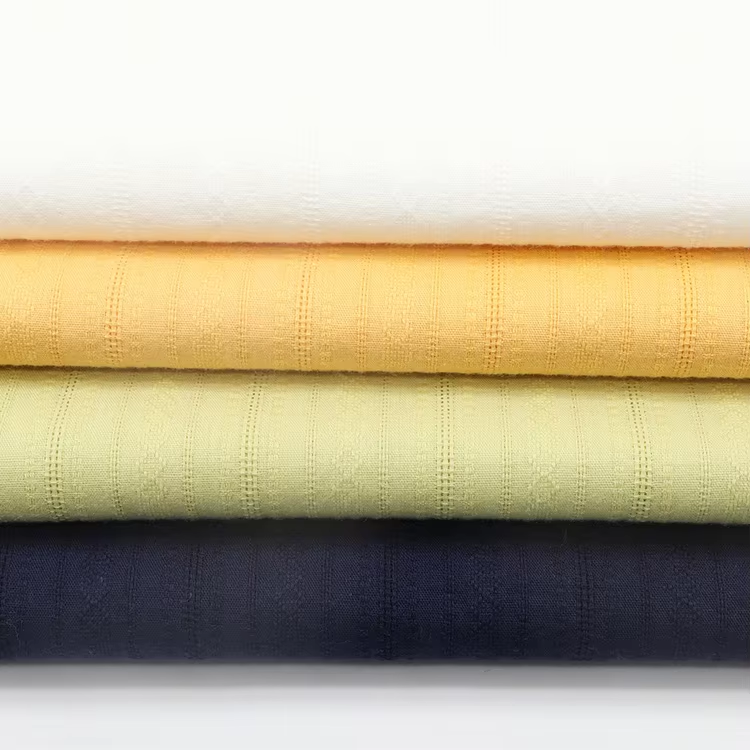
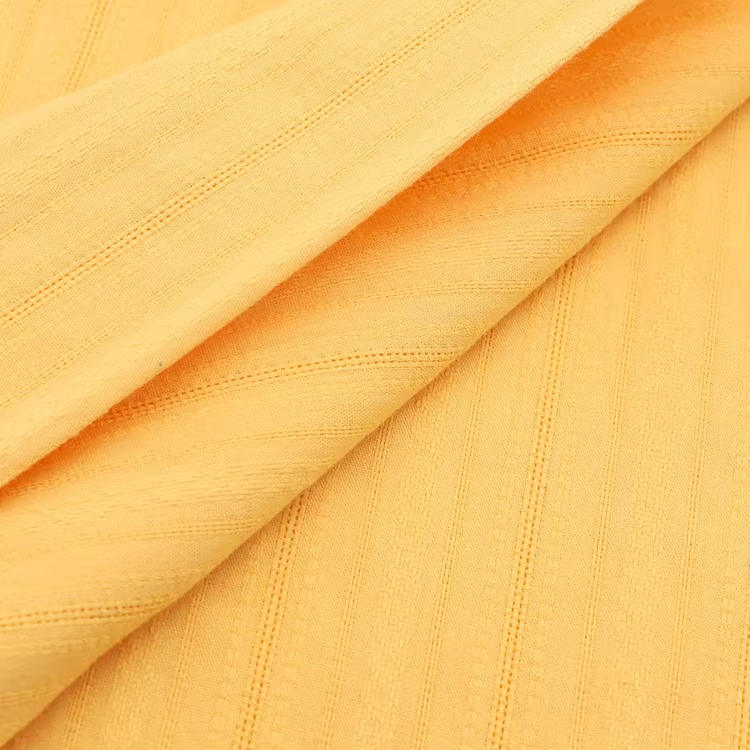
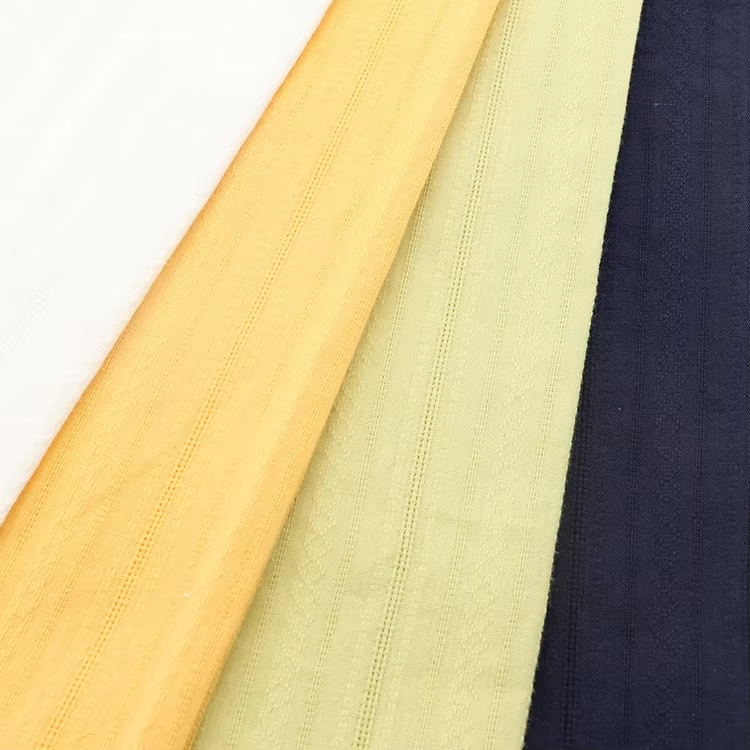
<h3>Example: 110gsm woven dyed cotton</h3><p>The original product on this page was a 100% cotton, piece-dyed woven fabric around 110gsm and 143cm wide. That specification can suit lightweight dresses, skirts and shirts when opacity and seam strength meet the design requirements. For a coat or jacket, 110gsm would normally need support, layering or a deliberately lightweight construction.</p>
<h2>Shrinkage: the number buyers must specify</h2><p>Cotton absorbs moisture and can change dimensions after washing and drying. Do not accept “pre-shrunk” as a complete specification. State the test method, wash cycle, drying method, number of cycles and maximum allowed change in warp and weft directions.</p>
<ul><li>Test the actual production colour because dyeing and finishing can alter shrinkage.</li><li>Measure before and after conditioning under controlled conditions.</li><li>Allow the pattern team to adjust garment measurements only after stable test results exist.</li><li>Repeat testing when the mill, construction, colour process or finish changes.</li></ul>
<h2>Colourfastness and shade control</h2><p>A visually correct lab dip does not guarantee production performance. Choose tests according to garment use and destination market.</p>
<ul><li>Colourfastness to washing</li><li>Dry and wet rubbing</li><li>Perspiration</li><li>Water and sea water where relevant</li><li>Light exposure for outerwear or display-sensitive colours</li><li>Colour migration when contrasting panels or trims are used</li></ul>
<p>Approve colour under a specified light source and keep the approved standard. Bulk rolls should be grouped by dye lot, and cutting plans should avoid mixing visible panels from different shade groups.</p>
<h2>Fabric performance tests for bulk orders</h2><table><thead><tr><th>Тест</th><th>Почему это важно</th></tr></thead><tbody><tr><td>Fabric weight and usable width</td><td>Confirms yield and costing assumptions</td></tr><tr><td>Стабильность размеров</td><td>Controls garment size after laundering</td></tr><tr><td>Colourfastness</td><td>Reduces fading, staining and customer complaints</td></tr><tr><td>Tensile or tear strength</td><td>Checks suitability for the intended garment</td></tr><tr><td>Seam slippage</td><td>Important for lightweight or open woven structures</td></tr><tr><td>Образование катышков и истирание</td><td>Relevant to surfaces exposed to repeated wear</td></tr><tr><td>Bow and skew</td><td>Prevents twisted garments and misaligned patterns</td></tr></tbody></table>
<h2>How to inspect dyed cotton rolls</h2><ol><li>Confirm roll identification, dye lot, quantity and packing.</li><li>Measure actual usable width and weight against tolerance.</li><li>Inspect representative rolls using an agreed point system.</li><li>Check holes, stains, slubs, creases, barre, bow, skew and colour marks.</li><li>Compare shade side-to-side, end-to-end and roll-to-roll.</li><li>Cut full-width swatches from each shade group.</li><li>Quarantine non-conforming rolls before garment cutting.</li></ol>
<p>See our detailed <a href="/how-to-inspect-bulk-fabrics/">bulk fabric inspection guide</a> for production controls.</p>
<h2>Information to include in an RFQ</h2><ul><li>Fibre composition and permitted tolerance</li><li>Weave construction and yarn specification</li><li>Target GSM and tolerance</li><li>Cuttable width and edge treatment</li><li>Dye method, Pantone or physical colour standard</li><li>Required finish, hand feel and appearance</li><li>Shrinkage and colourfastness limits</li><li>Testing standard and destination market</li><li>Order quantity by colour and acceptable over/under shipment</li><li>Inspection method, packing and roll-length requirements</li></ul>
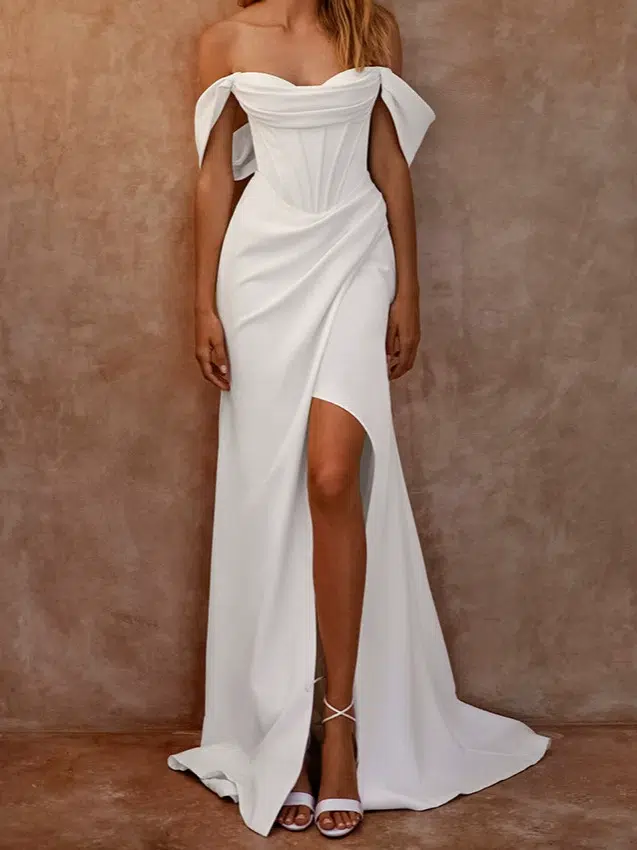
<h2>Frequently asked questions</h2><h3>Is dyed cotton breathable?</h3><p>Cotton can be breathable, but comfort depends on construction, density, weight and finish. A dense coated cotton behaves differently from lightweight untreated poplin.</p><h3>Does darker cotton shrink more?</h3><p>Colour alone is not a reliable predictor. Dye process, finishing, construction and laundering conditions affect dimensional change, so each production quality and colour should be tested.</p><h3>Is 110gsm cotton transparent?</h3><p>It can be, especially in pale colours or open constructions. Evaluate full-width fabric over the intended lining, undergarment or skin-tone standard before approval.</p><h3>What is the safest way to approve bulk colour?</h3><p>Approve a lab dip or strike-off under specified lighting, define a tolerance, then compare bulk dye lots against that standard and keep shade groups separate during cutting.</p>Однотонный хлопок 100%Cotton 110 г/м² <a href="/what-is-twill/">Тканый</a> <a href="/yarn-dyed-fabric-polyester/">Окрашенный</a> <a href="/cotton-vs-nylon-sustainable-fashion-guide/">Хлопковая ткань</a> Платье-юбка для девушки
<div class="attribute-item">
<div>
<table width="419">
<tbody>
<tr>
<td width="168">Шаблон:</td>
<td width="251">Пледы</td>
</tr>
<tr>
<td>Особенность:</td>
<td>Устойчивый, дышащий</td>
</tr>
<tr>
<td>Использовать:</td>
<td width="251">Одежда, пальто и куртки, одежда-пальто/куртки, одежда-юбки, одежда-униформа</td>
</tr>
<tr>
<td>Толщина:</td>
<td>Средний вес</td>
</tr>
<tr>
<td>Тип:</td>
<td>Хлопок <a href="/broadcloth-fabric-guide/">Ткань</a></td>
</tr>
<tr>
<td>Ширина:</td>
<td>143 см</td>
</tr>
<tr>
<td>Техника:</td>
<td>тканый</td>
</tr>
<tr>
<td>Масса:</td>
<td>110 г/м²</td>
</tr>
<tr>
<td>Номер модели:</td>
<td>БФХ-L28-C4042-4</td>
</tr>
<tr>
<td>Ощущение руки:</td>
<td>Мягкое прикосновение</td>
</tr>
</tbody>
</table>
</div>
<div>
<div class="right">Подробности:</div>
<div><imghttps://truekung.com/wp-content/uploads/2024/07/H3b227a121978454f9b16513200ae1409I.avif" alt="H3b227a121978454f9b16513200ae1409I" width="750" height="750" /> <img class="aligncenter size-full wp-image-23966" src="https://truekung.com/wp-content/uploads/2024/07/H5b01213457304797a35fcc968ab72f0fY.avif" alt="H5b01213457304797a35fcc968ab72f0fY" width="750" height="750" /> <img class="aligncenter size-full wp-image-23967" src="https://truekung.com/wp-content/uploads/2024/07/H64e41c64c6fa435f9495773f0c63e5b41.avif" alt="H64e41c64c6fa435f9495773f0c63e5b41" width="750" height="750" /> <img class="aligncenter size-full wp-image-23968" src="https://truekung.com/wp-content/uploads/2024/07/Hc7098d71c9b74f1b99f82ec973838901a.avif" alt="Hc7098d71c9b74f1b99f82ec973838901a" width="750" height="750" /></div>
<div class="attribute-item">
<div class="right"></div>
</div>
</div>
</div>
Просмотров: 106