
Titlu SEO: Ambalaje de modă Ghid pentru Mărci de îmbrăcăminteMateriale, Cost, Sustenabilitate și Transport
Meta Descriere: Aflați cum ar trebui brandurile de îmbrăcăminte să aleagă ambalajele vestimentare, inclusiv sacoșe pentru haine, pliante, cutii, etichete suspendate, sustenabil materiale, protecție la transport, MOQ, cost și sfaturi de la furnizori.
Cuvinte cheie principale: ambalaje de modă
Cuvinte cheie secundare: ambalaje pentru haine, ambalaje pentru îmbrăcăminte, ambalaje pentru modă sustenabilă, ambalaje pentru articole de îmbrăcăminte, ambalaje personalizate pentru haine
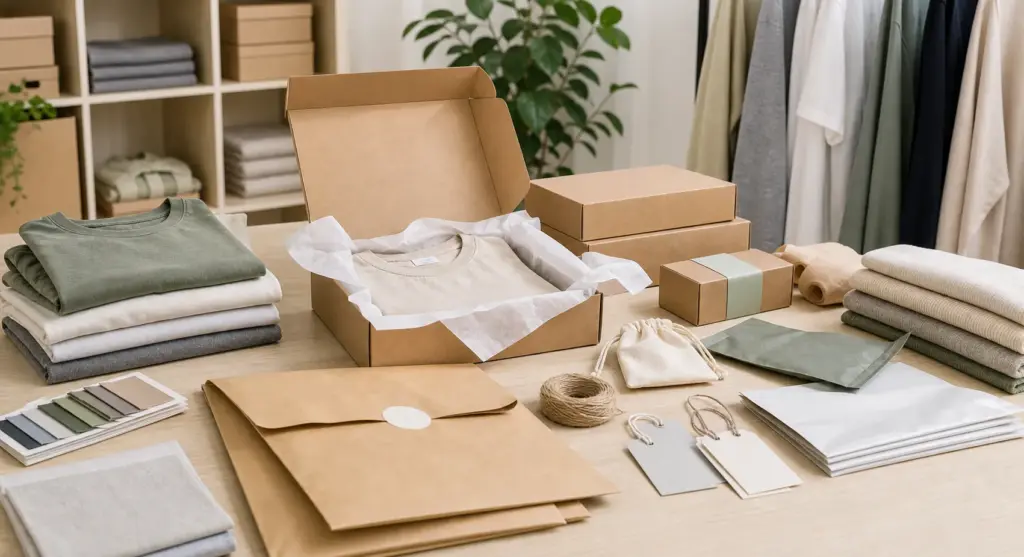
Ambalajele pentru modă nu mai sunt doar ultimul pas înainte de expediere.
Pentru mărcile de îmbrăcăminte, ambalajul afectează protecția produsului, experiența clienților, percepția asupra mărcii, costul de transport, afirmațiile privind sustenabilitatea și chiar ratele de returnare. O piesă vestimentară frumoasă poate totuși dezamăgi clientul dacă ajunge șifonată, deteriorată, prost pliată sau ambalată într-un mod care pare neglijent.
Însă ambalajele elegante nu înseamnă întotdeauna ambalaje scumpe.
Cel mai bun ambalaj este cel care se potrivește tipului de îmbrăcăminte, canalului de vânzări, clientului țintă, bugetului, metodei de livrare și poziționării mărcii.
Acest ghid explică modul în care cumpărătorii de modă și brandurile de îmbrăcăminte ar trebui să aleagă ambalajele pentru producția de îmbrăcăminte, în special atunci când lucrează cu un producător OEM, ODM sau de îmbrăcăminte cu marcă proprie.
Ce este ambalajul pentru modă?
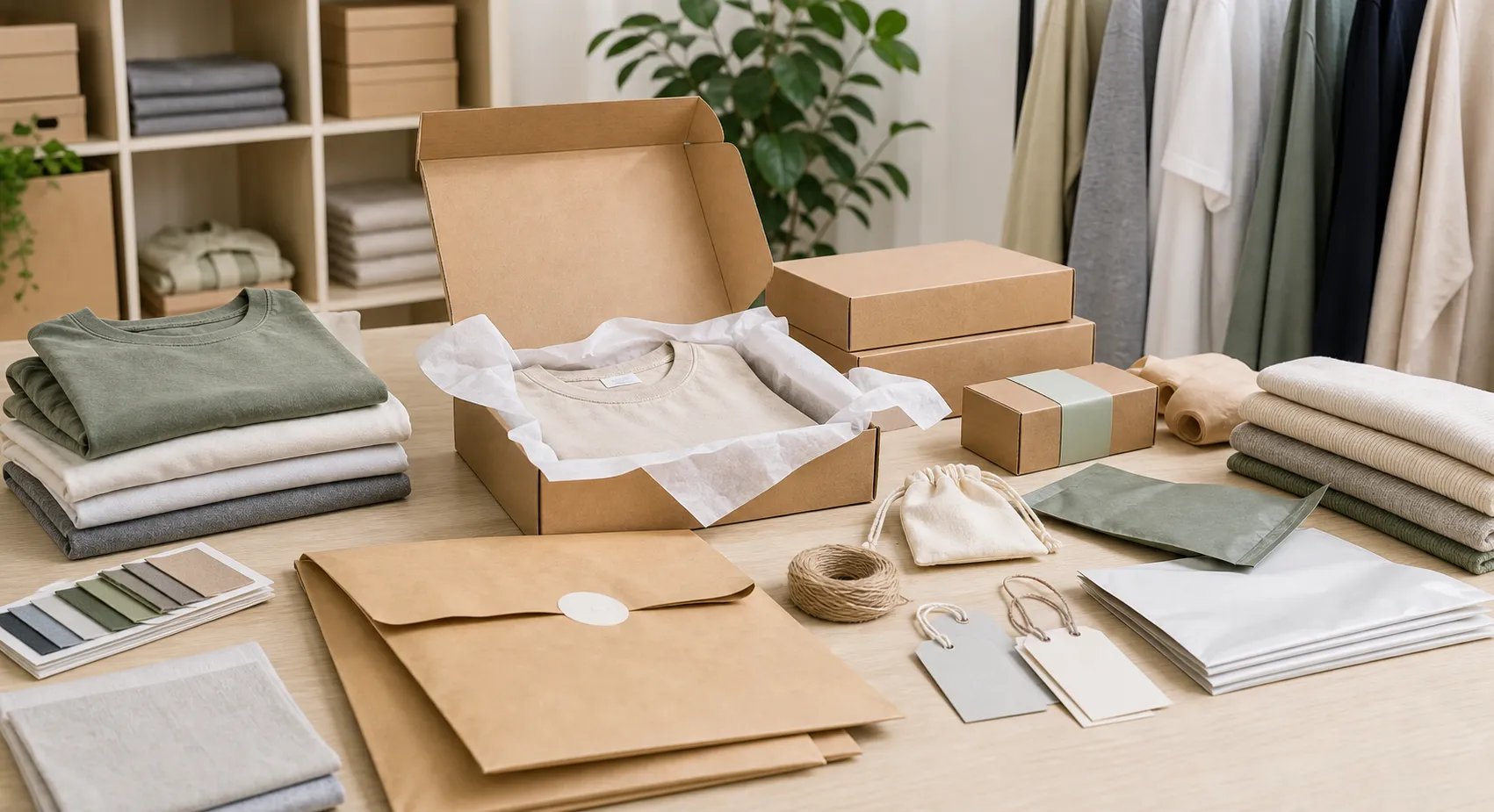
Ambalajele pentru articole de modă se referă la materialele și metodele utilizate pentru a proteja, prezenta, eticheta, depozita și expedia produsele de îmbrăcăminte.
Poate include:
- Saci interiori pentru haine
- Hârtie de mătase
- Etichete suspendate
- Etichete pentru gât și etichete de îngrijire
- Autocolante de dimensiune
- Plăci pliabile
- plicuri de hârtie
- Plicuri din polietilenă
- Cutii rigide
- Cartoane ondulate
- Saci de praf
- Pungi reutilizabile
- Etichete cu coduri de bare
- Etichete de expediere
- Inserții de produse
Pentru brandurile de modă online, ambalajul este adesea prima experiență fizică după cumpărare. Pentru brandurile en-gros și cu amănuntul, ambalajul afectează și manipularea în depozit, afișarea, scanarea, controlul stocurilor și transportul internațional.
De ce contează ambalajul pentru mărcile de îmbrăcăminte
Multe branduri la început de drum se concentrează foarte mult pe material, croială, culoare și designul logo-ului, dar lasă ambalajul pentru final. Acest lucru poate crea probleme.
Ambalajul este important deoarece te ajută să:
- Protejați hainele în timpul transportului
- Reduce ridurile și murdăria
- Îmbunătățiți experiența de despachetare
- Comunicarea poziționării mărcii
- Sprijinirea operațiunilor de retail sau comerț electronic
- Organizați informațiile despre SKU, mărime și culoare
- Reduceți retururile de produse cauzate de deteriorare
- Îmbunătățiți valoarea percepută
- Sprijiniți obiectivele de sustenabilitate
- Îndeplinește cerințele pieței, depozitului sau comercianților cu amănuntul
O piesă vestimentară premium, împachetată neglijent, poate părea ieftină. O piesă vestimentară simplă, împachetată cu grijă, poate părea mai profesională.
Începeți cu îmbrăcămintea, nu cu ambalajul
Înainte de a alege ambalajul, definiți mai întâi produsul.
O bluză de mătase, un hanorac, un palton de lână, un set de yoga, un articol vestimentar pentru copii și o rochie de seară nu necesită același ambalaj.
Puneți aceste întrebări înainte de a confirma ambalajul:
- Este haina delicată sau structurată?
- Se șifonează ușor?
- Este greu sau ușor?
- Se vinde online, en-gros sau cu amănuntul?
- Trebuie agățat sau pliat?
- Se va expedia internațional?
- Are nevoie de etichete cu coduri de bare sau SKU?
- Este un produs premium sau un articol la buget redus?
- Clientul se așteaptă la ambalaje sustenabile?
- Trebuie ca pachetul să reziste manipulării în depozit?
Ambalajul ar trebui să susțină îmbrăcămintea. Nu ar trebui ales doar pentru că arată bine într-o fotografie.
Tipuri comune de ambalaje de modă
1. Saci individuali pentru haine
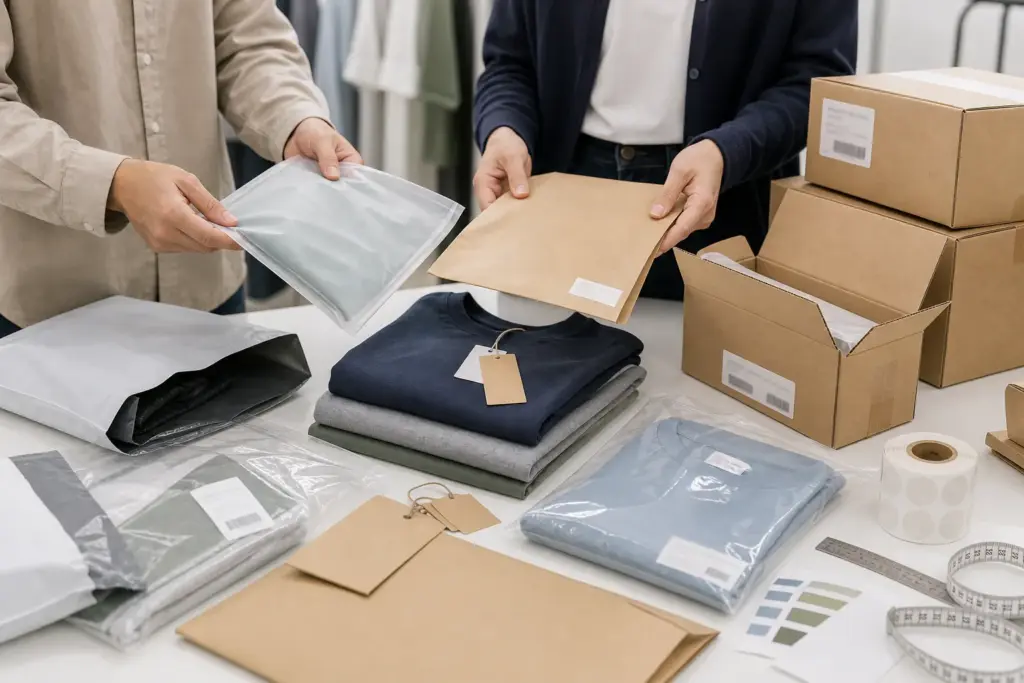
Sacii de îmbrăcăminte protejează fiecare articol de praf, umiditate, frecare și manipulare în timpul producției și transportului.
Opțiunile comune includ:
- Pungi de polietilenă transparente
- Pungi de polietilenă înghețate
- pungi biodegradabile
- pungi compostabile
- pungi de plastic reciclate
- Mâneci de hârtie pentru haine
- Pungi din material textil reutilizabile
Cel mai potrivit pentru:
- Tricouri
- Cămăși
- Rochii
- Tricotaje
- Pantaloni
- Îmbrăcăminte sport
- Comenzi en-gros
- Împlinire comerț electronic
Notă pentru cumpărător: Dacă brandul dvs. dorește să reducă utilizarea plasticului, întrebați dacă materialele alternative pot proteja în continuare articolul de îmbrăcăminte în timpul transportului pe distanțe lungi.
2. Pungi poștale
Colantele sunt adesea folosite pentru comenzile de modă direct către consumator.
Opțiunile comune includ:
- Plicuri din polietilenă
- Plicuri din polietilenă reciclată
- Plicuri din hârtie kraft
- plicuri compostabile
- Plicuri căptușite
Cel mai potrivit pentru:
- Îmbrăcăminte ușoară
- Comenzi de comerț electronic
- Tricouri
- Jambiere
- Îmbrăcăminte de casă
- Accesorii mici
Notă pentru cumpărător: Ambalajele de hârtie pot părea mai sustenabile, dar este posibil să nu protejeze bine hainele în condiții de transport umede, dacă nu sunt proiectate corespunzător.
3. Cutii
Cutiile sunt folosite atunci când produsul necesită o structură mai puternică sau o prezentare mai premium.
Opțiunile comune includ:
- Cutii de transport Kraft
- Cartoane ondulate
- Cutii cadou rigide
- Cutii pliabile
- Cutii cu sertare
- Cutii cu închidere magnetică
Cel mai potrivit pentru:
- Îmbrăcăminte premium
- Seturi cadou
- Tricotaje
- Încălțăminte și accesorii
- Cutii de abonament
- Pachete pentru influenceri sau PR
Notă pentru cumpărător: Cutiile îmbunătățesc prezentarea, dar cresc volumul și costurile de transport. Pentru produsele cu marjă redusă, acest lucru poate reduce profitabilitatea.
4. Hârtie de mătase și hârtie de ambalat
Hârtia absorbantă îmbunătățește prezentarea și protejează suprafața hainei.
Cel mai potrivit pentru:
- Elemente de bază premium
- Rochii
- Bluze
- Lenjerie
- Îmbrăcăminte de vacanță
- Ambalaje cadou
Notă pentru cumpărător: Șervețelele imprimate personalizate pot arăta premium, dar șervețelele simple pot fi suficiente pentru brandurile aflate la început de drum.
5. Etichete și etichete agățate
Etichetele suspendate, etichetele de îngrijire, etichetele de mărime și etichetele cu coduri de bare fac parte din sistemul de ambalare.
Acestea ajută la comunicare:
- Identitatea mărcii
- Dimensiune
- Compoziția țesăturii
- Instrucțiuni de îngrijire
- SKU
- Preţ
- Cod de bare
- Declarație de sustenabilitate
- Povestea produsului
Notă pentru cumpărător: Verificați întotdeauna informațiile de pe etichetă înainte de producția în vrac. Etichetele de îngrijire sau etichetele de compoziție incorecte pot crea probleme de conformitate și de asistență pentru clienți.
6. Saci de praf și pungi reutilizabile
Sacoșele reutilizabile sunt adesea folosite pentru articole premium sau delicate.
Cel mai potrivit pentru:
- Îmbrăcăminte de lux
- Articole de îmbrăcăminte din mătase
- Tricotaje
- Accesorii
- Îmbrăcăminte de călătorie
- Costume de baie
- Seturi cadou
Notă pentru cumpărător: Ambalajele reutilizabile pot consolida valoarea mărcii, dar cresc și costul și MOQ-ul.
Compararea ambalajelor pentru cumpărătorii de îmbrăcăminte
| Tipul de ambalaj | Cel mai bun pentru | Avantaje | Atenție |
|---|---|---|---|
| Pungă transparentă din polietilenă | Comerț cu ridicata, depozit, îmbrăcăminte de bază | Cost redus, practic, scanare ușoară | Preocupare pentru plastic, premium mai mic |
| Pungă de polietilenă reciclată | Comerț electronic și comerț cu ridicata | Opțiune de plastic mai responsabilă | Încă din plastic, afirmația trebuie să fie corectă |
| Plic de hârtie kraft | Comenzi de îmbrăcăminte DTC | Aspect natural, senzație plăcută de brand | Protecție redusă la umiditate |
| plic compostabil | Mărci axate pe sustenabilitate | Mesaj eco puternic | Cost, termen de valabilitate, declarații de certificare |
| Cutie ondulată | Livrare internațională, comenzi premium | Protecție puternică | Volum mai mare de marfă |
| Cutie cadou rigidă | Lux sau cadouri | Despachetare premium | Scump, MOQ ridicat |
| Hârtie de mătase | Stratul de prezentare | Moale, premium, greutate redusă | Protecție limitată |
| Sac de praf | Articole vestimentare premium | Reutilizabil, protector | Cost mai mare |
| Etichetă suspendată | Branding și informații despre produs | Ușor de personalizat | Necesită informații precise |
Ambalaje sustenabile pentru modă: La ce ar trebui să fie atenți cumpărătorii
Ambalajele sustenabile sunt importante, dar pot deveni ușor confuze.
Multe materiale sunt comercializate drept “ecologice”, “biodegradabile”, “reciclabile” sau “compostabile”. Aceste cuvinte sună atractive, dar cumpărătorii ar trebui să întrebe ce înseamnă de fapt.
Înainte de a utiliza afirmații privind sustenabilitatea, verificați:
- Ce material este folosit?
- Este reciclabil, reciclabil, biodegradabil sau compostabil?
- Există certificare?
- Necesită materialul compostare industrială?
- Poate clientul să îl elimine corect?
- Ambalajul protejează suficient de bine haina?
- Este afirmația corectă pe piața dumneavoastră de vânzări?
- Ambalajul crește riscul de deteriorare sau returnare?
Un material de ambalare nu este cu adevărat mai bun dacă provoacă mai multe produse deteriorate, mai multe retururi sau instrucțiuni neclare de eliminare.
Pentru majoritatea mărcilor de modă, un obiectiv practic este:
Folosește cantitatea minimă de ambalaj necesară, protejând în același timp îmbrăcămintea și îmbunătățind experiența clientului.
Ambalaje din plastic vs. hârtie pentru îmbrăcăminte
Multe mărci vor să înlocuiască plasticul cu hârtie. Aceasta poate fi o direcție bună, dar nu este întotdeauna simplă.
Ambalaje din plastic
Avantaje:
- Ușor
- Rezistent la umiditate
- Cost scăzut
- Transparent pentru verificarea depozitului
- Puternic pentru transportul internațional
- Ușor de utilizat pentru etichetarea cu coduri de bare
Dezavantaje:
- Percepție slabă a clienților
- Preocuparea față de deșeurile de plastic
- Este posibil să nu corespundă poziționării premium sau sustenabile
Ambalaje din hârtie
Avantaje:
- Aspect natural
- O mai bună percepție a mărcii
- Poveste mai ușoară despre sustenabilitate
- Potrivit pentru mărci premium și minimaliste
Dezavantaje:
- Protecție mai mică la umiditate
- Se poate rupe în timpul transportului
- Poate crește greutatea sau volumul
- Ar putea fi nevoie de straturi de protecție suplimentare
Pentru expedierea internațională de îmbrăcăminte, multe mărci folosesc în continuare o pungă interioară de protecție și un carton exterior. Dacă doriți să reduceți utilizarea plasticului, testați întregul proces de expediere înainte de a trece la varianta dorită.
Cum afectează ambalajul costul de transport
Ambalajul poate modifica costul de transport mai mult decât se așteaptă multe mărci.
Costul de livrare este influențat de:
- Greutatea pachetului
- Volumul pachetului
- Dimensiunea cutiei
- Număr de unități per cutie
- Grosimea materialului
- Straturi de protecție
- Metoda de livrare
- Țara de destinație
- Cerințe de depozitare
O cutie rigidă poate arăta frumos, dar poate crește și greutatea volumetrică. Un ambalaj mai mare poate reduce numărul de unități per cutie. Acest lucru poate face transportul internațional mai scump.
Înainte de a aproba ambalajul, solicitați producătorului o estimare a:
- Dimensiunea ambalajului unitar
- Dimensiunea cutiei
- Unități per cutie
- Greutate brută
- Greutate netă
- Volumul de livrare
- Costul ambalajului per unitate
Acest lucru este deosebit de important pentru brandurile startup, deoarece deciziile privind ambalajele pot afecta direct marja de profit.
Ambalaje pentru comerț electronic vs. comerț cu ridicata vs. comerț cu amănuntul
Canale de vânzare diferite necesită o logică de ambalare diferită.
Ambalaje pentru comerț electronic
Pentru comenzile directe către consumator, ambalajul ar trebui să protejeze articolul de îmbrăcăminte și să creeze o experiență pozitivă la despachetare.
Detalii importante:
- Cutie sau plic exterior
- Protecție interioară a îmbrăcămintei
- Ambalaj ușor de returnat
- Inserarea mărcii, dacă este necesar
- Mărime și etichetă SKU
- Protecție împotriva umidității
- Pliere îngrijită
Ambalaje en-gros
Ambalajele en-gros sunt de obicei mai practice.
Detalii importante:
- Etichetare clară a dimensiunilor/culorilor
- Etichetă cu cod de bare
- Marcaje de cutie
- Manipulare ușoară în depozit
- Protecția hainelor
- Ambalare eficientă în carton
- Cost unitar mai mic
Ambalaje de vânzare cu amănuntul
Ambalajele de vânzare cu amănuntul pot necesita detalii mai precise privind afișarea și conformitatea.
Detalii importante:
- Etichete suspendate
- Etichete de preț
- Etichete de îngrijire
- Etichete de marcă
- Autocolante de dimensiune
- Ambalare pe umeraș, dacă este necesar
- Instrucțiuni de ambalare specifice comerciantului cu amănuntul
Un brand care vinde prin mai multe canale poate avea nevoie de versiuni diferite de ambalaje pentru același articol de îmbrăcăminte.
Greșeli de ambalare pe care brandurile de modă ar trebui să le evite
Greșeala 1: Alegerea ambalajului prea târzie
Ambalajele ar trebui discutate în timpul dezvoltării produsului, nu după finalizarea producției în vrac. Deciziile luate întârziat pot întârzia livrarea și pot crește costurile.
Greșeala 2: Ambalare excesivă
Prea multe straturi pot crește costurile, deșeurile și volumul de transport. Ambalajele premium nu înseamnă întotdeauna mai multe ambalaje.
Greșeala 3: Utilizarea ambalajelor slabe pentru transportul internațional
Dacă pachetul nu poate rezista la transportul pe distanțe lungi, este posibil ca articolul de îmbrăcăminte să ajungă deteriorat sau șifonat.
Greșeala 4: Afirmații privind sustenabilitatea fără dovezi
Nu imprimați afirmații precum “100% biodegradabil” sau “ecologic” decât dacă materialul și documentația dumneavoastră le susțin.
Greșeala 5: Ignorarea cerințelor depozitului
Comercianții cu amănuntul, piețele și centrele de distribuție a comenzilor pot solicita etichete cu coduri de bare, avertismente pentru pungi de polietilenă, etichete pentru cutii sau metode specifice de ambalare.
Greșeala 6: Uitarea retururilor
Dacă ambalajul este dificil de deschis sau imposibil de reutilizat, retururile devin mai puțin eficiente și mai puțin plăcute pentru client.
Listă de verificare a ambalajelor de modă pentru cumpărători
Folosiți această listă de verificare înainte de a confirma ambalarea pentru producția în vrac.
- Ce categorie de îmbrăcăminte este ambalată?
- Este haina pliată sau atârnă?
- Se șifonează ușor?
- Are nevoie de protecție împotriva umidității?
- Comanda este pentru comerț electronic, en-gros sau cu amănuntul?
- Care este costul țintă al ambalajului per unitate?
- Care este MOQ-ul ambalajului?
- Este necesară imprimare personalizată?
- Este obligatorie etichetarea cu coduri de bare?
- Sunt etichetele de îngrijire și etichetele suspendate corecte?
- Sunt susținute afirmațiile privind sustenabilitatea?
- A fost ambalajul testat pentru transport?
- Care este dimensiunea cutiei?
- Câte unități încap într-o cutie?
- Ambalajul crește costul transportului?
- Este ambalajul ușor de deschis pentru clienți?
- Este potrivit pentru retururi?
- A fost aprobată mostra finală de ambalaj?
Ambalaje personalizate: Ce poate fi personalizat?
Brandurile de modă pot personaliza multe elemente de ambalaj.
Opțiunile personalizate comune includ:
- Plicuri imprimate cu logo
- Cutii kraft personalizate
- Hârtie de mătase cu logo-ul
- Etichete suspendate
- Etichete de îngrijire
- Etichete de mărime
- Autocolante cu coduri de bare
- Cărți de mulțumire
- Saci de praf
- Pungi cu șnur
- Panglică sau autocolante de etanșare
- Marcaje de cutie
Pentru brandurile startup, este de obicei mai bine să personalizezi mai întâi elementele cele mai vizibile și eficiente din punct de vedere al costurilor.
Puncte de plecare bune:
- Etichetă suspendată
- Etichetă de îngrijire
- Etichetă de mărime
- Autocolant simplu cu marcă
- Curățați punga interioară
- Cutie sau plic simplu, dar îngrijit
Nu ai nevoie de ambalaje luxoase la început. Ai nevoie de ambalaje care să arate profesional, să protejeze articolul de îmbrăcăminte și să se potrivească prețului tău.
MOQ-ul ambalajului și considerațiile privind costurile
MOQ-ul de ambalare depinde de material, metoda de imprimare, dimensiune, furnizor și nivelul de personalizare.
În general:
- Ambalajele din stoc au un MOQ mai mic și un timp de livrare mai rapid.
- Ambalajele imprimate personalizate au un MOQ mai mare.
- Materialele speciale pot necesita o dezvoltare mai lungă.
- Cutiile rigide sunt de obicei mai scumpe.
- Dimensiunile multiple de ambalaje cresc complexitatea.
Înainte de a confirma ambalajul personalizat, întrebați:
- Care este MOQ-ul?
- Care este costul eșantionului?
- Care este timpul de livrare?
- Se poate folosi mai întâi ambalajul standard?
- Putem personaliza cu un autocolant sau o etichetă de agățat?
- Care este costul unitar la diferite cantități?
- Ambalajele vor fi produse odată cu articolele de îmbrăcăminte sau separat?
Pentru brandurile mici, un sistem de ambalare simplu este adesea mai bun decât unul complicat.
Cum să planificați ambalajele împreună cu producătorul dvs. de îmbrăcăminte
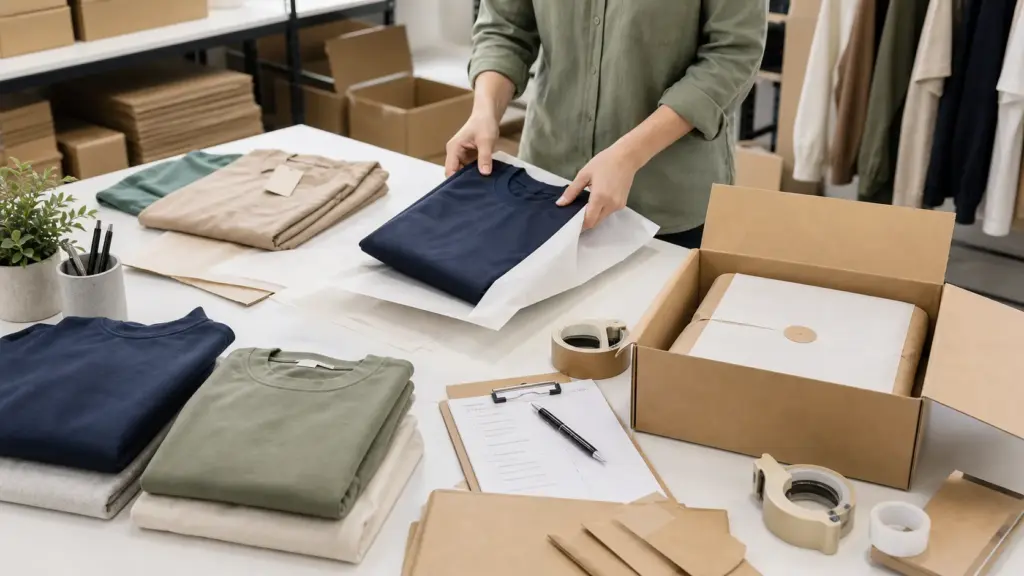
Un producător bun de îmbrăcăminte ar trebui să te ajute să conectezi ambalajul cu producția, controlul calității și transportul.
Procesul include de obicei:
- Confirmați categoria de îmbrăcăminte și canalul de vânzări.
- Alegeți structura de bază a ambalajului.
- Confirmați cerințele privind eticheta și marcajul.
- Examinați opțiunile de materiale.
- Verificați MOQ-ul și costul.
- Realizați mostre de ambalare.
- Testați plierea și potrivirea hainei.
- Confirmați metoda de ambalare a cutiei.
- Verificați protecția la transport.
- Aprobați ambalajul final înainte de expedierea în vrac.
Ambalajul trebuie testat împreună cu îmbrăcămintea propriu-zisă, nu doar aprobat ca material separat.
Cum ajută TrueKung brandurile cu ambalajele pentru îmbrăcăminte
La TrueKung, ambalajul face parte din întregul proces de producție a articolelor de îmbrăcăminte.
Putem ajuta brandurile de îmbrăcăminte cu:
- Aprovizionarea cu materiale de ambalare
- Opțiuni pentru saci de haine
- Plicuri și cutii de carton
- Etichete suspendate și etichete de îngrijire
- Etichete de mărime și etichete cu coduri de bare
- Metoda de pliere
- Planul de ambalare a cutiei
- Revizuirea ambalajului eșantion
- Inspecția calității înainte de expediere
- Suport pentru ambalaje cu etichetă privată
- Coordonarea transporturilor internaționale
Pentru brandurile noi, de obicei recomandăm să începem mai întâi cu ambalaje practice: protejați hainele, păstrați prezentarea curată, controlați costurile și asigurați o experiență consistentă pentru client.
Pe măsură ce brandul se dezvoltă, ambalajele pot deveni mai personalizate.
Întrebări frecvente despre ambalajele de modă
Ce este ambalajul pentru modă?
Ambalajele pentru articole vestimentare sunt sistemul utilizat pentru a proteja, prezenta, eticheta, depozita și expedia produsele de îmbrăcăminte. Acestea pot include pungi pentru haine, pliante, cutii, hârtie absorbantă, etichete suspendate, etichete și cutii de transport.
Ce ambalaj este cel mai potrivit pentru brandurile de îmbrăcăminte?
Cel mai bun ambalaj depinde de articolul de îmbrăcăminte, canalul de vânzare, buget și metoda de livrare. Tricourile pot necesita doar pungi de protecție simple și pliante, în timp ce rochiile premium sau tricotajele pot necesita hârtie absorbantă, cutii sau pungi de praf.
Ambalajele sustenabile pentru modă sunt întotdeauna mai bune?
Nu întotdeauna. Ambalajele sustenabile ar trebui să protejeze în continuare îmbrăcămintea, să se potrivească metodei de livrare și să susțină afirmații corecte. Un material care provoacă daune, retururi sau eliminare necorespunzătoare poate să nu fie cea mai bună alegere.
Ar trebui brandurile de îmbrăcăminte să folosească ambalaje din plastic sau din hârtie?
Plasticul oferă o protecție puternică împotriva umezelii și un cost redus. Hârtia dă o impresie mai naturală a mărcii, dar poate oferi o protecție mai redusă în condiții de transport cu umezeală. Multe mărci folosesc o abordare echilibrată în funcție de produs și de nevoile de transport.
Cât costă ambalajele personalizate pentru îmbrăcăminte?
Costul depinde de material, dimensiune, imprimare, MOQ și complexitate. Ambalarea în stoc este mai ieftină și mai rapidă. Pliantele personalizate imprimate, cutiile rigide și pungile reutilizabile costă de obicei mai mult.
De ce ambalaje au nevoie brandurile de îmbrăcăminte startup?
Brandurile startup ar trebui, de obicei, să înceapă cu ambalaje simple și profesionale: pungă pentru haine, etichetă suspendată, etichetă de întreținere, etichetă cu mărimea, plic sau cutie și etichetare SKU clară. Ambalajele complexe de lux pot fi adăugate ulterior.
Poate ambalajul să afecteze costul de transport?
Da. Ambalajele afectează greutatea, volumul, dimensiunea cutiei și unitățile per cutie. Ambalajele mari sau rigide pot crește costul transportului, în special pentru transportul internațional.
Când ar trebui planificate ambalajele?
Ambalarea trebuie planificată în timpul dezvoltării produsului, înainte de finalizarea producției în vrac. Acest lucru oferă suficient timp pentru confirmarea etichetelor, materialelor, ambalării în cutie și cerințelor de expediere.
Ce ar trebui să fie inclus pe etichetele ambalajelor de îmbrăcăminte?
În funcție de produs și piață, etichetele pot include mărimea, SKU, codul de bare, culoarea, compoziția materialului, instrucțiunile de îngrijire, țara de origine și informații despre marcă. Confirmați întotdeauna cerințele pentru piața dvs. de vânzare.
Poate TrueKung să ajute cu ambalaje personalizate pentru articole vestimentare?
Da. TrueKung poate oferi servicii de ambalare cu marcă privată, etichete suspendate, etichete de întreținere, saci de îmbrăcăminte, cutii de carton, mostre de ambalare și pregătirea expedierii ca parte a procesului de fabricație a îmbrăcămintei.
Concluzie finală
Ambalajele pentru modă nu ar trebui tratate doar ca decorațiune.
Un ambalaj bun protejează îmbrăcămintea, susține brandul, îmbunătățește experiența clienților, controlează costurile de transport și facilitează îndeplinirea comenzilor. Cel mai bun ambalaj este mai întâi practic, apoi frumos.
Pentru brandurile de îmbrăcăminte, în special pentru startup-uri, cea mai inteligentă abordare este de a construi ambalajele pas cu pas:
Începeți cu protecție și etichetare clară.
Apoi îmbunătățește prezentarea.
Apoi adăugați branding personalizat.
Apoi, rafinați sustenabilitatea și experiența clienților pe măsură ce volumul comenzilor crește.
Dacă dezvoltați o colecție de îmbrăcăminte și aveți nevoie de ajutor în alegerea ambalajului, TrueKung vă poate ajuta să analizați tipul de articol vestimentar, bugetul, cantitatea minimă de comandă (MOQ), etichetarea, metoda de livrare și opțiunile de ambalare înainte de producția în vrac.
Aveți nevoie de ajutor cu producția de îmbrăcăminte și ambalarea personalizată? Contactați TrueKung pentru a discuta despre proiectul dumneavoastră de îmbrăcăminte, cerințele de ambalare și planul de livrare.
Vizualizări: 214