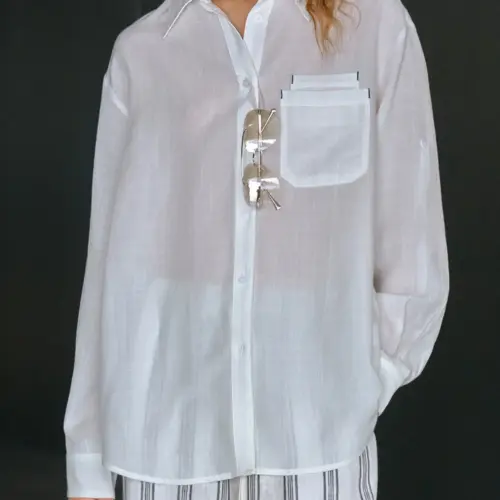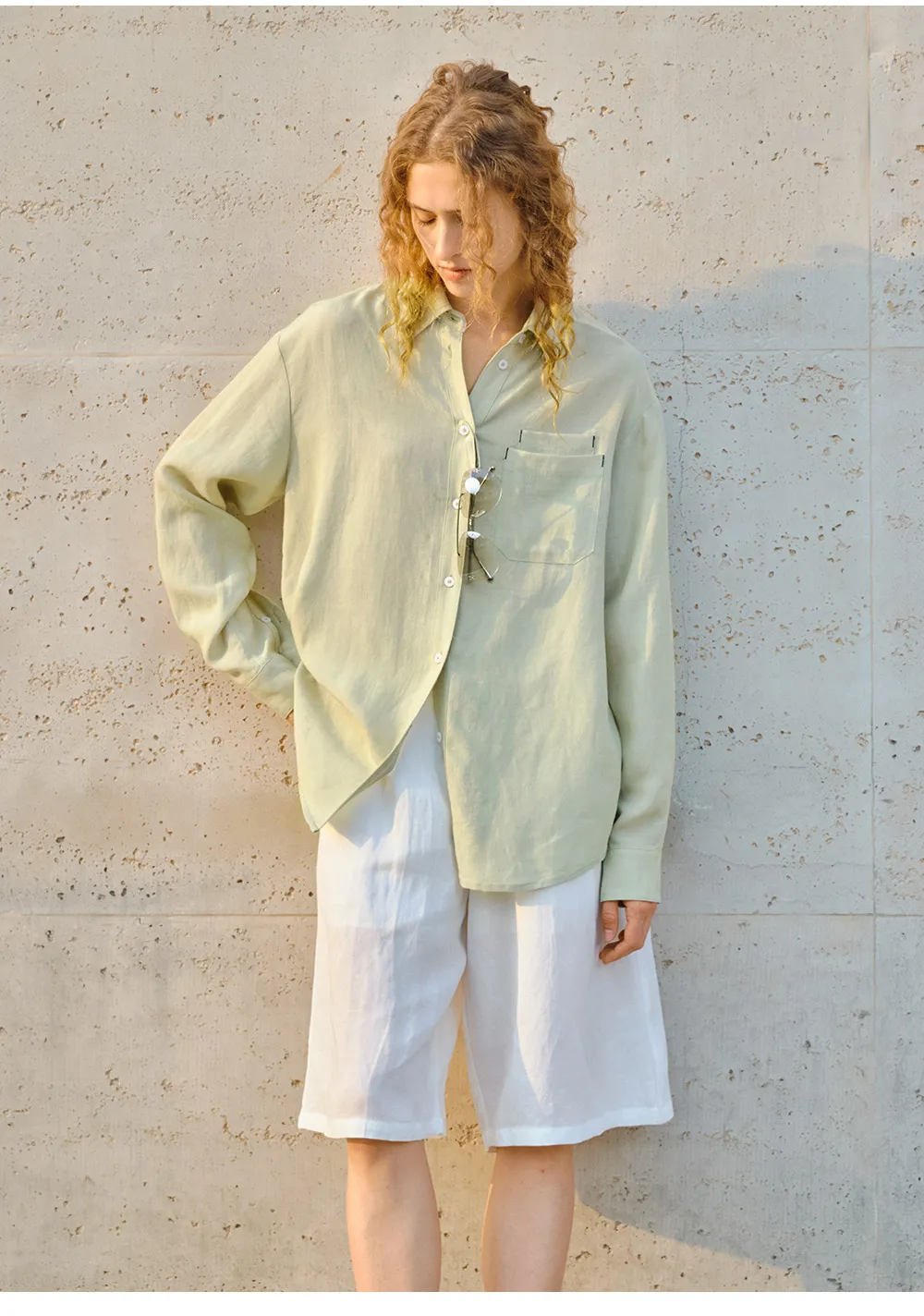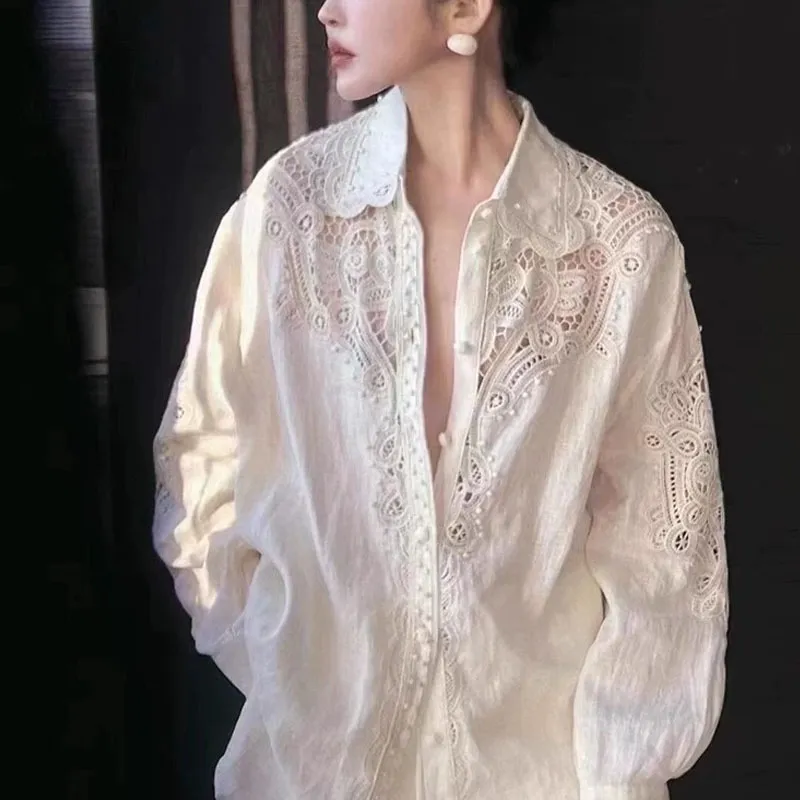

Vejo muitos compradores inseguros em relação a manga roupas qualidade. Um lote ruim pode prejudicar sua marca. Vou explicar o que geralmente funciona e o que costuma falhar.
manga roupas São marcas de fast fashion de gama média com qualidade irregular. Seus casacos, peças de alfaiataria e alguns itens de malha podem parecer sólidos, enquanto blusas básicas e peças da moda podem variar bastante. tecido, estação e fábrica.
Quando Maria me pergunta: "A Mango é uma boa marca?", eu não respondo com um simples sim ou não. Eu respondo com um método. Analiso o tecido, a costura e o caimento, e comparo o preço com a durabilidade esperada. Se você continuar lendo, poderá usar o mesmo método quando comprar na Mango ou quando buscar produtos similares para sua própria marca.
A Mango é uma boa marca para usar no dia a dia?
Muitas pessoas compram roupas da Mango para o trabalho e para o fim de semana. Aí, encontram uma blusa que dura dois anos e outra que cria bolinhas depois de duas lavagens. Essa mistura é frustrante.
A Mango é uma boa marca para o dia a dia, desde que você escolha as peças certas. Casacos, blazers, calças e muitas blusas da Mango em tecidos de melhor qualidade costumam ter um bom custo-benefício, enquanto peças básicas ultrafinas podem parecer descartáveis.
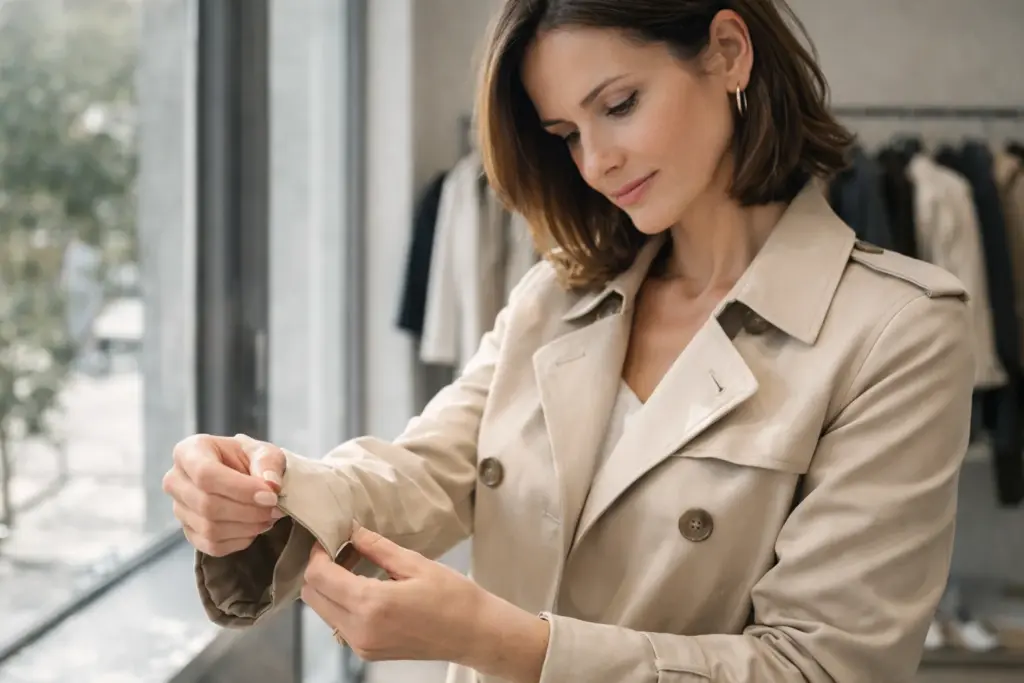
O que significa “qualidade” nas roupas da Mango
Ao analisar avaliações de roupas da Mango, percebo que a maioria das pessoas descreve a "qualidade" em três partes simples. Eu uso as mesmas três partes nas minhas verificações de fábrica.
1) O tecido vem primeiro
Se o tecido for frágil, nenhuma costura poderá salvá-lo. A Mango utiliza muitos tipos de tecido, portanto o resultado varia de peça para peça. Observo um feedback melhor em tecidos estruturados, malhas mais encorpadas e peças forradas. Já em malhas finas e misturas de tecidos leves, vejo mais reclamações.
2) A construção importa, mas somente depois do tecido.
Costuras, bainhas e botões podem ser de boa qualidade mesmo em peças de baixo custo. Mas as fábricas de fast fashion trabalham rápido. Por isso, pequenos problemas aparecem com mais frequência, como fios soltos, bainhas irregulares ou pontos de botões frágeis.
3) O ajuste faz parte da “qualidade”
Um terno da Mango pode ter um visual elegante, mas se o caimento não for bom, passa uma sensação de produto barato. Muitos clientes da Mango adoram a silhueta. Alguns reclamam das variações de tamanho entre as estações.
Eis a maneira rápida que explico para uma compradora que quer roupas femininas da Mango, ou vestidos femininos da Mango, mas também quer menos devoluções:
| Tipo de item: Manga | O que muitas vezes parece bom | O que geralmente dá errado | O que eu faço antes de comprar |
|---|---|---|---|
| Terno/alfaiataria da Mango | Linhas simples, caimento perfeito em tecido plano. | O forro pode ser fino e o tamanho pode variar. | Verifique o forro, a margem de costura, o zíper e o formato dos ombros. |
| Casacos / jaqueta utilitária | Melhor estrutura, toque mais agradável | Os botões e os bolsos podem ser frágeis. | Puxe os botões de teste, verifique a costura do bolso. |
| Camisetas básicas MNG | Estilização fácil | Tecido fino, torce após a lavagem. | Segure contra a luz, teste de elasticidade, alinhamento da costura. |
| Tricô / Suéter MNG | Toque macio, visual atraente | Formação de bolinhas e rasgos | Teste de fricção, verifique a tensão do fio, etiqueta de cuidados. |
| Vestidos | Cortes modernos | Tecido transparente, problemas com o zíper | Verifique o peso do tecido, o trilho do zíper e o forro. |
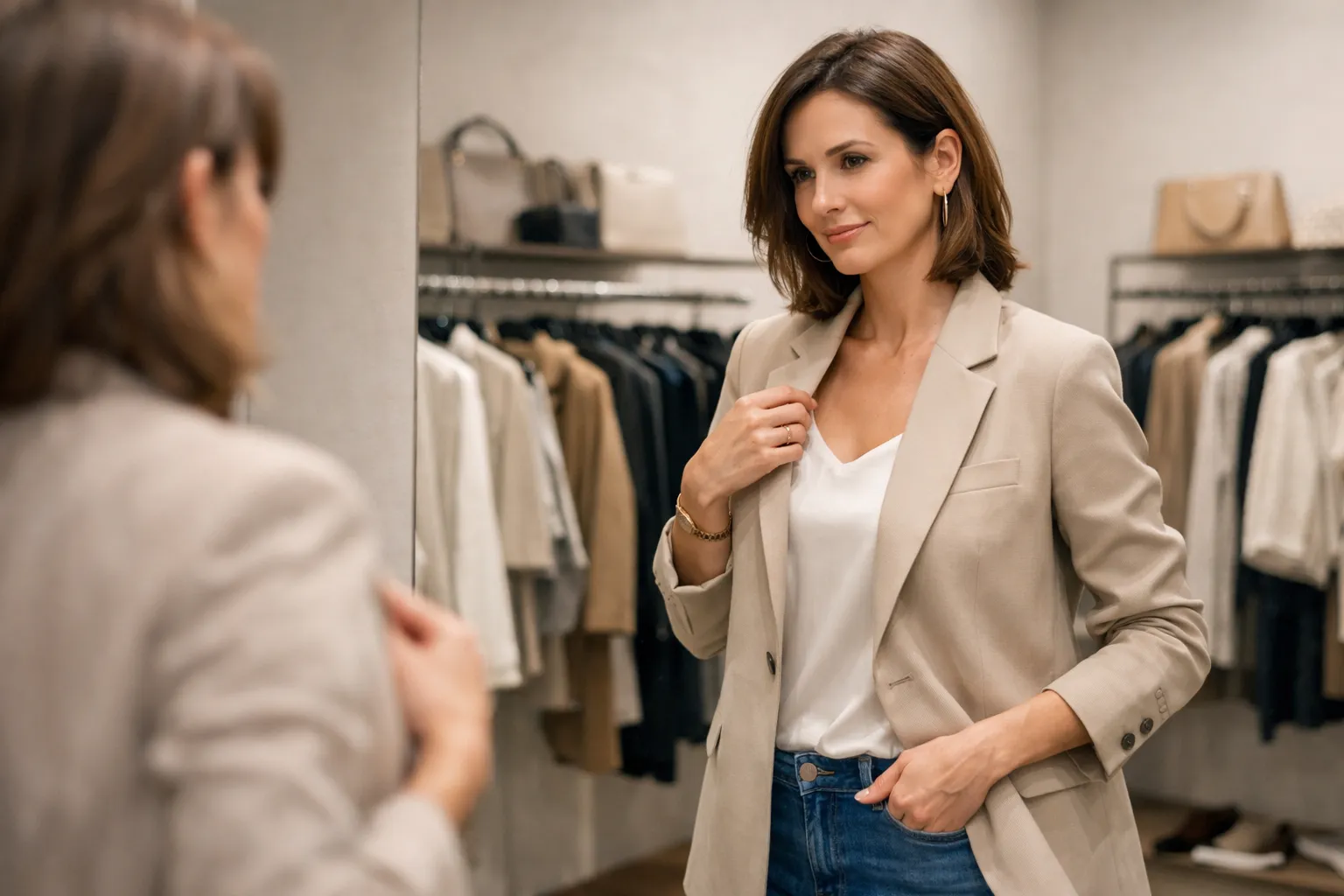
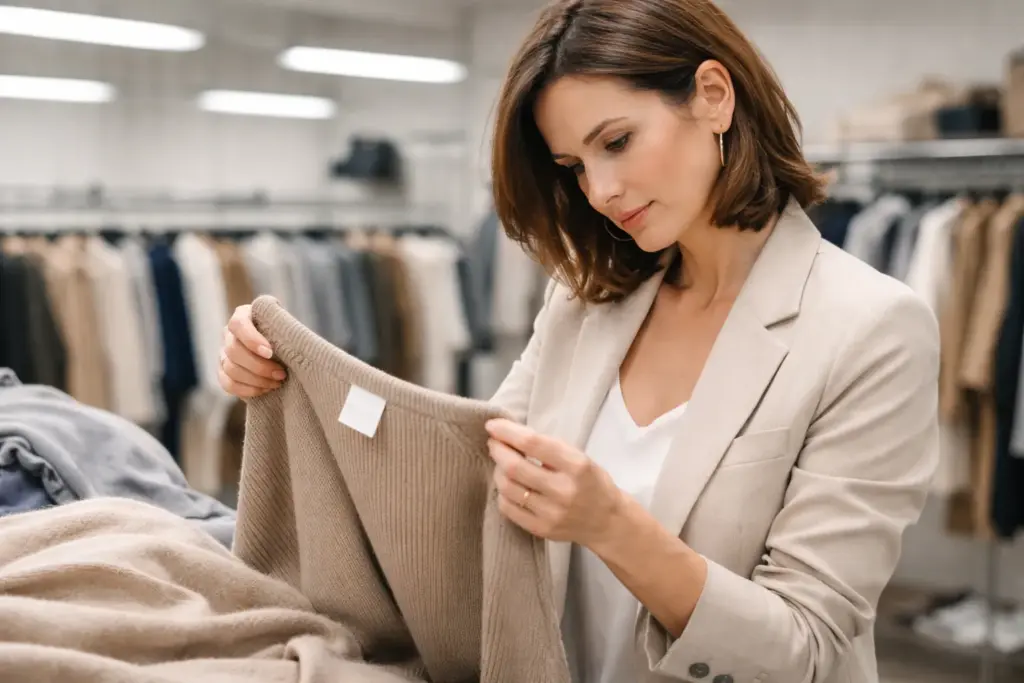
Se estou comprando na Mango de Nova York ou nas lojas da Mango nos EUA, ainda faço as mesmas verificações no provador. Puxo as costuras levemente. Verifico se uma blusa branca é transparente. Observo a etiqueta de cuidados. Esses pequenos detalhes me dizem mais do que a marca.
Como se compara a qualidade da Mango com a da Zara?
Os compradores sempre me perguntam sobre a comparação entre Mango e Zara. Elas são parecidas em preço e estilo. Mas a sensação ao toque é diferente, e os riscos também são diferentes.
A qualidade da Mango e da Zara é semelhante no geral, mas a Mango costuma ter um estilo mais "apropriado para o escritório" em alfaiataria e casacos, enquanto a Zara tende a acompanhar as tendências mais rapidamente e pode apresentar maior inconsistência em relação aos tecidos e acabamentos.
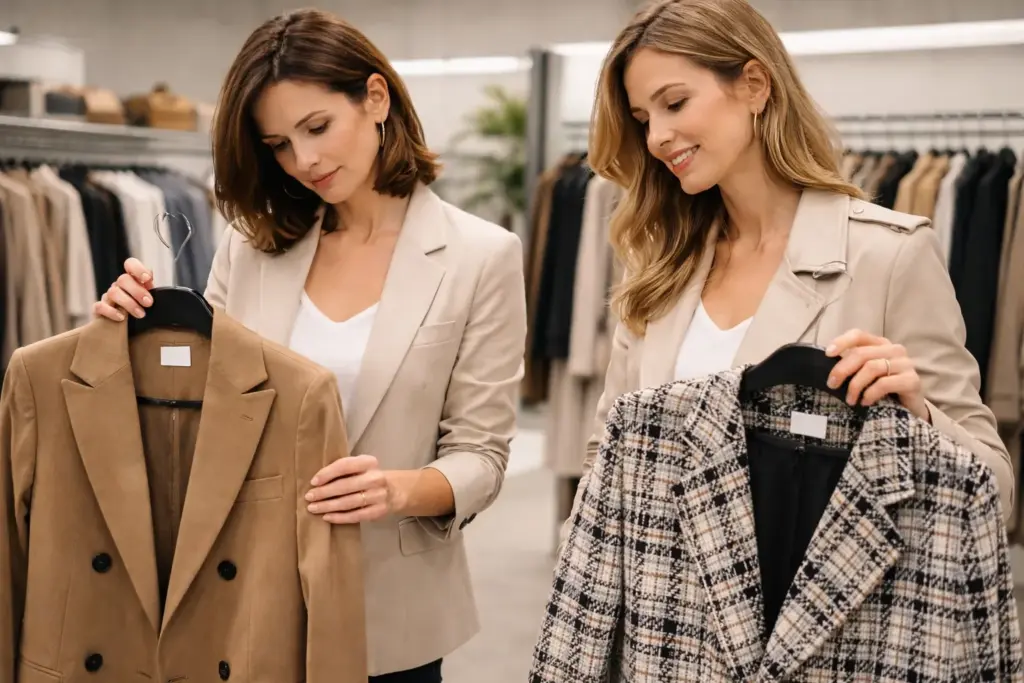
Onde Mango geralmente ganha
Frequentemente, vejo a Mango se sair melhor quando o design exige estrutura. Um blazer, um conjunto de alfaiataria da Mango ou um sobretudo podem ter uma aparência mais clássica. A Mango também tende a manter uma paleta de cores neutras, o que a torna adequada para o ambiente de trabalho. Se Maria vende para clientes que buscam peças básicas e discretas, a Mango é mais fácil de combinar.
Onde a Zara costuma ganhar
A Zara pode parecer mais empolgante. Ela lança novos modelos rapidamente. Algumas peças da Zara usam tecidos e acabamentos interessantes. Mas essa velocidade pode resultar em itens que duram apenas uma temporada. Isso nem sempre é ruim. Depende do modelo de negócios.
Como eu os comparo, como um operário de fábrica
Quando dou consultoria a um novo comprador, digo para ele parar de discutir sobre marcas. Digo para ele comparar por categoria, depois por tecido e, por fim, por acabamento.
| Categoria | Sensação típica de manga | Estilo típico da Zara | Risco do comprador | O que eu recomendo |
|---|---|---|---|---|
| Alfaiataria (blazers, ternos) | Linhas mais clássicas e limpas. | Mais mudanças de tendência | reclamações sobre ajuste | Escolha uma trama mais pesada e verifique a estrutura dos ombros. |
| Tricô | Macio, vestível | Mais textura de moda | Estacas | Prefira tramas mais fechadas e evite fios felpudos. |
| Peças básicas (camisetas, regatas) | Simples, às vezes fino | Simples, às vezes fino | Encolher, torcer | Compre menos, escolha algodão de melhor gramagem. |
| Peças da moda | Menos extremo | Mais extremo | Vida curta | Use para drops, não para estoque principal. |
| Roupa exterior | Frequentemente, um valor sólido. | Misturado | Falha de hardware | Verifique os zíperes, botões de pressão e reforços dos bolsos. |
Se você está pesquisando por "marcas similares à Mango", na verdade está buscando o mesmo equilíbrio: estilo que vende e qualidade que reduz as devoluções. Para meus clientes atacadistas, eu copio a parte útil de cada uma. Uso o design minimalista da Mango para pedidos recorrentes. Uso o estilo despojado e moderno da Zara para testes em pequena escala.
Como posso avaliar as roupas da Mango antes de comprar ou antes de procurar peças semelhantes?
Muitos compradores procuram por promoções de roupas da Mango, liquidações de verão da Mango ou ofertas da Mango Outlet nos EUA. O preço parece ótimo. Mas o processo de devolução e a dificuldade com o tamanho acabam com a economia. Vejo o mesmo padrão no mercado B2B quando as pessoas buscam os preços mais baixos.
Você pode avaliar bem as roupas da Mango usando uma lista de verificação simples: gramatura do tecido, resistência das costuras, aviamentos e etiqueta de cuidados. Esses quatro itens são ótimos indicadores do desempenho e das lavagens no dia a dia.
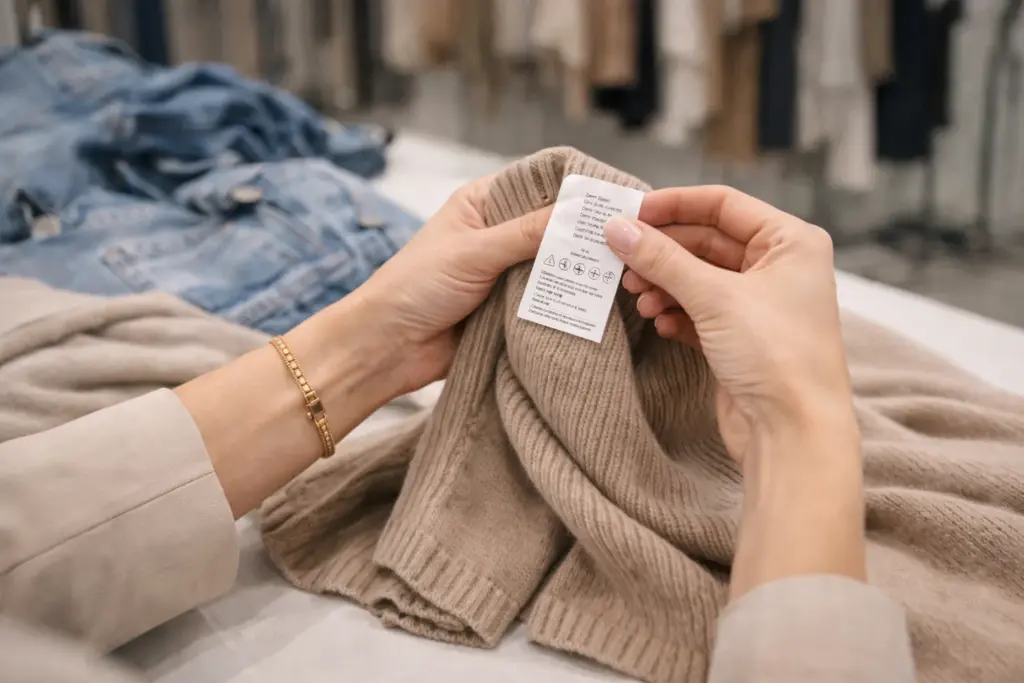
O método de verificação em 4 etapas que uso com compradores como a Maria.
Eu trabalho na China e gerencio linhas de produção. Por isso, avalio uma peça de roupa como um profissional de controle de qualidade, mesmo quando compro online no site oficial da Mango ou na loja online da MG.
Verificação 1: Peso e toque do tecido
Se puder tocar no tecido na loja, faça-o. Se comprar online, preste atenção à textura e à composição. Um tecido com maior gramagem de algodão, uma trama mais fechada ou um tecido forrado geralmente indicam maior durabilidade. Se for muito fino, o desgaste será mais rápido.
Verificação 2: Costuras e pontos de elasticidade
Observe as costuras das axilas, as costuras laterais e a costura do gancho nas calças. Essas são zonas de maior tensão. Se as costuras parecerem largas e frouxas, isso é um sinal de alerta. Se você notar repuxamento nas fotos, isso também é um sinal de alerta.
Verificação 3: Ferragens e acabamentos
Zíperes, fechos de pressão e botões são os primeiros a falhar. Eu puxo os botões levemente. Deslizo o zíper duas vezes. Se ele emperrar, isso vai incomodar os clientes mais tarde. Isso é muito importante para uma jaqueta utilitária ou um terno da Mango.
Verificação 4: A realidade da etiqueta de cuidados
Se a etiqueta de uma blusa básica indicar “lavar à mão” ou “lavagem a seco”, as devoluções aumentarão. Muitos consumidores buscam praticidade. Eu sempre busco peças que se adaptem às necessidades de cuidado do cliente, levando em consideração sua rotina.
Aqui está uma tabela prática que você pode usar ao comprar roupas da Mango online ou ao comparar opções de marcas de vestuário da Mango para sua própria marca:
| Sinal rápido | O que isso geralmente significa | O que fazer a seguir |
|---|---|---|
| Casaco ou blazer forrado | Melhor estrutura e conforto | Verifique as costuras do forro e o acabamento do bolso. |
| Alta qualidade em poliéster em uma blusa com toque sedoso. | Aparecem menos rugas, mas a sensação de calor pode ser intensa. | Pergunte se seus clientes aceitam isso. |
| Camiseta com tecido de gramatura muito baixa | Baixo custo, vida útil curta. | Trate como item promocional, não como item de herói. |
| Superfície de malha felpuda | Aparência macia, alto risco de formação de bolinhas | Escolha um fio mais denso ou uma mistura melhor. |
| Desconto imperdível exclusivo do outlet | Estoque de temporadas passadas, especificações variadas. | Espere maior variação de tamanho e tecido. |
Uma observação sobre palavras-chave de localização de lojas.
As pessoas pesquisam por Mango NYC, Mango Soho, Mango 561 Broadway New York NY 10012, Mango Bellevue, Mango Austin, loja Mango Houston, loja Mango Dallas TX, loja Mango San Francisco e locais da Mango na Califórnia porque querem tocar no tecido antes de comprar. Eu entendo. No meu mundo, o toque ainda é o melhor teste. Se você não puder tocar, use os quatro critérios acima e compre um tamanho menor primeiro.
Conclusão
A qualidade das roupas da Mango é razoável para o preço em alfaiataria e agasalhos, mas varia bastante em peças básicas. Confio mais nas verificações de tecido e confecção do que na marca.
Por que escrevi isto
Sou Lancy Chia, da Truekung. Administro uma fábrica de roupas na China com mais de 200 funcionários. Trabalho exclusivamente com atacado B2B. Ofereço serviços de OEM/ODM para marcas de moda feminina, jaquetas, vestidos, calças jeans, camisetas, moletons e muito mais. Se você busca qualidade garantida e comunicação transparente, entre em contato comigo pelo e-mail [email protected] ou visite o site https://truekung.com.
Visualizações: 2031