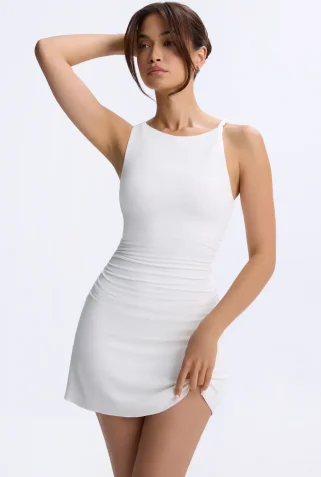
26 Types of Dresses

Clique nas etiquetas abaixo para localizar rapidamente o conteúdo que lhe interessa:

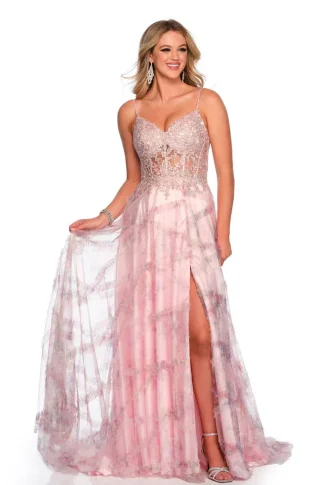
A-line Dress

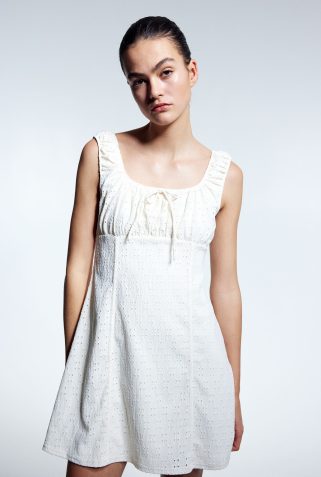
A-line skirt is a classic style that features a gradually flared silhouette from the waist down, forming the shape of the letter “A”. It is named after its resemblance to the letter “A”. The skirt is loose and comfortable below the waistline, making it suitable for various body types.

The inspiration for A-line skirts comes from traditional Western fashion and has been a popular style since the 1960s. It is widely loved in Western countries and East Asian countries, serving as a versatile and timeless skirt style that appeals to individuals from different cultural backgrounds.

A-line skirts are commonly made from various fabrics, including cotton, polyester, silk, wool, and nylon. The choice of fabric depends on the season, occasion, and design style.

Depending on the fabric and details, A-line skirts can be worn for casual occasions, as well as formal or business settings.

In terms of fabric comfort, cotton fabric is breathable and soft, making it suitable for summer wear. Polyester fabric is durable and easy to care for, making it suitable for everyday wear. Silk fabric is lightweight and smooth, making it ideal for formal occasions.

Corset Dress

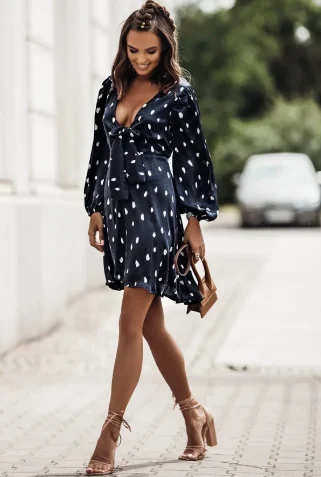
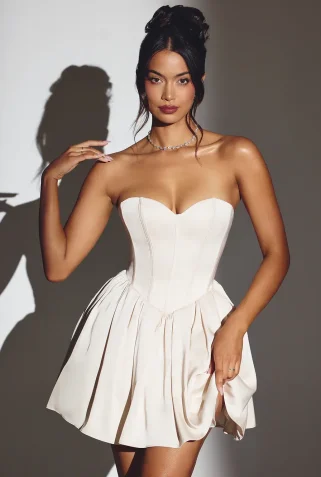
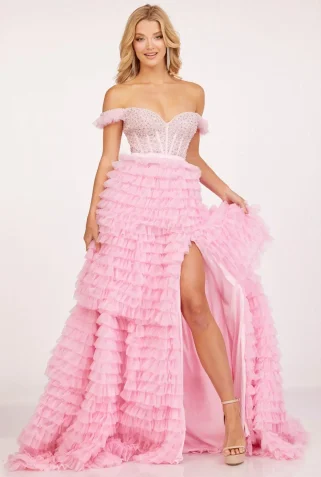
Corset dress is a fashion style that combines a corset-like design on the upper body, tightly wrapping around the chest and waist to create a beautifully curved silhouette, with the characteristic shape of a dress on the lower body, which can vary in length and style.

The design inspiration for corset dresses also comes from historical corsets, which were used to alter body shape and enhance curves. A corset dress is essentially a combination of a corset design and a dress.

Corset dresses are highly fashionable and are known for showcasing feminine curves and elegance. They are often worn for formal occasions, evening events, parties, and dances.

Commonly used fabrics for corset dresses include silk, lace, satin, and stretch fabrics. The choice of fabric depends on the season, occasion, and designer’s preference.

Vestidos de coquetel

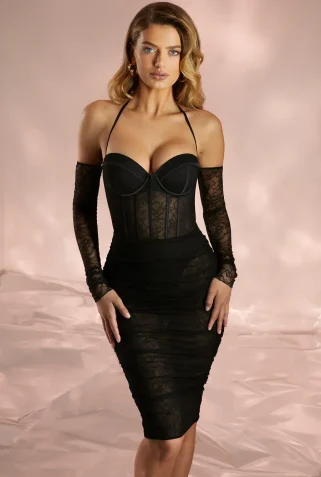
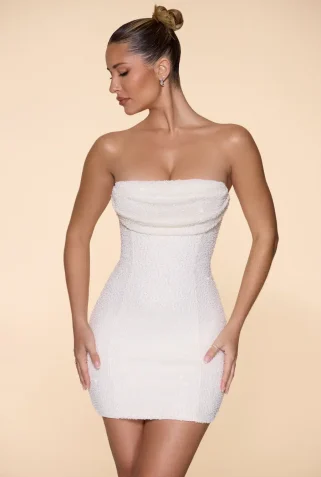
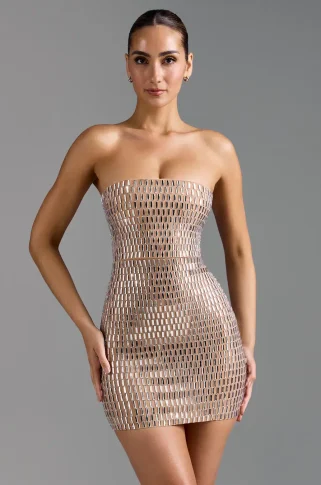
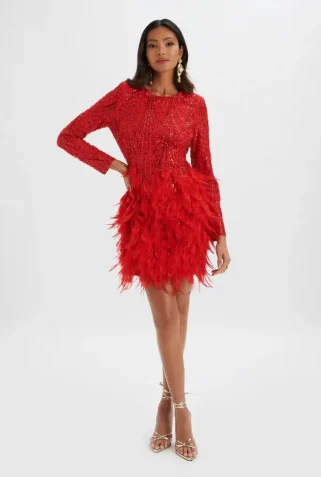
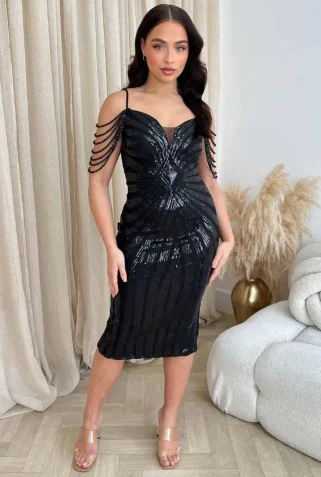
The design inspiration for cocktail dresses comes from traditional evening gowns and originated during the period of the repeal of Prohibition in the 1920s. They feature unique tailoring, exquisite embellishments, and shorter hemlines, allowing for greater freedom of movement and dancing. Cocktail dresses are typically shorter, falling above the knee or at mid-length, compared to traditional evening gowns, making them more suitable for active socializing.

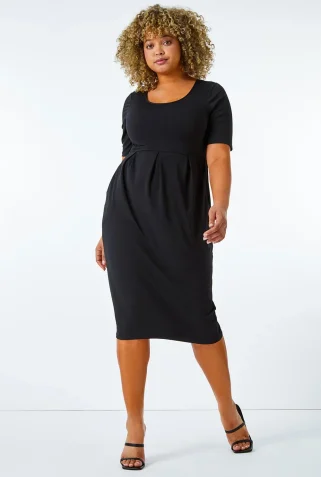
Cocktail dresses come in a wide variety of styles. Whether it’s the classic little black dress or glamorous embroidery and fringe decorations, they have become an ideal choice for various formal and semi-formal occasions, such as cocktail parties, dinners, parties, and dances.

Cocktail dresses are often made with high-quality fabrics such as silk, lace, satin, and knitted materials. Designers frequently use knitted fabrics to create a comfortable and form-fitting effect.

Accessories play an important role in complementing cocktail dresses. Choosing the right shoes, handbags, and jewelry can enhance the overall look, making it more fashionable and refined.

In summary, cocktail dresses allow women to exude confidence and captivating charm.

Boho Dress

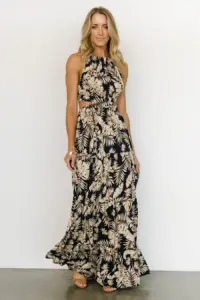
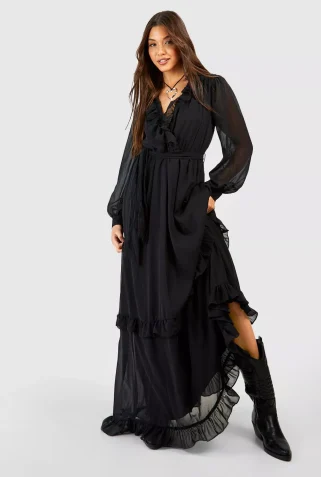
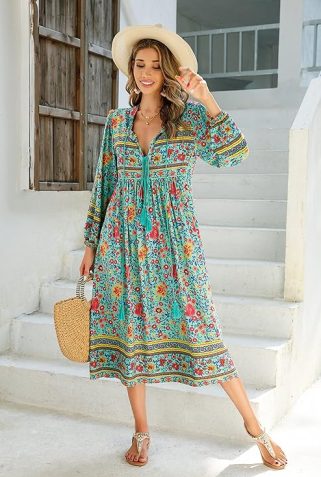
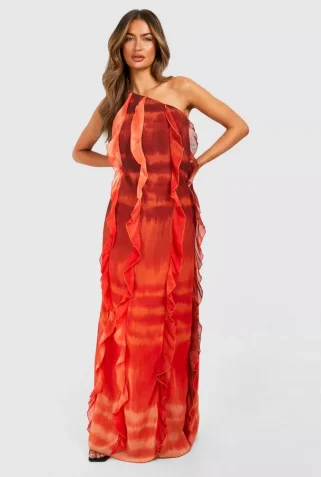
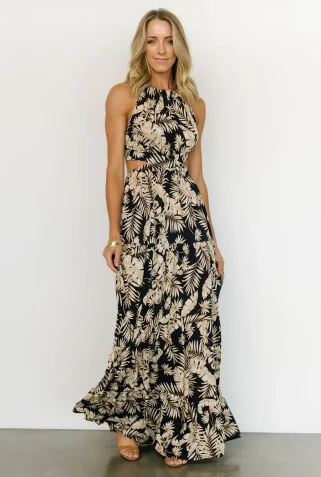
The design inspiration for bohemian maxi dresses comes from the lifestyle of bohemian artists and nomadic tribes in the late 19th and early 20th centuries. They embody a sense of freedom, fluid silhouettes, vibrant prints, and natural elements, and are renowned for their effortless and casual look. They typically feature loose and flowing silhouettes, layered textures, and ruffle details. And often made from lightweight and breathable fabrics such as cotton, linen, and chiffon, which contribute to their comfort and bohemian aesthetic.

Bohemian maxi dresses often reflect individuality and creativity, showcasing a variety of intricate patterns, including floral, paisley, and geometric prints. Embroidery, lace, and fringe decorations are also commonly added to enhance their visual appeal.

Bohemian maxi dresses are suitable for various occasions, ranging from casual outings to music festivals and beach parties. They are often paired with floppy hats, beaded jewelry, fringe bags, and lace-up sandals, among other accessories, to accentuate the bohemian vibe.

Bohemian maxi dresses allow women to express their unique, free-spirited, and fashionable style. Let’s embrace the bohemian lifestyle.

Shirt Dress

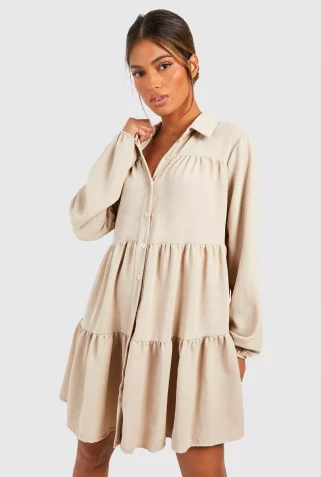
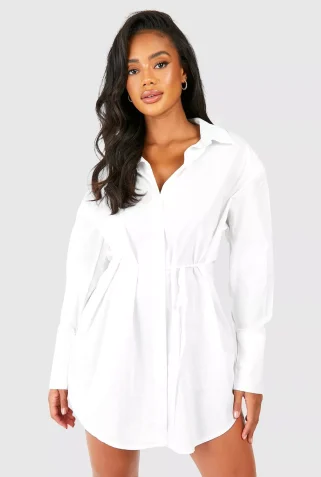
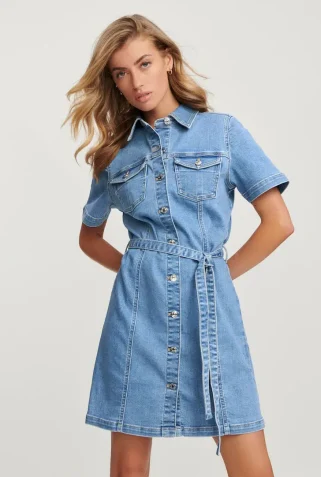
The shirt dress is a versatile and fashionable garment that combines elements of both a shirt and a dress. It draws inspiration from men’s button-down shirts but is specifically designed for women.
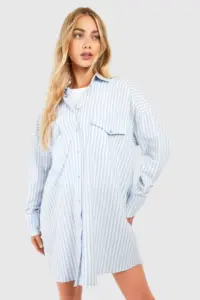
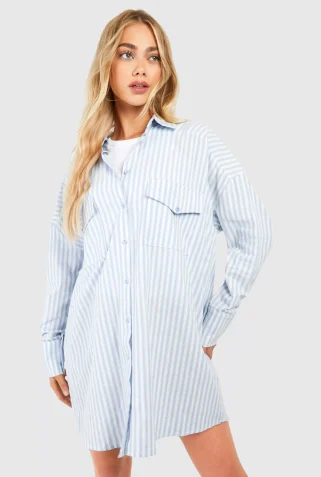
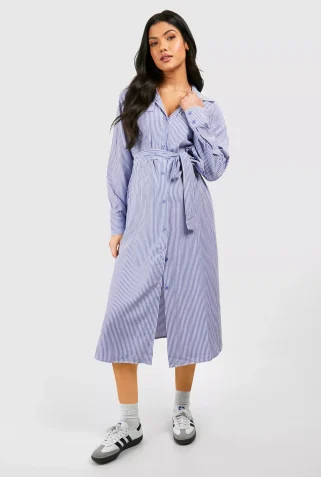
A shirt dress typically features a tailored shirt-style top with a collar, button-front closure, and sleeves, paired with a flowing skirt that falls anywhere from above the knee to ankle length.
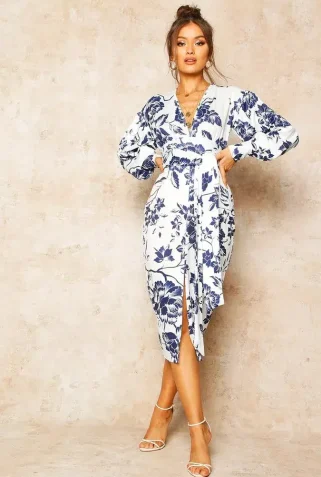
Shirt dresses are commonly made from fabrics such as cotton, linen, chambray, and silk. They come in a variety of colors and patterns, ranging from classic solid colors to stripes, checks, and floral prints, catering to different personal styles and occasions.
The shirt dress is suitable for both casual and formal settings. When paired with sneakers or sandals, it creates a relaxed and effortless look for daytime outings. On the other hand, combining it with heels or boots can elevate the dress, giving it a more polished and sophisticated appearance.
Comfort and ease of wear are key attributes of the shirt dress. Its loose or adjustable waistline provides a relaxed fit, allowing for freedom of movement. Some shirt dresses also come with a belt or tie to cinch the waist, accentuating the feminine silhouette and elegant curves.
Overall, the shirt dress combines the timeless charm of a shirt with the feminine allure of a dress. It is a versatile wardrobe staple that never goes out of style.

MIDI Dress

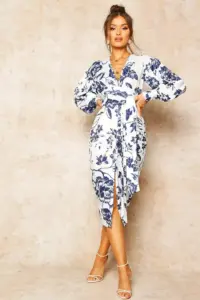
The term “midi” originates from the music terminology, referring to the middle range of musical notes. In the fashion industry, “midi” is used to describe a specific dress length.
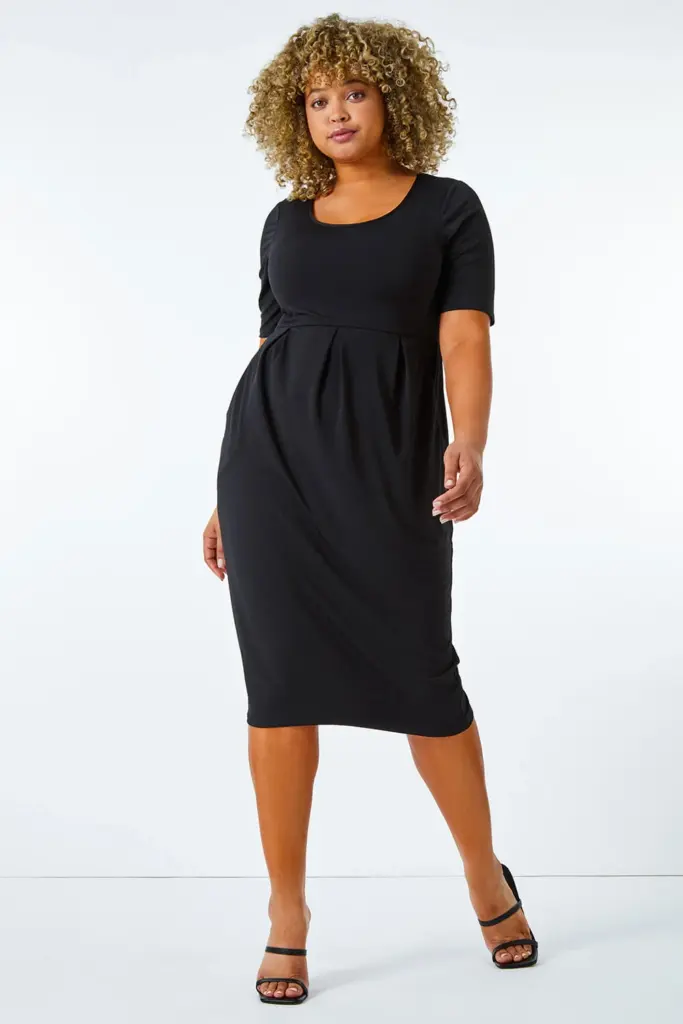
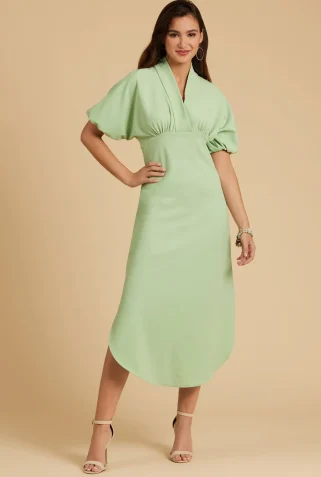
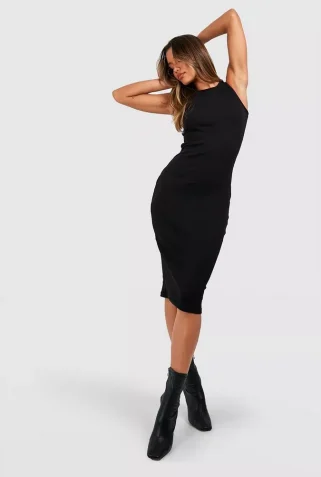
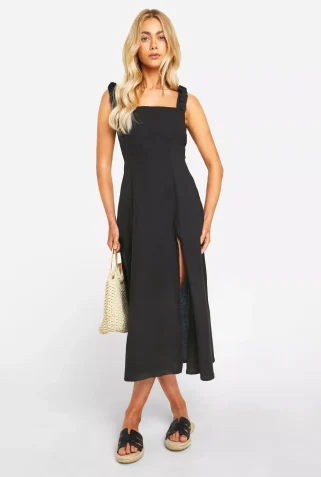
A Midi Dress is a stylish and versatile option, with a length that falls between the knee and ankle, usually reaching the mid-calf. Its silhouette is graceful and it is a popular choice in the fashion world.
Midi Dresses come in a variety of styles, with different neckline options including V-neck, round neck, or sweetheart, and various sleeve lengths such as sleeveless, short sleeves, or long sleeves. The styles can range from fitted to loose, catering to different preferences.
The moderate length of the Midi Dress offers convenience in movement while remaining versatile.
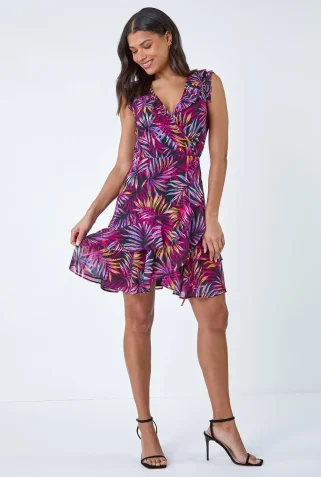
Common fabrics used for Midi Dresses include cotton, chiffon, silk, or knit fabrics. Each fabric showcases a different style, ranging from casual and playful to more structured and refined. The choice of fabric also affects the overall drape and texture of the dress.
Midi Dresses can be paired with high heels or sandals for an elegant and sophisticated look, or with sneakers or flats for a more casual and comfortable ensemble. Adding accessories such as a belt, scarf, or jewelry can further enhance the outfit.
Midi Dresses are suitable for various occasions, including weddings, parties, work events, and everyday wear, and they complement different body types.
In summary, Midi Dresses offer a wide range of styles and are both fashionable and comfortable. With their moderate length and diverse designs, they are a top choice in the fashion world.

Asymmetric Dress

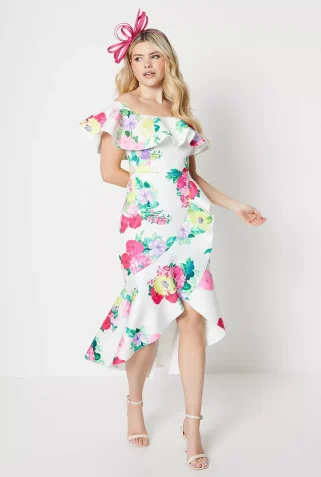
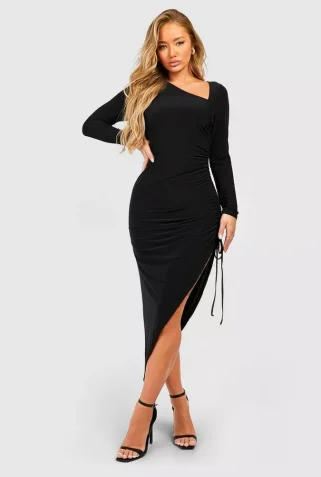
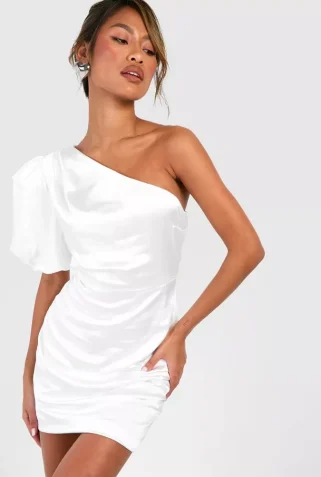
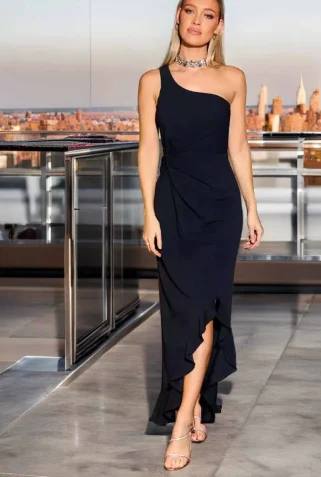
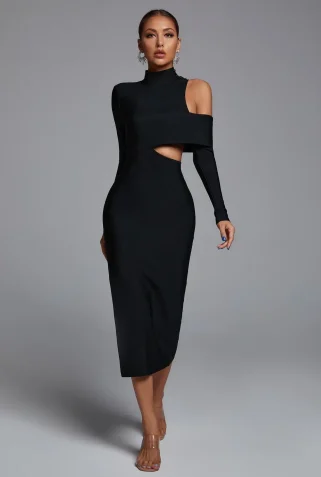
The characteristic of an asymmetric dress is its uneven or asymmetrical design elements. It deviates from the traditional symmetrical balance of a dress and incorporates unique angles, cuts, or details to create an eye-catching and dynamic look.

Asymmetric dresses can feature a one-shoulder design, exposing a shoulder on one side while the other side remains covered. The hemline of the dress can be uneven, with one side shorter or longer than the other. Other asymmetrical elements may include diagonal cuts, draped fabric, or asymmetrically placed embellishments or patterns.

Asymmetric dresses offer a contemporary and edgy aesthetic, breaking away from the conventional and adding visual interest. They can be found in a range of styles, from casual and flowy sundresses to more formal and structured evening gowns.

Overall, asymmetric dresses provide a unique and fashion-forward option for those seeking a distinctive and modern look. They create an element of surprise and individuality, making a bold statement in any wardrobe.

Balloon Dress

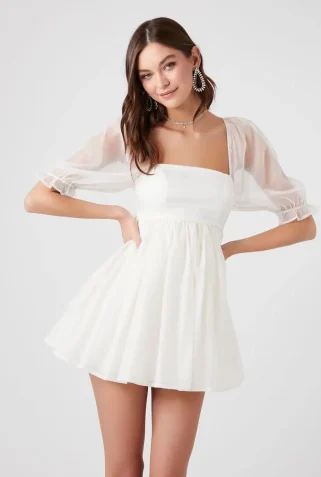
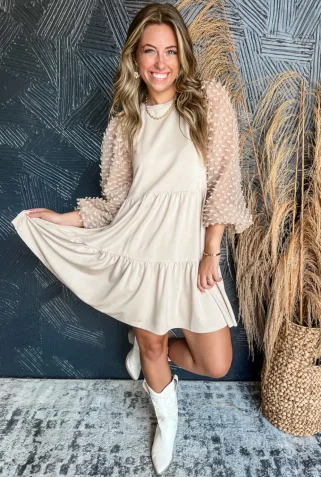
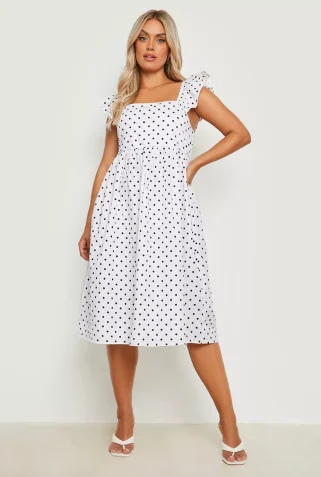
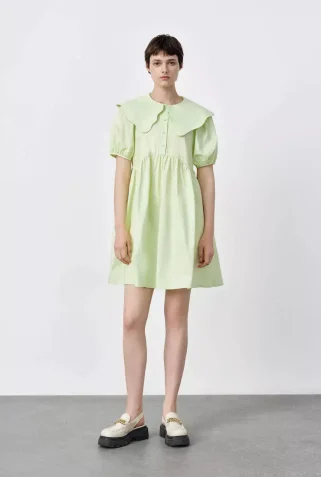
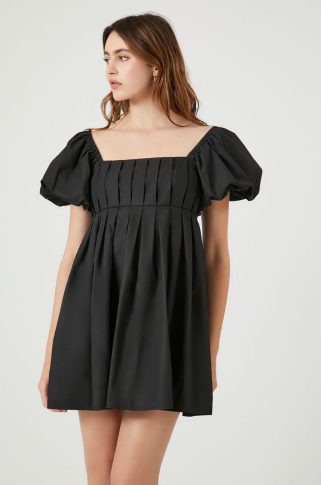
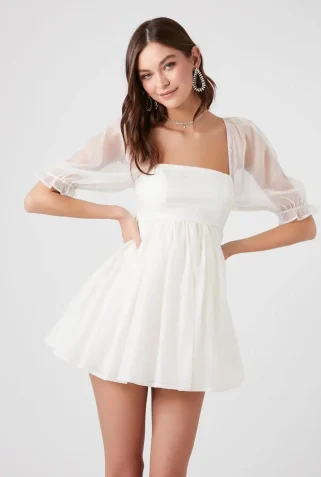
The balloon dress is a very playful garment with a loose and exaggerated silhouette. It is inspired by the shape of a balloon, featuring a voluminous and gathered bodice and a flowing skirt, creating a light and dynamic feel.

The balloon dress is often fitted at the waist or adjustable to create a gathered skirt that accentuates the waistline and highlights the balloon-like effect. It may also have balloon-shaped sleeves and other interesting design elements, making it incredibly cute.

Commonly made with fabrics such as chiffon, sheer, or organza, these lightweight materials contribute to the dress’s airy and floaty appearance.

The balloon dress is suitable for various casual and formal occasions. It can be paired with high heels or strappy sandals for a dressier look, or with flat shoes or ankle boots for a more relaxed style. Adding a belt, jewelry, and handbag can further enhance its beauty.

One of the advantages of the balloon dress is its versatility to flatter different body types. The fitted waistline creates an hourglass shape, while the voluminous skirt adds a playful and feminine touch.

The balloon dress is a fashion-forward choice that showcases a unique and whimsical style. Do you like it?

Evening Dress

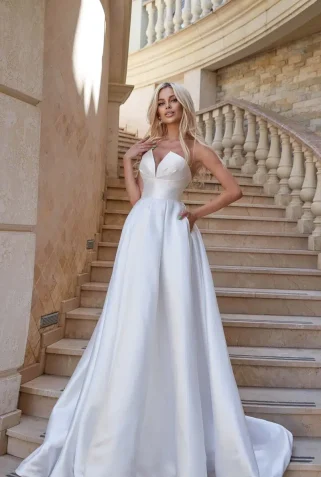
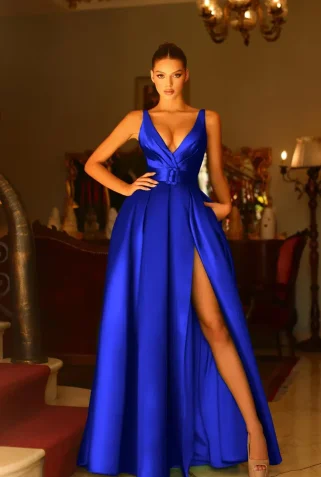
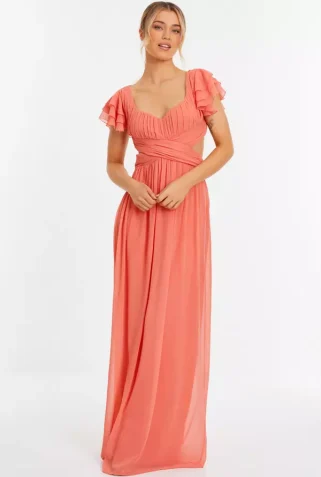
Evening gowns, also known as formal gowns or evening dresses, are specially designed for formal or semi-formal occasions. They are typically worn to events such as evening parties, dinners, or upscale gatherings.

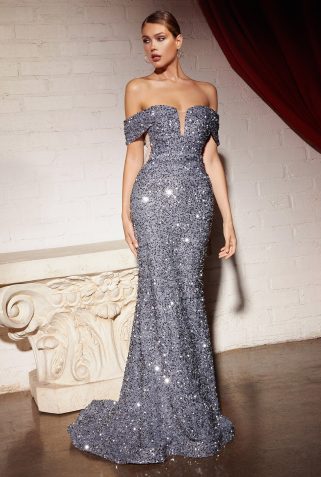
The design of an evening gown is elegant and delicate. It often features luxurious fabrics such as silk, velvet, or chiffon, which create a sense of opulence when worn. Depending on the formality of the event, the gown can be floor-length or slightly shorter.

Common styles include A-line skirts, mermaid skirts, fitted skirts, and ball gowns. Evening dresses often incorporate exquisite details and decorations such as beads, sequins, lace, or embroidery. The neckline can also vary, including styles like strapless, sweetheart, halter, or off-the-shoulder, adding to the overall elegance of the gown.

Accessories are also crucial to complete the look of an evening gown. Women often pair their gowns with statement jewelry such as necklaces, earrings, or bracelets, along with clutch purses, high heels, and shawls, to create a stunning ensemble.

I’m sure you can’t wait to have an evening gown that you love.

Apron Dress

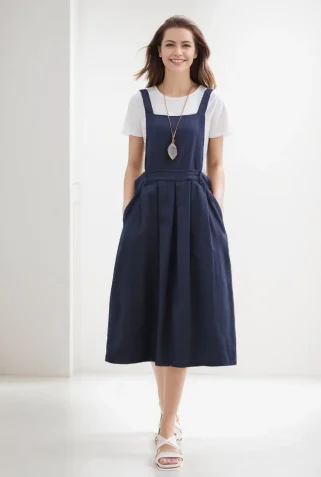
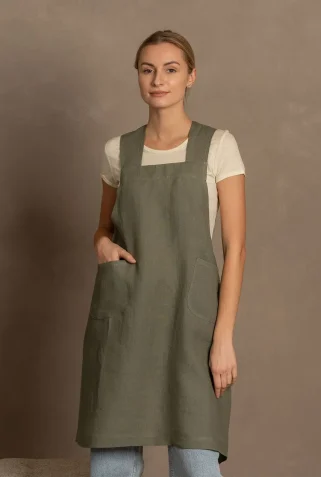
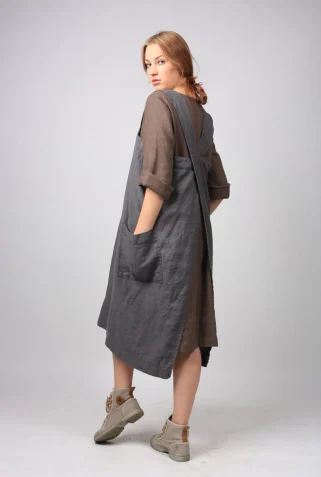
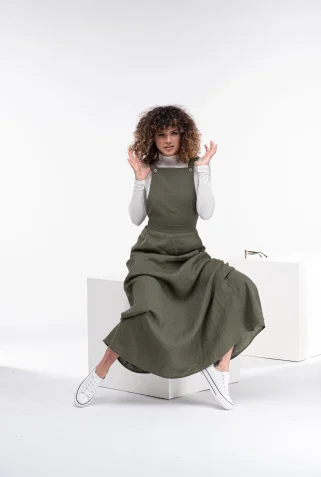
The apron dress draws its inspiration from traditional aprons, and you can certainly wear it as an apron if you’d like! Just kidding. In addition to its functional aspect, the apron dress is also a mainstream fashion item.

Apron dresses are typically loose-fitting, with straps that cross at the back or tie at the waist. The skirt of the dress is often flared or pleated, resembling the hem of an apron. It may feature pockets or additional decorative elements that evoke the design of traditional aprons.

Apron dresses are made from a wide variety of fabrics, including cotton, linen, denim, and even silk or satin. They are available in different lengths, ranging from mini to midi and even maxi.

Apron dresses can be worn in various settings. They can be styled with fitted tops such as shirts or t-shirts, giving off a nostalgic and vintage feel that is very charming.

Dirndl Dress

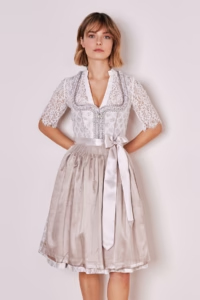
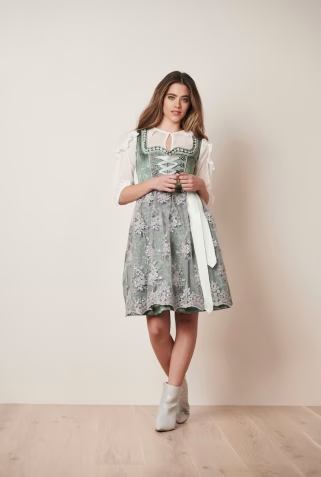
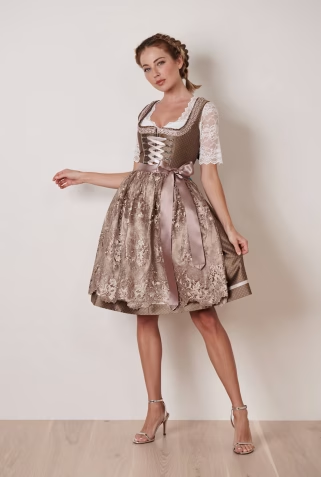
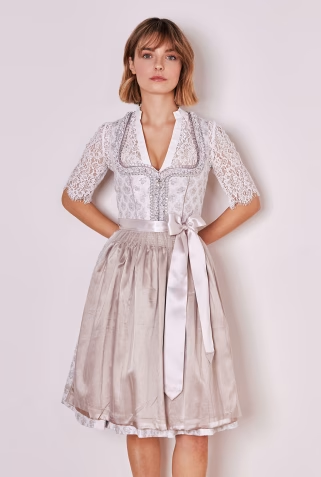
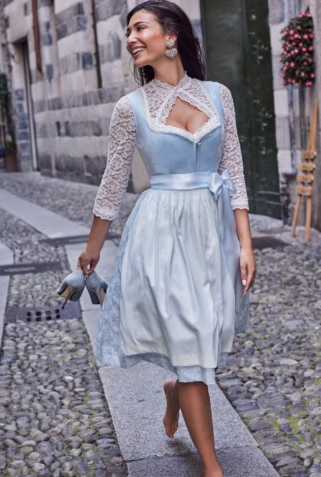
Dirndl dress is a traditional folk costume worn in certain regions of Germany, Austria, and Switzerland. It is commonly associated with Bavarian and Austrian cultures and is often seen in traditional clothing for festivals, celebrations, or rural areas.

A Dirndl dress typically consists of a fitted bodice, a long skirt, and an apron. The bodice can have sleeveless or short puffed sleeves and is adorned with decorative trims, embroidery, or buttons. The skirt is usually pleated or gathered, reaching knee-length or mid-calf. The apron is worn over the skirt and is often made of contrasting fabric or pattern, serving as a distinct feature of the Dirndl dress.

The dress comes in various colors and patterns. Traditional designs often feature floral or checkered patterns, while modern styles may incorporate more contemporary prints and colors. In terms of fabric, everyday options include cotton and linen, while more luxurious materials like silk or velvet are used for special occasions.

Typically, a blouse is worn underneath the fitted bodice, and blouses can have various necklines such as square, round, or off-shoulder, with details like ruffled edges or lace. The neckline of the blouse can be tightened or more revealing, depending on personal preference.

As for accessories, wide-brimmed hats or decorative headbands, necklaces or earrings, and small handbags are commonly paired with the Dirndl dress. Traditional footwear options include flat shoes or ankle boots, but high heels can also be suitable. It is especially appropriate to wear and celebrate the Dirndl dress during folk festivals, weddings, and other special occasions.

In conclusion, the Dirndl dress represents a rich cultural heritage and serves as a symbol of tradition and regional identity in certain parts of Germany, Austria, and Switzerland. I believe you, as the reader, might be interested in giving it a try as well.

Debutante Dress

Debutante Dress is a formal dress for women, typically worn when young women make their first appearance at social events or formal soirées. It originated in Western aristocratic society, particularly in England and France. It was initially designed for young women to make a formal debut and enter adult society in social gatherings.

The wearing of Debutante Dresses is primarily popular in English-speaking countries and some European countries, such as the United Kingdom, the United States, Australia, and France. However, with the exchange of global social cultures, it has also gained some influence in other regions.

Debutante Dresses are suitable for formal social occasions such as balls, banquets, social soirées, and weddings. They are typically worn by young women when they make their debut appearance, marking their transition from adolescence to adulthood.

Commonly used fabrics for Debutante Dresses include silk, satin, chiffon, and lace. These fabrics often have a glossy, flowing, and elegant quality to highlight the graceful posture of women. The breathability and softness of the fabric may vary depending on the specific fabric chosen. Lightweight fabrics like silk and chiffon generally have better breathability, while fabrics like satin and lace may be relatively heavier, but it also depends on the specific design and fabric treatment.

Common design features of Debutante Dresses include fitted upper bodices, loose skirts, exquisite decorations, tailoring, and details. They may have high necklines, off-shoulder styles, V-necklines, waist belts, pleats, lace trims, and other design elements to showcase the elegance and graceful curves of women.

As for accessories and footwear, Debutante Dresses are often paired with delicate jewelry such as earrings, necklaces, and bracelets. Headpieces such as hair accessories, headbands, or small hats are also common. Shoes are typically high heels or slender heels to enhance the elegant stature. Small handbags or clutches are popular choices to complement the overall elegant image.

In summary, the Debutante Dress is a formal dress for women, suitable for young women to wear on important occasions when they make their debut appearance.

Coat Dress

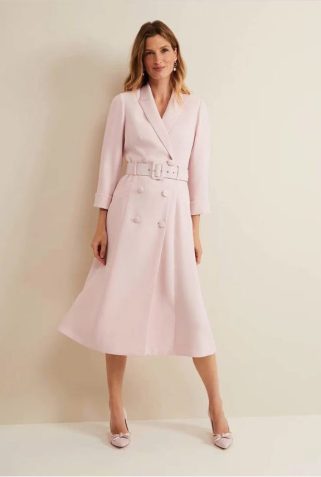
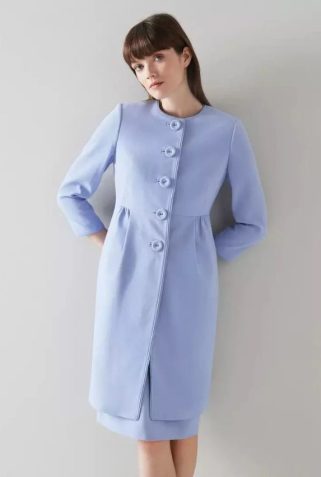
A coat dress is a garment that combines elements of a coat and a dress. It features the structure and design of a coat, including lapels, buttons, and sleeves. The collar styles can vary, with options such as notched, shawl, or Peter Pan collars. Coat dresses come in various lengths, ranging from above the knee to ankle-length. They usually have a defined waistline, either through a belt or a tailored silhouette, to create a feminine shape.

Coat dresses are typically made from fabrics like wool, tweed, or cashmere, which provide warmth and structure. Lighter fabrics such as cotton or silk can also be used for more transitional or dressier variations, depending on the season.

Coat dresses are suitable for a range of occasions, from formal events to professional settings. They offer a polished and sophisticated look, combining the structure and design of a coat with the elegance and femininity of a dress.

When styling a coat dress, it is common to pair it with appropriate accessories to complete the overall look. Adding a statement belt or scarf can enhance the outfit. Footwear options can include heels or dressy flats, and coordinating jewelry can be chosen based on the occasion. Carrying a handbag or clutch is also a popular choice.

In summary, a coat dress is a versatile garment that combines the elements of a coat and a dress. It blends the structural design of a coat with the feminine appeal of a dress, making it suitable for various occasions from formal events to professional settings.

Cocoon Dress

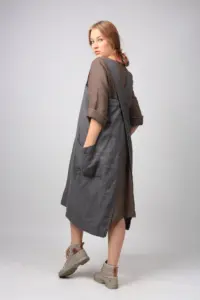
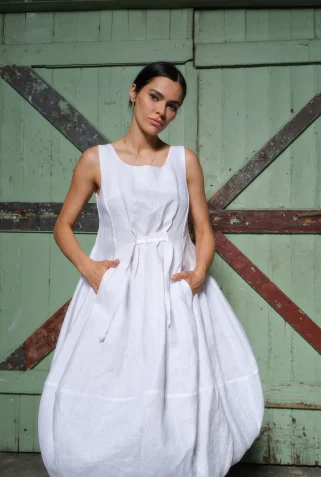
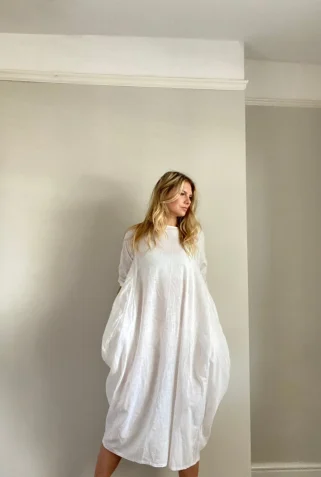
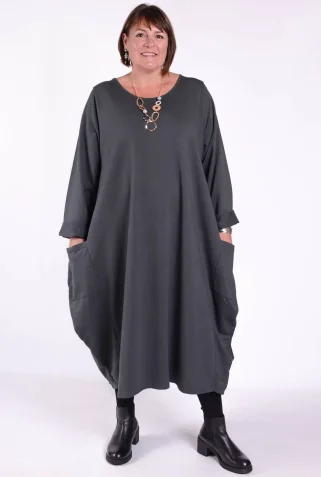
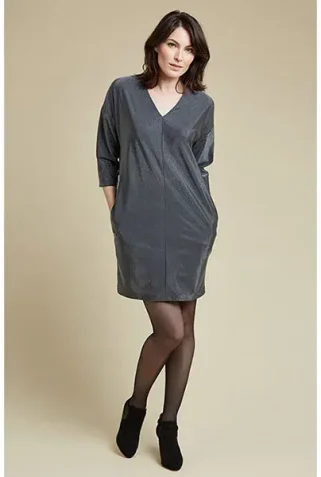
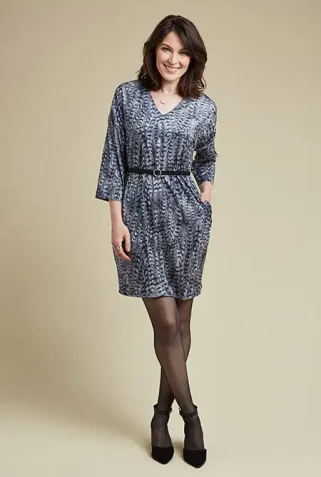
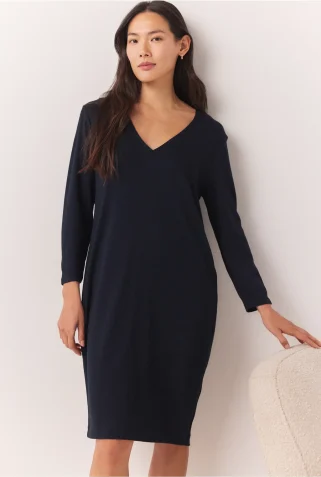
Cocoon dress is characterized by its loose, oversized silhouette and rounded shape, resembling the form of a cocoon. Its design features a drapey feel and a relaxed fit that is away from the body, providing a comfortable and easy-to-wear sensation.

Typically, a cocoon dress has a loose-fitting top portion that gradually tapers towards the hem, mimicking the cocoon silhouette. Depending on the specific design, the sleeves can be fitted or oversized. This type of dress generally lacks a defined waistline or structure, allowing the fabric to drape freely.

Cocoon dresses are commonly made from lightweight and flowy fabrics such as cotton, linen, silk, or chiffon, which contribute to the fluidity and relaxed feel of the silhouette. They can also be crafted from heavier materials to accommodate colder weather.

The shorter length and casual fabrics of cocoon dresses make them suitable for everyday wear or casual outings, while longer lengths and more luxurious fabrics are appropriate for special occasions or evening events.

Cocoon dresses often embrace minimalism and can be worn as standalone statement pieces or layered with jackets, cardigans, or scarves to add warmth and style.

Overall, cocoon dresses create a relaxed and effortless style with their loose, oversized silhouette and rounded shape. They offer comfort and versatility, making them a popular choice for those seeking fashionable yet comfortable clothing.

Denim Dress

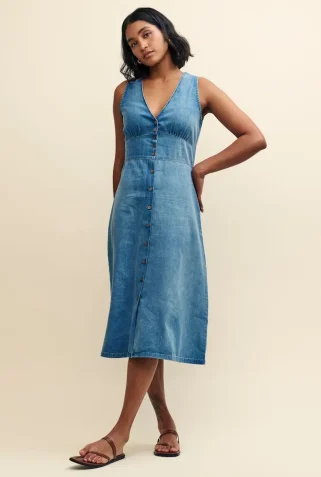
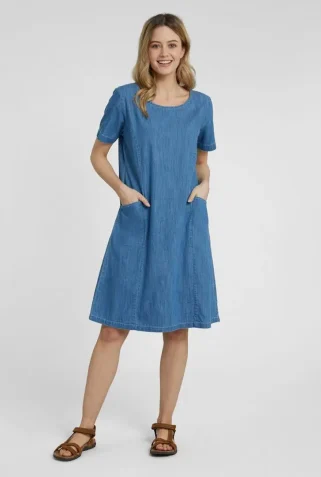
The origin of denim dresses can be traced back to the American West in the 19th century. They were primarily created to meet the needs of laborers such as miners, cowboys, and farmers who worked in harsh conditions. Denim dresses utilize denim fabric, which is a durable and sturdy cotton twill fabric. It gained popularity due to its durability and adaptability.

The inspiration for denim dresses primarily came from denim jeans. They adopted the design and tailoring style of jeans but transformed the pants legs into a dress form to better suit women’s clothing needs.

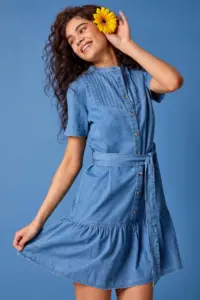
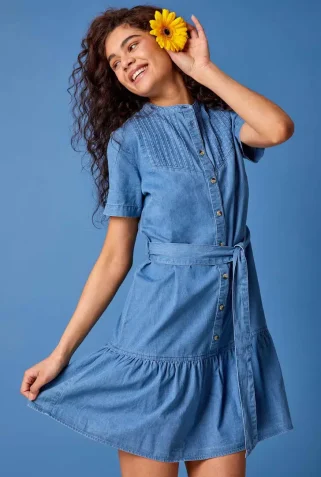
The classic charm of denim fabric combines with the comfort and femininity of a dress. Denim dresses come in various styles, lengths, and designs to cater to different preferences and occasions. They can range from fitted to loose and flowing, and may feature details like pleats, pockets, belts, or decorative stitching. Different neckline designs, such as scoop neck, V-neck, or button-down fronts, are also available. Sleeve options include sleeveless, short-sleeved, or long-sleeved, providing choices for different seasons and climates.

Over time, denim dresses have evolved into a fashionable garment and have spread globally. They are now a popular fashion item enjoyed by many regions and cultures. Denim dresses remain highly popular in the United States, particularly in the western regions and rural communities. Additionally, they are loved in many other areas, including Europe, Asia, and Latin America. The classic design and diverse styles of denim dresses make them suitable for various occasions and personal styles. I believe you may have one in your wardrobe that you can wear for a lifetime.

Saree Dress

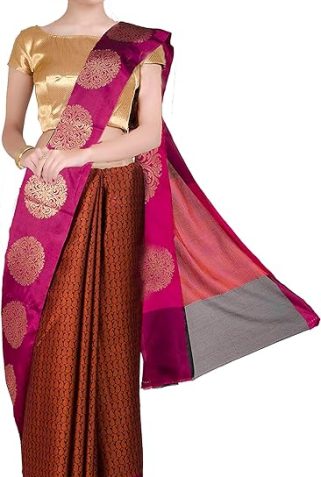
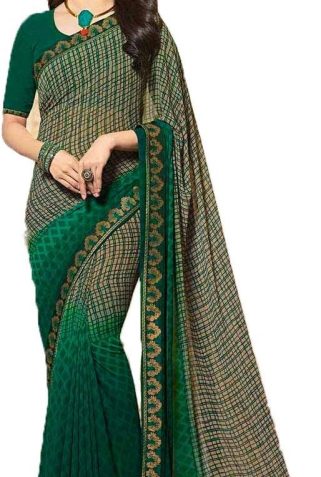
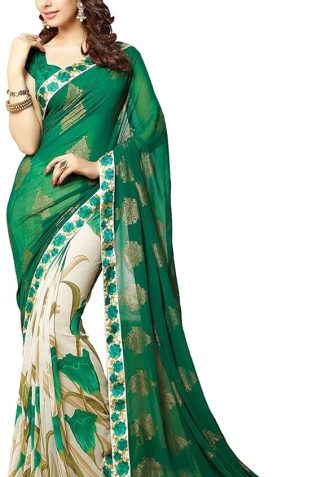
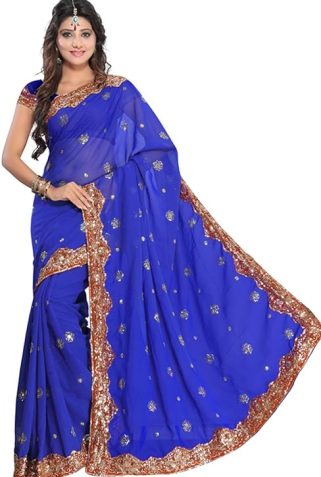
Saree Dress, also known as Saree Gown or Saree-Style Dress, combines the elegance and cultural significance of the traditional Indian saree with the convenience and silhouette of a Western-style dress.

The inspiration for the saree dress comes from the iconic draping and pleating of the saree, which has been reinterpreted in a more streamlined and structured form. Saree dresses do not employ the traditional saree wrapping and hanging method, but instead incorporate saree-like fabrics into the dress design, creating a seamless and cohesive look. Saree dresses can be worn on a variety of occasions, from formal events and weddings to more casual settings.

These dresses typically feature a fitted bodice or waistline, followed by a flowing, saree-inspired skirt. The skirt may incorporate pleats, drapes, or other design elements that mimic the cascading effect of the saree.

The choice of fabric is crucial in creating the aesthetic appeal of the saree dress. Lightweight, flowing fabrics such as silk, chiffon, or georgette are often used to capture the graceful movement and fluidity of the saree, combined with traditional Indian textile patterns, embroidery, or metallic accents to add depth and heritage.

Saree dresses blend Western and Indian/South Asian fashion styles, and have gained popularity among diverse populations, primarily including India, Pakistan, Bangladesh, Nepal, Sri Lanka, the United Arab Emirates, Qatar, and Saudi Arabia.

With the influence of immigrant communities and the growing impact of Indian fashion, many European countries have also been influenced by the saree dress, further refining the style and silhouette to adapt to their local cultures. Can’t wait to try one out?

Camisole Dress

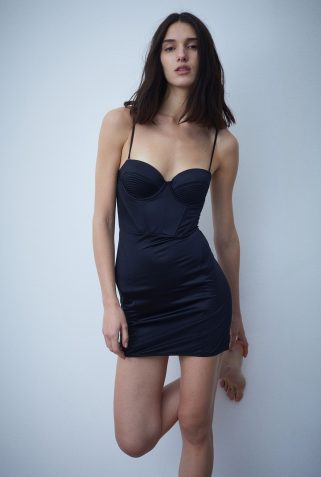
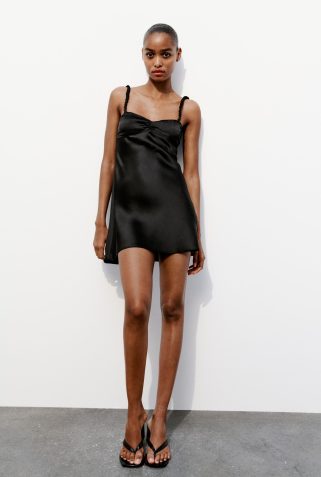
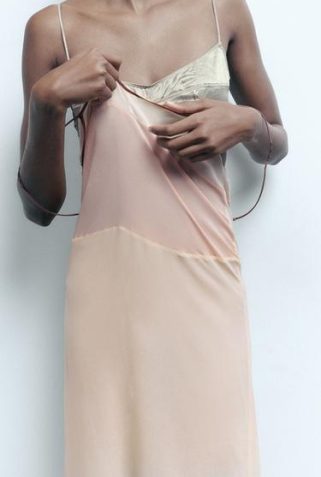
The slip dress, with its origins traceable to the 1920s and 1930s, when the camisole began to be incorporated into outerwear design. Designers started to integrate the design elements of the camisole into dresses and tops, creating more modern and fashionable silhouettes. This practice of transforming underwear elements into outerwear reflected the independence and self-confidence of women in their social status and fashion style, and by the 1990s, the camisole became fashionable again as part of the minimalist, effortlessly chic trend. These dress-like slips, characterized by lightweight, sheer fabrics and simple cuts, embodied the “grunge” and “heroin chic” fashion aesthetics of the time, representing the pursuit of a sensual, casual feminine image.

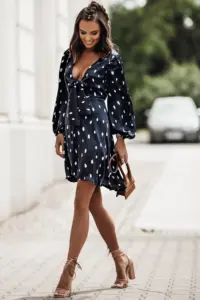
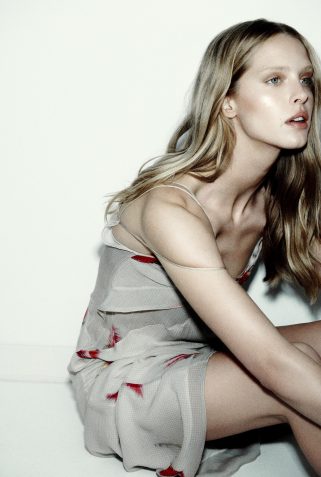
The slip dress is a sleeveless, loose-fitting dress, typically supported by thin straps, with a relaxed, flowing silhouette that elegantly drapes over the body, distinguished by its lightweight, airy, and refined appearance, reminiscent of lingerie. It is often worn as a standalone piece or layered under jackets, cardigans, or oversized shirts to create a more casual, grunge-inspired look. The fabric is usually made of delicate, breathable materials such as silk, satin, or chiffon, with a minimalist, understated beauty and minimal decoration or details. The slip dress is versatile and suitable for a range of occasions, from casual to formal, pairing well with heels, jewelry, and tailored blazers, or more casual with flat sandals or sneakers.

The functionality, comfort, and feminine appeal of the slip dress have made it a timeless fashion staple, transcending trends and becoming a must-have in many wardrobes.

Baby Doll Dress

The ball gown is a formal dress style characterized by a fitted bodice and a voluminous, floor-length skirt. This iconic silhouette has been a staple of formal and eveningwear for centuries.The ball gown’s origins can be traced back to the 16th century European royal courts, where it was worn by nobility and aristocracy at grand social events and balls. Over time, the style evolved, becoming more elaborate and ornate.

The top part of the ball gown dress is tailored to closely fit the torso, often with features like boning, structured seams, and intricate embellishments, while the skirt is extremely voluminous.

They are typically made from multiple layers of luxurious fabrics such as satin, tulle, taffeta, organza, velvet or brocade. The length of the skirt can reach the floor or be slightly shorter.
In terms of embellishments, details like beading, sequins, embroidery and lace are commonly used to add visual interest and elegance to ball gowns.

The combination of the fitted bodice and the full skirt creates a very dramatic, structured, and regal appearance.

Ball gowns are typically worn for formal events like weddings, galas, debutante balls, and red carpet occasions, where their grand, princess-like aesthetic is highly celebrated. They continue to be a symbol of luxury, glamour, and high-fashion.

Ball Gown

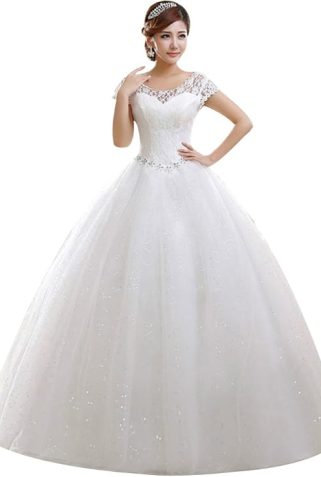
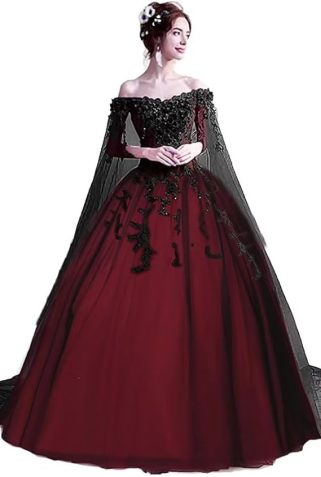
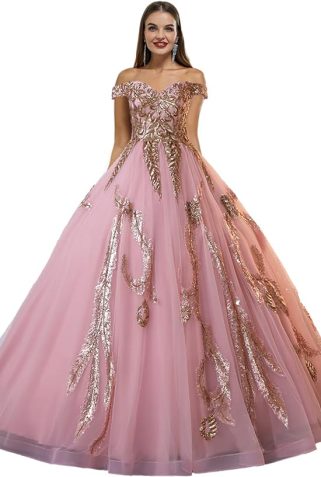
The ball gown is a formal dress style characterized by a fitted bodice and a voluminous, floor-length skirt. This iconic silhouette has been a staple of formal and eveningwear for centuries.

The ball gown’s origins can be traced back to the 16th century European royal courts, where it was worn by nobility and aristocracy at grand social events and balls. Over time, the style evolved, becoming more elaborate and ornate.

The top part of the ball gown dress is tailored to closely fit the torso, often with features like boning, structured seams, and intricate embellishments, while the skirt is extremely voluminous.

They are typically made from multiple layers of luxurious fabrics such as satin, tulle, taffeta, organza, velvet or brocade. The length of the skirt can reach the floor or be slightly shorter.
In terms of embellishments, details like beading, sequins, embroidery and lace are commonly used to add visual interest and elegance to ball gowns.

The combination of the fitted bodice and the full skirt creates a very dramatic, structured, and regal appearance.
Ball gowns are typically worn for formal events like weddings, galas, debutante balls, and red carpet occasions, where their grand, princess-like aesthetic is highly celebrated. They continue to be a symbol of luxury, glamour, and high-fashion.
Bandage Dress

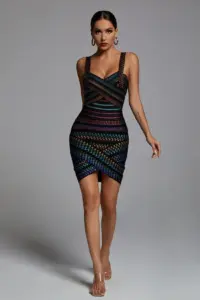
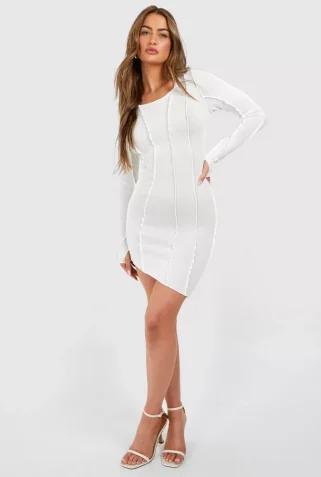
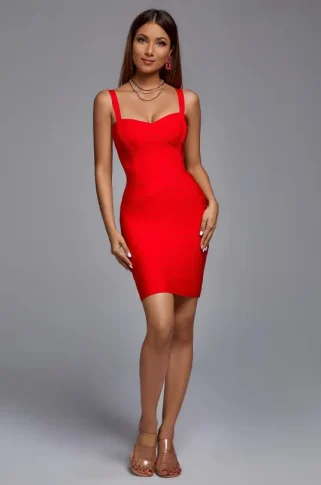
The bandage dress is a form-fitting dress style. Its key features are the emphasis on the body’s contours and the use of fabric panels that resemble bandages to wrap and shape the body’s silhouette.
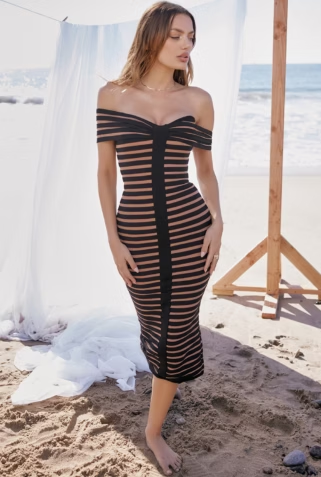
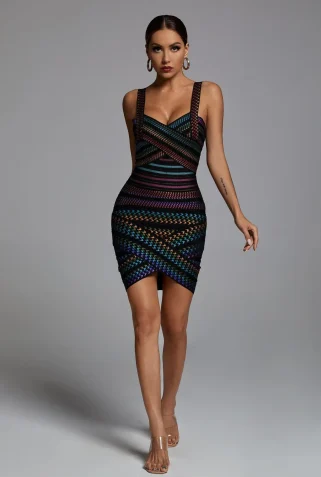
The design closely follows the body’s curves, creating a very fitted, figure-flattering profile that showcases a good physique. They are usually made from stretchy, compressive knit fabrics, constructed in a criss-crossing, bandage-like pattern – this fabric clings to the body and smooths it.

Bandage dresses often feature high hemlines, deep necklines, and cutouts that expose parts of the body. This adds a bold, sexy element to the style, and they are typically found in daring, vibrant colors like red, black, bright blues or purples.

The origins of the bandage dress can be traced back to the designs of the fashion house Hervé Léger in the 1980s. However, the style reached peak popularity in the 2000s, when celebrities like Kim Kardashian and Paris Hilton frequently wore them on the red carpet. Bandage dresses are often associated with an alluring, confident and seductive aesthetic. They remain a popular choice for formal events, parties, and celebrity appearances where a figure-hugging, eye-catching look is desired.

Bardot Dress

The name “Bardot” references the iconic French actress Brigitte Bardot, who frequently wore off-the-shoulder styles that helped popularize the look in the 1950s and 60s.

The Bardot dress remains a timeless, elegant fashion staple that continues to be embraced by modern style-setters.

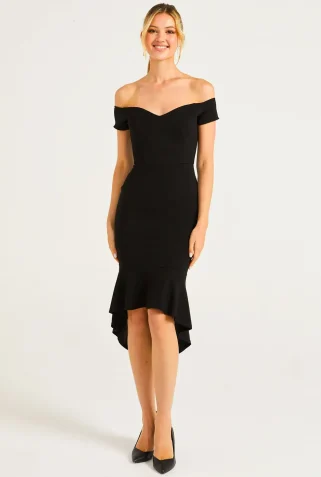
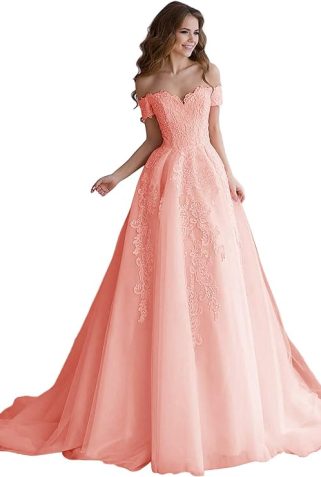
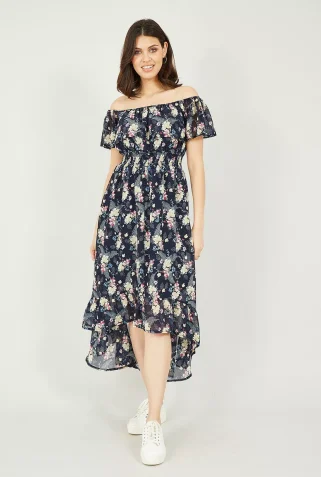
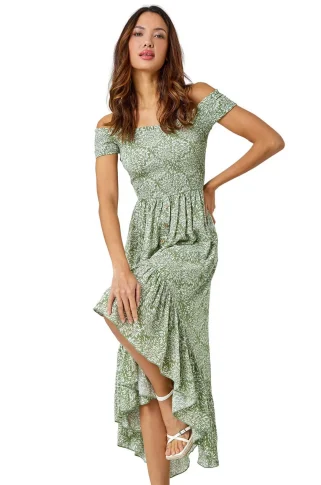
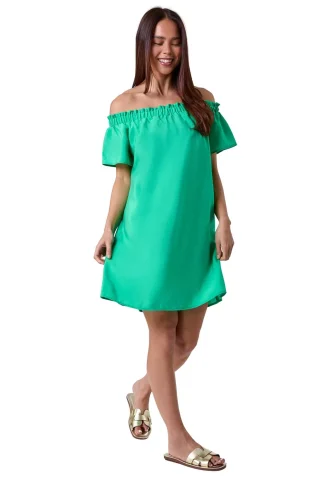
The defining feature of the Bardot dress is its off-the-shoulder or “Bardot” neckline. This style leaves the shoulders bare and allows the dress to slip down slightly, exposing the collarbone and upper chest area.

Bardot dresses can have a variety of silhouettes, ranging from fitted, bodycon styles that hug the figure, to more flowing, A-line or empire waist designs that are loose and flared from the shoulders.

The sleeves on Bardot dresses can vary, from short puff sleeves to long, billowing bishop sleeves. Some styles may also be sleeveless.

The exposed shoulders and neckline of the Bardot dress create a flirtatious, romantic and feminine look. They are popular for a range of occasions, from casual summer outings to more formal events like weddings and parties.

Their universally flattering silhouette makes Bardot dresses a go-to choice.

Blazer Dress

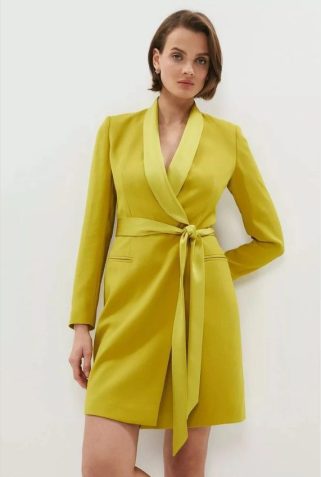
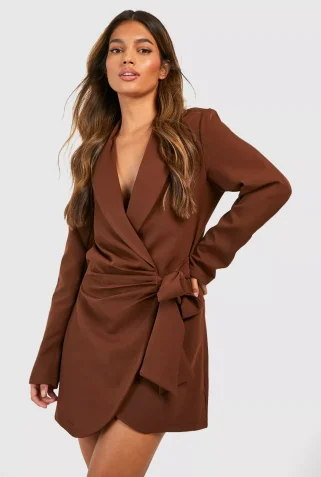
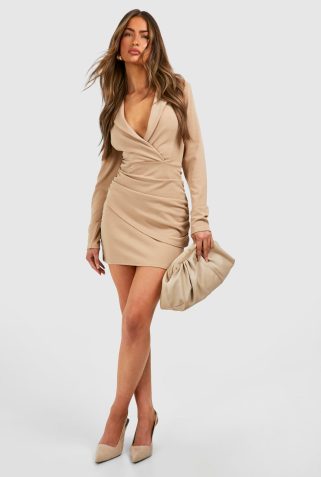
During the 1980s and 1990s, as women’s presence in the workforce grew, designers began to merge elements of the suit jacket and the dress, creating the blazer dress as an ideal choice for the professional woman and a major fashion trend.

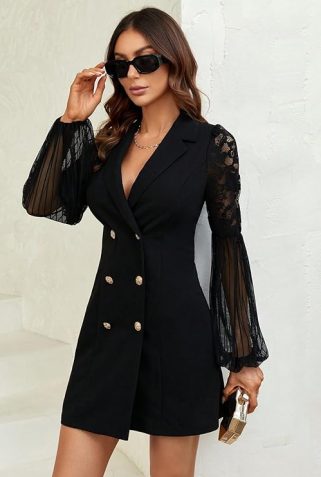
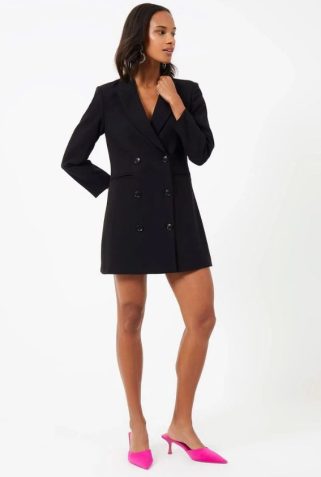
The blazer dress features a structured, suit-like top half combined with a dress silhouette for the bottom, blending formality and femininity.

This versatile piece can be worn for both casual and formal occasions, depending on the styling. The fabrics vary widely, from wool to cotton and synthetic blends, making it suitable for different seasons and settings.

The streamlined cut and fitted shape help to accentuate the wearer’s figure. As a transitional garment, the blazer dress can be worn year-round, making it a practical and essential wardrobe staple.

The successful fusion of functionality and fashion in the blazer dress has made it a widely popular choice, meeting the diverse dressing needs of the modern working woman.

Vestido Maxi

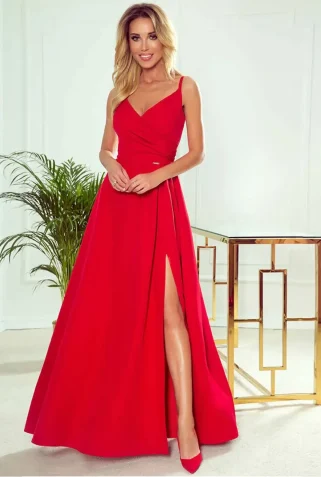
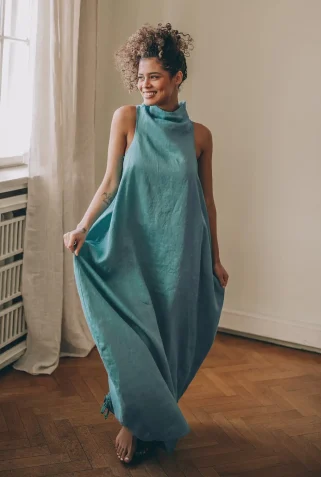
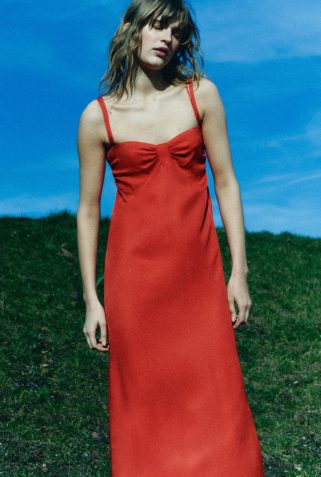
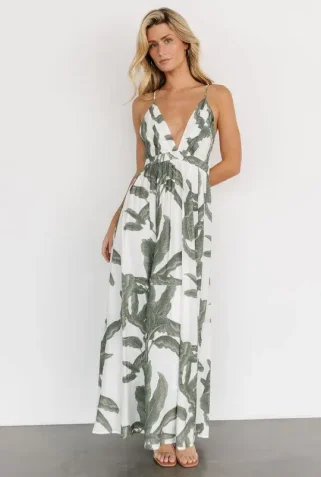
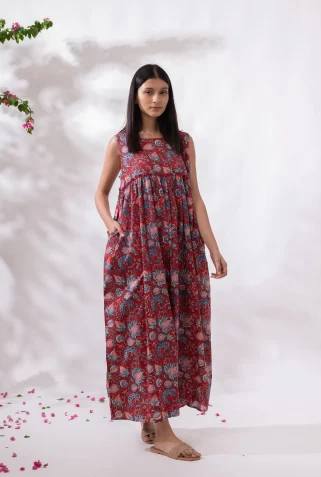
The maxi dress is an extremely long, floor-length dress that emerged in the late 1960s and early 1970s as part of the hippie and bohemian fashion movements. It was popularized by style icons like Cher and Stevie Nicks, who helped establish the maxi dress as a symbol of free-spirited, laid-back femininity. The maxi dress has remained a popular women’s fashion item for decades.

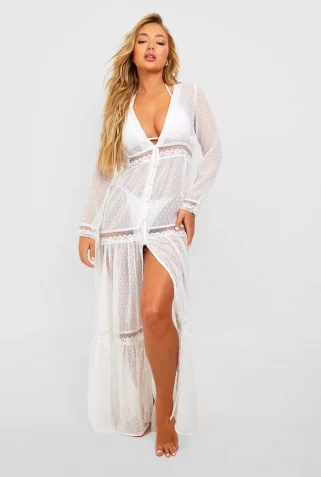
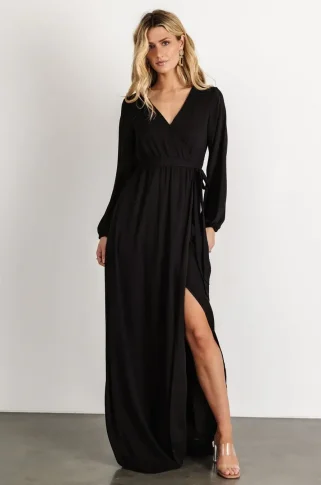
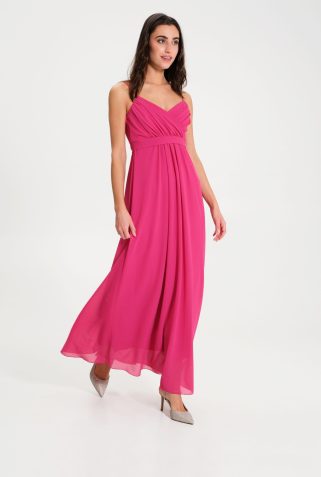
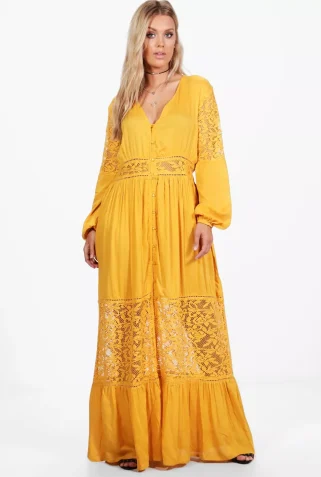
The defining feature of the maxi dress is its extremely long skirt that extends from the ankles to the floor. It typically has a relaxed, flowing silhouette and is made of lightweight, drapey fabrics like jersey, chiffon, or cotton. Maxi dresses can feature a variety of necklines, sleeve lengths, and waist definitions, ranging from loose and empire-waisted to figure-hugging. Common design elements include slits, cutouts, halter necks, and bold prints or patterns.

In the 1980s and 1990s, the maxi dress evolved to include more structured, formal designs in addition to the casual, flowing styles. Today, the maxi dress remains a warm-weather wardrobe staple, available in a wide range of fabrics, colors, and silhouettes to suit diverse personal styles.

The maxi dress is a versatile option that can be dressed up or down for different occasions. It provides coverage and comfort while still looking stylish, making it a popular choice for casual daytime events, summer weddings, music festivals, and tropical vacations. The long length and flowing shape of the maxi dress creates a flattering, elongating effect on the wearer’s figure.

The relaxed, bohemian aesthetic of the maxi dress continues to resonate with many women seeking a comfortable, effortless, and feminine wardrobe staple. Overall, the maxi dress has endured as a timeless fashion piece that balances style, comfort, and versatility for the modern woman.

Mermaid Dress

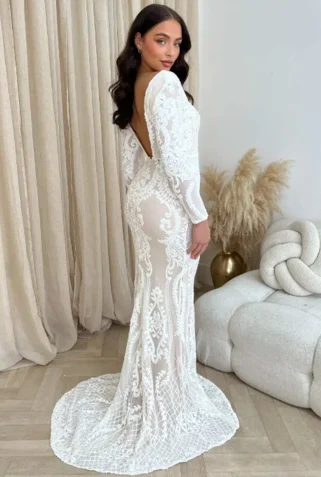
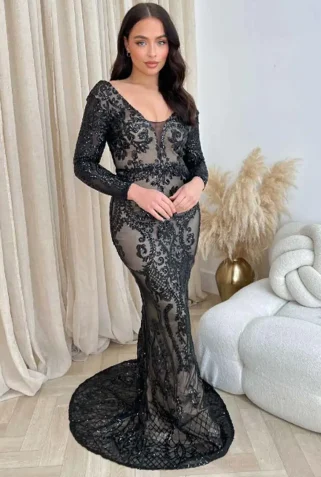
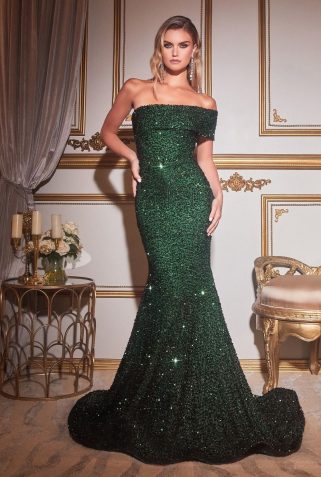
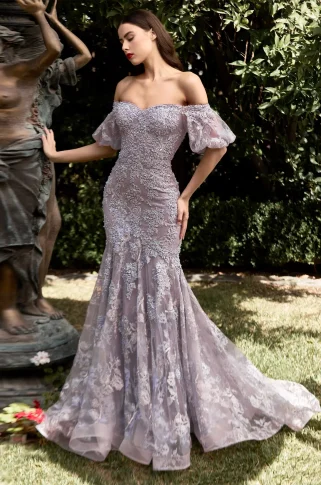
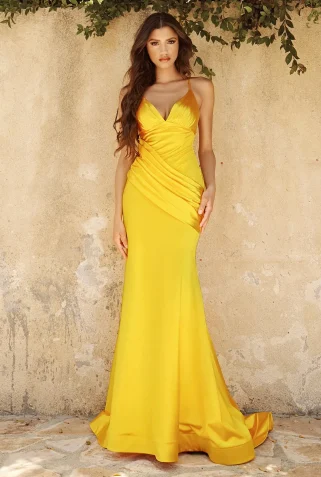
The mermaid dress is a form-fitting women’s dress with a distinctive mermaid-tail-like silhouette – a fitted bodice and a flared, trumpet-shaped skirt that hugs the hips and flares out dramatically from the knees down.

This shape mimics the tapered lower body and flared tail of a mermaid, hence the name. Mermaid dresses are usually made from stretchy, structured fabrics like satin, crepe, or lace to create the curve-hugging contour. Common design elements include low necklines, high slits, peplum details, and intricate patterns or embellishments on the skirt.

The mermaid dress style emerged in the early 20th century as a high-fashion silhouette inspired by the mythical mermaid figure. It rose to prominence in the 1940s and 1950s, when Hollywood stars like Marilyn Monroe and Liz Taylor helped popularize the dramatic, body-skimming mermaid look. In the 1980s and 1990s, the mermaid dress evolved to incorporate more modern, angular lines and structural elements.

Today, the mermaid dress remains a popular choice for formal occasions like weddings, red carpet events, and black-tie galas. The mermaid silhouette is known for its figure-flattering qualities, as it accentuates the waist and hips while concealing the thighs and legs. This shape creates an ultra-feminine, hourglass-like effect that many women find alluring and confidence-boosting.

While most often associated with formal wear, mermaid dresses can also be found in more casual, everyday styles for a slightly edgier look. The dramatic, sculptural shape of the mermaid dress makes it a showstopping choice for formal events where the wearer wants to make a bold, glamorous statement.

Overall, the mermaid dress has remained a beloved and enduring style in women’s fashion, prized for its ability to flatter the figure and create a captivating, high-fashion aesthetic.

Empire Waist Dress

The key features of the empire waist dress are a fitted bodice and a high waistline that sits just below the bust, creating a flowing, A-line silhouette from the empire waist down. This waistline is significantly higher than the natural waistline, which typically falls at the narrowest part of the midsection.

The empire waist originated in the early 19th century Regency era, inspired by the high-waisted dresses worn by ancient Greek and Roman women. The Empire style became very fashionable in the late 1700s and early 1800s, influenced by the artistic and cultural fascination with Greco-Roman aesthetics.

Empire waist dresses flatter the figure by drawing attention to the bust and deemphasizing the midsection. The raised waistline creates the illusion of a longer, leaner torso. The flowing, A-line skirt also helps camouflage the hips and thighs. This silhouette is particularly flattering for women with a fuller bust, as the high waistline balances the proportions.

Empire waist dresses can be found in both casual and formal styles. Informal versions may feature simple, comfortable fabrics like cotton or jersey. Formal empire dresses are often made from luxurious materials like silk, satin, or chiffon, and may incorporate delicate details like ruffles, lace, or embroidery.

The empire waist dress remains a timeless, feminine fashion staple that continues to be popular today. Its ability to flatter a variety of body types has contributed to its enduring appeal. Many women find the empire silhouette to be both comfortable and figure-flattering.

Vestido curto

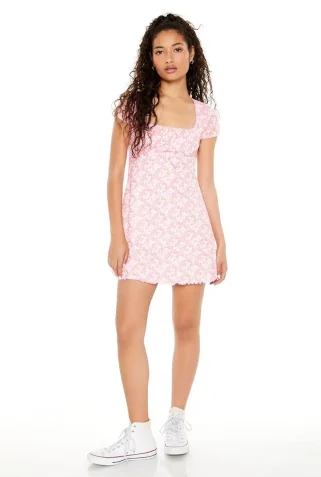
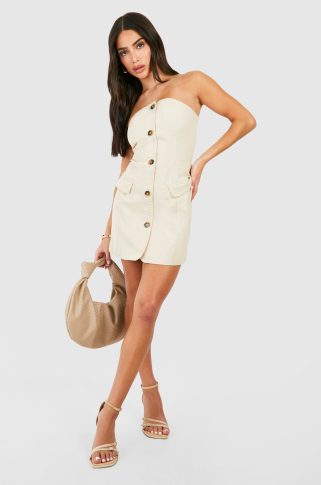
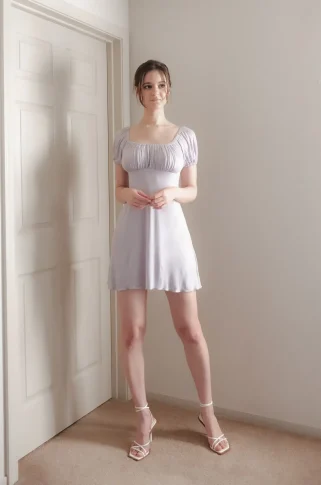
The mini dress is an extremely short dress, typically falling several inches above the knee. The mini skirt first emerged as a fashion trend in the 1960s, becoming a symbol of the youthful, rebellious spirit of that era.

The distinguishing feature of the mini dress is its short hemline, with the skirt portion well above the knee, usually a few inches up the thigh. The exact length may vary, but most fall within the 2-6 inch range above the knee.

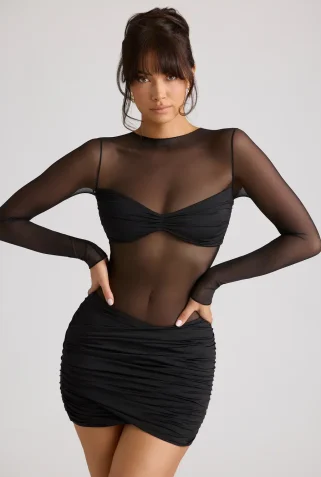
The silhouette is typically simple, with a straight or A-line shape, clinging closely to the body. The short length creates a very revealing, leg-baring look. They are made from lightweight, stretchy fabrics like jersey knits, chiffon, or satin to allow for ease of movement. Heavier fabrics like tweed or velvet can also be used to create more structured mini dresses.

The mini dress has a youthful, casual aesthetic. Common design details include high necklines, long sleeves, lace or ruffle trims, and bright, bold colors or prints.

The mini dress gained immense popularity in the 1960s, embraced by fashion icons like Twiggy, Brigitte Bardot, and Mary Quant. This ultra-short hemline challenged traditional norms of propriety and female empowerment.

Today, the mini dress remains a wardrobe staple for many women, suitable for both formal and casual occasions. While the extremely short length was once quite shocking, the mini dress is now widely accepted as a fashionable, leg-baring silhouette. It continues to convey a sense of youth, confidence, and sexiness.

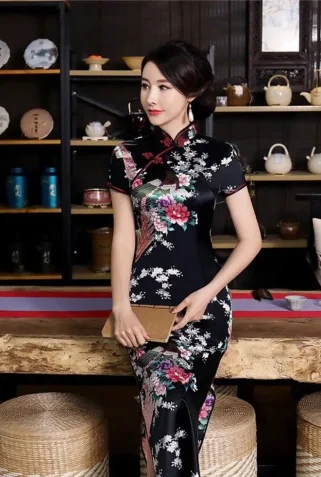
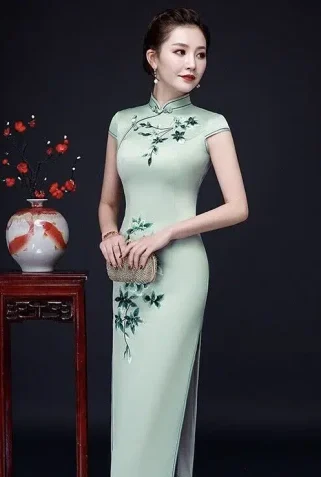
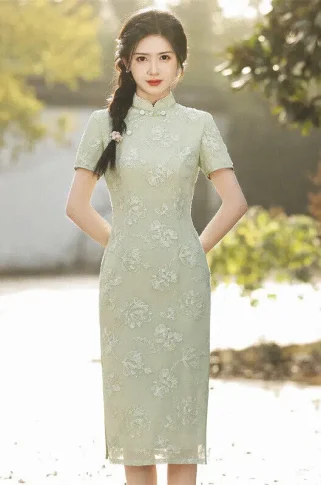
Qipao

The qipao is a traditional Chinese women’s garment with a long and storied history. It originated in the Qing dynasty and was initially worn by Manchu women.

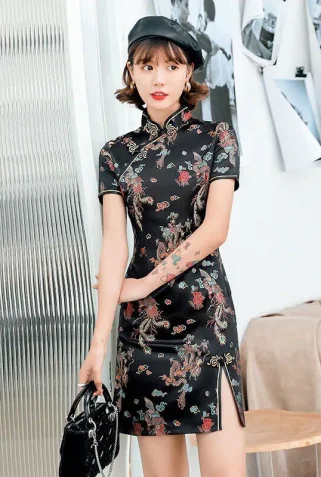
The qipao is typically knee-length or ankle-length, showcasing an elegant, slender silhouette. It features a close-fitting bodice and a slightly flared skirt that accentuates the waistline. The side slit design enhances mobility.

Qipao designs include high collars, such as the stand collar, mandarin collar, or open collar. The sleeves are usually long, with some variants featuring three-quarter length sleeves. Intricate embroidery, satin trims, and decorative buttons are common qipao embellishments, reflecting the garment’s Eastern cultural heritage.

Qipao are often crafted from high-quality fabrics like silk, satin, and brocade, creating a visually captivating and graceful appearance.

The qipao represents the elegance and traditional culture of Chinese women. It became a fashionable icon for urban women in the early to mid-20th century.

While the fast pace of modern life has diminished the qipao’s everyday use, it still maintains a unique allure and is occasionally worn for formal occasions.

Furthermore, the popularity of the qipao has driven the global development of traditional Chinese silk and embroidery crafts. These distinctive high-end fabrics and decorative techniques have gradually gained worldwide recognition, facilitating cultural exchange and integration between the East and West.

In summary, as a traditional Chinese garment, the qipao has significantly influenced global fashion, women’s status, and the exchange of Eastern and Western cultures through its distinctive design and cultural significance. It has become an important representative of Chinese culture to the world.

Visualizações: 1033

Solicite um orçamento rápido

Entraremos em contato com você em até 1 dia útil. Por favor, fique atento ao e-mail com o sufixo. “@truekung.com”

Espere!  Não perca nossas camisetas no atacado!

Obtenha camisetas personalizadas de alta qualidade, sem quantidade mínima de pedido e com entrega rápida.

Ideal para pequenas marcas, eventos ou encomendas pessoais.

Baixe nosso catálogo de atacado para explorar mais opções!

Nota: As suas informações de endereço de e-mail serão mantidas em estrita confidencialidade.