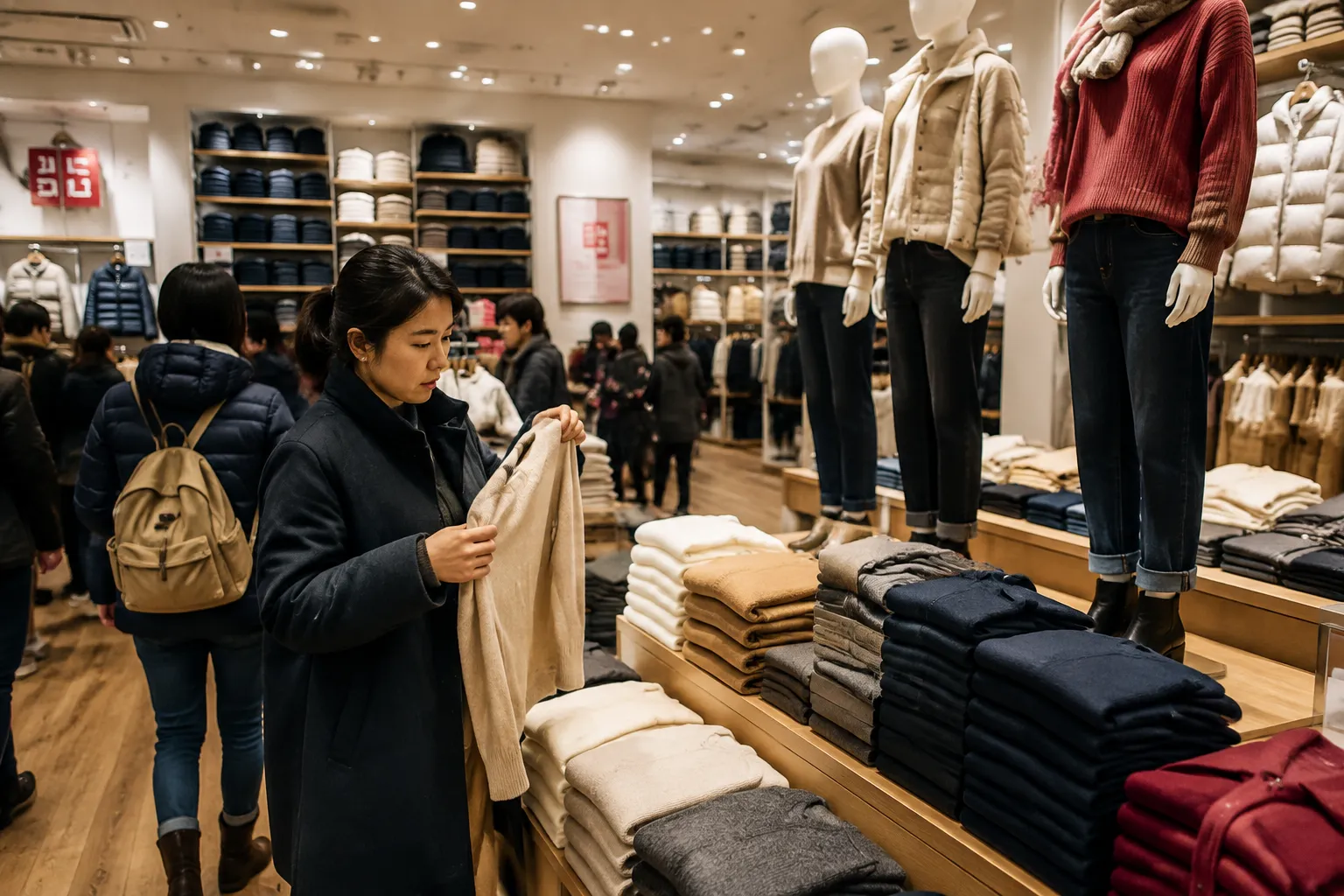

Wielu kupujących pyta, dlaczego UNIQLO może oferować niedrogie ubrania, zachowując jednocześnie silny, globalny wizerunek marki. Odpowiedzią są nie tylko niskie ceny fabryczne. Wynika to z kontroli łańcucha dostaw, inteligentnego planowania produktów, dużej produkcji i starannego zarządzania kosztami.
UNIQLO sprzedaje ubrania w przystępnych cenach, ponieważ kontroluje wiele części łańcucha dostaw, produkuje duże ilości, upraszcza projekty produktów i buduje długoterminowe partnerstwa produkcyjne w celu redukcji niepotrzebnych kosztów.
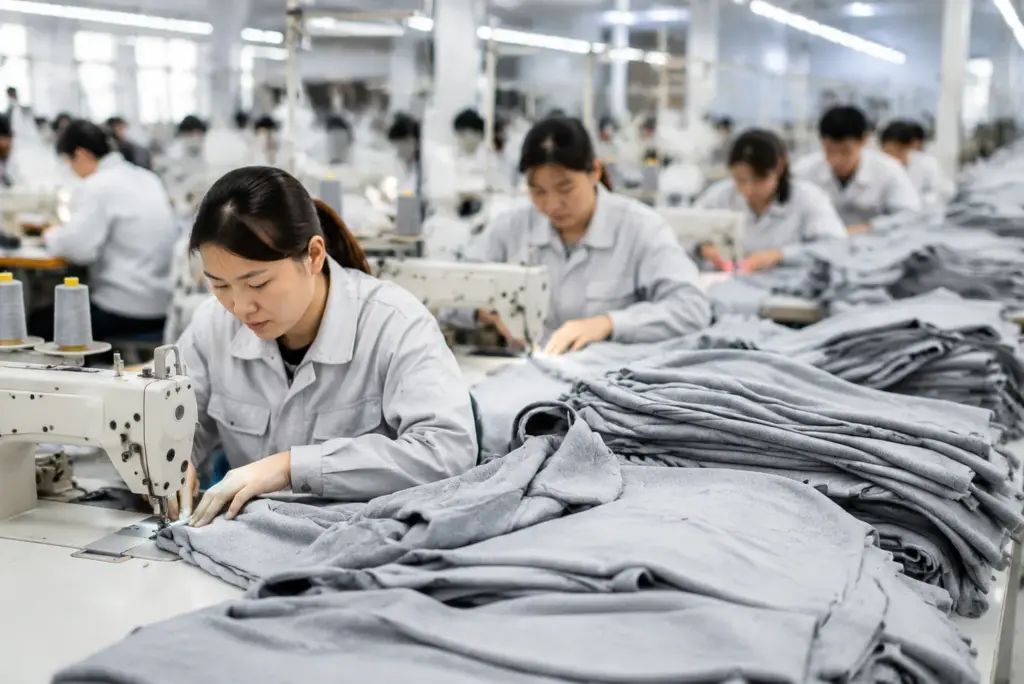
Nazywam się Lancy Chia i pracuję w Truekung, chińskiej fabryce odzieży z około 20-letnim doświadczeniem w eksporcie. W swojej pracy w fabryce często widzę, jak kupujący porównują własne koszty odzieży z markami takimi jak UNIQLO. Chcą wiedzieć, dlaczego duży sklep odzieżowy może sprzedać sweter, dżinsy lub koszulkę w konkurencyjnej cenie. Powód zazwyczaj nie leży w jednym triku. To połączenie pozyskiwania materiałów, planowania produkcji, wielkości zamówienia, kontroli jakości i współpracy z dostawcami.
W tym artykule wyjaśnię, dlaczego ceny UNIQLO są ustalane przez fabryki i jakie wnioski mogą wyciągnąć kupujący odzież, wybierając własnych partnerów produkcyjnych.
Dlaczego UNIQLO udaje się utrzymać ceny ubrań na tak niskim poziomie?
Wielu kupujących uważa, że tania odzież oznacza tanie materiały lub kiepską produkcję. Nie zawsze jest to prawdą. Prawdziwym wyzwaniem jest kontrola każdego kosztu przy jednoczesnym zachowaniu stabilnej jakości.
UNIQLO utrzymuje konkurencyjne ceny dzięki dużym zamówieniom produkcyjnym, wydajnym projektom, silnym relacjom z dostawcami i starannej kontroli kosztów, od rozwoju tkanin po sprzedaż detaliczną.
Widok fabryki
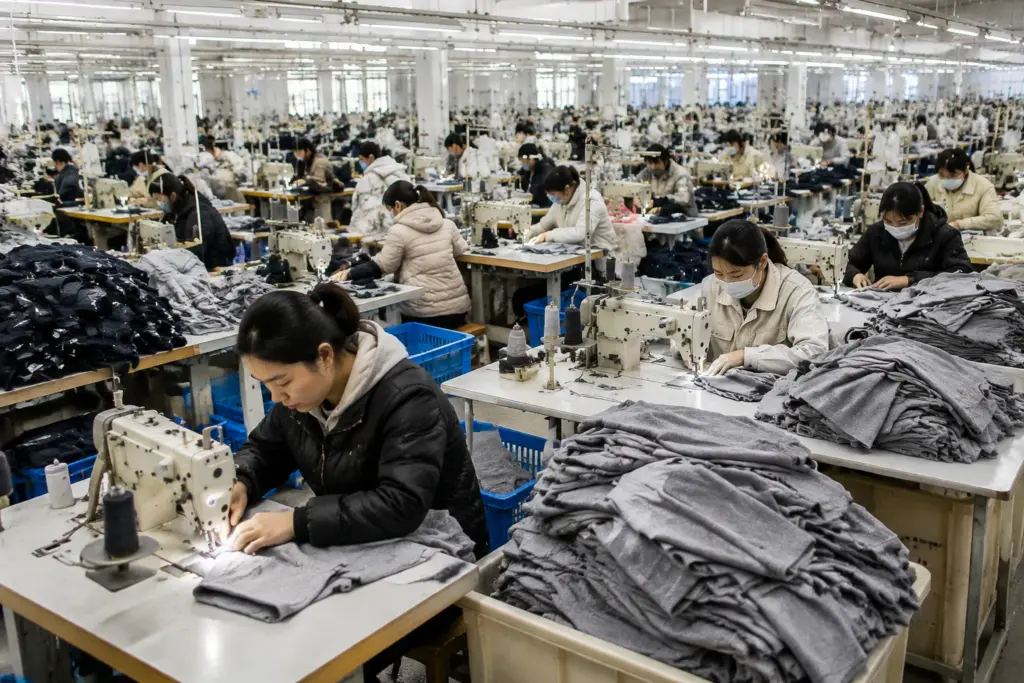
Z perspektywy fabryki, wielkość produkcji ma ogromny wpływ na ceny odzieży. Duże marki mogą składać zamówienia o dużej objętości, co pozwala fabrykom na efektywniejsze planowanie materiałów, linii produkcyjnych i siły roboczej.
Na przykład, tak prosty produkt jak koszulka z nadrukiem w stylu UNIQLO czy prosty sweter nie wymaga skomplikowanej konstrukcji. Fabryka może zoptymalizować układy kroju, zmniejszyć ilość odpadów materiałowych i poprawić wydajność szycia.
Duże marki zazwyczaj współpracują ze stabilnymi dostawcami przez wiele lat. Pomaga to fabrykom lepiej zrozumieć wymagania dotyczące produktu. Jasna komunikacja przekłada się na mniejszą liczbę zmian w próbkach, błędów produkcyjnych i opóźnień.
Wybór materiału to kolejny ważny czynnik. Produkt taki jak wełniany sweter UNIQLO lub produkt z czystej nowej wełny UNIQLO może wydawać się prosty, ale koszt zależy od jakości włókna, sposobu wytwarzania przędzy, metody dziania, wykończenia i standardów kontroli.
Profesjonalna fabryka odzieży nie tylko kalkuluje koszty szycia. Bierzemy pod uwagę cały proces produkcji.
Ryzyko kupującego
Małe i średnie marki odzieżowe często koncentrują się wyłącznie na cenie jednostkowej. Może to stwarzać problemy.
Fabryka oferująca bardzo niską cenę może używać tkanin innej jakości, skracać etapy kontroli lub pomijać ważne szczegóły produkcji. Produkt końcowy może nie być zgodny z zatwierdzoną próbką.
Widziałem, jak kupujący tracili czas, bo wybierali dostawców tylko na podstawie najtańszej oferty. Później musieli przerabiać produkty, zmieniać fabryki lub opóźniać ich wprowadzenie na rynek.
Niska cena ma sens jedynie wówczas, gdy fabryka potrafi wyjaśnić, w jaki sposób osiągnięto taki koszt.
Sprawdzian praktyczny
| Co sprawdzić | Dlaczego to ma znaczenie | Co sugeruję |
|---|---|---|
| Specyfikacja tkaniny | Materiał ma największy wpływ na koszt odzieży | Zapytaj o zawartość włókien, wagę i szczegóły wykończenia |
| Ilość produkcji | Ilość wpływa na wydajność fabryki | Udostępnij realistyczne plany zamówień |
| Proces zatwierdzania próbek | Zapobiega błędom produkcyjnym | Potwierdź próbki przed produkcją masową |
| Kontrola jakości | Chroni spójność produktu końcowego | Zapytaj o punkty kontroli jakości podczas produkcji |
Zanurz się głębiej
Z mojego doświadczenia w fabrykach wynika, że najważniejszą lekcją płynącą ze strategii cenowej UNIQLO jest to, że niski koszt nie wynika z jednej, taniej decyzji. Wynika z wielu drobnych usprawnień.
Fabryka odzieży musi zrównoważyć koszt materiału, koszt pracy, czas produkcji i wymagania jakościowe. Jeśli klient oczekuje ceny zbliżonej do cen dużych detalistów, musi zrozumieć warunki produkcji, które stoją za tą ceną.
Na przykład, kupujący może poprosić o wełniany sweter o ekskluzywnym wyglądzie w bardzo niskiej cenie. Fabryka musi sprawdzić wybór przędzy, gęstość splotu, proces prania i wielkość zamówienia przed podaniem realistycznej oferty. Mniejsze zamówienie może wiązać się z wyższym kosztem, ponieważ zakupu materiału i konfiguracji maszyny nie da się rozłożyć na wiele części.
Proponuję porównywać dostawców na podstawie wartości całkowitej, a nie tylko ceny początkowej. Wiarygodna fabryka powinna wyjaśnić, dlaczego cena jest inna. Powinna poinformować, skąd się bierze koszt i jakie zmiany mogą obniżyć cenę bez szkody dla produktu.
Dlatego wiele odnoszących sukcesy marek odzieżowych buduje długoterminowe relacje z producentami. Lepsza komunikacja przekłada się na wyższą wydajność produkcji. Z czasem obie strony lepiej rozumieją produkt, co ogranicza liczbę błędów i oszczędza pieniądze.
W jaki sposób UNIQLO kontroluje jakość, oferując jednocześnie przystępną cenowo odzież?
Wielu kupujących obawia się, że tańsza odzież oznacza niższą jakość. Wyzwaniem jest znalezienie równowagi między oczekiwaniami klientów a kosztami produkcji.
UNIQLO kontroluje jakość, koncentrując się na spójnych standardach produktów, rozwoju materiałów, zarządzaniu dostawcami i wydajnych procesach produkcyjnych.
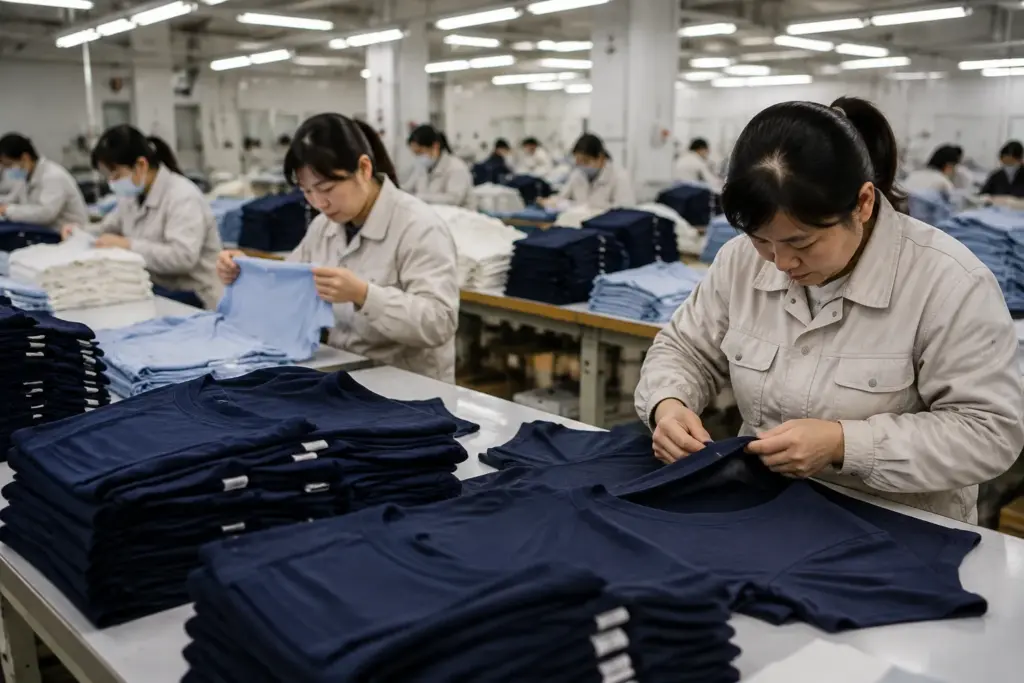
Widok fabryki
Marka odzieżowa nie zbuduje globalnej reputacji wyłącznie dzięki niskim cenom. Spójność produktów jest bardzo ważna.
W fabryce kontrola jakości rozpoczyna się jeszcze przed szyciem. Sprawdzamy tkaniny, dodatki, dopasowanie kolorów, wymiary i próbki produkcyjne.
W przypadku produktów takich jak jeansy ze stretchem UNIQLO, wydajność tkaniny ma duże znaczenie. Stopień rozciągliwości, powrót do pierwotnego kształtu, odporność na pranie i stabilność koloru wpływają na zadowolenie klienta.
To samo dotyczy produktów takich jak białe jeansy czy sukienki UNIQLO. Jasne kolory często wymagają większej uwagi, ponieważ przezroczystość materiału, plamy i różnice w odcieniach są łatwiejsze do zauważenia.
Poważny dostawca odzieży powinien jasno wyjaśnić punkty kontroli jakości. Obejmuje to kontrolę materiałów przychodzących, kontrolę produkcji w trakcie produkcji oraz kontrolę końcową przed wysyłką.
Ryzyko kupującego
Niektórzy kupujący skupiają się zbyt mocno na kopiowaniu produktu detalicznego, nie rozumiejąc wymagań produkcyjnych.
Prosty element garderoby może zawierać wiele szczegółów technicznych. Sukienka, sweter, kurtka czy dżinsy mogą wymagać specjalnej obróbki materiału, dopasowania wzoru i testowania.
Jeśli kupujący nie dostarczą wystarczających informacji, fabryki mogą przyjąć założenia. Założenia te mogą stwarzać problemy podczas produkcji masowej.
Sprawdzian praktyczny
| Co sprawdzić | Dlaczego to ma znaczenie | Co sugeruję |
|---|---|---|
| Wykres pomiarowy | Zapobiega problemom z rozmiarem | Podaj jasne wymagania dotyczące rozmiaru |
| Testowanie tkanin | Chroni wydajność produktu | Potwierdź kurczliwość i trwałość koloru |
| Przykładowa recenzja | Zmniejsza ryzyko związane z produkcją masową | Sprawdź każdy ważny szczegół |
| Kontrola końcowa | Zapewnia jakość przesyłki | Użyj przejrzystej listy kontrolnej kontroli jakości |
Zanurz się głębiej
Zazwyczaj proszę kupujących, aby pamiętali o jednej zasadzie: cena detaliczna nie jest tym samym, co koszt produkcji.
Kiedy klienci widzą niedrogi produkt UNIQLO w sklepie odzieżowym, widzą tylko ostateczną cenę sprzedaży. Nie widzą lat rozwoju dostawcy, planowania produkcji, negocjacji z dostawcami i zarządzania zapasami.
W przypadku mniejszych marek celem nie powinno być kopiowanie dokładnej ceny globalnego sprzedawcy detalicznego. Celem powinno być stworzenie produktu o odpowiedniej równowadze między jakością a ceną.
Na przykład, jeśli klient chce wełnianego swetra podobnego do wełnianego swetra UNIQLO, musimy omówić jakość przędzy, strukturę dzianiny, rynek docelowy i przewidywane zastosowanie. Kupujący na rynku zimowym może potrzebować grubszej tkaniny i lepszego ocieplenia. Sprzedawca odzieży może skupić się bardziej na wyglądzie i cenie.
Właściwa fabryka pomaga kupującym podejmować te decyzje jeszcze przed rozpoczęciem produkcji. Dobra komunikacja w trakcie rozwoju pozwala zaoszczędzić więcej pieniędzy niż próba redukcji każdego, nawet najmniejszego kosztu po rozpoczęciu produkcji.
Profesjonalny dostawca powinien nie tylko odpowiedzieć na pytania “ile?”, ale także “dlaczego taka cena?” i “co możemy zmienić?”.”
Czego marki odzieżowe mogą nauczyć się od strategii zaopatrzeniowej UNIQLO?
Wiele małych marek chce produkować w przystępnej cenie, ale nie wie, jak zbudować wydajny system zaopatrzenia. Podejście UNIQLO daje pożyteczne lekcje.
Marki odzieżowe mogą obniżyć koszty poprzez wybór odpowiednich produktów, opracowanie jasnych wymagań, budowanie relacji z dostawcami i wcześniejsze planowanie produkcji.

Widok fabryki
Z mojego doświadczenia w pracy w fabryce wynika, że udana produkcja odzieży zaczyna się od dobrego przygotowania.
Duże marki zazwyczaj mają jasno określone wymagania produktowe. Rozumieją docelowych klientów, oczekiwaną jakość, harmonogramy dostaw i potrzeby dotyczące opakowań.
Mali nabywcy mogą również poprawić wyniki pozyskiwania towarów, przygotowując lepsze informacje.
Fabryka musi wiedzieć, czy produkt jest produktem podstawowym, czy modnym. Koszty zakupu prostej koszulki, kurtki, spódnicy czy bluzy różnią się w porównaniu ze skomplikowanym produktem designerskim.
Minimalne zamówienie (MOQ) również ma znaczenie. Większe ilości zazwyczaj przekładają się na lepsze ceny materiałów. Kupujący nie powinni jednak zamawiać zbyt dużej ilości przed sprawdzeniem popytu rynkowego.
Ryzyko kupującego
Częstym błędem jest kontaktowanie się z fabrykami, mając tylko zdjęcie produktu i pytanie o najniższą cenę.
Zdjęcie nie wyjaśnia składu materiału, zakresu rozmiarów, wymagań dotyczących szycia, etykietowania, opakowania ani oczekiwań dotyczących dostawy.
Powoduje to powstawanie niedokładnych cytatów.
Widziałem kupujących porównujących ceny różnych fabryk, nie zdając sobie sprawy, że każda fabryka może podawać inne standardy produktów.
Sprawdzian praktyczny
| Co sprawdzić | Dlaczego to ma znaczenie | Co sugeruję |
|---|---|---|
| Szczegóły produktu | Pomaga fabrykom w dokładnym sporządzaniu ofert | Przygotuj pakiety techniczne lub informacje referencyjne |
| Rynek docelowy | Wpływa na wymagania jakościowe | Wyjaśnij oczekiwania klientów |
| Plan ilościowy | Wpływa na koszty produkcji | Omów realistyczne MOQ |
| Data dostawy | Wpływa na harmonogramowanie produkcji | Potwierdź harmonogram wcześniej |
Zanurz się głębiej
Jedną z najważniejszych lekcji płynących z modelu biznesowego UNIQLO jest wartość planowania.
Fabryki mogą oferować lepsze ceny, gdy kupujący dadzą wystarczająco dużo czasu. Pilna produkcja zazwyczaj zwiększa presję na zakup materiałów, harmonogram produkcji i organizację transportu.
Na przykład, jeśli klient potrzebuje nowej kolekcji kurtek przed zimą, wczesna komunikacja pozwala fabryce sprawdzić dostępność materiałów, przygotować próbki i zorganizować produkcję masową. Czekanie do ostatniej chwili może generować wyższe koszty lub ograniczać wybór.
Moja zasada podejmowania decyzji w stosunku do kupujących jest prosta: jeśli chcesz niższych cen, popraw planowanie, zanim poprosisz fabryki o obniżkę cen.
Fabryka może pomóc obniżyć koszty poprzez sugestie dotyczące tkanin, metod produkcji i modyfikacji projektu. Jednak żaden dostawca nie jest w stanie całkowicie wyeliminować kosztów, zachowując ten sam poziom jakości.
Dobre zaopatrzenie to proces współpracy. Kupujący rozumie rynek, a fabryka rozumie produkcję. Razem znajdują właściwą równowagę.
Co należy przygotować przed skontaktowaniem się z chińską fabryką odzieży?
Przejrzyste zapytanie pomaga fabryce przedstawić dokładniejszą cenę, harmonogram i propozycję produkcji.
| Informacje do przygotowania | Przykład | Dlaczego fabryka tego potrzebuje |
|---|---|---|
| Kategoria produktu | Kurtka, sukienka, jeansy, sweter, koszulka | Określa metodę produkcji |
| Zdjęcia referencyjne lub pakiet techniczny | Projektowanie obrazów, pomiary | Pomaga zrozumieć konstrukcję |
| Tkanina | Mieszanka bawełny, poliestru i wełny | Wpływa na koszty i jakość |
| Zakres rozmiarów | S-XXL lub rozmiary niestandardowe | Potrzebne do planowania wzorów |
| Ilość na styl/kolor | 500 szt. w kolorze | Pomaga obliczyć koszt produkcji |
| Rynek docelowy | USA, Europa, Australia | Wpływa na oczekiwania jakościowe |
| Poziom jakości | Podstawowy, premium, luksusowy | Pomaga w wyborze materiałów |
| Opakowanie | Torebka foliowa, pudełko, etykiety | Wpływa na ostateczny koszt |
| Termin dostawy | Wymagana data wysyłki | Pomaga planować produkcję |
| Certyfikaty | Wymagane dokumenty zgodności | Zapewnia spełnienie wymagań rynkowych |
| Cena docelowa | Przewidywany zakres kosztów | Pomaga fabryce proponować rozwiązania |
Przejrzyste zapytanie oszczędza czas zarówno kupującym, jak i fabrykom. Pozwala dostawcy przedstawić bardziej realistyczną ofertę zamiast zgadywać.
Kiedy należy zwrócić się do Truekunga z prośbą o wycenę?
Jeśli rozwijasz własną markę odzieżową i potrzebujesz praktycznego wsparcia producenta, lepiej skontaktować się z dostawcą na wczesnym etapie planowania produktu.
Truekung współpracuje z klientami, którzy potrzebują produkcji odzieży OEM/ODM, produktów modowych pod markami własnymi, stabilnej komunikacji eksportowej oraz wsparcia od opracowywania próbek do produkcji masowej.
Jeśli potrzebujesz pomocy w wyborze materiałów, metod produkcji, minimalnego zamówienia lub czynników cenowych, możesz się ze mną skontaktować:
Wniosek
UNIQLO utrzymuje przystępną cenę odzieży dzięki efektywnemu zarządzaniu łańcuchem dostaw, planowaniu produkcji i współpracy z dostawcami. Nabywcy odzieży mogą przekonać się, że inteligentne zaopatrzenie opiera się na równowadze między kosztami, jakością i komunikacją.
Widoki: 150