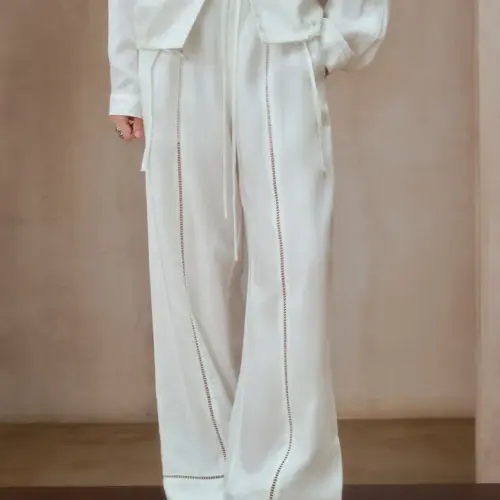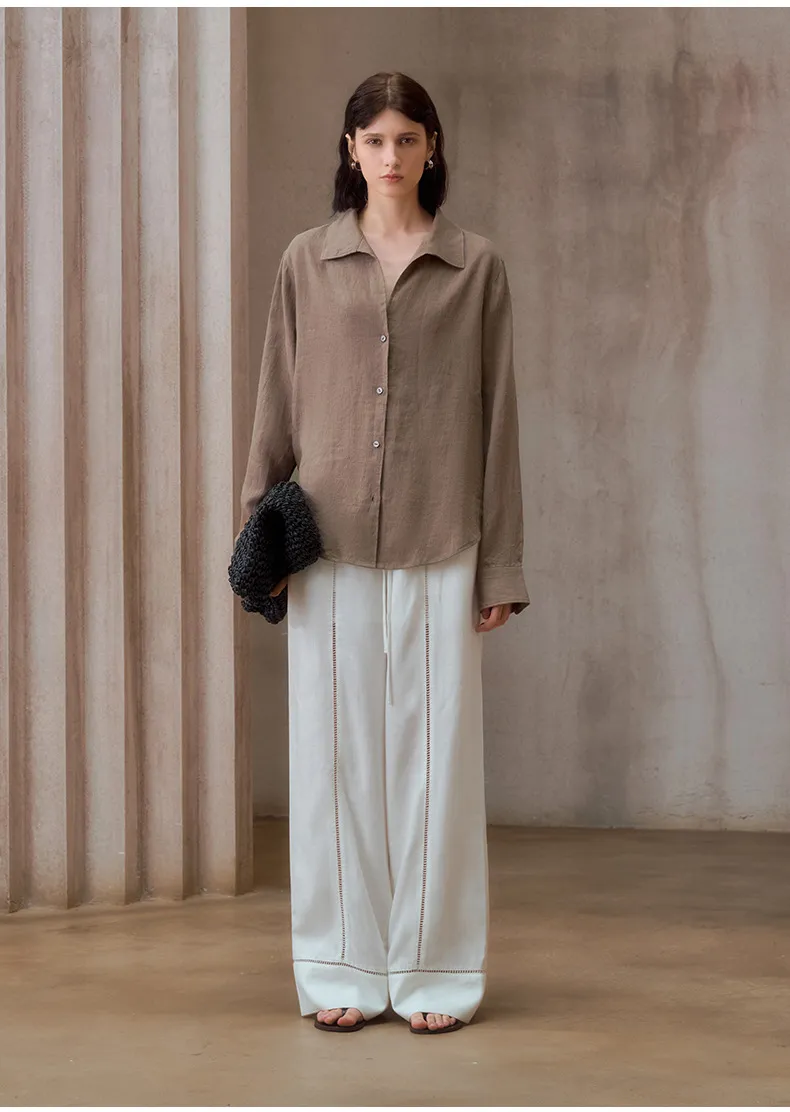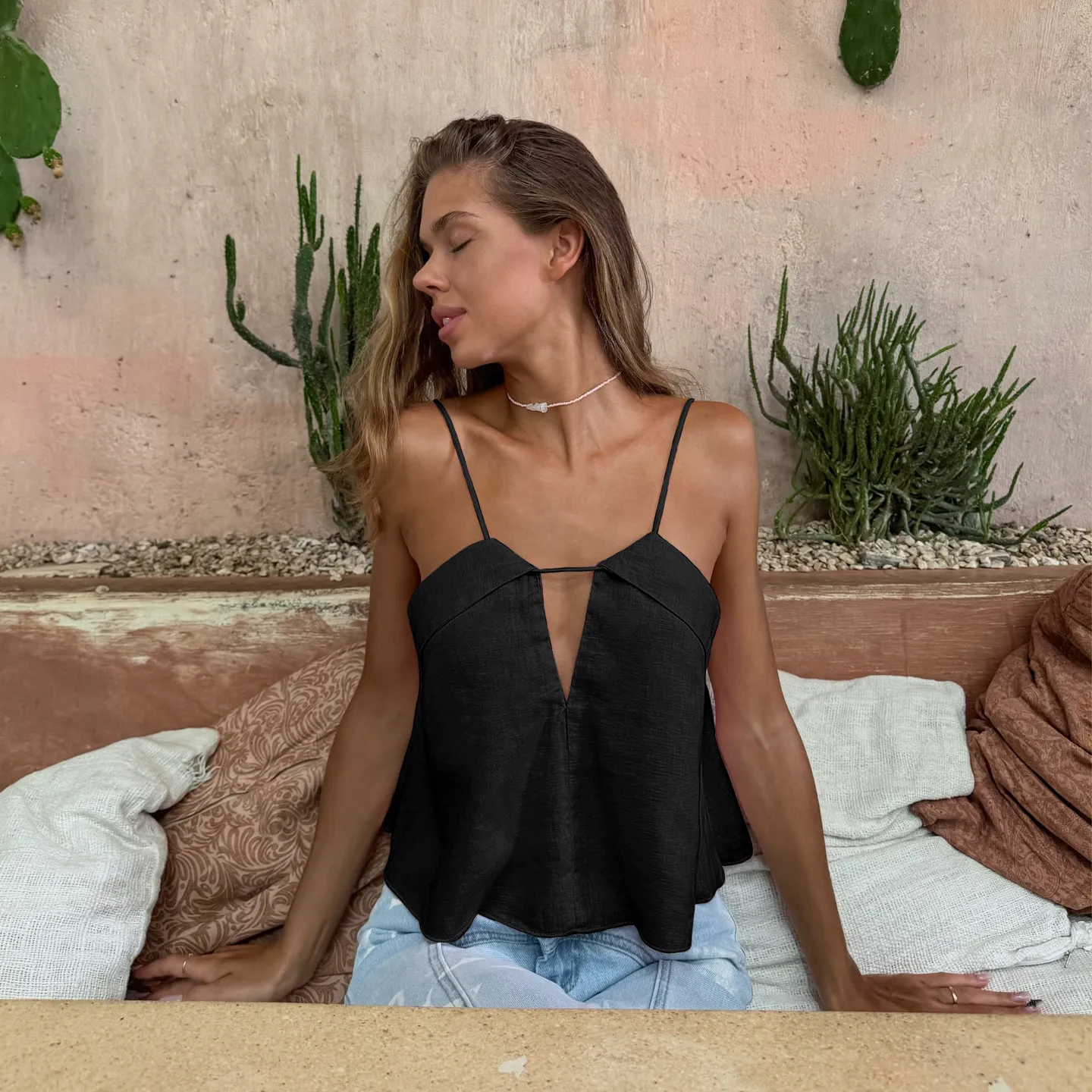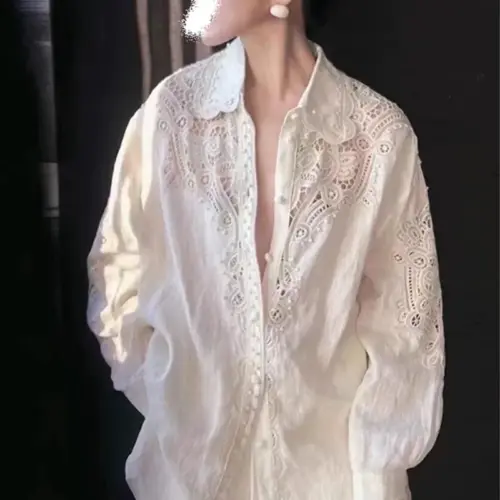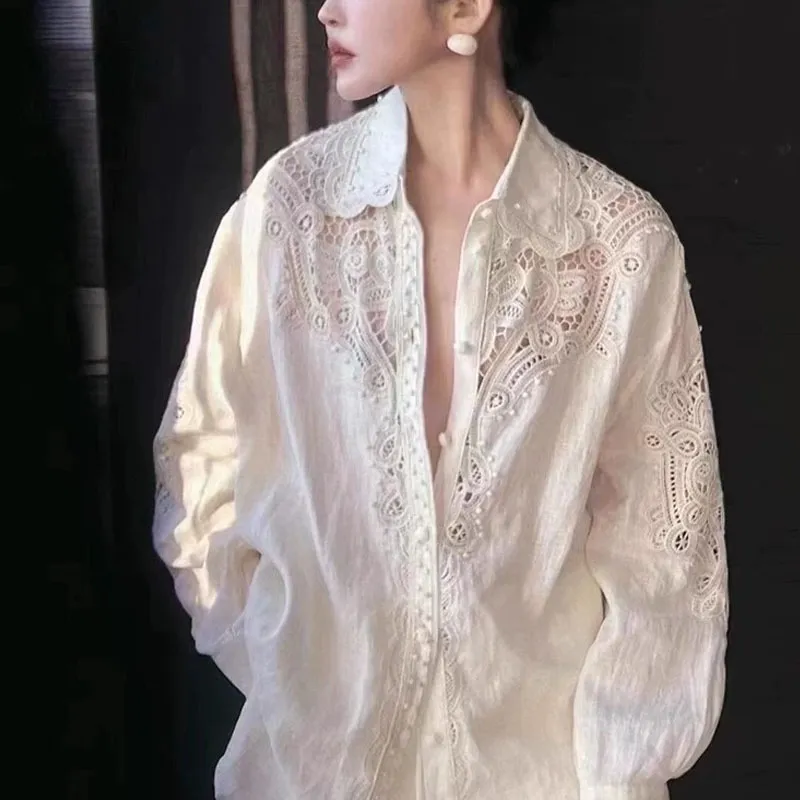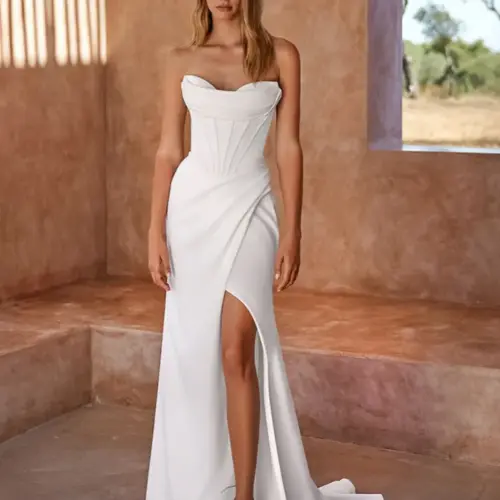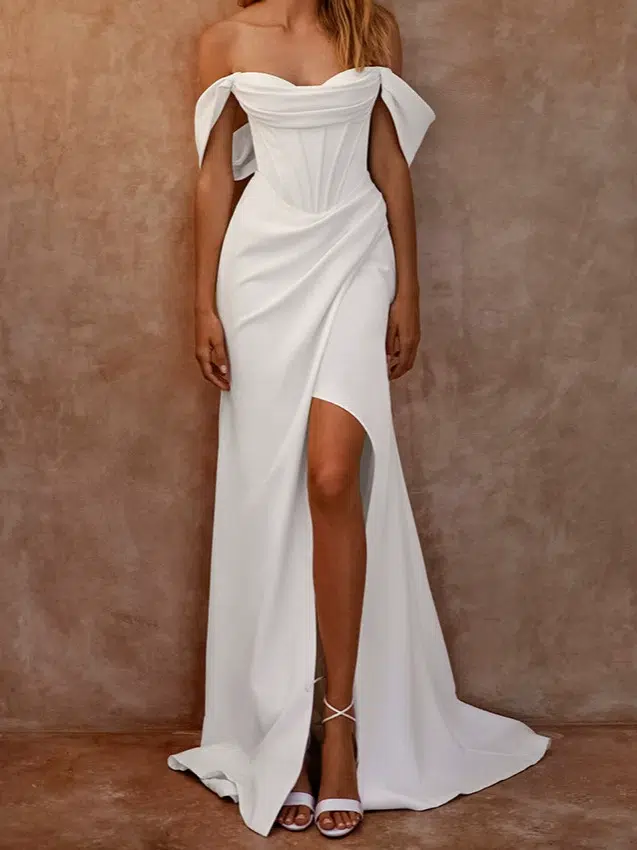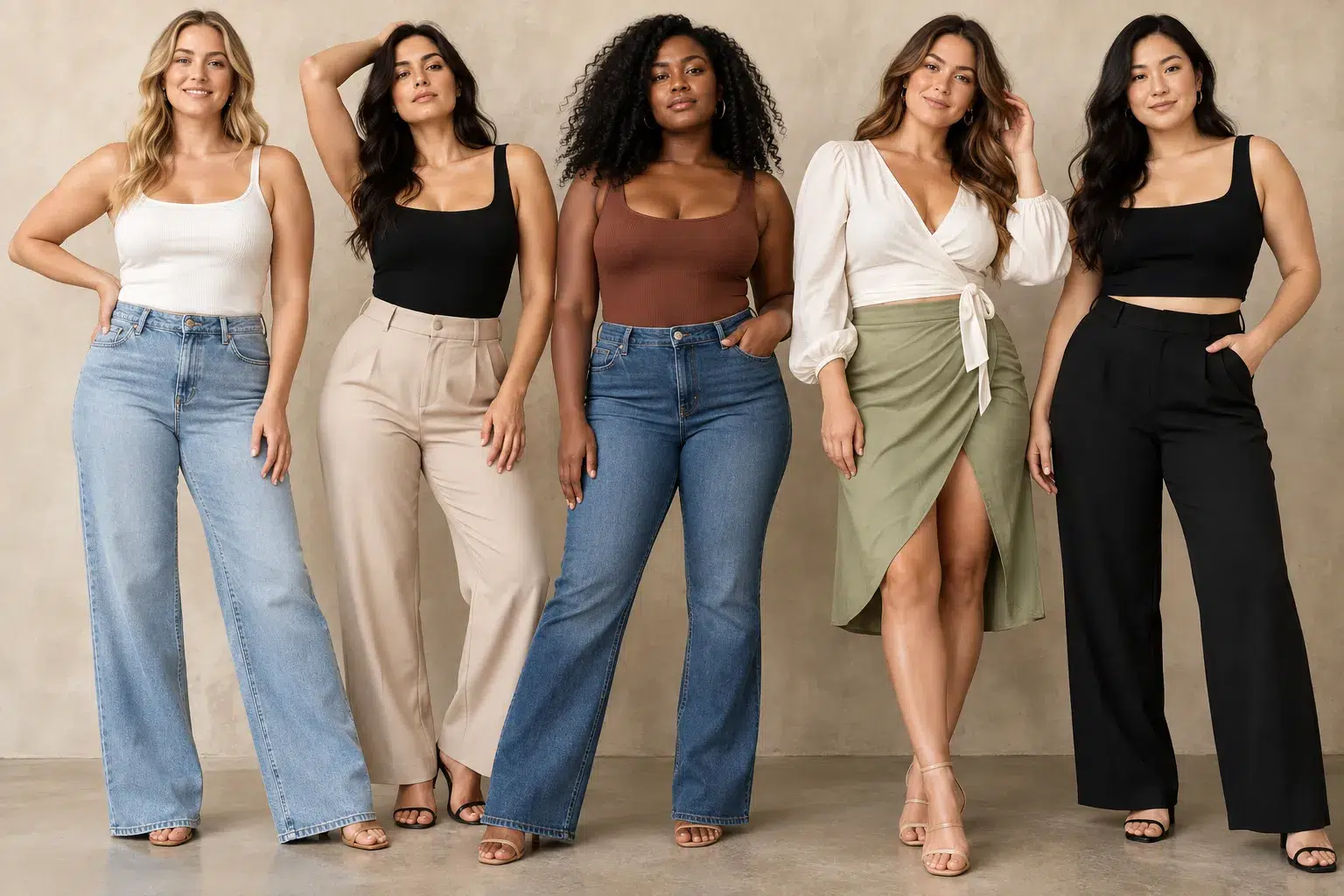

Finding clothes that look right can be frustrating. A dress may look balanced on a model but feel completely different when you wear it. The problem is often not your body. The garment proportions simply do not match the proportions you want to highlight.
To dress for your body type, first compare the visual proportions of your shoulders, bust, waist, and hips. Then choose clothing that creates the balance you prefer. Female body shapes are useful styling guides, not strict rules. Fit, fabric, garment construction, and personal style still matter.
I am Lancy Chia from Truekung. We are a clothing factory in China with 20 years of export experience and more than 200 workers. From sample development to bulk production, I see how pattern shape, fabric weight, waist position, shoulder construction, and garment length change the way clothing sits on different bodies.
This is also important for clothing buyers. When developing a collection, knowing different types of female body shapes can help you think beyond a flat sketch. A beautiful design still needs the right pattern, grading, fabric, and fit to work on real customers.
Below, I will explain the common female body figures, how to dress for your body shape, and what brands should consider when developing clothing for different body types.
How Can You Identify Your Female Body Shape?
Body shape labels can be confusing. Two women may wear the same size but have very different proportions. If you rely only on bust or waist measurements, you can easily choose the wrong silhouette.
The easiest way to identify your body shape is to compare your shoulders or bust, waist, and hips. Common body shape names include hourglass, pear or triangle, inverted triangle, rectangle, and apple or round. Your measurements are useful, but your overall proportions are more important than fitting perfectly into one category.
Five Common Female Body Shapes
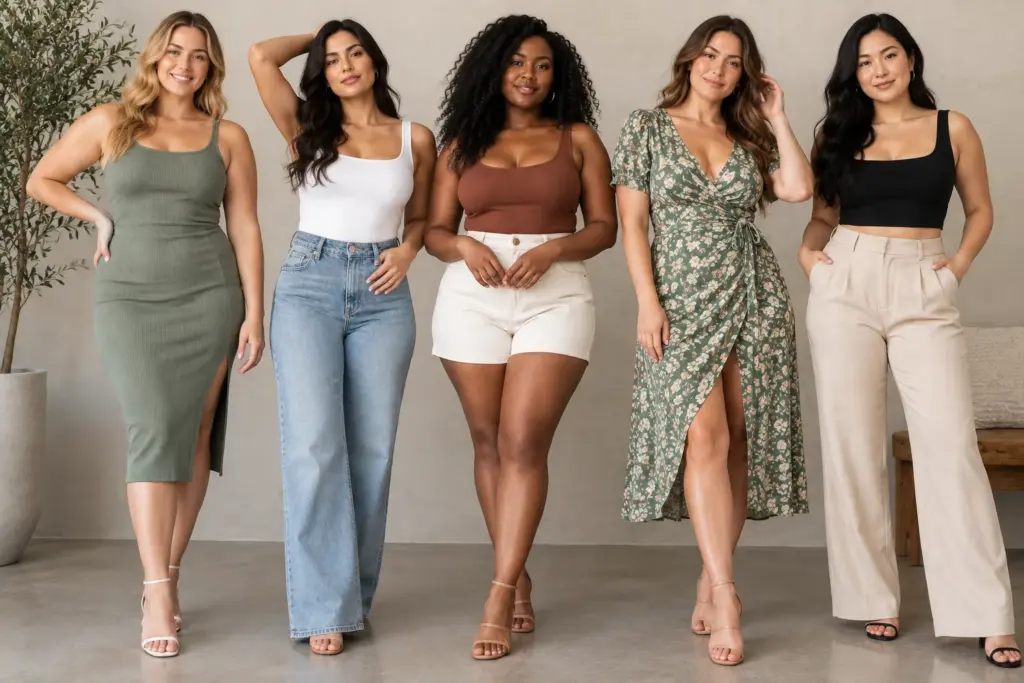
The hourglass shape usually has relatively balanced upper and lower proportions with a more defined waist. A pear or triangle shape generally carries more visual width around the hips than the shoulders. An inverted triangle has the opposite proportion, with more width through the shoulders or upper torso.
A rectangle body shape normally has less difference between the bust, waist, and hip lines. An apple or round shape tends to have more fullness through the middle of the body, although legs, bust, and shoulder proportions can vary considerably.
These descriptions are starting points. Real female body figures do not always match a diagram. A person can sit between two body types, and proportions can also change over time.
In my factory experience, this is similar to garment fitting. We do not understand a garment from one measurement. Bust, waist, hip, shoulder, back length, rise, sleeve position, and garment ease work together.
The same principle applies when asking, “What clothes fit my body type?” Do not focus on one number. Look at the whole silhouette and decide which areas you want the clothing to follow, soften, emphasize, or visually balance.
Why Body Shape Labels Are Only Guides
One common problem with fashion for your body type is treating each shape as a fixed formula. For example, someone may read that pear shapes should always emphasize the upper body and then avoid any garment that draws attention to the hips.
That is unnecessarily restrictive.
Body shapes and how to dress should be understood as a system of proportions rather than a list of prohibited clothes. Your height, torso length, shoulder slope, bust projection, leg length, and preferred fit all influence the final appearance.
Fabric matters as well. A soft viscose dress and a structured denim dress can use similar pattern dimensions but create very different silhouettes. Stretch jersey follows the body. Heavy woven fabric can create its own shape. A stiff waistband defines an area more strongly than an elastic waist.
This looks small, but it can affect the entire visual balance of an outfit.
For brands, the same issue appears during sample approval. A garment can technically match the measurement chart and still look wrong because the fabric, ease, seam placement, or proportions are different from the original design intention.
What to Compare Before Choosing Clothes
| 확인할 사항 | 왜 중요한가 | 제가 제안하는 것은 다음과 같습니다. |
|---|---|---|
| 어깨 | Sets the visual width of the upper body | Compare them with the hip line |
| 흉상 | Changes how tops and dresses fall | Check fit and ease, not only size |
| 허리 | Shows how defined the middle is | Note your natural waist position |
| 엉덩이 | Affects skirts, trousers, and dresses | Check both width and garment ease |
| 몸통 길이 | Changes waist and jacket placement | Avoid relying only on standard size labels |
| 구조 | Changes drape and structure | Match fabric behavior to the silhouette |
| 의류 길이 | Changes overall proportions | Test different hem positions |
| Personal preference | Determines what you actually enjoy wearing | Use body shape advice as guidance, not a rule |
Measurements Matter More Than the Label
When deciding what to wear for your body type, I would use the body shape name as the beginning of the process, not the final answer. Consider two customers who are both described as pear shaped. One may have a long torso and only a small difference between shoulders and hips. Another may have a short torso, clearly wider hips, and fuller thighs. The same jacket-and-skirt combination will not create exactly the same result on both people.
Factories face the same issue when developing a size range. A buyer may provide XS–XL measurements, but those numbers alone do not tell us the intended fit. We also need to understand ease, silhouette, fabric stretch, garment length, and the target customer.
For example, adding several centimeters of ease to a woven blouse can create a relaxed look. Adding the same amount in the wrong area of a fitted dress can change the intended silhouette.
My suggestion is simple: use body type to understand proportion, then use actual garment measurements and fit to make the final decision. If you are developing clothes commercially, apply the same rule. Define the target silhouette first, then build measurements, fabric, patterns, and grading around that goal.
What Clothes Work With Different Female Body Shapes?
Searching for the “best clothes for my body type” often produces rigid lists. But a neckline, skirt, or jacket does not work independently. Fabric, length, volume, waist position, and styling all change the result.
Good outfits by body type usually manage visual proportion. Hourglass shapes may emphasize the waist. Pear shapes may add upper-body interest. Inverted triangles may create more lower-body volume. Rectangles may create definition or use straight silhouettes. Apple shapes often benefit from clean lines and deliberate garment structure.
Hourglass and Pear Shape Styling
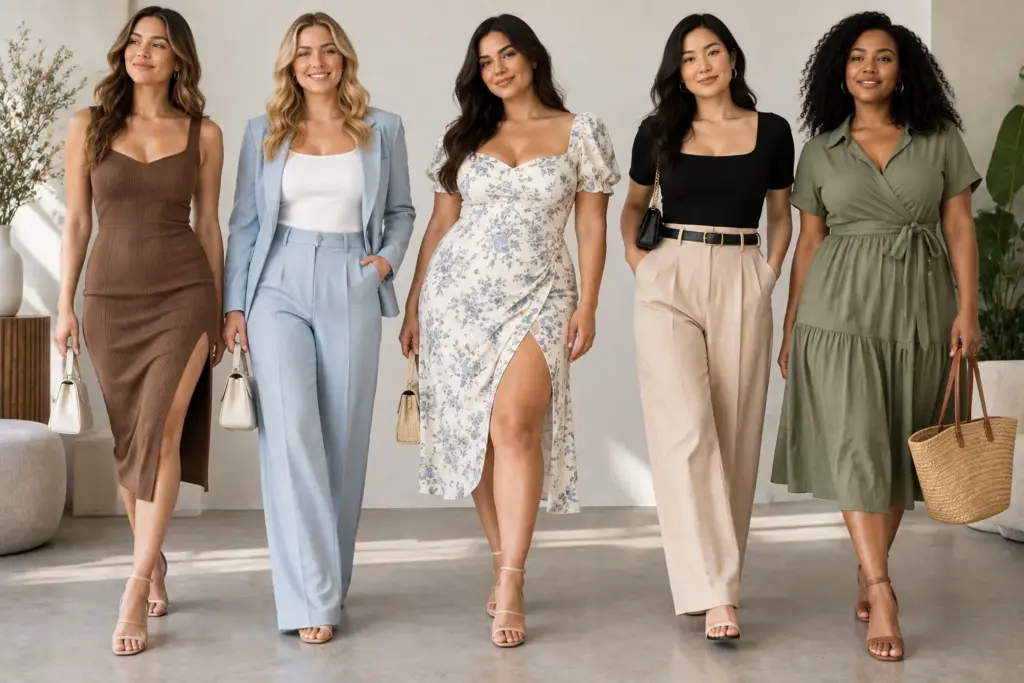
For an hourglass figure, clothing that follows the natural waist can maintain the body’s existing balance. Wrap dresses, fitted-waist dresses, belted jackets, and appropriately fitted high-waisted bottoms are common options. The important point is not making everything tight. It is keeping enough shape so the waist is not unintentionally lost.
For pear or triangle proportions, many people prefer to create more visual interest around the shoulders and upper body. Neckline details, structured shoulders, cropped jackets, brighter tops, or interesting sleeves can do this. A-line skirts and dresses can also provide room through the hip area without requiring an extremely loose fit.
However, fabric choice changes these recommendations.
A soft skirt falls around the body differently from a stiff skirt with substantial volume. Likewise, a puff sleeve made from lightweight fabric can create gentle emphasis, while the same sleeve in a rigid fabric may produce a much stronger shoulder line.
For clothing brands, this is why a sketch alone is not enough. The design, fabric, pattern, and intended female body style need to be considered together during sample development.
Inverted Triangle, Rectangle, and Apple Shapes
An inverted triangle shape normally has more visual width through the shoulders or upper body than the hips. If the wearer wants more balance, straight or wider-leg trousers, fuller skirts, and simpler upper-body details can shift visual emphasis downward.
Rectangle shapes have relatively similar widths through the bust or shoulders, waist, and hips. Some people prefer to create more waist definition with belts, seams, shaped jackets, peplum details, or fit-and-flare dresses. Others deliberately choose clean straight silhouettes. Both approaches can work because body style is also a personal aesthetic choice.
For apple or round proportions, garment construction becomes particularly important. Clean vertical lines, open necklines, controlled drape, well-positioned seams, and jackets that do not end at an awkward point around the fullest area can create a smoother silhouette.
The mistake is assuming that loose clothing automatically works better. Excess fabric can sometimes add visual volume rather than reduce it.
I usually ask buyers to check how much ease is actually required. The right amount depends on fabric, product type, intended silhouette, and customer expectations. Comfortable does not always mean oversized, and fitted does not always mean restrictive.
Match Garment Details to Proportion
| 확인할 사항 | 왜 중요한가 | 제가 제안하는 것은 다음과 같습니다. |
|---|---|---|
| 네크라인 | Changes upper-body emphasis | Compare open, narrow, and wide necklines |
| 어깨 디테일 | Can visually widen the upper body | Control padding, gathers, and sleeve volume |
| 허리 위치 | Changes torso and leg proportions | Test natural, raised, and dropped positions |
| 스커트 모양 | Controls lower-body volume | Compare straight, A-line, and fuller shapes |
| Trouser leg | Changes lower-body balance | Test straight, tapered, and wider silhouettes |
| 재킷 길이 | Creates a strong horizontal line | Check where the hem meets the body |
| 원단 무게 | Controls drape and volume | Sample the actual or similar fabric |
| 쉬움 | Determines fit and movement | Define intended fit before pattern approval |
Balance Styling Goals With Comfortable Fit
There is always a trade-off between creating a specific visual silhouette and making clothing comfortable enough for real use. A brand may want a sharply fitted waist because it photographs well. But if the fabric has little stretch and the waist ease is too small, customers may find the garment uncomfortable when sitting or moving. Adding too much ease solves the comfort problem but may remove the defined shape that made the design attractive.
I have seen this during dress development. A sample can look good when standing still, yet the fit changes when the model walks, raises her arms, or sits down. The solution is not automatically making the entire garment larger. Sometimes the pattern needs adjustment only around a specific area, or the factory needs a fabric with different stretch or drape.
This matters when designing dress types for body shapes. Visual styling advice and technical garment construction must work together.
A useful buyer decision rule is: do not approve a fit only from front-view photos. Check side and back views, movement, sitting comfort, seam position, and the way the fabric returns after movement. For consumers, the equivalent rule is to choose clothes that create the proportion you like without requiring constant adjustment while wearing them.
How Should Brands Design Clothes for Different Body Types?
A style can look attractive in a development sketch and still perform poorly when produced across several sizes. The problem often appears during grading, fabric substitution, or fitting rather than during the original design stage.
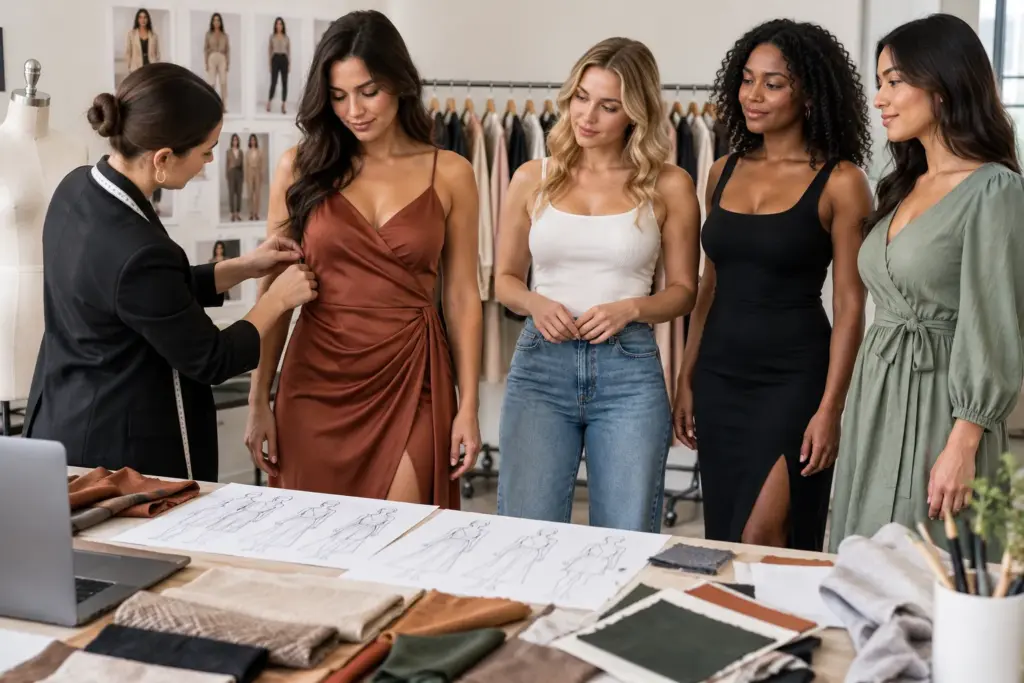
Brands designing clothes for different body types should define their target customer, base measurements, fit preference, fabric behavior, and grading rules before bulk production. A factory can adjust patterns and samples, but the buyer needs to communicate the intended silhouette clearly. Fit should be checked across relevant sizes whenever possible.
Start With Fit Before Bulk Production
When a buyer sends us a new style, the reference image tells us what the garment should look like, but it does not provide every technical answer. We still need measurements, construction details, fabric information, and an understanding of the intended fit.
For example, “oversized” is not a precise measurement. Neither are descriptions such as slim, relaxed, flattering, or loose.
A serious clothing supplier should explain which information is missing before production. For dresses, important points can include bust and waist ease, hip width, shoulder position, armhole shape, dress length, zipper construction, lining, and fabric stretch.
For jeans, the key issues change. Rise, waistband construction, hip shape, thigh width, leg opening, denim weight, and stretch recovery become important.
This is why fashion and body types cannot be separated from technical product development when you are building a commercial collection.
Sample fitting gives the buyer a chance to correct these details before bulk cutting. Changes are much easier to manage at the sample stage than after hundreds or thousands of garment panels have already been cut.
Poor Grading Can Change the Intended Shape
A common sourcing risk is approving one sample size and assuming every larger and smaller size will automatically have the same visual effect.
Grading is not simply making every measurement bigger or smaller by the same amount.
Different points require different grade rules. Shoulder width, bust, waist, hip, armhole, sleeve width, rise, thigh, and garment length may change at different rates. The correct approach also depends on the buyer’s size chart and target market.
I have seen buyers lose time because fit requirements were not clear before sampling. A factory makes a sample according to the available information, the buyer receives it and requests changes, and then another round is required. This can be a normal part of development, but unclear initial instructions create unnecessary revisions.
Fabric can make the situation harder. A stretch fabric may tolerate measurement differences that a rigid woven fabric cannot. A flowing material can hide some fit issues, while structured fabric can make them more visible.
For brands asking what clothes fit different body types, pattern development and grading deserve as much attention as styling trends.
Confirm These Details Before Production
| 확인할 사항 | 왜 중요한가 | 제가 제안하는 것은 다음과 같습니다. |
|---|---|---|
| 목표 고객 | Defines expected proportions | Share market and customer profile |
| 사이즈 차트 | Controls finished measurements | Provide your own chart when available |
| 착용 선호도 | Defines garment ease | State fitted, regular, relaxed, or oversized |
| 기본 크기 | Becomes the main development reference | Confirm before pattern development |
| 원단 구성 | Changes stretch and drape | Approve fabric before final fit |
| 채점 | Controls shape across sizes | Review important grade points |
| 적합 샘플 | Reveals proportion problems | Check measurements and appearance |
| 라벨 및 포장 | Affect final production preparation | Confirm artwork and requirements early |
| Compliance needs | May affect materials and testing | State market requirements before ordering |
More Sizes Require More Fit Decisions
Offering more sizes can expand the customer range, but it also increases technical fit considerations. Suppose a brand develops a fitted woven dress from one base-size sample. The sample looks correct, so the buyer wants to extend the style across a much broader size range. Simply applying standard increases everywhere may not preserve the original appearance. Bust shaping, waist placement, hip ease, armhole depth, sleeve width, and overall length may need closer attention.
This becomes even more important when the design contains fitted seams, cups, waistbands, non-stretch fabric, or fixed structural details.
From the factory side, more detailed development can also affect sample time and cost. Extra fit samples, pattern revisions, different components, or additional testing all require work. Buyers therefore need to balance size coverage, development budget, launch timing, and expected sales.
For example, a new brand with limited order quantity may get better control by developing a focused size range carefully rather than adding many sizes without sufficient fitting.
제 구매 결정 규칙은 다음과 같습니다. the more fitted and structured the garment, the more carefully you should verify fit and grading before bulk production. Loose T-shirts usually provide more tolerance. Fitted dresses, tailored jackets, jeans, underwear, and other close-fitting products normally require more precise development.
중국 의류 공장에 연락하기 전에 무엇을 준비해야 할까요?
Understanding how to dress for body types is useful for styling, but a factory needs technical information to turn a clothing idea into a manufacturable product.
Before requesting a quotation or sample, prepare as much of the following information as possible:
| 정보 | 예 | 왜 필요한가 |
|---|---|---|
| 제품 | 드레스, 재킷 또는 스포츠웨어 | 공장 적합성을 확인합니다 |
| 사진/기술 자료 | 이미지, 측정, 건설 | 가격 책정 및 개발을 지원합니다. |
| 구조 | 면, 데님, 폴리에스터 또는 알 수 없음 | 비용, 최소 주문량(MOQ) 및 시기에 영향을 미칩니다. |
| 사이즈 | XS~XL 사이즈 또는 맞춤 차트 | 소비 패턴과 소비에 영향을 미칩니다. |
| 수량 | 스타일 및 색상별로 | 최소 주문 수량(MOQ) 및 단가에 영향을 미칩니다. |
| 시장 | EU, 영국, 미국 또는 호주 | 크기 및 규정 준수에 영향을 미칩니다. |
| 품질 수준 | 도매 또는 프리미엄 | 재료 및 제작 과정에 대한 지침 |
| 포장 | 비닐봉투, 상자 또는 바코드 | 비용과 시기에 영향을 미칩니다. |
| 라벨 | 목둘레, 관리 방법, 사이즈 및 택 | 아트워크, 최소 주문 수량(MOQ) 및 비용에 영향을 미칩니다. |
| 사선 | 창고 입고일 | 생산 계획을 지원합니다 |
| 인증서 | 필수 인증서 | 규정 준수를 확인합니다 |
| 목표 가격 | FOB 또는 인도가격 | 현실적인 선택지를 제시하는 데 도움이 됩니다. |
Clear information helps the factory provide a more accurate price, timeline, material suggestion, and production plan. If you do not know the exact fabric or construction yet, say so. The supplier can then discuss possible options instead of pricing based on assumptions.
I also suggest separating 필수 요건 ~에서 선택적 설정.
For example, a specific fabric composition or safety requirement may be essential, while a particular zipper design may be optional. This distinction gives the factory room to suggest alternatives when MOQ, price, material availability, or lead time becomes a problem.
트루쿵에 견적을 요청해야 하는 시점은 언제일까요?
You can contact Truekung when you have a product concept and need to understand whether it is practical for OEM/ODM production, private labeling, sampling, or bulk manufacturing.
Our work is more suitable for buyers who need OEM/ODM production, private labels, stable export communication, and practical factory support. This can include overseas clothing brands, wholesalers, supermarket buyers, and sourcing teams.
You do not need to have every production detail finalized before contacting us. However, better information normally leads to a more useful discussion.
You can send your product images or tech packs, estimated quantities per style and color, destination market, quality requirements, size range, and expected delivery date. If fabric is undecided, tell us the appearance, hand feel, composition, weight, or target price you are considering.
I would rather discuss unclear points before sampling than discover them after production planning has started.
연락하다: [email protected]
결론
To dress for your body type, understand proportion first and use body shape names as guides rather than rules. For clothing brands, the same principle goes further: good fit depends on thoughtful design, suitable fabric, accurate patterns, grading, sampling, and clear communication with the factory.
조회수: 0